Thundereggs And Jasper Wash Out Of The Gravel Bars Along This Idaho Creek Every Fall
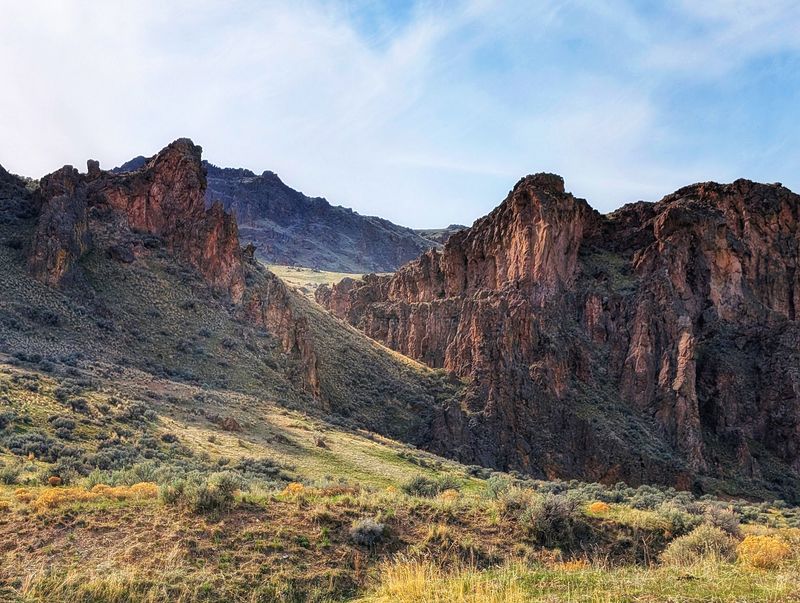
Round, lumpy rocks that look like dull potatoes keep turning up in the gravel of a desert creek. Crack one open, and you might find swirls of agate or a tiny cave of sparkling quartz.
Those rocks are thundereggs. They formed inside volcanic rhyolite millions of years ago, and erosion keeps nudging fresh ones out of the banks.
Colorful jasper and plume agate tumble out right alongside them.
The spot sits in the rugged southwest corner of Idaho, far from pavement and cell signal. I like how the whole trip feels like a treasure hunt with a geology lesson tucked in for free.
Fall brings cooler air, firmer roads, and newly exposed stones.
I can’t imagine a better excuse to grab a bucket and a rock hammer. So where exactly is this creek, and what will you pull from it?
A High Desert Creek That Can’t Decide Which State It Likes
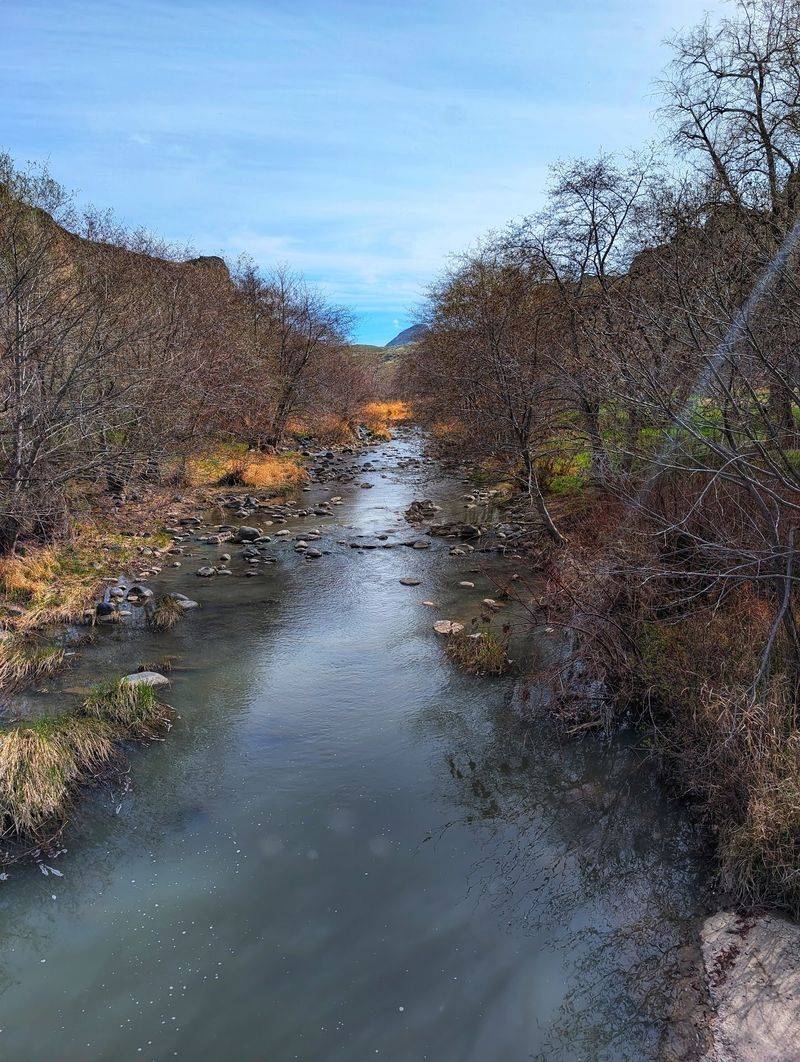
Succor Creek is a wandering little waterway that starts in Owyhee County, Idaho, then slips across the border into Oregon. Later it swings back into Idaho and joins the Snake River near Homedale.
That back-and-forth route makes it one of the more unusual creeks in the Treasure Valley’s backyard. It also means you’ll want to pay attention to which state your boots are standing in.
The creek cuts through a canyon shaped by volcanic activity during the Miocene epoch. Ancient eruptions left behind thick layers of rhyolite and volcanic ash.
Those layers are where the good stuff hides.
Rockhounds know the area for thundereggs, jasper, and agate. Gravel washes, dry creek beds, and hillsides along the route all hold potential finds, especially after erosion has done its slow work.
Google files the place under the ZIP code Idaho 83628, which belongs to the Homedale area. Don’t expect a street address, though, since this is open country with sagebrush, rocky outcrops, and wide sky.
For a day-out with a real payoff, few places in southwest Idaho can match it. You leave with dusty jeans and, with a little luck, a pocket full of rocks.
Volcanoes Built This Rock Shop Millions Of Years Ago
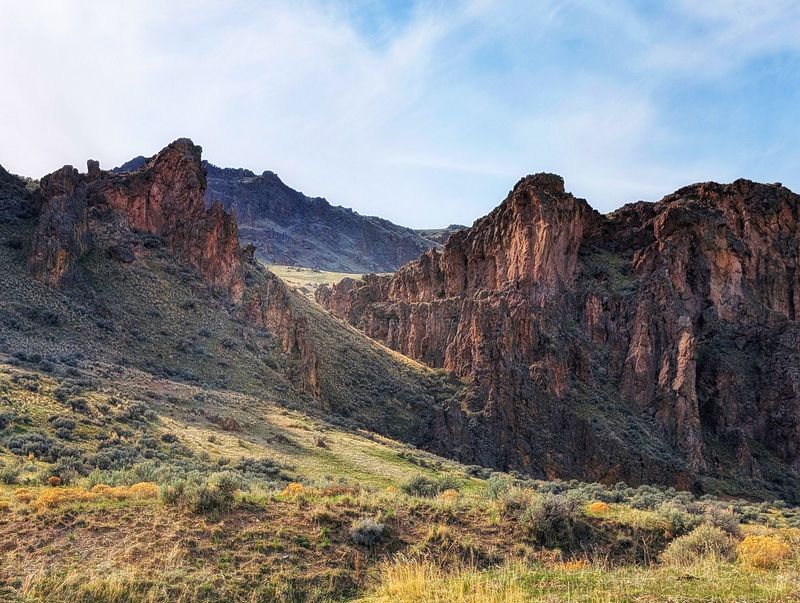
Gas bubbles started the whole story. When rhyolite lava cooled in this region long ago, pockets of trapped gas left hollow cavities behind.
Mineral-rich groundwater later seeped into those hollows. Over enormous stretches of time, it deposited layers of silica that hardened into agate, chalcedony, jasper, or quartz.
The result is a thunderegg, a stony nodule that looks plain outside and fancy inside. Many have a star-shaped core filled with banded color.
Others hold a pocket of glittering crystals.
Fun fact for your next road trip quiz: the thunderegg is the official state rock of Oregon. Idaho never claimed it officially, but this creek produces plenty of them anyway.
The Owyhee Mountains carry that volcanic history across a huge area. Wherever weathering exposes rhyolite, new nodules can work their way into the open.
That steady erosion is why the gravel bars keep restocking themselves. Seasonal water flow pushes material downstream and uncovers fresh stones along the banks.
So every rock you pick up carries a backstory longer than anything on your bookshelf. Cracking one open feels a bit like opening a letter mailed from the Miocene.
Thundereggs Get Top Billing In These Gravel Bars
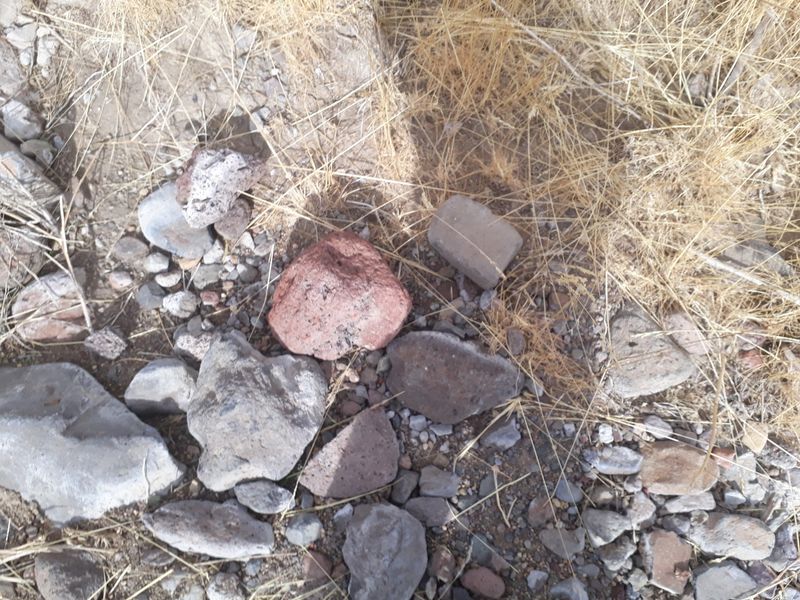
Look for something round to slightly lumpy, roughly the shape of a baseball that took a few wrong turns. Rough, brownish skin is normal, so don’t judge these rocks by their covers.
Thundereggs are the headline act along Succor Creek. They turn up in the creek bed, on gravel bars, and in the dry washes nearby.
Size varies quite a bit. Some fit neatly in your palm, while others take two hands and a little grunting.
The real fun starts at home with a rock saw or a careful hammer tap. Inside, you might find colorful agate, milky chalcedony, or a cluster of quartz crystals.
No two look alike, which makes every split a small surprise. That’s a big part of the appeal for families with kids who love a reveal.
A few hints help your odds. Scan areas where rhyolite has weathered out, and check the low edges of gravel bars after water levels drop.
Patience pays here more than speed. Walk slowly, keep your eyes low, and pick up anything that feels heavier than it looks.
Owyhee Jasper Looks Like A Tiny Desert Painting
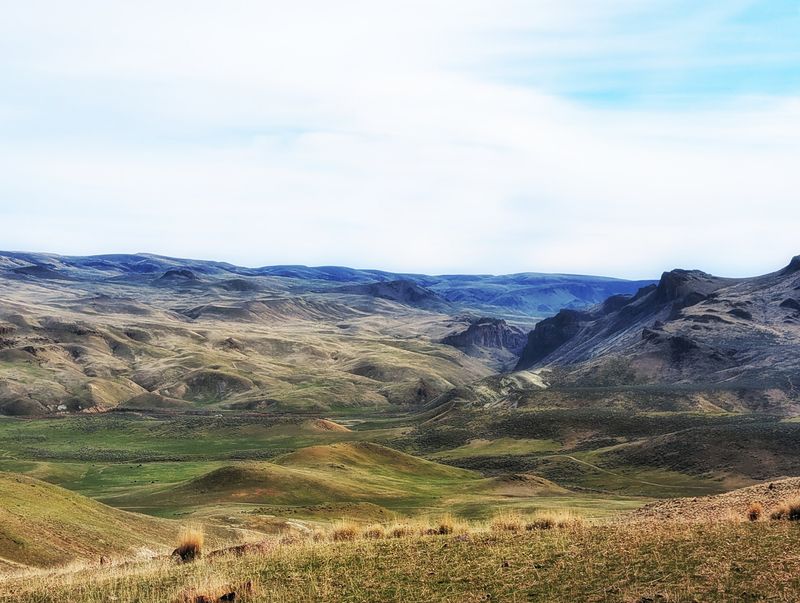
Soft blues, tans, and browns make Owyhee jasper easy to love. When cut and polished, the patterns can look like miniature desert landscapes, complete with ridgelines and sky.
Jasper ranks right behind thundereggs on most Succor Creek wish lists. It shows up in the same gravel and washes, so you can hunt for both at once.
Raw jasper is opaque and often has a smooth, waxy feel. Wet a piece with a little water, and the colors pop much more clearly.
Many rockhounds carry a spray bottle for exactly that reason. It’s a cheap trick that saves you from hauling home a bucket of ordinary gravel.
Owyhee jasper is a favorite among lapidary hobbyists. People turn it into cabochons, pendants, and polished slabs for display.
Even if you never touch a rock saw, a tumbler works wonders. A few weeks of tumbling turns a dusty chunk into something shelf-worthy.
Kids especially enjoy the color hunt. Searching for blue streaks in a sea of brown stones turns a quiet walk into a contest pretty quickly.
Bonus Finds That Make The Bucket Heavier
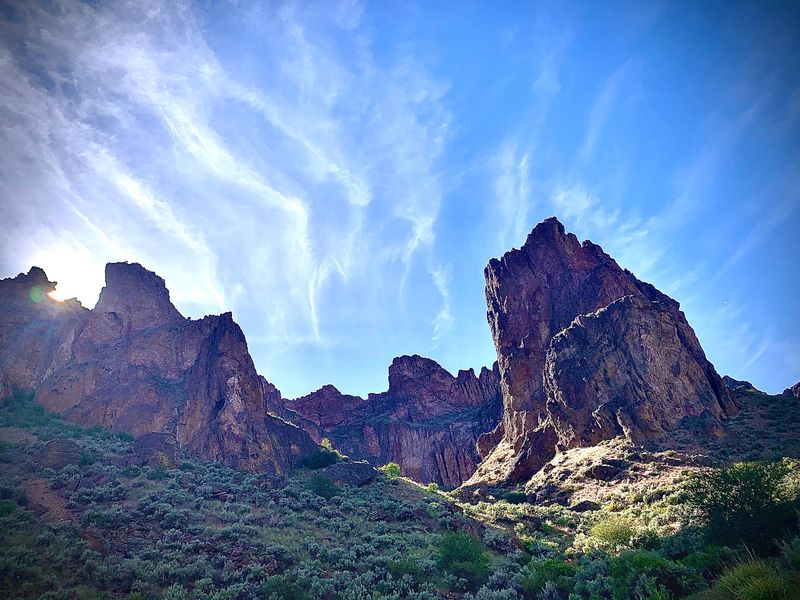
Plume agate might steal the show on a lucky day. Its feathery inclusions look like little plumes of smoke frozen inside the stone.
Succor Creek also turns up petrified wood. These pieces formed when ancient trees were buried and slowly replaced by minerals.
Look closely for growth rings or bark texture. Those details separate petrified wood from regular rock at a glance.
Ancient plant fossils appear in the area too. The volcanic ash layers preserved leaves and other plant material from a much wetter era in Idaho’s past.
That variety keeps a trip from feeling repetitive. You might set out for thundereggs and come home talking about a fossil leaf instead.
A small field guide or a rock identification app helps sort out your finds. So does a magnifying loupe, which weighs almost nothing in a backpack.
Label bags as you go with a marker and a quick note. Future you will appreciate knowing which wash produced that odd green chunk.
Fall Is Rockhound Season For Good Reason
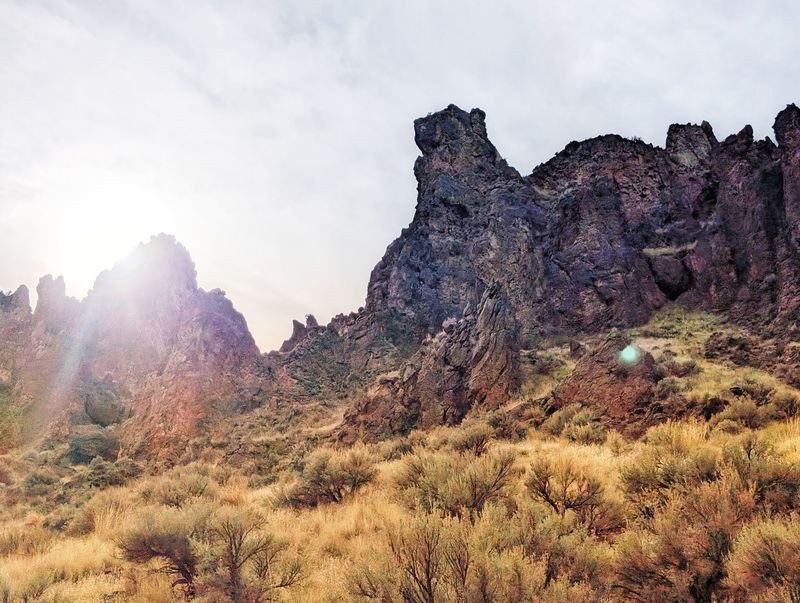
Summer heat in the Owyhee canyonlands can be brutal. Winter brings slick, muddy roads that may become impassable after storms.
That leaves spring and fall as the sweet spots. Autumn wins plenty of fans because cooler temperatures make a long day of walking much easier.
Water levels also matter. As flows drop later in the year, more gravel bar surface sits exposed and ready for searching.
The title’s promise of an every-fall show is a little poetic, to be fair. Erosion runs all year, but seasonal water flow speeds up the delivery of fresh stones.
Plan to arrive with plenty of daylight. Days shorten quickly in fall, and you won’t want to drive washboard gravel in the dark.
Layers are your friend. Mornings can start chilly in the high desert, and afternoons may warm up fast once the sun clears the canyon walls.
Check the weather before driving, too. A heavy autumn rain can turn the access road into a mess even in a dry season.
Your GPS Might Steer You Wrong On The Way In
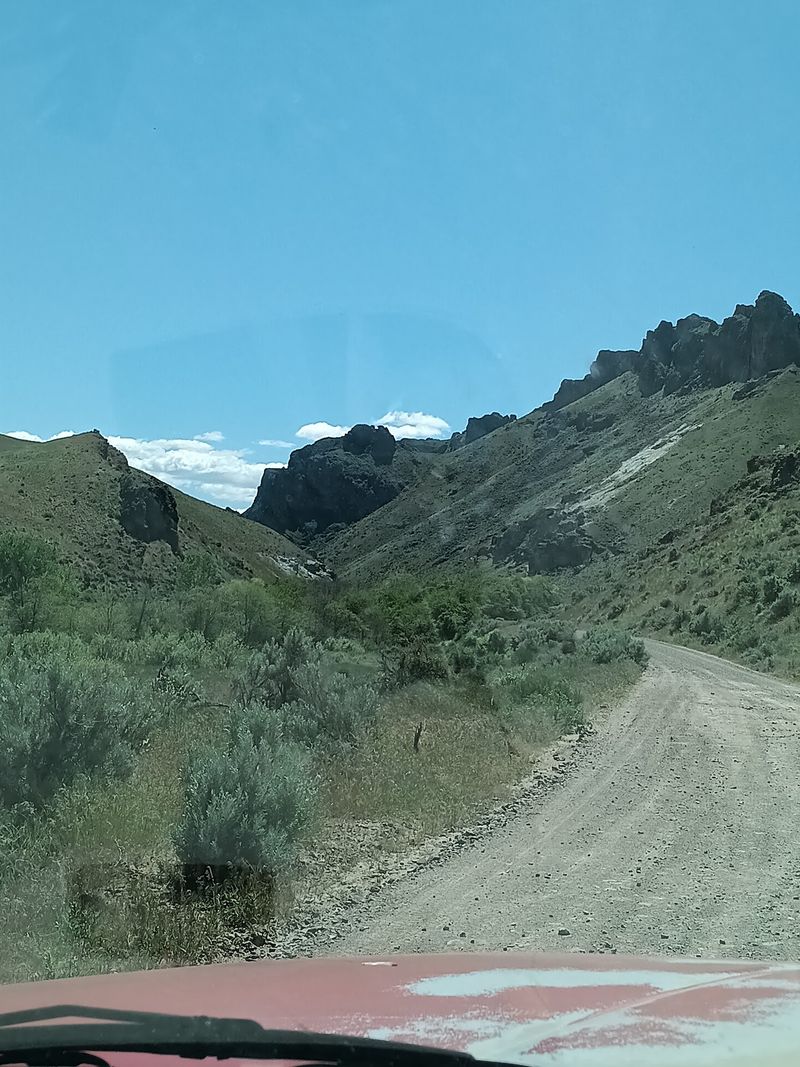
Starting from Homedale and trusting your phone blindly is a classic mistake. The main gravel road takes off roughly midway between Homedale, Idaho, and Adrian, Oregon.
From there, expect about 14 miles of gravel before the steep canyon walls rise around you. Washboard sections can rattle everything in the car, including your coffee lid.
A high-clearance vehicle is a smart choice. Some routes may call for four-wheel drive, especially after recent rain or snow.
Remote means remote here. There are no services and no cell signal, so download maps before you leave town.
Fill the gas tank, pack extra water, and bring snacks. A spare tire and basic tools belong in the trunk, too.
Unpaved Bureau of Land Management roads lead through the Idaho side of the area. Signage is limited, so a paper map makes a reassuring backup.
Tell someone your plans before heading out. It’s simple advice, but out here it carries real weight.
Land Rules Worth Knowing Before You Fill A Bucket
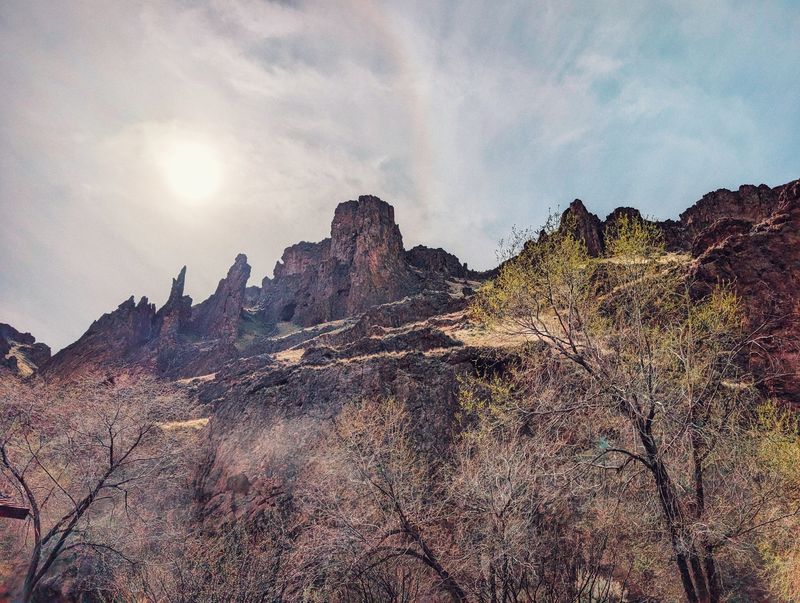
Land ownership around Succor Creek looks like a patchwork quilt. BLM ground, state land, private ranches, and active mining claims all sit near each other.
On BLM land, casual collecting for personal use is generally allowed without a permit. The common limit is 25 pounds per day plus one piece, up to 250 pounds per year.
Portions of the creek run through the Succor Creek State Natural Area on the Oregon side. Rules there are stricter, with a limit of one gallon per person per day.
The yearly cap in that natural area sits at three gallons. A gallon fills up faster than you’d think, so choose your keepers carefully.
Private ranch land is off limits without permission. Mining claims are also off limits, even if the stones look tempting.
Personal use means exactly that. Selling what you collect falls under different rules entirely.
Rules can change, so check current guidance with the BLM before driving. A land status map app helps you stay on the right side of every fence.
Pack The Right Tools And Leave The Machinery Home
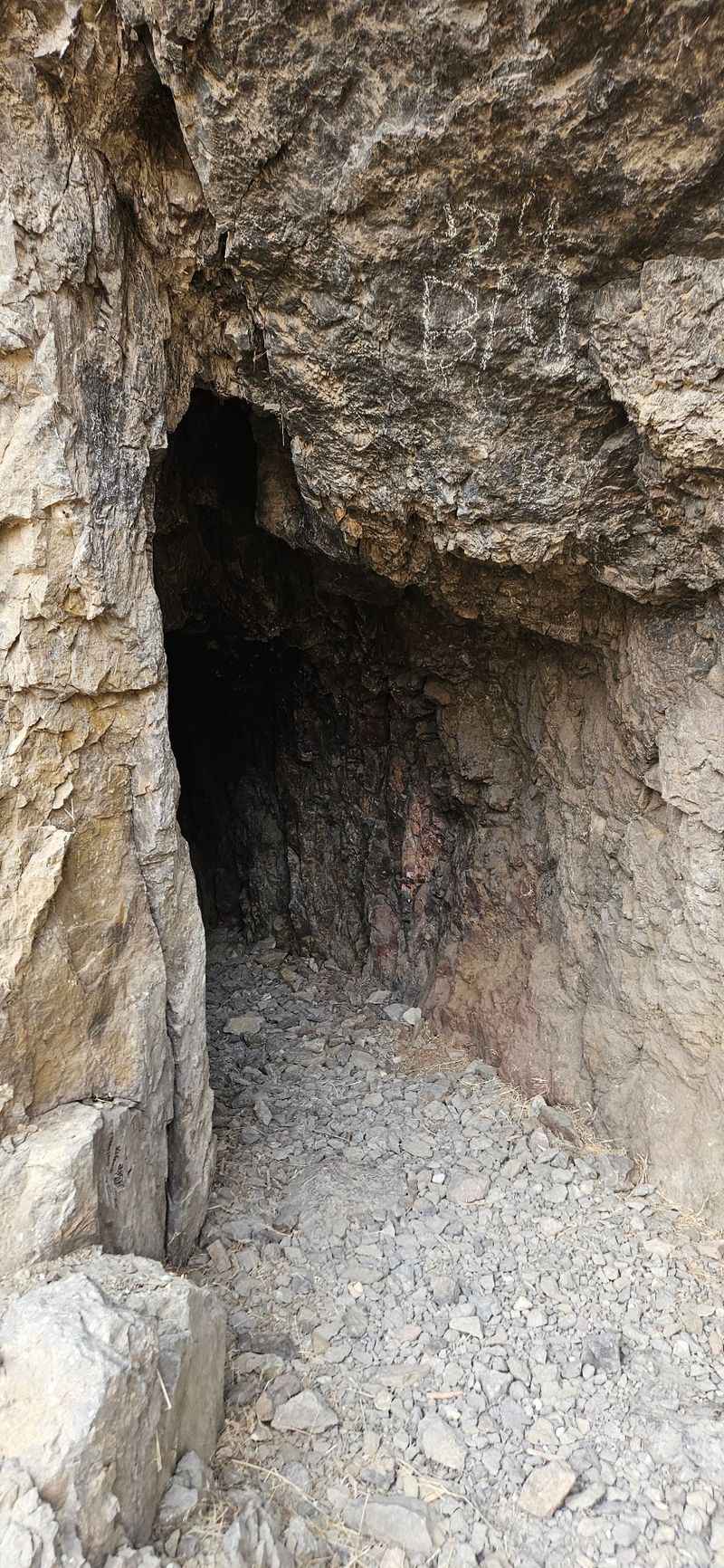
Surface picking works fine on a good day. Still, a little digging usually rewards you with better specimens.
A rock hammer tops the gear list. Add a shovel, a gad pry bar, and a chisel for prying stones out of tough rhyolite.
Sturdy gloves protect your hands from sharp edges. Safety glasses matter too, since chips fly when hammer meets rock.
A durable bucket keeps everything together. Canvas bags or old pillowcases work for separating jasper from thundereggs.
Only hand tools are permitted on BLM land. Motorized or mechanized digging equipment is strictly prohibited, so the backhoe dream stays a dream.
Fill any holes you dig before leaving. It keeps the area safe for cattle, wildlife, and the next family that wanders through.
A small kneeling pad is a quiet luxury. Your knees will thank you after an hour of sifting gravel on hard ground.
Hillsides And Dry Washes Hold Surprises Too
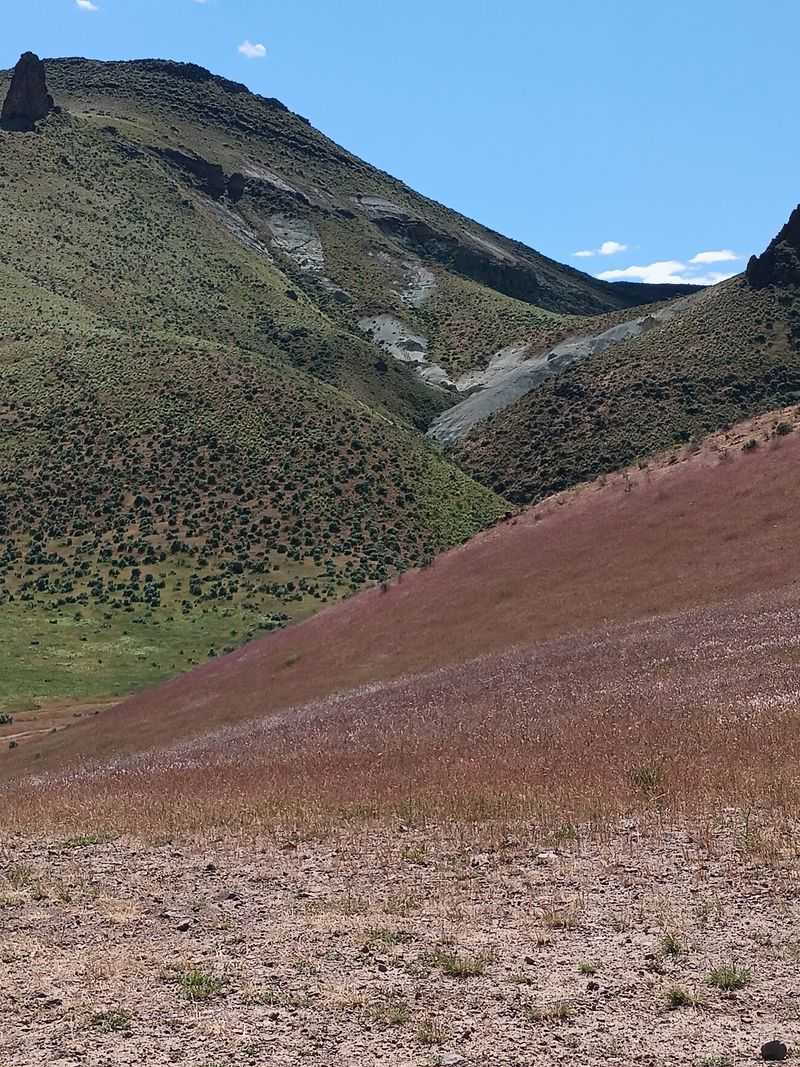
Gravel bars get the glory, but they aren’t the only spots worth searching. Hillsides and dry washes along Succor Creek Road can be just as productive.
Watch for places where erosion has exposed volcanic rhyolite. Those weathered faces often shed nodules and chunks of jasper downslope.
Dry washes act like natural sorting machines. Occasional runoff carries rocks downhill and leaves heavier stones behind in the low spots.
Fresh finds can appear without much digging at all. Weathering keeps bringing new material to the surface after every storm.
Walk carefully on loose slopes. Rocky ground can shift underfoot, and sturdy boots make a big difference.
Stay aware of land boundaries while you roam. A promising hillside could belong to a ranch or sit inside a mining claim.
The broader Owyhee region carries the same volcanic history. A sharp eye can be rewarded almost anywhere the ground lies bare.
Camping, Fishing, And Some Very Curious Cows
Rocks are the main draw, but plenty of folks make a weekend of it. Dispersed camping is available in the area on a first-come, first-served basis.
Popular weekends can fill the best spots fast. Arriving early in the day improves your chances of a decent site.
Fishing comes up often as another reason to visit. Hiking the canyon and exploring the rugged terrain round out the list.
ATVs and four-wheelers also see use on area routes. Stay on established trails to protect the fragile desert soil.
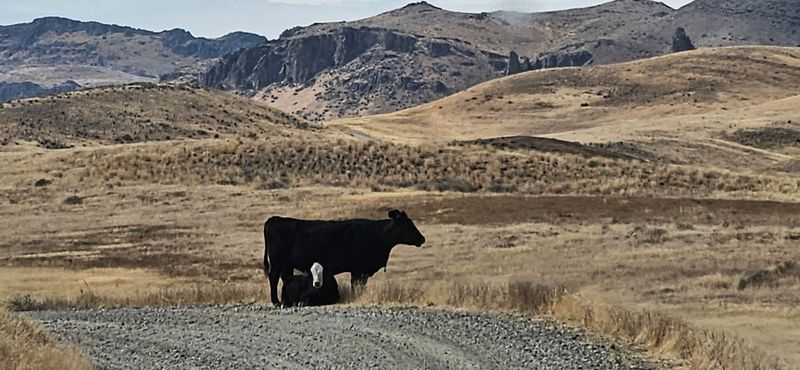
Cattle graze much of this open range. Give them space, close any gates you open, and enjoy the occasional moo as background music.
Pack out everything you bring in. Trash left behind spoils the place for everyone, and there’s no garbage pickup out here.
Bring all your own water and supplies. A good camp chair helps too, especially when the sun drops behind the canyon walls.
A Rough Road With A Rock-Solid Payoff
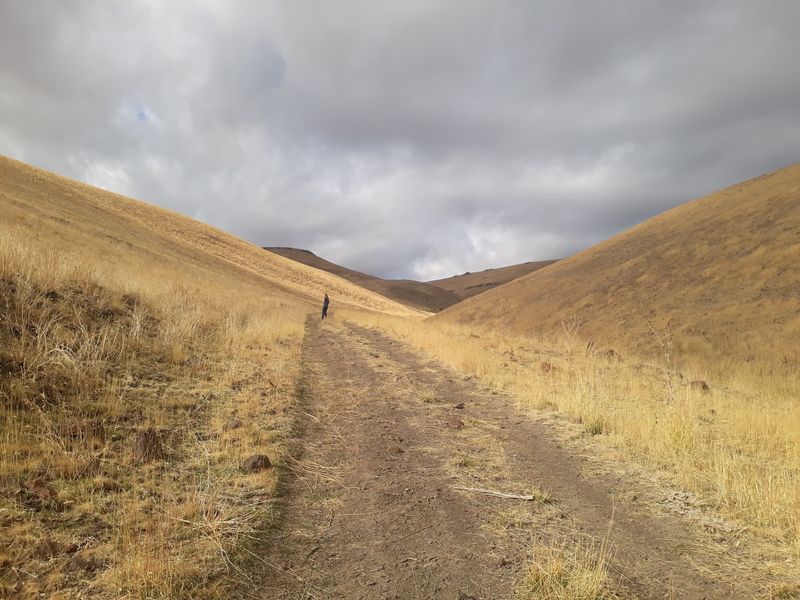
Dust, washboard, and zero bars of signal might not sound like a sales pitch. For the right crowd, that remoteness is exactly the point.
Succor Creek suits rockhounds, curious kids, and anyone who likes a little adventure with their scenery. Steep canyon walls and wide sagebrush views make even an empty bucket feel worthwhile.
It’s also a low-cost outing. Casual collecting on BLM land doesn’t require a permit, so your biggest expense is probably gas.
Plan for a full day, though. The drive, the hunt, and the slow walk back to the truck all take time.
Respect the land rules and leave the area cleaner than you found it. That’s how this corner of Idaho stays open for the next generation of rock lovers.
The thundereggs aren’t going anywhere fast. Erosion will keep nudging fresh ones into the gravel long after your first trip.
So grab a hammer, check the weather, and point the car toward Owyhee County. Somewhere in that creek, a plain-looking rock is waiting to show off.