This Museum Keeps Pioneer History Alive On Main Street In Idaho’s Oldest Town
For 12 whole years, a group of Idaho settlers thought they lived in Utah. A boundary survey in 1872 finally set them straight.
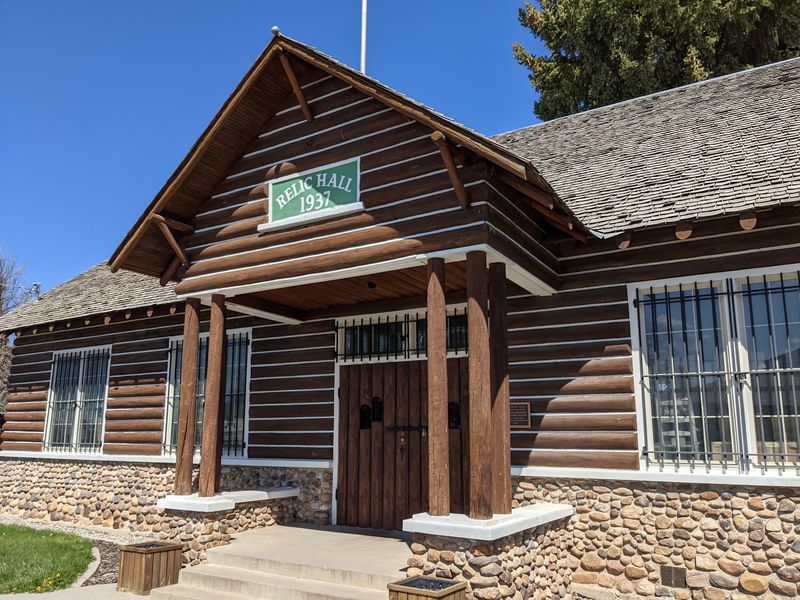
That mix-up is part of the story kept inside a log museum built by the Civilian Conservation Corps in the 1930s. The timber came from the U.S.
Forest Service. Many exhibits have stayed much the same since 1937.
I like how a building made to look like a settler’s cabin became a time capsule of its own. The collection reportedly began around 1910, so some pieces still carry the names of their first owners.
There’s even a Yellowstone touring stagecoach parked among the farm tools and family photos. I can’t imagine a better way to meet the people who started it all.
So who were they, and what did they leave behind?
A Log Museum on Main Street in Idaho’s First Town
Franklin Relic Hall sits at the heart of the Franklin Historic Properties in southeastern Idaho. It’s a rustic log building that holds the pioneer story of the state’s oldest town.
Franklin was founded on April 14, 1860, by Mormon pioneers. It’s recognized as the first permanent European-American settlement in Idaho.
The Relic Hall isn’t alone on its block. It shares the historic district with the L.H.
Hatch House and the old Franklin Cooperative Mercantile Institution building.
Together, the three buildings make a compact little campus of pioneer life. You can see a cabin-style museum, a grand family home, and a general store within a short stroll.
The Idaho State Historical Society maintains the site today. That state connection goes back to the very beginning, as you’ll see in a moment.
Signage near the street gives a solid overview of the town and its buildings. It’s a handy primer before you head inside, or a backup plan if you arrive outside open hours.
Franklin sits right near the Utah line in the Cache Valley. That location matters more than you might guess, because it fueled one of Idaho’s funniest geography mix-ups.
Twelve Years of Thinking They Lived in Utah
Talk about a long case of mistaken identity. Franklin’s founders spent their first dozen years believing they had settled in Utah Territory.
An official boundary survey in 1872 cleared things up. The town sat north of the line, which made it part of Idaho all along.
It’s easy to chuckle at the confusion now. Back then, though, borders were drawn on maps long before anyone walked them with survey tools.
The settlers arrived in April 1860 and got to work building homes, fields, and community. They had no idea they were writing the opening chapter of Idaho’s settlement history.
That claim to fame is why Franklin calls itself Idaho’s oldest town. It’s a title the community clearly treasures, and the Relic Hall exists to protect it.
The museum gathers the objects and stories of those early families. Many of their names still echo through Cache Valley today.
Knowing the backstory makes a visit richer. Every plow, clock, and photograph inside belongs to people who thought they were Utahns, until a survey crew handed them a brand-new state identity.
The CCC Crew That Raised These Log Walls
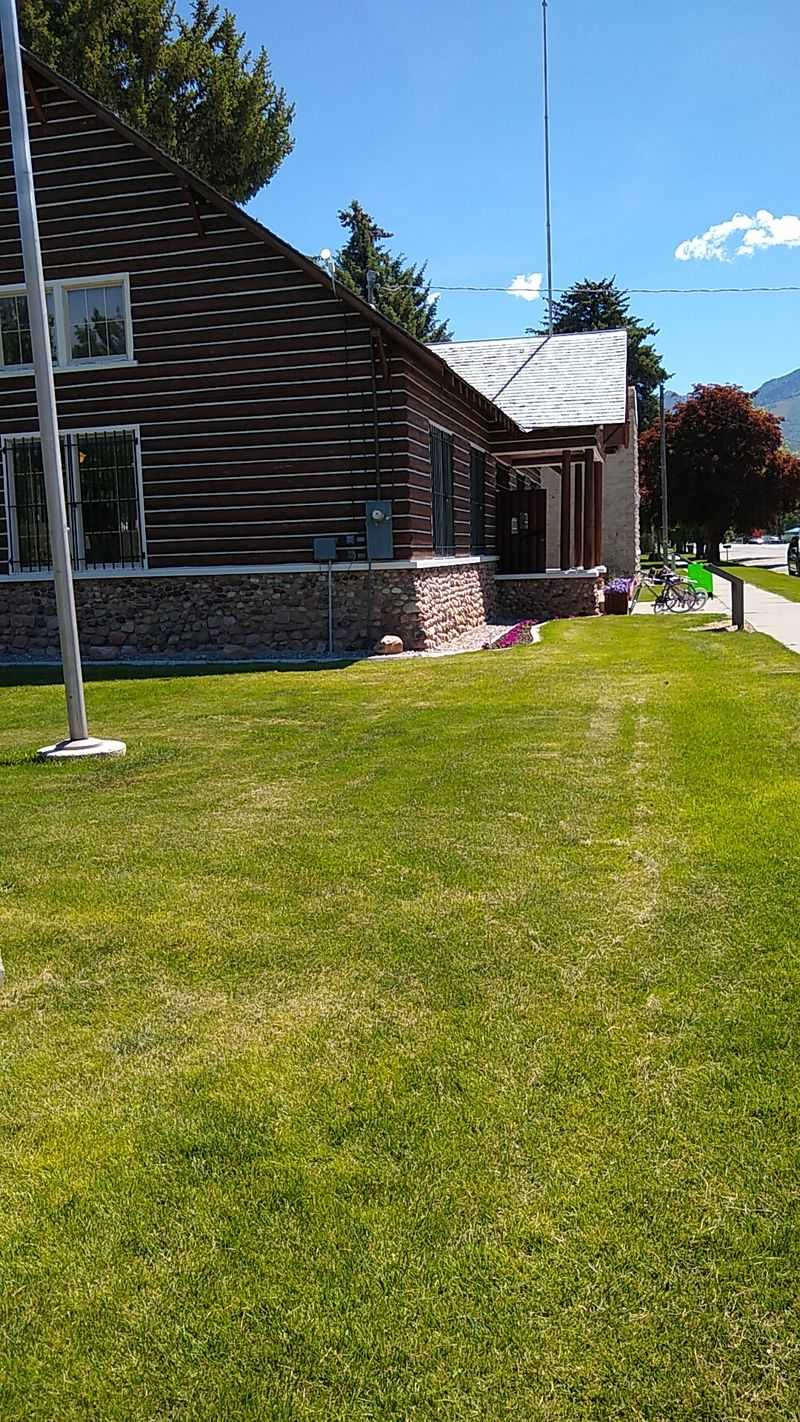
Architect Chris Gunderson drew up the design in 1935. His goal was simple: make the building look like an early settler’s log home.
Construction ran from 1936 to 1937, and it was a true team effort. The U.S.
Forest Service supplied the timber, while the Civilian Conservation Corps provided the labor.
The Idaho Legislature set aside money to build it. Meanwhile, the Franklin Pioneer Association deeded the land to the state.
That’s a lot of partners for one log building. It shows how seriously folks took the job of honoring their founders, even during the lean years of the 1930s.
The Idaho State Historical Society acquired the Relic Hall in 1936. It has cared for the building ever since.
Once finished, the hall became Franklin’s main historical center. It’s held that role for decades.
Recognition came later, too. The Relic Hall joined the National Register of Historic Places on January 11, 2001.
So the building itself is history twice over. It tells the 1860 story, while also standing as a proud piece of New Deal craftsmanship.
Exhibits Frozen Somewhere Around 1937
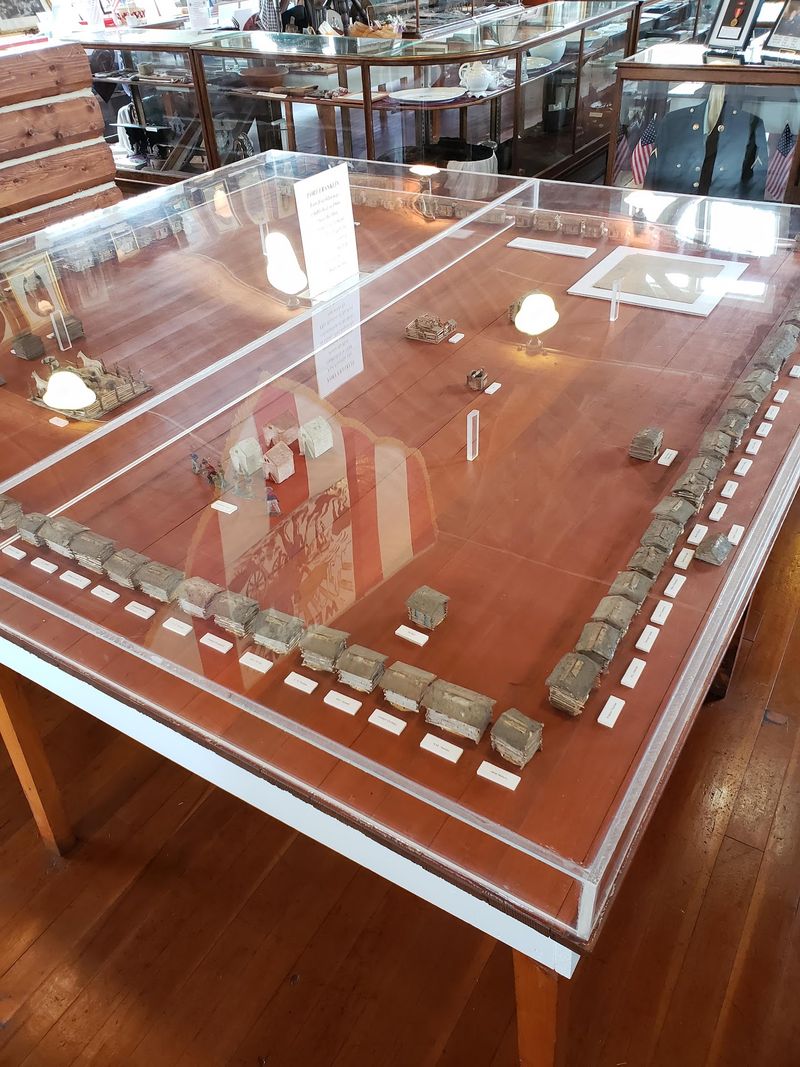
Most museums reshuffle their displays every few years. The exhibits at Franklin Relic Hall have largely stayed put since they were installed in 1937.
That makes the museum a bit of an artifact itself. You’re seeing pioneer history the way 1930s Idahoans chose to present it.
Current curators haven’t left it untouched, though. They’ve added research and new items to round out the story.
The collection covers many sides of pioneer life. Expect photographs of early settlers alongside household goods and tools of daily survival.
Here’s a detail I love. The collection reportedly started around 1910, so many pieces still carry the name of the original owner.
That changes how you look at a display case. A dish or clock stops being generic and becomes the possession of a specific Franklin family.
The museum also includes a display about the Bear River Massacre of 1863. That event happened nearby and remains an important, somber part of the region’s past.
Give yourself time to read the labels. The names are where this little museum really comes alive.
Farm Machinery, a Steam Engine, and a Yellowstone Stagecoach
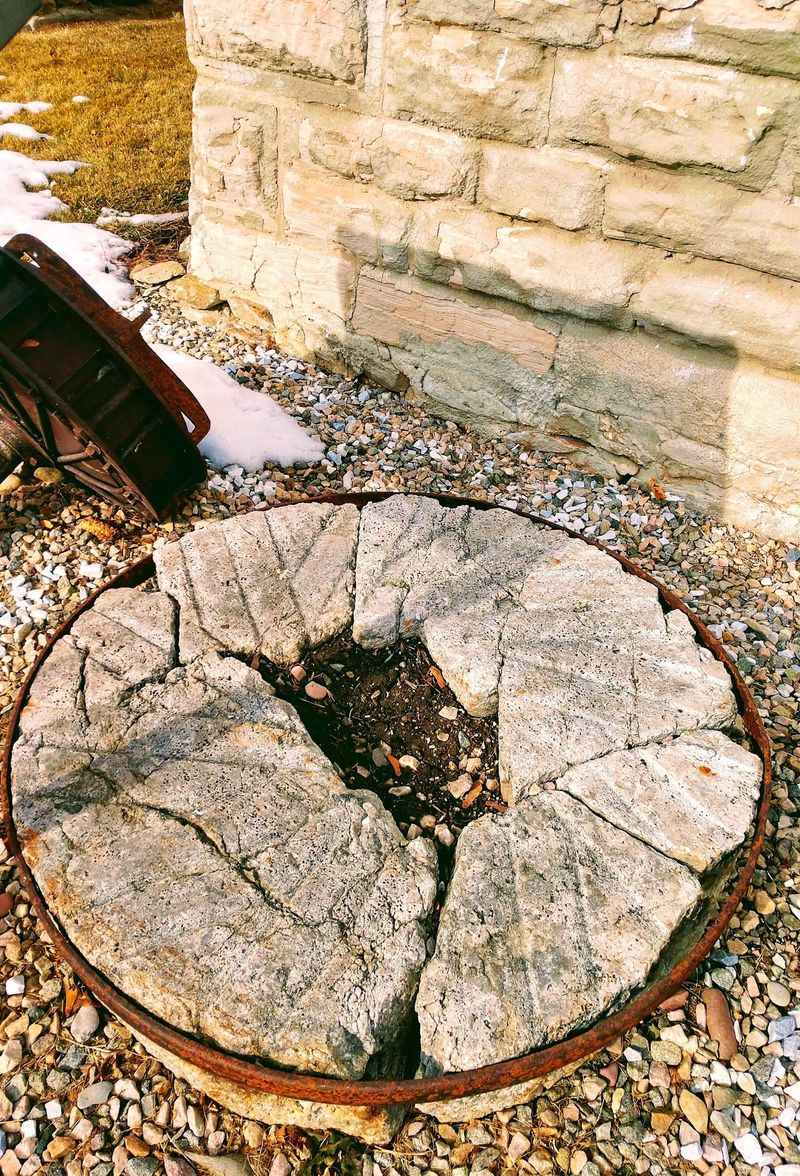
Gearheads, this one’s for you. The Relic Hall shows off old farm implements that once worked Cache Valley fields.
Pioneer farming was hard, physical work. Seeing the actual tools makes that labor feel real in a way textbooks never quite manage.
An old steam engine is part of the attraction too. It’s the kind of hefty machine that makes kids and grandparents stop in their tracks.
Then there’s the showstopper. A Yellowstone Park Touring Stagecoach sits among the collection.
It’s a fun surprise in a small-town museum. Before cars took over, coaches like this carried travelers through the country’s first national park.
The mix tells a bigger story about life in early Idaho. Families plowed, harvested, and eventually traveled, and each machine marks a step in that journey.
I believe this section wins over even reluctant museum-goers. It’s hard to stay bored next to a stagecoach.
Bring a camera and look closely at the details. Wheels, wood, and iron fittings reveal how things were built to last, long before plastic parts and quick replacements.
Your Great-Great-Grandmother’s Clock Might Be Waiting
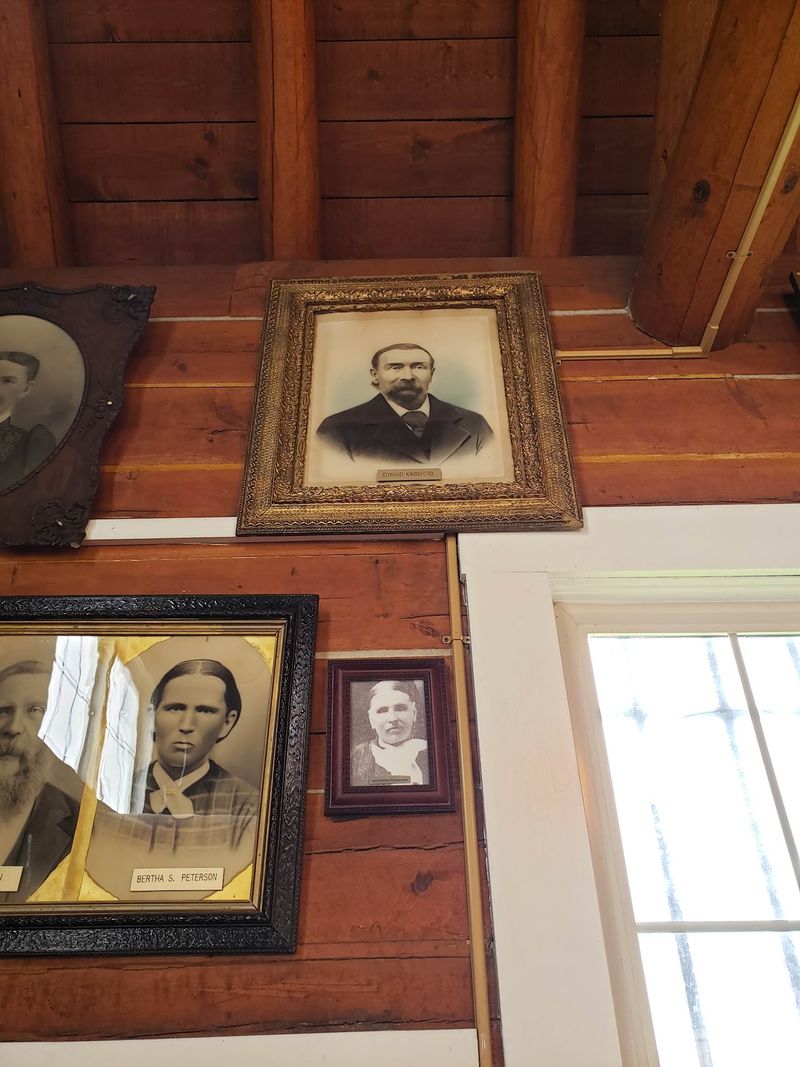
Got roots in Cache Valley? Franklin Relic Hall could be one of the best family history stops in southeastern Idaho.
Because many items carry their original owners’ names, descendants sometimes find heirlooms tied to their own families. One visitor even reported finding an ancestor’s clock from the 1860s.
The museum keeps family history information on many of the names connected to early Franklin. Staff have helped answer genealogy questions in the past.
That turns a casual stop into something personal. Tracing a surname from a label to a photograph can feel like opening a family album you never knew existed.
Copies of records have been available for a small fee per page. Ask about current options when you visit.
Bring whatever you already know. Names, dates, and towns of origin will make the search far easier.
Even without local ancestors, the family stories are worth hearing. They put faces on the founding of an entire state.
Many of these pioneer surnames still appear on mailboxes around the valley. History here isn’t distant at all.
It lives just down the road.
Next Door: The Hatch House and the Old Co-op
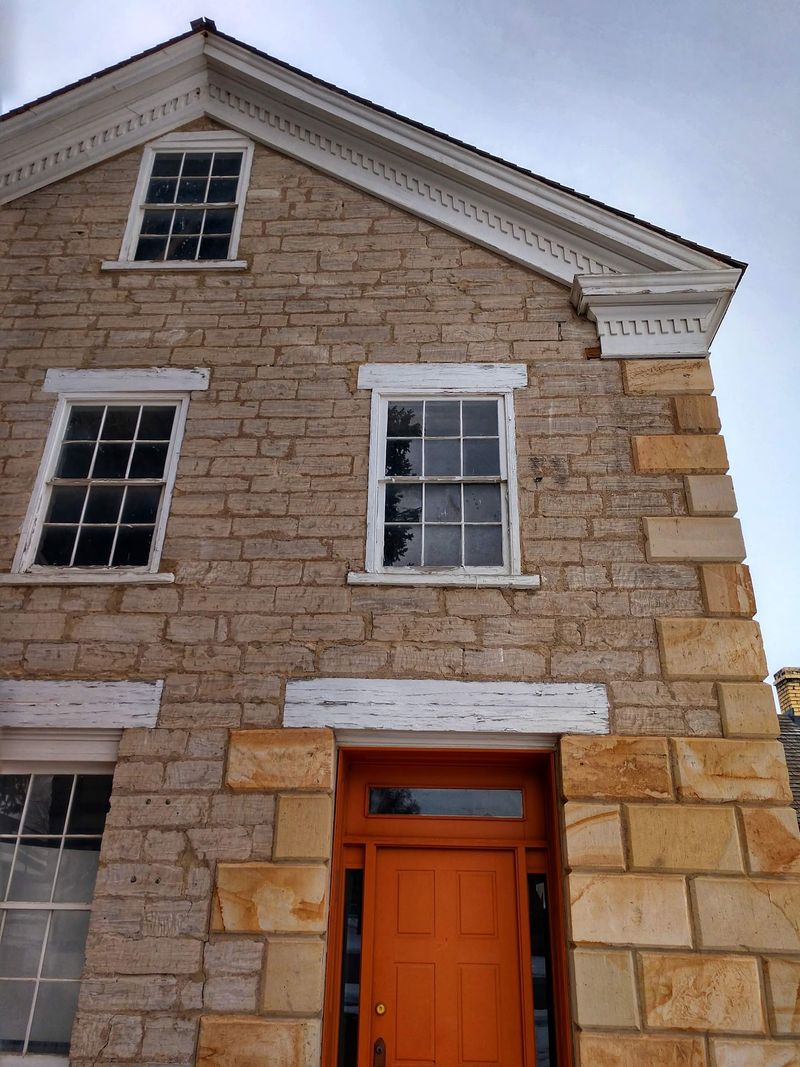
Save some energy for the neighbors. The L.H.
Hatch House and the Franklin Cooperative Mercantile Institution building round out the historic block.
The Hatch House is an impressive pioneer-era home. It offers a peek at how a prominent early family lived.
The co-op building recalls the days when townsfolk shopped at a shared general store. It’s a reminder that pioneer towns relied on cooperation to stay supplied.
During open hours, the buildings in the historic district are unlocked for visitors. That means you can explore beyond the Relic Hall’s log walls.
Guides have taken guests through these buildings and shared stories of the families who lived there. Grandkids especially seem to enjoy that kind of storytelling.
Outside of the season, you can still stroll the street. The exteriors make great photo subjects, and the signage fills in plenty of background.
Seeing all three together paints a fuller picture. You get a cabin-style museum, a family home, and a store, which covers living, working, and trading in early Franklin.
Pack a Lunch for the Pavilion and Park
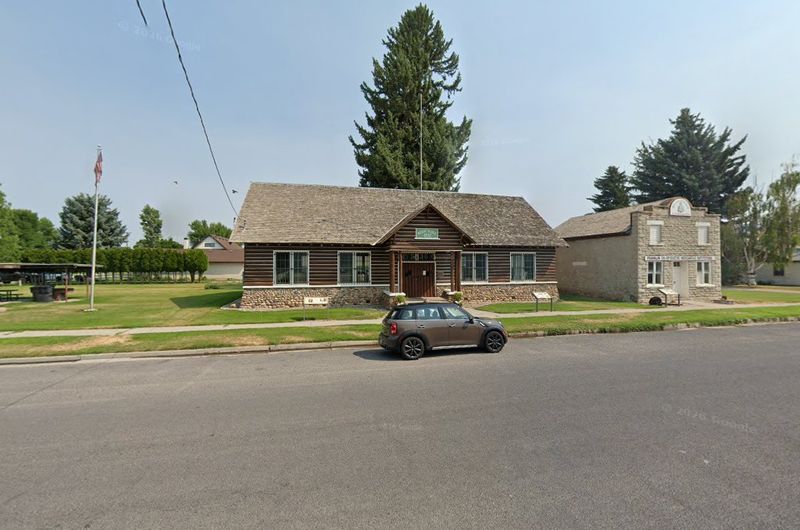
Road trippers, take note. Franklin Relic Hall has a pavilion with picnic tables, so packing lunch is a smart move.
The grounds work like a small park. They’ve long been a spot for family gatherings and lazy afternoon breaks.
It’s an easy way to stretch a history stop into a relaxed outing. Eat, wander the buildings, then eat a little more.
Families and near-retirees will find the pace refreshingly calm. The street is quiet, and nothing here demands a rush.
Kids get room to move after a long drive. Grandparents get shade and a place to sit.
I like how the museum and park balance each other. Thirty minutes of artifacts followed by a sandwich feels just right for younger travelers.
The area also clearly matters to the people of Franklin. Care for their history shows in how the site is kept up.
Toss a cooler in the trunk and plan a stop on your way through Cache Valley. A picnic beside Idaho’s oldest pioneer history beats a fast-food parking lot any day.
Plan Around a Short Summer Season Before You Go
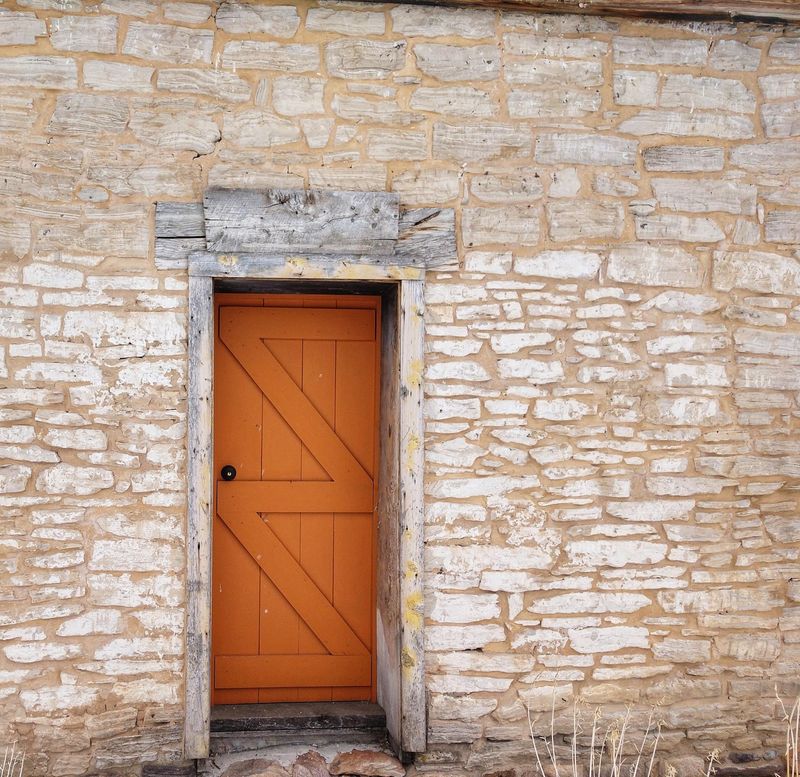
Timing is everything here. The Relic Hall opens seasonally, generally from Memorial Day through Labor Day.
Hours run for a few midday stretches on select weekdays and Saturdays. Appointments are also possible, so check before driving.
Schedules can shift, especially in a small volunteer-supported town. A quick call ahead could save a long trip.
Franklin Relic Hall sits at 113 E Main St, Franklin, ID 83237. Franklin lies along U.S.
Highway 91 near the Utah line, just north of Logan.
Pioneer Day on July 24 can be a lively time to come. It’s a fitting date for a museum devoted to early settlers.
So is it worth the stop? For anyone who loves Idaho history, I’d say absolutely.
You get a CCC-built log museum, a Yellowstone stagecoach, family heirlooms with names attached, and a picnic spot. That’s a lot for one quiet block.
Best of all, you’ll leave knowing the funniest fact in Idaho history. Twelve years in the wrong territory is a story worth telling at every family dinner.