This Free Idaho Park Along The Clearwater Lets Kids Touch Furs, Beads, And Living Nez Perce Culture
One national park in Idaho is spread across 38 sites in four states, and every one of them is free to visit. The beating heart of it sits beside the Clearwater River.
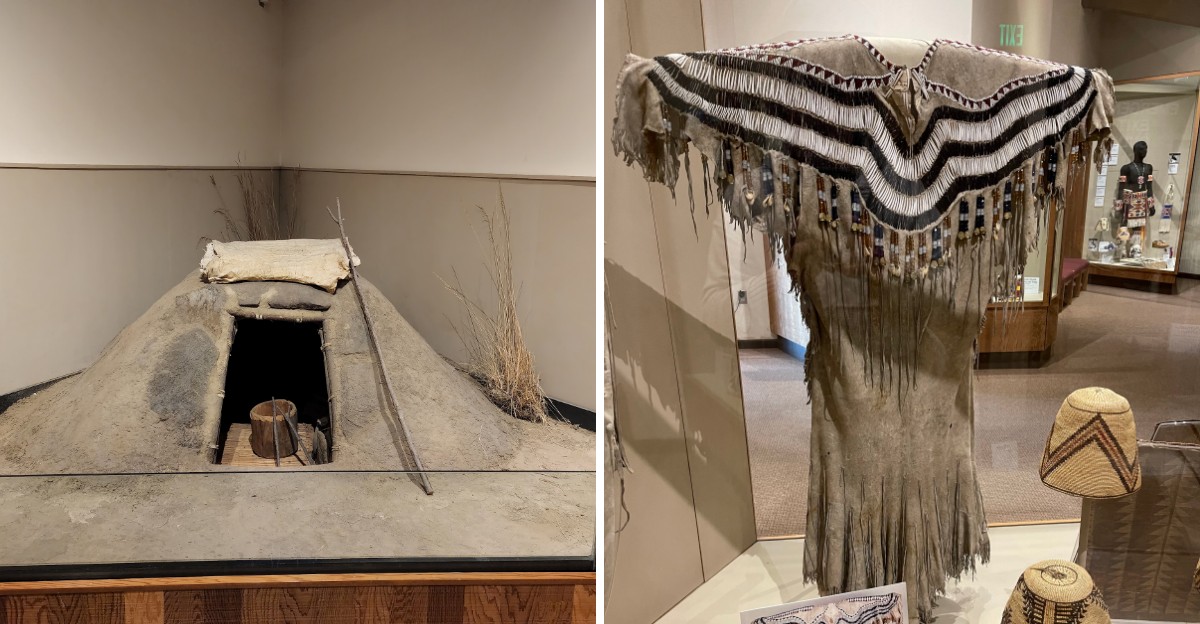
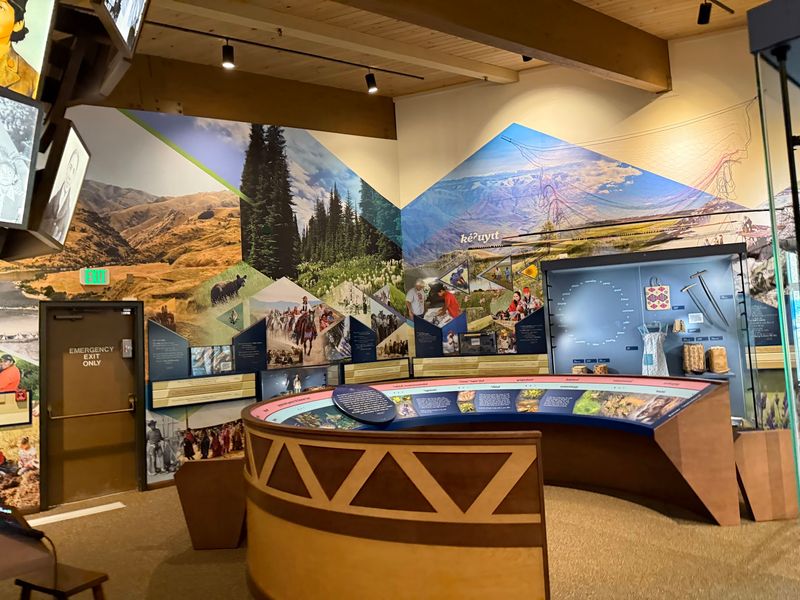
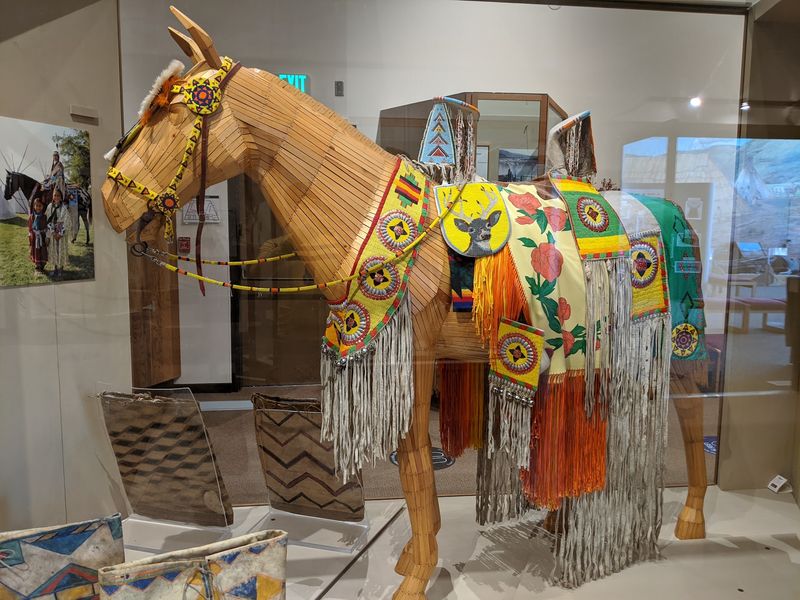
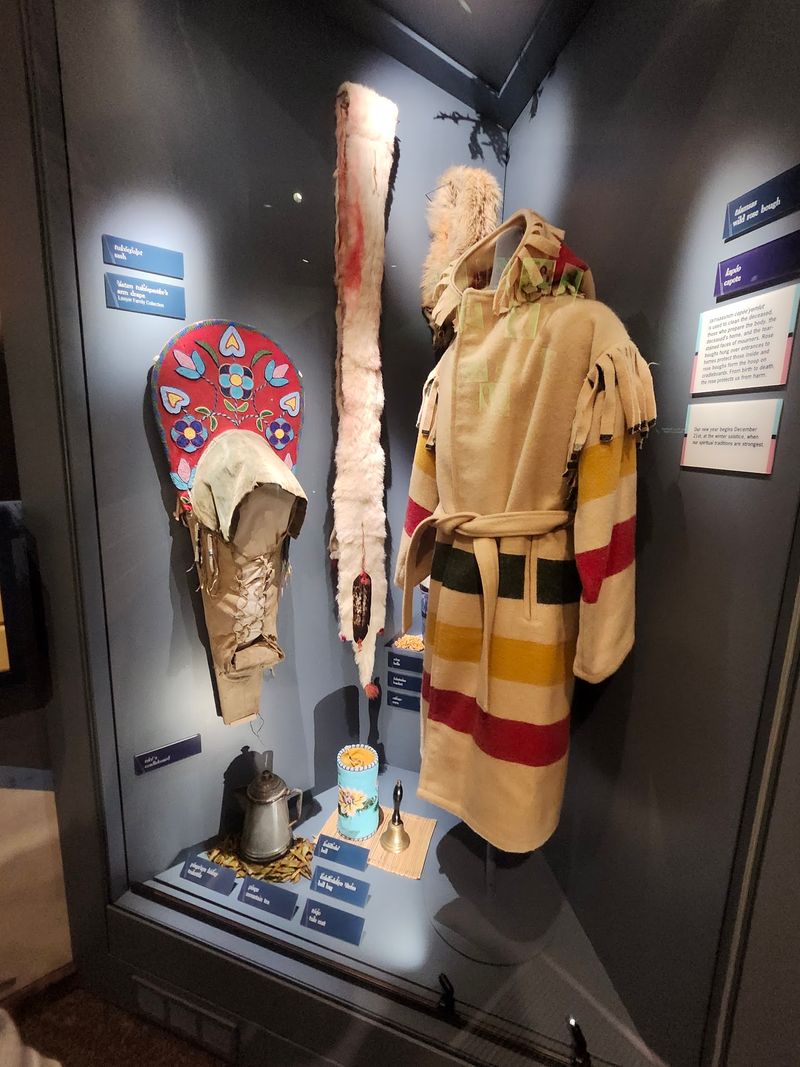
Inside, a lobby corner lets kids handle tool replicas, touch furs, and feel glass beads. Newer displays even include beaded bags, moccasins, and baskets made by Indigenous artists working today.
I like that this place treats culture as something living, not something frozen behind glass. The exhibits were developed with guidance from elders.
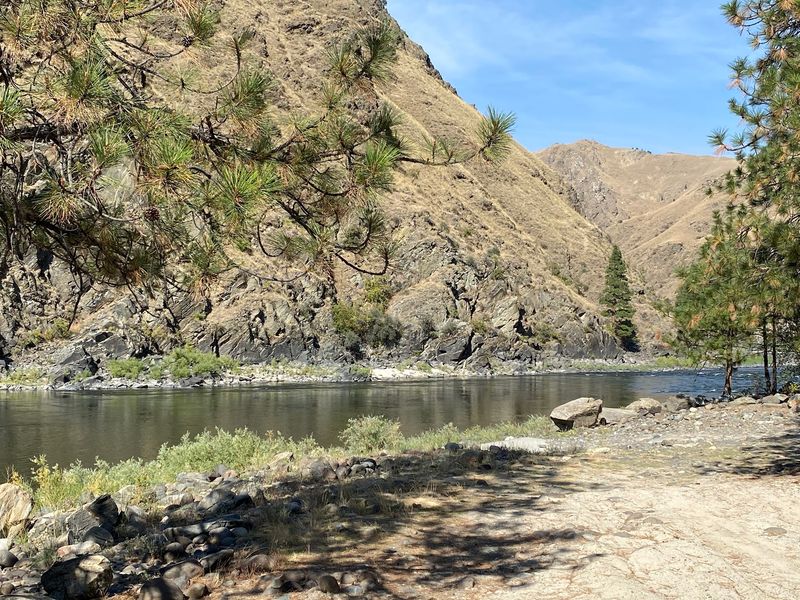
Outside, shady picnic grounds and old trees wait near the water.
The story told here stretches back thousands of years. It also keeps going, right now, with families who call this valley home.
So why does a quiet riverside stop off Highway 95 still pull people back year after year?
Your Front Door To A Park That Spans Four States
Most national parks fit inside one boundary line. The Nez Perce National Historical Park stretches across 38 sites in Idaho, Oregon, Washington, and Montana.
The Nez Perce National Historical Park Visitor Center serves as the main hub for all of it. It sits in the Spalding area of north-central Idaho, right along the Clearwater River.
That makes it the smart first stop before chasing any other site on the map. Rangers here can point you toward battlefields, landmarks, and trails spread across the region.
The park exists to share the story of the Nimiipuu, the name the Nez Perce people use for themselves. Congress created the park in 1965 with that goal in mind.
Visiting other units can feel like a scavenger hunt across several states. Starting here gives the whole puzzle a frame before you pick up the pieces.
Collectors of National Park passport stamps will want to know this, too. The visitor center is the place to grab the stamp for the park.
Free admission sweetens the deal even more. There’s no entrance fee at any of the park’s sites, so curiosity is the only ticket you need.
A Story That Stretches Back Thousands Of Years
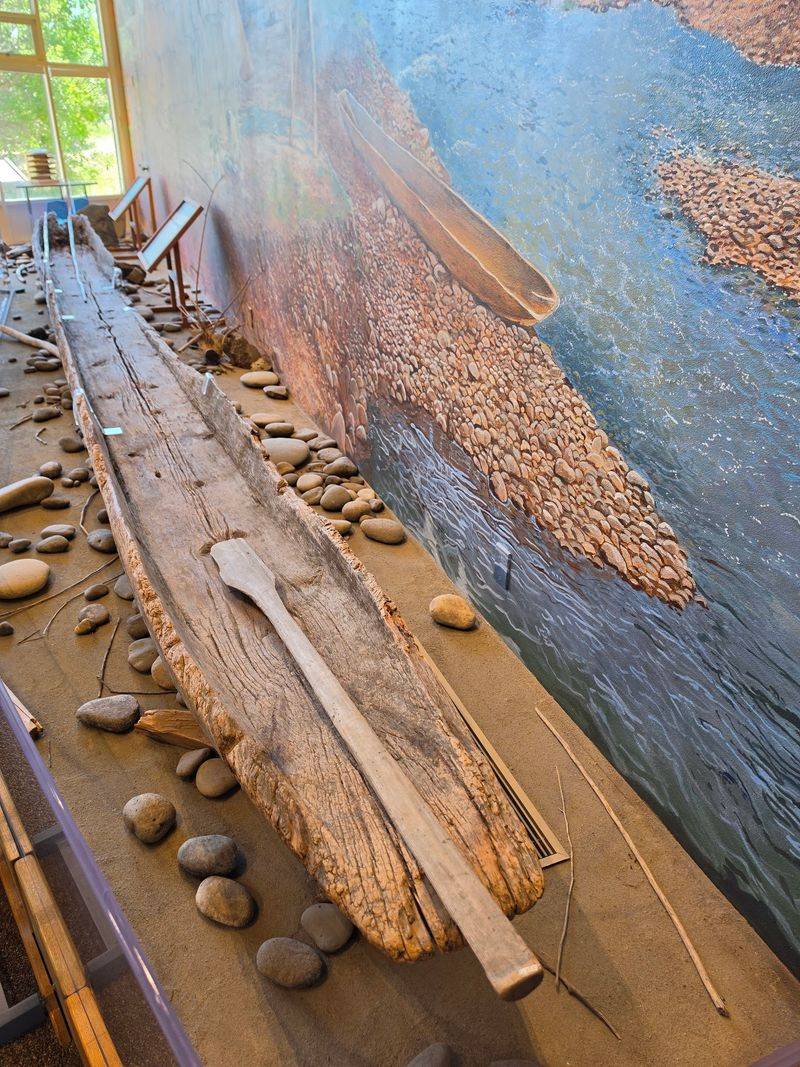
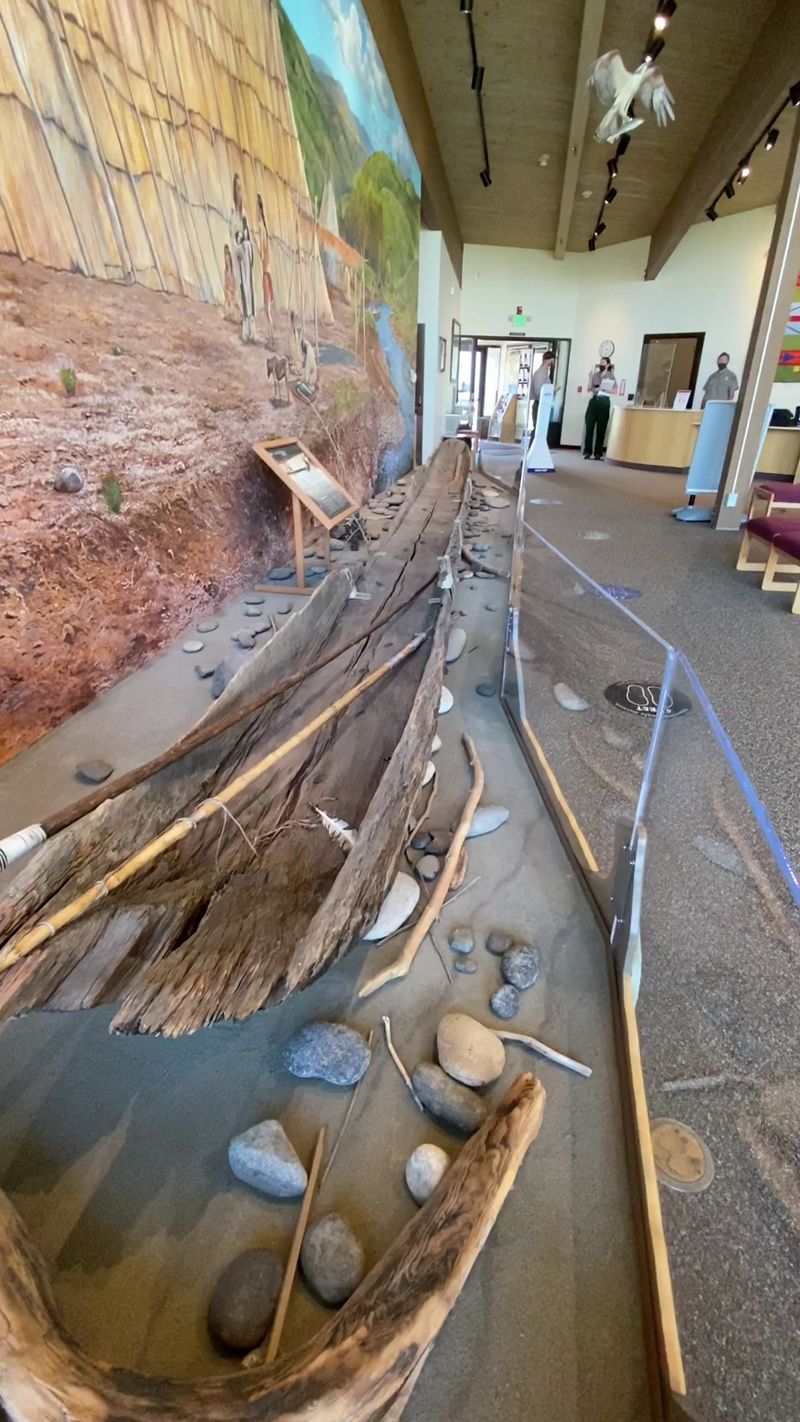
Fourteen thousand years. That’s roughly how far back the Nimiipuu story reaches in this region, long before any map called it Idaho.
The park walks visitors through that long timeline with care. Exhibits cover early life along the rivers, the arrival of Lewis and Clark, and the treaties that followed.
They also address the hard events of 1877, when many Nez Perce were forced from their homelands. The park presents that chapter honestly while keeping the focus on resilience.
What stands out most is the message that the story hasn’t ended. Nez Perce culture is presented as a present-day force, not a relic gathering dust.
That framing explains why families keep returning to this spot. It reflects their own history, told in a way that connects grandparents and grandkids.
The exhibits were shaped with guidance from elders. They describe beliefs, stewardship of the land, and history from a Nimiipuu point of view.
For visitors from elsewhere in Idaho, that perspective can reshape familiar ground. Rivers you’ve crossed a hundred times suddenly carry a much deeper backstory.
Beadwork, Baskets, And Exhibits Worth Lingering Over
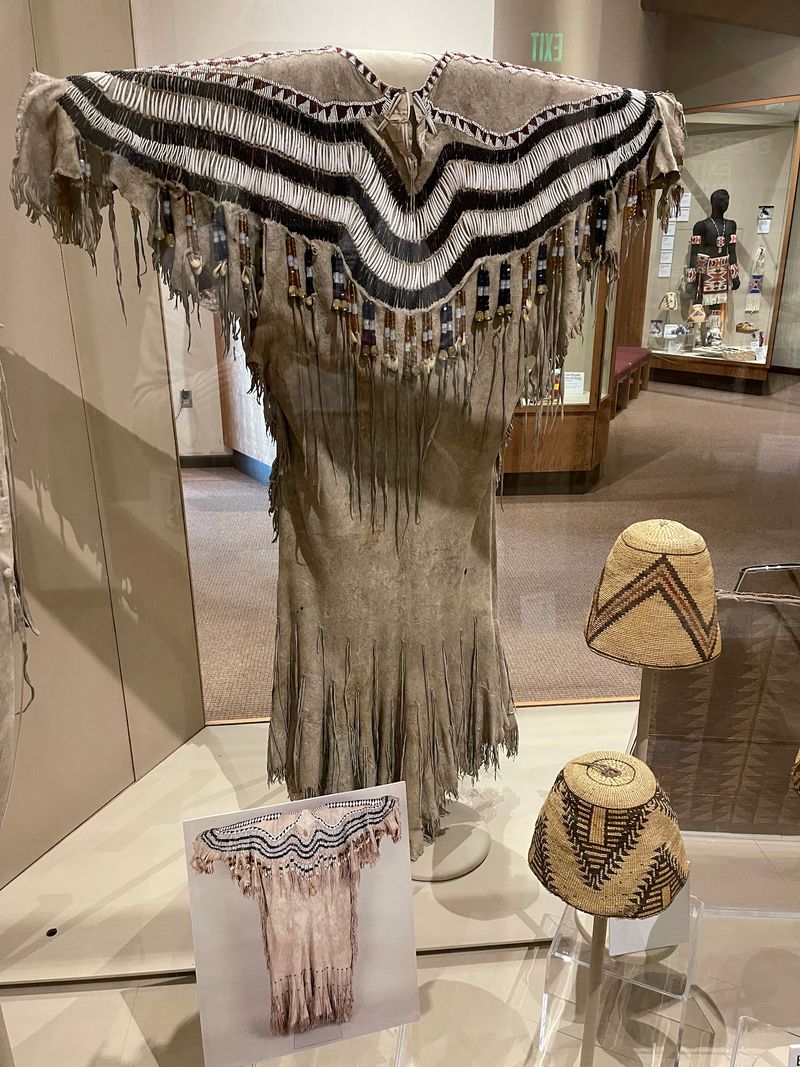
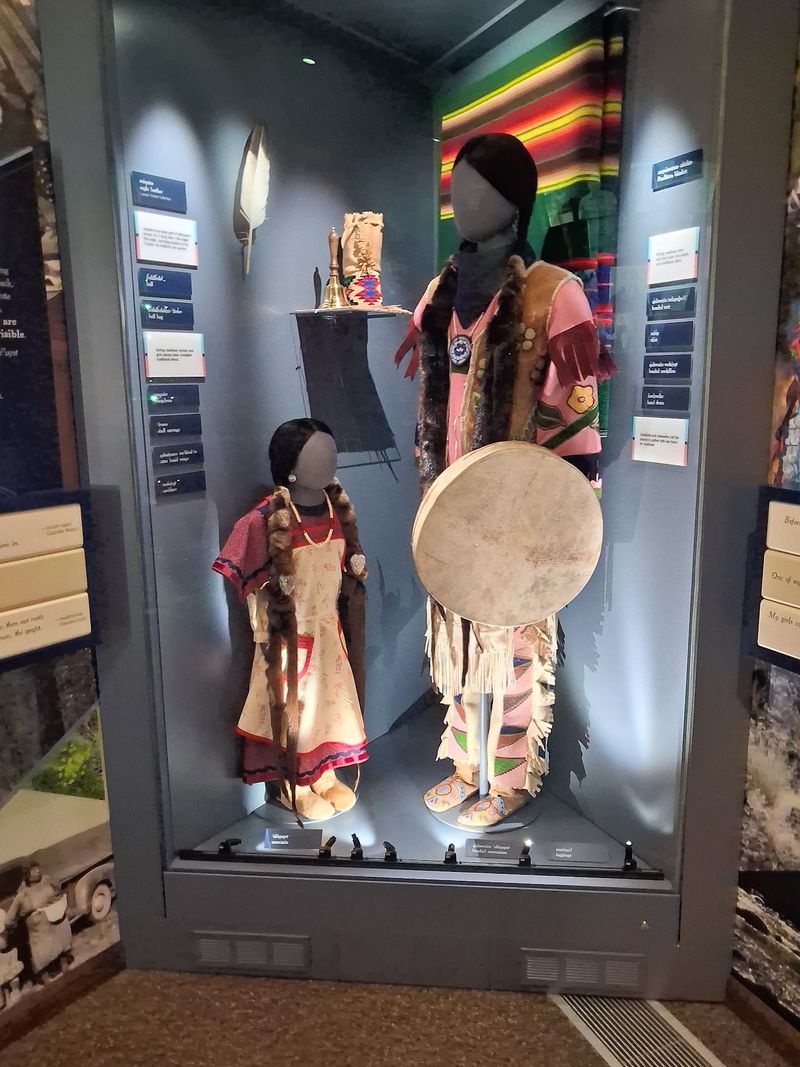
Glass beads stitched into intricate patterns steal the show inside the museum. The collection features Nez Perce clothing, tools, and ceremonial objects with real artistry behind them.
Beaded bags and moccasins draw plenty of attention. Woven baskets and everyday tools round out a clear picture of daily life.
Here’s a nice twist on the usual museum rules. Newer hands-on exhibits include items made by present-day Indigenous artists, and you’re invited to examine them up close.
That means touching, smelling, and studying pieces like beaded bags and baskets. It’s a rare treat in a world of velvet ropes and stern little signs.
The point comes across without a lecture. Nez Perce artistry isn’t only historic, it’s being created right now by living craftspeople.
Heads up for planning purposes, though. The visitor center has been undergoing remodeling recently, so some displays may shift around between visits.
The museum isn’t enormous, which works in its favor. You can take in the exhibits thoughtfully in about an hour without your feet staging a protest.
Settle Into The Theater For Of One Heart
Some park films feel like homework. The one shown here, titled Of One Heart, tends to be the part people remember most.
It runs a little over 20 minutes. That’s just long enough to give the whole visit context without testing anyone’s attention span.
The film introduces the Nimiipuu people, their homeland, and their history. It also looks at the present, which keeps the story grounded in real lives.
Watching it first is a smart move. The exhibits and outdoor sites make more sense once you know the bigger picture.
The theater itself is comfortable, so it doubles as a pleasant break from a long Highway 95 drive. On a hot Idaho summer day, sitting in a cool room counts as a bonus.
Teachers seem to appreciate it, too. Fourth grade classes visit, and the film gives young students an accessible starting point.
Ask a ranger about showing times when you arrive. They can help you fit the film into your plans before heading outside toward the river.
Little Hands Get Plenty To Touch And Earn
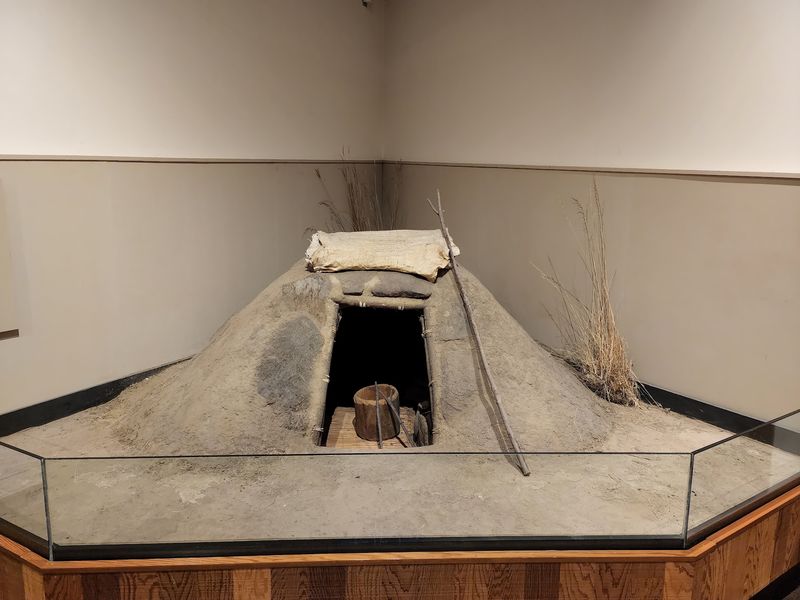
Kids who glaze over at museum labels tend to perk up fast here. A lobby area lets them use tool replicas and touch furs and glass beads.
That tactile corner turns history into something they can actually feel. It’s hard to stay bored while running your fingers over a soft pelt.
Junior Ranger fans get a double helping at this stop. Two programs are offered, one for the Nez Perce park and one for the Lewis and Clark National Historic Trail.
Families on a summer national park streak can knock out both badges in one visit. That’s efficient parenting, and nobody has to say so out loud.
Schools make use of the place regularly. Some north Idaho classes bring fourth graders every year, which fits nicely with state history lessons.
Rangers here are friendly and patient with questions, even repeated ones. Young visitors who ask why can expect real answers.
Parents also appreciate the easy logistics. You pull off the highway straight into the parking lot, so no one melts down on a long walk in.
Living Culture On Display Through Summer Demonstrations
Deer hide becomes moccasins. Rawhide becomes drums.
Those transformations happen in front of visitors during the park’s Cultural Demonstrator Series.
Skilled artisans share knowledge of Nez Perce material culture through these sessions. Beading designs onto clothing is part of the lineup too.
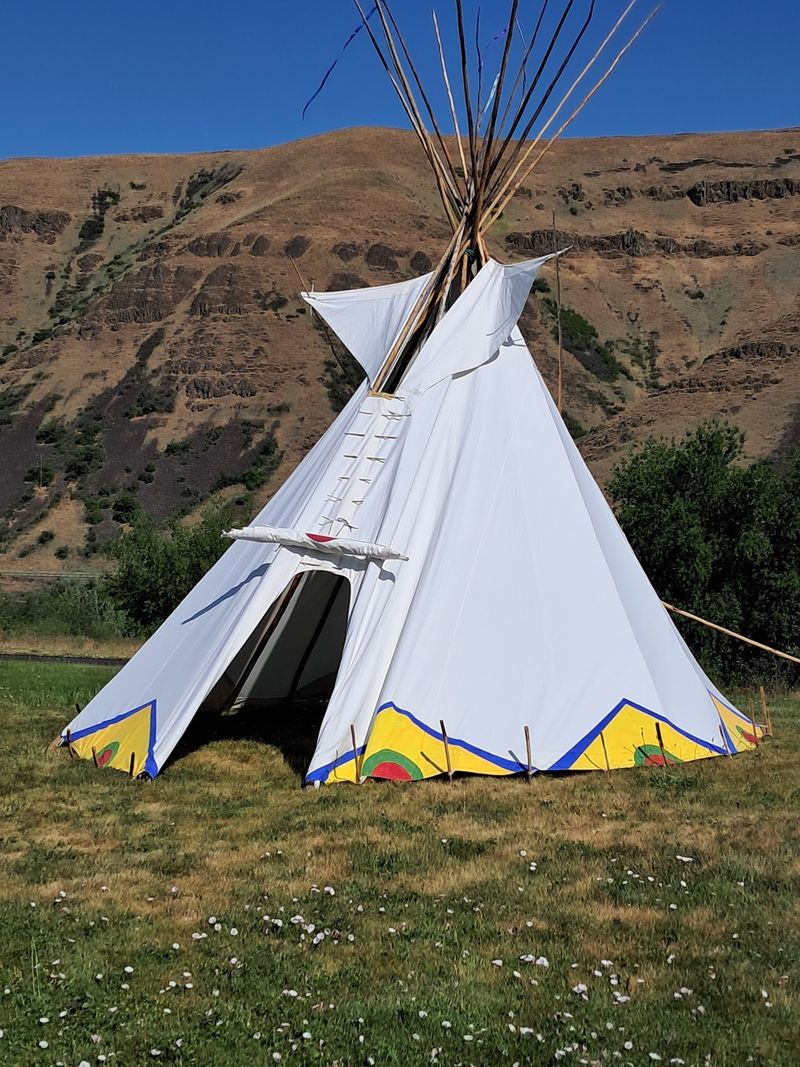
Summer is the season to aim for. From roughly Memorial Day through Labor Day, the park hosts programs like guided walks, museum tours, and tipi pitching demonstrations.
Tribal members demonstrate cultural practices near Lapwai each summer. It’s a strong reminder of why families keep gathering here.
The park also offers Behind-the-Scenes Collection Tours on summer Thursdays. They reveal clothing, beaded bags, baskets, tools, and regalia not usually on display.
Group sizes cap at eight people, so reservations are required. Spots like that don’t sit around waiting for procrastinators.
An outdoor seating area hosts ranger programs, giving everyone a place to gather. Schedules can change from year to year, so check before driving in.
Planning around a demonstration day pays off. Seeing traditions practiced live hits differently than reading about them on a panel.
Mission Ruins, Old Cabins, And Trails Down To The River
Head downhill from the building and the history goes outdoors. Four short interpretive trails wind through the Spalding historic district.
Along the way you’ll pass Watson’s Store and the Northern Idaho Indian Agency cabin. The agent’s residence stands nearby as well.
Remnants of the historic Spalding Mission sit on the grounds. Archaeological remains of a gristmill and sawmill add more layers to explore.
The Lapwai Mission Cemetery is here too. Early missionaries and many Nez Perce people rest there, so a quiet, respectful pace fits best.
A map and guide for the river trail help you make sense of each stop. Bridges and replica structures pop up along the routes too.
Don’t expect a rugged hike, since these are short, easy walks. The hill back up to the visitor center is the main workout.
Not feeling the climb? You can drive down to the picnic area instead, which saves your calves for another day.
The walk rewards you with river views and the overlooking hills. It’s the part of the visit that makes the history feel rooted in actual ground.
Shady Picnic Grounds Built For Slow Afternoons
Some of the trees shading the picnic grounds are more than 100 years old. That alone makes a pretty good argument for packing lunch.
The riverside park has a big grassy area and plenty of picnic tables. It’s an easy place to spread out a blanket and let the afternoon stretch.
Restrooms sit at the picnic area down by the water. During remodeling, the visitor center has relied on portable restrooms, so plan accordingly.
A beach along the Clearwater River adds even more appeal. Toes in the water after a museum visit feels like a well-earned reward.
The setting makes sense for families who’ve gathered here for generations. Shade, water, and open grass have always been good reasons to linger together.
Day-trippers from Lewiston can treat this as a quick escape. Bring sandwiches, a cooler of huckleberry treats, and maybe a frisbee.
Nothing here is fussy or formal. It’s simply a peaceful riverside park with history all around it, which beats most lunch spots in Idaho.
What To Know Before You Point The Car Toward Spalding
Finding the place is the easy part. The Nez Perce National Historical Park Visitor Center sits at 39063 US-95, Lapwai, ID 83540.
It’s about ten miles east of Lewiston and roughly three miles north of Lapwai. You turn off the highway and land right in the parking lot.
The visitor center generally opens Tuesday through Saturday during daytime hours. It stays closed Sundays and Mondays, though outdoor grounds may follow different hours, so check before driving.
Admission is free. The gift shop carries books, maps, and crafts by local Native artists, which directly supports living Nez Perce culture.
There’s no lodging or campground inside the park itself. Nearby towns like Lewiston offer places to stay if you’re making a weekend of it.
Plan on about an hour for the building, then more time for trails and the river. Summer brings the most programs, while quieter seasons offer more elbow room.
Honestly, this stop earns a spot on any north-central Idaho itinerary. Come for the history, stay for the shade, and leave knowing this valley a lot better.