This Easy Idaho Trail Leads To A Waterfall, And 25 Steps Take You Even Closer
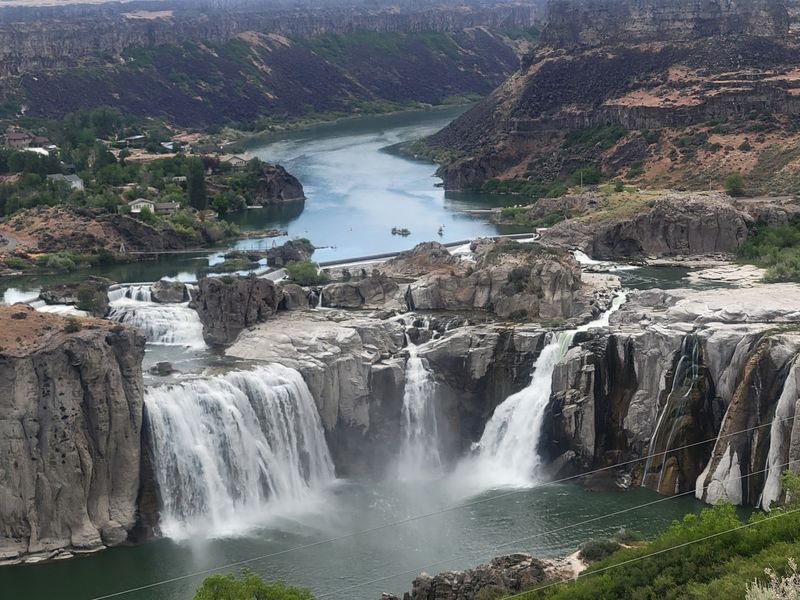
A paved path in southern Idaho looks like any ordinary town walkway until the roar of falling water starts drifting up from the canyon. Then comes a small staircase, just 25 steps, that puts you noticeably closer to one of the biggest waterfalls in the state.
The walk is short, the grades are mostly kind, and families stroll it every weekend. It is the rare outing where the payoff feels far bigger than the effort.
A Paved Path Above the Snake
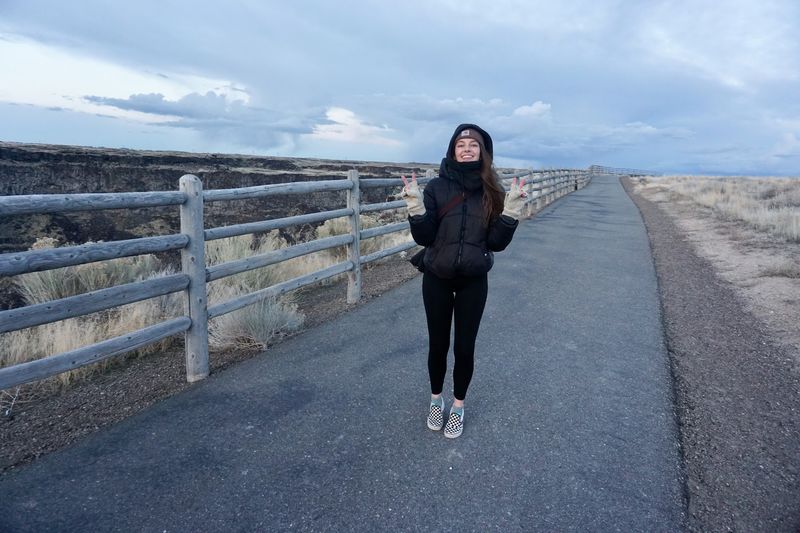
Basalt cliffs drop away on one side, and the Snake River Canyon opens up below like a giant crack in the Magic Valley floor. That is the setting for the Trail to Shoshone Falls, a walking route in Twin Falls, Idaho, that ends with a view of serious falling water.
Google Maps lists it simply as a hiking area, but visitors are quick to correct that label. Most describe it as an easy walk rather than a true hike, and that phrase pops up again and again from people who have tried it.
The route works for strollers of all kinds. Some people come on foot, others ride bikes, and a few even haul kayaks along connecting sections toward the river.
Benches sit along the way for anyone who wants a breather.
What sets this path apart from a typical canyon overlook is the finish. Instead of stopping at a railing far above the falls, the trail offers an optional staircase that brings you lower and closer.
Short distance, real scenery, and a clear reward at the end make it a favorite for anyone in southern Idaho wanting an afternoon outing without sore legs the next day.
Finding Your Way to Tule Drive
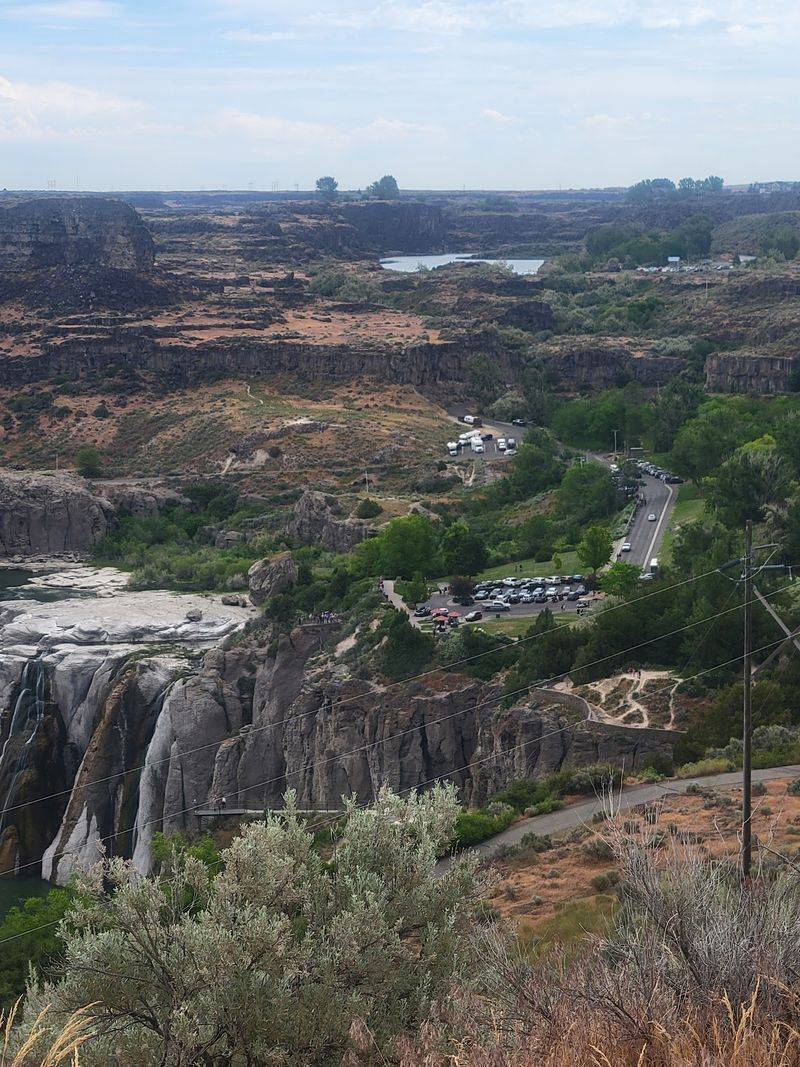
Plug 1697 Tule Dr, Twin Falls, ID 83301 into your phone, and you will land at the starting point for this walk. The address sits on the edge of town, where neighborhoods give way to sagebrush and the canyon rim.
Twin Falls makes an easy base. The city sits right along the Snake River in the heart of the Magic Valley, so most travelers along Interstate 84 can reach the area without a big detour.
Coordinates place the trail near 42.59 north and 114.44 west, close to the famous falls east of downtown. If your map app offers several Shoshone Falls listings, double check that you are aiming for the trail rather than a different overlook.
Parking details, fees, and any seasonal gate changes can shift from year to year. A quick check with the City of Twin Falls before driving out saves headaches, especially in spring when crowds pick up.
Once you arrive, the path is easy to follow. Pavement leads the way, and the sound of water does most of the navigating for you as you get closer to the canyon edge.
Niagara of the West Rumbles Below
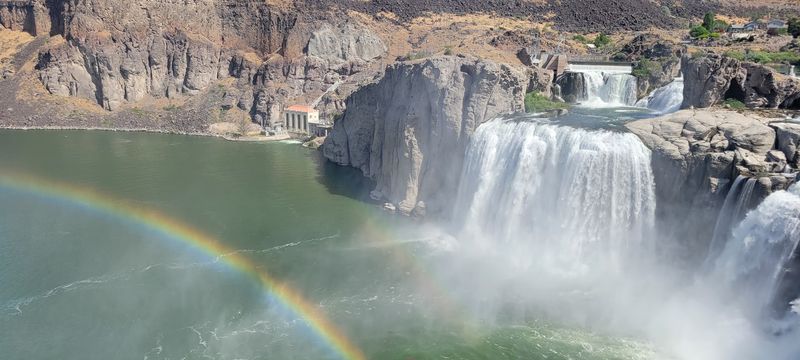
Plenty of Idaho waterfalls are pretty. Shoshone Falls is loud, wide, and impossible to ignore once it comes into view from the trail.
Visitors keep it simple when describing it. Words like beautiful and great falls show up often, and one traveler from the Netherlands called it a very lovely waterfall in their own language.
Nobody seems to leave unimpressed.
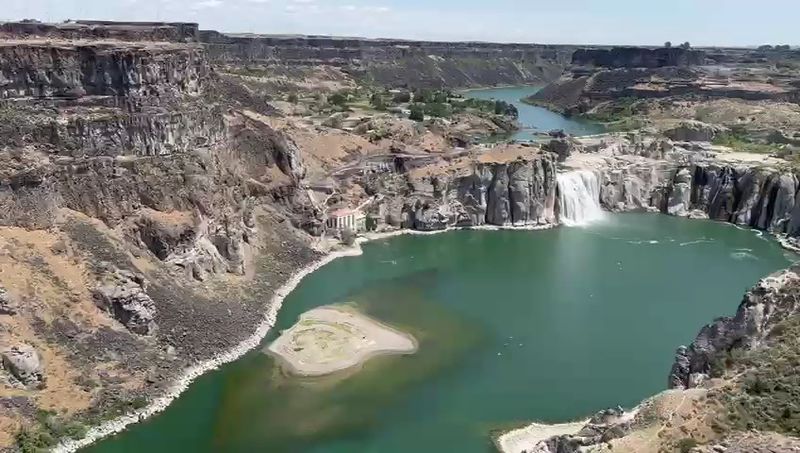
The falls pour over a curved rim of dark rock into the Snake River Canyon, throwing mist into the air on breezy days. Standing above it, you feel the rumble as much as you hear it.
Part of the fun is how the view changes as you walk. Early stretches give you glimpses through the canyon, then the full curtain of water opens up as the path bends closer.
Flow can vary through the year, since the Snake River is managed upstream for farming across southern Idaho. Spring often brings the biggest show, while late summer can look calmer.
Either way, the canyon walls and basalt shapes stay dramatic in every season, and the trail gives you a front row seat.
Twenty-Five Steps Down
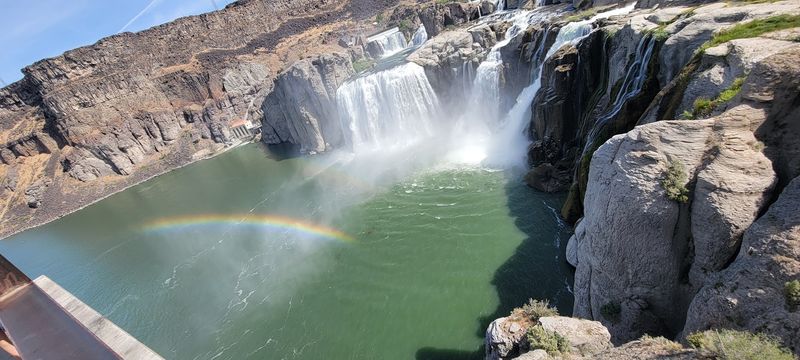
Here is the detail that makes this trail special. Near the end, an optional staircase drops down 25 steps, and visitors say it delivers an even closer view of the falls.
Twenty-five steps is not much. Most people can handle it in under a minute, yet that small drop changes how the waterfall feels, moving you from spectator to someone standing right beside the action.
Closer means louder, too. The rumble gets deeper, the mist reaches farther, and the edges of the falls show textures you miss from higher up.
It is a good spot for photos that actually capture the size of the water.
Because the stairs are optional, nobody misses out. Anyone who prefers to skip them can still enjoy a solid view from the main path above, then wait while others in the group head down.
Bring a light jacket if you plan to linger at the bottom. Spray can drift in, and the canyon air can feel cooler than the parking area, especially on windy afternoons in southern Idaho when the river is running high.
An Easy Walk, Not a Hike
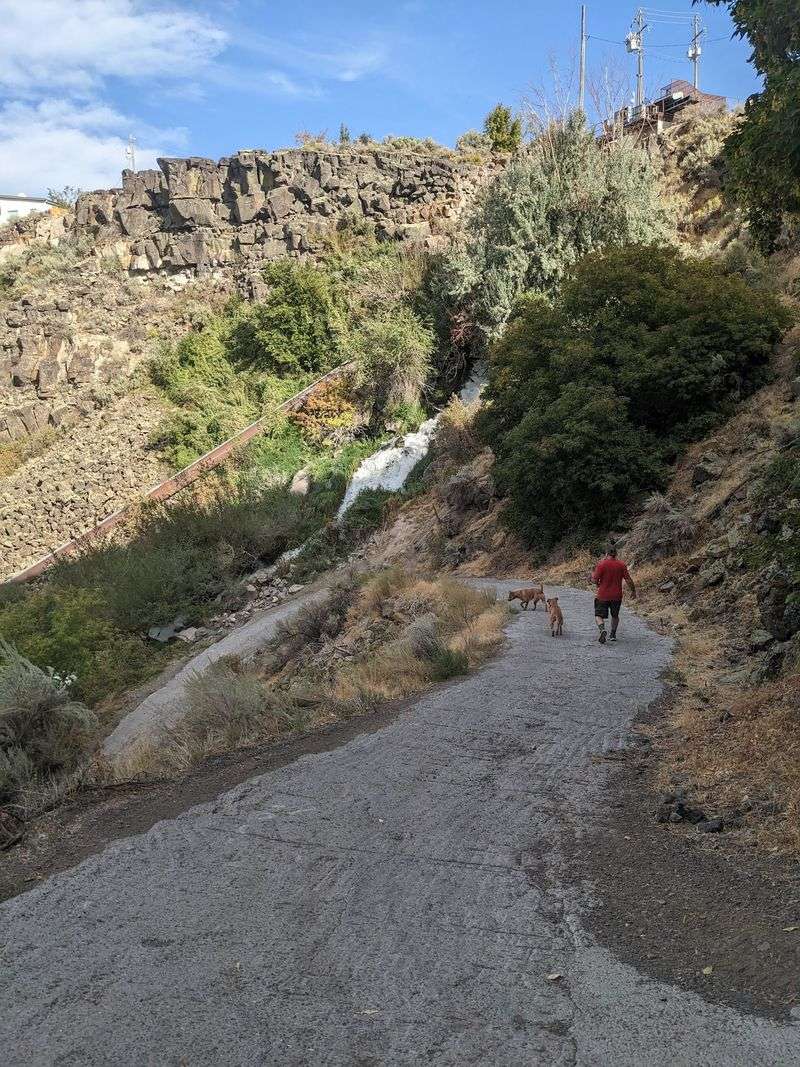
Four separate visitors used the same phrase to describe this route: easy walk. That kind of agreement says a lot about what to expect.
One person put it plainly, calling it a very easy walk, not a hike, with a short distance overall. They also pointed out that it works well for people with limited mobility, which is not something you hear about many canyon trails.
The pavement helps. Smooth surfaces make footing more predictable than loose gravel, and the benches along the route give people a chance to rest without stepping off the path.
That accessibility opens the door for grandparents, young kids, and anyone recovering from an injury. Groups with mixed abilities can walk together instead of splitting up at the trailhead.
A word of balance, though. Not every section is flat, and a few visitors mention steeper stretches on certain parts of the wider trail system.
The main walk to the falls view stays friendly, but it pays to know your route before committing to a longer outing toward the river or other connecting paths.
Steep Spots Worth Knowing About
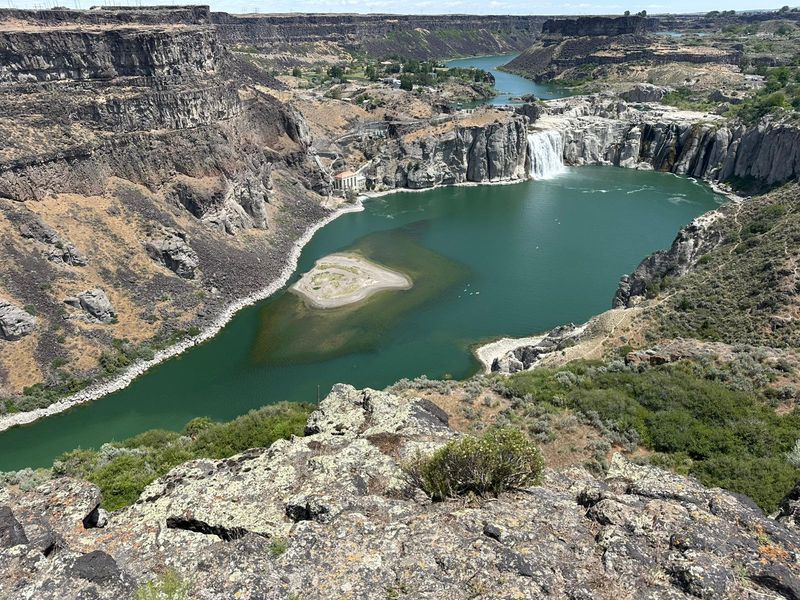
Easy does not mean flat everywhere. A recent visitor described one stretch as short and super steep, paved but really steep, and still praised the gorgeous views at the end.
Another person mentioned that the trail stays easy up to the jump site, then shifts into some moderate hills. That jump site refers to the canyon area near Twin Falls known for BASE jumping history, a fun landmark to watch for along the way.
So what does that mean for planning? If your group includes anyone with knee trouble or a stroller, stick with the shorter, gentler section that leads to the falls view and the 25 steps.
Those wanting a little workout can push farther. The hills are not brutal, but they do get the heart pumping, especially in summer heat across the Magic Valley.
Good shoes help on the steeper pavement. Sandals can slip on downhill grades, and sneakers with decent grip make the return climb much more comfortable.
Take the slopes slowly and use the benches whenever you need a pause.
Bikes, Benches, and an Air Pump
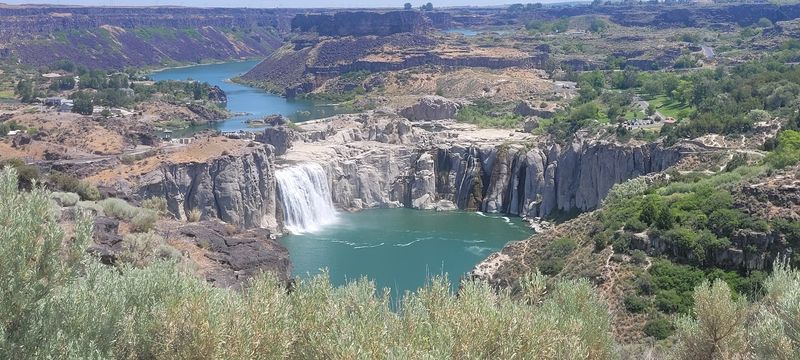
Cyclists get a nice surprise partway along. One rider noticed a bicycle air pump midway to the falls, past the jump site, and called it a welcome addition.
That small touch tells you how the route is used. It is not just a walking path but a well-maintained scenic ride, popular with people pedaling along the canyon rim for exercise or fun.
Benches appear at regular spots too. They make good places to stop, sip water, and watch the canyon light shift across the rock walls before continuing on.
Biking here works best for riders comfortable with a few hills. The easy portion suits casual cruisers, while the stretch beyond the jump site adds climbs that reward stronger legs.
Families with kids on bikes should keep a close eye near steeper downhill sections and busy areas near the falls overlook. Walking bikes through crowded spots keeps everyone happy.
A flat tire far from the car is no fun, so that pump really earns its place. Still, packing a small patch kit never hurts on any Idaho ride.
Down to Pillar Falls
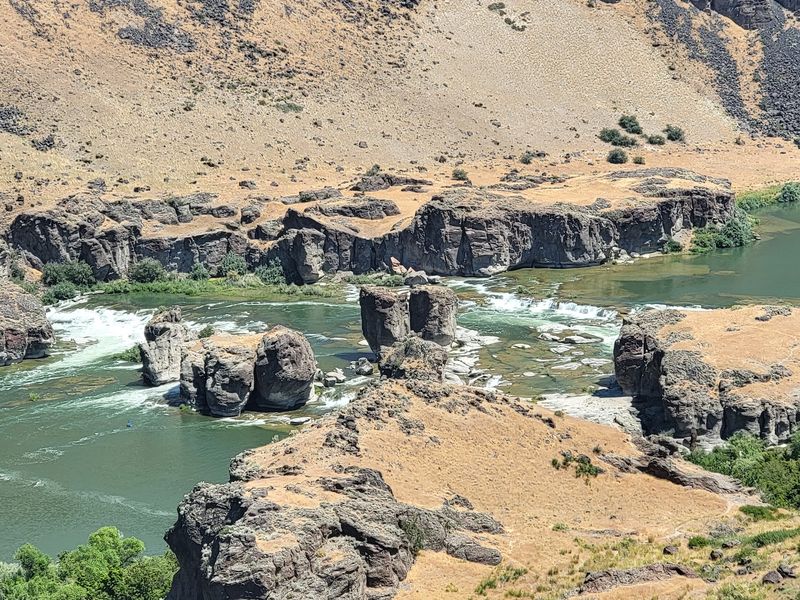
Curious walkers sometimes keep going toward Pillar Falls, another canyon highlight near Twin Falls. One visitor described that route as cement in most of the steep areas, then soft dirt until the falls and the kayak launch area.
Pillar Falls looks different from Shoshone. Tall rock formations rise from the river, creating a maze of stone and water that paddlers love to explore.
The same visitor carried a kayak down the trail and found it manageable, adding with good humor that they were over 40 at the time. That is encouraging for anyone wondering whether hauling gear is realistic.
Expect a change in feel once the pavement ends. Soft dirt is easier on the joints but can get dusty in dry months, so closed shoes work better than sandals.
Paddling the Snake River requires its own planning, including checking water conditions and safety rules. For walkers, simply reaching the launch area and seeing the pillars up close is a satisfying bonus to a Shoshone Falls trip in southern Idaho.
Marmots, Squirrels, and Slithering Neighbors
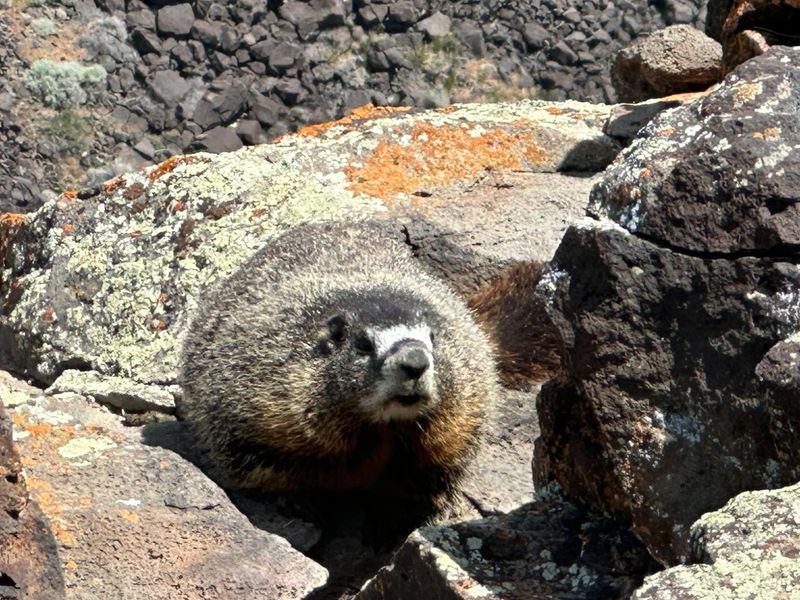
Keep your eyes on the rocks. A visitor from the Netherlands mentioned spotting little squirrels and marmots along the way, which made the walk even more fun.
Marmots love sunning themselves on warm basalt, and the canyon gives them plenty of perches. Kids tend to light up when one pops up near the path, then scurries back into a crack in the rocks.
Not every critter is quite as cuddly. Another visitor offered a friendly warning to be careful of snakes, a reminder that the Snake River Canyon is a natural desert habitat, not a city park.
Staying on the pavement is the easiest way to avoid surprises. Snakes generally keep to themselves, and watching where you step around rocks and brush goes a long way.
Leashing pets is a smart move here too. Dogs that wander off trail could poke their noses where they should not, and keeping them close protects both pets and wildlife.
Binoculars are worth tossing in a bag. Birds ride the canyon breezes, and the views across the gorge reveal more life than you might expect.
Light That Changes by the Hour
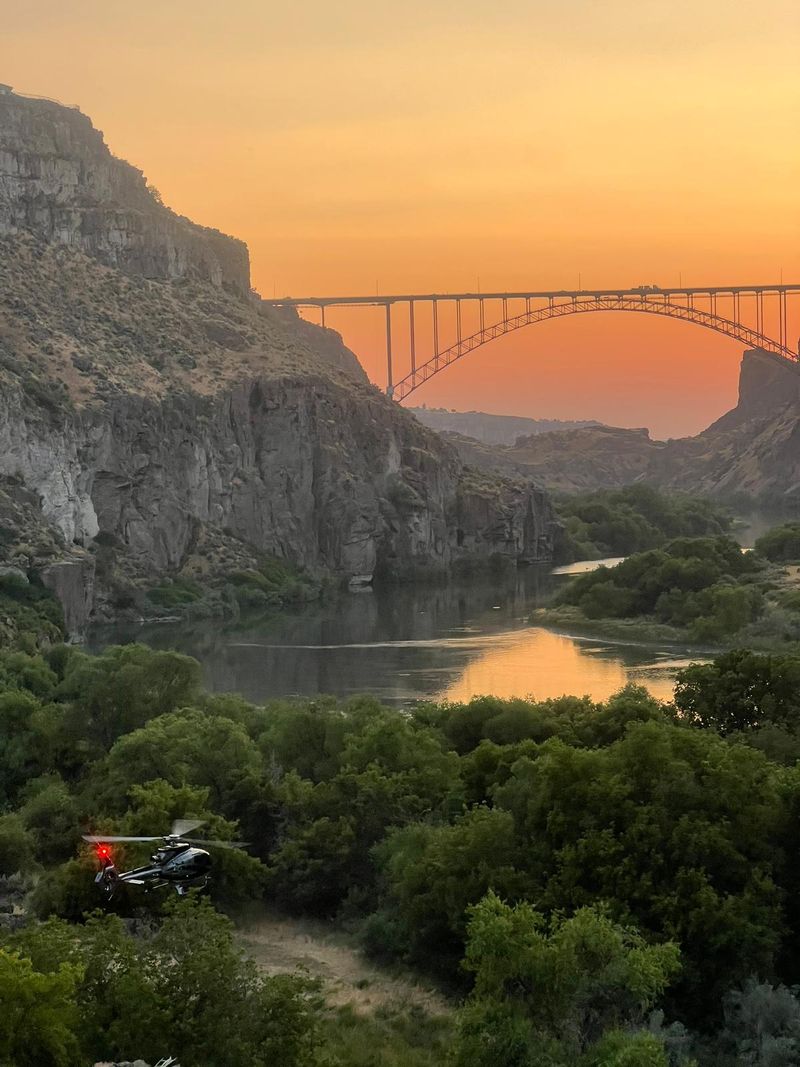
Morning, noon, and evening each paint the canyon differently. One visitor noted that different times of day give different looks into the beauty of Idaho, and that is easy to see in person.
Early light tends to be soft, with long shadows stretching across the basalt and mist glowing as the sun climbs. It is a peaceful time, often with fewer people on the path.
Midday turns everything bright and crisp. The falls look their whitest, and the river below shows deeper greens and blues, though the sun can feel intense on open stretches.
Evenings bring golden tones to the canyon walls. Photographers often aim for this window, when warm light makes the rock look almost orange.
Returning at different hours is a fun way to rediscover the same walk. Many Magic Valley locals treat it as a repeat outing rather than a one-time stop.
Whatever time you pick, glance back over your shoulder now and then. The view behind you is often just as good as the one ahead.
Breezes, Heat, and Chilly Days
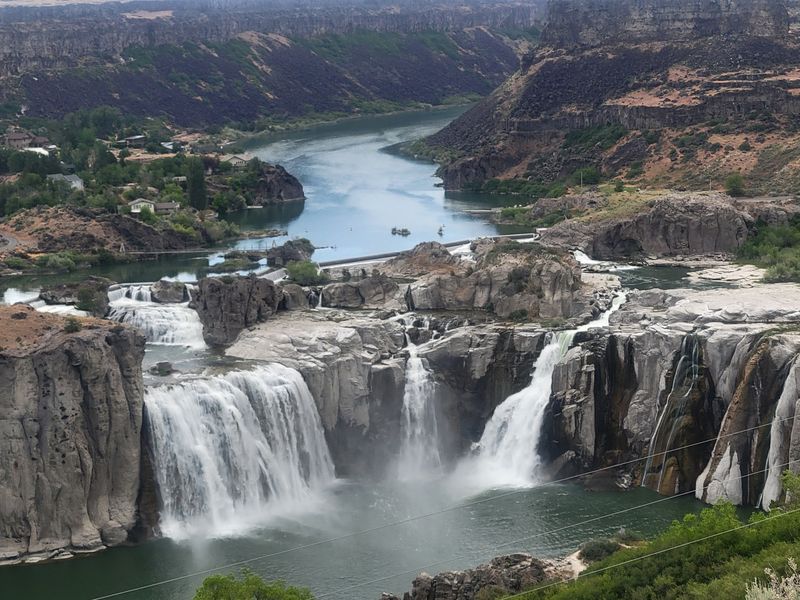
Weather here swings between extremes. One visitor said it can get hot at some points, but more often you will feel a nice breeze drifting through the canyon.
Summer in the Magic Valley brings dry heat, and paved paths soak up sunshine. Carrying water and wearing a hat makes the walk more pleasant, especially on the steeper sections.
That breeze off the river helps a lot. Near the falls, mist and moving air can cool things down quickly, giving you a welcome break after the sunnier stretches.
Colder months tell a different story. One short note from a visitor simply read cold, with a shivering emoji, which sums up a winter walk along an exposed canyon rim pretty well.
Layering is the answer for any season. A light jacket in spring and fall, a warm coat in winter, and breathable clothes for summer will cover most conditions.
Checking the forecast before heading out is always smart in southern Idaho. Wind can pick up fast in the afternoon, and the canyon tends to amplify it.
Weekend Families on the Rim
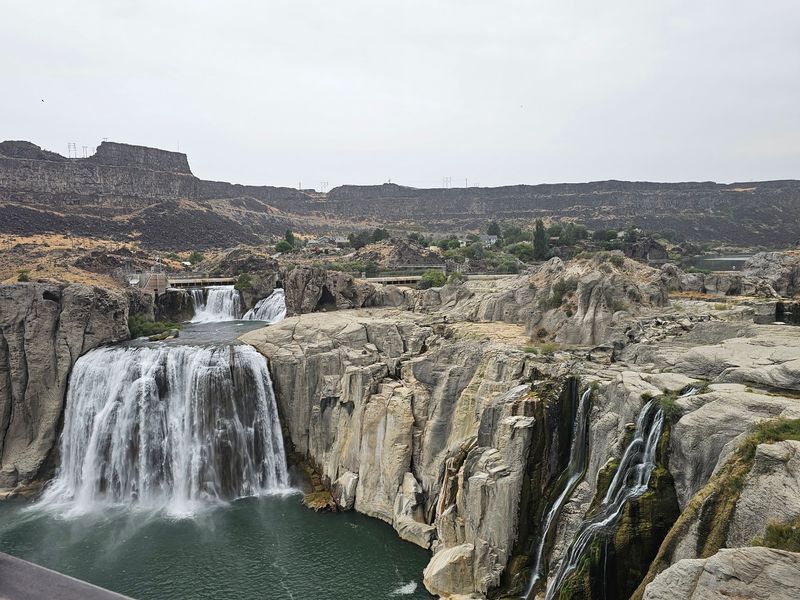
Saturday mornings bring a steady parade of strollers, scooters, and grandparents. Visitors mention that lots of families walk the trail on weekends, which gives the place a friendly, community feel.
Kids seem to love it for simple reasons. The distance is short enough to avoid whining, the falls make a clear goal, and those 25 steps feel like a small adventure.
Older visitors appreciate the pavement and benches. Being able to sit, rest, and still enjoy the canyon view makes the outing doable for more generations at once.
Busy weekends do mean sharing space. Polite passing, keeping kids close near steep edges, and letting cyclists know when you are stepping aside help everyone enjoy the trip.
Weekdays offer a quieter alternative if your schedule allows. Fewer people mean more time at the lower viewpoint and easier photos without strangers in the frame.
For families across southern Idaho looking for a low-cost day out, the combination of short distance and big payoff is hard to beat. Pack snacks, bring water, and let the kids lead the way.
Planning Notes Before You Go
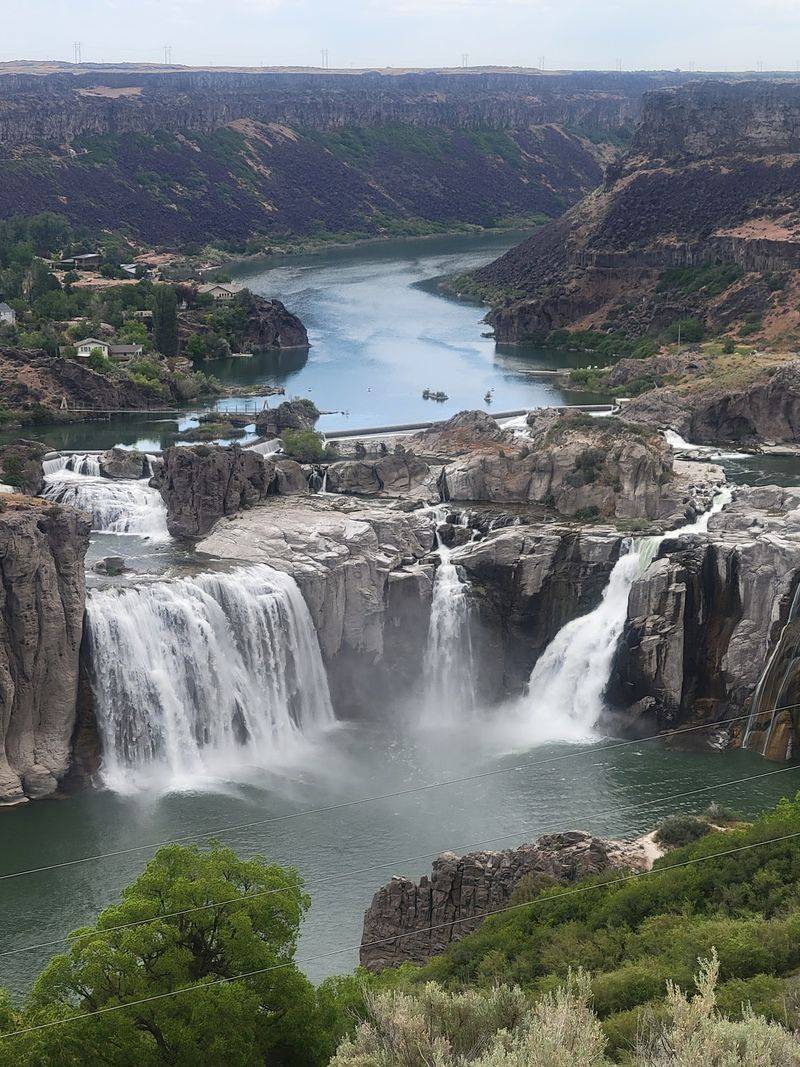
Timing matters more than most people expect. Spring usually brings the strongest flow over Shoshone Falls, while later in the year the river can run lighter due to upstream water use across Idaho.
Exact hours, parking rules, and any entrance fees can change, so confirm with the City of Twin Falls before driving out. A few minutes of checking can spare you a surprise at the gate.
Pack light but smart. Water, sunscreen, a hat, and a layer for the breezy canyon cover most needs, and good walking shoes help on the steeper paved stretches.
Plan around your group. If anyone has limited mobility, stick to the easy section and the optional stairs, saving the hills past the jump site for another day.
Watch the path and nearby rocks for snakes in warmer months. Staying on pavement keeps encounters rare.
Finally, give yourself extra time at the end. Most people find themselves lingering at the lower viewpoint longer than planned, watching the water and listening to that steady roar fill the canyon.
A Short Walk With a Big Payoff
Some outings demand a full day and aching muscles. Here, a short stroll and 25 steps get you face to face with one of the most powerful waterfalls in Idaho.
That ratio of effort to reward is the real charm. Visitors describe it as an excellent walk, an awesome walk, and a scenic ride, with views that are simply fun to see.
It works for nearly everyone. Families, cyclists, kayakers heading toward Pillar Falls, and people with limited mobility all find something to enjoy along the canyon rim.
A few caveats keep expectations realistic. Some sections are steep, summer can be warm, winter can be chilly, and snakes share the landscape.
Still, the overall picture is bright. The path is well maintained, the benches are handy, and the falls rarely fail to impress.
For Magic Valley residents, it is an easy repeat trip. For travelers crossing southern Idaho, it is a worthy stop that fits neatly into a road trip schedule.
Either way, those last 25 steps tend to become the part people remember most.