Pennsylvania Has A Railroad Museum Holding More Than 100 Historic Locomotives Under One Roof
You can walk underneath a 62-ton steam locomotive here. Not beside it, not behind a rope, but right under its belly in a pit built just for that view.
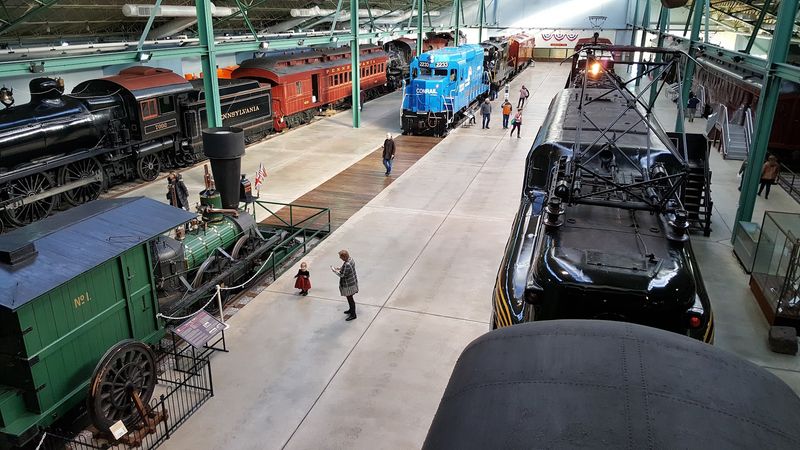
That pit sits inside a hall covering 100,000 square feet. More than 100 historic locomotives and railroad cars fill the space, and some date back to the mid-1800s.
I like how many of them invite you to climb aboard.
Pennsylvania built a big chunk of America’s railroad story, so it makes sense the state would save the hardware. Steam giants, sleek electrics, and rumbling diesels all share one enormous room.
Kids get hands-on stations, while grown-ups get a serious history lesson.
I can’t imagine a train fan leaving this place without a camera roll full of photos. So how long would it take you to see every engine?
A Massive Train Hall Sitting Across From Amish Farmland
Some museums hang paintings, but the Railroad Museum of Pennsylvania parks entire trains indoors. It sits at 300 Gap Road in Strasburg, surrounded by the rolling farm country of Lancaster County.
The collection holds more than 100 historic locomotives and railroad cars. They span the mid-19th century through the 20th century, so you’re looking at roughly a century and a half of rolling steel.
Here’s a detail that surprises people. The museum’s scope covers every railroad that served the Commonwealth, not only the famous Pennsylvania Railroad.
That means a wider mix of colors, logos, and engineering styles than you might expect.
The museum is administered by the Pennsylvania Historical and Museum Commission. Its mission reaches beyond engines to include the manufacturers, support industries, workers, and travelers who made railroading tick.
Location helps too. The operating Strasburg Rail Road sits directly across the street, and the National Toy Train Museum and Choo Choo Barn are less than a mile away.
Few spots anywhere pack this much train history into such a small radius.
For a family day trip, that’s a tidy setup. One parking spot can cover a whole afternoon of steam, steel, and whistles.
The First Building In North America Made Just For Trains
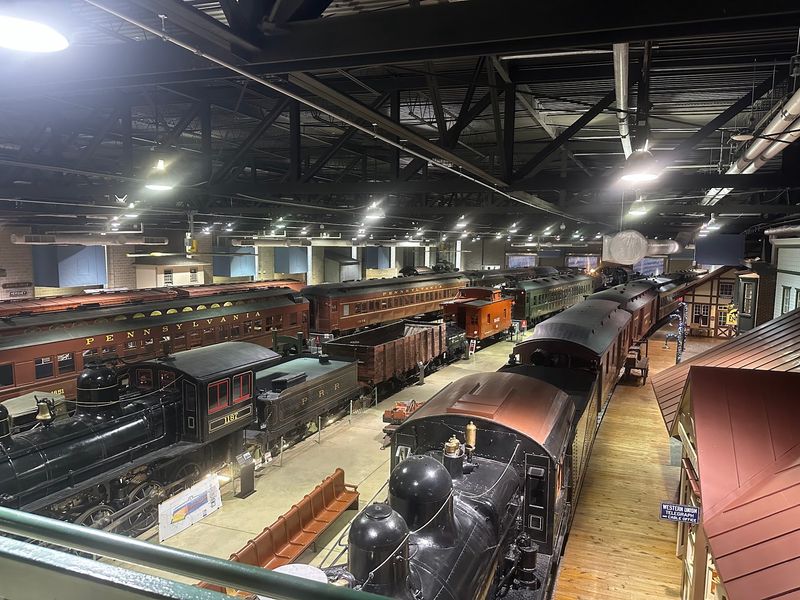
Back in 1963, the Pennsylvania state legislature passed an act creating this museum. Two years later, Strasburg was chosen as its home.
The first locomotives and cars arrived in the mid-to-late 1960s. Some came from a famous lineup the Pennsylvania Railroad displayed at the 1939-1940 New York World’s Fair.
Talk about a celebrity pedigree for a pile of iron.
Construction kicked off in 1970 and 1971 with a 100-foot turntable and yard tracks. The main building rose between 1972 and 1974.
Doors officially opened on April 1, 1975. Yes, April Fools’ Day, though the trains were very real.
That opening made it the first structure in North America purpose-built as a railroad museum.
Growth came fast. In June 1995, the main exhibit space jumped from 45,000 square feet to 100,000 square feet.
That’s more than double the room for engines to stretch out.
Today the collection ranks among the most significant groups of railroad artifacts in the world. It includes the Pennsylvania Railroad Historical Collection, a treasure for anyone curious about the company that once shaped so much of the state.
Rolling Stock Hall Will Make You Feel Very Small
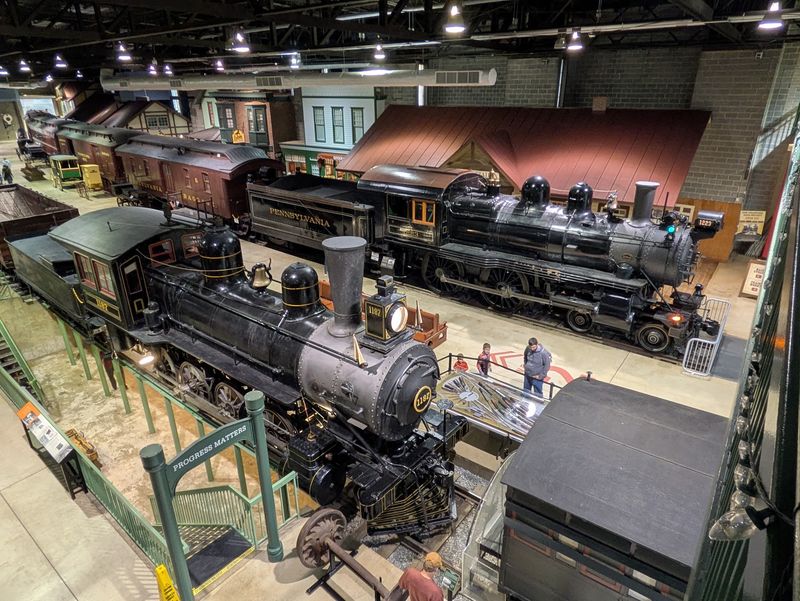
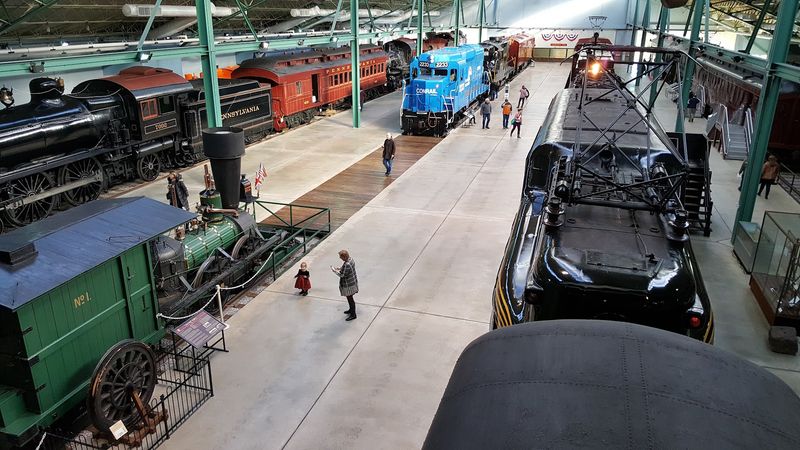
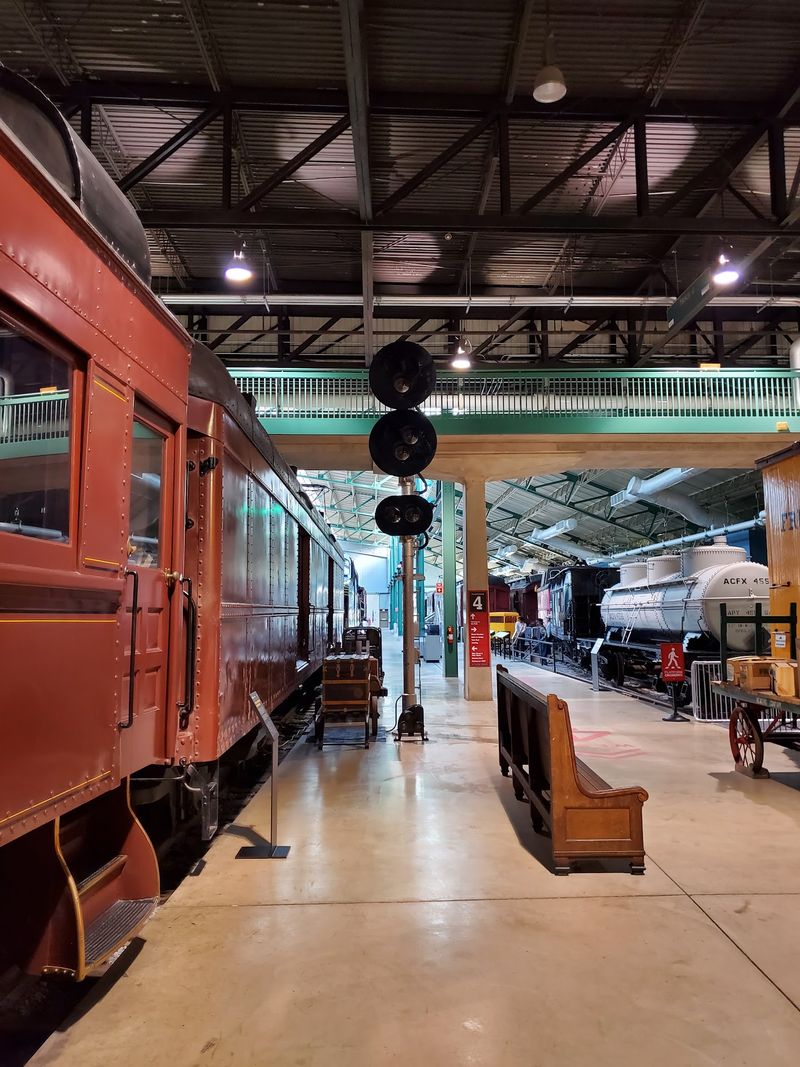
Size is the first thing that hits you. Rolling Stock Hall covers 100,000 square feet, and it’s packed with full-size locomotives and railroad cars.
These aren’t miniatures or replicas. Real steam engines sit beside electrics and diesels, each restored and displayed so you can study the details up close.
Want a bird’s-eye angle? An observation bridge stretches across the hall.
From up there, the rows of engines look like a giant train set someone forgot to put away.
Fair warning for anyone shy about heights. The bridge gives you a lofty view, so take it slow if open air below makes your knees wobble.
Back on the floor, signage explains what each machine did and why it mattered. The layout is open, so you can wander at your own pace without feeling herded along a set route.
Several locomotives and cars let you climb aboard. Stepping into a passenger car or cab turns a history lesson into something you can actually feel under your shoes.
Bring a phone with plenty of storage. Between the shiny paint, the brass, and the sheer scale, the photos tend to stack up quickly.
Getting Under A Steam Engine Without Getting Greasy
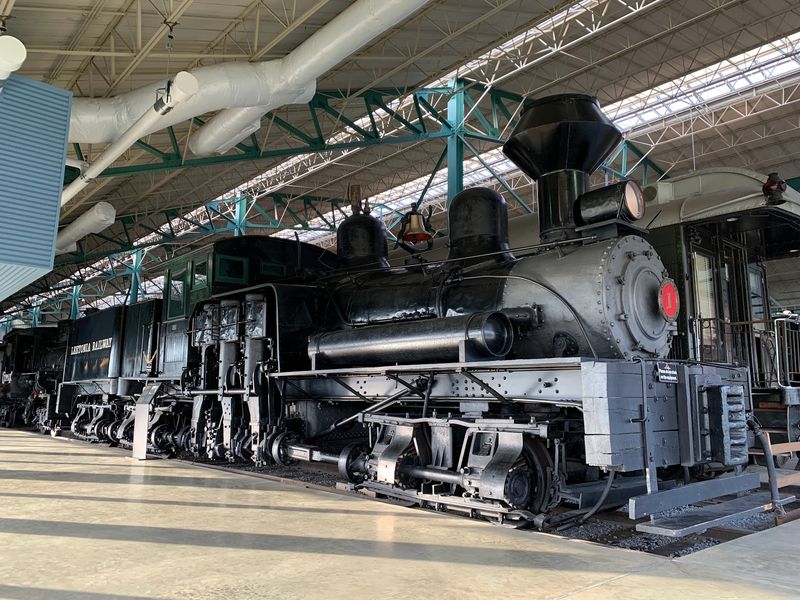
How often do you get to look up at a locomotive’s undercarriage? At this museum, it’s part of the plan.
An observation pit lets guests walk beneath a 62-ton locomotive. You see the wheels, rods, and gritty mechanics that normally hide inside a rail yard.
Railroad workers once used pits like this to inspect and repair engines. Now regular folks get the same view, minus the coveralls and the long shift.
It’s a great reminder of how much engineering went into moving these machines. From below, the parts look heavy, precise, and a little bit wild.
Kids usually love anything that feels like a secret tunnel. Adults get a rare peek at how steam power actually turned wheels on a track.
The pit pairs nicely with the observation bridge upstairs. Between the two, you can see a locomotive from above, at eye level, and from underneath on the same visit.
Few museums offer that three-sided view of a train. If you only remember one stop from your day in Strasburg, this might be the one that sticks.
Just mind your head and enjoy the angle.
Little Hands Get Plenty To Do At Stewart Junction
Fidgety kids and museums don’t always mix. Stewart Junction solves that problem with a railway education center built for hands-on fun.
Activities here suit all ages. Children can try tasks like shoveling pretend coal, testing how wheels roll on a track, and working an old-fashioned scale.
That kind of play sneaks in real science. A kid pushing wheels down a rail may not realize they’re learning about friction and momentum.
Parents of very young children might plan shorter bursts of exploring. The sheer size of the hall can wear out tiny legs, so breaks help everyone.
The museum also offers special programs for families. Sensory Saturday creates a friendlier setting for visitors who need a calmer experience.
Scouts have a reason to visit as well. A Railroading Merit Badge Workshop appears among the museum’s special events, giving young railfans a goal to chase.
Grandparents fit right in here too. Sharing stories about train travel while a grandchild climbs into a cab makes for an easy, memorable afternoon in Pennsylvania.
Everyone gets to be a little hands-on, which keeps the whole group happy.
Tiny Trains, Big Details, And A Recreated Railroad Town
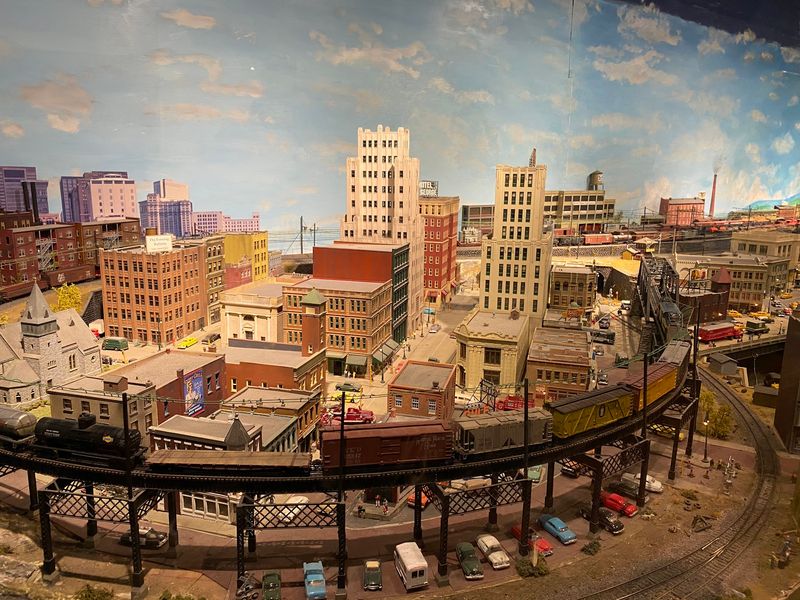
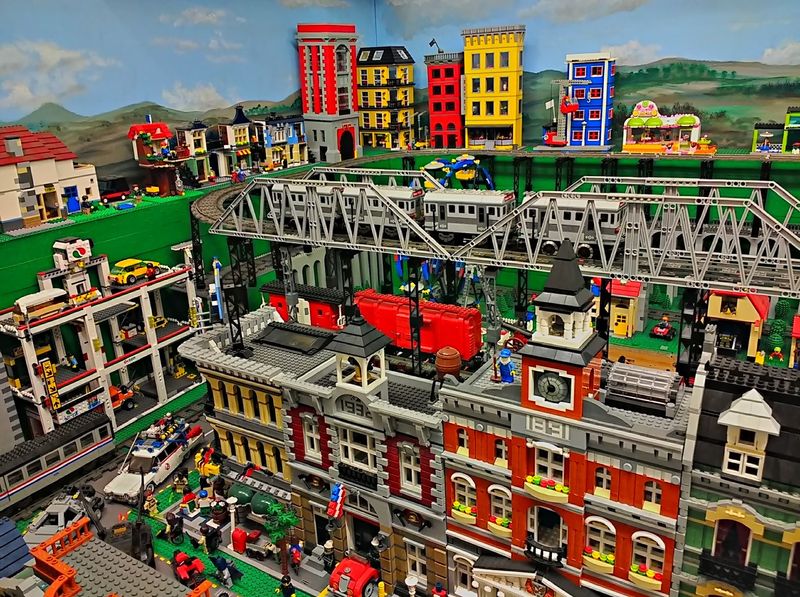
After all that full-size steel, the miniature world upstairs feels like a fun plot twist. The museum features several detailed model railroad layouts.
One standout is a 5-foot by 13-foot HO scale model of the museum and its grounds. Spotting the building you’re standing in, shrunk down to toy size, is oddly satisfying.
Then there’s Main Street. This exhibit recreates a 20th-century railroad town with a station, a freight office, and period businesses.
The point goes beyond nostalgia. Main Street shows how railroads shaped everyday life, from shipping goods to bringing neighbors home from the city.
A second-floor gallery adds smaller displays of art and photography. Those quieter exhibits give your eyes a break from the giant machines below.
Behind the scenes, restoration work keeps the collection in shape. Closed-circuit television lets visitors watch specialists and volunteers at work on train projects.
Group tours can sometimes offer behind-the-scenes access to the restoration shop. That’s a rare chance to see the patient craft that keeps old engines looking sharp.
Researchers have options too. An extensive library and archives support deeper study of railroad history.
Swing Dances, Troops, And A Brand-New Roundhouse On The Way
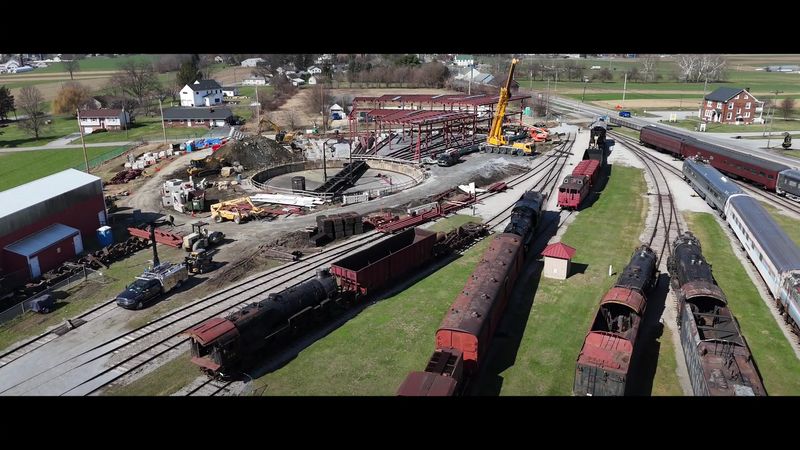
Ground broke on July 29, 2025, for something train lovers have reason to celebrate. A new 16,000-square-foot roundhouse-style exhibit hall is rising on the property.
The building will feature six temperature-controlled stalls. Six Pennsylvania Railroad steam locomotives now displayed outdoors will move inside for protection from the weather.
Completion is expected in late 2026 or early 2027. Until then, the outdoor train yard still shows off steam, diesel, and electric trains in the open air.
Events keep the calendar lively throughout the year. Trains and Troops and a 1940s Swing Dance bring history to life in very different ways.
Holiday seasons can add extra cheer. Themed programs have featured seasonal decor and visits with characters like Santa, though details change from year to year.
Because events shift, check the schedule before planning around one. Some draw bigger crowds, so parking may fill faster on those days.
The new hall shows the museum isn’t standing still. It’s still investing in the collection, which is good news for anyone who wants these engines around for future generations of Pennsylvania kids.
Plan Your Visit Around A Midweek-To-Sunday Schedule
Timing matters here, so a little planning goes a long way. The museum typically opens Wednesday through Sunday and stays closed on Mondays and Tuesdays.
Sunday hours start later than the rest of the week. Last entry usually comes about half an hour before closing, so don’t roll in at the final minute.
Holiday hours can vary. Prices and schedules may shift, so it’s smart to check ahead before making the drive.
Admission is generally affordable. Many families can get in for less than the cost of a casual lunch out.
How long should you budget? A quick loop might take an hour, but true train fans can easily fill several hours reading signs and climbing aboard.
The Whistle Stop Shop sells gifts and souvenirs. It’s a handy stop for a train-themed keepsake on your way out.
Strasburg is an easy drive for much of southeastern Pennsylvania. Pair the museum with the Strasburg Rail Road across the street for a full day.
Comfortable shoes are a good idea. The hall is huge, and you’ll want energy left for the upstairs exhibits and the outdoor yard.
Why This Strasburg Stop Earns A Spot On Your Weekend Plans
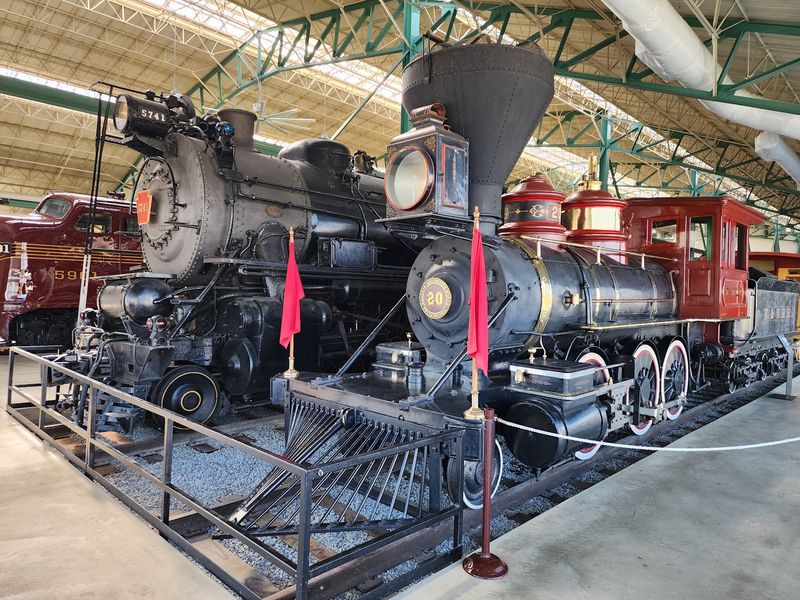
Trains built Pennsylvania in a very real way. They hauled coal, carried steel, and connected small towns to big cities across the Commonwealth.
The Railroad Museum of Pennsylvania gathers that story under one huge roof. More than 100 locomotives and cars make the history feel solid, loud, and close enough to touch.
I believe the best part is how welcoming it feels to non-experts. You don’t need to know a boxcar from a caboose to enjoy climbing aboard.
Families get hands-on play at Stewart Junction. History buffs get archives, restoration work, and a collection that ranks among the most important anywhere.
The setting adds bonus points. Lancaster County farmland surrounds the grounds, and more train attractions sit just steps or minutes away.
With a new roundhouse hall on the horizon, there’s even a reason to come back later. Six steam giants will soon have a cozy indoor home.
So gather the kids, the grandparents, or just your own curious self. Head to Strasburg, look up at those engines, and let Pennsylvania’s railroad legacy do the talking.
Just try not to hum a train whistle on the drive home.