Just Seven People Live In This Idaho Mining Town Where An Old Smelter Stack Still Stands
A tall brick smelter stack still rises beside the Salmon River, long after the furnaces below it went cold. It belongs to a mining town so small that its census count could fit around one kitchen table.
The 2010 census counted just seven residents. By 2020, the number had climbed to ten, which counts as a population boom around here.
I love that this Idaho town still holds onto its name, its city status, and that stubborn old stack. Plenty of mining camps faded into nothing.
This one kept a pulse, a zip code, and a front-row seat on the river.
I can’t imagine a better excuse to slow down on a mountain drive. So what does a town of ten actually look like, and why does that chimney still stand?
A Tiny Dot On The Map With A Very Big River Next Door
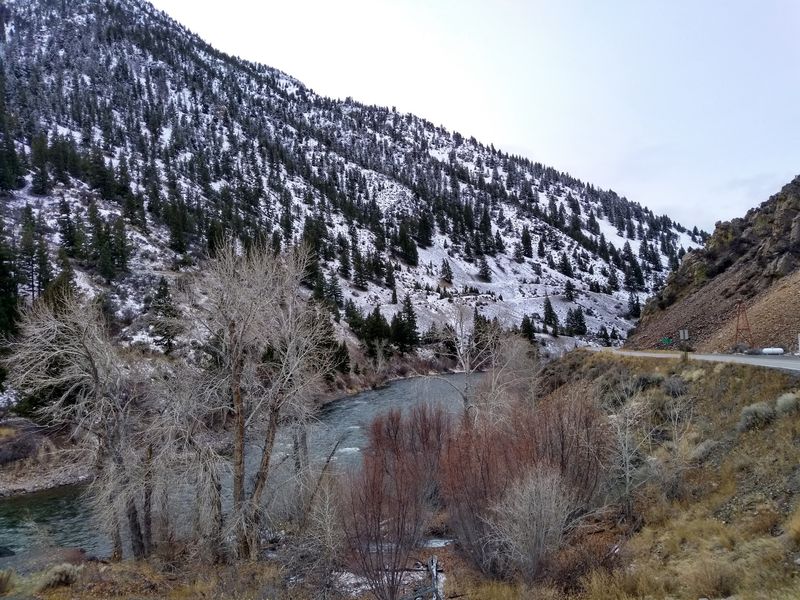
Clayton, Idaho, sits in Custer County, right alongside the Salmon River. It is officially a city, though calling it one feels a little like calling a canoe a cruise ship.
The town carries the zip code 83227, and its coordinates place it deep in central Idaho mountain country. Rugged hills rise on both sides, and the river does most of the talking.
Clayton is small, but it is real and it is still standing. Plenty of old Idaho mining camps vanished completely, leaving only a name on a faded map.
What makes Clayton worth knowing is how much story it packs into so little space. You get a working town name, a river setting, and a piece of mining history you can actually see.
Think of it as a quick history lesson that does not require a classroom or a ticket. The scenery handles the background music for free.
For travelers heading through Custer County, the town makes an easy, curious stop. It rewards anyone who enjoys asking how a place this small has managed to hang on for so long.
Seven Neighbors Then, Ten Neighbors Now
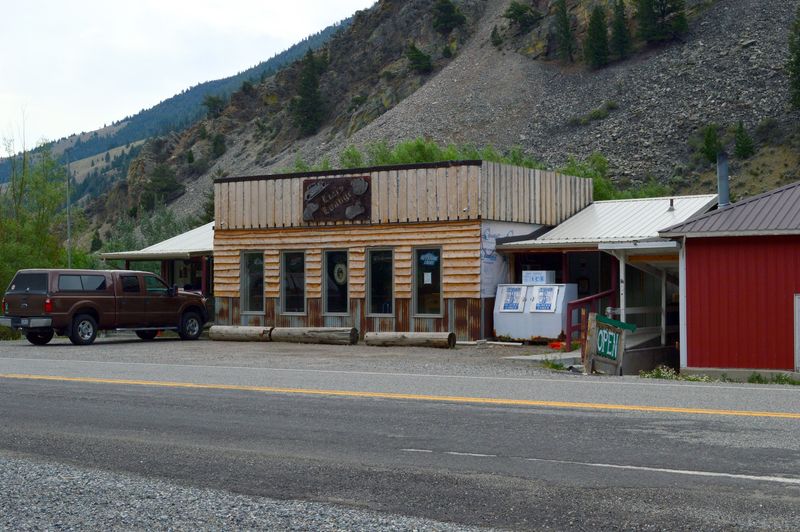
Ten people. That was the official head count in Clayton at the 2020 census.
Ten years earlier, the 2010 census found only seven residents. A jump from seven to ten is a growth rate of more than forty percent, which sounds impressive until you do the math.
Still, I like that the trend points up instead of down. In a region where many mining towns emptied out entirely, gaining three people is a small win worth noticing.
A population this size changes how you see a place. Every house, every building, and every vehicle seems to carry more weight when the whole town could share one picnic table.
It also means there is no crowd to blend into. Visitors stand out, so it pays to be respectful and treat the town like someone’s front yard, because it basically is.
Clayton’s numbers make for a fun conversation starter on any Idaho road trip. Few places let you say you passed through an entire city in under a minute, and fewer still have a census count you can memorize instantly.
That Smelter Stack Refuses To Retire
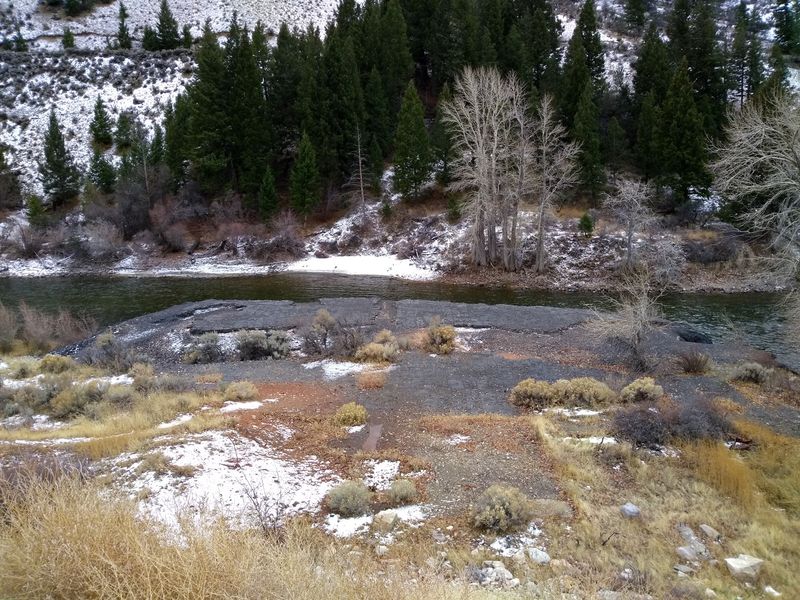
Good luck ignoring the smelter stack once you spot it. The old chimney still stands in Clayton as a tall reminder of the town’s mining roots.
Smelters were the hot, noisy heart of many western mining towns. They turned rough ore into metal, and the stacks carried smoke high above the work below.
Most of those operations disappeared long ago, and their chimneys often came down with them. Clayton’s stack stayed put, which makes it a rare piece of Idaho industry you can still see in person.
There is something oddly cheerful about a structure that outlasted its own job. It no longer works, yet it still draws every eye in the valley.
For photographers, the stack makes a strong subject against the hills and sky. For history fans, it serves as a clear marker of what once powered this little river town.
Treat it as a landmark to admire, not a playground to climb. Old masonry deserves respect, and staying back keeps both you and the stack in good shape for the next curious traveler.
Mining Roots Run Deeper Than The Riverbed
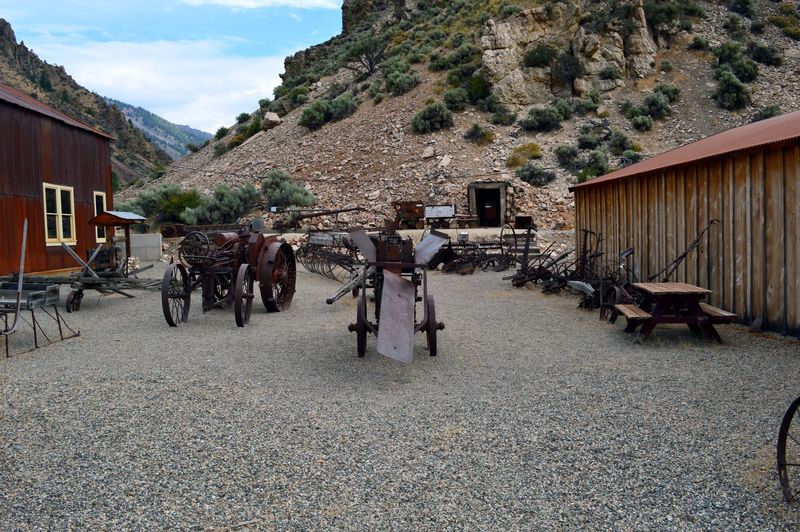
Mining built Clayton, plain and simple. The smelter stack is the loudest clue, but the whole town owes its existence to the search for metal in these hills.
Central Idaho drew miners hoping that the next ridge would hold their fortune. Towns sprang up wherever the ore looked promising, and Clayton was one of them.
Many of those camps faded once the work slowed. Clayton kept its name and its place on the map, which is no small feat in this rugged country.
I find that staying power genuinely impressive. A town does not need a big population to keep a big story alive.
When you stand near the stack, it helps to think about the people who once worked there. Their labor shaped the valley, even if their daily routines are long gone.
The mining era also explains why the town sits where it does. Rivers, roads, and ore all mattered, and Clayton landed where those pieces came together along the Salmon River in Custer County, Idaho.
The Salmon River Steals Half The Show
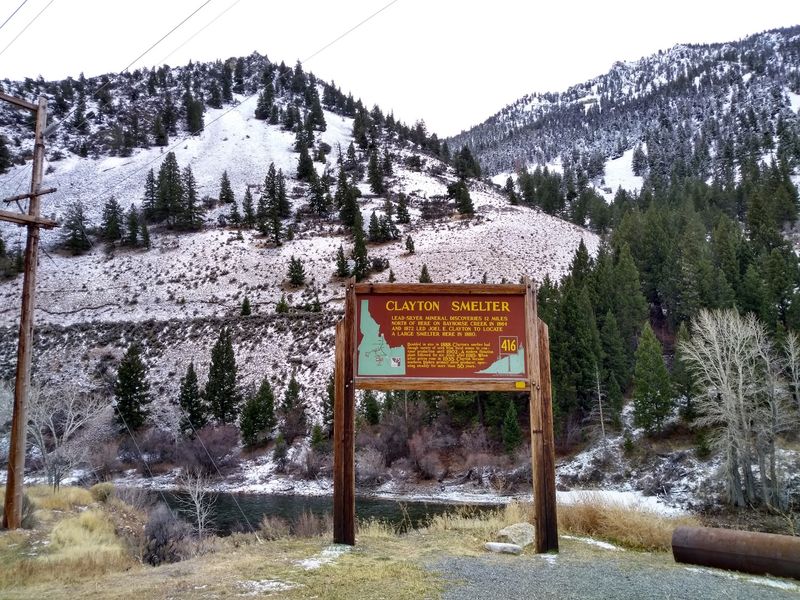
Rivers make great neighbors, and Clayton has one of Idaho’s most famous. The Salmon River runs right alongside town.
That setting gives Clayton a backdrop most big cities would envy. Moving water, rocky banks, and steep hillsides frame the old smelter stack like a living postcard.
The river also helps explain the mood here. With so few residents, the sound of the Salmon often feels like the main resident of the valley.
Travelers who enjoy scenic drives will appreciate how the river and town fit together. You get history and landscape in the same glance, which saves a lot of neck turning.
If you plan to linger by the water, keep safety in mind. Mountain rivers can run fast and cold, so admire the current from solid ground unless you are properly prepared.
I believe the river is a big reason Clayton feels memorable instead of merely tiny. A smelter stack alone tells one story, but a smelter stack beside the Salmon tells a far richer one about how Idaho towns took shape.
Quiet Enough To Hear Yourself Think
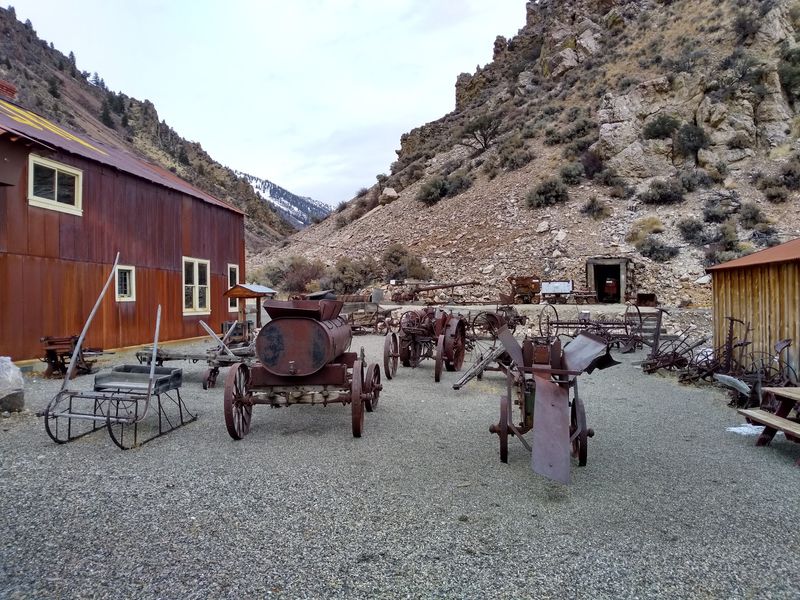
Silence is a luxury in most places. In a town of ten, it comes standard.
Clayton’s tiny population shapes its whole atmosphere. There is no bustling main drag here, so the river, the wind, and the hills set the tone.
That calm suits a certain kind of traveler perfectly. History buffs, photographers, and anyone who enjoys a slow roadside pause will feel right at home.
Families can turn the stop into a mini history lesson about Idaho mining. Kids tend to remember a giant old chimney far better than a paragraph in a textbook.
On the other hand, anyone hoping for shopping, nightlife, or a packed calendar should adjust expectations. Clayton offers a glimpse of the past, not a full entertainment lineup.
I think that honesty is part of its appeal. The town is exactly what it looks like, a small river community with a big piece of history still standing, and it does not pretend to be anything else.
Respect Matters When A Whole Town Is Someone’s Home
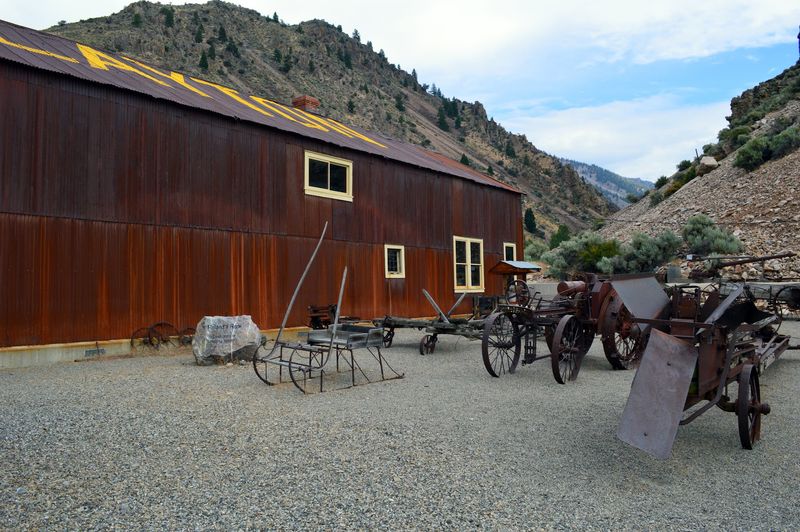
Small towns run on courtesy, and Clayton is about as small as they come. With only ten residents counted in 2020, nearly every property belongs to someone you might wave to.
That makes good manners part of the visit. Stick to public areas, enjoy the views from the road, and skip any temptation to wander onto private land.
Old industrial structures can be fragile, too. Admire the smelter stack from a safe distance rather than poking around its base.
Photos are a great way to bring Clayton home with you. Just keep your camera pointed at landmarks and scenery rather than at people’s houses or yards.
Leave the place as tidy as you found it. In a town this size, a single dropped wrapper is basically a neighborhood event.
These habits keep Clayton welcoming for the next traveler. They also honor the folks who have chosen to keep living in this corner of Custer County, Idaho, long after most mining towns emptied out.
Plan Ahead Before Heading Into Custer County
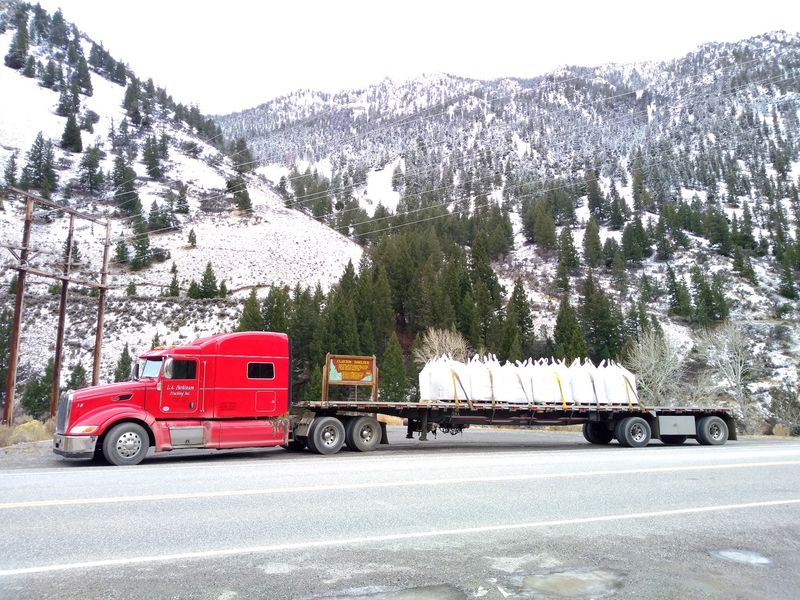
Getting to Clayton means heading into central Idaho’s mountain country. The town sits beside the Salmon River in Custer County, with the zip code 83227 for your map app.
Plug in Clayton, Idaho 83227, and expect a scenic drive with long stretches between services. Fill your tank and pack snacks before leaving a larger town.
Clayton is not a ticketed attraction with posted hours. Viewing the smelter stack and the river scenery from public spaces costs nothing but a little time.
Weather matters a lot in this part of Idaho. Mountain roads can change quickly with the seasons, so check road conditions before driving, especially outside of summer.
Cell coverage can be spotty in rugged valleys, so download maps ahead of time. Telling someone your route is a smart habit for any backcountry drive.
Plan your stop as part of a longer loop rather than a single destination. Clayton works beautifully as a curious pause that adds history and character to a bigger day exploring central Idaho.
Small Town, Big Reason To Pull Over
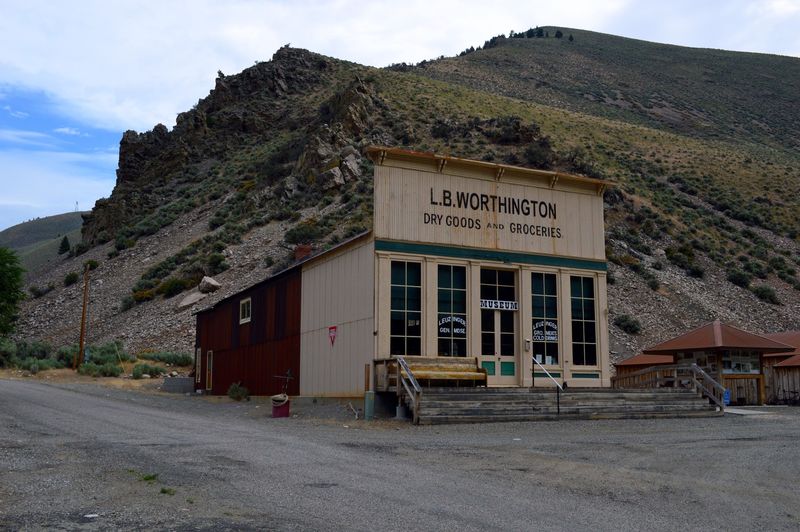
Ten residents, one river, and a smelter stack that will not quit. That trio sums up Clayton better than any brochure could.
The town proves that size does not decide significance. Clayton holds onto a slice of Idaho mining history that many bigger places lost long ago.
I like how easy it is to appreciate this stop. You do not need special gear, a reservation, or a plan beyond curiosity and a full gas tank.
The stack gives you a landmark, and the Salmon River gives you scenery. Together, they turn a quick roadside pause into a story worth retelling at dinner.
Is it a full-day destination? Probably not, and that is perfectly fine.
Clayton shines as a meaningful pit stop on a bigger Custer County adventure. If you ever find yourself rolling through central Idaho, slow down, look for that old chimney, and give a quiet nod to a town that keeps showing up on the census against all odds.