This Small Nebraska Town Is Known As The Czech Capital Of America, And Its Museum Is Full Of Surprises
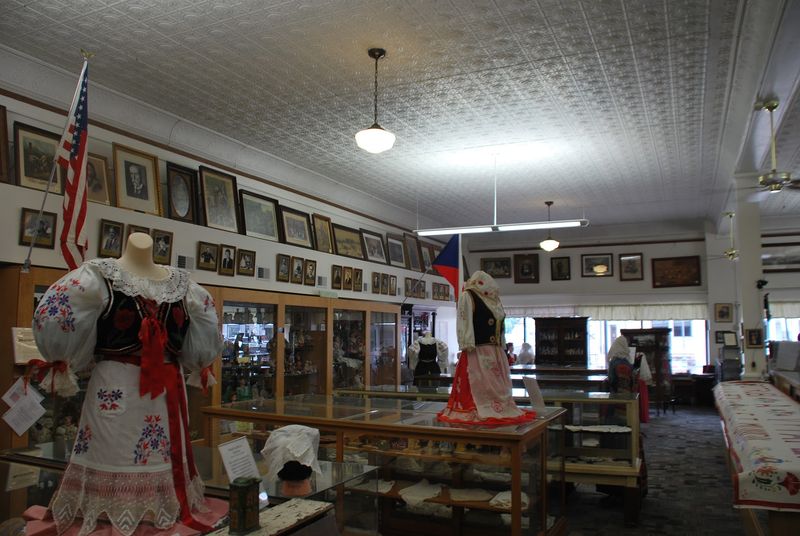
A real human skeleton, donated by one of the town’s early doctors, shares a roof with delicate embroidered folk dresses in one small museum. That pairing alone made me sit up and pay attention.
The building holds three floors of Czech immigrant history in a Nebraska town that proudly claims a national title. Downtown storefronts carry Czech flair too, so the heritage greets you well before you reach the door.
I like how the collection feels personal rather than polished, like a family attic curated with real care. Heirlooms, old photographs, and everyday tools from prairie homesteads fill the rooms.
Genealogy resources wait inside for anyone chasing their own roots back across the ocean. Who knows which branch of your family tree might be hiding in a drawer upstairs?
A Prairie Town Wearing A Very Big Title
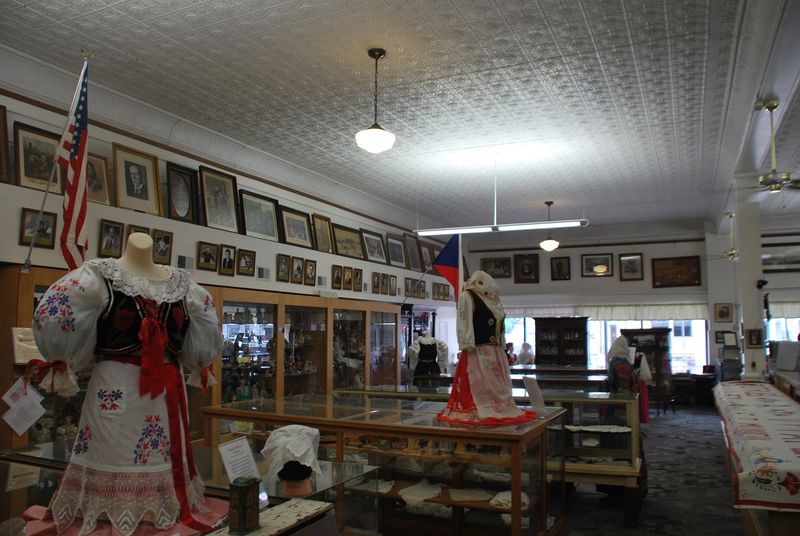
Small towns love a good nickname, but Wilber went big and claimed Czech Capital of the USA. The Wilber Czech Museum is where that title stops being a slogan and starts feeling earned.
Wilber sits in Saline County in southeast Nebraska, an easy drive from Lincoln. Czech and Bohemian immigrants settled the area, and their influence still shapes the downtown look and feel.
The Wilber Czech Museum gathers that story under one roof. Its focus is the people who crossed an ocean and built new lives on the prairie, plus the town that grew around them.
You won’t find flashy screens or a gift-shop maze here. Instead, the museum leans on real objects, real family donations, and a deep sense of local pride.
That approach suits the place perfectly. A town that named itself a capital clearly takes its heritage seriously, and this collection proves it.
Think of the museum as the anchor of a broader Czech experience in town. Stroll the streets first, then head inside to understand why everything around you looks the way it does.
Three Floors That Keep On Giving
Three full levels in a small-town museum? That’s more room than most people expect when they first spot the building.
The Wilber Czech Museum spreads its collection across those floors, and each one adds a new layer to the immigrant story. Some rooms focus on Old World traditions, while others turn toward life in early Wilber itself.
Display cases hold antiques, photographs, textiles, and household items that once filled prairie homes. Many pieces arrived as donations from local families, which gives the collection a warm, lived-in personality.
The mix keeps things lively as you climb. One corner might show a fancy embroidered piece, and the next might feature a simple tool someone used every single day.
Plan to take your time instead of rushing through. Small details reward slow looking, and a quick lap could leave you missing the best surprises.
Comfortable shoes help, since stairs are part of the deal. It’s a modest building, but the amount packed inside feels surprisingly generous for a town of this size.
Embroidered Dresses Worth A Long, Slow Look
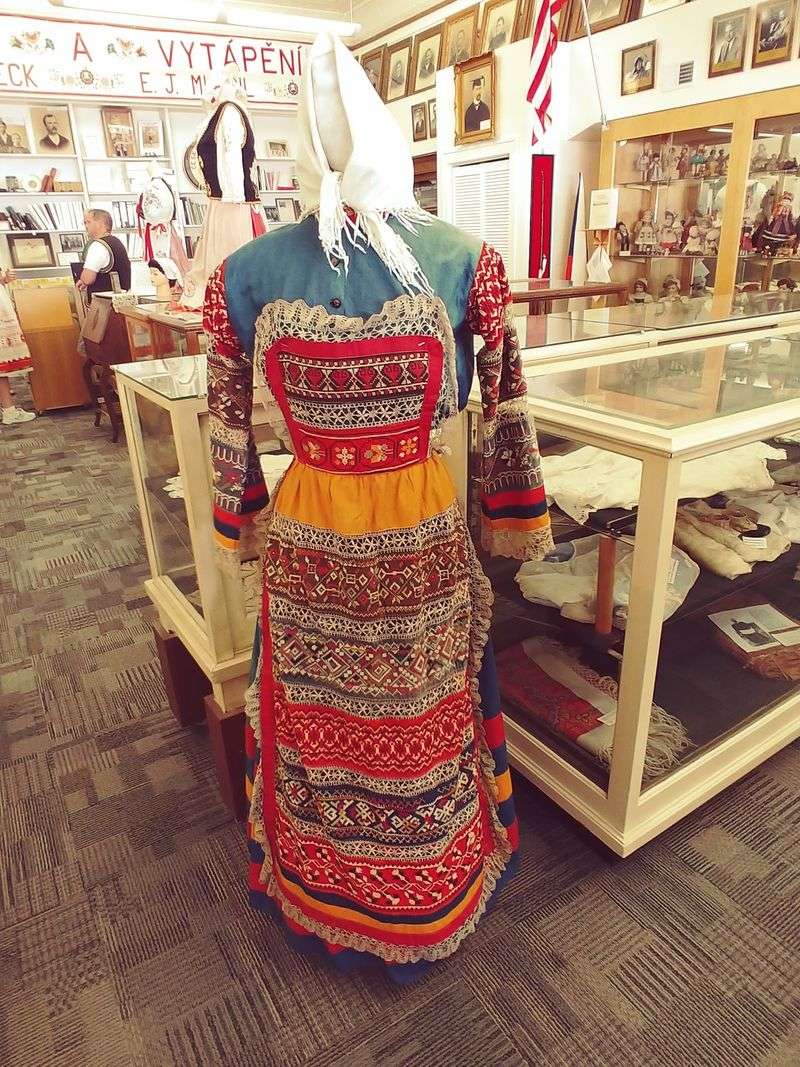
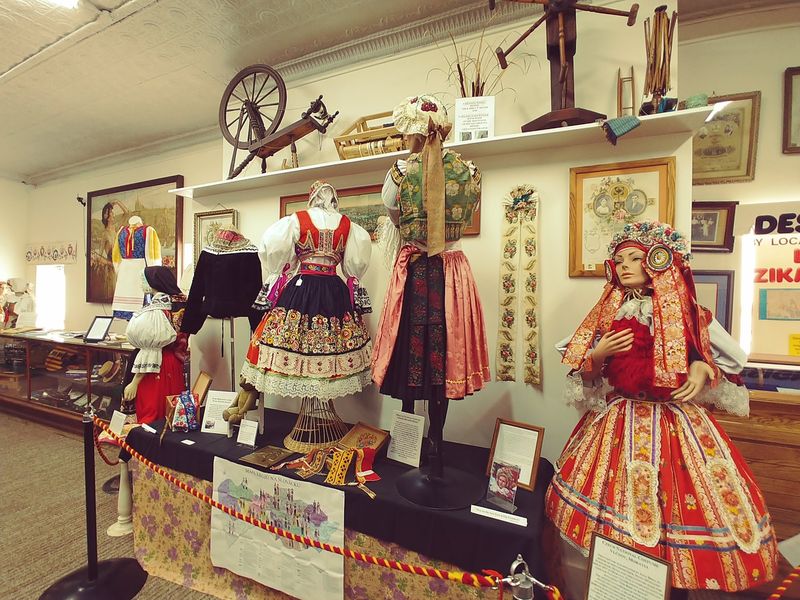
Color is the first thing that grabs you in the textile displays. Traditional Czech and Bohemian dresses stand out with bold patterns, careful stitching, and plenty of Old World flair.
The Wilber Czech Museum holds a strong collection of these garments, along with embroideries and related handwork. Some pieces reflect styles from regions across the old Czechoslovakia.
Every costume represents hours of patient work by hand. Looking closely, you start to appreciate the skill it took to create such detail without modern machines.
These outfits weren’t just pretty decorations either. Folk dress carried meaning about region, celebration, and identity, and families brought that tradition with them to Nebraska.
The connection to modern Wilber stays strong today. Traditional costumes still appear during the town’s Czech Festival, so the museum pieces feel tied to something living rather than frozen in glass.
Anyone who sews, quilts, or loves fiber arts should budget extra minutes here. Even casual visitors tend to linger, because the craftsmanship practically asks you to lean in closer.
The Doctor’s Skeleton Nobody Sees Coming
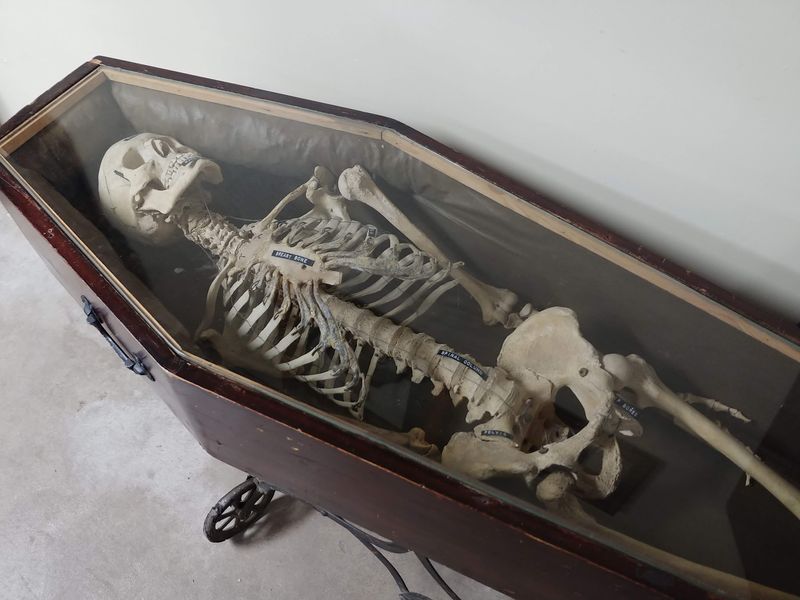
Folk dresses, antique dishes, and a human skeleton. One of those items probably wasn’t on your bingo card for a Czech heritage museum.
The Wilber Czech Museum displays what appears to be a genuine human skeleton, donated by one of the town’s early doctors. It’s the kind of detail that stops people mid-step.
Early country doctors often kept anatomical specimens for study and teaching. Seeing one here offers a glimpse into how medicine worked in a small prairie town long ago.
Kids especially tend to find it fascinating rather than spooky. It sparks great questions about old-time medicine, frontier health care, and how much doctors had to learn on their own.
The display also shows how wide the collection really reaches. Beyond culture and costume, the museum preserves the practical, professional side of everyday Wilber life.
Honestly, it’s a fun reminder that local museums keep the stuff big institutions overlook. Where else would a town doctor’s teaching tool end up sharing space with embroidered lace?
Your Family Tree Might Have A Branch Here
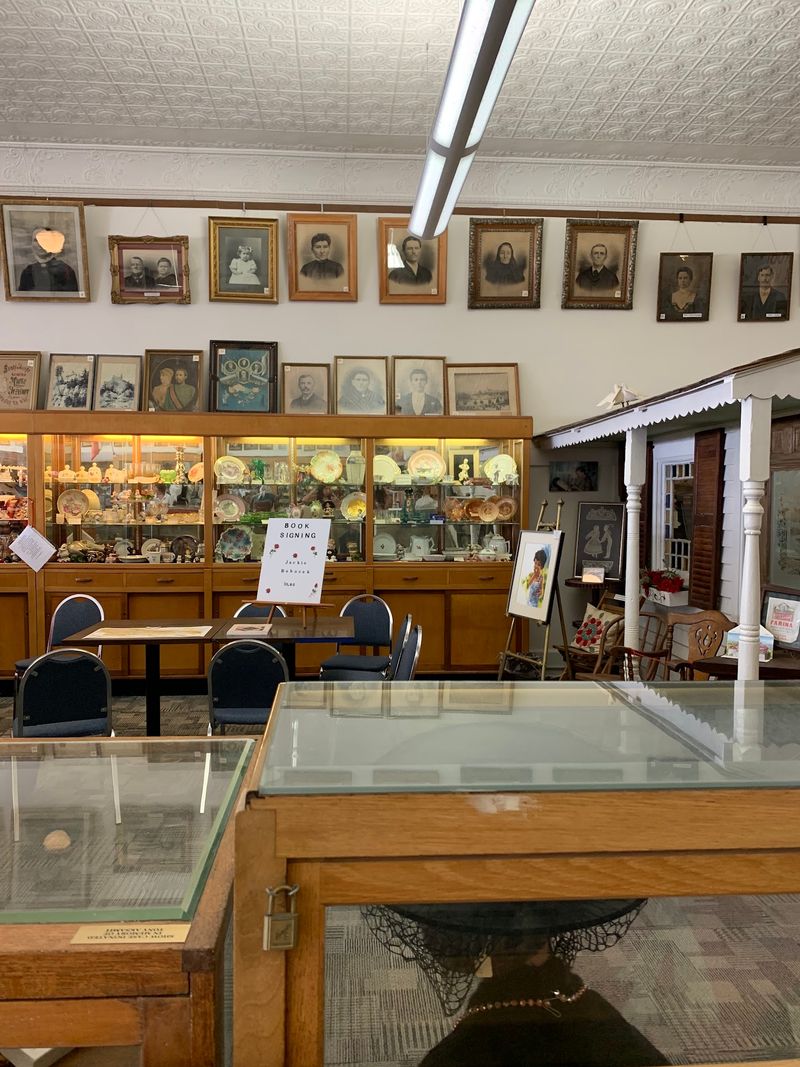
Plenty of Nebraska families trace their roots to Bohemia and Moravia. For them, this museum can feel less like a field trip and more like a family reunion.
The Wilber Czech Museum offers genealogy resources for people researching Czech ancestry. Those materials help connect names, places, and stories that might otherwise stay scattered.
Because so many items came from local donations, family connections pop up in unexpected places. A relative’s heirloom or photograph could be sitting in a display case right now.
That possibility adds real excitement to a visit. It turns a casual look at artifacts into a personal treasure hunt.
Bring whatever family details you already have, like surnames, hometowns, or immigration years. Even a few clues can make research time far more productive.
Not Czech at all? The stories still land, since immigrant journeys shaped communities across the state.
Watching someone else discover a great-grandparent’s name can be oddly moving too.
Honestly, few small museums offer this kind of personal payoff. It’s history you might literally be related to.
Guides Who Treat You Like Neighbors
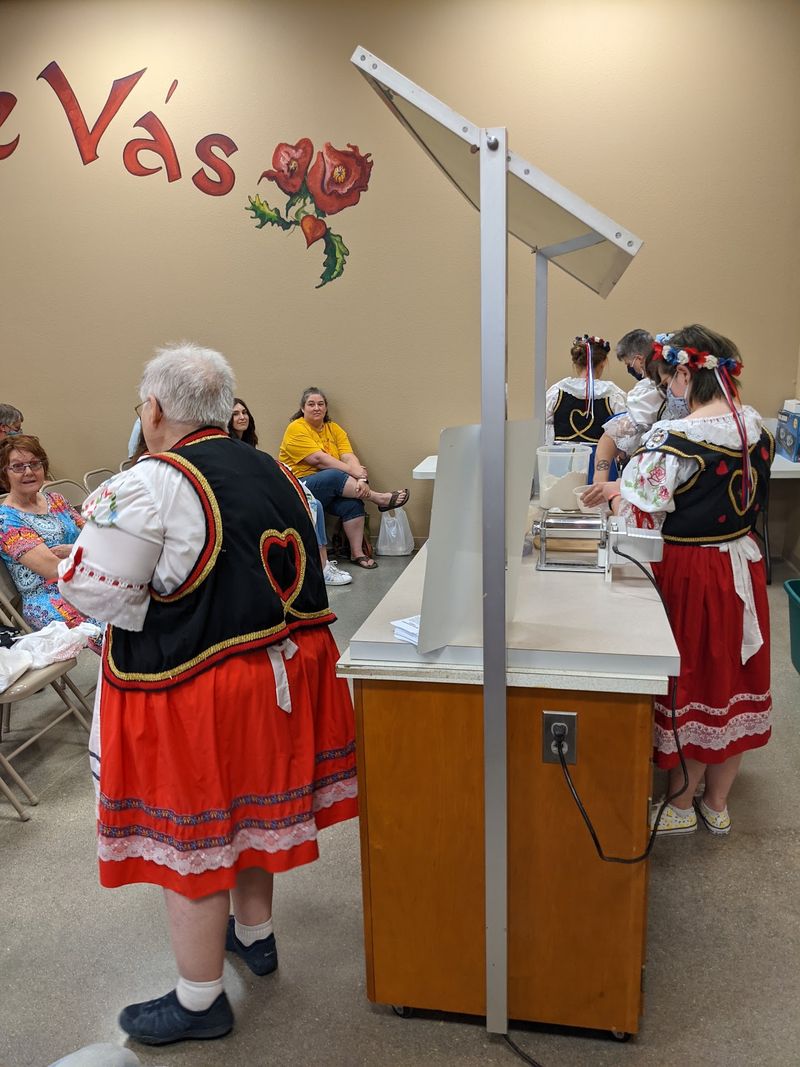
Small-town museums run on people, and Wilber is no exception. The Wilber Czech Museum relies on dedicated folks who know the collection and love sharing it.
A guide can turn a quiet room into a story session. Hearing who donated a piece, or how a family used it, makes every object feel more alive.
The atmosphere is relaxed and welcoming rather than stiff. You can ask questions freely, and nobody expects you to arrive as a history expert.
Cookbooks have also been available, which makes sense in a town proud of its kolaches. Taking a recipe home feels like the most delicious souvenir possible.
The museum suits families, retirees, genealogy buffs, and road-trippers wanting a meaningful stop. It’s calm enough for curious kids and detailed enough for serious history fans.
Groups with Czech roots will feel especially at home. Still, anyone who loves Nebraska pioneer stories will find something to enjoy.
That friendly, personal touch is a huge part of the charm, and it’s something no big-city museum can easily copy.
Timing Your Trip Takes A Little Planning
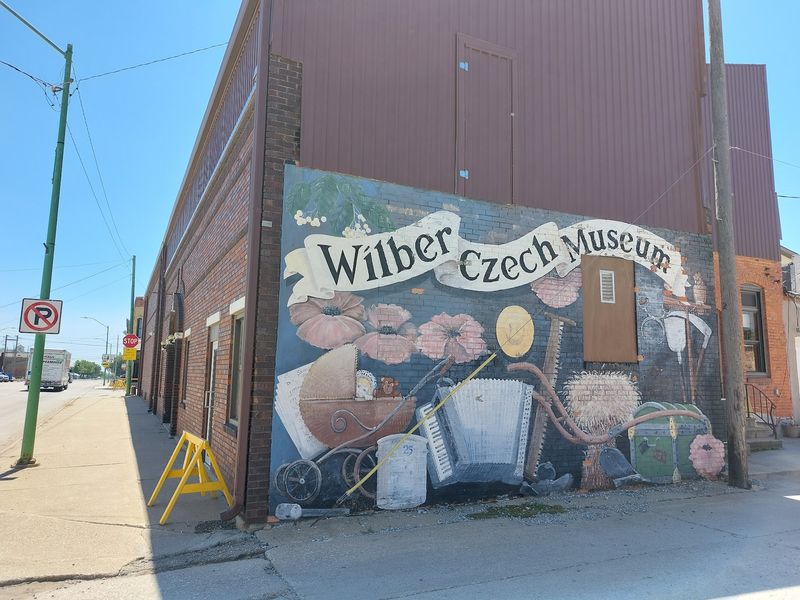
Here’s the catch worth knowing early. The Wilber Czech Museum keeps limited hours, opening only for short afternoon windows on Wednesdays and Saturdays.
That schedule means planning matters more than usual. Show up on a Tuesday, and you’ll be admiring the building from the sidewalk.
You’ll find the museum at 102 W 3rd St, Wilber, NE 68465, right in the heart of town. It’s about a 40-mile drive southwest of Lincoln, making it an easy Nebraska day trip.
Calling ahead before a long drive is a smart move. Small museums sometimes adjust their schedules, especially around holidays or special events.
Give yourself at least an hour inside, more if genealogy research is on your list. Three floors fill up the time quickly once you start reading labels.
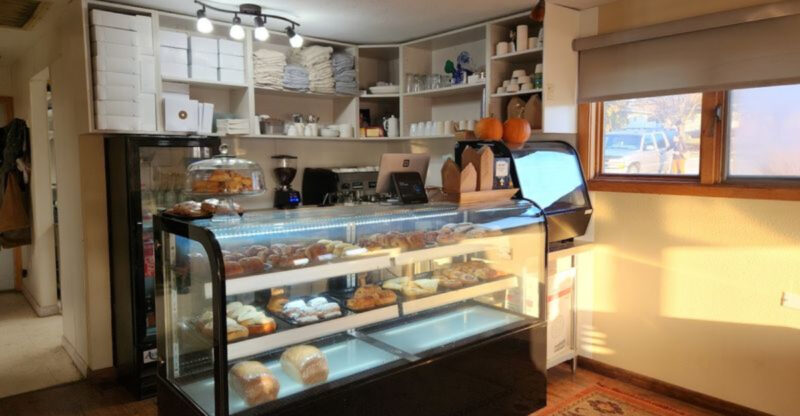
Pair the visit with a stroll through downtown afterward. The Czech-themed storefronts and local bakeries make the drive feel even more worthwhile.
Grab a kolache for the road, and suddenly a quick museum stop becomes a full, satisfying afternoon.
A Festival Weekend That Makes A Strong Case
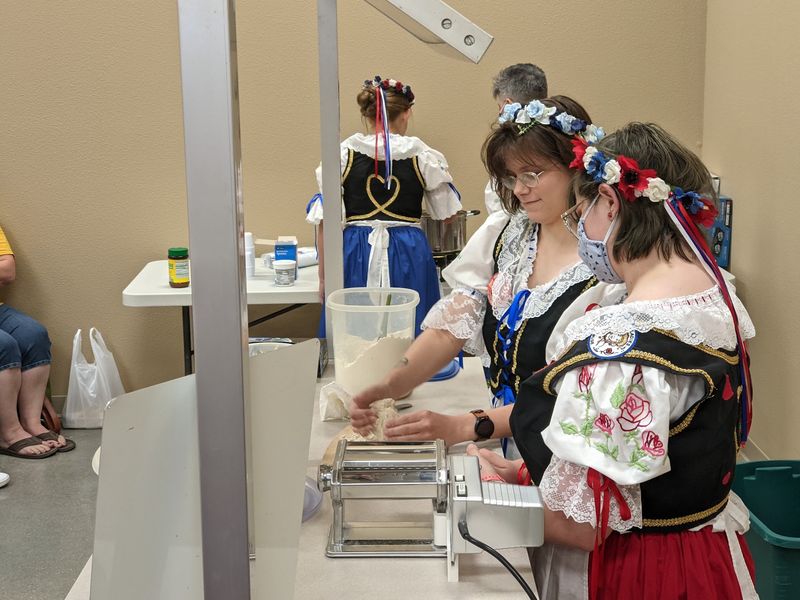
Kolaches, polka music, and parades of embroidered costumes. That’s the flavor of Wilber’s National Czech Festival, held each year on the first full weekend of August.
Visiting the Wilber Czech Museum around festival time adds extra color to the experience. The traditions you see behind glass suddenly spill out onto the streets.
Festival queens, folk dancing, and Czech food bring the whole town to life. Seeing those costumes in motion makes the museum displays even more meaningful.
Of course, a quieter visit has its own appeal. Off-season afternoons give you more time to linger, study details, and chat about family history.
So which trip makes sense? Festival lovers should aim for August, while history buffs might prefer a calm Saturday any other month.
Either way, the museum earns its spot on any Nebraska road-trip list. It’s personal, surprising, and full of stories you simply can’t find elsewhere in the state.
For a town proudly calling itself a capital, this little museum delivers the proof. One visit, and the title starts making perfect sense.