A Highway Bridge Turned Museum Spans Interstate 80 In Nebraska And Walks You Across 170 Years Of Westward Travel
A covered-bridge-style museum stretches right over six lanes of Interstate 80. Semis rumble beneath it while you stroll through pioneer history overhead.
Inside, you can listen to a buffalo stampede story, then follow a Pony Express rider. A little later, you reach a 1950s diner.
The whole walk covers wagons, rails, and highways in one long span.
I like how it turns the road itself into the lesson. You aren’t reading about travel from far away.
You’re standing above the exact route that people have used for generations in Nebraska.
Plenty of drivers have zipped under it for years without stopping. Some even buy a shirt joking about that very habit.
So how many times have you passed it?
The Building Hanging Over Six Lanes Of Traffic
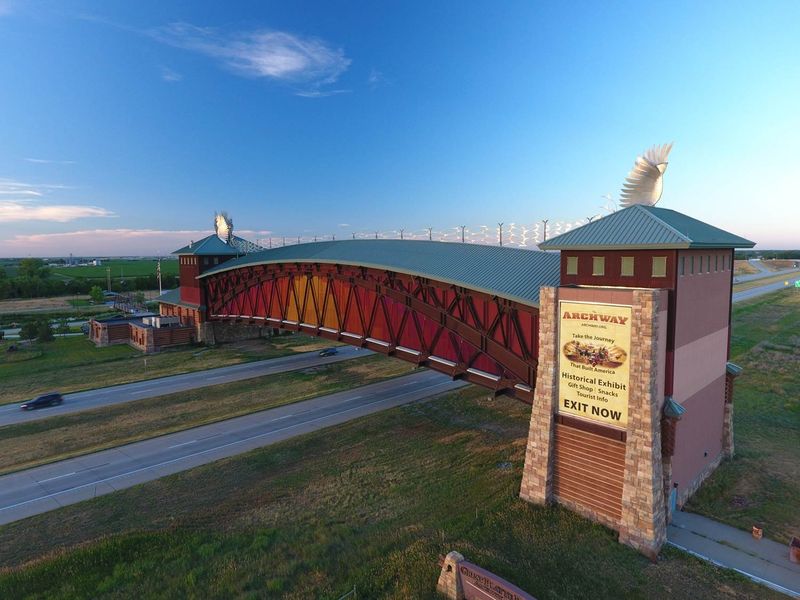
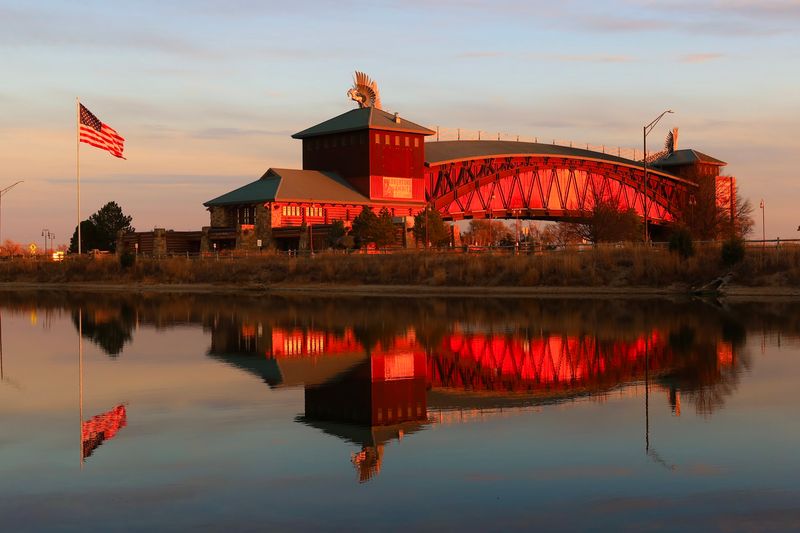
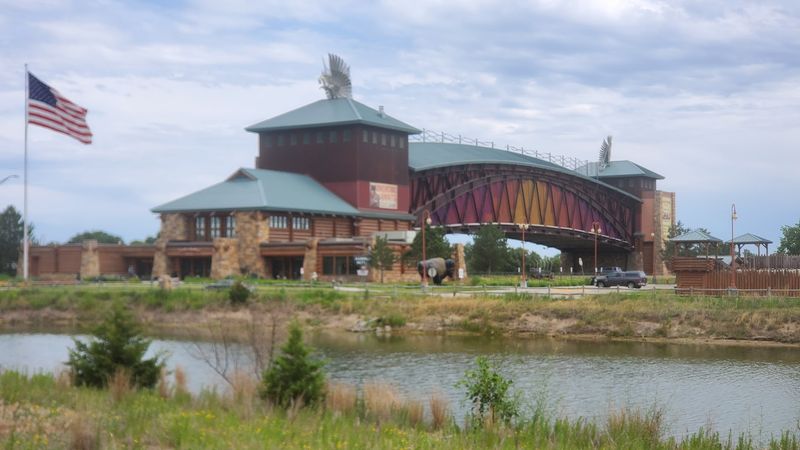
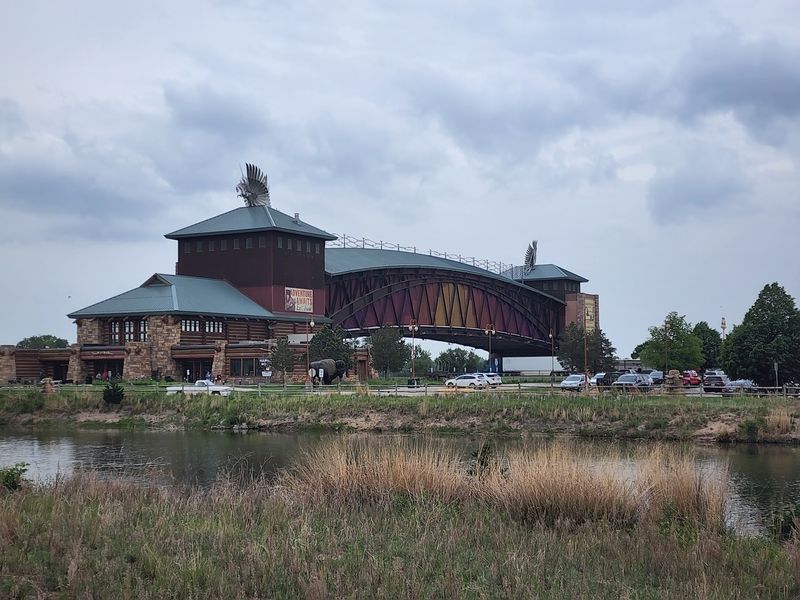
Few museums can claim cars as their basement neighbors. The Archway Museum, officially known as the Great Platte River Road Archway Monument, stretches right across Interstate 80 in Kearney, Nebraska.
The span reaches roughly 300 feet over the highway. From the road, it looks like a giant covered bridge that wandered onto the interstate and decided to stay.
Inside, the museum tells the story of westward travel along the Platte River corridor. That story runs about 170 years, from covered wagons to modern motorists.
It’s officially classed as a historical place, and the label fits. The building sits on a route that pioneers, Pony Express riders, railroad crews, and road-trippers all used.
Drivers heading between Omaha and Denver can hardly miss it. The arch is visible from a good distance on the flat stretch of road.
So the first payoff comes before you even park. You’ve likely seen it already, maybe dozens of times.
Stopping just turns that familiar shape into something with a story behind it.
And honestly, that story is far bigger than the bridge.
A Governor’s Big Idea That Took Decades To Land
Big dreams sometimes take the scenic route. Former Nebraska Governor Frank B.
Morrison pictured a monument to Platte River travelers back in the 1960s.
His idea simmered for decades before crews finally built it. The project cost roughly 60 million dollars once it all came together.
Here’s the wild part. The main span, weighing about 1,500 tons, was assembled beside the interstate first.
Then crews lifted it into place above the lanes. Interstate 80 closed temporarily on August 16, 1999, so the arch could settle over the traffic.
That’s a lot of patience for one afternoon of very careful lifting. Imagine being the driver stuck at the detour that day.
The museum opened its doors in 2000. Since then, it has become one of the most recognizable sights on the whole Nebraska stretch of I-80.
It also earned recognition as a Certified Site by the U.S. National Park Service.
That’s a nice nod for a building born from one governor’s long-held vision.
Not bad for an idea that started on paper during the 1960s.
An Escalator Ride Straight Into The Pioneer Era
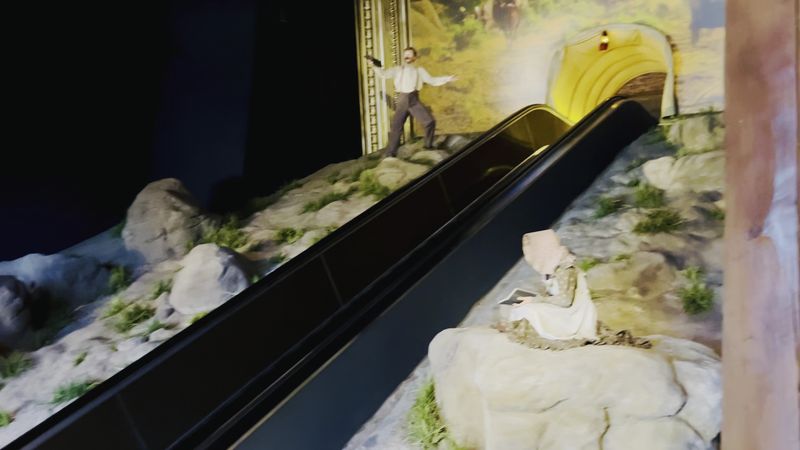
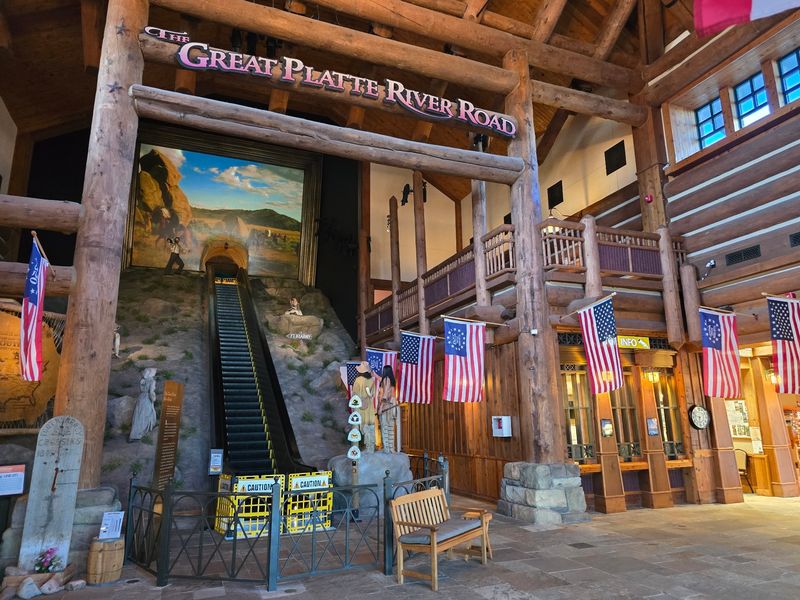
Most history lessons don’t start on an escalator. This one does, with displays lining both sides as you ride up into the main exhibit.
Tickets come first, at the counter on the ground floor. After that, the upper level carries you along the span itself.
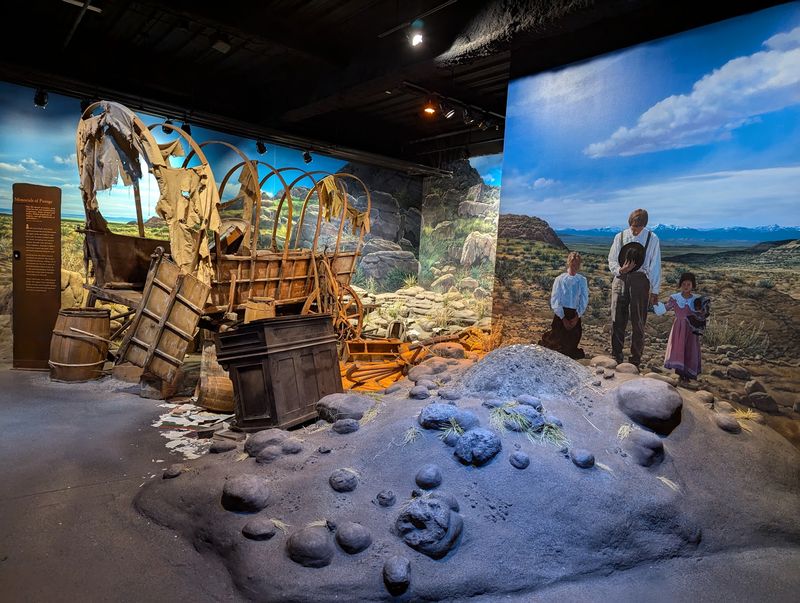
The first chapters focus on the three big pioneer trails. The Oregon, Mormon, and California trails all followed the Platte River through this part of Nebraska.
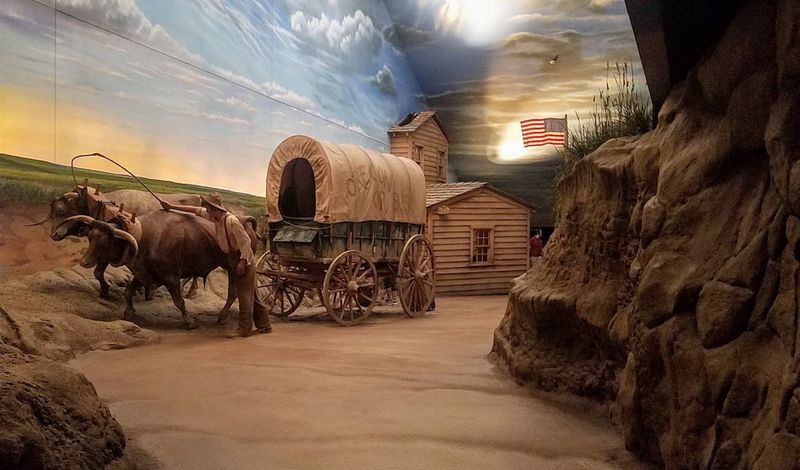
Life-sized figures and detailed dioramas help those trail days feel real. You can hear about a buffalo stampede and a winter rescue on the Mormon Trail.
Covered wagons take center stage early on. It’s easy to come away amazed by how tough those travelers really were.
Families packed nearly everything they owned and walked beside their wagons for months. Seeing the scenes at full size makes that effort harder to shrug off.
The pace is yours to set. You can linger at a scene or move along quickly to the next one.
Either way, the trail section sets up everything that follows down the line.
Audio Guides That Let You Pick Your Own Path
Think of it as a choose-your-own-adventure museum. Numbered stations line the route, and you decide which stories you want to hear.
The self-guided tour uses a portable audio device. You can also use a QR code on your phone, so earbuds are handy to bring along.
Guided tours are available as an option too. Still, the audio setup is a big part of the fun.
Kids especially tend to love it. Even young children can work the individual speakers on their own.
That small bit of control matters for families. Children can rush past one scene and stop for five minutes at another.
Adults get the same freedom. History fans can hear every station, while casual visitors can skim the highlights.
There’s plenty of written material as well. So if listening isn’t your thing, panels and displays cover the details.
The screens add another layer for younger visitors. They make the walk feel a bit more like exploring than reading.
Most visits through the exhibit run about an hour and a half. That’s a comfortable break from a long drive.
Pony Express Riders, Telegraph Lines, And Steel Rails
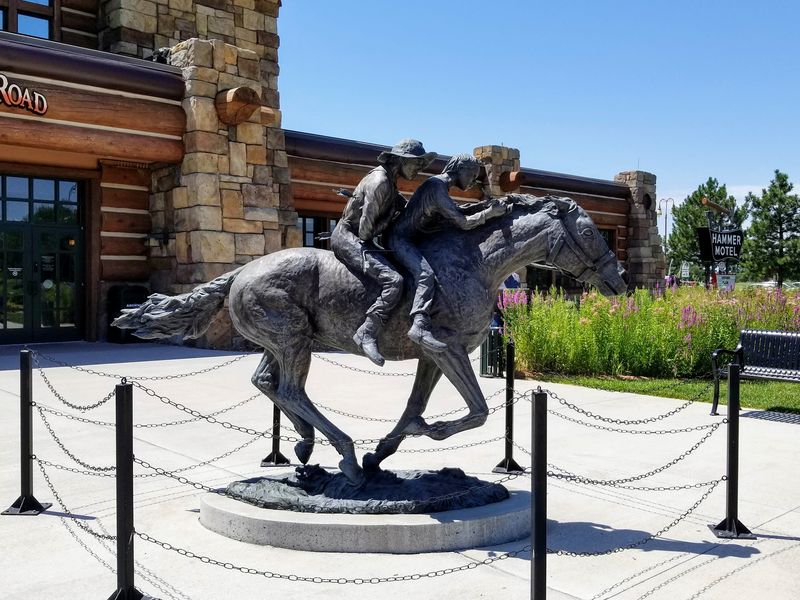
Speed changed everything on the Platte. After the wagon years, the exhibit shifts to the Pony Express and the riders who carried mail at a gallop.
A life-sized rider scene captures that rush. It’s one of the moments that sticks with visitors after the walk ends.
Then come the telegraph lines. Messages that once took weeks suddenly crossed the country far faster.
The story keeps rolling into the railroad era. The transcontinental railroad reshaped how people moved through this valley.
Here’s what makes the layout clever. Each new chapter builds on the last, so you watch travel shrink from months to days.
The museum also shares the viewpoints of several different groups. That includes the Indigenous nations who lived in this region long before wagons arrived.
Landmarks that guided early travelers show up too. They help connect the trails to the routes that came later.
Walking it in order feels like a time-lapse of the Great Plains. One route, many generations, each moving a little faster than the one before.
And you’re crossing the interstate the whole time.
Lincoln Highway Days And A 1950s Diner View
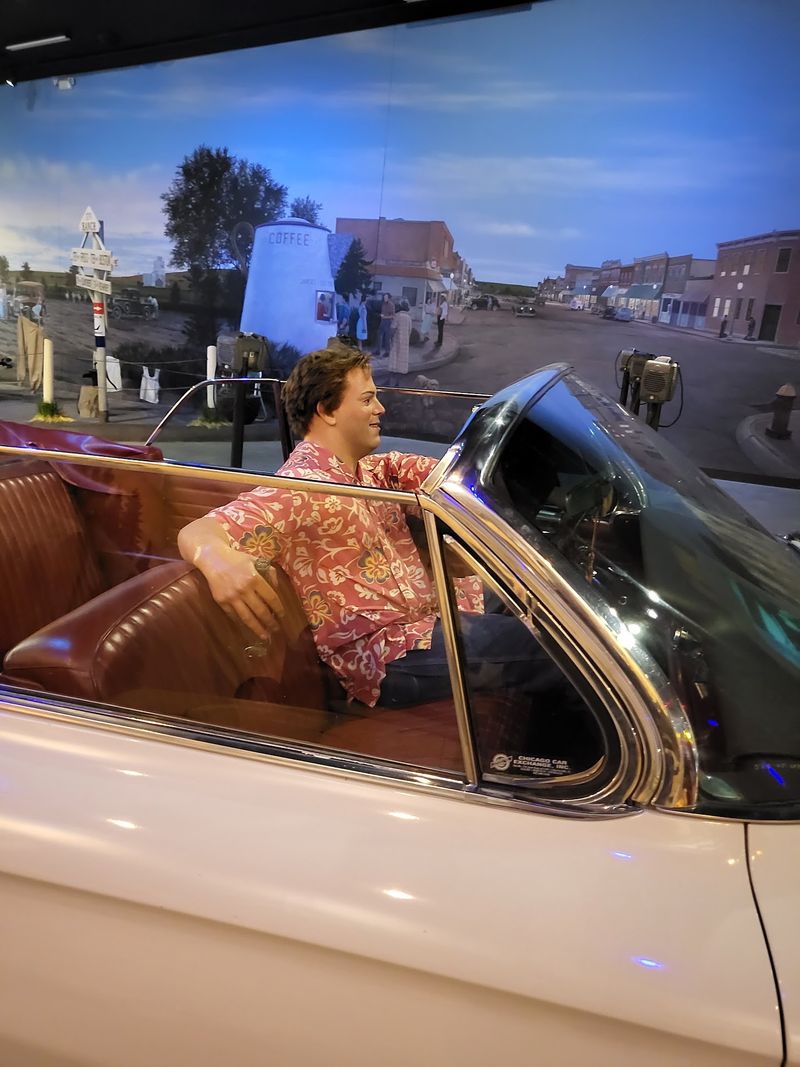
Cars finally get their turn near the end. The exhibit moves into the Lincoln Highway era, when motorists started crossing the country with real ease.
That road, later tied to Route 30, ran right through central Nebraska. It paved the way, quite literally, for the interstate below your feet.
Early travel trailers make an appearance too. The Airstream era shows how road trips became a family tradition.
Then there’s the replica 1950s diner. It’s one of the best-loved scenes in the building.
Two windows there look east over Interstate 80. You can watch real traffic rolling underneath the very span you’re standing on.
Kids enjoy that second-level view a lot. Displays even let them guess whether a car below is speeding.
A 1950s drive-in theater scene adds even more nostalgia. Anyone who grew up with drive-ins will feel a little tug here.
The windows are fairly small, so don’t expect a giant glass walkway. Still, spotting semis below after an hour of wagon stories is a fun twist.
History and the present meet right in that diner.
A Sod House And Gold Panning Out Back
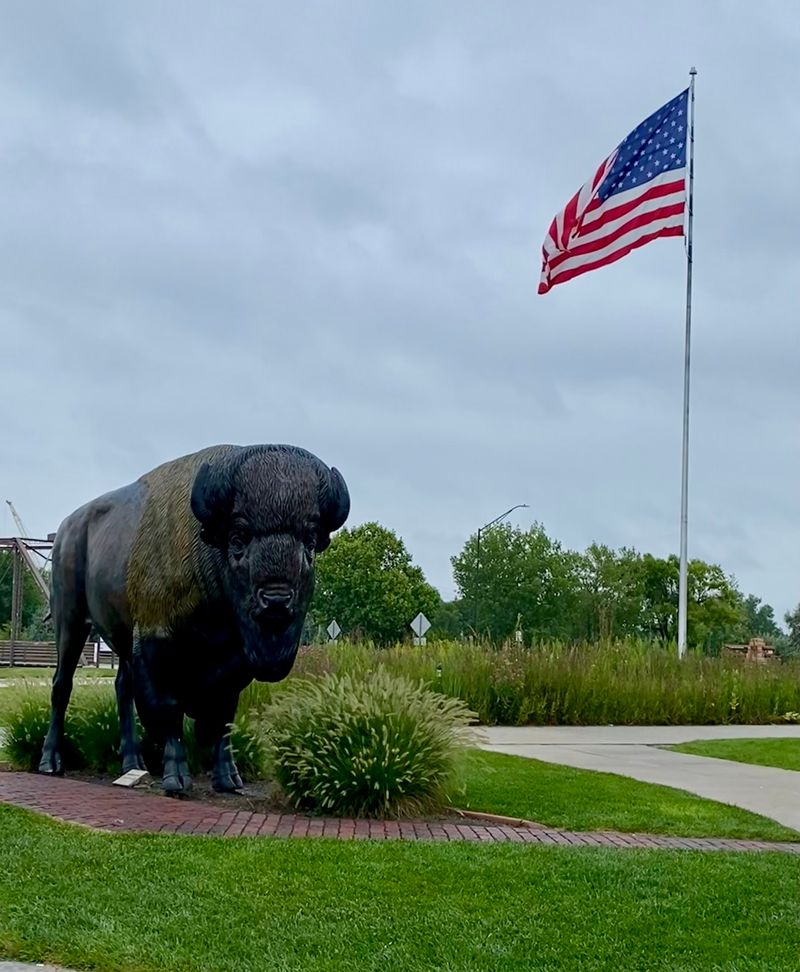
Outside, the history keeps going, and much of it costs nothing. The grounds hold several features that don’t require an exhibit ticket.
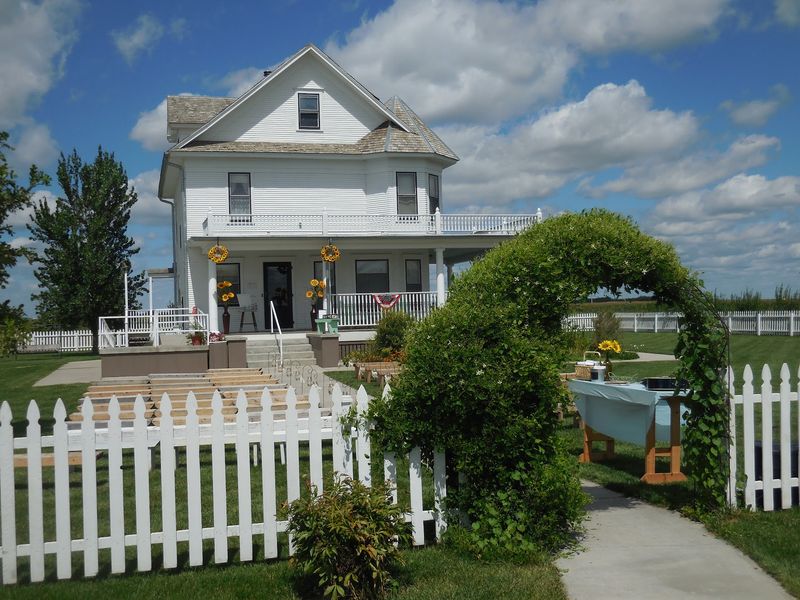
A replica sod house, built in 2008, shows how many early settlers lived on the Nebraska prairie. Walls made from cut prairie sod were a practical answer to a land with few trees.
Seeing one up close makes modern drafty houses feel downright luxurious. It’s a quick, memorable stop for kids and grandparents alike.
Nearby, the Archway Mining Company invites young prospectors to try striking it rich. It’s a hands-on activity that gives little ones a break from listening.
The TrailBlaze Maze adds another outdoor challenge. Families can test their sense of direction without needing a compass or a wagon master.
Picnic areas and well-kept gardens round out the grounds. That makes it easy to stretch a quick stop into a relaxed afternoon.
Bring snacks if you plan to linger. A shady table and a sod house view beat most highway rest areas by a mile.
The free spaces alone make the exit worthwhile.
Catfish, A River Bridge, And Miles Of Trail
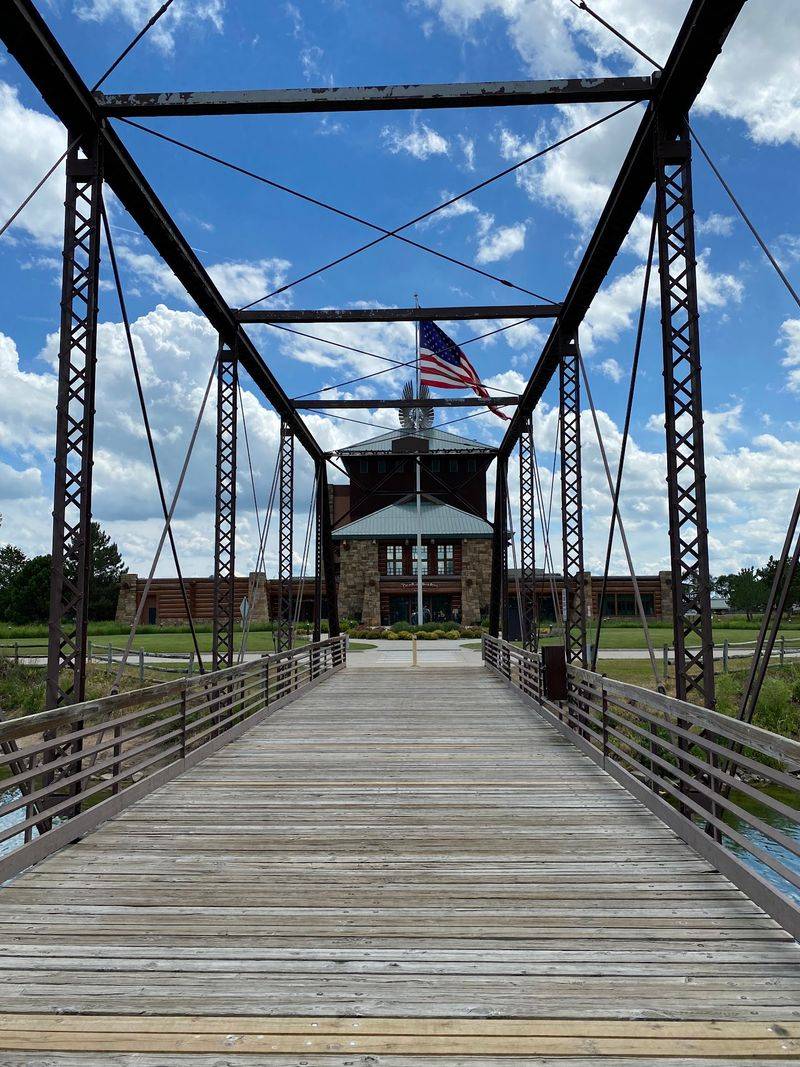
Yes, you can feed catfish here. Pick up fish food at the gift shop, then head to the pond by the historic bridge.
The fish gather underneath, and kids tend to find that wildly entertaining. It’s a cheap thrill that adds a little splash to the day.
Past the bridge, a hike and bike trail heads out along the river. Some visitors have covered about seven miles, though you can turn back whenever you like.
That flexibility is handy on a road trip. A short walk can shake off highway stiffness without eating up the whole afternoon.
The paths connect the museum to the wider Kearney trail system. Cyclists bringing bikes along will appreciate the extra room to roam.
Spring and fall are lovely times for a stroll. Central Nebraska weather can swing quickly, though, so pack a layer.
Pets and strollers may fit nicely on a short loop. Check signage before heading too far.
Between catfish and a long trail, the outdoor side holds its own against the main exhibit.
Nebraska-Made Treasures In The Trader Shop
Plenty of people stop just for the gift shop, and that says something. The Platte River Trader Gift Shop carries Western-themed items alongside Nebraska-made crafts.
You’ll find jewelry, specialty foods, and patriotic keepsakes. It’s a strong spot for gifts that actually feel connected to the state.
One shirt even pokes fun at all the drivers who passed the arch for years before stopping. Guilty travelers may want two.
An art gallery on campus shows works celebrating the spirit of the West. It’s a calm change of pace after the busy exhibit.
The Nebraska Visitor Center sits right on campus too. Staff there can point you toward other destinations across Nebraska.
Food is limited, so plan ahead. There’s no full-service restaurant on site, just light concessions.
Root beer floats were once served here, but they’re no longer offered. Eating before you arrive is the smart move.
Clean, comfortable restrooms are another quiet perk. Road-trippers know how much that matters after hours on I-80.
Sometimes the small stuff seals a good stop.
Timing Your Stop Off Exit 275
Getting there couldn’t be much simpler. Take Exit 275 off Interstate 80 and follow signs a short way east.
The address is 3060 E 1st St, Kearney, NE 68847. Pull-through parking fits RVs, trailers, and semis, which is a relief for big rigs.
The museum is open year-round. Hours run from morning to late afternoon Monday through Saturday, with a later opening on Sundays.
Exhibit ticket sales end a little before closing. Arriving mid-afternoon or earlier gives you breathing room.
Admission to the main exhibit is affordable for a family outing. Many outdoor areas, including the grounds, are free to enjoy.
Plan on roughly an hour and a half for the exhibit. Add more time if you want the trail, maze, and catfish.
Spring brings a bonus for birders. Sandhill cranes gather along the Platte near Kearney, so the museum pairs well with crane season.
Staff members are friendly and clearly love their history. Some even greet guests in period costumes.
That warm welcome makes the detour feel easy.
Why This Arch Deserves More Than A Glance
Honestly, the arch has earned your exit. It packs the whole story of Platte River travel into one walk you can finish before lunch.
Families get audio guides kids can run themselves. History lovers get dioramas, trail stories, and a clear timeline from wagons to Airstreams.
Road-trippers get clean restrooms, easy parking, and a real leg stretch. That combination is rare on any interstate.
Then there’s the Nebraska pride angle. Pioneers, rail crews, and Lincoln Highway motorists all passed through this valley, and the museum honors every one of them.
I believe that’s what makes it stick. You learn the history right above the road that continues it.
Is it perfect? Folks hoping for huge windows over the traffic might wish for more views.
Still, the exhibits are polished and the grounds are lovely. The catfish alone could win over a skeptical eight-year-old.
So the next time the arch appears on the horizon, try something new. Take Exit 275 instead of saying next time.
The pioneers waited months to cross Nebraska. Your stop only takes an afternoon.