Hidden In Nebraska’s Grasslands Are Rare Agates That Rock Hunters Treasure
Some of the most prized agates in the region are just lying on the ground, waiting for a sharp-eyed person to bend down. No shovels allowed.
No picks either. Rock hunters here search the old-fashioned way, with their eyes and their hands.
The treasure is the Fairburn agate. Its bands zigzag in tight, sharp layers of red, orange, yellow, black and white.
South Dakota claims it as a state gemstone, but these stones spill right across the border.
That means a corner of northwest Nebraska holds a gem hunt that costs nothing but time and patience. I like how the rough outside of each stone hides all that color.
You could walk past a beauty and never know it.
So how do you spot one? And what else waits out on that wide-open ground?
A Sea Of Grass Where The Ground Does The Talking
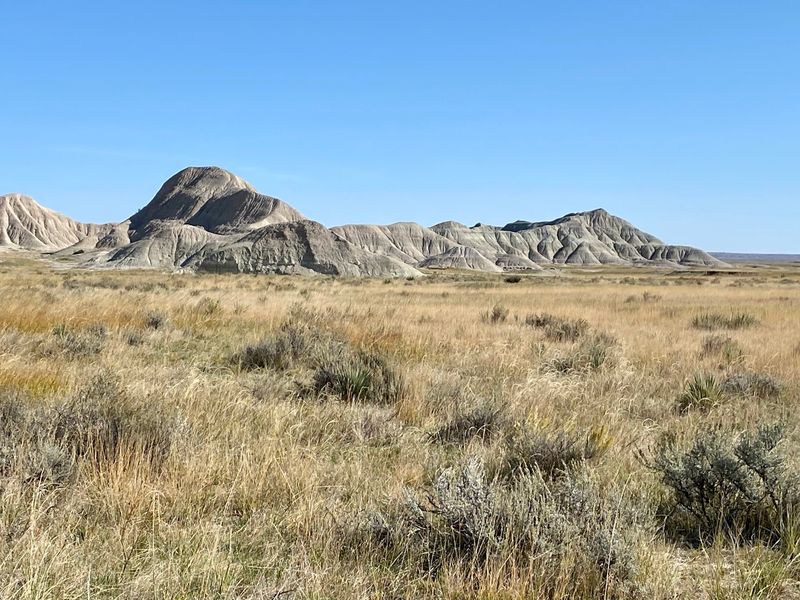
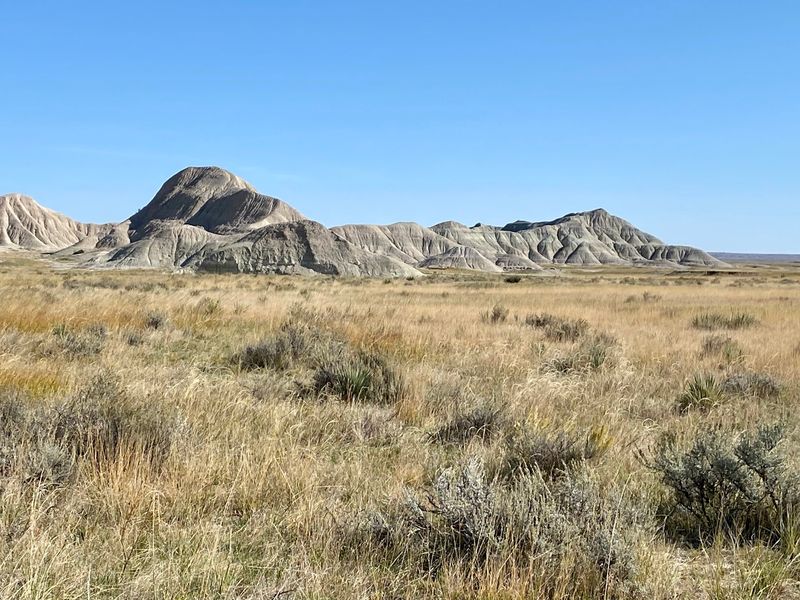
Grass, gravel and a whole lot of sky make up most of the view at Oglala National Grassland. The area sits in the far northwest corner of Nebraska, near the small town of Harrison.
It’s public land managed by the U.S. Forest Service.
The supervisor’s office for the Nebraska National Forest, based in Chadron, oversees it.
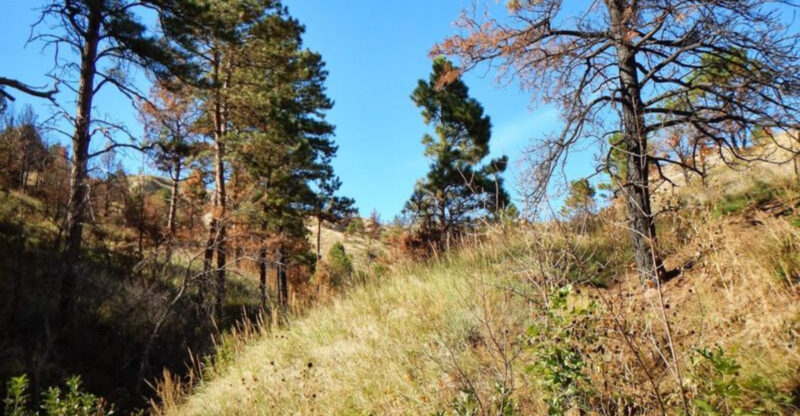
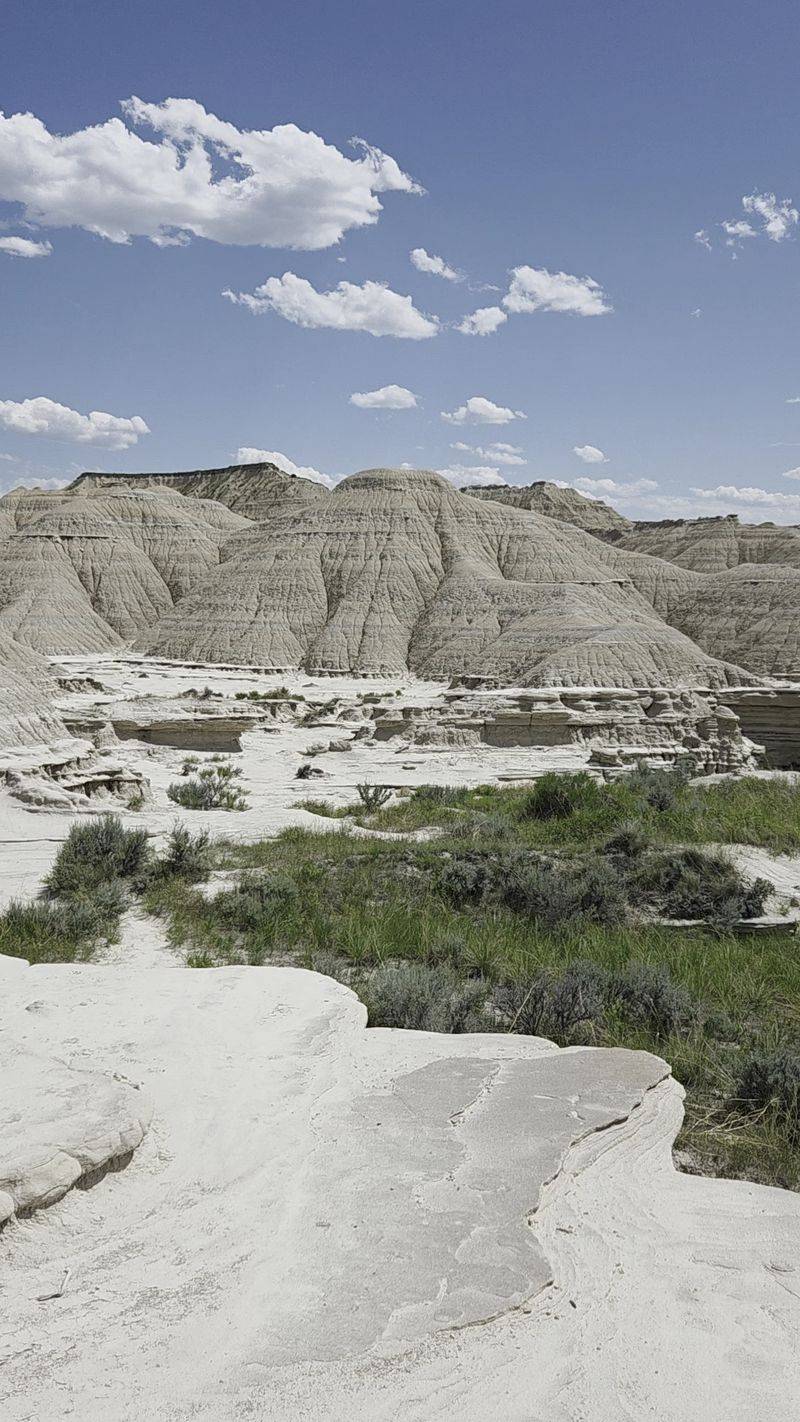
The landscape mixes native mixed-grass prairie with forested streambeds. Then come the badlands, worn shapes of siltstone and clay carved by wind and water.
Why does that matter for rock hunters? Erosion keeps peeling back old layers and leaving stones right on the surface.
The grassland stays open 24 hours a day. You won’t find a gate, a ticket booth or a gift shop.
There’s also no visitor center or facilities on the grassland itself. Think of it as raw country rather than a polished park.
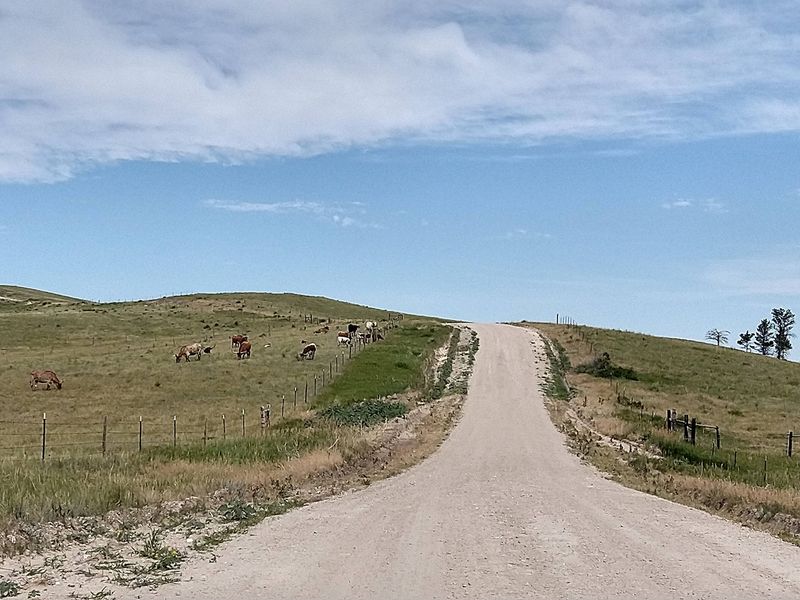
That bareness is part of the charm. Ranchers still run cattle on this land, and the quiet stretches for miles.
A scenic drive alone can fill an afternoon. Spring clover and June hills give the prairie a softer look than many people expect from this far corner of the state.
Zigzag Bands That Make Collectors Weak In The Knees
Holly leaf. That’s one nickname collectors use for the sharp, pointy banding inside a Fairburn agate.
These stones show what’s called fortification banding. The layers form concentric rings that turn at sharp angles, like the walls of an old fort seen from above.
Fairburns stand out because their bands tend to be tighter and crisper than many other agates. The pattern feels compact and busy in the best way.
Colors can include brown, red, orange, blue, yellow, black and white. Some stones pack several shades into a space smaller than your thumb.
South Dakota named the Fairburn agate its state gemstone. Still, the deposits don’t stop at a line on a map.
They extend into northwestern Nebraska, which turns this grassland into prime hunting ground. Nebraskans get a crack at a famous stone without crossing the border.
Part of the appeal is rarity. Finding a good one takes luck, patience and a trained eye.
That challenge explains why rock hunters keep coming back. Every walk offers a fresh chance, and every gravel patch could be hiding a small striped masterpiece.
Dull Little Rocks With Fireworks Inside
Here’s the tricky part: a raw Fairburn usually looks plain. Most hunters search for stones roughly thumb-sized to egg-sized lying on eroded ground.
Unpolished agates often wear a rough, dull or matte skin. Their outsides can run brown, gray, yellow or red.
So what gives one away? Watch for a waxy luster peeking through a chipped edge or a hint of banding near the surface.
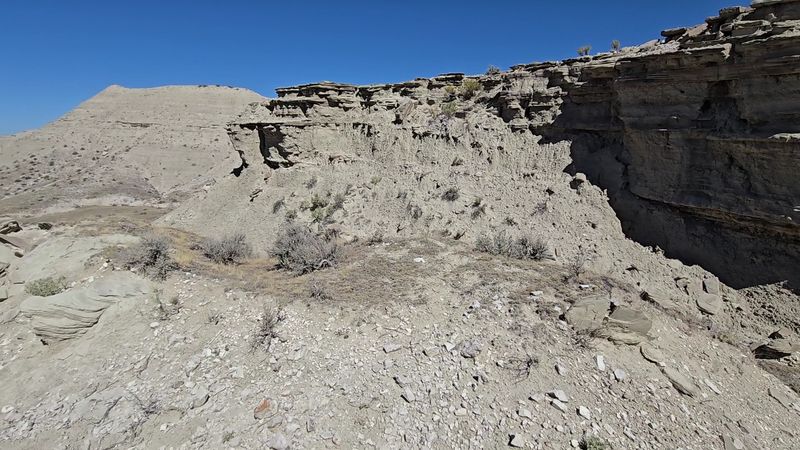
The Orella badlands inside the grassland are a noted spot. Erosion of the Oligocene White River beds there exposes Fairburns and other agates.
Gravel beds and worn slopes are worth a slow look too. Sunlight helps, since a glassy edge can flash when light hits it right.
Don’t expect instant success. Fairburns blend in with ordinary field stones, and learning the difference takes practice.
Many hunters find plenty of other pretty agates and unusual stones along the way. Families can turn the search into a natural scavenger hunt for kids.
Keep your head down and your pace slow. On this ground, the hunter who walks the slowest often goes home with the best pocketful.
The Hands-Only Rulebook Every Rock Hunter Should Know
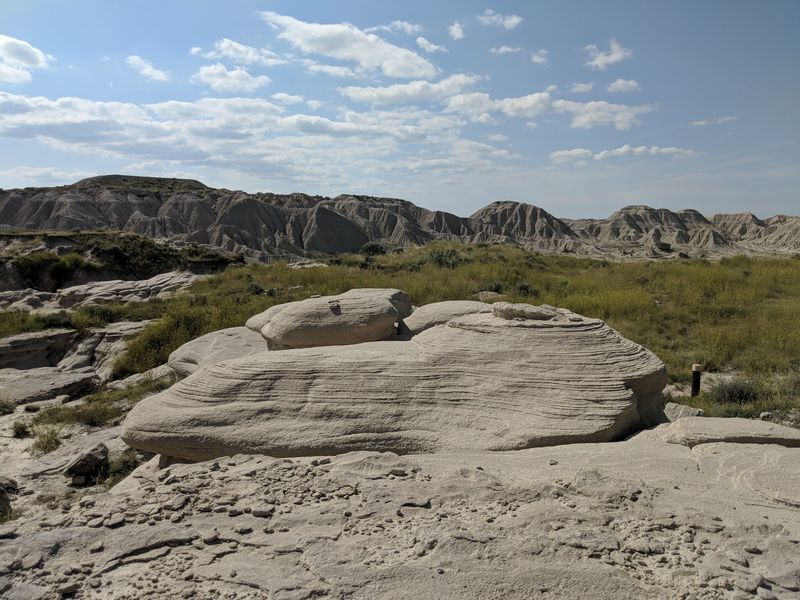
Good news first. Recreational rockhounding for personal use is allowed across Oglala National Grassland.
The catch is the word casual. Collecting means picking up stones from the surface only.
Digging, mining and breaking rocks with tools are not allowed. That’s why hunters still search by hand, just as the title promises.
Limits keep things fair for everyone. You can take up to 25 pounds of rock per day and 250 pounds per year.
Selling what you find is off the table. Your agates are for your shelf, not a store counter.
Some items are federally protected and must stay put. Those include vertebrate fossils, artifacts and meteorites.
Land ownership adds one more wrinkle. The grassland is a patchwork of federal, state and private ground.
Always confirm you’re standing on federal land before collecting. Ranchers work much of this country, so respecting fences and private property matters.
A map from the Forest Service office can help you sort out boundaries. Follow the rules, and this hand-picked tradition can keep going for the next generation of Nebraska rock hunters.
Mushroom Rocks And A Moon You Can Hike
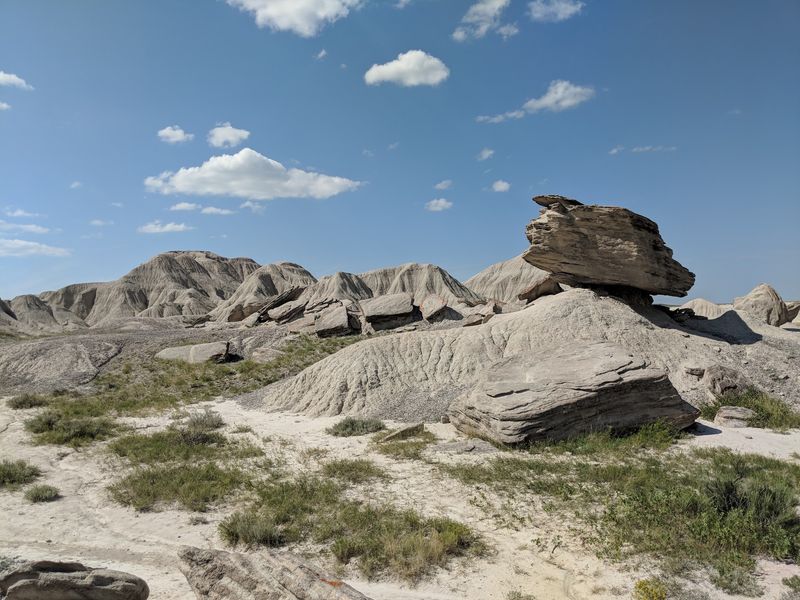
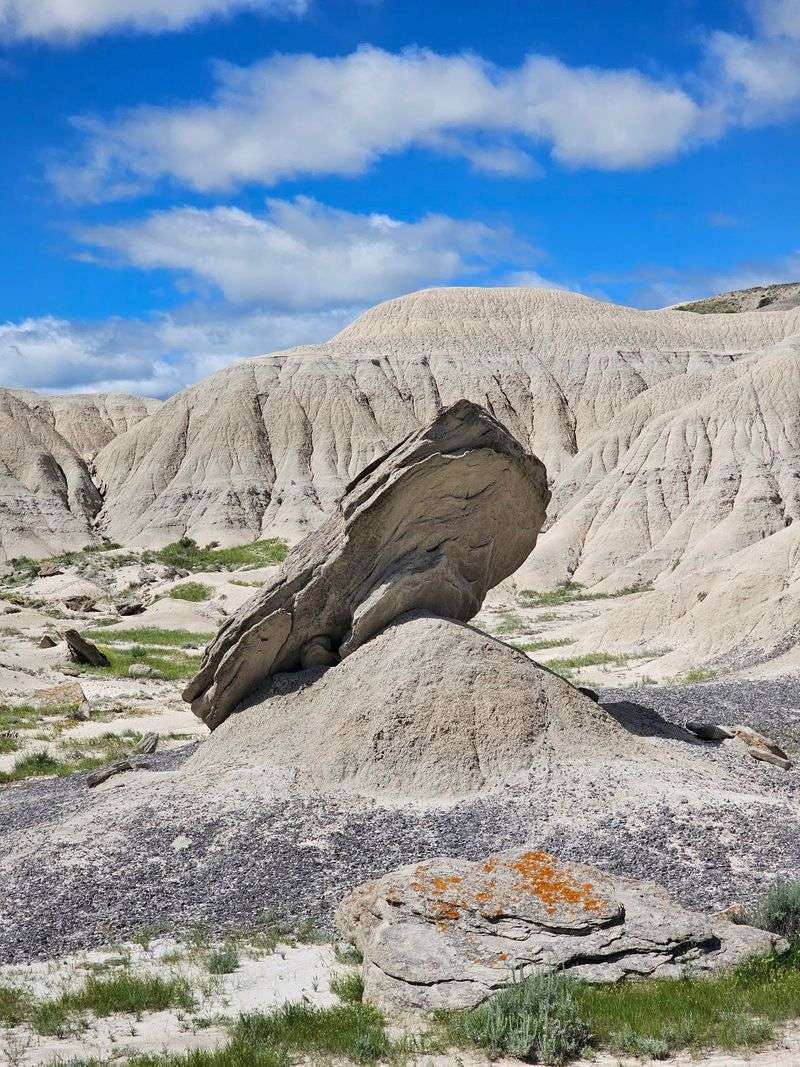
Rocks balanced on skinny clay stems look like something from a cartoon. At Toadstool Geologic Park, they’re very real.
The park sits within Oglala National Grassland and shows off its wildest badlands scenery. Eroded buttes have been sculpted into toadstool-like shapes over a very long stretch of time.
An interpretive trail guides visitors through the formations and fossil locations. It’s a handy crash course in how this ground was built.
The scenery feels otherworldly. Many folks compare the pale, cracked terrain to the surface of the moon.
A small primitive campground offers six first-come, first-served sites. There are shaded picnic tables, fire pits and grills.
You won’t find hookups or water, though. Pack in every drop you’ll need.
A replica Homestead Era sod house also stands near the park. It gives a quick look at how early settlers made homes from the prairie itself.
Camping overnight lets you see the formations at sunset and sunrise. One heads-up for light sleepers: trains along Toadstool Road can pass through often, so earplugs might earn a spot in your bag.
Ancient Bison Bones And A Three-Mile Trail To Reach Them
Thousands of years before rock hunters arrived, bison roamed this ground in huge numbers. The Hudson-Meng Education and Research Center tells part of that story.
It holds what’s described as the largest bison bone bed in North America. Visitors can view ongoing archaeological excavations inside a climate-controlled enclosure during the summer season.
Tours and interpretive materials help explain what researchers are uncovering. It’s a rare chance to see science in progress rather than behind museum glass.
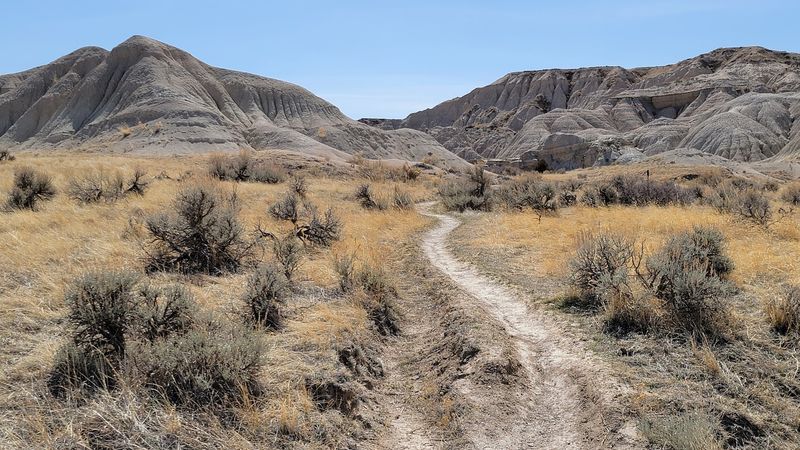
Getting there can be half the fun. The three-mile Bison Trail links Hudson-Meng with Toadstool Geologic Park.
Hikers describe a surprisingly varied route. Grasslands, green valleys and rocky badlands all show up along the way.
The trail is mostly easy, with a couple of moderate stretches. Markers help keep you on track.
Pairing the hike with a rock hunt makes for a full Nebraska day out. You can start among ancient bones and finish scanning gravel for striped stones.
Just remember the rules from earlier. Fossils and artifacts stay right where they lie, no matter how tempting.
Pronghorn, Prairie Dogs And Plenty Of Elbow Room
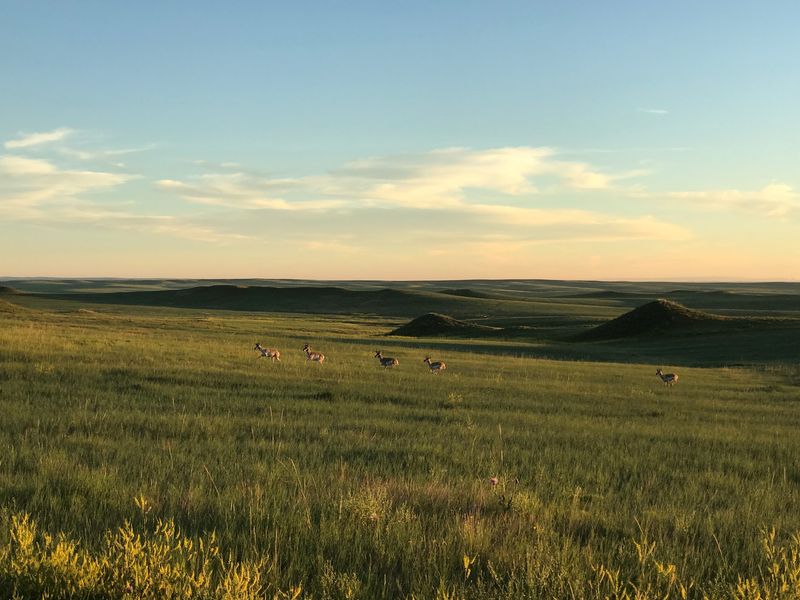
Agates aren’t the only things worth spotting out here. Pronghorn graze the open prairie, and prairie dog colonies pop up across the grass.
The grassland supports more than 100 species of animals and 150 species of birds. Binoculars may earn a spot right next to your rock bag.
Solitude ranks high on the list of rewards. Wide open spaces and a peaceful mood define the place more than any single attraction.
Activities go well beyond rockhounding. Hiking, mountain biking, hunting and fishing in ponds are all options.
Gravel cyclists enjoy the long, empty roads too. Just know the wind can be fierce, especially when it’s blowing in your face.
Hunters have long valued the public access to pronghorn country. That tradition fits the working-land spirit of the area.
Families tend to like the mix of animals and treasure hunting. Kids get room to roam and something new around every bend.
The beauty here is subtle rather than flashy. Give it time, and the quiet prairie can feel just as impressive as any mountain view.
Gravel Roads, No Bars Of Signal And A Full Water Jug
Bring water. Then bring a little more.
Oglala National Grassland has no services, and the drive in follows long gravel and dirt roads. Some routes can get rough, and wet weather can turn them into impassable mud.
A high-clearance or four-wheel-drive vehicle can help on back routes. Tall prairie grass may hide rocks, stumps and holes.
Cell service ranges from spotty to nonexistent. Download maps before you leave Harrison or Crawford.
The best visiting window runs roughly March through November. Midsummer highs can reach about 90 degrees, while winter lows can sink near 8.
Good hiking shoes are a smart choice. Cactus grows all over the area, so watch where you step and where you kneel.
Rattlesnakes also live here. Keeping eyes on the ground already comes naturally for agate hunters, which helps.
For questions about maps or land boundaries, contact the Nebraska National Forest office at 125 N Main St., Chadron, NE 69337. The grassland itself is open around the clock.
Check road conditions before heading out. A dry day makes everything easier.
Why A Pocketful Of Plain Stones Can Feel Like Gold
Even an empty-handed day out here beats a lot of full ones elsewhere. The views alone make the long gravel drive worthwhile.
Oglala National Grassland rewards people who like quiet, patience and small discoveries. It isn’t flashy, and that’s exactly the point.
I believe the hand-only rule makes the whole hunt more meaningful. Nobody can buy a shortcut, so every find comes from walking, looking and a bit of luck.
That keeps the playing field level. A retiree, a curious kid and a seasoned collector all face the same gravel.
It suits Nebraskans who want an affordable outing with a real payoff. Families, hikers, campers and history fans can all build a day around it.
Toss in Toadstool’s mushroom rocks and the Hudson-Meng bone bed. Suddenly a remote corner of the state turns into a full weekend.
Will you find a perfect Fairburn on your first try? Maybe not.
But you’ll likely head home with dusty boots, a few pretty stones and a strong urge to come back. That’s a pretty fine haul for a day in the Nebraska Panhandle.