Kids Split Open Shale And Keep The Fossils They Find At This Pennsylvania Dig Site
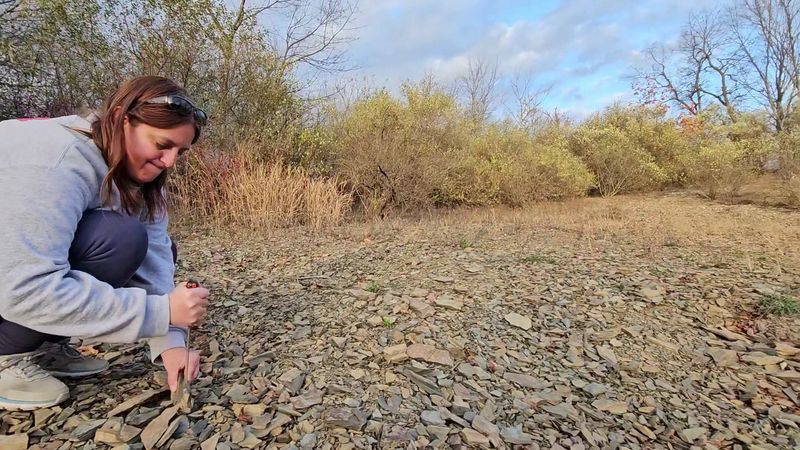
A hillside of crumbly gray rock lets kids crack open stones and keep whatever ancient sea creatures they find inside. No ticket, no gift shop markup, no grown-up telling them to put it back.
The rocks are shale, and the creatures inside are older than the dinosaurs by a wide margin. Think shells, sea lilies, and the occasional trilobite hiding between thin layers.
All of it formed when a warm, shallow sea covered this part of Pennsylvania.
I like how simple the whole idea is. You bring a hammer, pick a slab, and tap until it splits like a stale cracker.
Sometimes you get nothing but more rock. Sometimes a perfect little shell stares back at you.
I can’t imagine a kid who wouldn’t want that kind of souvenir. So where is this rock pile, and what’s waiting in it?
A Free Rock Pile Where Every Find Goes Home With You
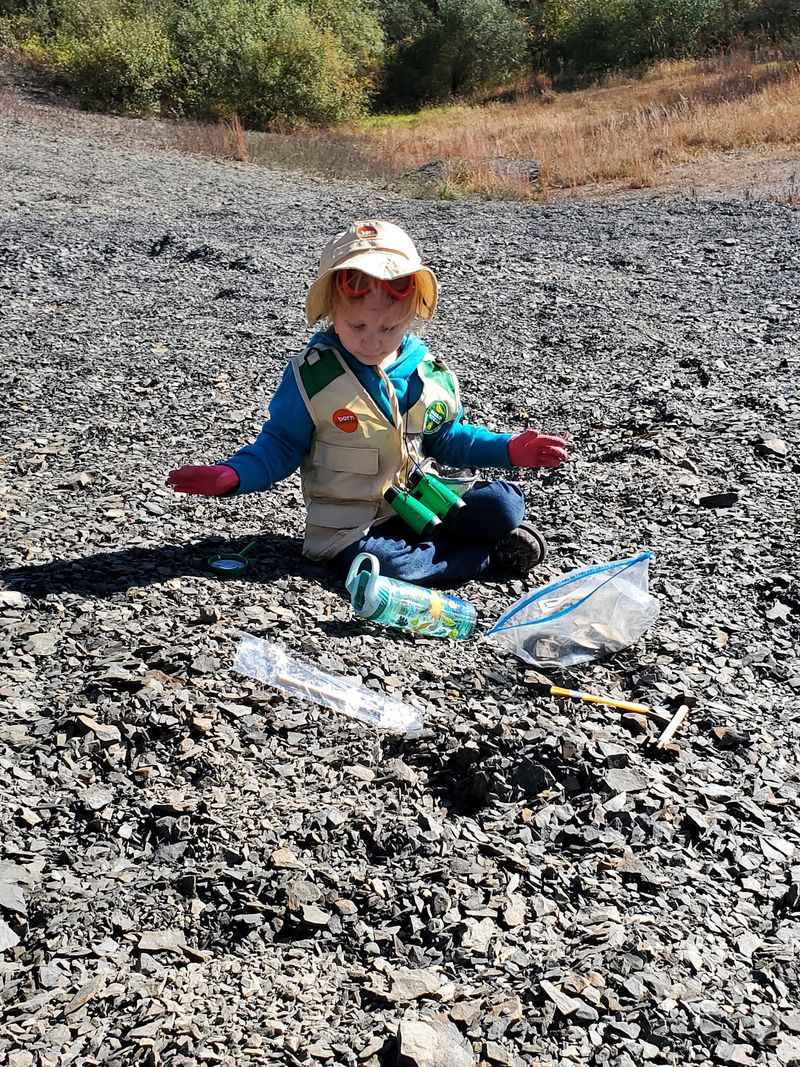
Most parks ask you to leave rocks exactly where you found them. The Montour Preserve Fossil Pit flips that rule on its head, and kids tend to love it immediately.
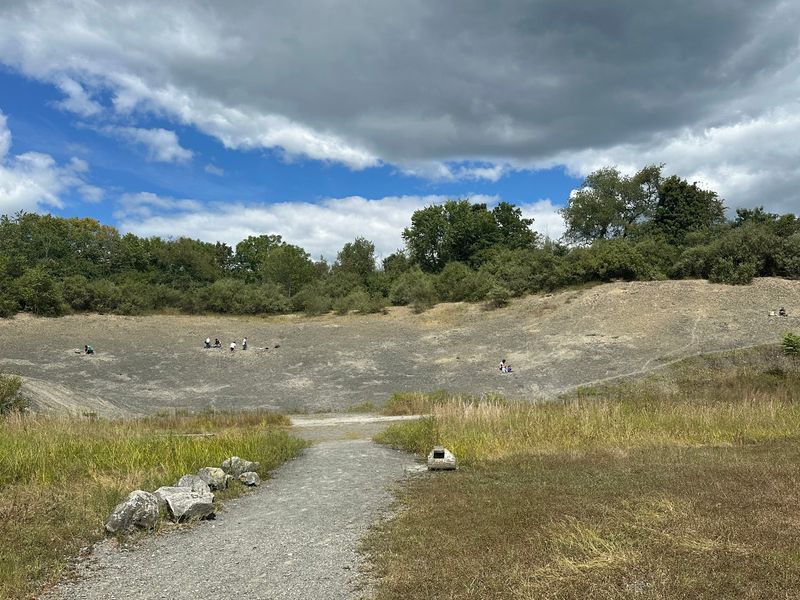
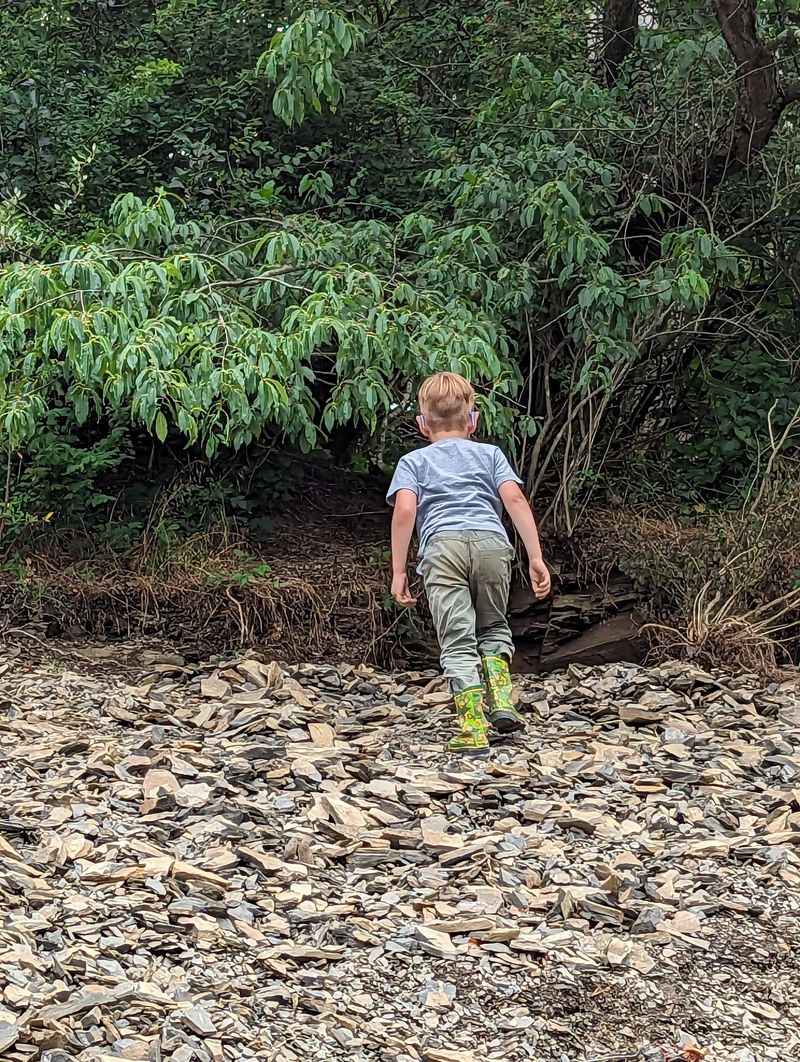
The site sits inside Montour Preserve, a large natural area near Danville in central Pennsylvania. The pit itself is a broad, steep hillside of exposed, broken shale beside a quiet road.
That shale belongs to the Mahantango Formation, a rock layer packed with Devonian marine fossils. In plain words, it’s a slope of ancient seafloor that you’re allowed to take apart with a hammer.
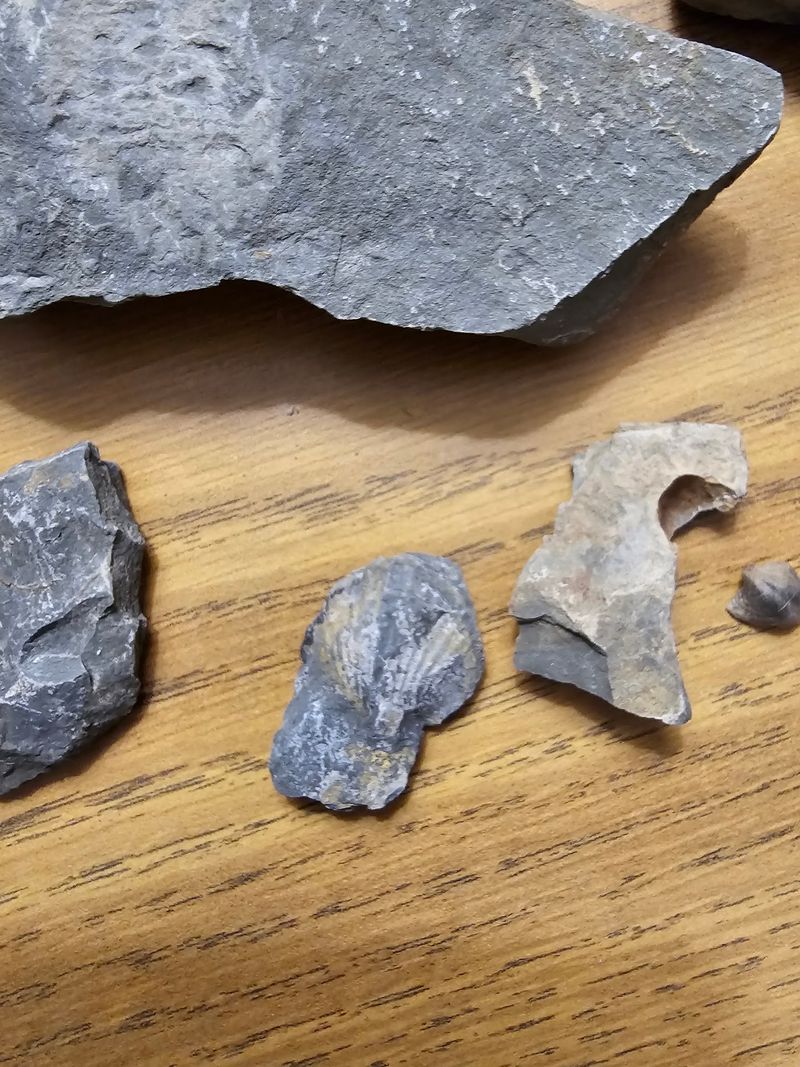
Visitors split the flat slabs, scan the layers, and keep what turns up. Shell imprints, crinoid pieces, and the odd trilobite fragment can all make the trip home in a backpack.
Admission is free, which makes the Montour Preserve Fossil Pit one of the friendliest science outings around. Families, school groups, scout troops, and curious adults all share the same open hillside.
Nobody hands you a guarantee, of course. Some people pull fossils within minutes, while others work a while before the shale cooperates.
That bit of uncertainty is exactly what keeps everyone tapping away for just one more slab.
The Parking Lot Project That Turned Up An Ancient Ocean
Some of the best discoveries start with somebody just trying to finish a construction job. That’s roughly how this fossil hillside came to be.
According to preserve history, crews digging material for parking areas exposed the fossil-rich shale. Instead of covering it back up, the preserve opened the spot to the public for fossil collecting.
Sources commonly point to the early 1970s for that opening. That means families have been cracking rocks on this slope for more than five decades.
The larger Montour Preserve grew up around Lake Chillisquaque, a reservoir built in connection with the nearby Montour power plant. Over time, the land became a spot for nature programs, trails, fishing, and seasonal activities like maple sugaring.
Plenty of folks who grew up nearby remember the preserve for school trips or maple events. Some of them only learned about the fossil pit much later, which feels like finding a bonus room in your own house.
I believe that accidental origin adds to the fun. Nobody planned a paleontology playground here.
A practical dig simply revealed an ancient seafloor, and someone wisely decided Pennsylvania kids deserved a shot at it.
Back When Central Pennsylvania Had Beachfront Property
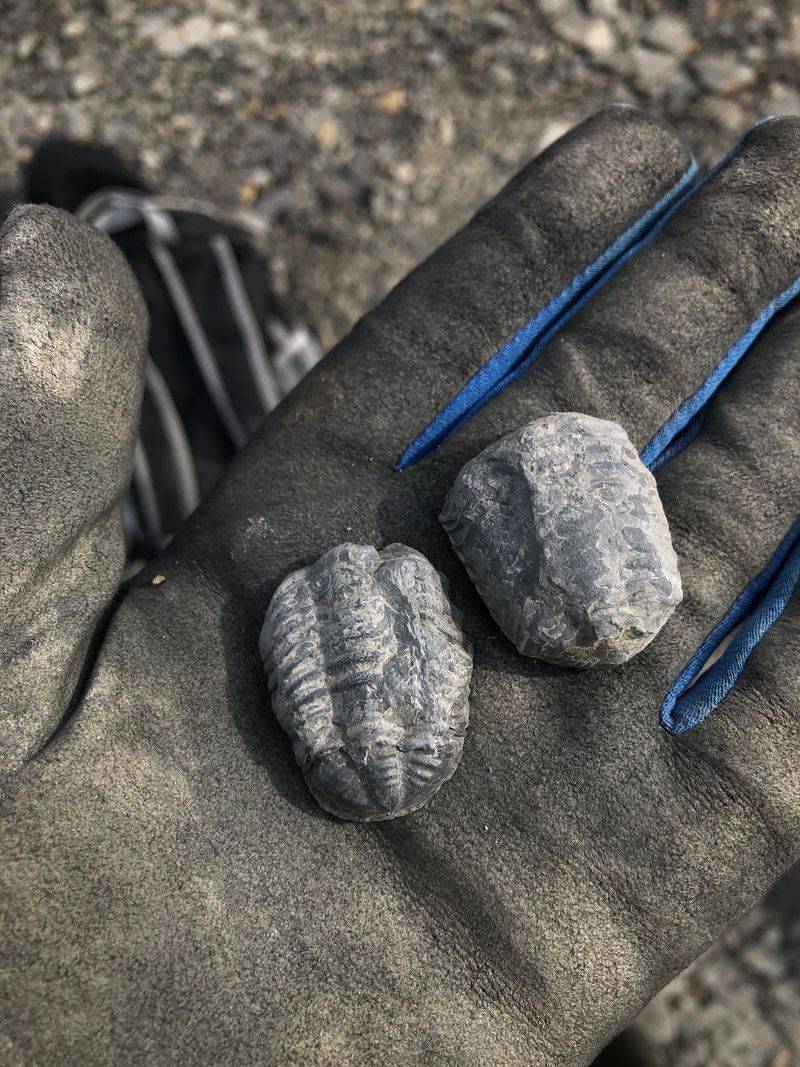
Roughly 390 million years ago, the ground under Danville was soggy in the most extreme way possible. A warm, shallow sea covered this region during the Devonian Period.
Mud settled on that seafloor, layer after layer, burying the shells and bodies of creatures living there. Over immense stretches of time, the mud hardened into the dark shale you’ll crack open today.
That’s why the rock splits so neatly into thin sheets. Each sheet was once a bit of seafloor, and a fossil may be pressed right between two of them.
For perspective, the dinosaurs showed up much later. These sea animals were long gone before the first big reptile ever stomped across anything.
Kids usually find that timeline hard to picture, and honestly, so do adults. Holding a shell imprint helps, because suddenly the number has a shape you can feel with your thumb.
The Mahantango Formation is known among geologists for its marine fossils. At the Montour Preserve Fossil Pit, that formation is sitting out in the open air.
No drilling rig, lab coat, or research grant is required, just a curious person and a little patience.
Brachiopods, The Shells You’ll Probably Meet First
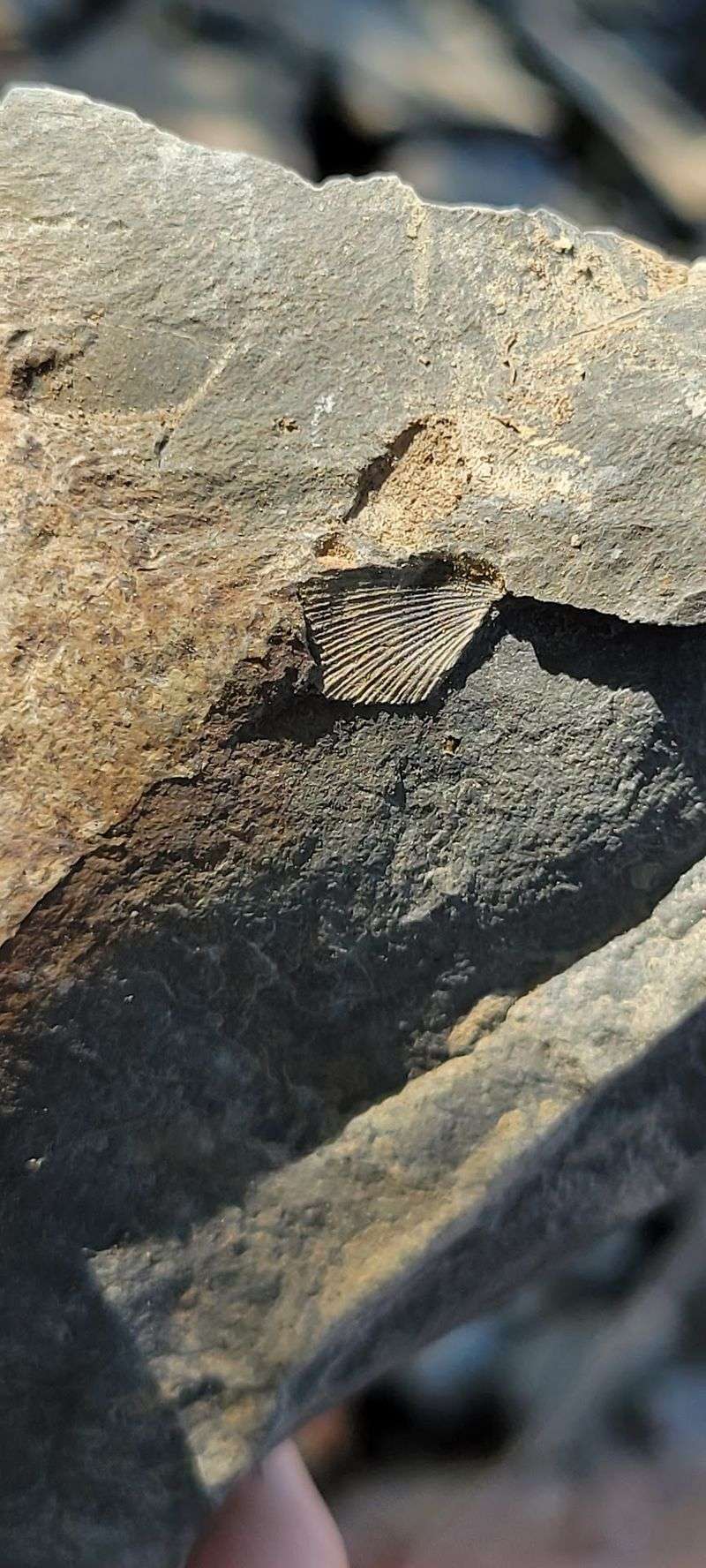
Ask any fossil fan what usually turns up first here, and the answer is a small ribbed shell. Those are brachiopods, and the shale is generous with them.
They look a lot like clams, which confuses nearly everybody at first. Brachiopods are a different group of animals, though, with shells built along a different line of symmetry.
You’ll often spot them as fan-shaped imprints with fine ridges radiating outward. Some show the shell itself, while others leave only a mold where the shell once sat.
Because they’re so common, brachiopods make a great confidence builder for younger kids. A first find often happens fast, and that early win keeps small hands swinging the hammer.
Don’t skip the loose pieces near your feet, either. Fragments that other diggers tossed aside sometimes hold shells nobody bothered to look at closely.
A magnifying glass makes these little fossils far more impressive. The tiny growth lines and ribbing pop out once you get close.
Suddenly that gray chip looks like a museum specimen, and somebody in the group is already planning a shelf to display it on.
Trilobite Fever Is Real On This Hillside
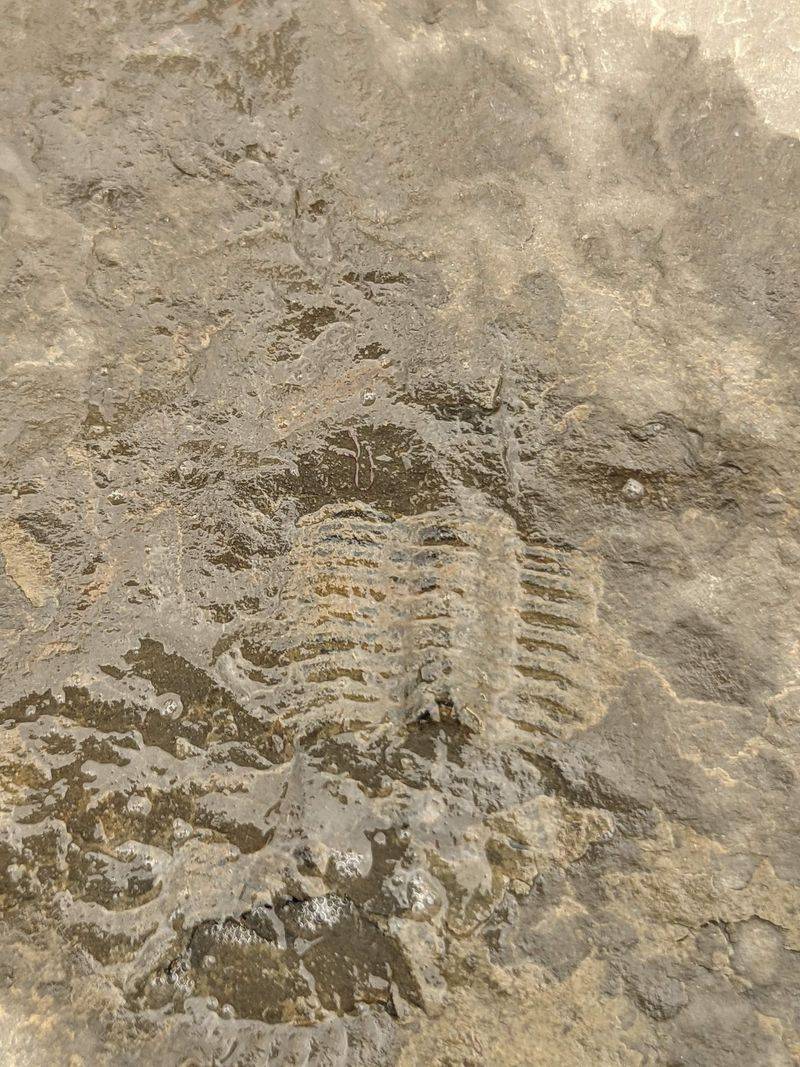
Every serious digger at the pit seems to carry the same secret hope. They want a trilobite, those segmented sea creatures that look like ancient pill bugs.
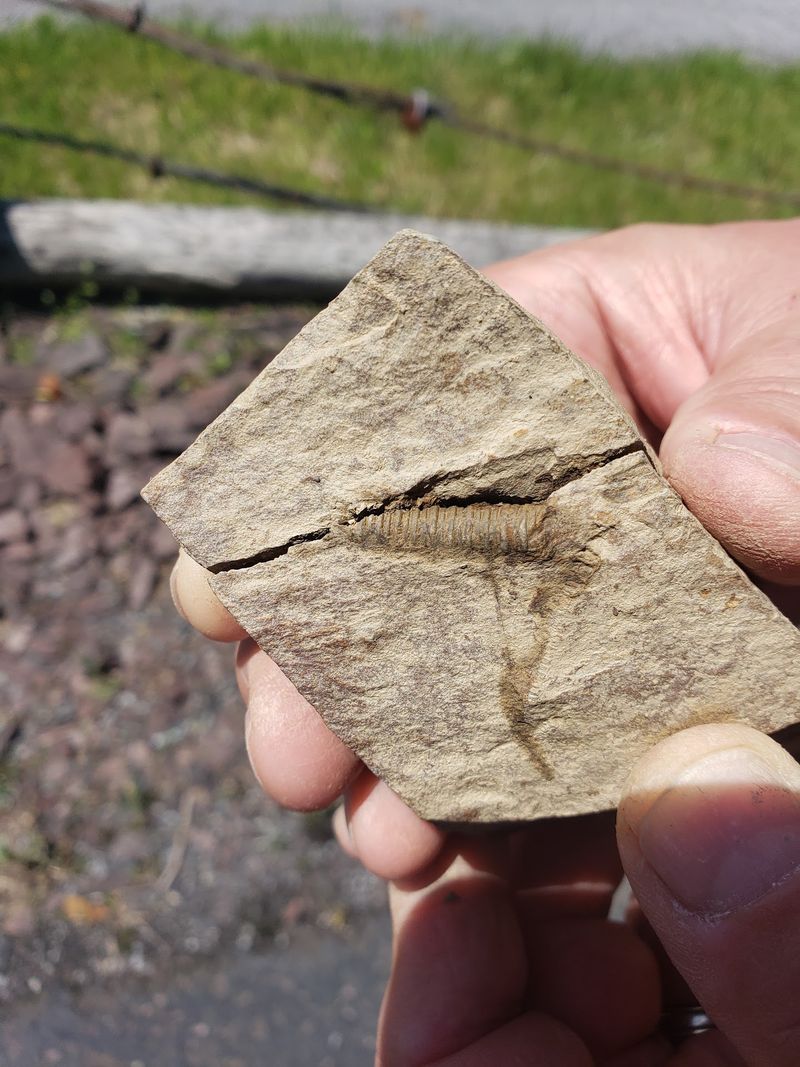
Trilobites do turn up in the Montour Preserve Fossil Pit, but they’re far less common than shells. That rarity is exactly what makes finding one feel like winning a small lottery.
Complete specimens are a real prize. Many finds are partial, such as a tail section or a body missing its head, which still counts as a big win.
Patience matters more than muscle here. Trilobites can sit embedded inside a slab and may need careful chiseling, so slow, gentle taps protect the fossil from cracking apart.
Experienced hunters often recommend working fresh shale rather than picked-over rubble. Breaking off layers from the untouched rock and checking each surface can improve your odds.
Even a headless trilobite tends to spark huge grins. You’re holding an animal from one of the earliest big groups of arthropods on the planet.
I can’t think of a cooler thing to pull out of a pocket at school show-and-tell on Monday morning.
Sea Lilies, Snail Shells, And Other Ocean Oddballs
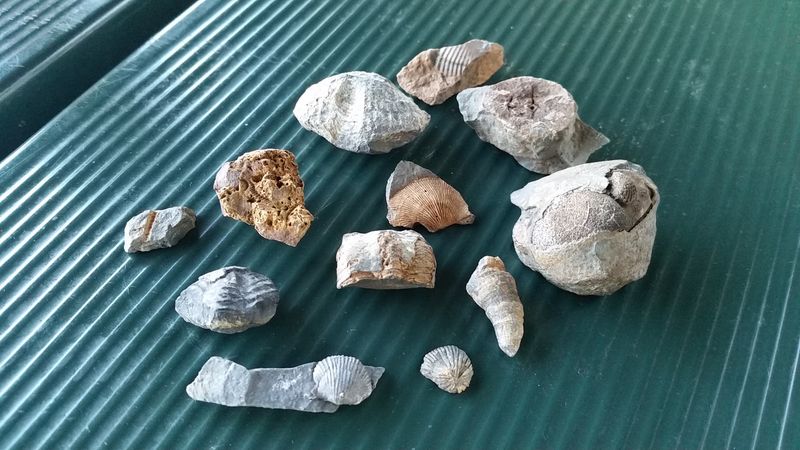
Shells and trilobites grab the headlines, but the supporting cast deserves its own spotlight. The shale holds a surprising variety of Devonian sea life.
Crinoids are one of the most recognizable. Often called sea lilies, they were animals that looked like plants, and their stems break into tiny disc-shaped segments.
Those little round pieces sometimes resemble stacked coins or beads. Kids love them because they’re easy to spot once you know the pattern.
Gastropods, the ancient relatives of snails, may also show up as coiled shapes. Cephalopods, distant cousins of today’s squid and octopus, can appear too.
Bivalves and other shellfish round out the lineup. Each type tells a slightly different story about life on that old seafloor.
A graphic guide near the pit entrance helps visitors identify the common fossils found there. The preserve also offers a fossil brochure, which turns a rock pile into a scavenger hunt with a checklist.
Bring that guide into the field with you. Matching a find to its picture feels like solving a puzzle, and it gives every family something to argue about cheerfully on the drive home.
Why The Best Fossils Hide Under The Rubble
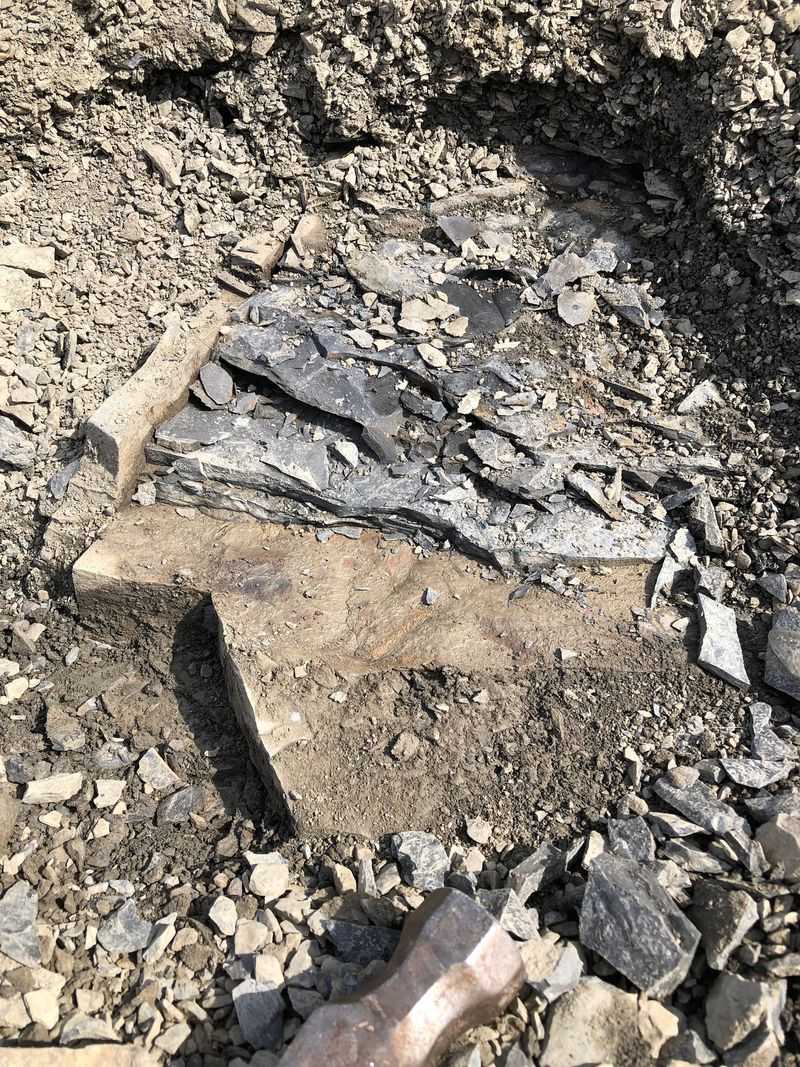
Here’s a trick that separates casual tappers from fossil pros. The top layer of loose shale has been searched by countless hands over the years.
That doesn’t mean it’s empty. Plenty of folks still pick up shells from the surface, especially when they slow down and actually look.
Still, fresh rock often holds better odds. Clearing away rubble to reach untouched shale can reveal larger slabs that nobody has split before.
A small metal shovel helps with that job. So does a willingness to get dusty, because this hillside rewards effort more than speed.
Once you reach bigger pieces, look for the natural layers along the edges. Tap a chisel or hammer into those seams, and the slab should open like the pages of a book.
Check both faces every time. A fossil may print on one side and leave its mold on the other, giving you a matching pair.
Some groups pick one spot and dig a little hole, staying put instead of wandering. That focused approach often pays off.
Think of it as a treasure hunt where the map is mostly persistence and a decent pair of gloves.
The Tote Bag Of Tools That Makes Or Breaks Your Dig
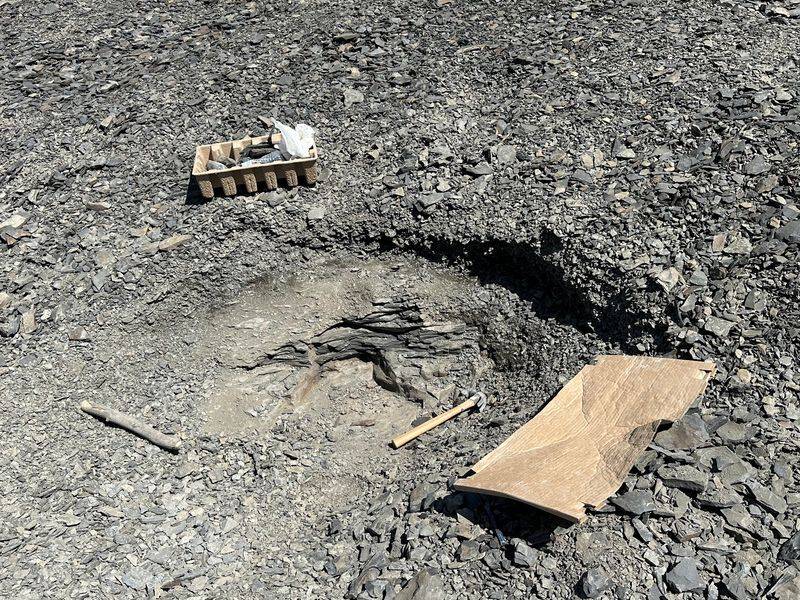
Showing up empty-handed is the classic rookie move. The pit doesn’t rent or sell equipment, so packing ahead makes a big difference.
A rock hammer sits at the top of the list. A chisel helps with careful splitting, especially when a fossil looks fragile or deeply embedded.
Protect your eyes with safety glasses or goggles. Shale chips can fly when you strike it, and sunglasses are better than nothing in a pinch.
Gloves and a small first aid kit are smart additions. Broken shale often has sharp edges that can nick fingers and knees.
A soft brush and magnifying glass help reveal tiny details. A bucket or bag carries your finds, and newspaper can cushion the delicate ones.
Sitting on jagged rock gets old fast. A foam pad, folded cardboard, or old blanket turns the hillside into a much comfier workspace.
Long pants and sturdy closed-toe shoes round out the outfit. Pack water and snacks too, since there’s none available at the pit itself.
Picture a beach trip, then swap the sand toys for hammers, and you’re nearly ready.
Sunscreen Matters More Than You’d Guess On Dark Rock
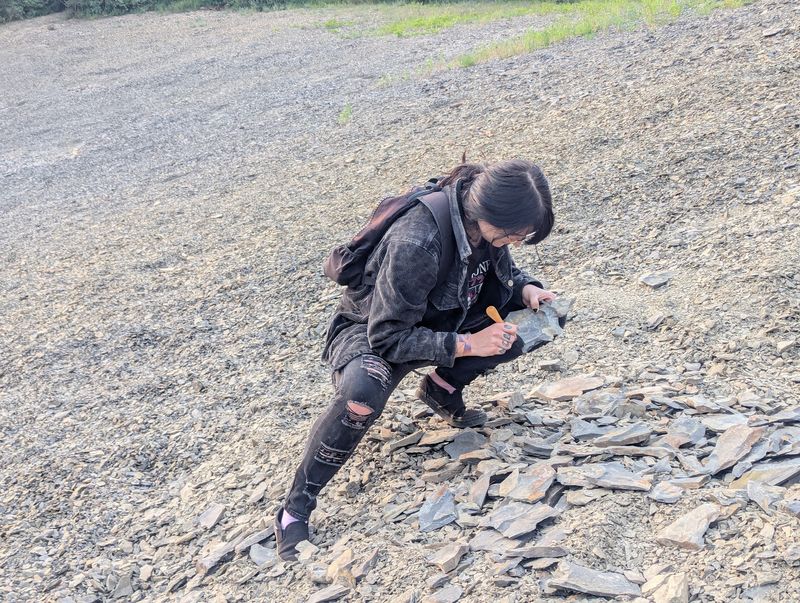
Dark shale soaks up sunshine like a parked car in July. On bright days, the hillside can heat up quickly, and the rocks may feel hot to the touch.
There’s little to no shade on the open slope. You’re working right out in the sun, which is great for spotting fossils but rough on noses and necks.
A wide-brimmed hat helps a lot. Sunscreen and plenty of drinking water belong in every bag, even on days that feel mild at the start.
Many families find spring and fall the most comfortable seasons to dig. Cooler air makes it easier to stay focused for a couple of hours.
Rain changes the mood, too. A wet hillside can be slippery, and soggy weather tends to shorten little attention spans in a hurry.
Since the site is open year-round, you can pick your moment. A crisp autumn morning with colorful trees around the preserve sounds pretty ideal to me.
Summer visits still work with a plan. Go early, take breaks, and keep an eye on younger kids.
Fossils have waited millions of years, so they can wait while everyone grabs a drink.
Little Explorers, Homeschoolers, And Grown-Up Rock Nerds
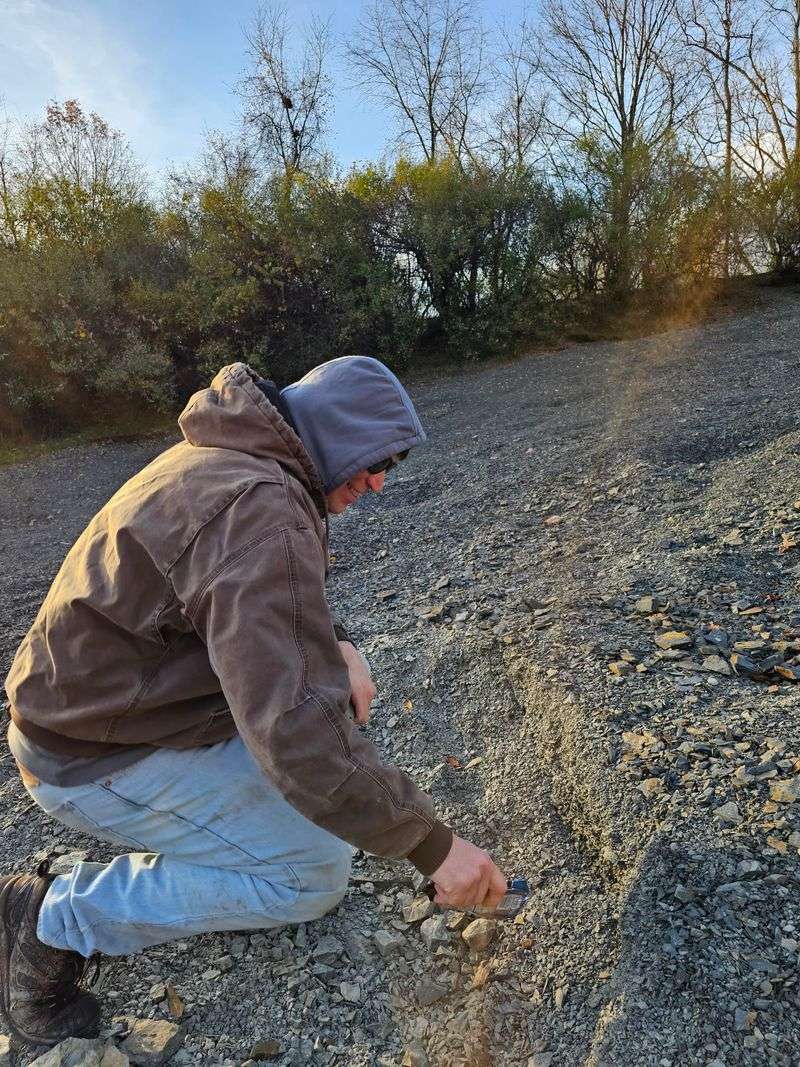
Few outings give kids permission to smash rocks in the name of science. That alone makes this hillside a natural hit with younger crowds.
The pit works well for families, school field trips, homeschool groups, and scout outings. Some groups travel from neighboring states just to let students dig here.
Kids burn off energy while learning about deep time without realizing it’s a lesson. That’s a sneaky combination parents and teachers can appreciate.
Younger children may do best with shorter sessions. Sorting loose pieces and searching the surface keeps them busy while adults tackle the heavier splitting.
The slope is steep and uneven, though, so supervision matters. Little legs need careful footing on loose shale.
Adults who love fossils can easily lose a few hours here. Some dedicated hunters spend half a day chasing a trilobite, and the area is large enough for everyone to spread out.
Expectations help. The pit isn’t a polished attraction with guides on every corner.
It’s an open rock face where the reward depends on effort, luck, and sharp eyes. For curious kids in Pennsylvania, that honest setup might be the best teacher of all.
A Visitor Center Where Your Finds Get Some Context
After a morning on the rocks, a short drive brings you to the Montour Preserve Visitor Center. It’s a smart second stop for curious minds and tired feet.
The center sits at 374 Preserve Road, about a mile from the fossil pit. Inside, displays cover local wildlife, the history of the property, and fossils found at the site.
Seeing finished specimens behind glass is pretty motivating. Kids can compare their own shells with the examples and maybe discover they found something better than they thought.
The center also houses real flushing restrooms, which feels like a luxury after the pit. There are no restrooms at the dig site itself.
Visitor center hours differ from the pit’s dawn-to-dusk schedule. They may shift around holidays and seasons, so check ahead before counting on it being open.
Educational programs run at the preserve throughout the year, covering topics from nature walks to maple sugaring. Dates vary, so a quick look at current schedules helps.
I like how the indoor exhibits round out the outdoor adventure. The hillside gives you the thrill, and the center explains what you actually hold in your hand.
Trails, A Lake, And A Planet Walk Down The Road
Fossils may pull you in, but the rest of the preserve gives plenty of reasons to stay. Montour Preserve covers a big stretch of woods, fields, and water.
Lake Chillisquaque is the centerpiece, a reservoir of about 165 acres. A small boat launch serves non-motorized boats and those using electric motors, and fishing is a popular activity.
Swimming isn’t permitted in the lake. Still, the shoreline makes a relaxing place for a snack break after rock work.
Several miles of hiking trails wind through the property. Some routes are flat and easy, which suits families with younger kids or grandparents along for the ride.
Wildlife sightings add bonus points. Deer, turtles, frogs, chipmunks, snakes, and plenty of birds may show up depending on the season.
There’s also a planet walk near the fossil pit, a scaled model of the solar system you can stroll. It pairs nicely with the fossils, since one teaches deep time and the other teaches deep space.
Put it all together and the preserve can fill an entire day. Pack a picnic, and let the kids pick which part counts as the main event.
Parking, Restrooms, And Other Practical Bits
Getting to the dig is refreshingly easy. The Montour Preserve Fossil Pit is located at 160 Sportsmans Road, Danville, Pennsylvania 17821.
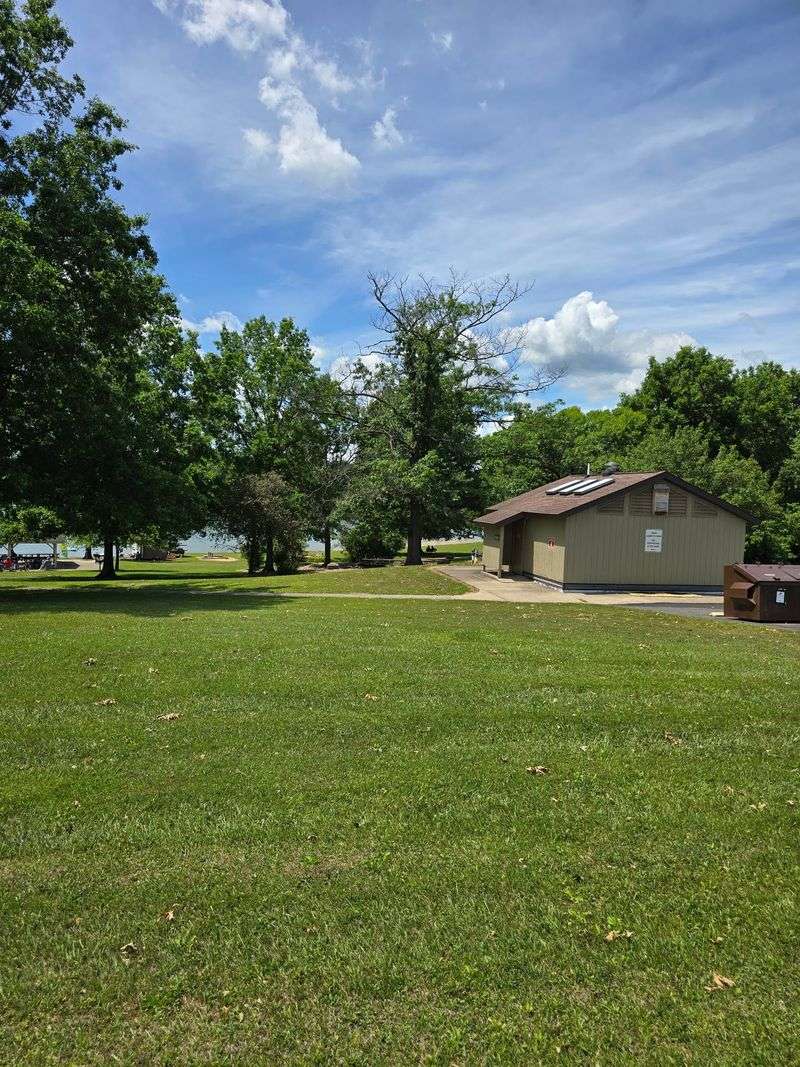
A paved parking lot sits right beside the site, with a dedicated spot for RVs. A short gravel path leads from the lot toward the shale hillside.
That path is designed to be accessible, but the pit itself is a different story. The slope is steep, rocky, and uneven, so careful footing is a must.
The pit is open daily from dawn to dusk throughout the year. Admission is free, and no reservation is needed for casual visits.
Restrooms aren’t available at the pit. Basic facilities sit down the road by the lake near a picnic area, and the visitor center has flushing toilets during its open hours.
Pets aren’t allowed on the preserve, though service animals are an exception. Plan accordingly if the family dog usually tags along.
Group visits may have their own guidelines, so schools and clubs should check ahead. Schedules and rules can shift with the seasons, so a quick check before making the drive saves surprises.
A Pocketful Of Ancient Seafloor For The Ride Home
Plenty of souvenirs end up forgotten in a drawer. A fossil you split open yourself rarely meets that fate.
The Montour Preserve Fossil Pit keeps things wonderfully simple. Bring a hammer, pick a slab, and see what an ancient sea left behind.
It won’t hand out trilobites on demand, and some days the shale feels stubborn. That honesty is part of the appeal, because every find is truly earned.
Free admission makes it easy on family budgets. Dawn-to-dusk access means you can fit it into a weekend drive almost any time of year.
Pair the dig with the visitor center, a lakeside picnic, or an easy trail. Suddenly a quick stop turns into a full Pennsylvania day trip with something for everyone.
I believe the real payoff happens after you leave. A kid holding a shell imprint at the kitchen table starts asking questions about oceans, time, and how rocks are made.
That curiosity is the best thing this hillside produces. So toss some goggles in the trunk, pack plenty of water, and go crack open a little piece of history.
The seafloor is waiting.