How 9 Idaho Places Tell The Story Of The Nez Perce In Their Own Homeland
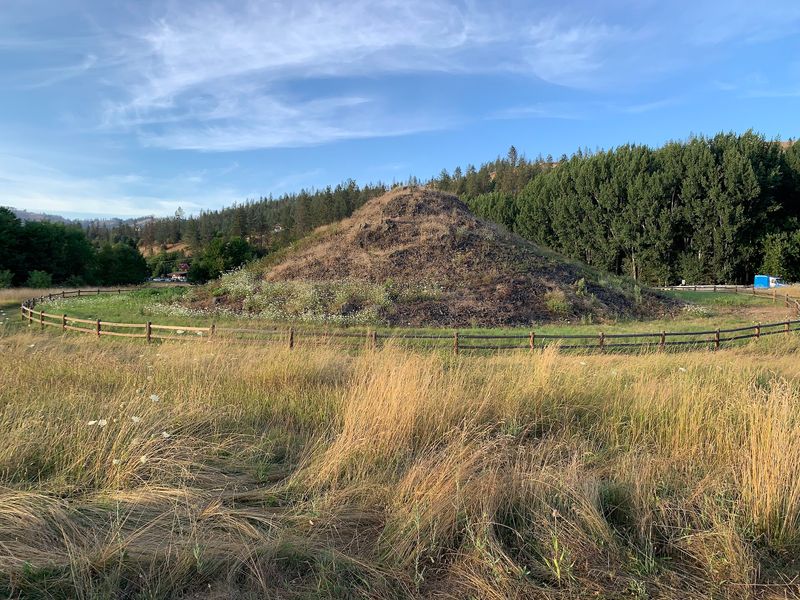
A rock outcrop in Idaho is said to be the heart of a monster, and a sacred one at that. According to Nimiipuu tradition, Coyote defeated the creature from the inside, and the tribes of the region formed from what happened next.
I love that you can stand beside that rock and hear the story told in the Nez Perce language. The audio plays in English too, so nobody gets left out of the legend.
That spot is only one stop on a much longer trail. Across north-central Idaho, battlefields, camas meadows, riverbanks, and old chapels hold pieces of the same story.
Some are home to museums, and one is a working fish hatchery.
Most of them sit along quiet highways that plenty of us have driven past without slowing down. So how many of these have you already passed on the way to somewhere else?
1. Nez Perce National Historical Park Visitor Center
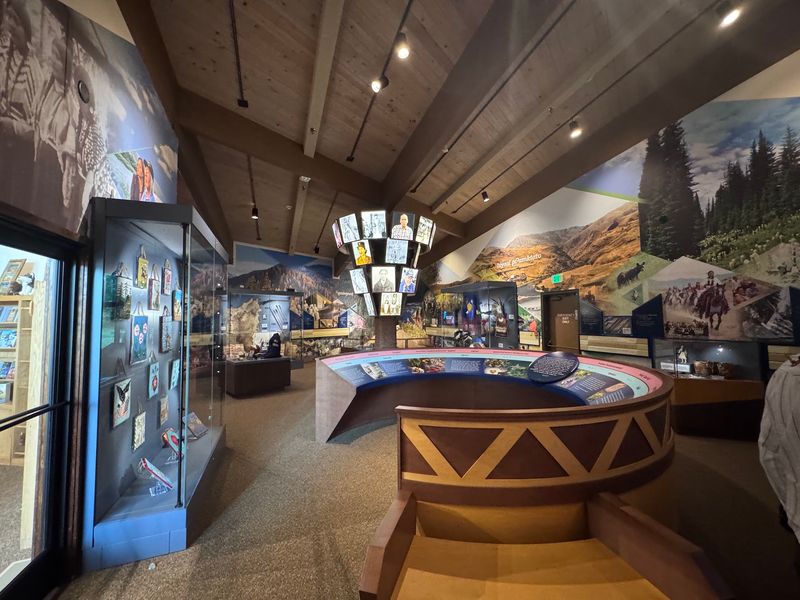
Elders helped shape the exhibits here, and you can feel the difference in how the story gets told. The displays cover Nimiipuu beliefs, stewardship, and history, rather than just dates on a wall.
Some of the most moving pieces are 19th-century clothing and equipment made by Nez Perce hands and later returned. You’ll also find utilitarian artifacts, a dugout canoe, and a model of an ancient lodge.
Start with the introductory film, “Of One Heart,” before you wander. It sets the stage nicely, and kids can pick up the Junior Ranger Program while you’re there.
Summer brings extra chances to learn, including ranger-led programs, museum tours, and tipi pitching demonstrations. Check before driving, since programs shift with the season.
Outside, interpretive trails lead past mission ruins, old agency buildings, and the riverside landscape. Henry and Eliza Spalding settled at this spot in 1836, and both are buried in the nearby Lapwai Mission Cemetery.
The park itself dates to 1965, and the museum opened in 1983. Lapwai also serves as the government seat of the Nez Perce Tribe, so this Idaho stop sits right in the center of the homeland.
Address: 39063 US-95, Lapwai, ID 83540
2. Nez Perce National Historic Park Heart of The Monster
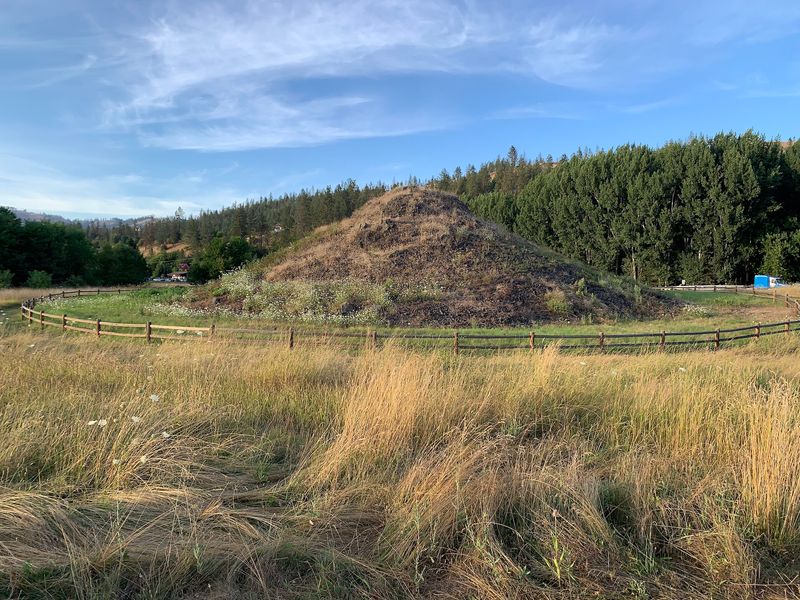
Coyote had one job, and according to Nimiipuu tradition, he handled it from inside a monster’s belly. The legend says he cut his way out and defeated the creature from within, and the tribes of the region formed from the pieces.
The rock formation known as the monster’s heart still rises from the valley floor along US-12. In the Nez Perce language, the site is called timʼné•pe.
An interpretive shelter shares the story through exhibits and audio programs. You can listen in both Nez Perce and English, and hearing both versions is half the fun.
A short, accessible trail of about 0.2 miles leads right up to the heart. If you want more time outside, an unpaved scenic loop of roughly half a mile runs along the river and back to the parking area.
The site is open daily from sunrise to sunset, with restrooms, a water fountain, and picnic tables. RV parking makes it an easy pull-off for road trippers on this stretch of Idaho highway.
Bring a lunch and let the kids hear the story right where it happened. It’s sacred ground, so a little quiet respect goes a long way.
Address: 4243 US-12, Kooskia, ID 83539
3. White Bird Battlefield Overlook – Nez Perce National Historical Park
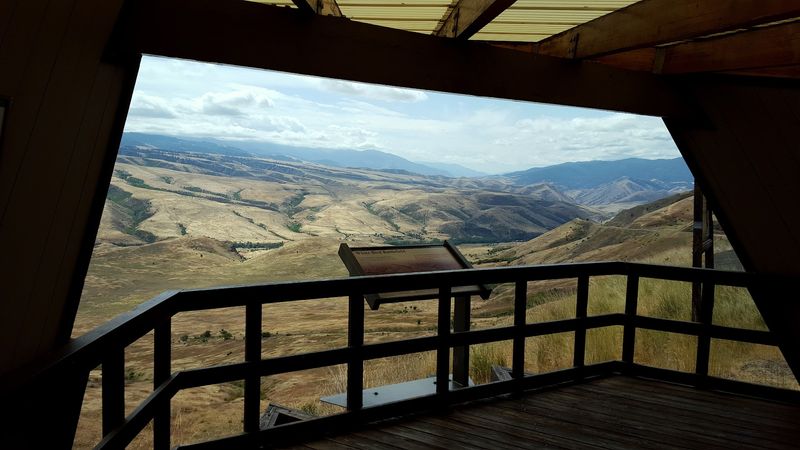
The first battle of the Nez Perce War of 1877 started with a white flag. A civilian volunteer fired on a Nez Perce peace party carrying it, and the fight was on.
On June 17, 1877, Captain David Perry led U.S. Army troops into the canyon toward a Nez Perce village called Lahmotta.
The Nez Perce defenders outmaneuvered them, and 34 soldiers were lost while the Nez Perce lost no one.
That lopsided result marked the start of a long journey for safety. From the overlook, the interpretive signs clearly show how the battle unfolded across the canyon below.
You’ll find the overlook and its interpretive shelter along US-95, about 12.7 miles south of Grangeville. It’s open around the clock, which makes it an easy stop even on an early drive.
Feel like walking the ground itself? Grab the 12-page trail booklet at the battlefield trailhead and take a self-guided hike.
Few spots in Idaho let you match a story this closely to the land in front of you. Read the signs, then look up and trace the ridges yourself.
The winding grade down into White Bird gives you plenty to look at. Keep your eyes on the road and save the gawking for the pullout.
Address: White Bird, ID 83554
4. Canoe Camp – Nez Perce National Historic Park
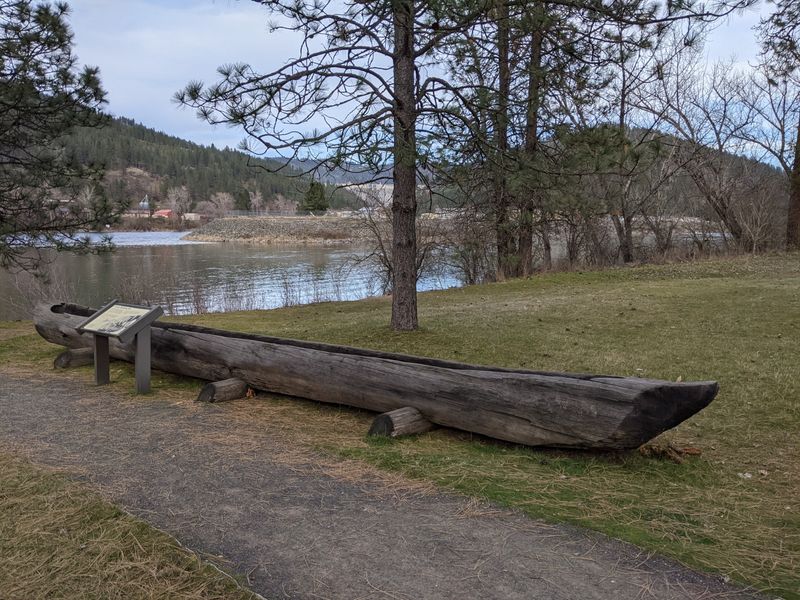
Hungry, worn out, and fresh off a rough crossing of the Lolo Trail, the Lewis and Clark Expedition reached this riverbank in 1805. The Nez Perce shared food and helped them build five canoes for the trip to the Pacific.
Those dugouts were carved from pine using traditional fire-hollowing techniques. Without that help, the famous journey west could have looked very different.
Today the site is a riverside park along the Clearwater River, about four miles west of Orofino on US-12. Admission is free, which makes it a painless stop for families.
A short trail carries interpretive signs explaining how the Nez Perce and the Corps of Discovery worked together. You’ll also spot a replica canoe and a historic oven along the way.
Kids tend to get it right away when they see the canoe up close. Ask them how long they think it took to burn out a tree that big.
Restrooms are on site, and the river view makes a fine backdrop for a stretch break. In the Clearwater country of Idaho, few roadside stops pack this much story into such a small space.
Address: Orofino, ID 83544
5. Nez Perce County Historical Society
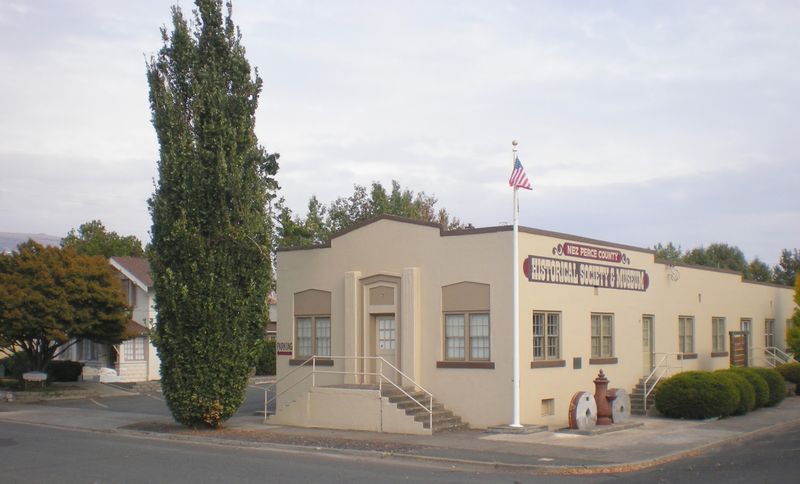
Lewiston sits where the Snake and Clearwater rivers meet, and its downtown museum covers a lot of ground for a small space. Exhibits trace local history from pre-settlement days through the 20th century.
Nez Perce history and culture are a core part of the story here. You’ll learn about early settlers’ disputes and dealings with the Nez Perce, plus how the city grew from there.
The museum also covers Lewiston’s political history, early business owners, and the role of Chinese immigrants in the city. It’s a good reminder that the Nez Perce homeland became a crossroads for many people.
Got kids in tow? Hands-on exhibits include a big puzzle and an old typewriter, which might be the first one your grandkids have ever touched.
Tours are offered, and the host knows the area and its artifacts well. Questions are welcome, so bring a few.
Outside, the garden area is well kept, and a gift shop waits inside for a souvenir. On-site parking makes it easy to pop in during a downtown stroll.
Pair it with the visitor center near Lapwai for a fuller picture. One shows the Nimiipuu story from the inside, and the other shows how a river town grew around it.
Address: 45 3rd St, Lewiston, ID 83501
6. Appaloosa Museum & Heritage Center
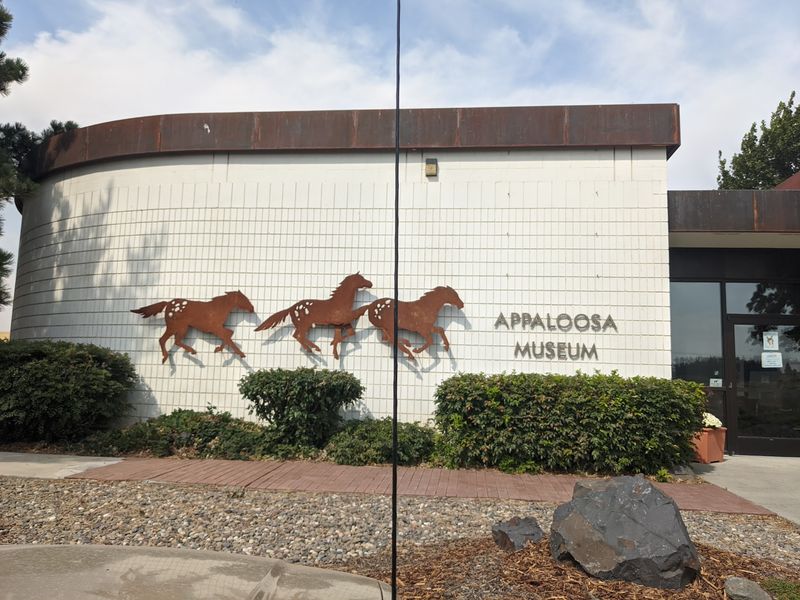
Those famous spotted horses have deep Idaho roots, and the Nez Perce were the ones who bred and prized them. This Moscow museum tells the story of the Appaloosa and the people behind it.
Exhibits cover Appaloosa horses, the Nez Perce, and their shared history. Artifacts run from Native American pieces to modern times, so you can follow the breed’s journey across generations.
It’s surprisingly hands-on for a horse museum. Kids get their own play area and interactive exhibits, while grown-ups can browse a library devoted to the breed.
The museum sits on the west side of Moscow along the Pullman Road, surrounded by the rolling Palouse hills. That setting fits nicely, since the breed’s name traces back to the Palouse.
A gift shop rounds things out, and tours are offered if you want more depth. On-site parking keeps the visit simple.
Plan for a weekday trip, since the museum keeps weekday hours and closes on weekends. Check before driving, then make a Palouse afternoon of it.
Horse lovers will have plenty to talk about on the ride home. Everyone else might just leave with a new favorite breed.
Address: 2720 W Pullman Rd, Moscow, ID 83843
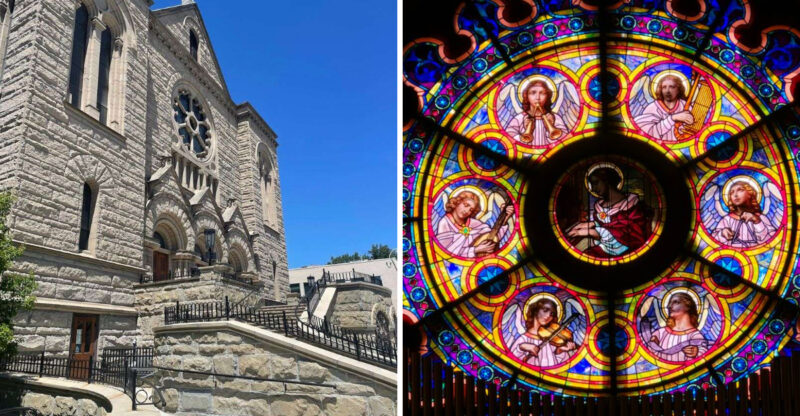
7. First Indian Presbyterian Church
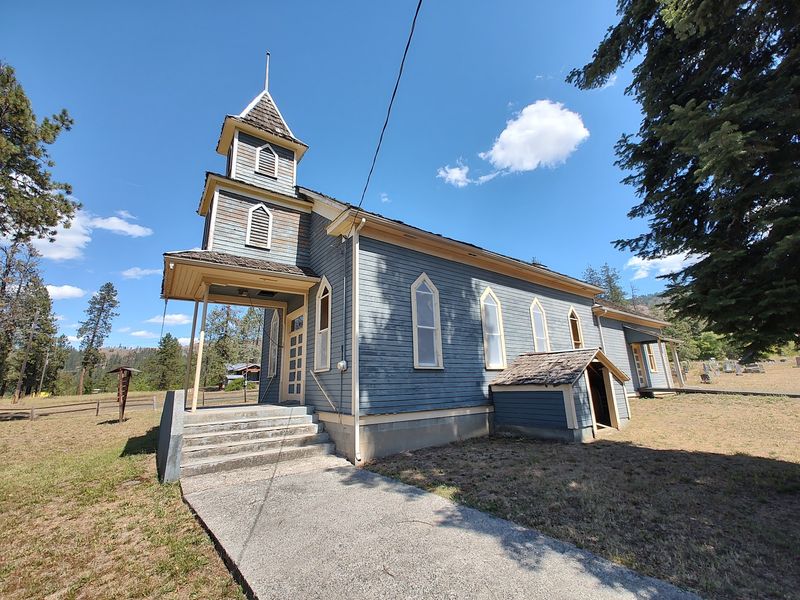
Since 1871, Sunday mornings have had a home on Church Canyon Road. Presbyterian missionaries and Nez Perce converts established this congregation together.
The church stands as the oldest continuously operating Protestant church building in Idaho. That’s a big title for a quiet rural church near Kamiah.
Its story reflects the Nez Perce community’s complex religious history. Missions shaped life on the reservation in lasting ways, and this building is one of the clearest places to see that legacy.
Kamiah sits in a mountain valley on the Nez Perce Reservation, home to around 1,300 people. The Heart of the Monster is just a couple of miles east of town, so you can see two very different sides of Nez Perce belief in one afternoon.
Keep in mind this is an active place of worship, not a museum. Services are held on Sunday mornings, so be respectful if you stop by.
Wheelchair-accessible parking, an accessible entrance, and an accessible restroom make it easier for everyone to attend. If you visit outside services, admire the exterior from a respectful distance.
For history fans, it’s a rare chance to stand where Idaho church history and Nez Perce history overlap. Few buildings in the state can claim a run like this one.
Address: 4335 Church Canyon Rd, Kamiah, ID 83536
8. Nez Perce Tribal Hatchery Complex
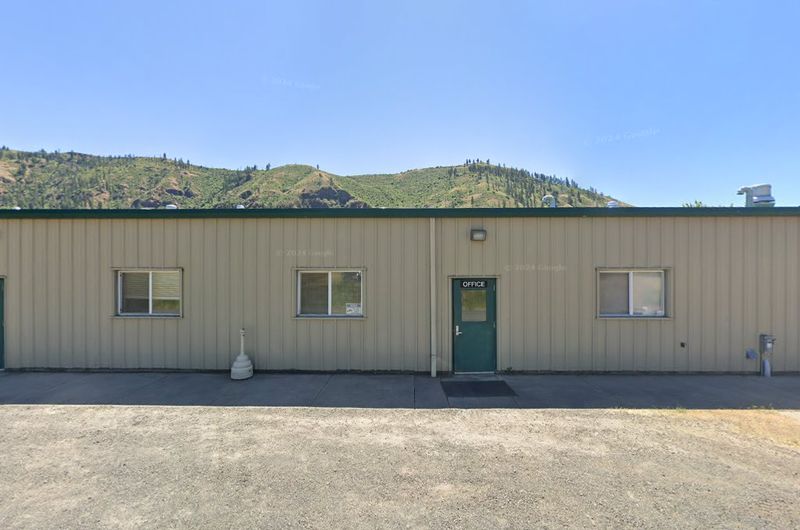
Salmon have long been at the center of Nez Perce life, and the tribe is working to bring them back. The Nez Perce Tribe conceived, operates, and maintains this hatchery complex in the Clearwater River canyon.
Its goal is big: restoring self-sustaining salmon and steelhead populations across the tribe’s ancestral homeland. That makes it one of the most forward-looking stops on this list.
Most historic sites ask you to look back at what already happened. Here, treaty rights and traditional ecological stewardship are put to work in real time, with fish as the measuring stick.
Lenore is a small, unincorporated river community along the Clearwater. The drive follows the canyon, and it’s a good reminder of why these waters matter so much.
Keep in mind that this is an active tribal facility, not a tourist attraction. Call ahead or check before driving if you hope to look around.
Wheelchair-accessible parking and restrooms are available on site. The real draw, though, is the idea behind the place.
Plenty of Idaho places tell the Nez Perce story in past tense. This one shows a chapter still being written, one salmon at a time.
Address: 18985 220 Rd S, Lenore, ID 83541
9. Tolo Lake
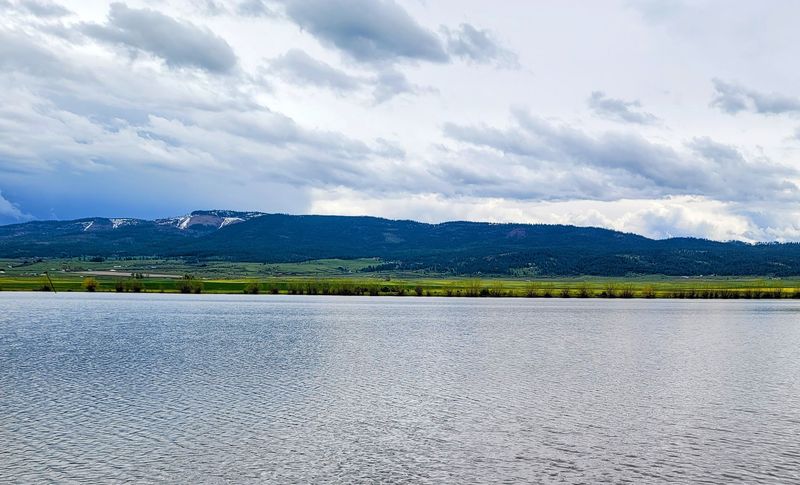
Long before it was a fishing spot, this little lake on the Camas Prairie was a gathering place called Tepahlewam. In early June 1877, non-treaty Nez Perce bands met here before the war broke out.
That makes it a quiet bookend to the White Bird story. The bands gathered here shortly before the first battle, which took place just down the road in the canyon.
Today you’ll find interpretive signs explaining that history, plus an easy walk down to the water. A walking trail winds through trees, and birds are part of the scenery.
Anglers can try for bass and stocked trout. On a hot day, swimming is an option too, and the lake sits close to Grangeville.
Restrooms are on site, which helps if you bring the whole crew. Pack a picnic and let the history sink in at an easy pace.
The open farmland around it is still Camas Prairie, named for the bulb the Nez Perce gathered for generations. Look across those fields and you’re seeing a landscape that fed families long before towns arrived.
It’s a fitting place to end this trip through Idaho. The same water that hosts weekend fishing once held one of the most important gatherings in Nez Perce history.
Address: Grangeville, ID 83530