The Tennessee Trifecta Road Trip From Chattanooga To Nashville To Memphis Most Travelers Could Plan Better
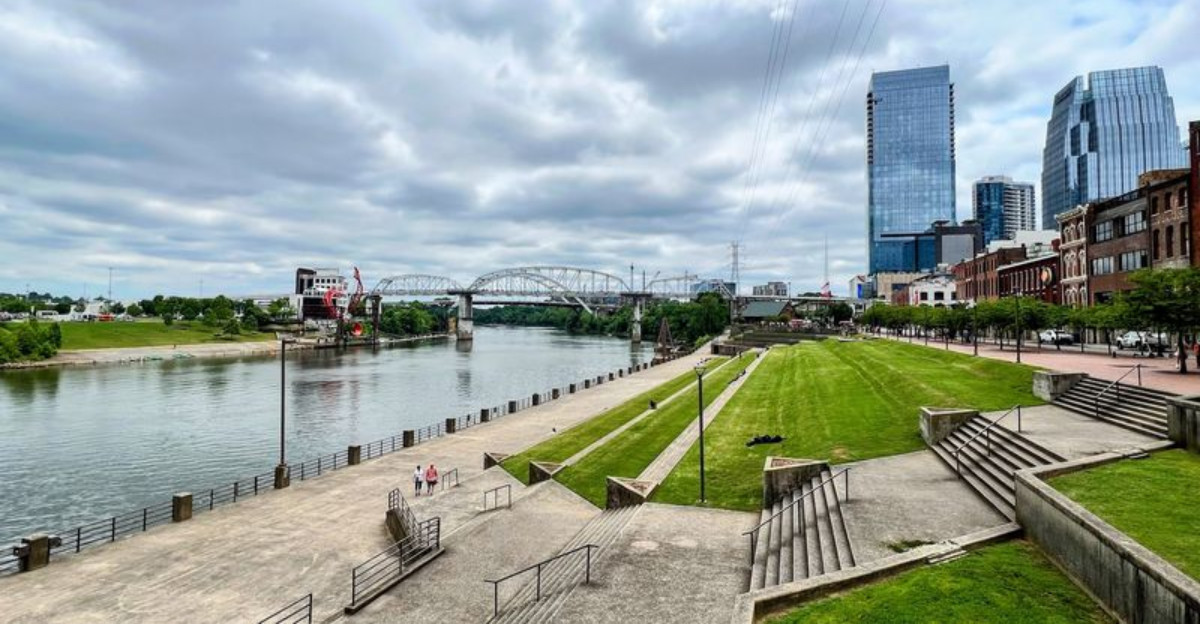
One roadside cafe along this route can bake up to 10,000 biscuits on a busy day.
That’s a pretty good reason to pack stretchy pants and leave room in the trunk for jam.
The full drive across Tennessee runs roughly 340 miles, linking mountain views, country music, and the birthplace of rock and roll.
Most people rush it like they’re late for a dentist appointment they never wanted.
Plenty of travelers book three cities and leave with three blurry photos and a sore back.
I don’t need much convincing after hearing about the biscuits, so let’s plan this one properly with smarter stops, better timing, and fewer regrets.
Start High On Lookout Mountain Before The City Wakes Up
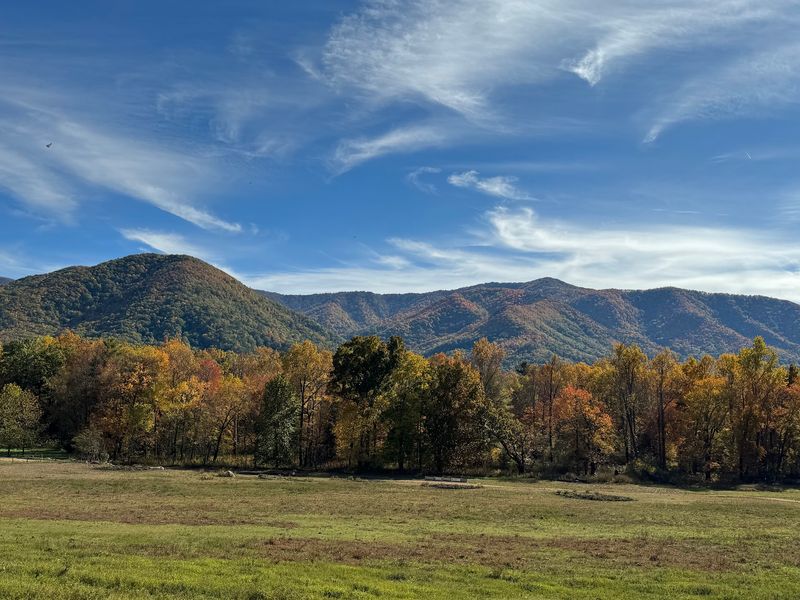
Kicking off the trip in Chattanooga means starting with a mountain, not a parking garage. Lookout Mountain has three famous attractions, with a little driving between them.
Rock City offers winding stone passages, the Swing-A-Long Bridge, and Lover’s Leap with its celebrated seven-state view on clear days.
Rock City sits just across the state line in Georgia. Its swinging bridge stretches nearly 200 feet, so take your time crossing and admiring the surrounding rock formations.
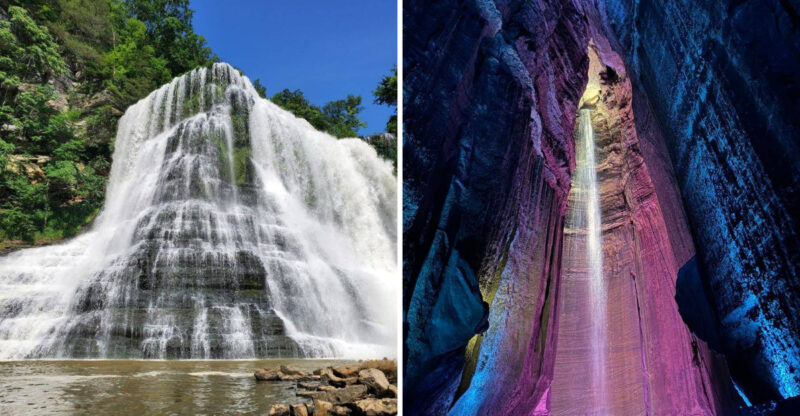
Ruby Falls takes the adventure underground. A glass-front elevator descends 260 feet before a guided cave walk leads to a dramatic illuminated waterfall. Reserve a timed cave tour ahead.
The Incline Railway provides a different perspective, climbing the mountain from St. Elmo on a rail line that reaches a 72.7 percent grade.
The ten-minute ride ends near an observation deck. Choose two attractions if your morning is limited. All three deserve time, so start early.
Give Chattanooga’s Riverfront Its Own Afternoon

Downtown Chattanooga packs a surprising amount into a walkable stretch beside the river. Park once and explore.
The Tennessee Aquarium opened in 1992 and uses two neighboring buildings. River Journey traces freshwater habitats from mountain streams downstream, while Ocean Journey introduces penguins, sharks, and ocean ecosystems. Give the exhibits a few hours.
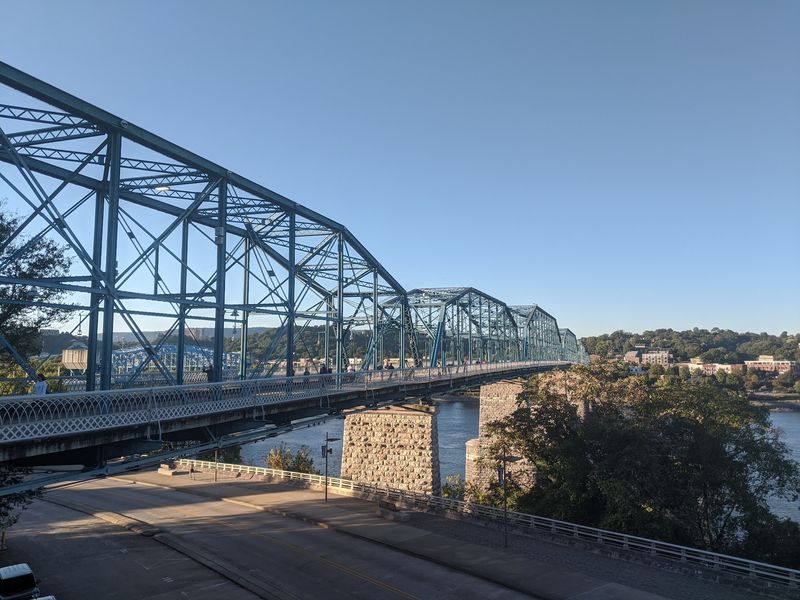
Nearby, the Walnut Street Bridge links downtown with the North Shore. Built in the nineteenth century, the long pedestrian crossing reopened on October 3, 2026, following an extensive restoration.
The river views alone make the crossing worthwhile. On the opposite bank, Coolidge Park has lawns, river views, and a beautifully restored 1894 carousel with hand-carved animals. Shops and cafés are nearby.
The carousel features more than fifty individually carved wooden animals, including an amusing frog dressed in a little suit.
Spend the night in Chattanooga instead of immediately heading west. You’ll enjoy the evening and start the next leg refreshed.
Enjoy The Extra Hour On The Road To Nashville
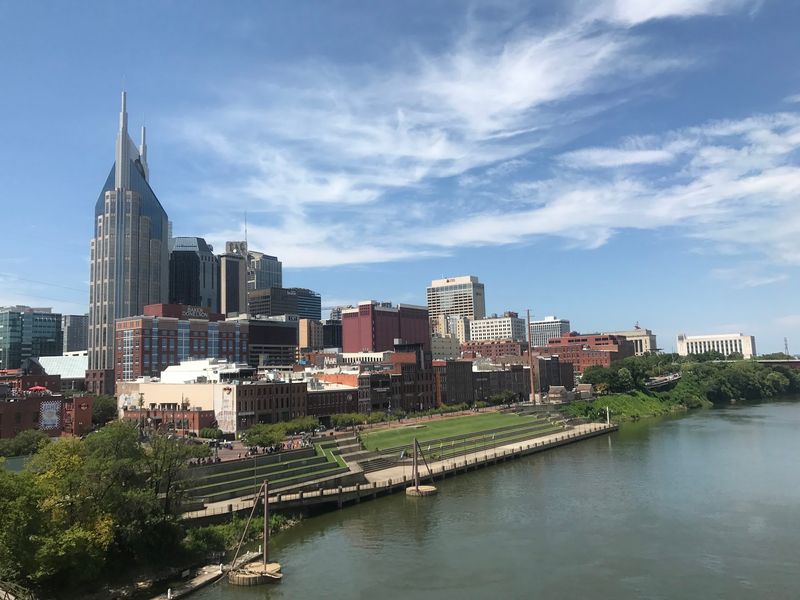
Here’s a travel detail that feels like a bonus: Chattanooga uses Eastern Time, while Nashville uses Central Time. Driving west sets the clock back one hour, but the drive takes just as long.
Interstate 24 connects the cities across approximately 135 miles, generally taking a little over two hours with clear roads. Allow extra time for traffic.
Near Monteagle Mountain, steep grades and curves call for steady driving and room around larger vehicles.
A midmorning departure makes sense if you’ve already spent two days around Chattanooga. The time change may put you in Nashville by lunchtime. Keep that difference in mind when arranging lunch reservations or an afternoon hotel arrival.
Once downtown, park near the attractions you plan to visit on foot. The Opry House is outside downtown.
A three-city trip becomes far more comfortable when each driving day has breathing room. Spend the bonus hour on a relaxed meal.
Country Music Has Three Very Different Homes
Nashville’s music history isn’t contained in a single building. Three landmarks tell distinct chapters.
The Ryman Auditorium opened in 1892 and later became the Grand Ole Opry’s most famous former home. Daytime tours reveal its famous wooden pews.
The Country Music Hall of Fame and Museum sits downtown, displaying historic instruments, stage outfits, recordings, and changing exhibitions. Allow several hours.
The museum’s Opry at 100 exhibition adds a timely connection, using historic stagewear and instruments to revisit a century of performances. The Ryman and museum are close enough to visit on foot.
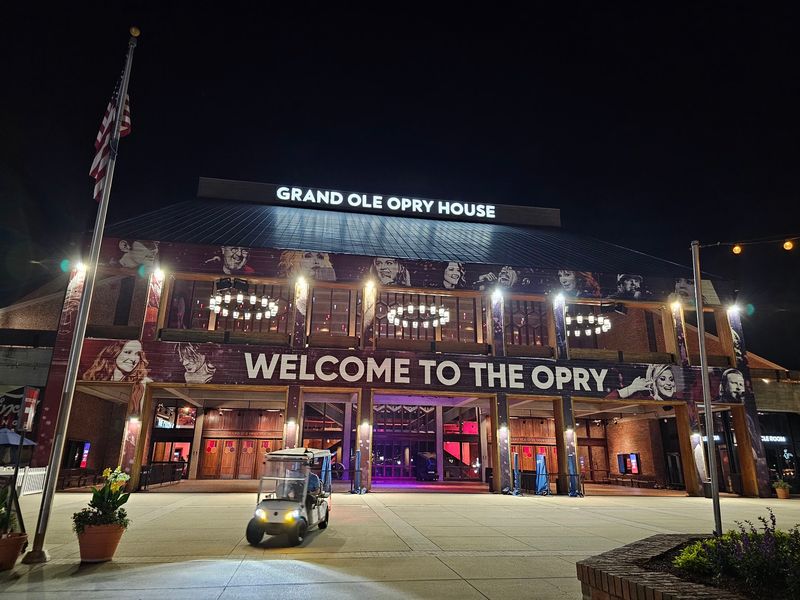
The Grand Ole Opry began broadcasting in 1925. Most performances now take place at the Opry House east of downtown, although the show occasionally returns to the Ryman. Check the venue when booking.
Spend one day exploring the Ryman and museum, then reserve an evening for a performance. An Opry House tour is another option. Hearing the music afterward completes the experience.
Those 10,000 Biscuits Live Down A Country Highway
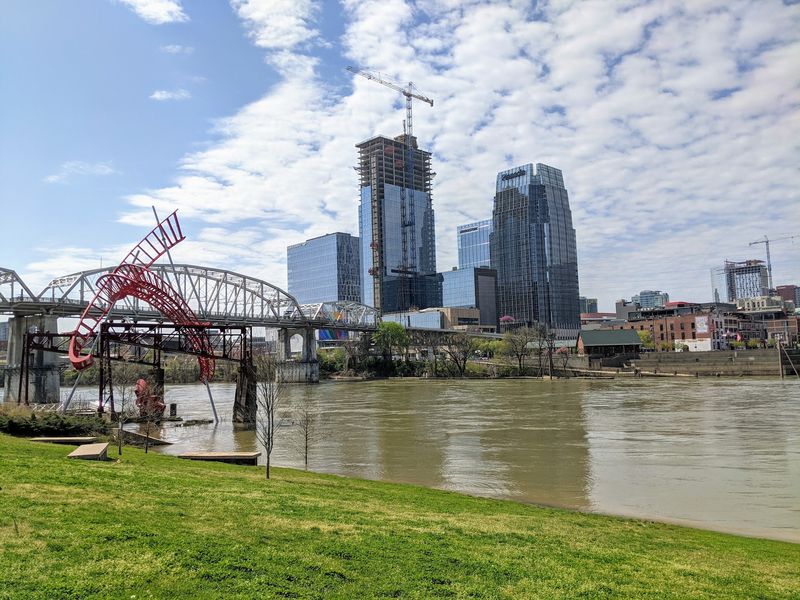
The Loveless Cafe began in 1951, when Lon and Annie Loveless served fried chicken and biscuits to travelers from their home beside Highway 100. The biscuits remain its calling card.
The kitchen can produce up to 10,000 biscuits a day, using a recipe rooted in those early years. Homemade preserves accompany them; country ham, fried chicken, and smoked pork round out the menu.
Breakfast lasts all day. The early biscuit recipe still inspires the kitchen, and those little rounds arrive with preserves before your main meal.
You’ll find the cafe at 8400 Highway 100, southwest of central Nashville. Plan a dedicated breakfast or lunch outing.
The old motel rooms on the property now contain shops rather than overnight accommodations. Browse the country market or play cornhole.
Allow extra time on weekends. Don’t miss the neon sign. If there’s one meal on this itinerary worth slowing down for, ten thousand potential biscuits make a persuasive case.
The Scenic Parkway Detour Needs A Different Plan
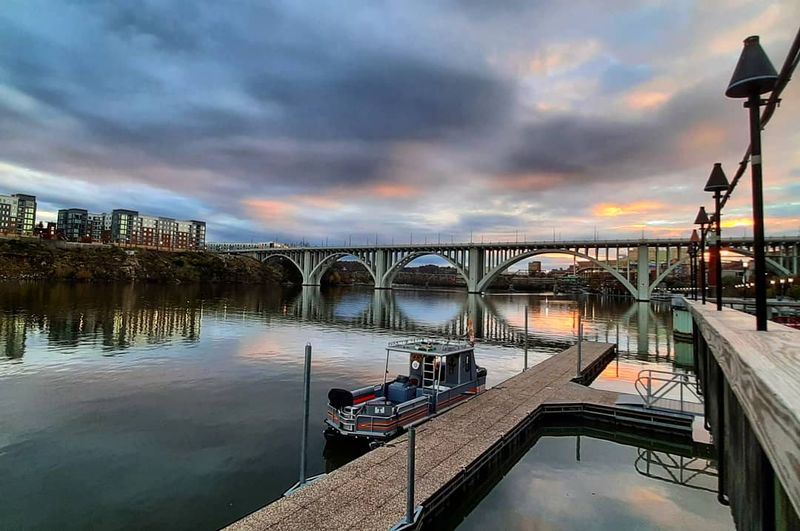
Finish your biscuits and you’re close to the northern entrance of the Natchez Trace Parkway. The 444-mile parkway follows a historic travel corridor toward Mississippi.
The famous Double Arch Bridge crosses Birdsong Hollow near milepost 438. Completed in 1994, it rises about 155 feet above the valley.
There’s an important planning detail for 2026: the bridge and surrounding section between mileposts 437 and 440 are closed for construction, with reopening anticipated in May 2027.
The bridge overlook is inaccessible too. The parkway’s generally low speed limit encourages slow sightseeing rather than racing onward to another destination.
Instead, enter the parkway from Highway 100 at its northern terminus near milepost 444. You can drive the open section toward Big Tree Overlook at milepost 440, turn around, and return the same way.
Enjoy the open section now and save the bridge for a future visit.
Break Up The Long Drive To Memphis
Interstate 40 handles the longest stretch of this trip, approximately 210 miles from Nashville to Memphis. Allow roughly three hours before stops or traffic.
The scenery changes gradually. Rolling hills give way to broad agricultural landscapes, and the highway crosses the Tennessee River along the way. The same waterway flows past Chattanooga.
Jackson offers a convenient break along the route, with restaurants and services close to the interstate. It isn’t precisely halfway.
Jackson is closer to Memphis than Nashville, so it works best as a later break rather than the exact midpoint. Keep water handy for the drive.
Leave Nashville in the morning, ideally after you’ve completed the city’s attractions on the previous day. An afternoon arrival leaves time to settle in.
A meal and short walk make a useful break. Set aside another day for the city’s major music sites. Avoid stacking late arrivals.
The Recording Studios And Mansion Deserve Their Own Day
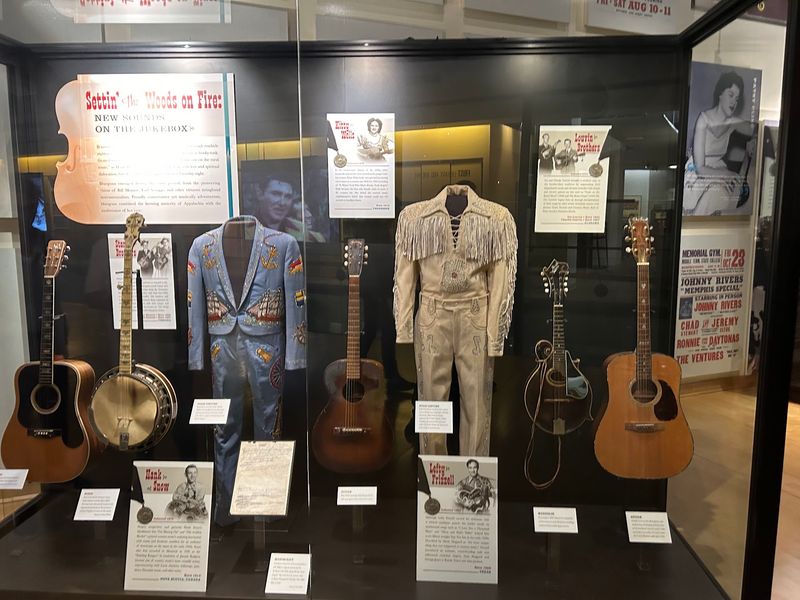
Memphis played a defining role in the development of rock and roll, and two stops make that history wonderfully tangible.
Elvis Presley purchased Graceland in 1957. Opened to visitors in 1982, the mansion includes the Jungle Room and other living spaces. Across the street, exhibits display stage outfits, records, and cars. Reserve ahead.
Sun Studio is much smaller, but its recording history is enormous. Elvis Presley, Johnny Cash, Jerry Lee Lewis, and Carl Perkins made influential early recordings there.
Guided tours explore its recording history. The small recording room feels especially intimate after Graceland, and hearing early studio stories makes the contrast worthwhile.
There’s a scheduling trick at Sun Studio: general tour tickets are sold in person for the same day, on a first-come basis. Arrive early to secure a slot.
Beale Street provides another musical backdrop, with historic venues and live performances. Explore the district by day. Save the evening for a relaxed meal.
Finish With Civil Rights History And The Mississippi River
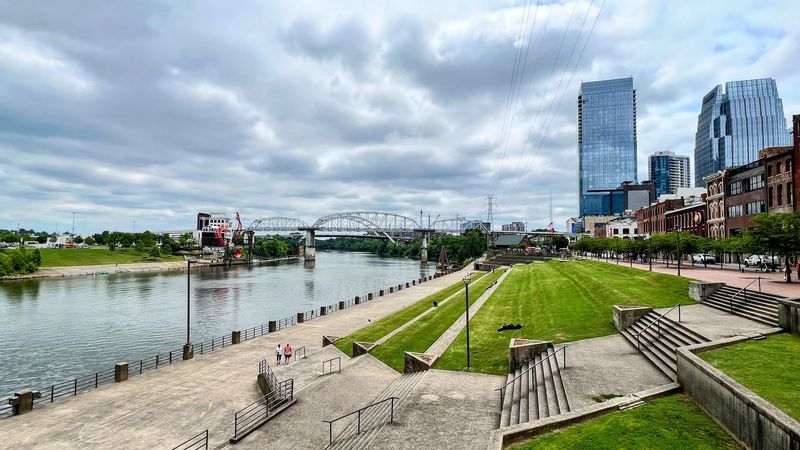
Some destinations entertain you; others ask you to pay closer attention.
The National Civil Rights Museum in Memphis belongs in the second category, exploring the movement for equal rights through exhibitions and historic spaces.
The museum incorporates the Lorraine Motel, associated with Dr. Martin Luther King Jr.’s final visit to Memphis in 1968. Exhibits cover major campaigns and community organizing. Give it a few hours.
The museum generally opens Wednesday through Monday from nine until five and closes Tuesday. Choose your day accordingly.
Afterward, enjoy a Memphis specialty such as slow-smoked ribs with either a dry spice rub or sauce. It’s a Memphis tradition.
End your Tennessee road trip along the Mississippi riverfront, for a final view very different from Lookout Mountain. Tom Lee Park adds landscaped riverside paths, public art, and open lawns, with broad views across the water.
Six days, three cities, and one remarkable biscuit stop. That deserves an unhurried finish.