This Historic California Gold Rush Town Has Become A Paradise For Mountain Biking Enthusiasts
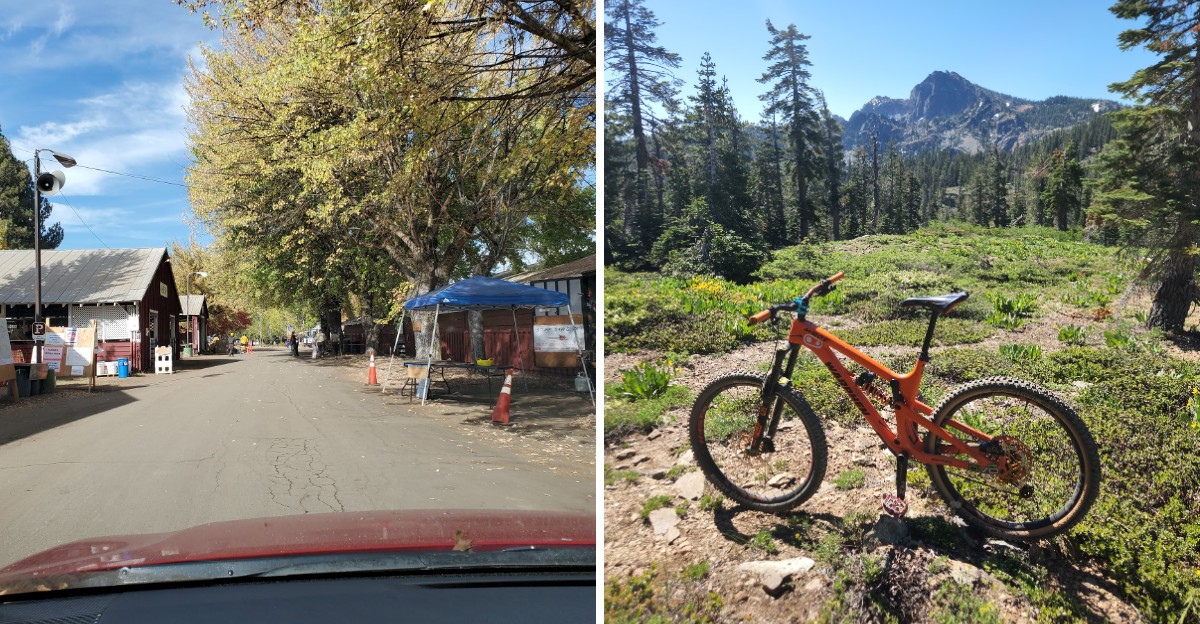
A shuttle can drop you near a mountaintop, and one trail then carries you down roughly 3,500 to 4,000 vertical feet.
That descent runs about 10 to 12 miles through forest, with berms and rollers most of the way.
The best part might be the history under your tires. Many trails in this corner of California follow or sit near old mining routes from the Gold Rush era.
I like how a town born from gold fever now draws riders chasing a different kind of rush. Miners once hauled tools along these hills. Now people haul bikes.
There’s also a brand-new bike park, a fall festival packed with racing, and a valley town that keeps it all friendly and small. I can’t imagine a better place to swap a desk chair for a saddle.
Miners Came For Gold, But Riders Come For The Dirt
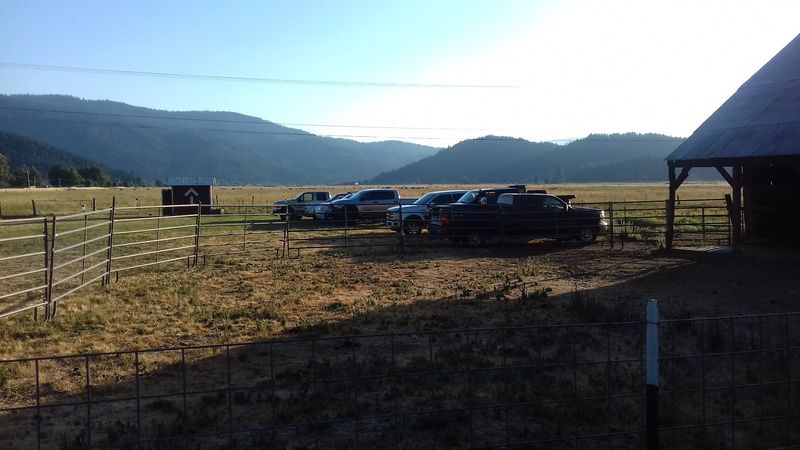
Back in 1852, a Gold Rush camp called Elizabethtown sat in these hills. Its story eventually led to Quincy, Plumas County, California, the town riders now treat like a home base.
James Bradley donated land for the county seat in the American Valley. He named the town Quincy after his farm in Illinois, which honored President John Quincy Adams.
Quincy became the county seat in 1854, and its post office opened in 1855. The town was formally recognized in 1858, so it has had plenty of practice welcoming newcomers.
The 1870s brought a big boom from hydraulic gold mining. Old routes from that era still crisscross the surrounding mountains.
Many modern trails in the region were built on or near those mining paths.
That means a single afternoon ride can double as a history lesson. You just learn it at a much faster speed than any miner ever did.
The local trail builders openly honor this mining heritage in their work. It gives the dirt a little extra meaning.
Riding here feels like borrowing a road from the past and giving it a fresh, fun purpose.
One Mountain, One Massive Descent, Zero Regrets
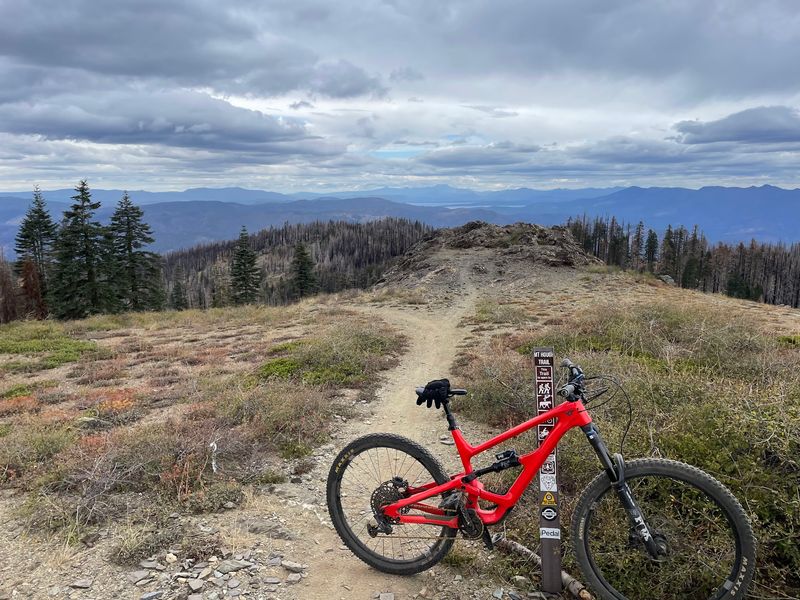
Riders call Mt. Hough the main attraction, and the numbers explain why.
The classic Mt. Hough Trail drops roughly 3,500 to 4,000 vertical feet over about 10 to 12 miles.
That’s a lot of downhill for one ride. Some sources say the whole shuttle-served network reaches up to 80 miles of singletrack.
The trail itself is known for being fast and flowy. Berms and rollers keep things smooth, so it’s widely seen as friendly for intermediate riders.
Up top, the summit offers big views of Crystal Lake and the surrounding peaks. Take a moment there.
Your legs will appreciate the break before the long ride down.
The mountain sits inside Plumas National Forest, where e-bikes are permitted on designated Mount Hough routes, although restrictions apply to connecting trails such as those in the non-motorized South Park network.
That detail matters if your group has mixed fitness levels. An e-bike can help someone keep up on climbs and connector sections.
A smart tip is to ride within your skill level the first time down. The trail is long, and tired arms make sloppy choices.
Save some energy for the final miles, because they still deserve your full attention.
Rocky Ridges And Side Trails Keep Things Interesting
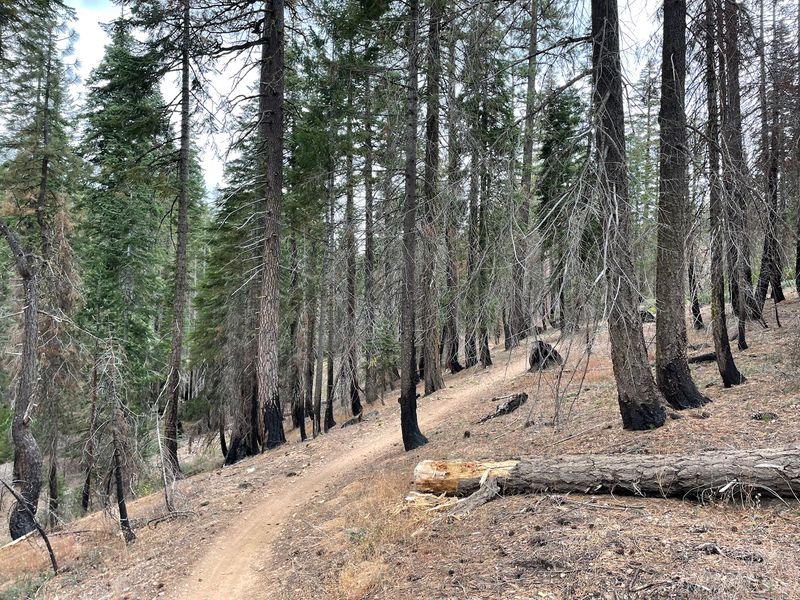
Flow is wonderful, but some riders want a little more chatter under their tires. Mt. Hough has options for that crowd too.
Indian Falls Ridge brings rockier terrain to the mix. It’s a solid choice once the classic descent starts feeling familiar.
The network also includes the Chandler Trail loop, Tollgate Trail, Lower Tollgate Trail, and Taylor Creek Trail. Each one adds a different flavor to the mountain.
Having this many choices changes things for a weekend trip. You don’t have to repeat the same line all day, unless you really want to. Nobody will judge you either way.
My advice is to plan a mix. Start with something smooth to warm up, then try a rougher route once you know how your bike feels in this dirt.
A trail app or local map is your friend here. Some routes connect in ways that aren’t obvious from the trailhead.
Also, check your tires and brakes before heading out. Rocky ground finds weak spots fast.
A little prep in the parking lot beats a long walk out of the woods with a flat and a grumpy mood.
Let Somebody Else Do The Climbing For Once
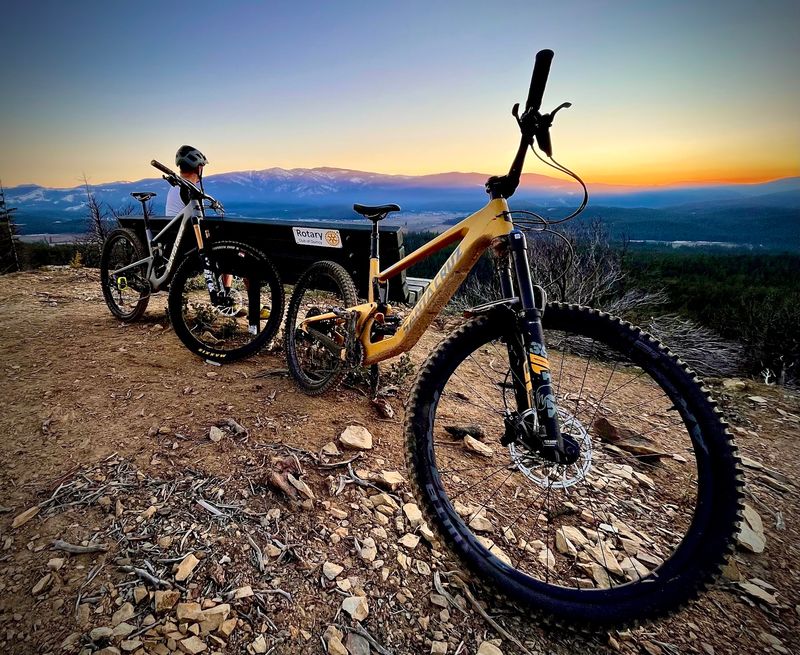
Pedaling uphill for hours is noble. Riding in a shuttle to the top is also noble, just a lot more relaxing.
Yuba Expeditions runs the official shuttle service for Mt. Hough. The shop also played a big role in developing the trail system in the first place.
You’ll find the Yuba Expeditions Adventure Center at 550 Crescent St, Quincy, CA 95971. It serves as a bike shop and a launch point for many riders visiting the area.
Yuba Expeditions offers regular Mount Hough shuttles Friday through Monday, with private shuttle options available by arrangement.
That schedule is worth knowing before you book a room. A Tuesday arrival with a group of two could leave you climbing on your own.
So round up some friends if you want a midweek run. More people means more fun, and it opens the door to extra shuttle options.
Shop staff can also help with gear needs or trail questions. Stopping in before your first ride makes sense.
Local knowledge saves time, and time saved means more laps down that famous mountain.
Gentler Trails Wait Right Along Spanish Creek
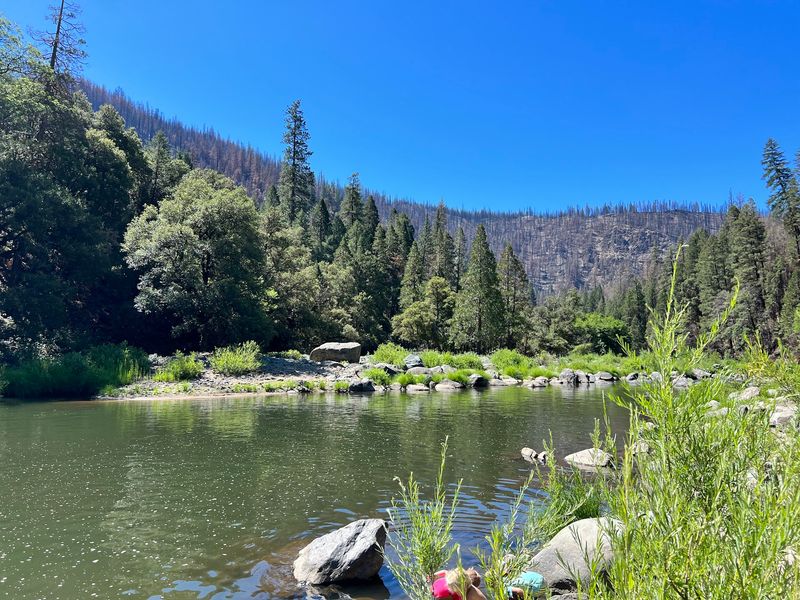
Not everyone in the family wants a 4,000-foot plunge before lunch. Luckily, the South Park Trail System sits at the base of Mount Hough along Spanish Creek.
These cross-country trails are beginner-friendly and work well for families. They’re also non-motorized, which keeps the mood calm and quiet.
Trail names include the Cascade Trail, Flume Trail, Spanish Traverse Trail, and the Deer Trail Loop. Each works nicely for shorter outings.
This network is a great spot for new riders to build confidence. It’s also handy when experienced riders want an easy spin on a rest day.
Kids can learn basic skills here without too much pressure. Parents can enjoy the creekside setting while keeping everyone close.
Pack snacks and water, even for short rides. Small legs get tired faster than anyone plans for, and a quick break by the trail can save the whole afternoon.
I believe every great riding town needs a place like this. Big mountains get the headlines, but easy trails are where many riders first fall in love with the sport.
That first happy ride might lead to a lifetime of them.
Fresh Jumps And A Pump Track Right In Town
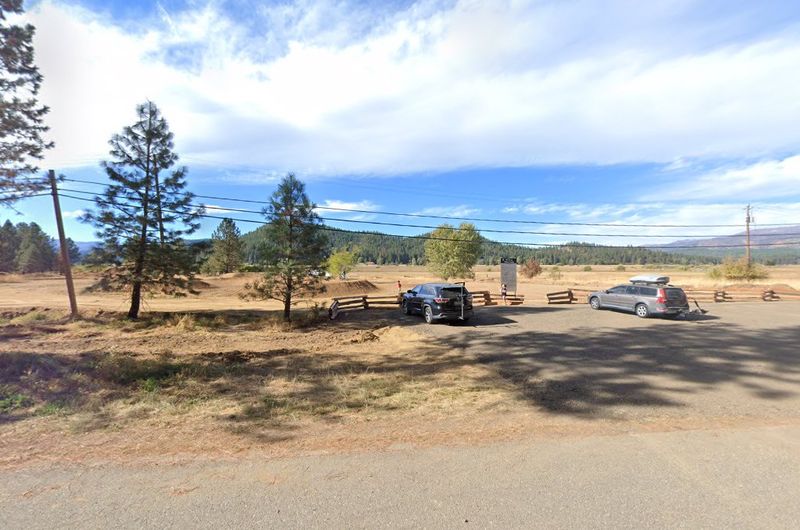
October 4, 2024, was a pretty big day for young shredders in Quincy. That’s when the Quincy Bike Park officially opened its gates.
The park sits at 129 Kelsey Ln. in Quincy. It features a start park, a pump track, and three different jump lines.
Having multiple jump lines matters. Riders can start small and work up as their skills grow, instead of facing one scary option.
The pump track is great for building balance and timing. It also happens to be sneaky good exercise, even though it mostly feels like playing.
Hours run from 8 AM until dark, but never later than 9 PM. That gives plenty of time for after-dinner laps during long summer evenings.
Here’s a key rule to remember. The park closes when the soil is wet or muddy, because riding soft dirt can damage the features.
So check the weather before heading over after a storm. Respecting closures keeps the jumps in good shape for everyone.
A park like this takes real work to build, and a little patience helps it last for years of happy riding.
September Turns The Fairgrounds Into A Bike Party
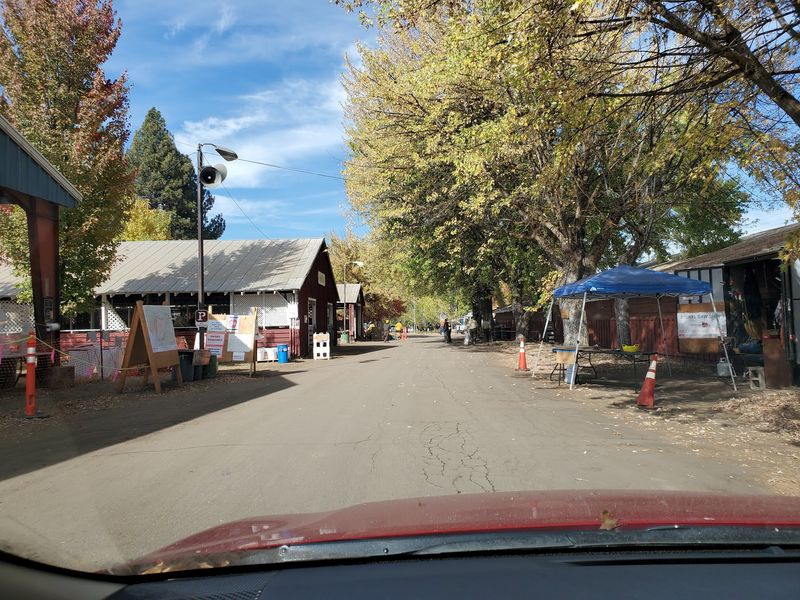
Racing, live music, food trucks, and camping all in one place sounds like a busy weekend. That’s exactly the idea behind the Mountains to Meadows Endurofest.
The festival usually happens in September. It’s based at the Plumas-Sierra County Fairgrounds, 204 Fairground Rd, Quincy, CA 95971.
The event blends big-mountain racing with a relaxed festival feel. Formats include enduro and Grinduro-style races.
Fun fact for trivia night: the popular Grinduro event got its start right here in Quincy. Not bad for a small mountain town in California.
On-site camping keeps things simple. You can roll out of your tent, grab some food, and head toward the starting line without a long drive.
Even if racing isn’t your thing, the festival vibe can be a blast. Cheering for riders and listening to music makes for a great day outside.
Plan ahead if you want to attend. Signups and camping spots for popular events can fill up.
Keep an eye on event announcements during the summer, and give yourself time to train if you plan to race those long mountain stages.
Trail Builders Here Think Big, Like Town-To-Town Big
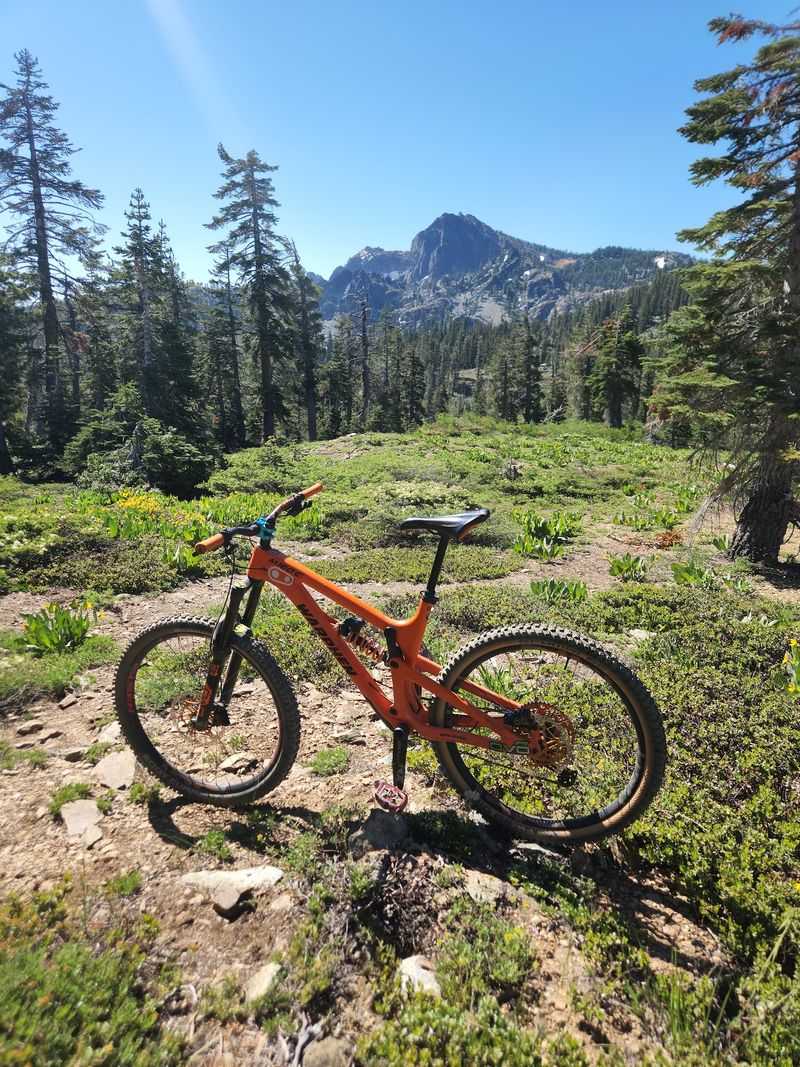
Great trails don’t appear by magic. In Quincy, a lot of the credit goes to the Sierra Buttes Trail Stewardship, a nonprofit based in town.
The group focuses on trail building and community growth across the Lost Sierra. It’s a major force behind the region’s mountain biking network.
One exciting project is called Connected Communities. The goal is to link towns across the region with trails.
Quincy already has a 13-mile singletrack connection to Taylorsville. Riding from one town to another on dirt sounds like something out of an adventure book.
That kind of link turns Quincy into a logistical hub for Plumas County’s trail networks. Riders can base themselves here and branch out in several directions.
I like how this project ties small towns together. It supports local businesses and gives visitors more reasons to stay a few extra days.
If you ride these trails, think about giving back. Volunteering or donating to trail groups helps keep the dirt in shape.
Every rider benefits from the work, so pitching in feels like paying it forward to the next person on the trail.