11 Nature Spots In California That Barely Look Like They Belong In The State
Nature loves a good identity crisis.
One minute the scenery feels familiar. A few steps later, the whole place looks like it was borrowed from another planet or someone’s very dramatic desktop wallpaper.
California has nature spots that make people double-check where they are standing.
You think you know the state. Then suddenly, a landscape shows up that refuses to fit neatly into any of those boxes.
Salt flats glow. Lava tubes hide underground. Turquoise water appears where it has no business looking that bright.
Some places feel so unexpected that the first reaction is not even “wow.” It is more like, “Wait… this is here?”
1. Mono Lake Tufa State Natural Reserve
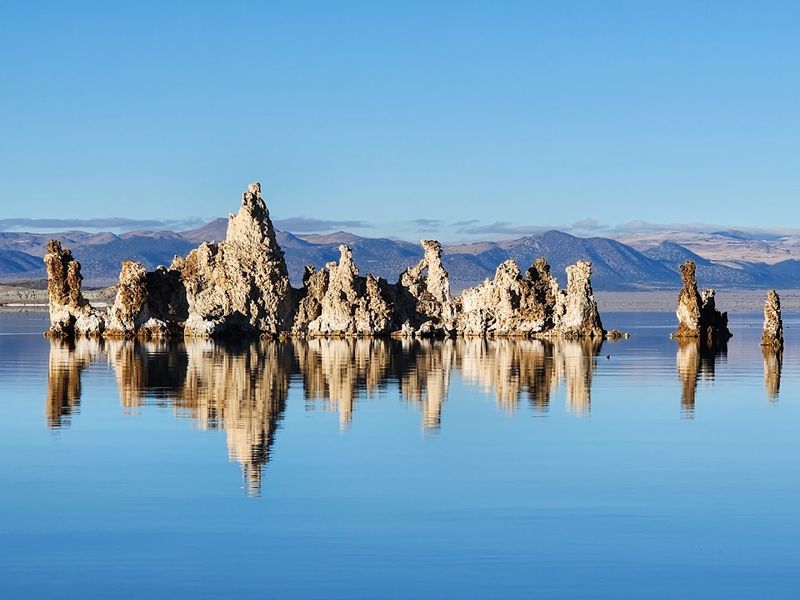
Standing at the edge of Mono Lake feels like stepping onto the surface of another world.
Tall, pale towers of calcium carbonate called tufa rise straight out of the water like ancient ruins, and the silence around the lake is almost eerie in the best possible way.
The formations were created when freshwater springs bubbled up through the alkaline lake water over thousands of years, slowly building these ghostly columns.
Located near Lee Vining in the Eastern Sierra region, the reserve sits at an elevation of about 6,380 feet, which means temperatures can shift quickly depending on the season.
Fall and spring tend to offer the most comfortable visiting conditions, though summer mornings before the heat sets in are also popular.
Trails along the South Tufa area allow close access to the formations without damaging them.
The lake itself is two to three times saltier than the ocean, so no fish live in it, but brine shrimp and alkali flies thrive there in huge numbers.
Migratory birds flock to the area because of this food supply, making it a surprisingly active spot for birdwatching. Visiting around sunrise adds an extra layer of calm to the whole experience.
2. Lava Tube, Mojave National Preserve
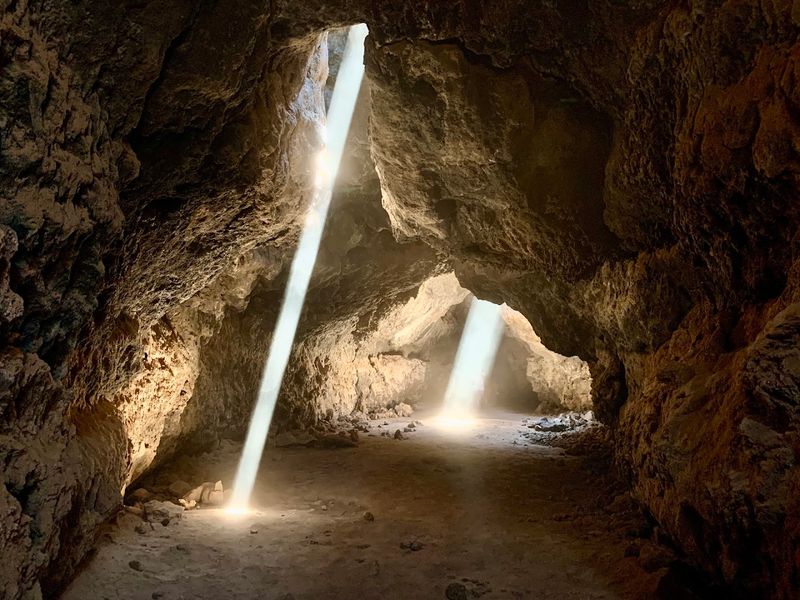
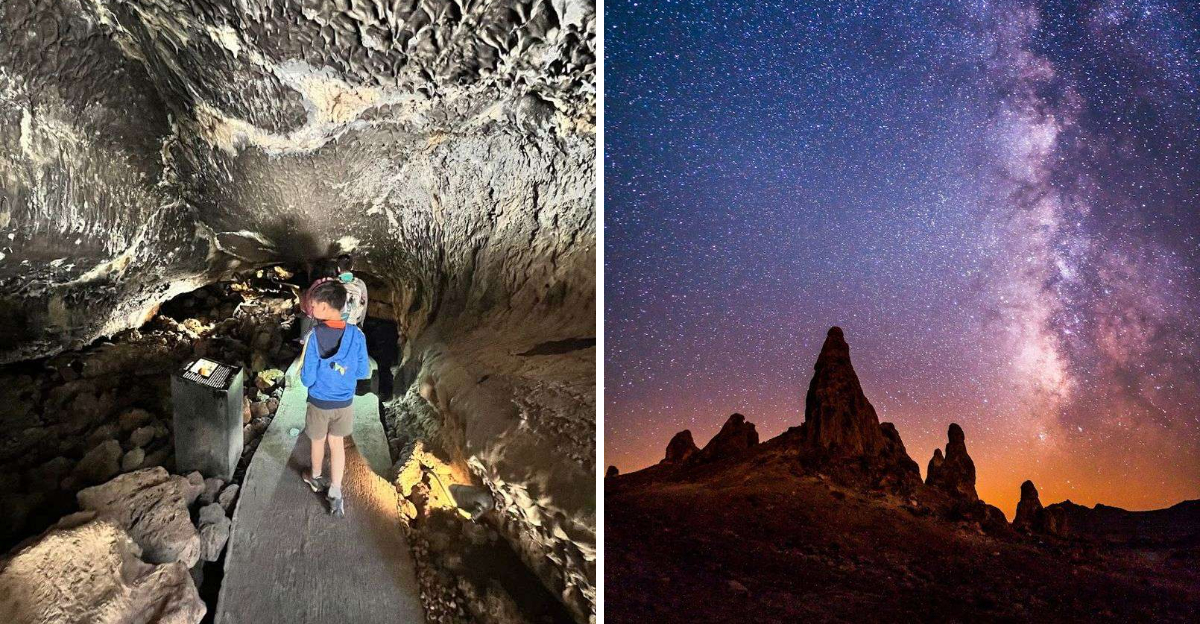
Crawling through a tunnel formed by flowing lava millions of years ago is not a typical California afternoon activity, but the lava tube at Mojave National Preserve makes it completely possible.
The tube was created when the outer layer of a lava flow hardened while molten rock continued moving underneath and eventually drained out, leaving behind a hollow cave.
The result is a long, dark passage that stays noticeably cooler than the desert surface above it.
Visitors need to bring their own flashlights or headlamps since there is no lighting installed inside the tube. The entrance requires a bit of a crouch, and the interior can be uneven underfoot, so sturdy shoes are a smart choice.
The surrounding Mojave National Preserve covers nearly 1.6 million acres and offers plenty of additional desert scenery to explore before or after the lava tube visit.
The tube stretches several hundred feet in length, and the transition from blinding desert sun to cool volcanic darkness happens almost instantly once inside.
Kids tend to find the cave particularly exciting, though adults who enjoy geology will appreciate the quiet strangeness of the space just as much.
3. Badwater Basin, Death Valley National Park
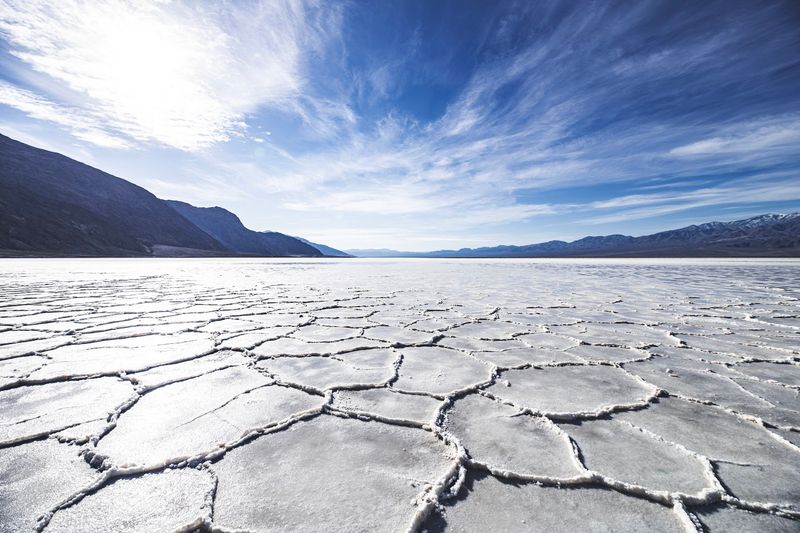
At 282 feet below sea level, Badwater Basin holds the title of the lowest point in North America, and the landscape there reflects that extreme status in every direction.
A seemingly endless expanse of white salt crystals covers the basin floor, cracking into geometric honeycomb patterns that stretch as far as the eye can see.
The salt was left behind as ancient lakes evaporated over thousands of years, concentrating minerals into a thick crust.
Walking out onto the salt flat is allowed and encouraged, though staying on the marked path helps protect the more delicate crystal formations near the edges.
The surface crunches underfoot and has a slightly uneven texture from the crystalline shapes pushing upward.
Looking back toward the mountains from the center of the flat reveals a dramatic contrast between the blinding white ground and the dark rocky ridgeline above.
Summer visits here require serious heat preparation since temperatures at Badwater regularly exceed 120 degrees Fahrenheit, making it one of the hottest places on Earth during peak months.
Winter and early spring tend to offer far more comfortable conditions and occasionally even shallow pools of water that reflect the sky.
4. Bumpass Hell, Lassen Volcanic National Park
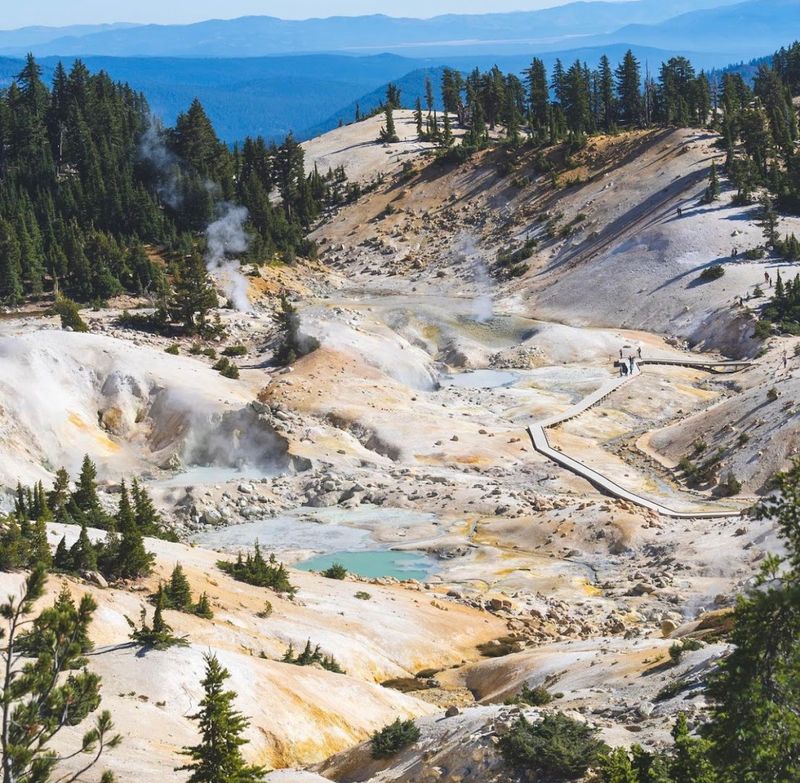
Clouds of steam rising from the earth, pools of boiling water tinted turquoise and orange, and the sharp smell of sulfur in the air make Bumpass Hell feel like a window into the planet’s interior.
Located within Lassen Volcanic National Park in Northern California, this hydrothermal area is the largest in the park and sits on an active volcanic system.
The colors in the pools and soil come from heat-loving microorganisms and mineral deposits reacting with the acidic water.
The trail to Bumpass Hell is about three miles round trip and involves some elevation change, winding through forests and open volcanic terrain before the hydrothermal area comes into view.
Boardwalks guide visitors through the most active zones and keep people at a safe distance from the boiling features.
Staying on the boardwalks is critical since the ground around the pools can be thin and unstable in places.
The area is named after a gold prospector who broke through the thin crust near one of the pools in the 1860s and suffered serious burns as a result.
That history adds a layer of genuine respect to the experience of walking through the site.
5. Lava Beds National Monument
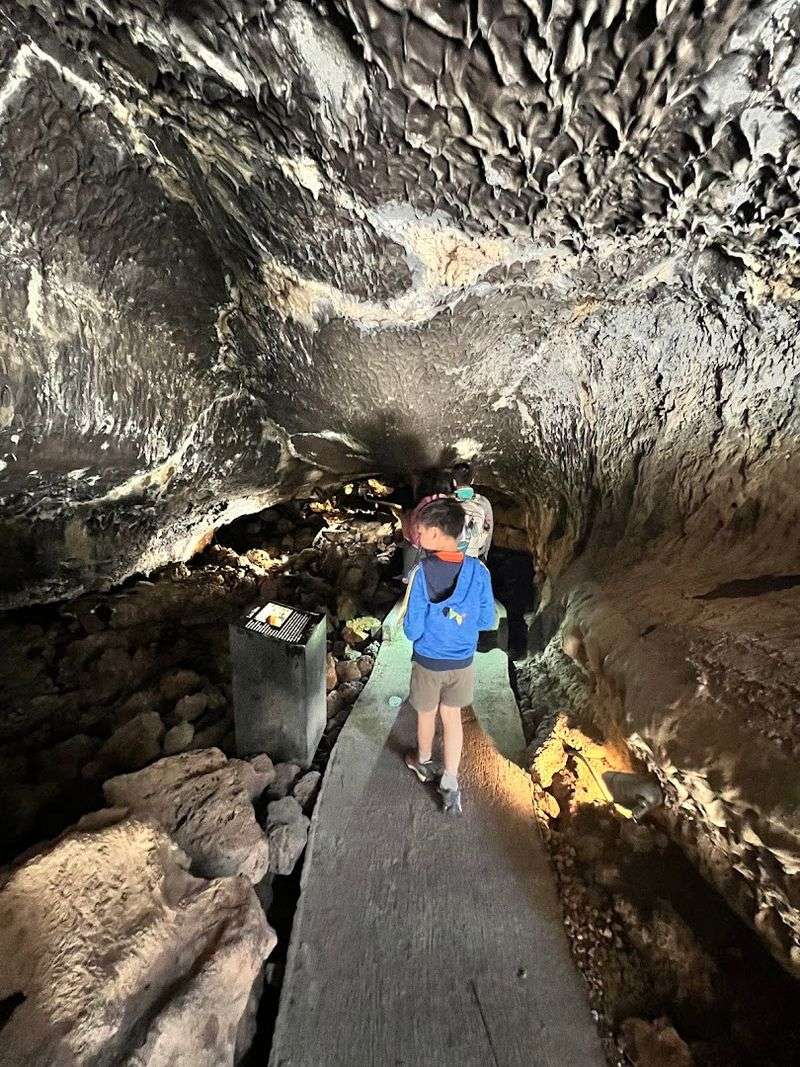
Sprawling across the northeastern corner of California near the Oregon border, Lava Beds National Monument is a landscape built entirely by volcanic activity.
The ground there is covered in hardened lava flows, cinder cones, and spatter cones, and beneath the surface lies the largest concentration of lava tube caves in the continental United States.
More than 800 caves have been identified in the monument, ranging from short crawl-through passages to tall walking tunnels stretching hundreds of feet.
Several caves are open for self-guided exploration, and the visitor center provides maps along with loaner helmets and lights for those who did not bring their own.
The experience of moving through a lava tube is genuinely unlike anything above ground, with smooth curved walls and complete darkness just beyond the reach of a flashlight beam.
Temperature inside the caves stays around 55 degrees Fahrenheit year-round, which is a welcome relief during hot summer days on the surface.
Above ground, the monument also holds significant history as the site of the Modoc War in the 1870s, where Modoc warriors used the rugged lava terrain as natural fortification.
The combination of geology and history makes this place feel layered and worth spending a full day exploring.
6. Fern Canyon, Prairie Creek Redwoods State Park
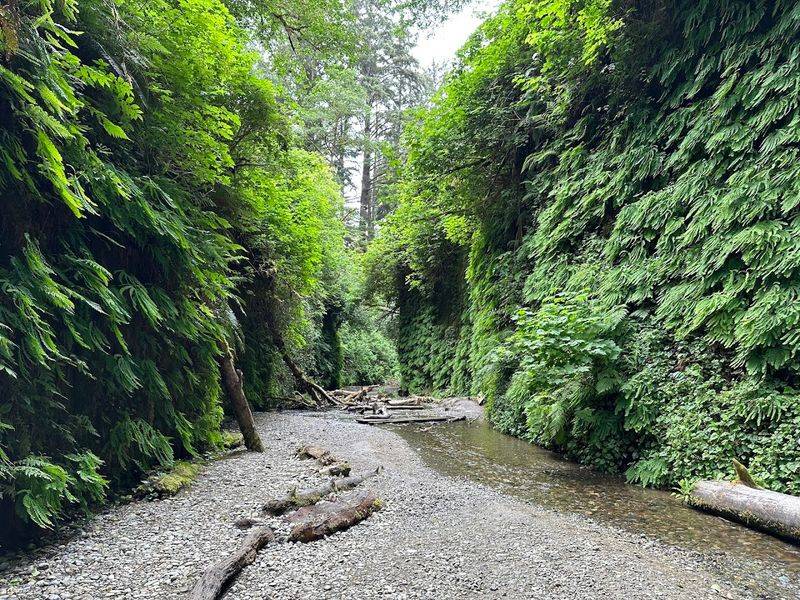
Walking through Fern Canyon feels like stepping into a prehistoric world, which is fitting since the canyon has actually been used as a filming location for movies set in ancient eras.
The walls on both sides rise about 50 feet high and are blanketed from top to bottom in five-finger ferns, chain ferns, and sword ferns, creating a tunnel of unbroken green.
A shallow stream runs along the canyon floor, which means visitors will likely need to hop across it several times during the short loop trail.
The canyon is located within Prairie Creek Redwoods State Park in Humboldt County, near the small town of Orick.
Getting there requires driving a gravel road that can become impassable after heavy rain, so checking conditions before visiting is a practical step.
The trail itself is only about one mile long, making it manageable for most fitness levels, though the stream crossings require some balance and dry-weather footwear is not ideal here.
The light filtering through the fern-covered walls gives the canyon a soft, green glow that photographs beautifully at almost any time of day.
Summer is the most popular season, but visiting in late spring when everything is lush and the stream is flowing well can feel equally rewarding.
7. Bowling Ball Beach, Point Arena
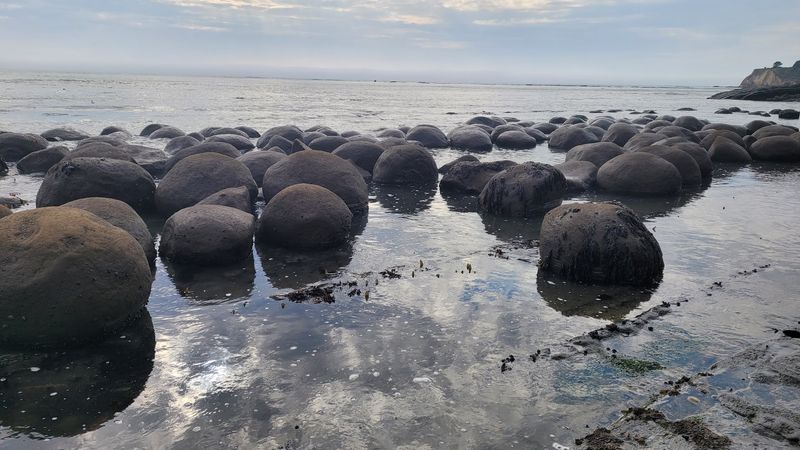
Rows of nearly perfect spherical boulders lined up along a flat rock shelf at low tide create one of the most unusual coastal scenes in California.
Bowling Ball Beach near Point Arena in Mendocino County gets its name from these large round rocks, which can measure up to six feet in diameter and appear to have been deliberately arranged, though they are entirely natural.
The spheres formed through a geological process called concretion, where minerals gradually accumulated around a central point inside sedimentary rock over millions of years.
Reaching the beach requires a short but steep trail down from the bluffs above, and timing the visit around a low tide is essential since the boulders are only visible when the water pulls back.
Tide charts for the area are easy to find online and are worth consulting before making the drive.
The beach sits along the Schooner Gulch State Beach area, and the surrounding bluff trail offers good views of the coastline even when the tide is not cooperating.
The Mendocino coast in general tends to be foggy and cool even in summer, so layering up is always a smart move for this stretch of shoreline.
The boulders themselves have a dark, smooth texture that contrasts sharply with the pale sandy patches and gray-green ocean around them.
8. Trona Pinnacles, near Ridgecrest
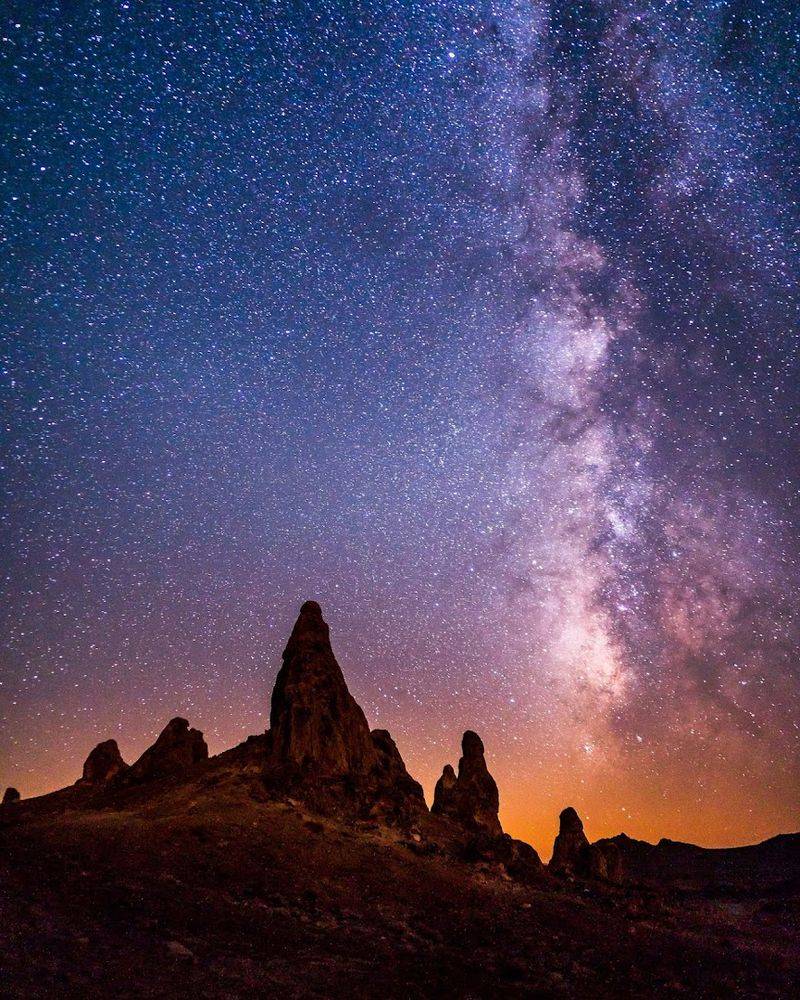
More than 500 tufa spires rise from the floor of a dry lakebed in the Mojave Desert, creating a skyline that looks more like a science fiction set than a real California location.
The Trona Pinnacles formed underwater in ancient Searles Lake over thousands of years as calcium-rich springs interacted with the alkaline lake water, building up the calcium carbonate towers that now stand exposed in the open desert.
Some spires reach heights of nearly 140 feet, which makes standing among them feel genuinely dramatic.
The site is managed by the Bureau of Land Management and is located about 20 miles east of Ridgecrest along a dirt road that is accessible to most vehicles in dry conditions.
No entrance fee is charged, and the area is open year-round, though summer heat in the Mojave can be intense.
Mornings and late afternoons tend to offer the best light for appreciating the shapes and textures of the formations.
The Trona Pinnacles have appeared in several films and television productions over the years because of how otherworldly the landscape looks.
Walking among the spires rather than just viewing them from a distance changes the experience significantly, as the scale of the formations becomes much more apparent up close.
9. Rainbow Basin Natural Area, Barstow
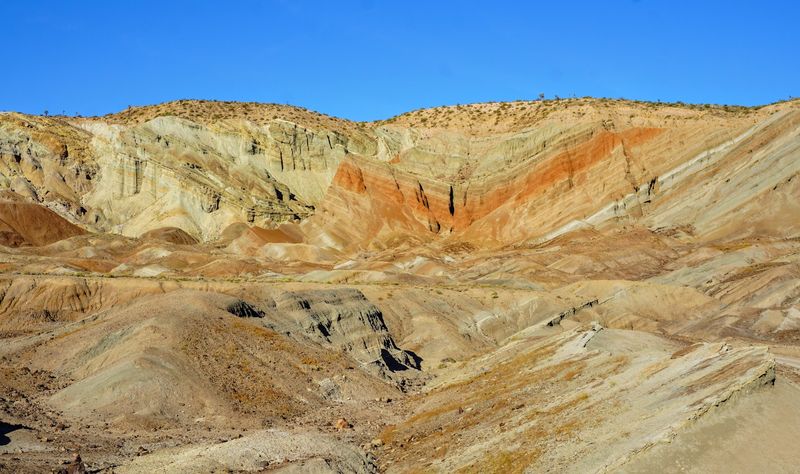
Layers of red, orange, green, purple, and white sedimentary rock fold and tilt across a small canyon system just north of Barstow, making Rainbow Basin one of the most visually striking geological sites in the California desert.
The colors come from different mineral compositions in ancient lake sediments that were deposited here between 12 and 16 million years ago, when the Mojave region was a wetter and more biologically active environment.
Fossils of ancient camels, mastodons, and three-toed horses have been discovered in these same rock layers.
A four-mile loop road winds through the basin and can be driven slowly to take in the scenery, or sections of it can be walked on foot for a closer look at the canyon walls.
The road is unpaved and can be rough in spots, but most standard vehicles handle it fine in dry conditions.
There are no facilities at the site, so bringing water and snacks is a practical step before heading out.
Visiting in the morning gives the best light for appreciating the color contrasts in the rock, and the basin tends to be quiet on weekdays.
The Bureau of Land Management oversees the area, and no entrance fee is required.
10. Carrizo Plain National Monument
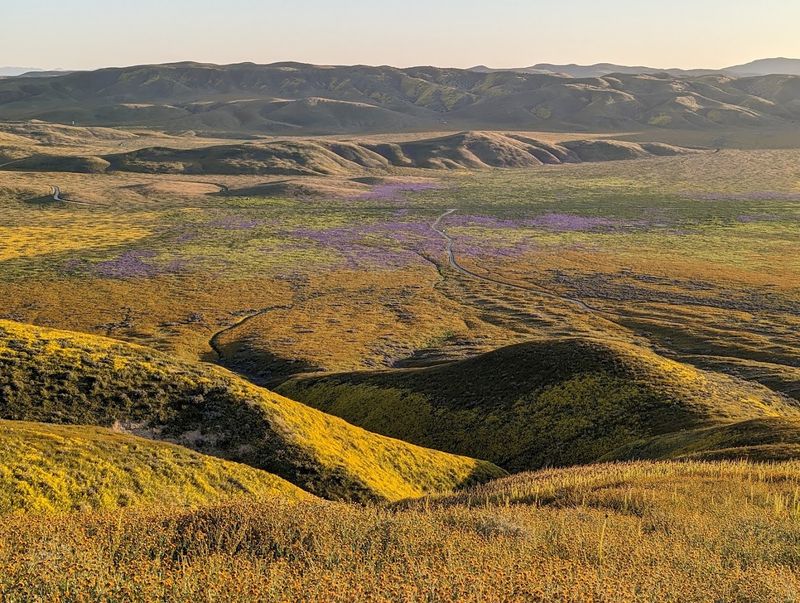
Stretching across a long inland valley in San Luis Obispo County, the Carrizo Plain National Monument preserves one of the last large expanses of San Joaquin Valley grassland in California.
The plain is largely flat and open, flanked by the Temblor Range on one side and the Caliente Range on the other, with Soda Lake sitting at the center as a shallow seasonal wetland.
During wet years, Soda Lake fills with water and attracts thousands of migratory birds including sandhill cranes and white pelicans.
The monument is best known for its wildflower blooms during spring, which in particularly wet years can blanket entire hillsides in orange, purple, and yellow.
The San Andreas Fault runs directly through the monument and is actually visible on the landscape as a long linear scar where the two tectonic plates have shifted against each other over millions of years.
Seeing a fault line this clearly defined from ground level is a rare and genuinely interesting experience.
Getting to the monument requires driving on unpaved roads for portions of the journey, and cell service is limited or absent throughout most of the area.
Visiting on a weekday during spring bloom season offers the most open and peaceful experience, as weekends can draw significant crowds during peak flower years.
11. Glass Beach, Fort Bragg
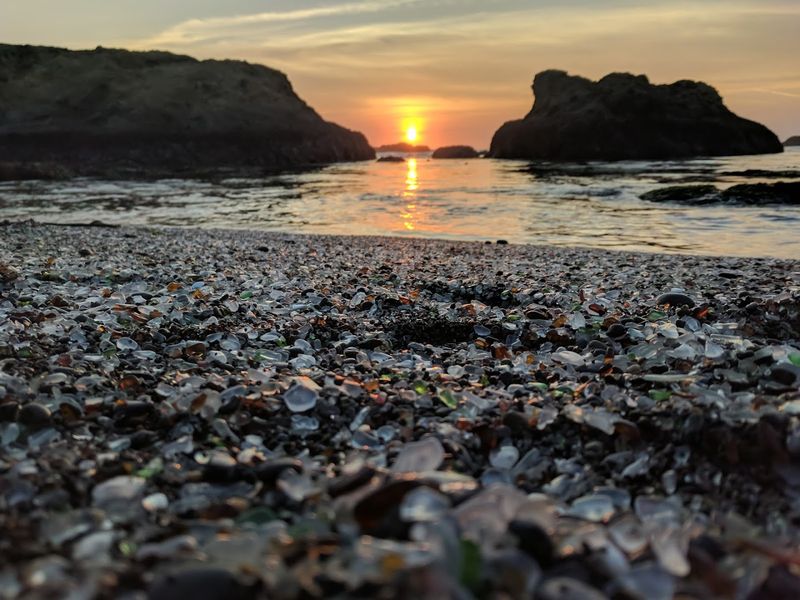
Decades of ocean wave action transformed what was once a coastal dumping ground into one of the most unusual beaches in California.
Glass Beach in Fort Bragg is covered in smooth, frosted pieces of sea glass in shades of green, brown, white, and the rarer blue and red, all polished by years of tumbling against the rocks and sand.
The site sits within MacKerricher State Park and is free to visit, though collecting the glass is prohibited to preserve what remains of the deposit.
The beach is located near the northern end of Fort Bragg and is accessible via a short walk from the parking area on Glass Beach Drive.
Low tide exposes the most glass, so checking a tide chart before visiting can make a noticeable difference in the experience.
The surrounding coastline is rocky and dramatic in the way that the Northern California coast tends to be, with crashing waves and sea stacks visible from the beach.
The glass supply has thinned over the years as the beach has become more well-known, so managing expectations is fair when planning a visit.
Even so, the combination of colorful glass, ocean scenery, and the unusual backstory of the place makes it genuinely worthwhile.