Ancient Carvings, A Riverside Ghost Town, And Missouri River Bluffs Draw Fall Crowds To This Nebraska Park
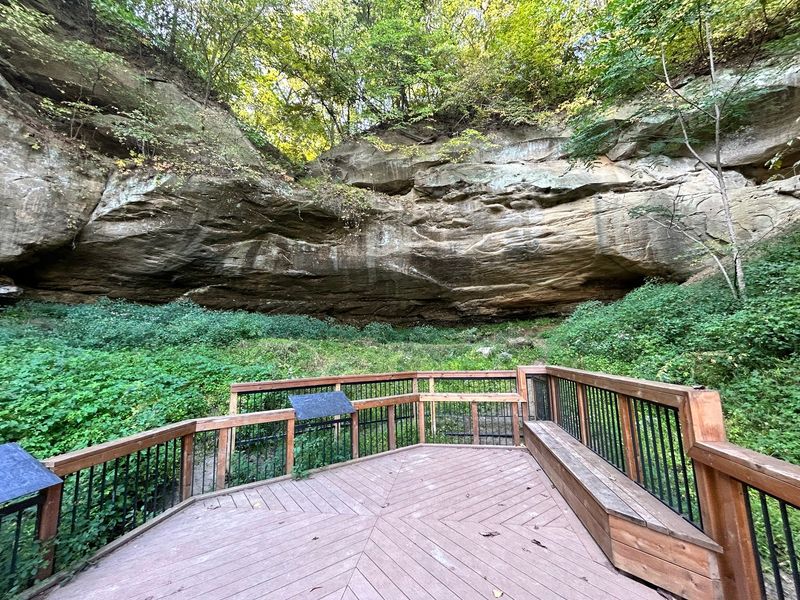
A sandstone wall in Nebraska still carries carvings that may be hundreds of years old. A boardwalk and ramp lead right up to them.
That alone would earn a weekend drive.
The same park also holds a restored river village where volunteers show old crafts like broom-making and soap-making. Two historic cemeteries sit on wooded hills nearby.
Around them, about 22 miles of trails climb and drop through steep bluff country above the Missouri River.
I like how this place stacks surprises on top of each other. You come for one strange old rock face and leave with a list of things you still need to see.
Fall makes it even better, when the hardwoods turn and the river views open up.
So how does one corner of the state pack all of this into a single day trip?
A Wooded Bluff Park Way Down In Nebraska’s Southeast Corner
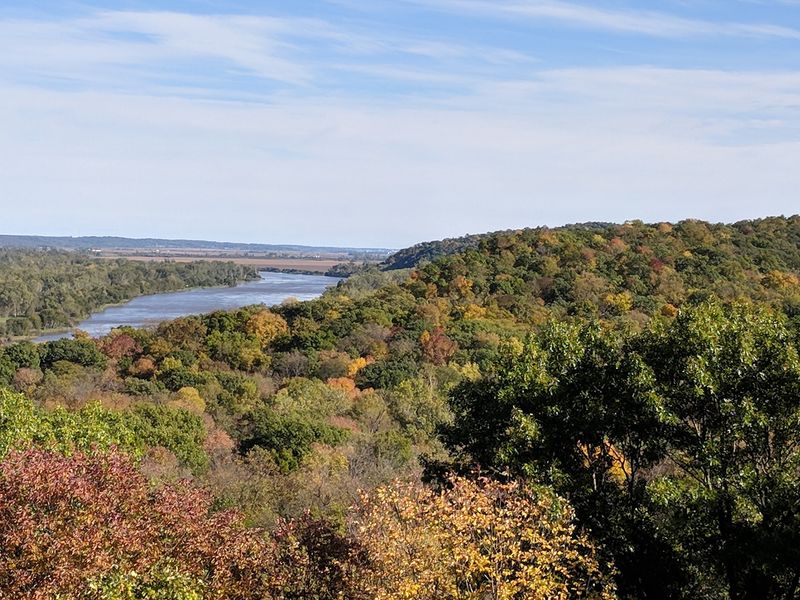
Indian Cave State Park sits in the far southeast corner of Nebraska, right along the Missouri River. It covers roughly 3,000 acres of rugged, forested bluffs, which feels almost unreal for a state known for flat horizons.
The park stretches across land in Nemaha and Richardson counties. Small towns like Shubert and Brownville are the closest neighbors, and that quiet setting is a big part of the charm.
So what is it, exactly? Picture-ready scenery aside, it’s a full outdoor playground with camping, hiking, horseback riding, disc golf, and an archery range.
It also guards real history, from carved rock to old graves to a restored river settlement.
The name comes from one specific spot, a large sandstone overhang decorated with ancient petroglyphs. That single feature turned this patch of river bluff into a destination.
Plenty of Nebraskans have never made the drive this far south. That’s a shame, because the payoff starts the moment the road begins winding through the trees.
Few places in the state pack this much variety into one stop, and even fewer pair it with views of the Big Muddy rolling past below.
The Rock Overhang That Gave The Park Its Name
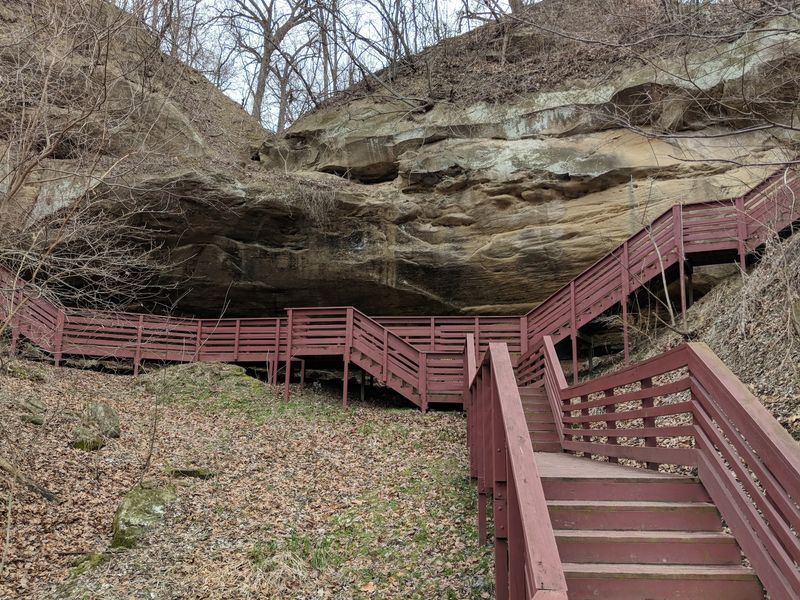
Carvings of animals and symbols mark the sandstone here, and experts believe they may date back centuries. That’s the headline attraction, and it’s a genuinely rare sight in Nebraska.
Fair warning, though. The “cave” is really a deep overhang, more like a giant sheltering wall than a tunnel into a hillside.
Set your expectations right and the place gets more interesting, not less. A boardwalk with a ramp and stairs brings people up close, which makes it easier to reach than you might guess.
The tricky part is spotting the old work. Later visitors added their own names and initials over the years, so the ancient figures mix with modern scratches.
A pair of binoculars can help pick out the petroglyphs from the boardwalk. Taking your time pays off, since the faint shapes reveal themselves slowly as the light shifts.
There’s something humbling about standing where people paused long before any road reached this bluff. You’re reading a message left by hands far older than the state itself.
Just admire it from the walkway and leave the stone alone, so the next family gets the same chance to find those figures.
St. Deroin, The River Town That Comes Back To Life
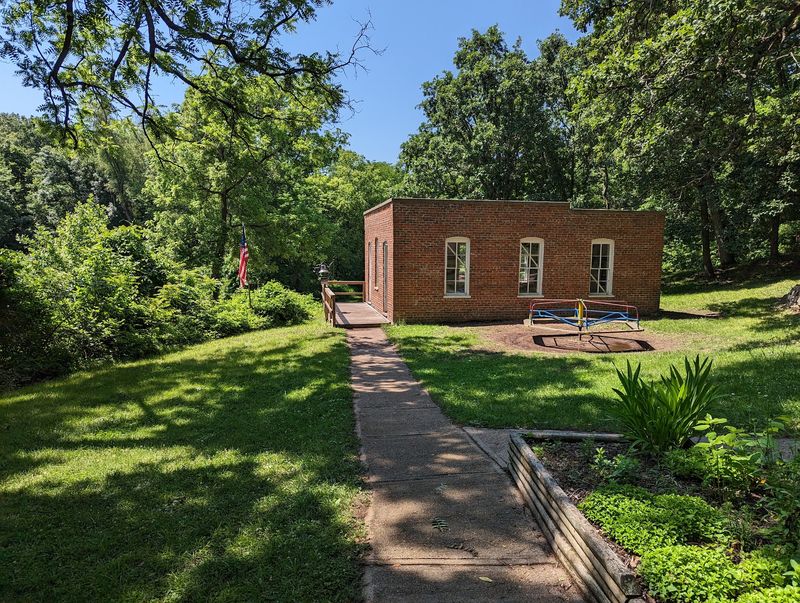
Long before campers arrived, a small river town called St. Deroin stood on this land. The town faded away, but the park has restored part of it so you can walk through a slice of pioneer life.
Here’s the fun part. On scheduled days, living history volunteers bring the village alive with old-time skills.
Past demonstrations have included broom-making, soap-making, and even a black powder demonstration. Kids who think chores are boring may change their minds after watching someone tie a broom by hand.
The village buildings aren’t open every day, so timing matters. Weekends are typically your best shot, and checking the park’s event schedule before you go is a smart move.
The road down to the village is part of the adventure too. It winds through a hollow lined with exposed tree roots and shady banks.
Getting to the buildings involves some steep ramps and inclines. Anyone using a mobility scooter should know the grades can be tough on smaller motors.
Still, few spots in Nebraska let you trade a modern weekend for a frontier afternoon this easily. Call it a field trip without the permission slip.
Quiet Hillside Cemeteries With Long Memories
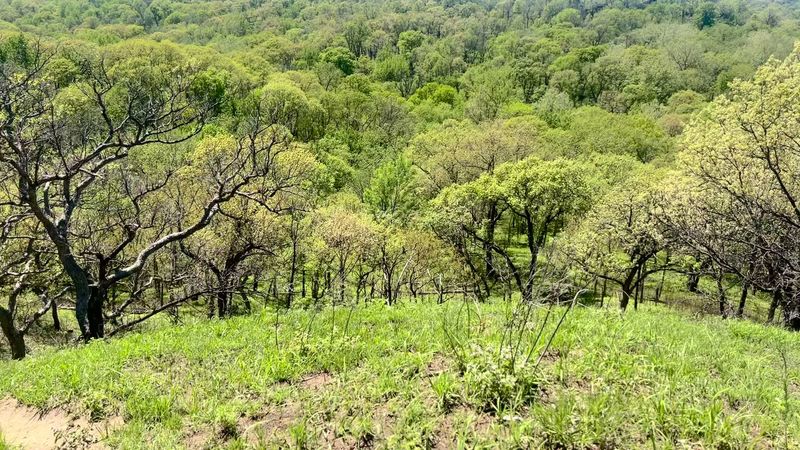
Two historic cemeteries rest inside the park, and both reward anyone curious about the people who lived here first. They’re peaceful, wooded, and deeply moving.
The St. Deroin Cemetery connects to the old river town below. Its weathered stones belong to the families who once built lives along this stretch of the Missouri.
A second burial ground sits up a vigorous trail of about a mile. Reaching it takes effort, and that climb makes the quiet at the top feel earned.
The area was once part of the Half-Breed Tract, land set aside in 1830 for families of mixed Native American and European heritage. Some graves here are simple and unmarked, which adds to their quiet weight.
These spots call for a slower pace and respectful footsteps. Read the markers, notice the dates, and let the history speak for itself.
Families with older kids often find these stops spark the best questions of the day. Who lived here, and what was life like on a frontier river?
Those conversations tend to linger well after the drive home, which might be the best souvenir any park can offer.
Twenty-Two Miles Of Trail And Not One Of Them Flat
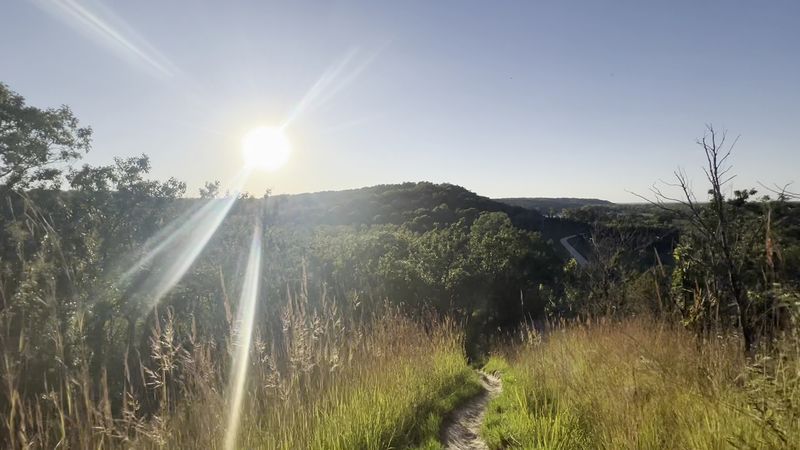
Nebraska jokes about flatness stop working the second you lace up here. The park offers about 22 miles of trails, and nearly all of them climb or plunge through bluff country.
Hikers get real elevation, steep ups, and long downhills that test the knees. One short route of around three miles can still pack serious climbing.
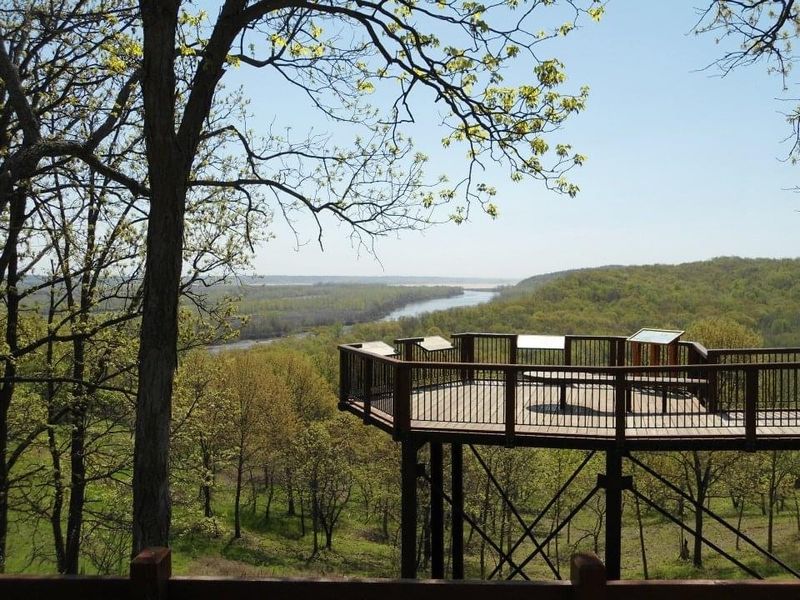
The views make the sweat worth it. Ridgetop stretches open onto wide looks at the Missouri River and the forested hills rolling away from it.
Birders should keep an eye on the sky too. Bald eagles are known to show up along the river, and the woods hold plenty of songbirds.
A few tips help a lot. Trail signs can be sparse in spots, so carry a map and stick with a buddy when possible.
Some paths can get overgrown in warmer months. Long pants and sturdy shoes will make you much happier on the way back.
Horseback riders have options here as well, with trails open to horses. Either way, you’ll head home tired, a little muddy, and probably plotting which loop to try next time.
Fall Color, Spooky Decorations, And A Campfire Christmas
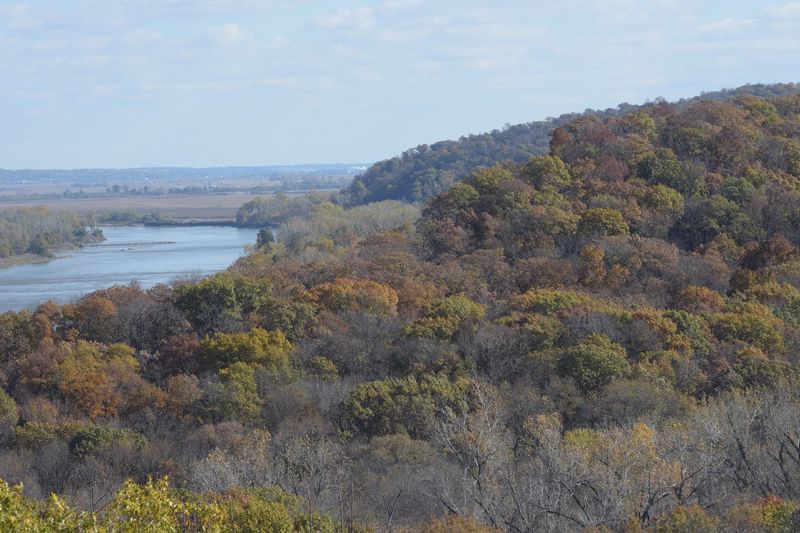
October might be the park’s showiest month. The hardwood-covered bluffs turn shades of gold, orange, and red, and the river views get even sharper.
Fall camping brings its own personality here. Campsites have been dressed up with Halloween decorations, giving the whole park a cheerful, slightly spooky mood.
That festive streak doesn’t stop with pumpkins. The park has hosted a Campfire Christmas event, a family-friendly celebration that brings holiday cheer to the woods.
Seasonal events also include living history days at St. Deroin. Those gatherings mix crafts, demonstrations, and a good excuse to spend a whole Saturday outside.
The scenic drive is a big draw for anyone who would rather sightsee from the car. Winding roads curve through the trees, with overlooks and pullouts along the way.
One overlook gives a broad view of the Missouri River, and it’s a favorite stop for fall photos. Bring a jacket, because the bluff tops can feel breezy.
For a timed Nebraska day trip, it’s hard to beat leaf season down here. Once the trees drop their color, you’ll be waiting a whole year for the next show.
Plenty Of Room To Pitch A Tent Or Park The Camper
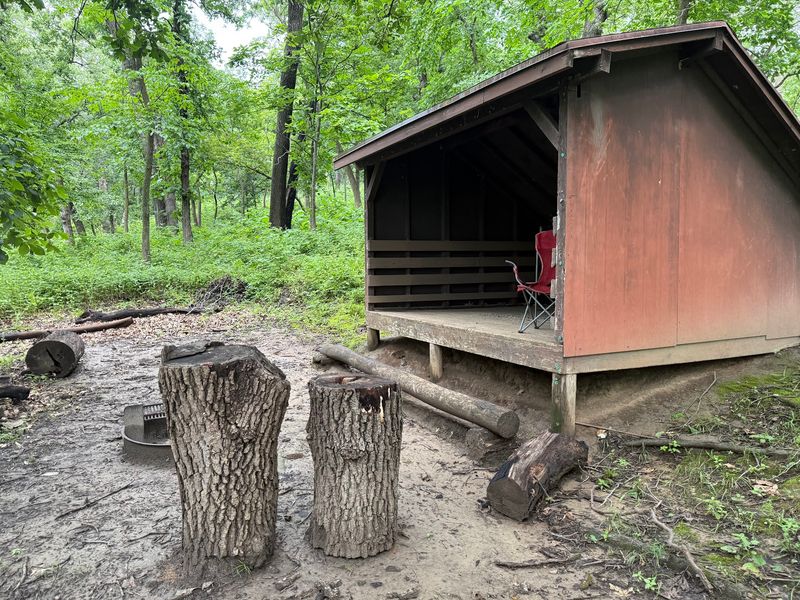
Camping is easily the park’s biggest crowd-pleaser. Sites spread across the wooded grounds, with options for RVs, campers, and tent campers.
Hackberry Hollow is one of the named camping areas, and it ranks among the better-known spots. Camp hosts help keep shower houses and restrooms clean.
Tent campers should expect hills. Many sites sit on slopes without designated tent pads, so a little creative setup goes a long way.
Some walk-in style spots sit away from the main road. Those offer more privacy and a quieter night under the trees.
Showers are coin-operated, so pack quarters before you leave home. Some restrooms around the park are basic vault-style facilities without running water, so hand sanitizer is a smart addition.
Site rules limit the number of tents per site, which matters for bigger groups. Plan ahead if your crew brings several small tents.
Also, keep food secured at night. Raccoons here are curious and confident, and they know exactly what a cooler means.
Once camp is set, the stars and the quiet do the rest. It’s the kind of night that makes alarm clocks feel very far away.
Good Luck Getting Bored Between Hikes
Three hours of hiking will tire most people out. For everyone else, Indian Cave State Park has backup plans.
A nine-hole disc golf course gives families a relaxed way to compete. It’s an easy pick for kids, teens, and grandparents who prefer a gentler pace than the steep trails.
An archery range adds another option for anyone ready to test their aim. Horseback riding brings a classic way to explore the hills without wearing out your own legs.
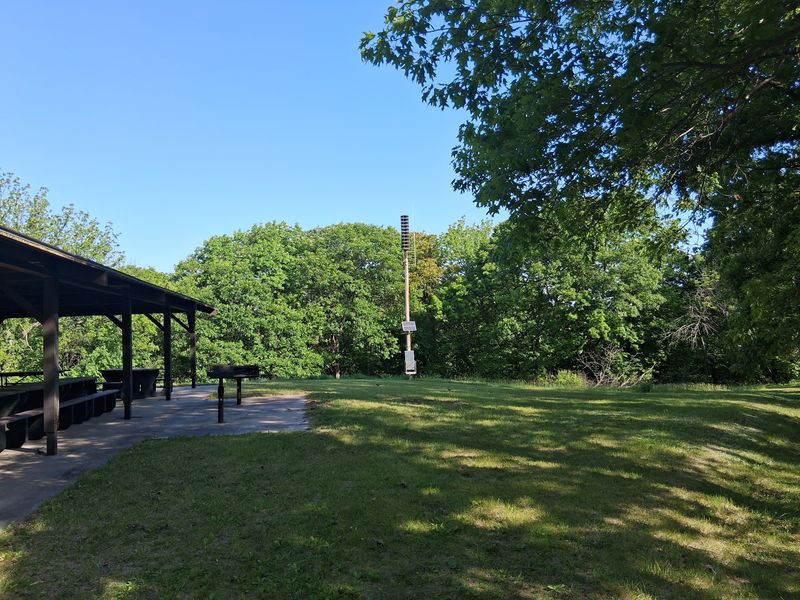
Picnic areas are scattered around the grounds too. Pack a lunch, grab a shaded table, and let the kids burn off energy nearby.
The park suits a wide range of visitors. Hikers, history buffs, campers, and casual drivers can all build a satisfying day here.
Groups of friends and families tend to get the most out of it. Solo hikers can have a great time but should share their plans with someone, since the woods are big.
The best part is how easily the activities mix. Morning disc golf, an afternoon at the village, and an evening campfire make a full day.
Nobody leaves asking what there was to do.
Before You Hit The Road South
Plug in the address, 65296 720 Rd, Shubert, NE 68437, but don’t trust your phone blindly. Back roads in this corner of Nebraska can confuse map apps, and some drivers find routing through Brownville easier.
From Omaha, plan on roughly a two-hour drive. That’s a manageable day trip, though spending a night lets you see far more.
A park entry permit is required for vehicles, so budget for that before you arrive. Annual permits are a good deal for anyone who visits several Nebraska state parks a year.
The grounds are listed as open around the clock. However, attractions like the St. Deroin village keep more limited schedules, often on weekends.
Bring layers, sturdy shoes, binoculars, quarters, and snacks. Cell coverage and supplies can be thin once you’re deep in the hills.
So, is the trip worth it? If you love history you can actually stand beside, hills that make your calves burn, and fall color over a big river, it absolutely is.
Just remember the cave is an overhang, not a tunnel. Everything else is ready to make up for it, and then some.