Michigan Has A Bosnian Food Scene Most Travelers Never Realize Is There
The chevapi recipe here came from an elderly Bosnian man in Hamtramck. I like what that says about the whole thing.
That recipe was handed down, not dreamed up in a test kitchen. The owner then cooked those sausages for 15 years before opening her own place.
There’s more information in that detail than you’d think. It tells me Michigan’s Bosnian food runs on community, patience, and family memory, not trends.
Add a döner kebab shaped by years in Germany and bread baked fresh every morning. Suddenly a small carryout counter feels like a passport stamp you can eat.
A Little Counter With A Big Bosnian Backstory
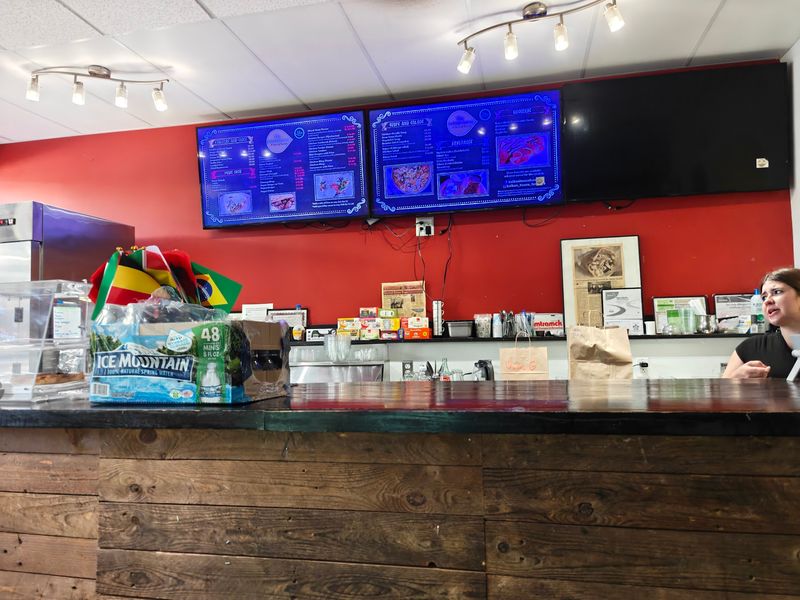
Balkan House Ferndale doesn’t look like a grand dining hall, and it doesn’t try to be. It’s a casual, counter-service restaurant where Bosnian dishes share the menu with the street food of Berlin.
The story began with a family’s journey from Bosnia to Germany, where they lived for seven years.
During that time, they became familiar with döner kebabs sold at German street counters. Years later, the idea helped shape Balkan House, which first opened in Hamtramck in 2019.
The Ferndale restaurant followed that November, bringing the same combination of Bosnian food and German-inspired sandwiches to Oakland County.
The original Hamtramck storefront closed in September 2025, but the Ferndale kitchen continues serving its signature dishes.
Inside, the room is small and straightforward, with tables for a casual meal and a counter suited to takeout. A basket of fries, a freshly filled lepinja, and the aroma of grilled meat do plenty of work on their own.
It’s a distinctly personal piece of Michigan’s food culture, shaped by more than one country and still centered on familiar home cooking.
The Döner Kebab That Took The Long Way From Berlin
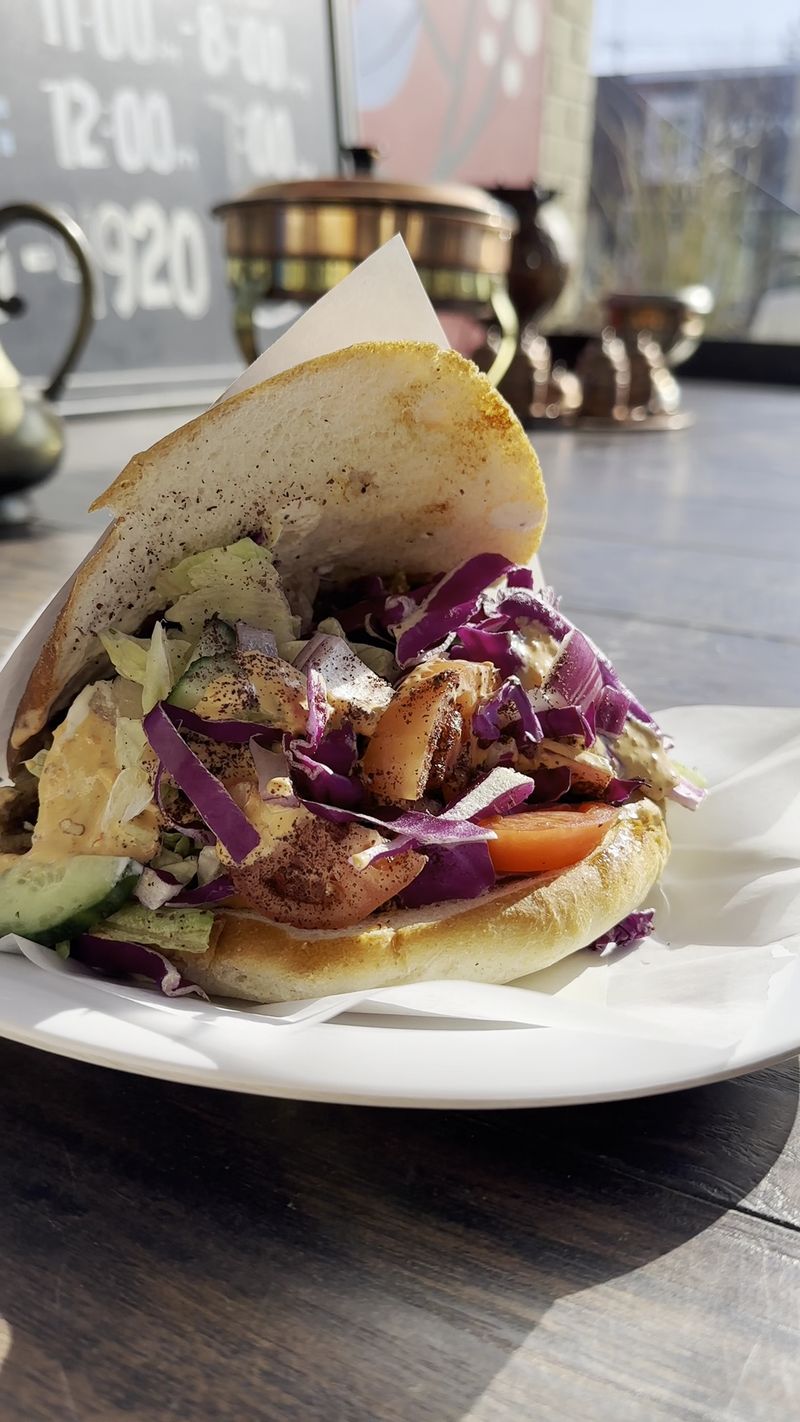
Berlin turned the döner kebab into a street-food favorite, and this kitchen brought that idea to Oakland County.
Choose seasoned beef and lamb, chicken, or falafel, then let the kitchen pack the filling into its house-made Bosnian bread.
Fresh vegetables and döner sauce finish the sandwich, giving every bite a combination of warm, savory filling and cool, crisp toppings.
The bread changes the experience. Rather than a thin wrap, the classic version comes in soft lepinja that surrounds the vegetables and protein.
For anyone who would rather skip the bread, the menu also offers a bowl served over rice and a basket built on fries.
And then there’s the loaded döner. It adds feta, onions, extra vegetables, and waffle fries to the combination. The regular döner wrap is another option when a rolled sandwich suits your plans better.
It’s worth starting with the classic beef-and-lamb filling before exploring the other choices. The contrast between seasoned meat, vegetables, and creamy sauce explains the appeal without needing any elaborate extras.
From a German street-food tradition to a counter in Michigan, the sandwich has traveled quite a distance.
Chevapi With A Recipe That Has Real Roots
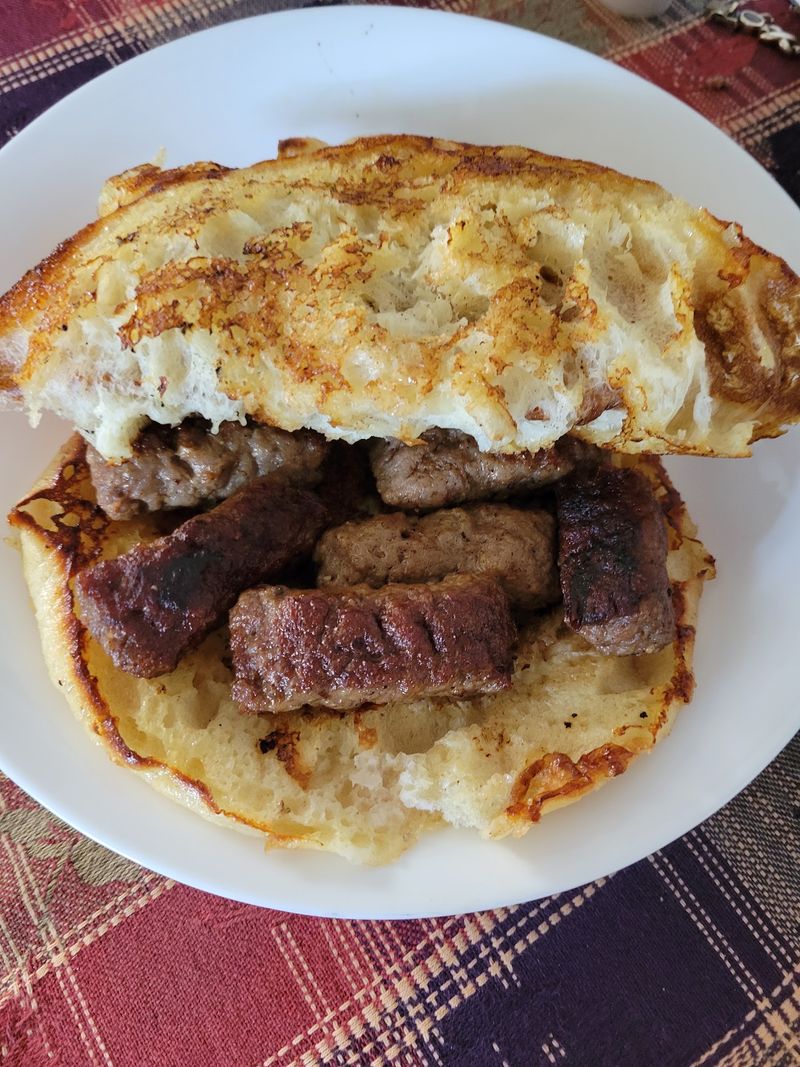
Fifteen years is a long time to perfect a single sausage. Before opening Balkan House, its founder prepared chevapi at a Hamtramck sports establishment for about that long.
The recipe came from an older Bosnian man in the community.
Here they’re made with halal beef and traditional seasoning, then served with homemade lepinja. Garlic, salt, and black pepper play important roles in the recipe, allowing the flavor of the grilled meat to remain central.
Ajvar and kajmak provide two very different accompaniments. Ajvar is a red pepper spread with gentle sweetness, while kajmak brings creamy richness.
Sliced onions offer a sharper contrast, and the soft bread makes it easy to assemble a little of everything in one bite.
You can order the sausages in different portion sizes or choose the mixed meat platter, which brings together several grilled specialties with salad, bread, and a choice of rice or fries.
Of all the items here, the chevapi offer a particularly direct connection to the restaurant’s Bosnian roots. The recipe carries its own story without needing a complicated presentation.
Bread Baked Every Morning Changes Everything
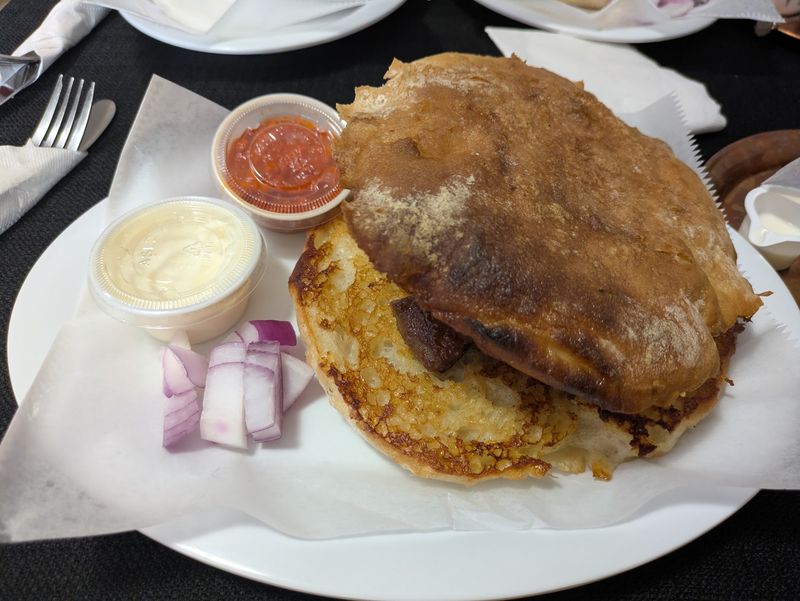
Every good sandwich needs a foundation, and at Balkan House, that foundation is lepinja.
The soft Bosnian flatbread is made in the kitchen rather than brought in as an ordinary packaged roll.
Lepinja is thicker and puffier than many flatbreads. Its gently browned exterior gives way to a tender inside that can hold grilled sausages, meat, vegetables, and sauce.
That matters when the fillings are substantial enough to turn a sandwich into lunch for a seriously hungry traveler.
The bread appears throughout the menu. It surrounds the classic döner, accompanies chevapi, and carries the Bosnian burger. Chicken and veal sandwiches also use the same house specialty, giving very different fillings a familiar base.
A mixed meat platter includes lepinja on the side, so it can be torn into pieces and eaten with grilled chicken, beef, and sausages.
It’s also a satisfying partner to bean soup, known as grah, when something warm and comforting sounds better than another sandwich. The filling might be the headline, but lepinja quietly makes the whole meal work.
Stuffed Burgers, Flaky Pies, And A German Detour
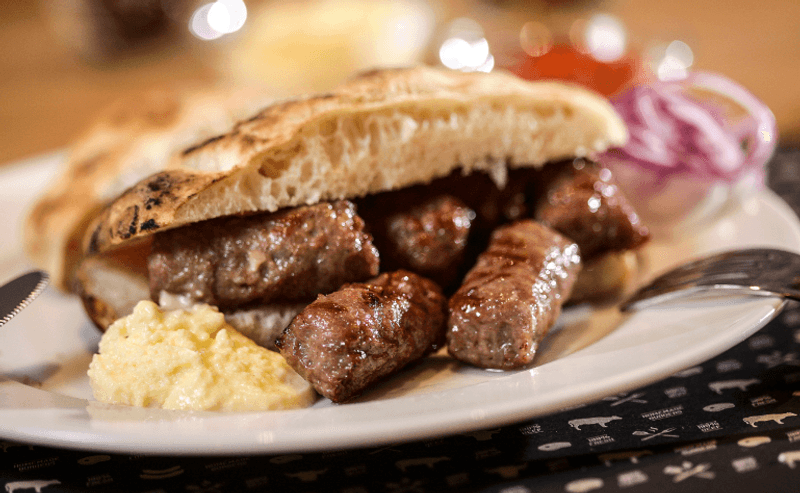
Cream cheese and a Bosnian burger might sound like an unusual pairing. Here, pljeskavica brings seasoned beef, a creamy addition, and homemade bread together in a substantial sandwich.
Burek appears on the current ordering menu, bringing flaky pastry into the lineup.
This Balkan specialty is traditionally prepared with thin layers of dough wrapped around a savory filling, with different versions found throughout the region.
Then the menu heads back toward Germany. Currywurst with fries offers another reminder of the years that shaped the restaurant’s cooking. It’s a different kind of street-food comfort from the bread-filled sandwiches, but it fits the same casual spirit.
For a larger meal, the mixed meat platter combines grilled chicken, beef, sausages, and chevapi. There are also chicken and veal kabobs, plus smaller burgers served with fries.
Vegetarians have options including falafel and a vegan burger with vegetables and vegan mayonnaise.
The menu reflects more than a single regional tradition, allowing a table of friends to try several different things without ordering the same sandwich twice.
Sauces Worth Asking For By Name
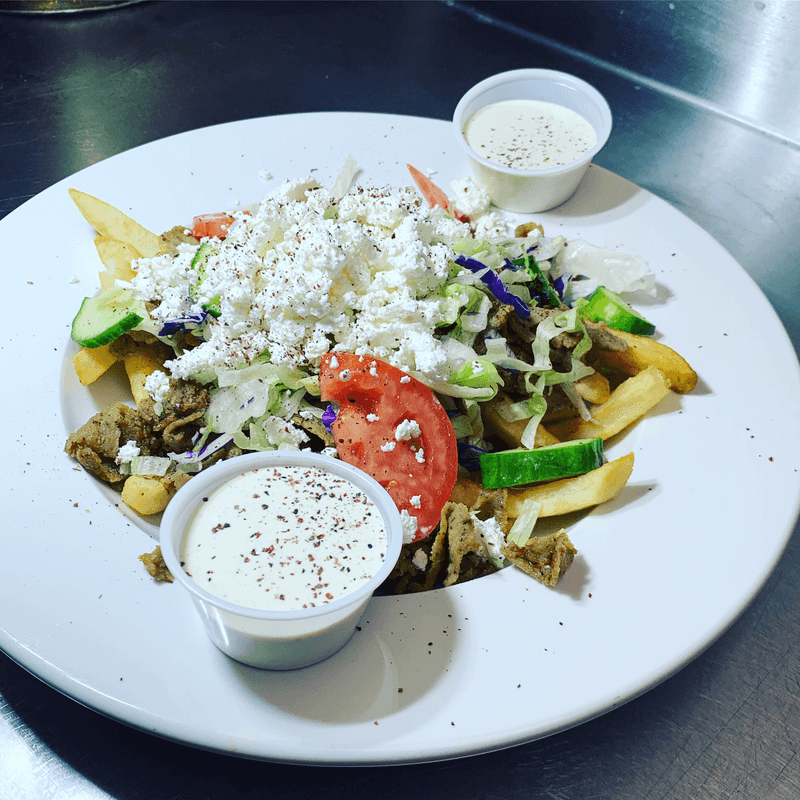
Some of the most interesting flavors at Balkan House arrive in small containers.
The döner sauce adds cool creaminess to seasoned meat, fresh vegetables, and lepinja. It’s the finishing touch on the signature sandwich, and the restaurant also offers larger containers for bringing that flavor home.
Ajvar takes the meal in another direction. Made from peppers, this Balkan spread brings a red color and a slightly sweet, savory taste. Pair it with chevapi or spread it onto a piece of warm bread.
Kajmak is richer and milder. This creamy Balkan dairy specialty makes a particularly good companion to grilled beef and the fresh bread served alongside it.
For something with more heat, the house hot sauce uses Scotch bonnet peppers, carrots, and spices. A little can go a long way, so there’s no need to overwhelm the other ingredients.
The sauces show why this Michigan restaurant’s food works so well for sharing. Two people can order the same grilled specialty and build entirely different bites with the accompaniments.
Save Room For Baklava And Turkish Coffee
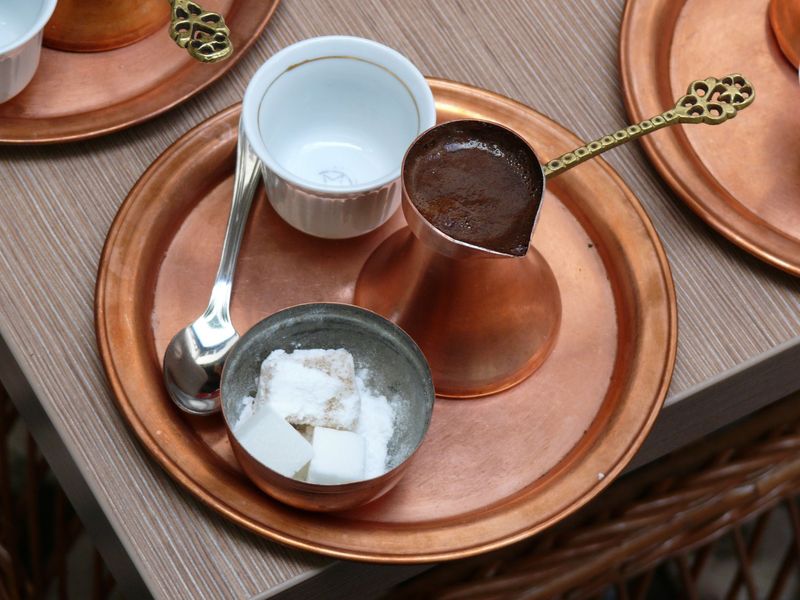
Dessert here comes in delicate layers. Baklava offers a sweet finish after the savory sausages, grilled vegetables, and richly seasoned sandwiches.
The pastry is made from thin sheets layered with nuts and sweet syrup, creating a crisp texture that contrasts with the soft bread used for the main dishes.
Homemade palačinke, or crêpes served with fruit, offer another dessert with a strong connection to Balkan home cooking.
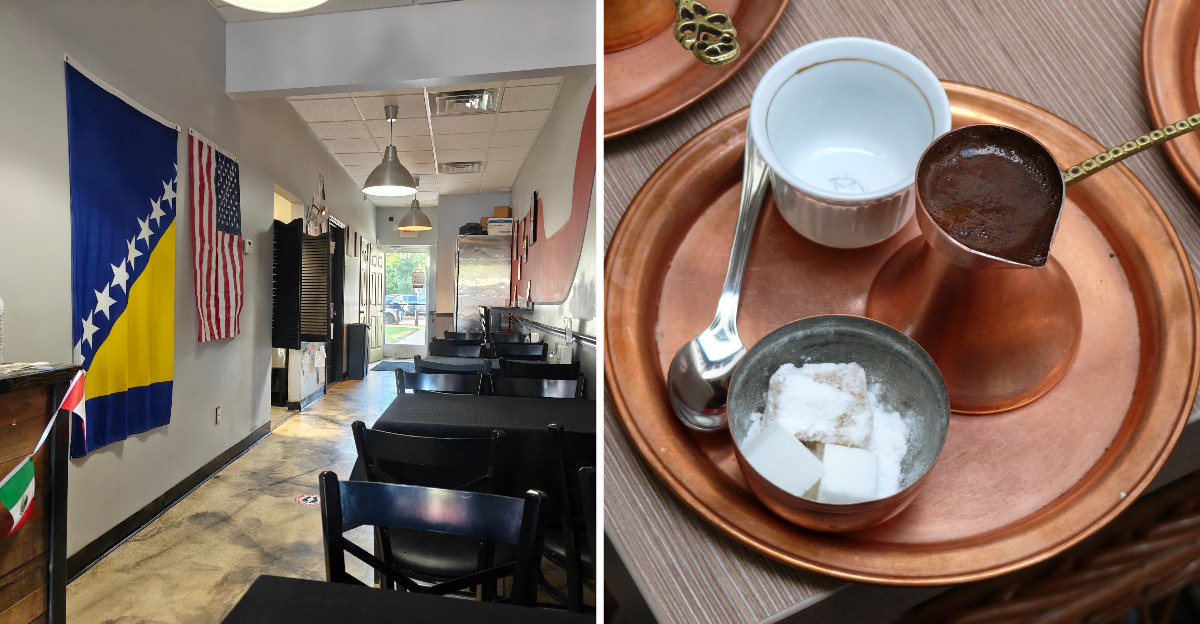
Turkish coffee is a fitting companion to those sweets. Prepared with finely ground coffee, it has a concentrated flavor and is traditionally served in a small cup. Let it rest briefly before drinking so the grounds can settle toward the bottom.
The drink selection also includes tea, fruit smoothies, and bottled specialties. For a lighter meal, there are vegetable and chicken noodle soups, along with grah, a Bosnian-style bean soup.
A Shopska salad offers tomatoes, onions, cucumbers, and feta, while a cabbage salad supplies a simpler, crisp option. It’s the sort of place where dessert and coffee can give an ordinary lunch a slower, more relaxed ending.
Plan Your Stop On Nine Mile Before Dinner Hits
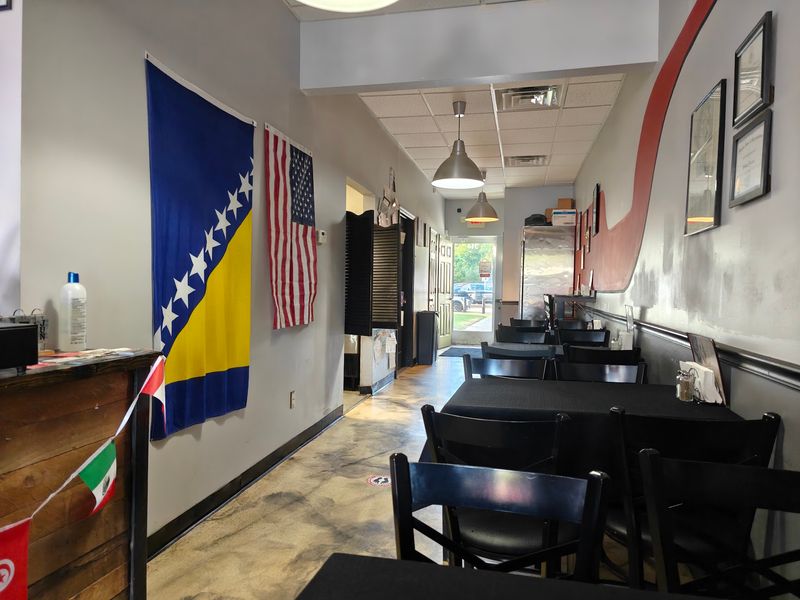
Finding it is the easy part. Balkan House Ferndale sits at 314 West Nine Mile Road, in the heart of downtown Ferndale, just north of Detroit.
The restaurant opened here in November 2019, several months after the original Hamtramck location began serving Bosnian and German-inspired street food.
The kitchen offers takeout and delivery as well as a few tables for dining in. Downtown street parking and municipal lots serve the surrounding area, so allow a little flexibility during busier periods.
The restaurant has expanded its opening hours since the Hamtramck closure, although published schedules differ. Check the day’s hours before making a special drive, particularly if you’re planning a late meal.
A Detroit location has also been planned for the Five and Dime development on Third Avenue. Its opening date has not been confirmed, so Ferndale remains the dependable address for now.
That is a useful detail for travelers exploring Michigan’s Bosnian food scene. Come for the döner, make room for the chevapi, and see whether one order of fresh bread is really enough.