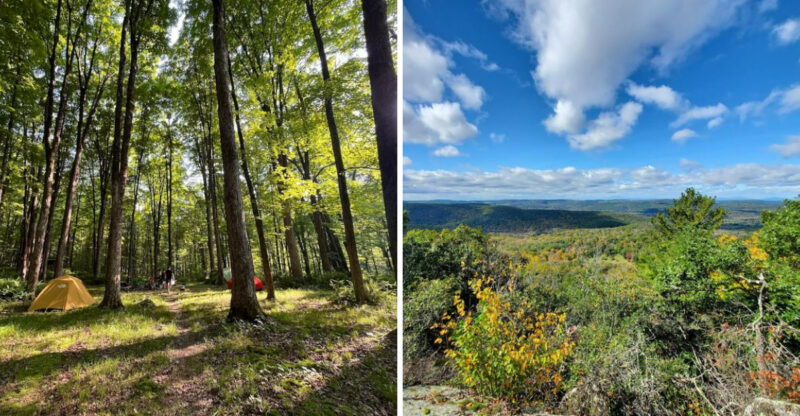
Connecticut’s November Hike Of The Month Is A Scenic Ridge Trail Worth Exploring Before Winter Sets In
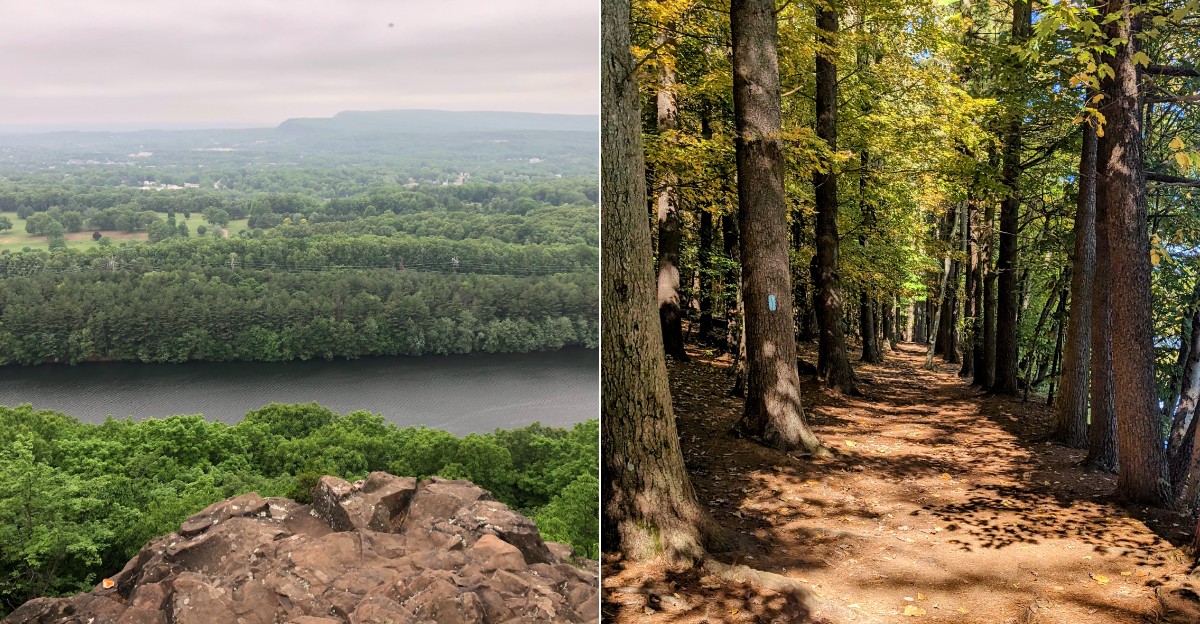
November hiking has a completely different feel from walking the trails in summer. The air is cooler, the trees are looking increasingly bare, and the landscape starts revealing views that leafy branches can hide.
And that can make a familiar trail surprisingly interesting.
One scenic Connecticut ridge hike offers an appealing outdoor escape as November brings the final stretch of autumn.
I love the thought of reaching a viewpoint and seeing how much the landscape has changed since the warmer months.
There’s something refreshing about spending a cool afternoon outside before winter weather makes hiking a little more complicated.
Of course, November conditions can be unpredictable. A trail that’s comfortable on a sunny day might feel very different after rain or an early frost.
But that’s part of what makes choosing the right day worthwhile.
The appeal isn’t about racing to the summit or setting a personal record.
Sometimes a good hike is simply about enjoying the scenery before the season changes again.
1. A Pocket-Sized Mountain With A Seriously Big Attitude
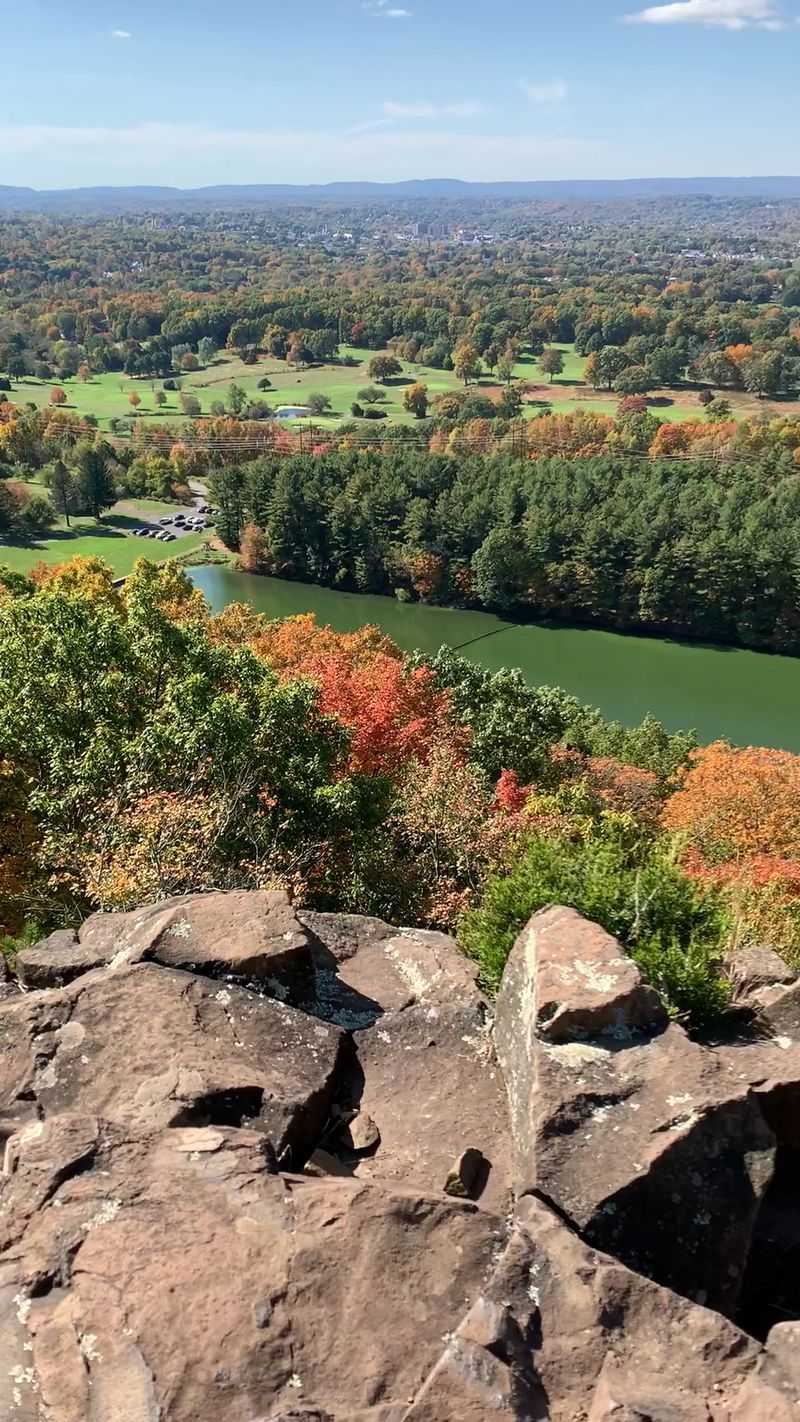
Don’t let the height fool you. This little mountain has some serious scenery packed into it, and the climb feels much bigger than the numbers suggest.
At just 688 feet above sea level, Chauncey Peak rises sharply above the surrounding landscape near Meriden. Its steep slopes create the kind of dramatic views you might expect from a much taller mountain.
The peak is part of the Metacomet Ridge, a chain of rocky hills formed from ancient volcanic activity roughly 200 million years ago. So those rocks beneath your hiking boots have quite a history.
What makes this outing especially appealing is how much you can experience without spending an entire day on the trail. Rocky cliffs and views across a nearby lake give the short hike plenty of variety.
November is a particularly nice time to visit. With fewer daylight hours, a manageable route means you can enjoy the scenery without feeling rushed to finish before sunset.
The climb does have some steep, rocky sections, so sturdy shoes are a smart choice. Still, hikers comfortable with moderate trails can enjoy the challenge.
And once you reach the higher viewpoints, you’ll understand why this relatively small peak gets so much attention. It’s proof that a mountain doesn’t need to be enormous to make an impression.
2. Those Cliffs Plunge Straight Into The Water Below
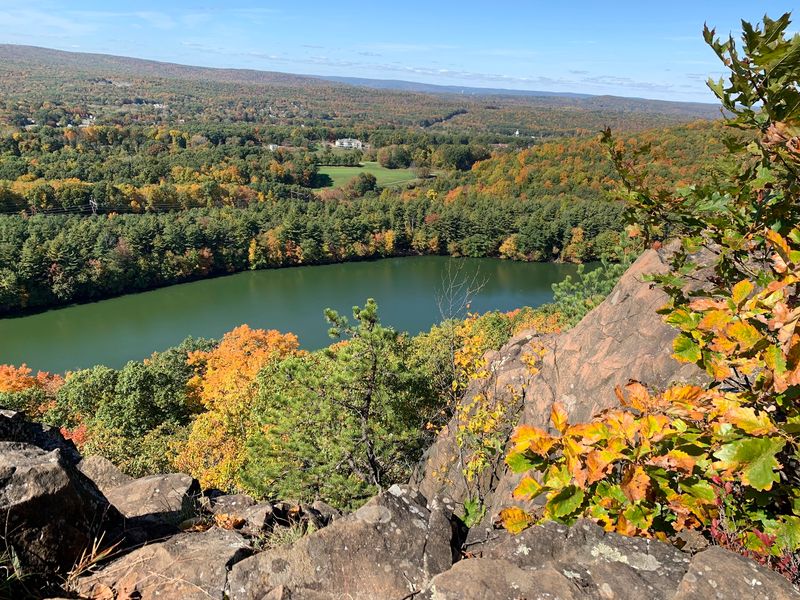
Three hundred feet. That’s how far the west-facing cliffs of Chauncey Peak drop toward Crescent Lake.
Standing near that edge feels a little like peeking over the side of a skyscraper.
The lake used to be called the Bradley Hubbard Reservoir. Today it serves as an emergency drinking water source for Meriden.
That’s why it looks so calm and untouched from above.
Photographers, take note. The contrast between dark rock and bright water makes almost any shot look planned.
Late autumn light softens everything, so the colors feel warm even on a cold day.
Please respect that edge, though. The rock can be slippery, especially after rain or frost.
Keep kids and leashed dogs close, and skip any urge to lean out for a dramatic selfie.
The overlook gives you the classic view of the whole cliff and lake scene. Find a flat rock, catch your breath, and enjoy the quiet.
3. Pick Your Loop Based On How Ambitious You Feel
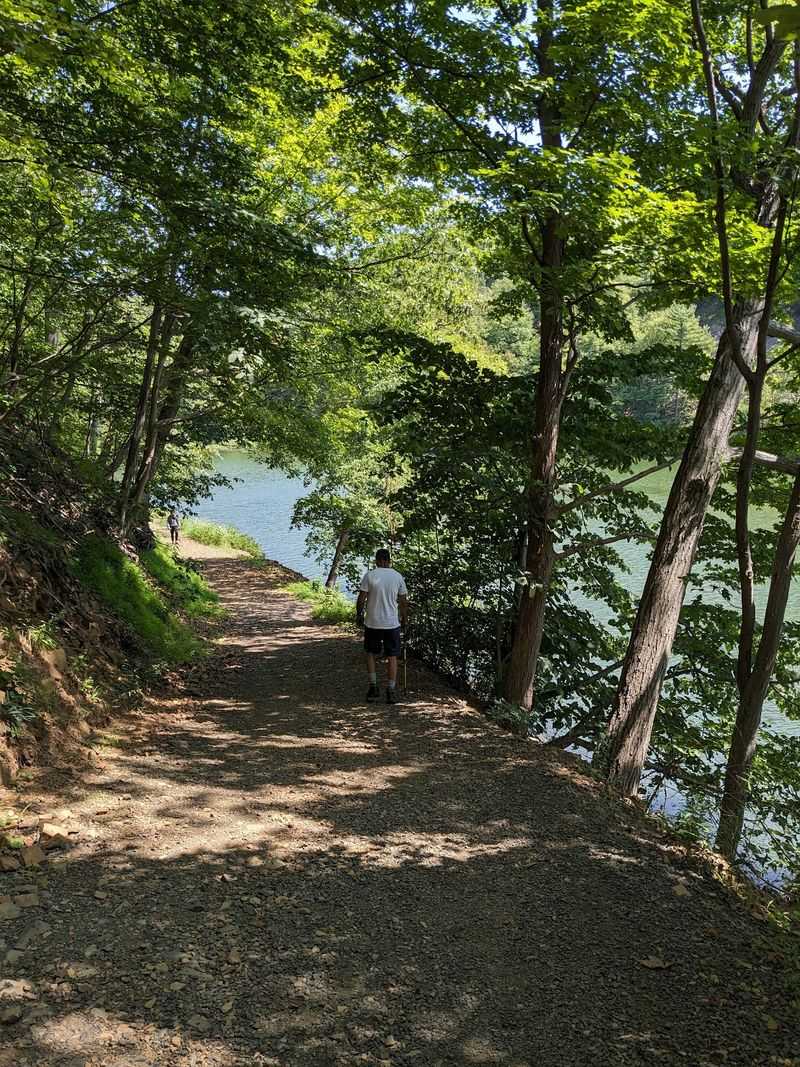
Short on time? The classic loop around Chauncey Peak runs about 2.5 to 3 miles.
Most people can finish it in a relaxed afternoon.
Feeling bolder, maybe after an extra cup of coffee? A longer loop of about 3.7 miles adds neighboring Lamentation Mountain.
That option gives you more ridge walking and more views for your effort.
The hike is rated moderate overall. Expect steep and rocky sections mixed with easier stretches through the woods.
Sturdy shoes with good grip make a real difference here.
Wet leaves in November can turn rocks into slides. Take your time on the downhill parts, where most slips happen.
Trekking poles can help if your balance likes backup.
One nice perk is how easy it is to adjust your plan. Start with the shorter loop and see how your legs feel.
You can always come back later in the season for the longer version. Few trails in the state offer such flexible options so close together.
4. Your Trail Map Got A Fresh Update Recently
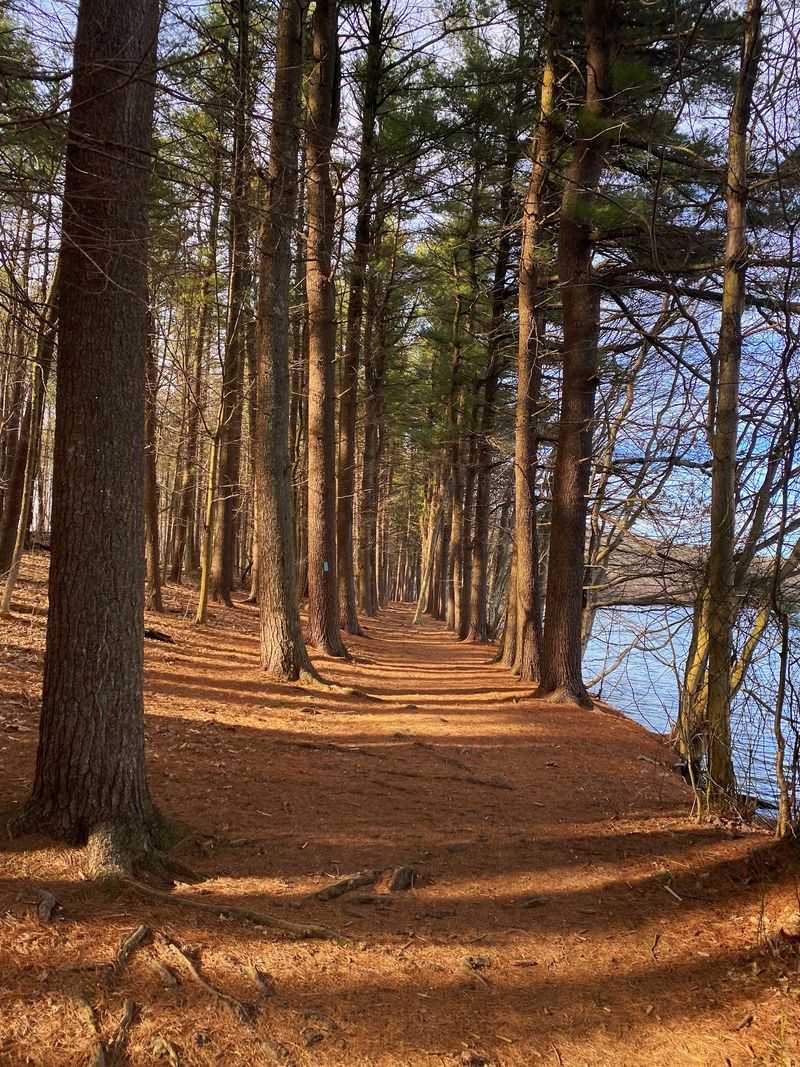
Old directions might send you the wrong way, so here’s the scoop. In November 2024, the Mattabesett Trail near Chauncey Peak moved to a new path.
The blue-blazed main trail now follows what used to be the blue and red blazed bypass. The overlook itself is reached by an unblazed side trail.
Follow the posted signs and you’ll be fine.
The Mattabesett Trail is also part of the New England National Scenic Trail. That’s a long-distance route stretching across Connecticut and Massachusetts.
Hiking here means you’re walking a small piece of something much bigger.
Another helpful change came around 2017. The first climb was rerouted to make the ascent more gradual.
Your knees and lungs will appreciate that kindness.
Trail markings have improved over the years too. Still, grab a map or a trail app before you start.
A quick check of current trail conditions before your visit is always smart, especially as weather turns.
5. On A Clear Day, The Horizon Shows Off
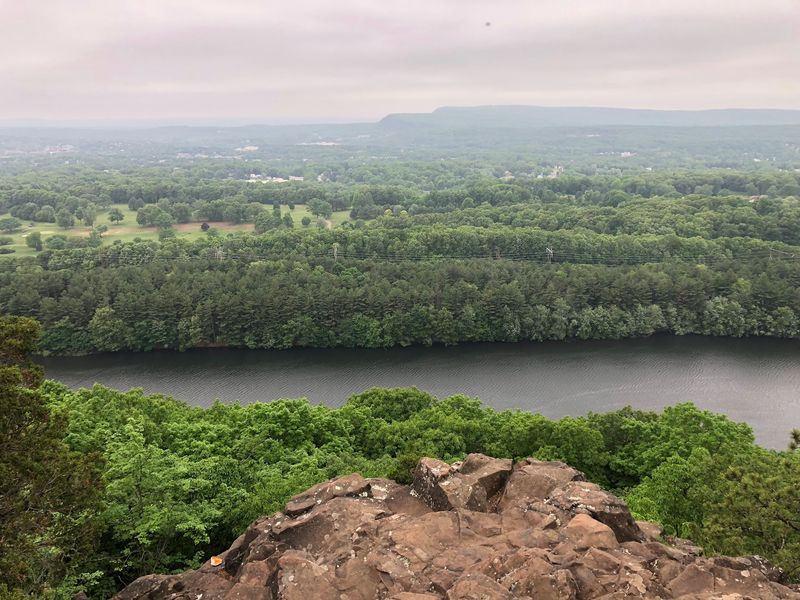
Hartford’s skyline sits roughly 15 miles away, and you can spot it from up here. That’s a pretty wild reward for such a short climb.
Panoramic viewpoints face east, south, and west from the summit area. Look one way for the Hanging Hills.
Turn another way to find Sleeping Giant stretched out on the horizon.
November is a smart month for long-distance viewing. Once most leaves fall, trees stop blocking sightlines.
Cool, dry air can also make faraway landmarks look sharper.
Timing helps too. Midday light works well for clear views, while late afternoon adds golden color.
Just remember the park closes 30 minutes after sundown, and the woods get dark fast. Pack a headlamp anyway, because November sunsets arrive earlier than you’d expect.
6. A Working Quarry Reveals The Mountain’s Insides
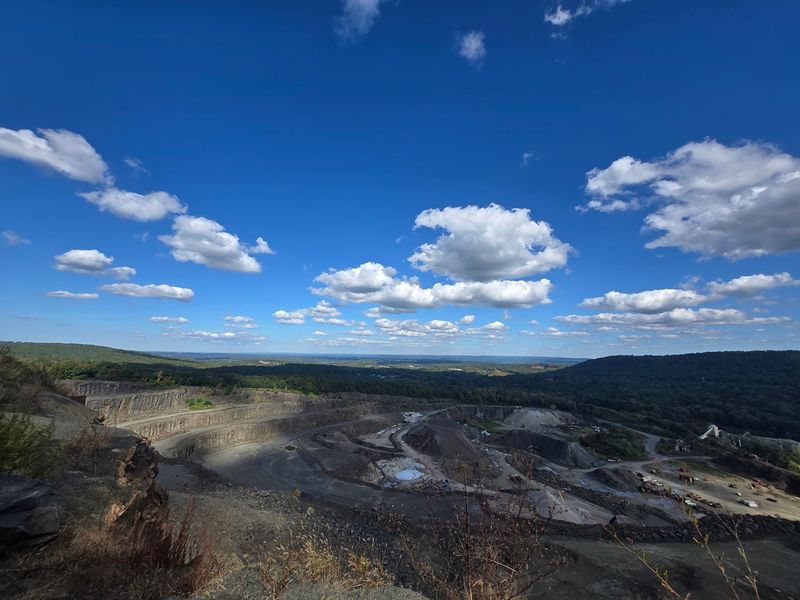
Most mountains keep their secrets hidden. Chauncey Peak shows you its insides, thanks to quarrying on its east side.
Parts of the trail look out over the active quarry operations. The cut rock exposes the mountain’s geological interior.
It’s like a science class diagram, only life-sized.
Some hikers find the quarry surprising at first. Then curiosity takes over.
Seeing the layers of basalt helps explain how this ridge formed from ancient lava.
Kids who love rocks may enjoy this part most of all. It’s a great moment to talk about volcanoes, time, and how land changes.
Even adults tend to slow down and stare.
Of course, stay on the marked trails near this area. Quarry edges are not places for exploring.
Enjoy the view from safe ground and let your camera do the climbing.
Together with the cliffs and lake, the quarry gives this hike its odd mix of scenes. Wild nature and human work sit side by side here.
7. The Park Around The Peak Deserves Its Own Visit
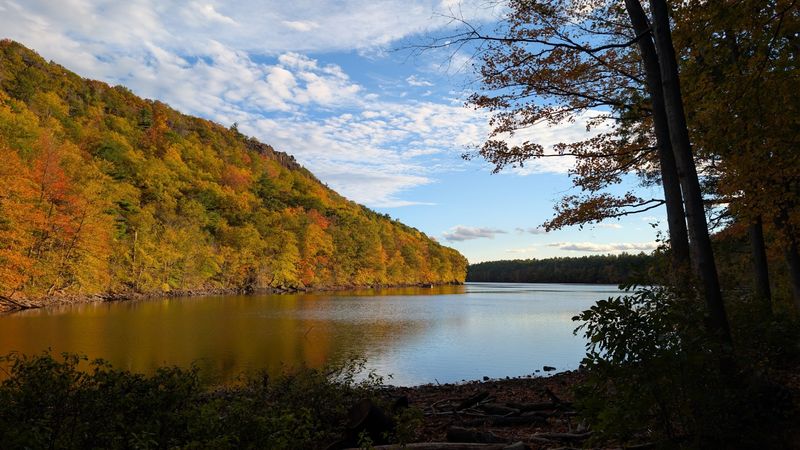
Nearly 600 acres surround the mountain, and they’re full of surprises. Giuffrida Park sits at 800 Westfield Road, Meriden, 06450.
The city of Meriden acquired the land in 1965. It was named in honor of Dr. Francis Giuffrida.
Today it holds Crescent Lake, quiet reservoirs, and wetland meadows.
About 24 miles of trails wind through the park in total. That means Chauncey Peak is only one chapter of the story.
You could visit many times and still find new paths.
Permitted activities include hiking, picnicking, and bicycling. Winter brings snowshoeing and cross-country skiing, so the fun keeps going after the snow arrives.
Some activities are restricted, though. Swimming, boating, and rock climbing are prohibited, while fishing at Crescent Lake requires special permission.
It’s a fair trade for such clean scenery.
The park opens at sunrise and closes 30 minutes after sundown. Plan around those hours, especially when November evenings arrive early.
8. Squeeze In This Hike Before The Snow Shows Up
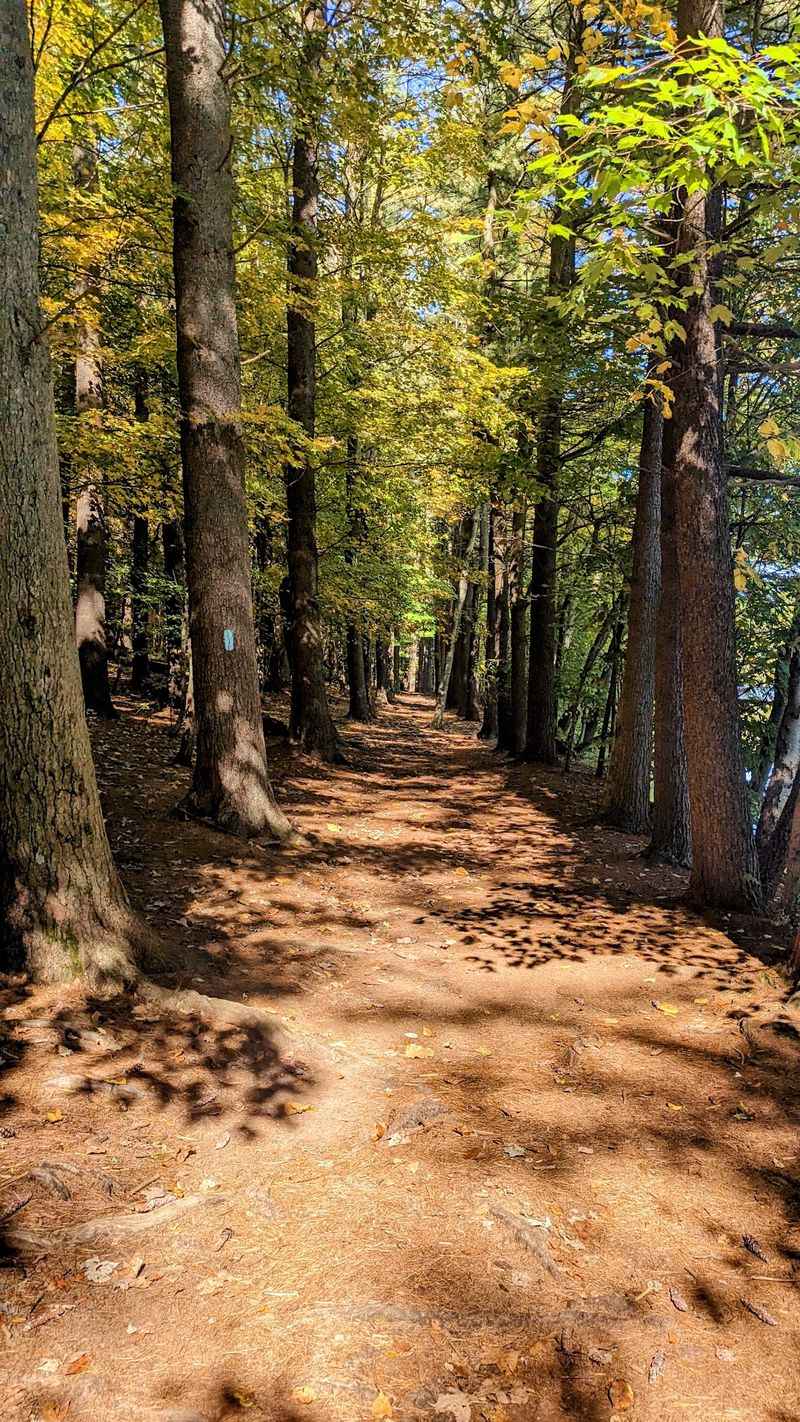
Autumn ranks as one of the best seasons for Chauncey Peak, mostly because of the foliage. Even late in the season, lingering color can still frame the lake beautifully.
November brings its own charm. Bare branches open up wider views, and cool air keeps you comfortable on the climb.
The cooler November temperatures can make the steep sections more comfortable, although the climb still takes some effort.
Dress in layers you can peel off easily. The summit can feel windy, even when the parking lot seems calm.
A warm hat earns its spot in your pack.
Footing matters more this month. Fallen leaves hide rocks and roots, and frost can make surfaces slick.
Good tread and slow steps keep the day fun.
Bring water and a snack for the top, because that view begs you to linger. Start early so you finish well before dark.
Once winter arrives, ice changes the whole trail experience. So grab a friend, pick a dry day, and go.