Snow Closed Every Road In Nebraska During The 1997 October Blizzard And Trees Still Show The Damage
More than a foot of heavy, wet snow landed on Nebraska trees that still had their leaves in October 1997. The branches never stood a chance.
One university campus lost about 2,000 of its 9,000 trees and shrubs in a single weekend. Nearly two-thirds of the trees in the state’s biggest city took damage.
Meanwhile, roughly 400 miles of Interstate 80 shut down, stretching from western Nebraska clear into Wyoming.
I love that this storm is still readable today if you know where to look. Lopsided crowns, healed-over stubs and trunks that grew in odd directions are quiet souvenirs from those three days in late October.
So which places tell the story best, and what should you look for once you get there? I gathered ten spots worth a slow look, starting with the numbers that still sound a little unbelievable.
1. University of Nebraska-Lincoln City Campus
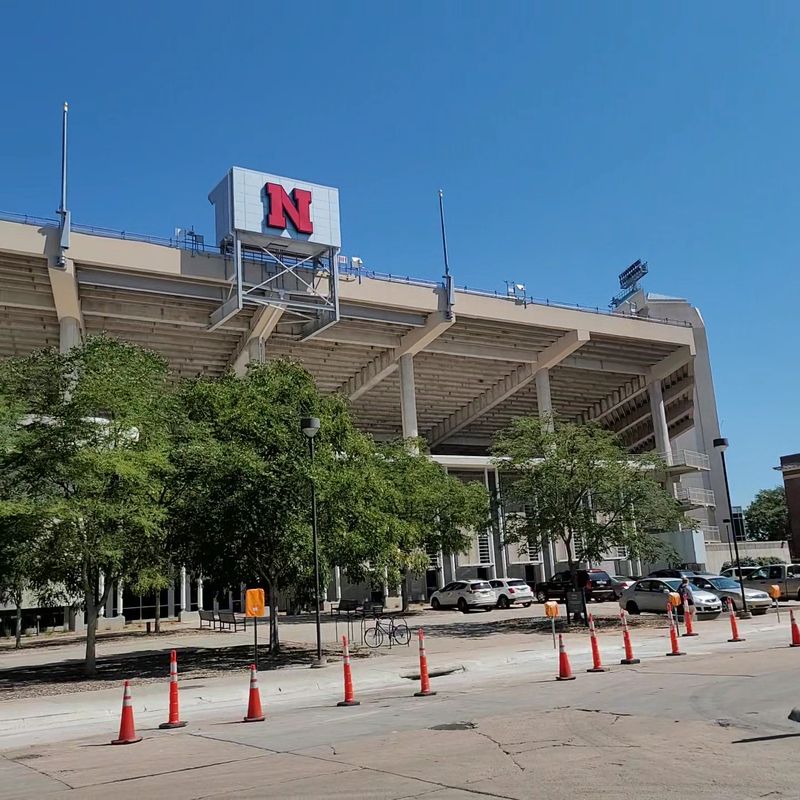
Two thousand trees and shrubs is a lot of shade to lose in one weekend. That’s roughly what the University of Nebraska-Lincoln gave up when the October 1997 blizzard rolled through.
The campus had about 9,000 trees and shrubs before the storm. So nearly a quarter of its green canopy was damaged or lost between October 24 and 26.
Why did it hit so hard? The leaves were still on, and those leaves caught wet snow like thousands of tiny shovels.
Branches split under the weight. Limbs dropped onto walkways, lawns and parking lots across the campus.
Today, the older survivors are the ones worth studying on a stroll. Look for trunks with large rounded scars where a big limb once grew, or crowns that lean noticeably to one side.
Many of the younger trees you’ll pass were planted in the years after the storm. In a way, the campus canopy is split into two generations: before 1997 and after.
It’s a free, easy walk if you’re already in Lincoln for a game or a museum stop. Bring a curious eye and look up more than you usually would.
Address: 1400 R St, Lincoln, NE 68588
2. Interstate 80 at Big Springs
Four hundred miles of interstate, closed at once. During the October 1997 storm, Interstate 80 shut down from Big Springs, Nebraska, all the way to Rock Springs, Wyoming.
That’s not a small detour. For truckers and travelers, it meant waiting out the storm wherever they happened to stop.
Big Springs sits near the spot where I-76 splits off toward Denver. Colorado closed stretches of I-25 and I-70 during the same storm, so options shrank fast.
Was every single road in Nebraska closed? Records point to major highways and plenty of local streets being shut or blocked, not literally the whole state.
Still, for anyone heading west that weekend, it probably felt like the whole map had locked up. Few people forget being stuck in a motel lobby watching snow pile on the parking lot.
There’s no plaque marking the closure here. The trace is in the landscape around you: wide-open plains where wind and snow can take over a highway quickly.
If you drive through today, notice the closure gates near the ramps. They’re a reminder that western Nebraska weather still gets the final say.
Address: Big Springs, NE 69122
3. Clay Center

Twenty-three inches of snow in October sounds like a typo. In Clay Center, it was the measured total from the 1997 storm.
That figure put this small south-central Nebraska town near the top of the snowfall list. Much of the region reported somewhere between 12 and 24 inches.
Here’s what made it worse. October snow tends to be wet and heavy, and it piles onto anything with a flat surface or a leaf.
Two feet of that on a backyard tree is a recipe for broken limbs. Farm shelterbelts and town trees took the same beating across the area.
You can drive through Clay Center today and see a tidy prairie town under a big sky. The older trees along residential streets are the ones that lived through that weekend.
Some may show uneven branching, or a missing leader that a new branch replaced. Arborists often call that kind of regrowth a sign of old storm injury.
It’s a good stop on a south-central Nebraska drive. Pair it with a slow loop through town, and you’re reading weather history without opening a single book.
Address: Clay Center, NE 68933
4. Memorial Park
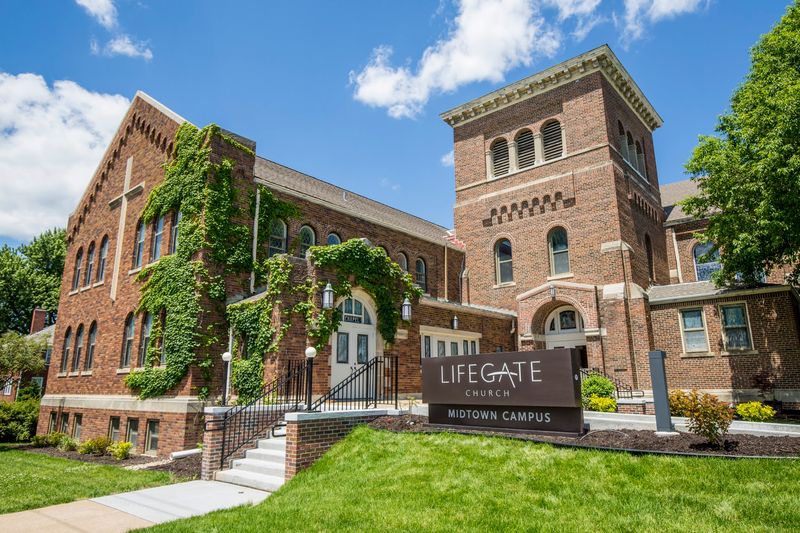
Omaha got 9.2 inches of snow, which doesn’t sound wild for Nebraska. Then you learn nearly two-thirds of the city’s trees were damaged.
The difference was timing. Snow that size in January lands on bare branches, but in late October it landed on full leaves.
Streets were blocked by fallen limbs, and normal travel took days to return. Chainsaws became the soundtrack of Omaha neighborhoods for weeks.
Memorial Park makes a fine place to think about that canopy. It’s one of the city’s best-known green spaces, with broad lawns and big trees around the hilltop memorial.
As you walk, compare tree shapes. Mature trees that keep a full, even crown stand next to others with flattened tops or one-sided growth.
Not every odd shape traces back to 1997, of course. Wind, age and pruning all play a role, so treat it like a detective game, not a test.
The view from the top of the hill is worth the walk on its own. Come in October, and you’ll be standing in the same season the storm arrived.
Address: 6005 Underwood Ave, Omaha, NE 68132
5. Pioneers Park
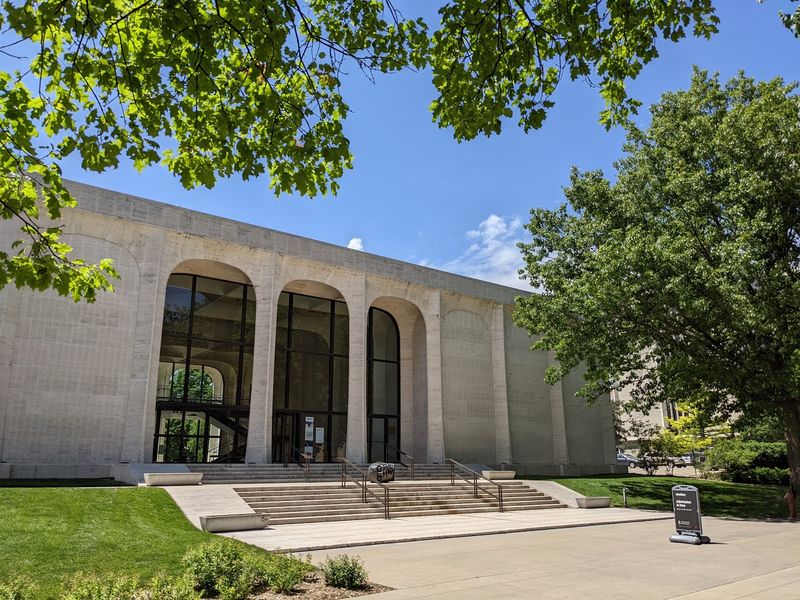
Lincoln measured somewhere between 13.2 and 14 inches during the storm. That’s more than a foot of snow before most people had raked their first leaves.
Neighborhood streets turned into obstacle courses of broken branches. Crews spent weeks hauling debris to the curb and beyond.
Pioneers Park, on Lincoln’s southwest side, is a roomy place to see what a Nebraska tree canopy looks like decades later. Its sprawling grounds mix open prairie with stands of older trees.
So what are you looking for? Large rounded bulges on trunks often mark spots where a heavy limb tore away and the bark slowly sealed over.
You might also notice trees with several competing tops. That can happen when the main leader snaps and side branches race upward to replace it.
Nobody can promise which specific tree here took a 1997 hit. Still, the patterns are useful to know, and they’ll change how you see older trees anywhere in town.
Bring a jacket if you visit in fall. Late October in Lincoln can feel mild one day and wintry the next, which is exactly how the storm surprised people.
Address: 3201 S Coddington Ave, Lincoln, NE 68522
6. Omaha Public Power District
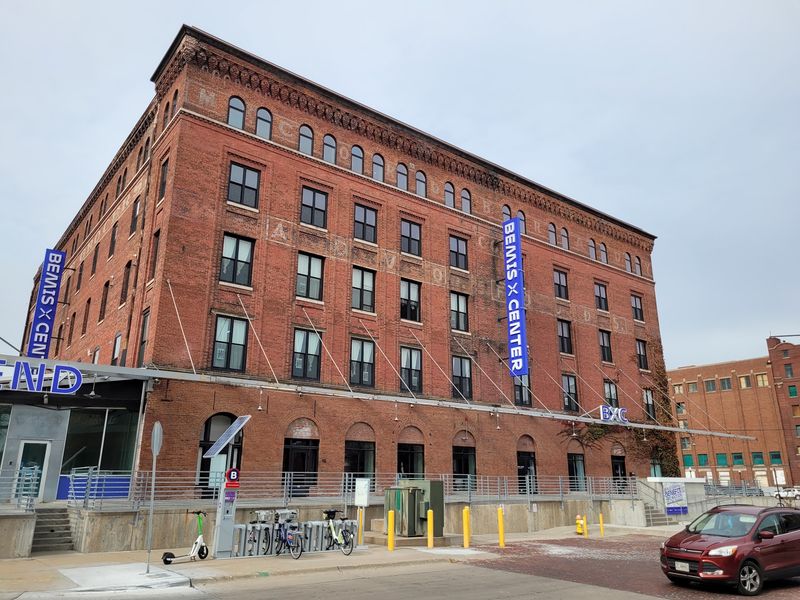
Nearly 300,000 homes and businesses across Nebraska and Iowa lost power. That’s a stunning number for a storm that arrived before Halloween.
Falling limbs were the main problem. Branches heavy with snow and leaves snapped onto power lines, one block after another.
In Omaha, the local utility faced a cleanup that stretched on for days. Many families spent chilly October nights by flashlight, wondering when the heat would return.
Think about that next time you see a crew trimming branches away from the lines. Some of that careful clearance work became a bigger priority after storms like this one.
The trace here isn’t a monument. It’s in the trimmed, V-shaped canopies you’ll spot above many older Omaha streets, where branches were cut back from the wires.
Those shapes can look odd at first glance. Once you know the story, they read like a long-running answer to a very bad weekend.
There’s no tour to sign up for. Just drive an older Omaha neighborhood and look up at the line between treetops and power lines.
Address: 444 S 16th St, Omaha, NE 68102
7. Hardin Hall
Once in 200 years. That’s how University of Nebraska-Lincoln climatologist Ken Dewey described the October 1997 storm.
Coming from a weather expert, that’s a strong statement. It tells you this wasn’t just a bad snow, but a rare combination of timing, moisture and leafy trees.
Hardin Hall on UNL’s East Campus is home to the School of Natural Resources. It’s a fitting stop for anyone curious about the science behind Nebraska weather.
The building sits on a campus known for its plant and agricultural research. Trees and landscapes here are studied, not just admired.
Why does that matter for the storm story? Researchers and foresters used events like 1997 to rethink which tree species hold up best under heavy, early snow.
Some trees shed weight more easily, while others hold on and snap. That lesson shaped planting choices in Nebraska communities after the cleanup.
Wander East Campus for a calmer, greener side of Lincoln. You’ll be walking through the same academic world that helped explain what happened that weekend.
Address: 3310 Holdrege St, Lincoln, NE 68583
8. Arbor Lodge State Historical Park
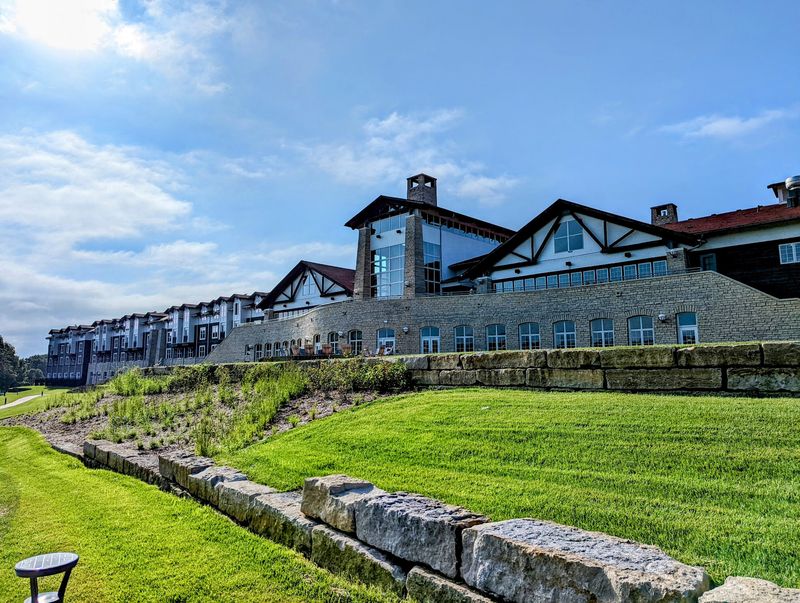
Nebraska invented Arbor Day, so a tree-wrecking storm hits a little closer to home here. Arbor Lodge in Nebraska City honors J.
Sterling Morton, the man behind the holiday.
The grounds are full of trees, which makes it a smart place to learn how trees handle stress. You’ll find a range of species growing side by side.
Here’s the science that matters. Trees that still have leaves in October act like nets, catching far more snow than bare branches can.
Wet snow is heavy, too. Add a foot of it to a fully leafed limb, and the weight can easily exceed what the wood can hold.
Walking the grounds, compare how different species branch. Some grow narrow, upward angles that can split under load, while others spread wider and sturdier.
It’s a gentle lesson in why some Nebraska yards lost nearly every big tree in 1997, while the house next door kept its shade.
Pair the visit with a fall drive through southeast Nebraska. Morton would probably appreciate you paying close attention to the trees.
Address: 2611 Arbor Ave, Nebraska City, NE 68410
9. Elmwood Park
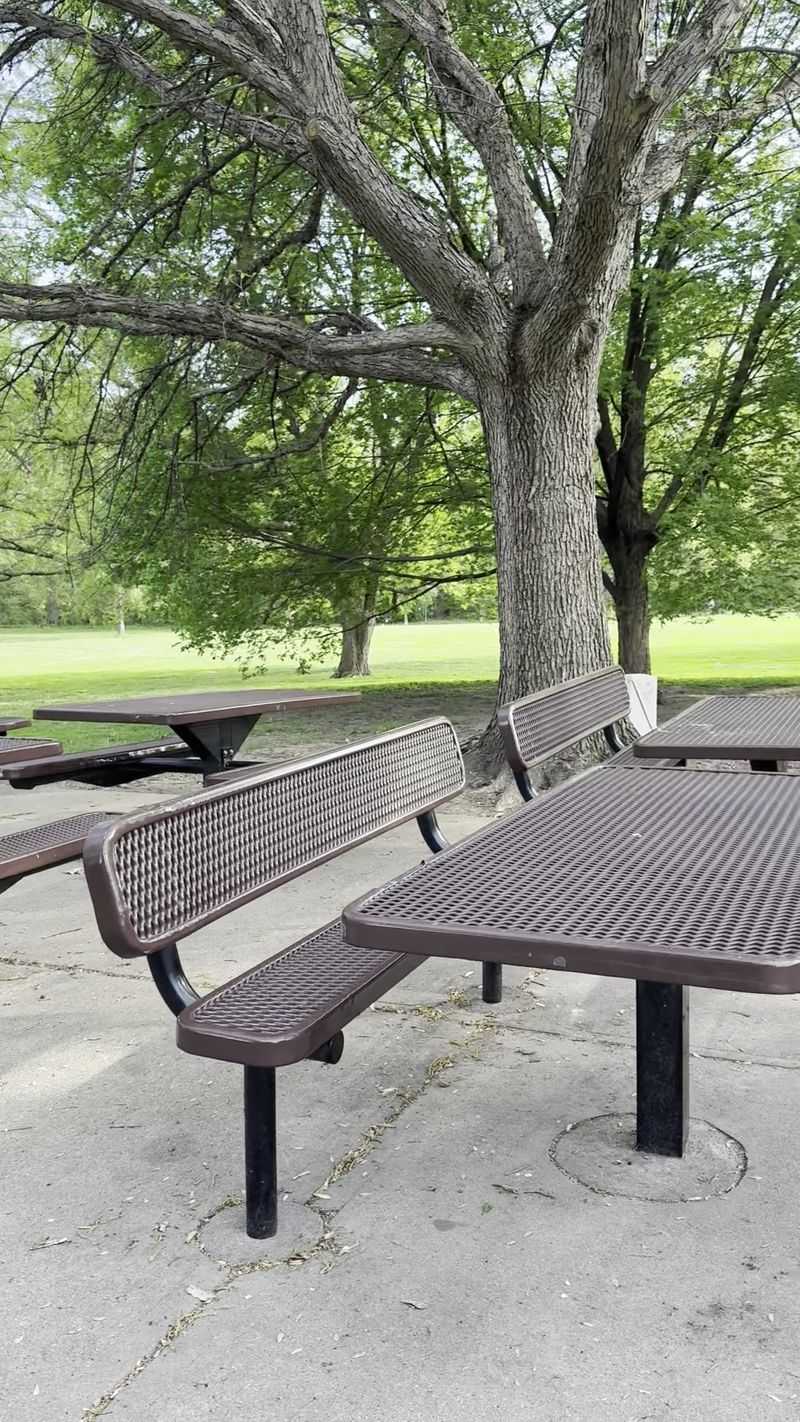
Old trees keep receipts. Elmwood Park, one of Omaha’s older city parks, is a great place to practice reading them.
Big trees here have been growing for generations. Any that stood in 1997 had to carry that heavy October snow along with the rest of the city.
Start with the trunk. A smooth, rounded ridge of bark, sometimes called a callus, often forms where a large limb broke away years earlier.
Next, check the crown. A tree with a lopsided top, or a gap where a big section should be, may be showing old storm loss.
Look for sprouts, too. Clusters of thinner branches growing from one spot can mark where the tree tried to rebuild after a break.
None of this proves a specific 1997 injury. Still, it gives you a way to see a decades-old event in living wood, which feels a bit like time travel.
It’s a free outing, and the park’s shaded paths make for an easy afternoon. Kids especially enjoy turning it into a scar hunt.
Address: 802 S 60th St, Omaha, NE 68106
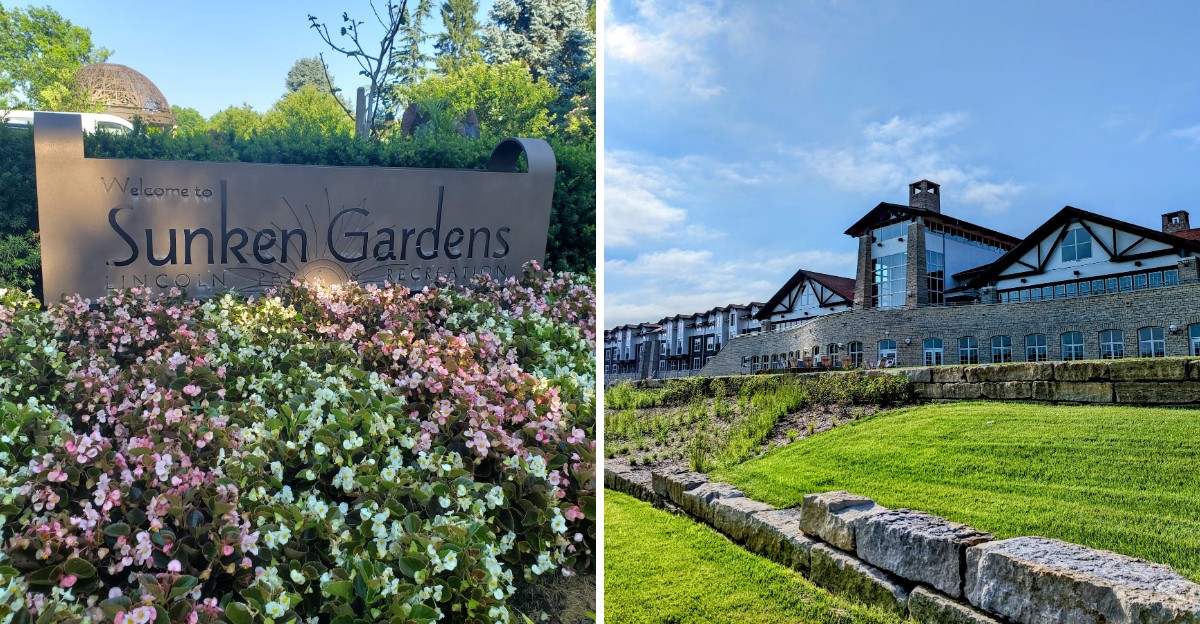
10. Sunken Gardens

Twenty years after the snow, Nebraskans threw a party for trees. A 2017 event called the Tree-mendous Celebration marked the anniversary and the long recovery since.
That name might earn a groan, but the idea behind it is lovely. Communities replanted, waited, and watched new canopies slowly fill the gaps.
Lincoln’s Sunken Gardens makes a cheerful place to think about that comeback. It’s a free, terraced garden packed with seasonal plantings and framed by older trees.
Gardens like this remind you that landscapes are never finished. Something always gets replanted, pruned or rebuilt after a rough season.
The trees planted right after 1997 are now well into middle age. Many Nebraska streets that looked bare after the cleanup have shade again.
That’s the hopeful part of this story. The scars are still there if you look, but so is a generation of growth that came afterward.
Visit on a mild fall day and enjoy the color. Then glance at the bigger trees around the edges and ask yourself how old they really are.
Address: 2740 A St, Lincoln, NE 68502