Over 130 Cats Roam This North Carolina Sanctuary, But Its Troubling 2026 Controversy Has Raised Serious Questions
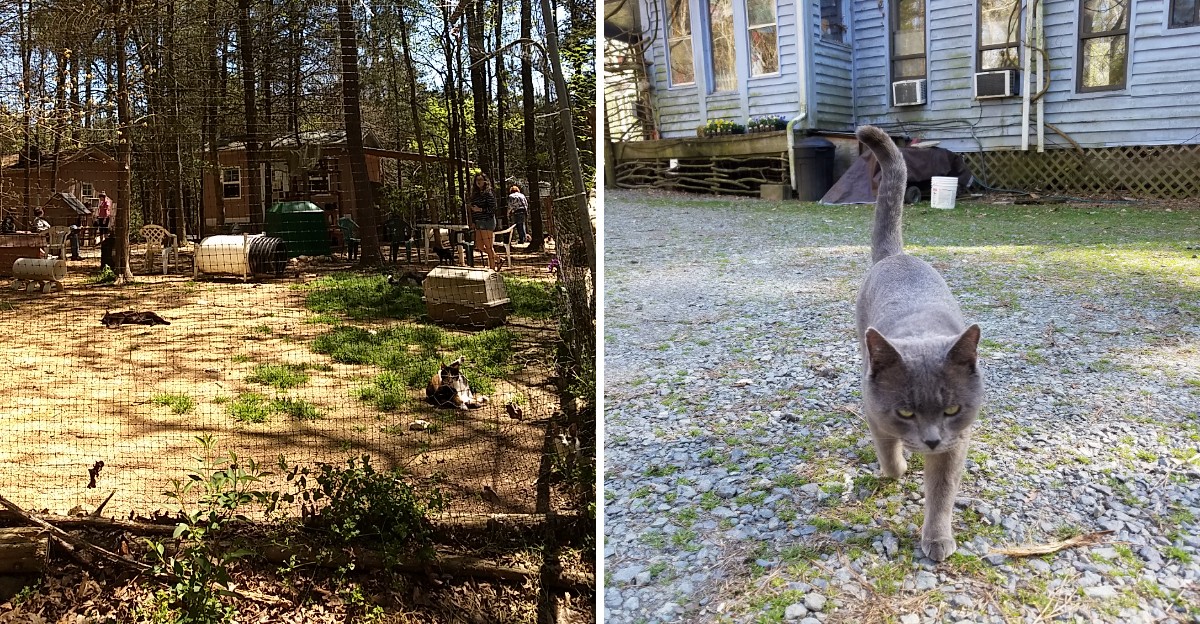
More than 130 cats roaming a 16-acre farm sounds like the kind of place I would want to understand before forming an opinion.
The North Carolina sanctuary grew from one woman’s deeply personal idea after she rebuilt her home and pottery studio.
Instead of cages, she wanted open space where cats could move freely.
Her artwork even helps support the operation, which makes the whole project feel tied closely to her own life.
Then the story became much more complicated.
State inspectors later documented serious concerns, and the shelter’s license was suspended.
I do not think either side of that history should be brushed aside.
The original dream was clearly ambitious and heartfelt.
The regulatory problems were real too.
For me, the interesting question is what happens when a compassionate idea grows much larger than anyone first imagined.
A Cage-Free Farm Where Cats Call the Shots
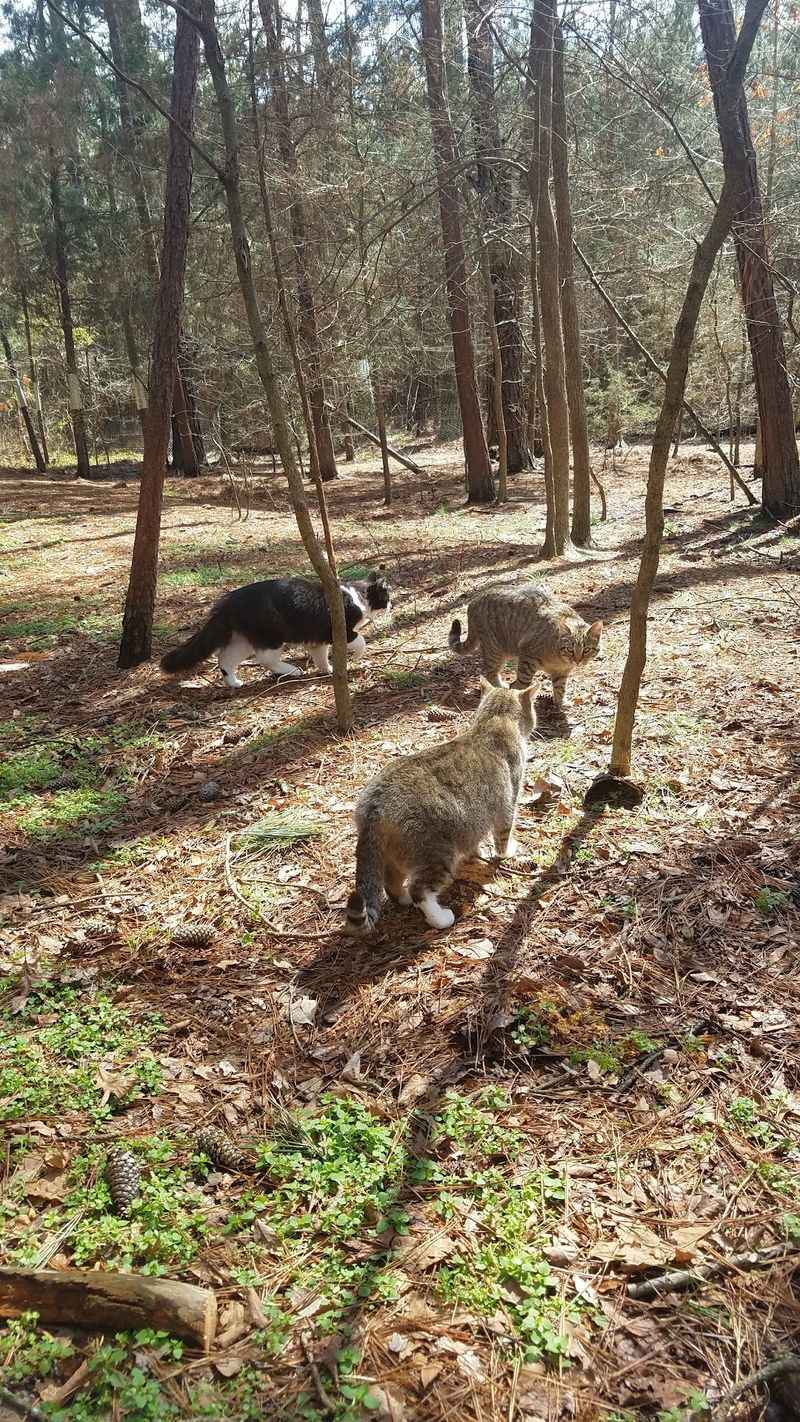
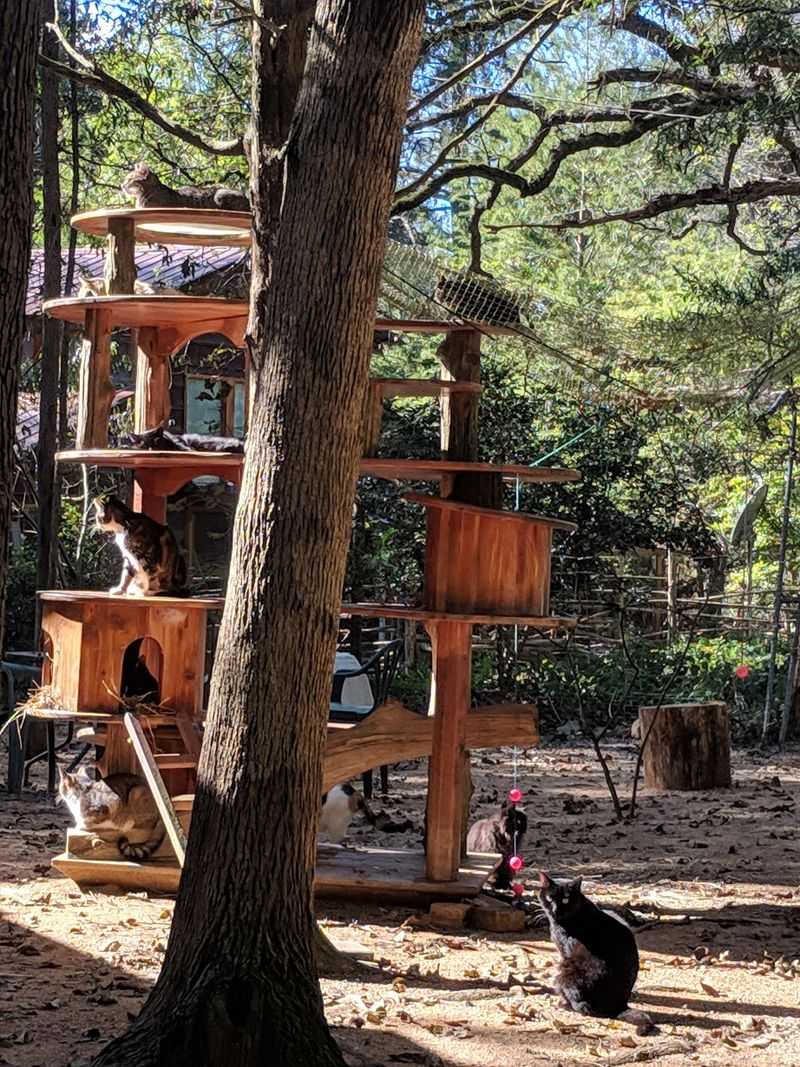
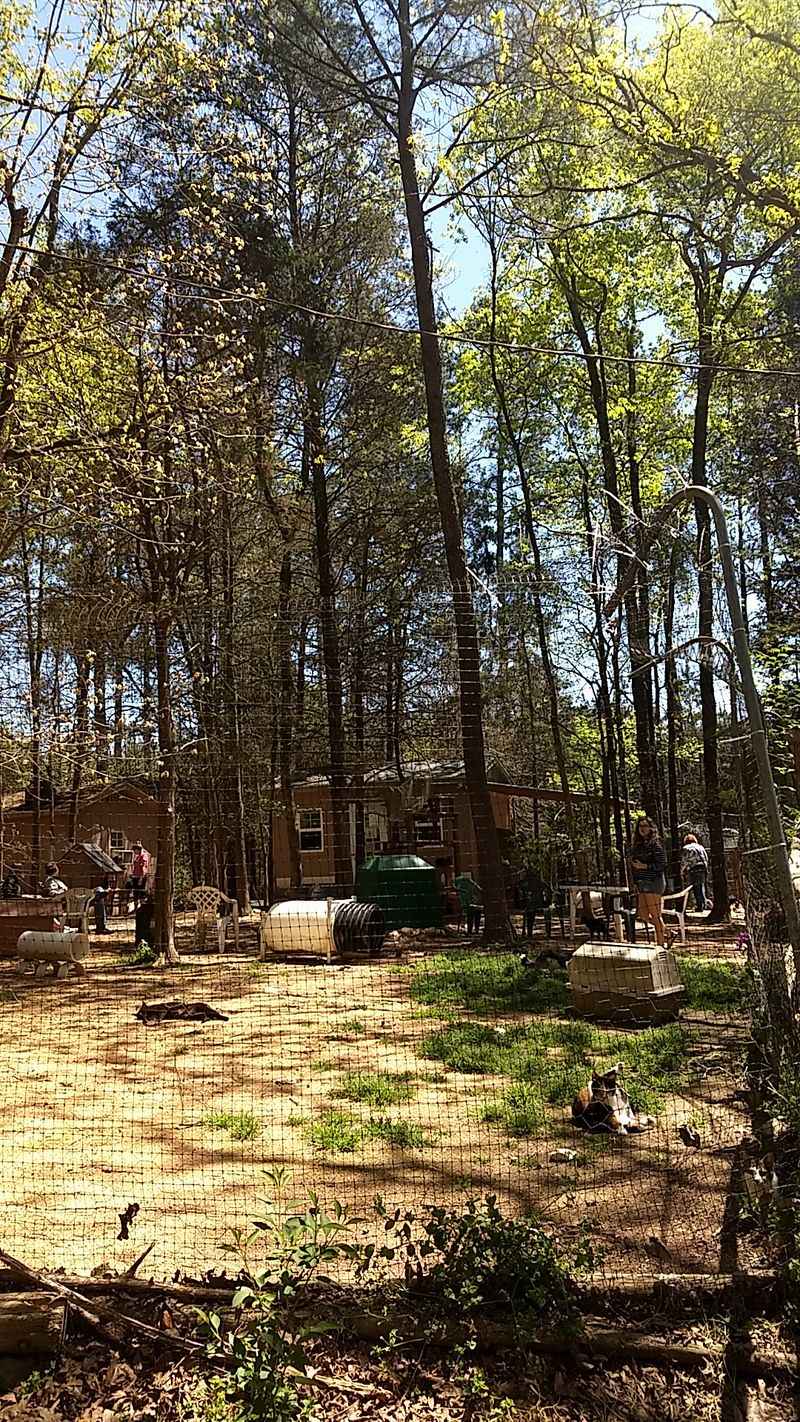
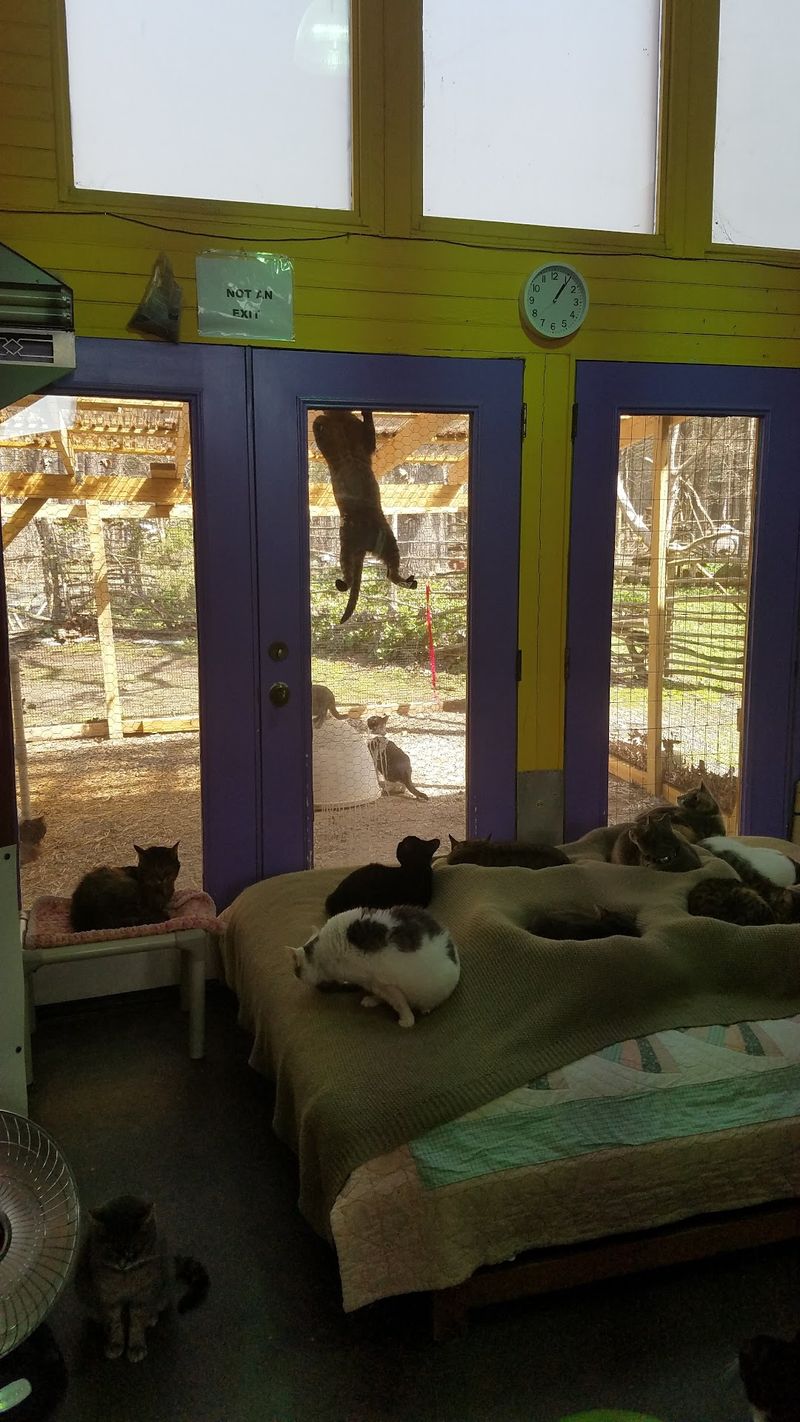
Cages are the exception here, not the rule. The Goathouse Refuge lets its cats wander freely around a large farm in Pittsboro.
Only sick cats and brand-new arrivals stay in cages until a vet clears them.
That setup makes this place very different from a typical shelter. Most shelters keep cats in small kennels while they wait for homes.
Here, cats can nap indoors, stroll outside, and pick their own favorite sunny spot.
The property covers about 16 acres. It has both indoor and outdoor spaces for the animals.
The refuge says it can hold up to 300 cats, though the number always shifts as cats come and go.
A January 2026 report documented more than 130 cats living at the refuge. The population changes over time, and a verified count for November 2026 is not available.
Why does free roaming matter? Cats get exercise, fresh air, and a chance to act like cats.
For shy or scared animals, that freedom can help them relax before meeting new people. Supporters see it as a kinder way to wait for a forever home.
The Potter Whose Heartbreak Built a Sanctuary
Siglinda Scarpa never planned to run a cat shelter. She’s an Italian-born artist, and her land was first meant for a pottery studio.
Then a fire destroyed her house and studio, and everything changed.
When she rebuilt, she designed the space with cats in mind. Her reason runs deep.
She lost a beloved cat as a child, and that grief stayed with her for years.
She has also shared that she felt misunderstood as a kid. Maybe that’s why she connects so strongly with animals who don’t fit in anywhere else.
The refuge took shape around 2006 and 2007.
Scarpa was 85 years old by June 2026. She has spoken openly about her health struggles.
Still, she says capable people are now helping manage daily life on the farm.
It’s rare to see a shelter so tied to one person’s life story. Her art, her home, and her mission all overlap on the same land.
That personal touch is a big part of the refuge’s charm. It’s also part of why the recent troubles have hit supporters so hard.
Pottery, Sculptures, and Cookware Help Pay for Cat Food
Shopping for a vase could help feed a kitten. On the first floor of the main house sits an art gallery filled with Scarpa’s handmade work.
You’ll find pottery, sculptures, and cookware, all made by the founder herself.
Sales from her art go toward supporting the refuge. She has also funded the sanctuary through Italian cooking classes and by renting out her Tuscan villa.
That’s one creative way to keep a cat farm running.
Running a shelter with 130-plus cats costs a lot. Food, litter, medicine, and vet visits add up quickly.
Every handmade bowl that leaves the gallery chips away at those bills.
The gallery also gives visitors something extra to explore. You can admire the art between cat cuddles.
A small gift shop with merchandise has been part of the experience too.
If you visit, plan a little time for browsing. Even if you don’t buy anything, the art tells you a lot about the woman behind the refuge.
A donation is always welcome as well. Supporting the cats and supporting the artist end up being the same thing here.
Goats and Chickens Steal a Little of the Spotlight
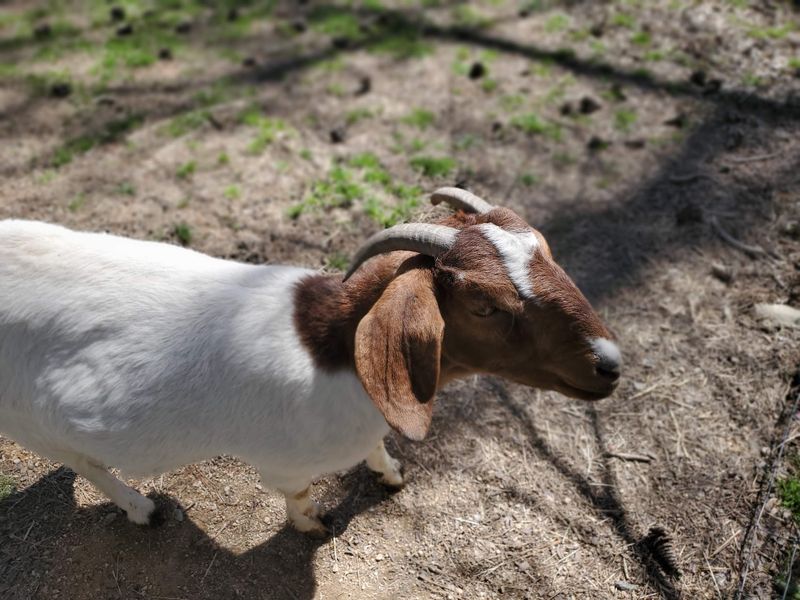
The name isn’t just for show. Goats have long been part of life at this Chatham County farm.
Past reports also mention chickens wandering around, which adds to the country feel.
Of course, cats are the main stars. Still, the goats give visitors something fun to see on the way up to the main buildings.
Kids especially tend to love a goat sighting.
A farm with mixed animals feels relaxed and homey. It reminds you this isn’t a cold, clinical building.
It’s a working piece of North Carolina countryside with a big soft spot for animals.
That said, the goats aren’t the reason most people come. The refuge exists to rescue and rehome cats.
Think of the goats as a cheerful bonus rather than the main event.
If you’re bringing younger family members, the farm animals can make the trip easier. Not every child has the patience to sit quietly waiting for a shy cat to come over.
A few minutes with the goats can break things up nicely. Just remember to follow any rules posted around the animal areas.
State Inspectors Found Problems You Can’t Ignore
Late 2025 brought hard news. The North Carolina Department of Agriculture’s Animal Welfare Section inspected the refuge several times between September and November.
Inspectors listed a long string of violations.
Inspectors documented missing veterinary records, difficulties identifying individual cats, unsafe or deteriorating facilities, and failures to provide timely medical care. The violations extended beyond paperwork and included concerns about the animals’ health and safety.
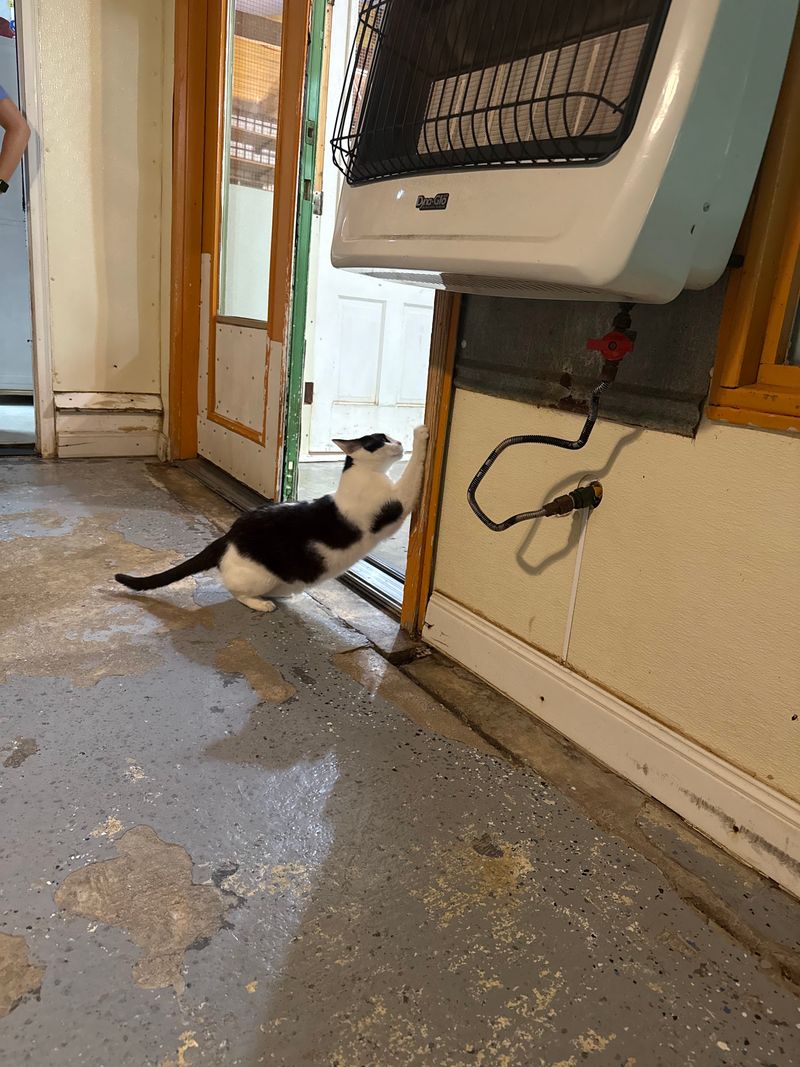
The buildings had issues too. Some enclosures and exercise areas were in disrepair.
The outer fence wasn’t secure enough to hold cats, electrical outlets were uncovered, and smoke and carbon monoxide alarms were missing.
The state ordered the refuge to stop operating except for rehoming cats. It also issued a civil penalty.
On December 19, 2025, the state suspended the shelter’s certificate of registration.
A February 2026 follow-up inspection was marked disapproved. Inspectors found conflicting adoption records for a cat named Marble 4.
Although adoption paperwork had been completed, the cat remained at the refuge because of an eye infection, and the prospective adopters later told state officials they had decided not to proceed. Inspectors also documented multiple cats with severe dental disease, including cases requiring extensive tooth extractions.
Because the conditions had persisted, the state ordered additional veterinary assessments and restricted adoptions and transfers until specified requirements were met.
Repairs, Fresh Paint, and a Hopeful Update
June 2026 brought a brighter message from the founder. Scarpa said the refuge had passed an inspection.
She expected its license to come back soon.
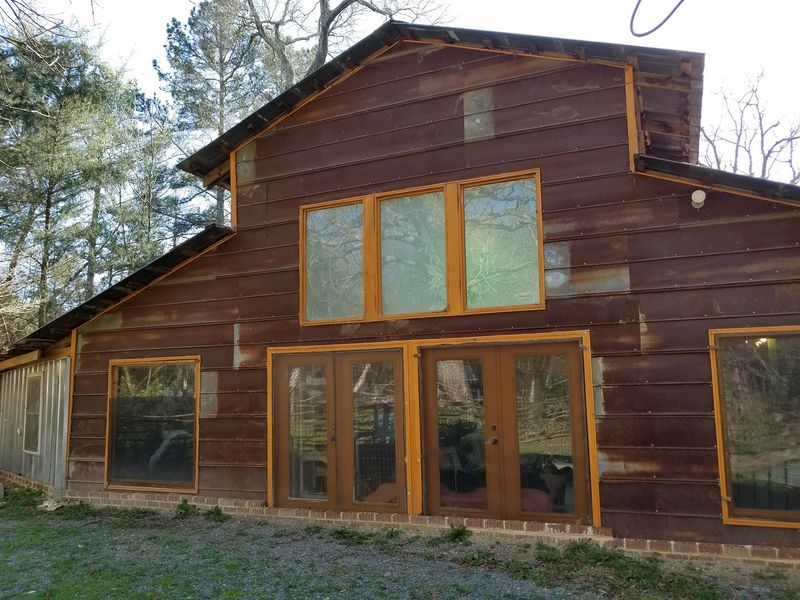
She described a long list of improvements. Workers made repairs, laid new flooring, and painted.
They also changed the outdoor cat fence, one of the problems inspectors had flagged.
That sounds like real progress. Fixing old buildings on a big farm takes time, money, and plenty of elbow grease.
For a volunteer-run group, it’s a major push.
Still, the story didn’t end there. On August 11, 2026, the state received new complaints.
An investigation later that month found more violations.
Those included a fourth citation for missing vet records. Inspectors also found no working thermometer in the kitten cabana and peeling paint on the main building floors.
Despite reported improvements, the August investigation led to another state enforcement action.
On September 17, 2026, the North Carolina Department of Agriculture assessed a $5,300 civil penalty and issued additional warnings, citing repeated failures in veterinary recordkeeping and animal care.
Thinking of Adopting? Know the Rules First
Kittens come in pairs here, at least until they turn five months old. That’s one of the adoption rules at The Goathouse Refuge.
Young cats often do better with a buddy, so the policy makes sense.
The refuge publishes an adoption application and lists cats seeking homes. However, state officials restricted adoptions and transfers in March 2026, so prospective adopters should confirm whether those restrictions have been lifted before beginning the process.
Over the years, the refuge reports placing more than 4,000 cats in permanent homes. That’s a huge number for a farm sanctuary.
Lots of families got new furry roommates through this place.
Given the inspection findings, smart adopters should ask questions. Request the cat’s medical records and check spay or neuter status.
Ask about vaccines and any ongoing health issues.
Plan a visit to your own vet soon after bringing a cat home. That’s good advice for any adoption, anywhere.
A quick checkup protects your new pet and any animals already at home. Being careful isn’t rude.
It’s simply part of being a responsible cat parent.
FIV-Positive Cats Get a Real Shot at Home Life
Plenty of shelters treat FIV-positive cats as hard to place. The Goathouse Refuge takes a different stance.
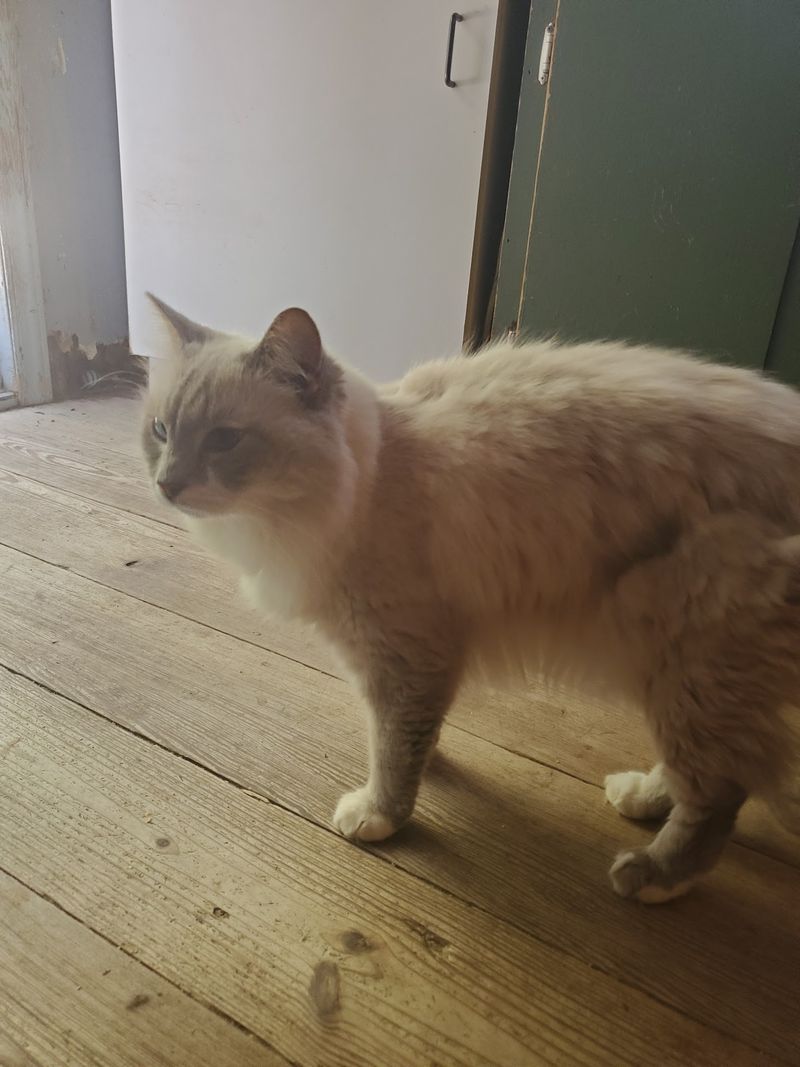
The refuge advocates for FIV-positive cats, which can sometimes live successfully with FIV-negative cats in stable households where fighting does not occur.
FIV stands for Feline Immunodeficiency Virus. It weakens a cat’s immune system over time.
Many FIV-positive cats still live long, happy lives with good care.
The refuge bases its view on its own experience and on a shelter study. That’s a bold position, and it’s one supporters admire.
Some cat owners may want to talk with their own vet before mixing cats at home.
The refuge also calls itself no-kill. It promises lifelong care for cats no matter their age, health, or personality.
Cats who can’t be adopted can stay on the property for the rest of their lives.
Euthanasia is only considered when a cat is beyond hope of recovery. For older or medically fragile cats, that promise means a lot.
It also means the refuge carries a heavy, long-term responsibility. Caring for cats with special needs takes steady medical attention and careful record keeping.
Plan Your Weekend Trip and Lend a Hand
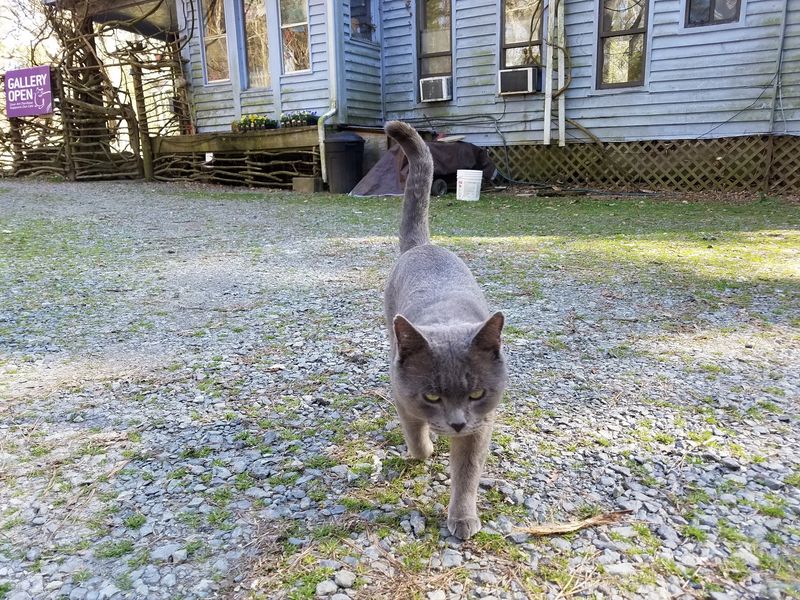
Weekends are your window. The refuge opens to visitors on Saturdays and Sundays from 11 a.m. to 3 p.m.
Fridays work too, but only by appointment.
You’ll find it at 405 Goathouse Road, Pittsboro, NC 27312. Heads up, the street number changed in February 2025, so older listings may be off.
Mail goes to a separate address, so don’t drive there by mistake.
The farm sits in the North Carolina countryside, and the roads can feel remote. Give yourself extra time if you’re not familiar with the area.
Your GPS will be your best friend.
Volunteers keep the whole operation going. They feed cats, clean spaces, and socialize shy animals so they’re ready for homes.
Many of them also hold full-time jobs, so replies to messages may take a while.
Want to help? Volunteering and donating are both welcome.
Before you commit, read the latest state inspection reports so you know the full story. A thoughtful visit lets you see the cats, judge for yourself, and decide how you’d like to support them.
Bring patience, curiosity, and maybe a lint roller.