The Eerie Old Railroad Tunnel In Idaho Runs 1.66 Pitch-Dark Miles And Still Gives Hikers Chills
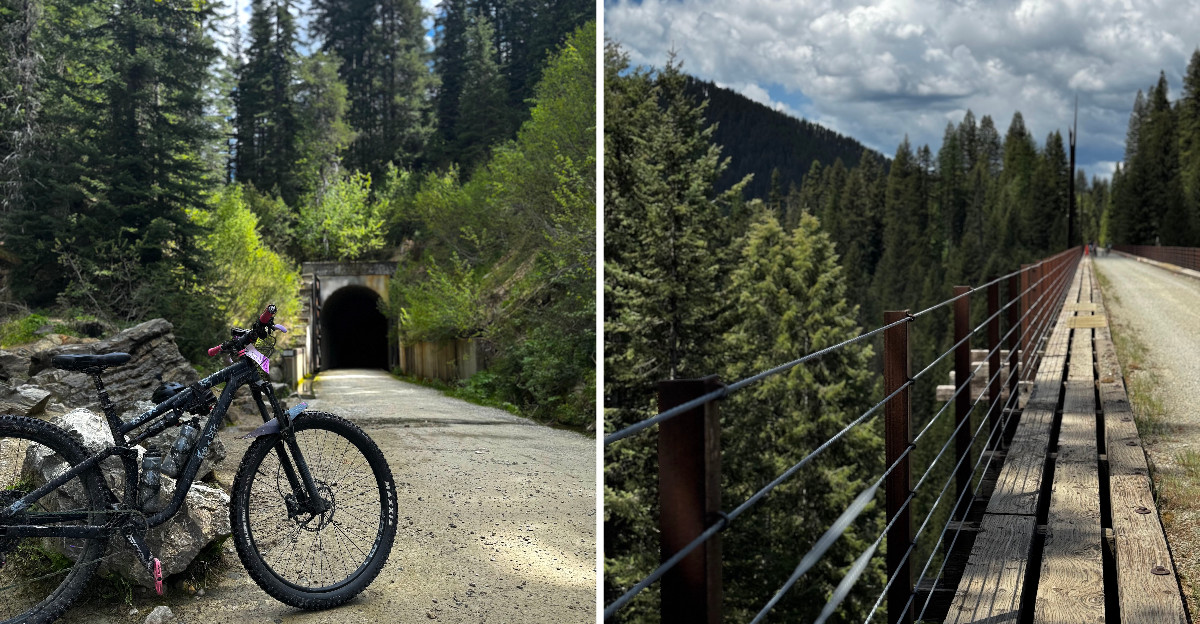
A single railroad tunnel runs 8,771 feet through solid mountain rock, and there isn’t one light bulb inside.
Your bike light is the only thing standing between you and total blackness.
Halfway through, a sign on the damp wall marks the exact line between Idaho and Montana.
So yes, you can cross a state border in the pitch dark, on a bike, in a jacket you’ll be glad you packed.
The air inside runs much colder than the summer day outside.
Water drips from the ceiling. That little speck of daylight at the far end seems to stay the same size for a very long time.
I love that a century-old train route now belongs to families on bikes.
I can’t imagine a better way to feel small and thrilled at once. Ready to see what waits in the dark?
A Mountain-Sized Tunnel Sitting Right On The State Line
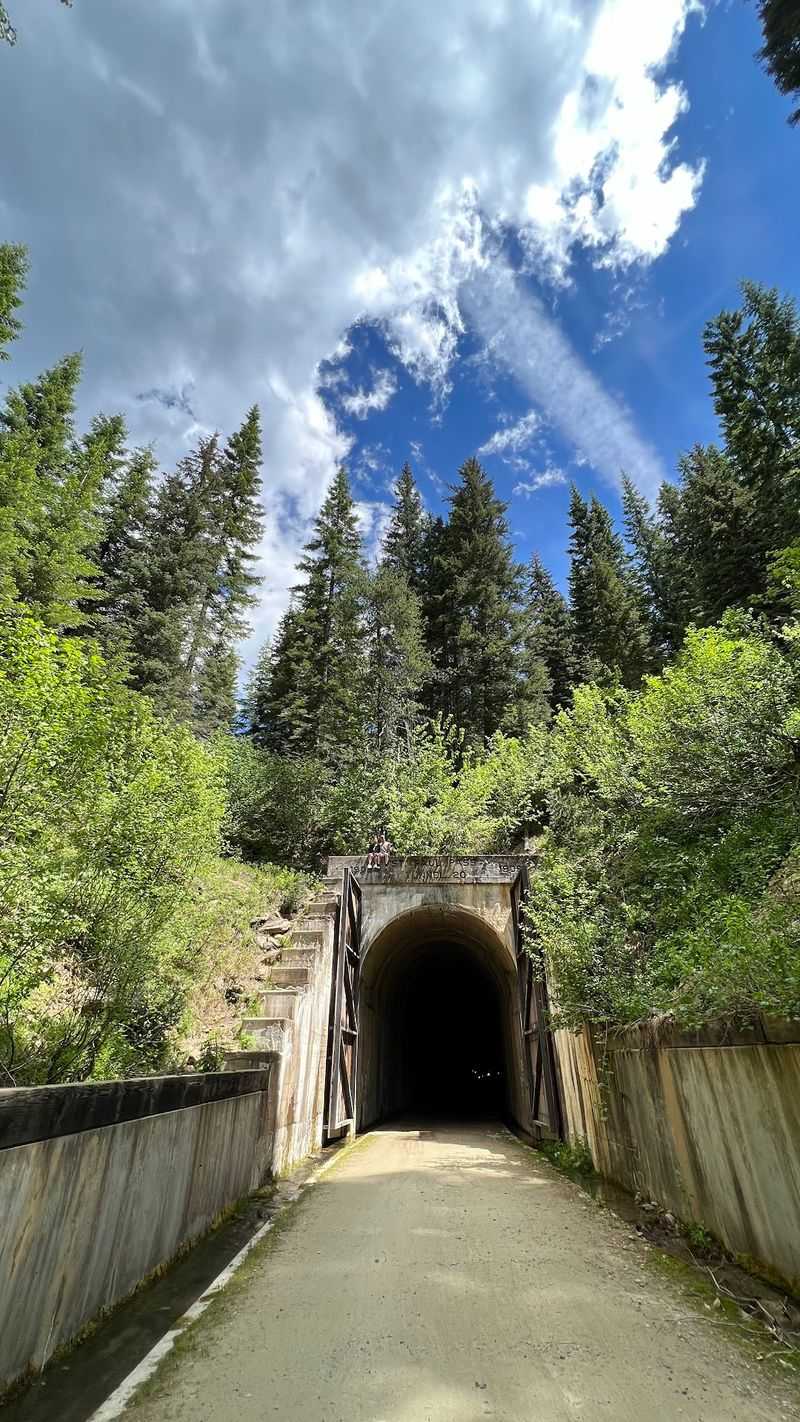
Few landmarks let you stand in two states without ever seeing the sky. The Taft Tunnel, also called the St. Paul Pass Tunnel, bores straight through the Bitterroot Mountains between Idaho and Montana.
It stretches 8,771 feet, which works out to about 1.66 miles of solid rock overhead. Trains once rumbled through here, but today the riders are cyclists, hikers and wheelchair users.
The tunnel serves as the grand opening act of the Route of the Hiawatha. That rail trail runs about 15 miles through the mountains near the Idaho-Montana border.
Most people meet the tunnel at the very start of their ride. Their first stretch of the trail is a long, cold plunge into darkness.
Google lists the landmark along NF-300 near Saltese, with the Idaho Panhandle on one end and Montana on the other. Out here, the border is just a sign on a wet wall.
Is it a tunnel, a bike path or a time machine? Honestly, it manages to be all three.
That mix is exactly why it keeps showing up on Idaho bucket lists.
Built By Hand For A Railroad Racing To The Pacific
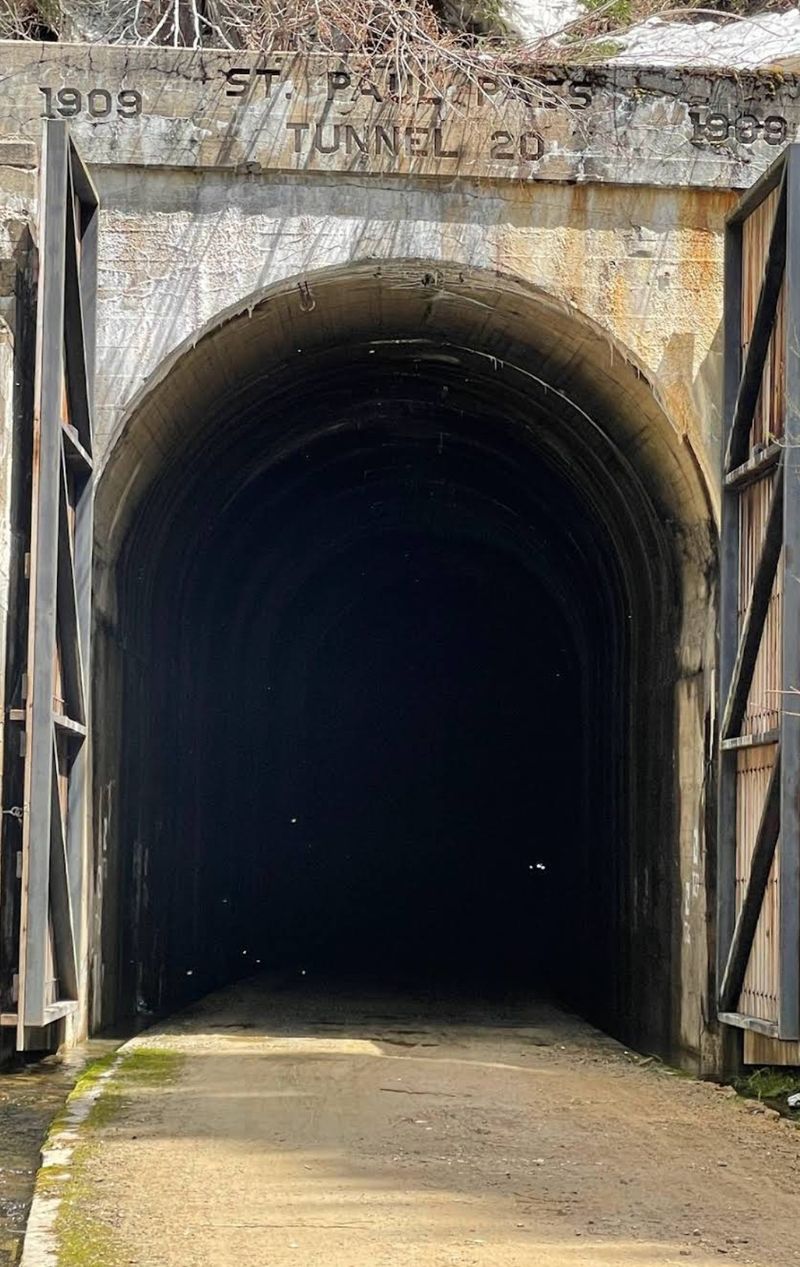
Back in 1906, the Chicago, Milwaukee, St. Paul and Pacific Railroad had a bold plan. Its Pacific Coast Extension would link the Midwest to the Pacific Ocean.
The Bitterroot Mountains stood squarely in the way. So crews started work on the tunnel in 1906, and heavy boring began a year later.
Hundreds of workers dug from both sides toward the middle. They finished the job by December 1908, which is fast for early 20th-century tools.
When it was done, the tunnel ranked as the second-longest on the entire Milwaukee Road line. That’s a big title for a railroad crossing some of the roughest country in the West.
Think about the effort behind every foot of it. Each stretch of wall you pass came from crews working in that same chilly, damp air.
The railroad called the route home for decades of freight and passenger travel. Its famous Hiawatha trains gave the modern trail its name.
Knowing that history makes the darkness feel different. You’re not just riding through a hole in a hill, you’re tracing an old engineering gamble that paid off.
Twenty Quiet Years Before The Bikes Arrived
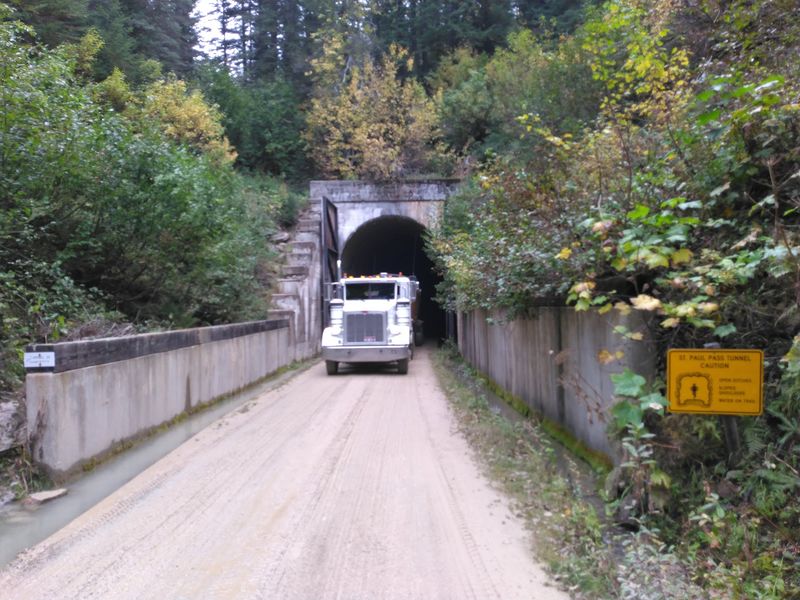
Railroads don’t always get happy endings. The Milwaukee Road ran into money trouble and abandoned its western right-of-way in 1980.
After that, the tunnel simply sat in the mountains. For about two decades, no whistles echoed through it at all.
Then the story took a turn. On June 23, 2001, the tunnel was rededicated and opened to the public as part of the Route of the Hiawatha.
That reopening gave the old grade a brand-new job. Instead of hauling freight, it started carrying families, retirees and curious kids on two wheels.
It’s one of the best examples of Idaho reuse you’ll find. A piece of industrial history became a summer outing without losing its rough edges.
The tunnel still looks and feels like a working railroad bore. There are no gift shop walls or painted murals softening the experience.
That’s part of the appeal for folks who love seeing a place change without disappearing. The trains are gone, but the route kept its bones.
Not bad for a tunnel that spent twenty years waiting for company.
Your Bike Light Becomes Your Best Friend In Here
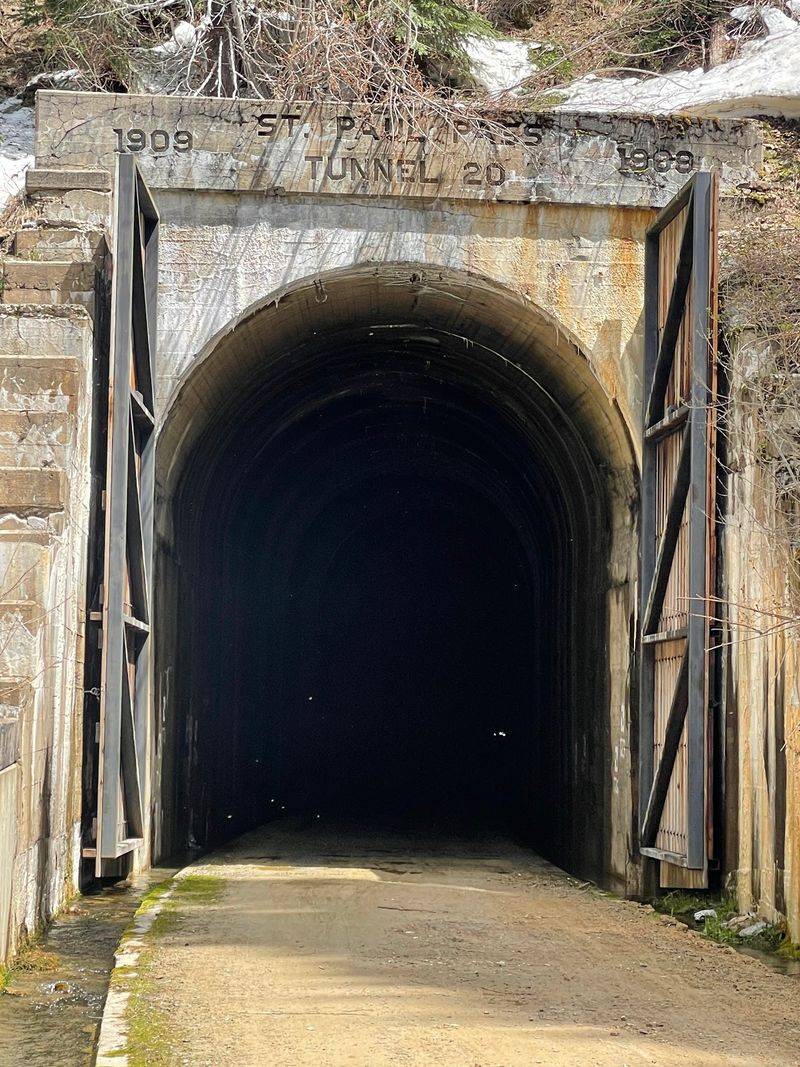
Lights are mandatory in this tunnel, and that rule exists for good reason. Once the entrance fades behind you, the darkness is complete.
No overhead fixtures help you along. A strong bike light or headlamp is the only way to see the trail, the walls and the people near you.
Way off in the distance, a tiny dot of daylight marks the far portal. On a 1.66-mile ride, that dot takes its sweet time getting bigger.
Sound acts strangely in a space like this, too. Voices and tire noise bounce along the stone in a way that adds to the spooky mood.
One online comment summed it up as everything a creepy old tunnel needs. Cool, dark and damp, with a long way to go.
Bring a light that actually throws a beam, not a weak keychain flicker. You’ll want to spot puddles and fellow riders well before you reach them.
Is it eerie? Absolutely, and in the best way.
The chills come from the dark, not from danger, as long as you show up prepared.
Pack A Jacket Even In The Middle Of Summer
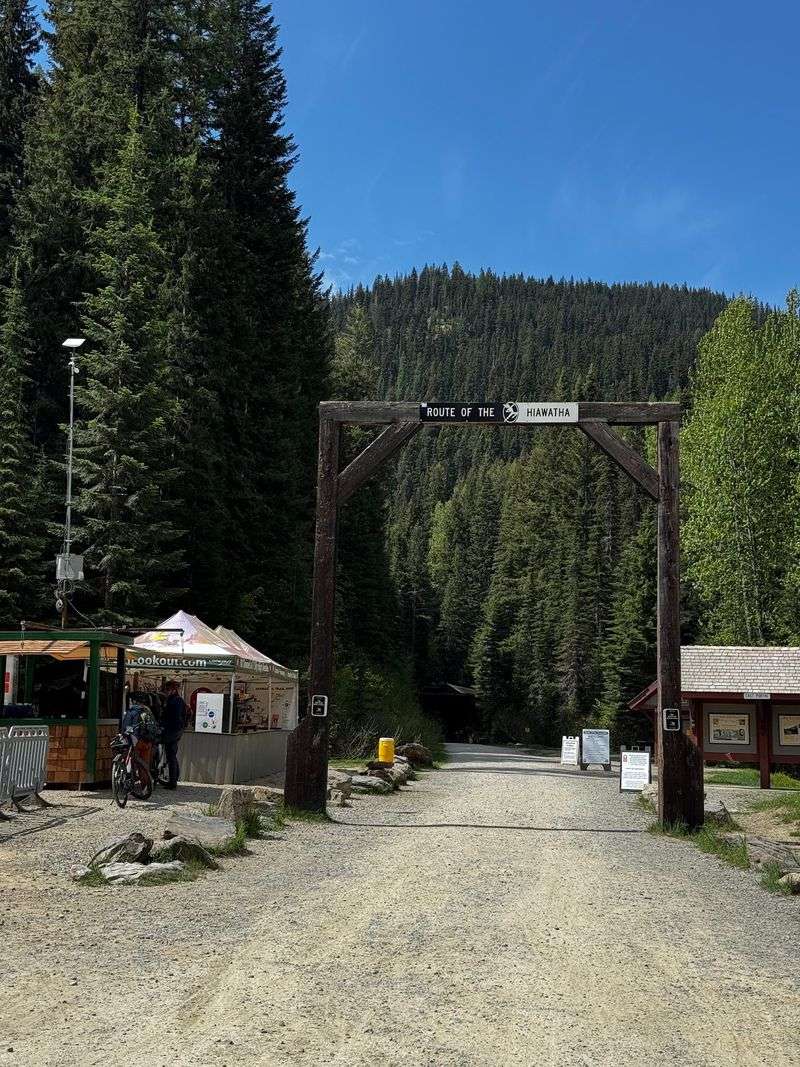
Here’s a weather report you won’t hear on the Boise news. Inside the tunnel, summer basically takes the day off.
The air runs noticeably colder than outside, and one rider estimated at least 20 degrees cooler. Water drips from above, and the trail surface can be wet.
That’s why a jacket matters so much. A rain jacket handles the dripping, while an extra warm layer handles the chill.
A helmet belongs on your list as well. Riding in near-total darkness on a wet surface is no time to skip basic gear.
Once you exit the far portal, the warm mountain air feels amazing. Most riders can stuff the jacket back in a pack and keep rolling.
Kids especially notice the temperature swing. Dressing them in layers keeps the cold part fun instead of miserable.
Shoes that can handle a little water make sense too. Nobody wants soggy socks for the remaining miles of trail.
Think of it as Idaho’s natural air conditioner, just a bit damper than you’d like. Dress for it, and the cold becomes a highlight.
Somewhere In The Dark, Idaho Turns Into Montana
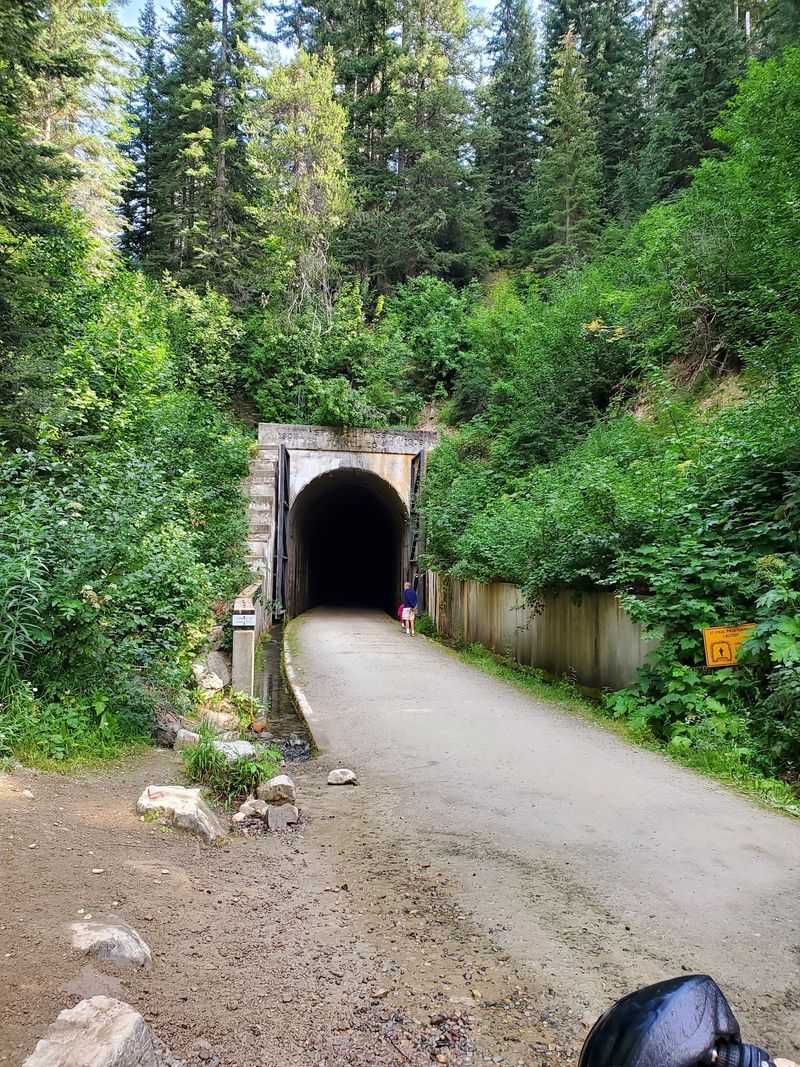
Roughly midway through, keep your light pointed at the walls. An interpretive sign there marks the exact Idaho-Montana state line.
It’s easy to miss if you’re focused only on that faraway exit. Slow down a little, and you can catch it.
The sign shares more than geography, too. It also notes which construction crew first reached the center of the tunnel back in 1907.
That small detail brings the digging story right to your handlebars. Two crews tunneled toward each other, and one got bragging rights.
Families love this moment for obvious reasons. How often can a kid say they changed states inside a mountain?
Depending on where you start, you’ll cross from Montana into Idaho or the other way around. Most riders beginning at the East Portal roll into Idaho underground.
Snap a quick photo if your light allows it. Just step aside first so other riders can pass safely in the dark.
It’s a tiny sign with a big payoff. Few border crossings feel this dramatic or this damp.
Gentle Downhill Miles Waiting On The Other Side
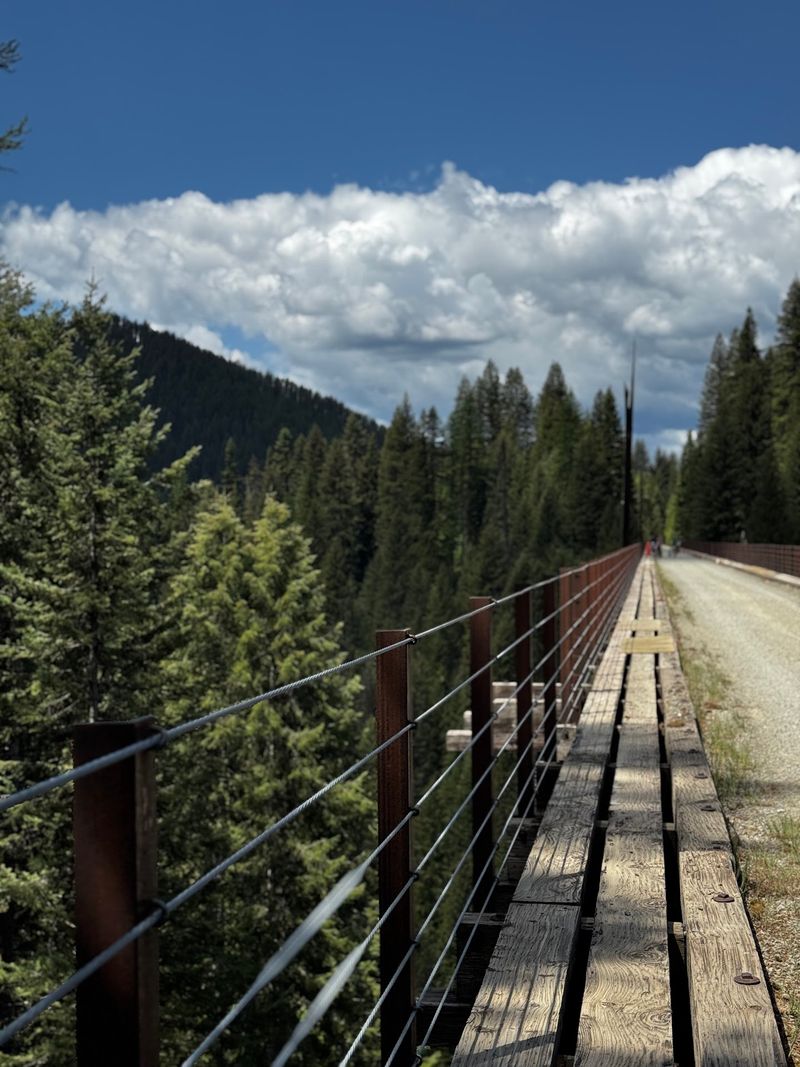
Good news for anyone dreading a big climb. After the tunnel, the Route of the Hiawatha mostly coasts downhill at roughly a 1.6 to 1.7 percent grade.
That gentle slope makes the ride doable for young kids and grandparents alike. You can pedal lightly and spend more time looking around.
And there’s plenty to look at. The full route includes ten historic tunnels and seven steel trestles.
Some of those trestles rise up to 230 feet above the canyon floor. Rolling across them feels like floating over the forest.
A mountain bike handles the gravel surface better than a road bike. Padded bike shorts also earn a spot on the packing list.
Riders who prefer a workout can start at the bottom near Pearson instead. Then they’ll climb the gentle grade up toward the big tunnel.
Either direction works, but downhill is the easier choice for most families. The tunnel makes a dramatic start, and the trestles keep the excitement going.
Plenty of Idaho trails offer views. This one adds history at every bend.
How To Reach The East Portal Off Interstate 90
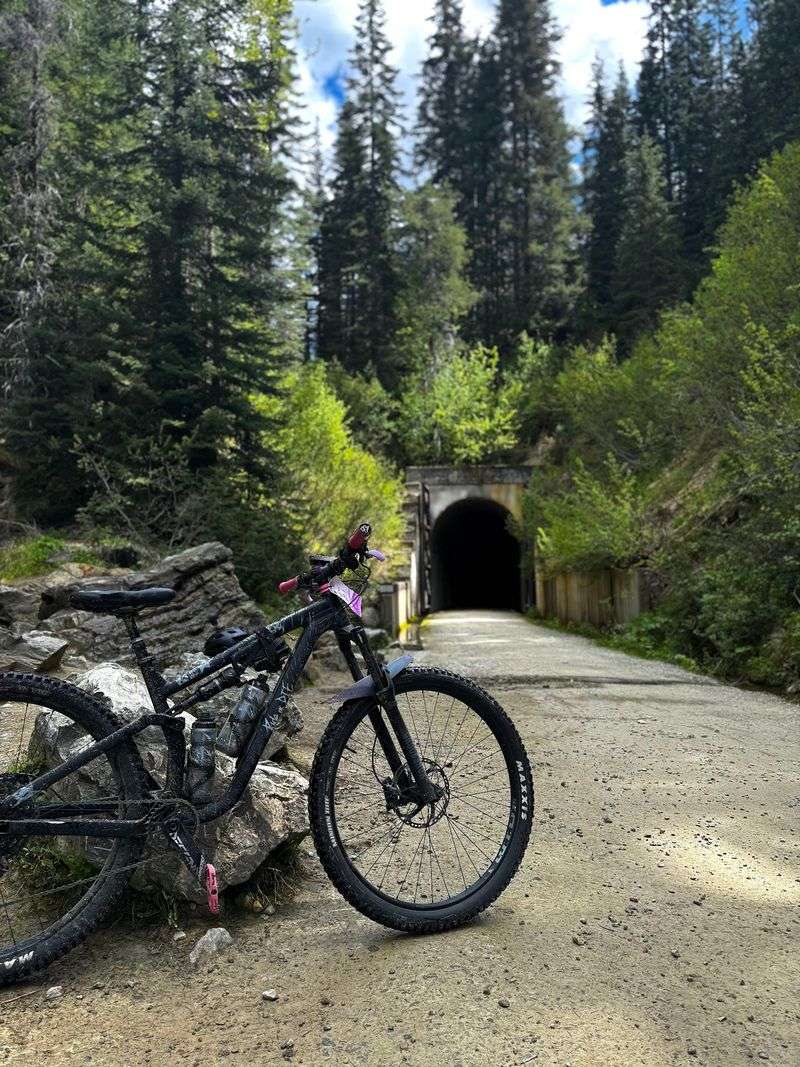
Finding the tunnel takes less effort than you might expect. Google lists it along NF-300, Saltese, ID 59867, right where the mountains straddle the state line.
Most riders begin at the East Portal trailhead on the Montana side. To get there, take Exit 5, the Taft exit, off Interstate 90.
From the exit, follow Forest Road 506 for about two miles to the parking area. The tunnel entrance sits right near the start.
Coming from North Idaho makes the trip easy. Lookout Pass sits on the Idaho-Montana line at Exit 0 off I-90.
Historic Wallace, in Idaho’s Silver Valley, is about 12 miles west of Lookout Pass. That makes it a handy stop for food, gas and a stroll.
Families from Coeur d’Alene can turn this into a full summer day trip. Drive east on I-90, ride the trail, then wander Wallace afterward.
Cell coverage can be spotty in mountain country. Download directions before you leave town, just in case.
The Idaho trailhead near Pearson works for riders who want to start at the bottom.