The New York Repair Cafe Where Volunteers Fix Broken Items Without Charging You
Once a month, volunteers fix your broken lamp, toaster, or torn jacket, and the price is whatever you wish. I refuse to let that slide by quietly.
In New York, free help is rarer than a quiet subway car. The catch is actually the best part.
You can’t drop off your gadget and leave. You sit beside the fixer and learn how your stuff works, so the skill goes home with you.
There’s also coffee and fresh fruit while you wait. Honestly, a snack break with a screwdriver lesson sounds like a solid Sunday.
The building hosting all this used to be a school, which feels fitting for a place still teaching lessons.
Your Broken Toaster Finally Gets A Second Chance Here
Repair Café El Barrio meets inside El Barrio’s Artspace PS109, and its promise is wonderfully simple. Bring something that needs attention, and volunteers will help you figure out what went wrong.
Sessions generally take place once a month on Sundays, from 11 a.m. to 2 p.m. The next scheduled gathering is December 13, 2026.
The list of possible projects is longer than you might expect. Vacuum cleaners, coffee makers, lamps, clocks, and small electronics are familiar sights on the tables. Clothing, toys, small furniture, and bicycles also fit the program.
There are limits. Large appliances, gas-powered equipment, fixed household systems, and safety-critical devices aren’t accepted for hands-on repairs. Not every repair succeeds.
Before going, send the organizers a photograph and a short description of your item, then obtain confirmation of your place. Bring any relevant charger, accessories, or replacement parts with you.
The goal is understanding the problem together, even when an item needs further work. The café also avoids home visits, so all the activity happens in this shared space with the volunteers and their tools.
Pay What You Wish Is The Best Price Tag In Manhattan
Manhattan rarely hands out anything for free. Repair Café El Barrio quietly ignores that rule every month.
Its volunteer-led sessions are free, and contributions are entirely optional. There isn’t a standard labor charge waiting at the end of your visit, whether you’ve brought a jacket with a loose seam or a lamp that needs investigation.
That welcomes different budgets and encourages owners to reconsider items they might replace.
Donations help support tools, repair materials, refreshments, insurance, and community programming. A contribution supports future sessions.
This isn’t a commercial service with a guarantee. Volunteers share their time and expertise, and repairs take place collaboratively at the owner’s risk. Some problems require unavailable parts or specialized equipment.
Seeing the repair process, from opening a casing to checking a connection, teaches you something.
It feels more like neighbors solving a puzzle than a conventional service counter. When an item needs an additional component, volunteers may help you understand what to look for rather than promising an instant solution.
Bring Your Item And Your Curiosity, Because You Stay For The Fix
Drop-off service is not part of the deal. Owners must stay and take part in fixing their own items.
That might sound like homework at first. In practice, it turns a chore into a hands-on lesson.
A volunteer might show you how to examine a loose plug, understand a mechanism, or mend a seam. You can ask questions, see the steps up close, and learn which tools are appropriate for the job.
Participation matters more than an object mysteriously working again. Organizers aim for around 90 minutes per item, depending on complexity and volunteer availability. Results aren’t guaranteed.
Bring its cables, batteries, or accessories when relevant. Explain the issue when requesting a place.
Children can learn from observing with a responsible adult, too. Watching someone patiently work through a problem can be just as interesting as the finished result.
The organizers also encourage learning through participation, rather than treating the session as a formal course with a set lesson plan.
Coffee, Fruit, And A Gallery That Turns Into An Operating Room
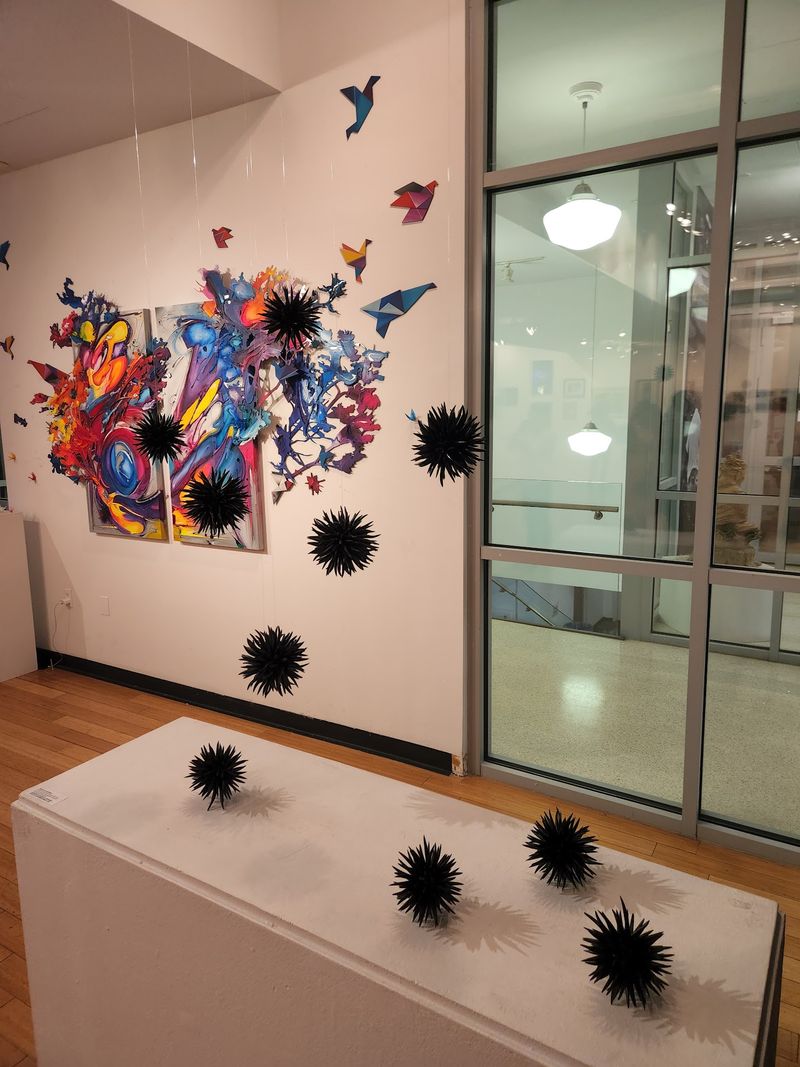
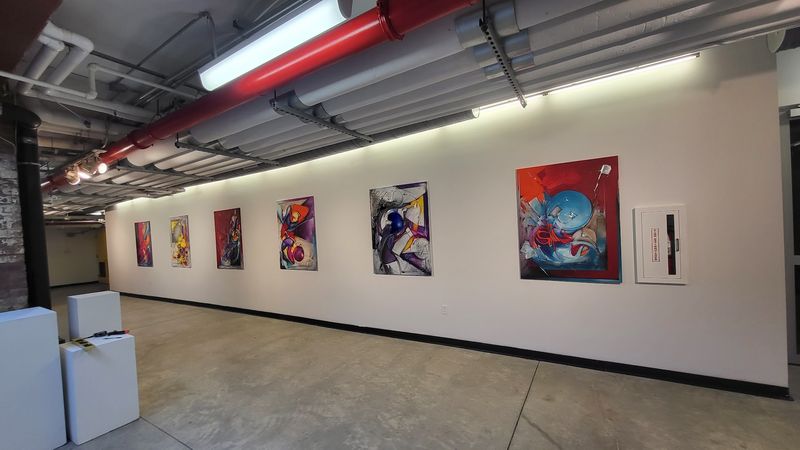
Repair sessions take over the main gallery at El Barrio’s Artspace PS109. Folding tables become workstations, and volunteers arrive with the tools needed for different small repairs.
Only here, the projects are toasters, fabric seams, and lamps rather than paintings on easels. The gallery serves an unusually practical purpose for a few hours.
Coffee, fresh fruit, and other refreshments are available during the gatherings. That small touch turns waiting for a volunteer into an opportunity to settle in and talk with neighbors.
You might find somebody carefully examining a clock while another table works on a garment. Each object becomes a little puzzle.
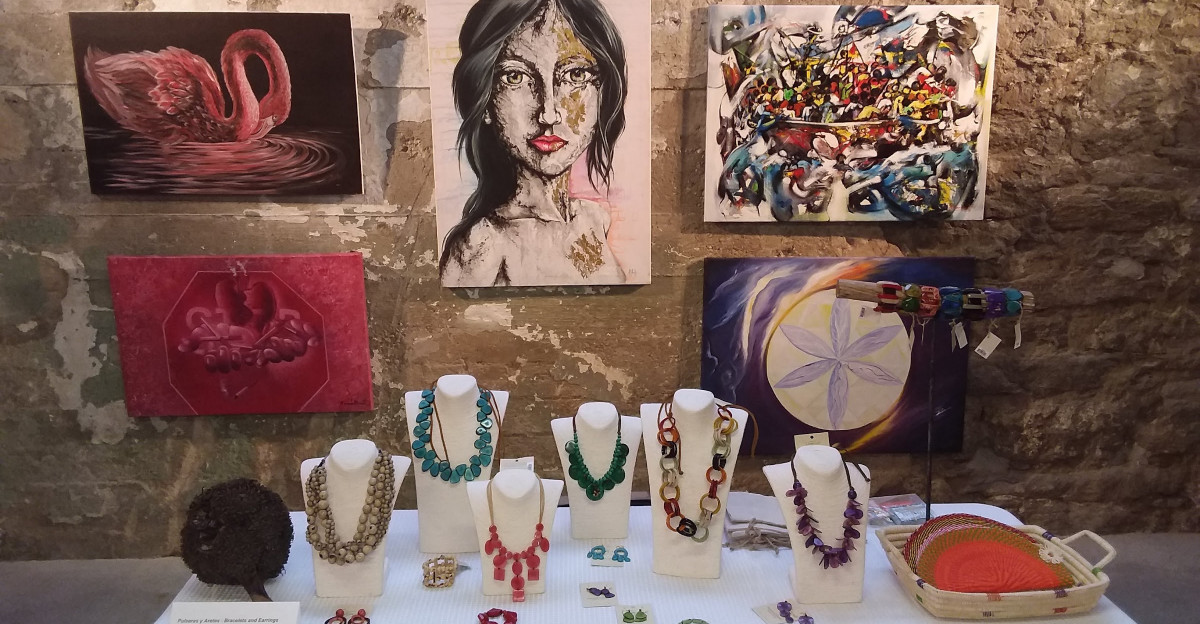
The larger arts complex also hosts exhibitions, performances, and community events.
It remains a working session, not a donation drop-off. The organization doesn’t accept donated objects for storage or resale.
Take your belongings home afterward, repaired or not. And enjoy the coffee while you’re learning something new.
The wider complex also brings artists and educators together, making these repair afternoons a natural extension of its creative purpose.
A Sewing Machine And Five People Started All Of It
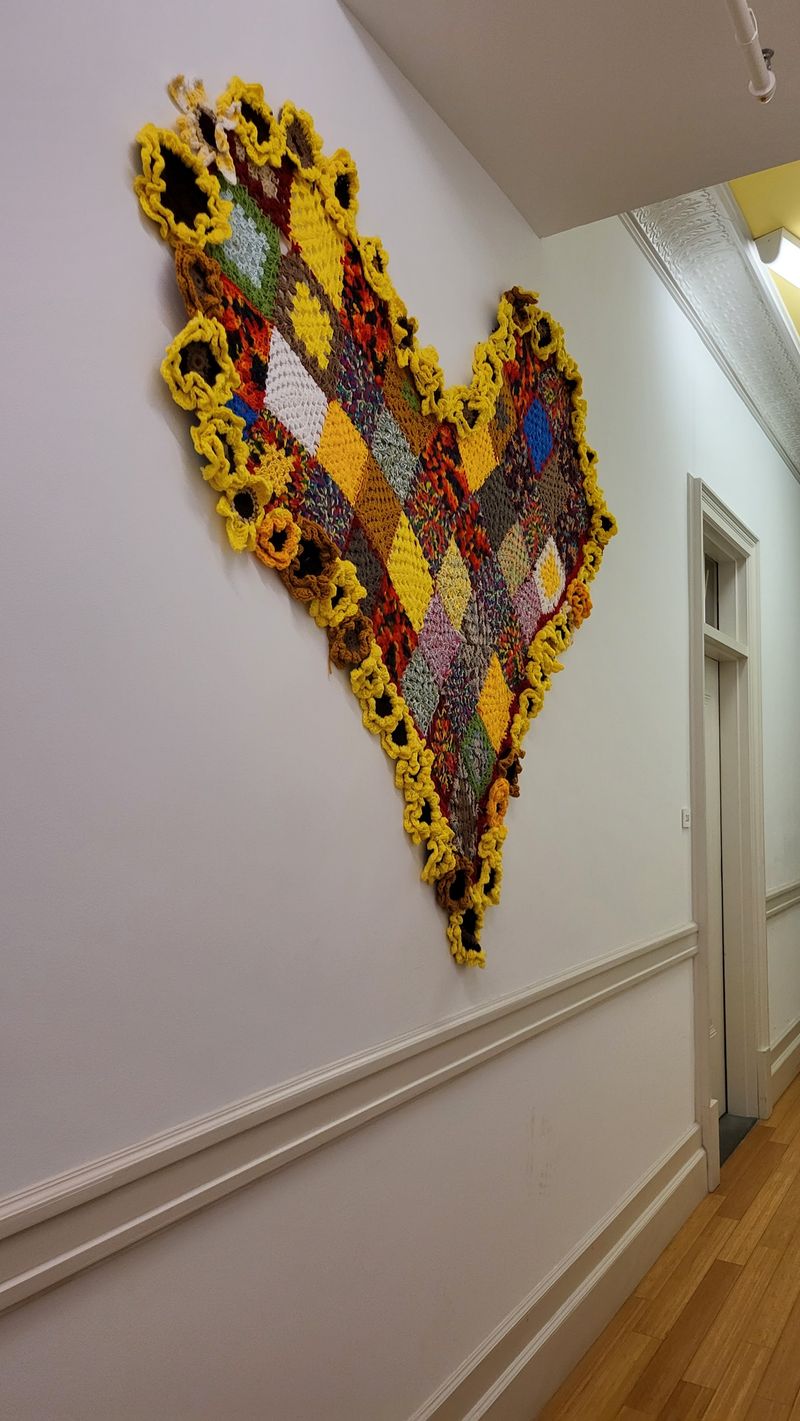
Big ideas sometimes start with a single sewing machine. Artist and educator Rocío Salceda founded Repair Café El Barrio in 2022, beginning with five participants and lessons on clothing repair.
She drew inspiration from the Repair Café movement launched in Amsterdam in 2009, which pairs volunteer repairers with neighbors.
The project grew into a regular program as volunteers added electronics, sewing, and household expertise.
Activities now include workshops, artistic collaborations, and educational gatherings.
Her background as an artist and language teacher fits this format. Rather than simply offering a technical service, the group treats each session as an opportunity to share knowledge.
There is something satisfying about that progression: one sewing machine becomes several worktables, and a small lesson grows into a monthly meeting place.
If you know your way around a needle, a screwdriver, or a circuit board, volunteering is another way to take part. Practical experience can be remarkably useful when it’s shared.
What began with sewing developed into a gathering where people with different specialties could help one another with unfamiliar problems.
Knowledge Moves Sideways Around These Tables
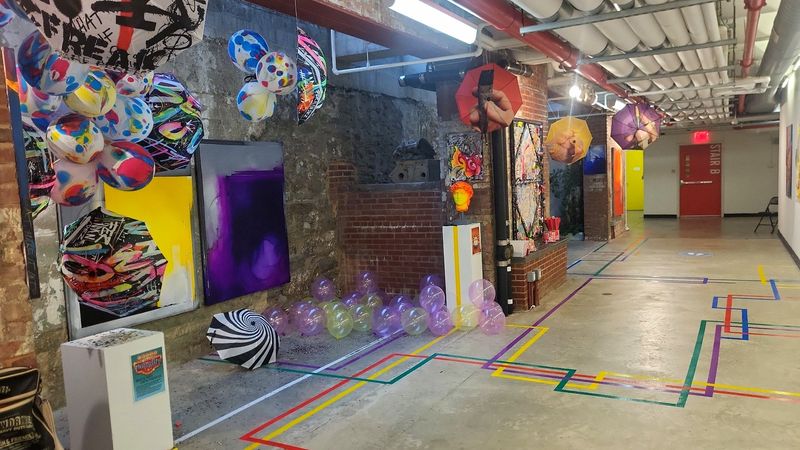
Most classrooms send knowledge in one direction. Repair Café El Barrio describes itself as a place where knowledge moves sideways.
Volunteers come from Puerto Rico, Turkey, Spain, Mexico, Japan, Malaysia, and elsewhere. Some are professionally trained; others are self-taught.
A familiar sewing technique might be entirely new to the neighbor beside you. An electronics enthusiast might learn about textiles.
People of different ages work together, with opportunities for experienced makers to guide younger participants and newcomers to share the methods they already know.
It’s not a formal classroom. It’s a place to slow down and solve a problem together.
A small repair can become a conversation about how an object was made and why it matters.
For New York residents, that mix of languages, skills, and generations is part of the experience. The repaired object is welcome, but the exchange around it can be equally worthwhile.
A retired maker and a curious teenager might have entirely different experiences, yet both can contribute something at the same table.
The Old School Building Deserves Its Own Round Of Applause
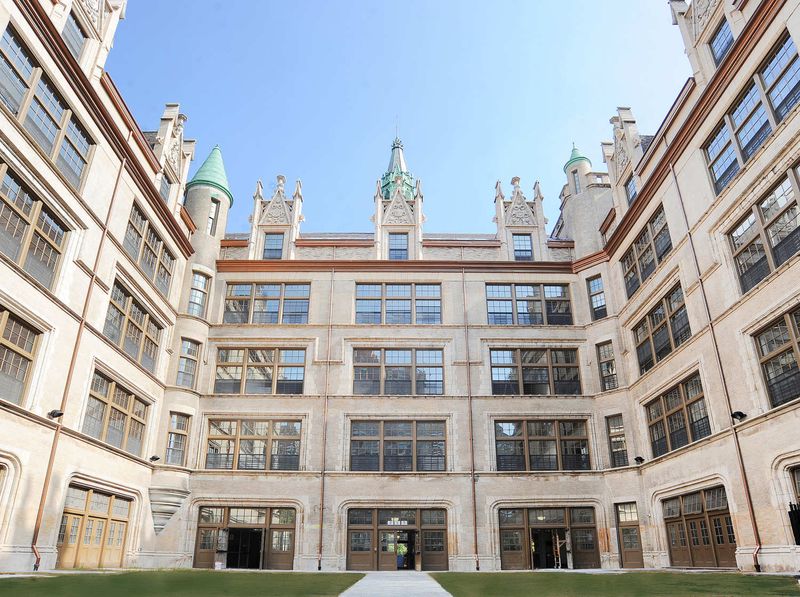
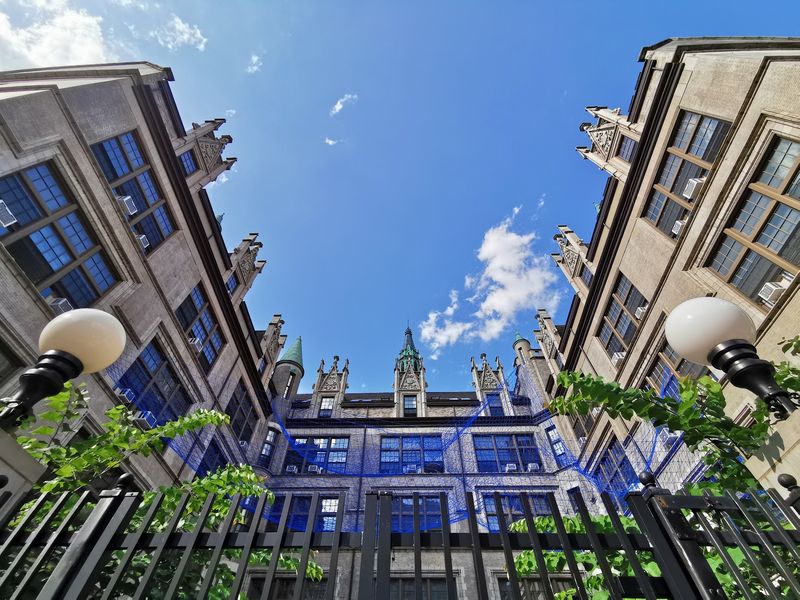
Long before anyone fixed toasters inside, this building taught children. Public School 109 was designed by architect Charles B. J.
Snyder and built between 1899 and 1901.
Its Collegiate Gothic features include brick, limestone, terra cotta, pointed arches, and elaborate dormers. A copper-clad spire adds another flourish to the skyline.
An H-shaped layout created two courtyards that brought light and air into classrooms.
The school operated until 1996. It joined the National Register in 2000 and reopened in 2015 as El Barrio’s Artspace PS109.
Today, the historic structure contains 89 affordable live-work residences for artists and their families, plus approximately 10,000 square feet for arts organizations and community use.
In 2018, it also became a designated New York City landmark, recognizing the architecture and community history preserved within its walls.
Look up at the stonework before going inside. The school found a new purpose while keeping its character. The large windows and interior courtyards still echo the original plan to make the densely built neighborhood feel brighter inside.
East Harlem Makes Perfect Sense As Home Base
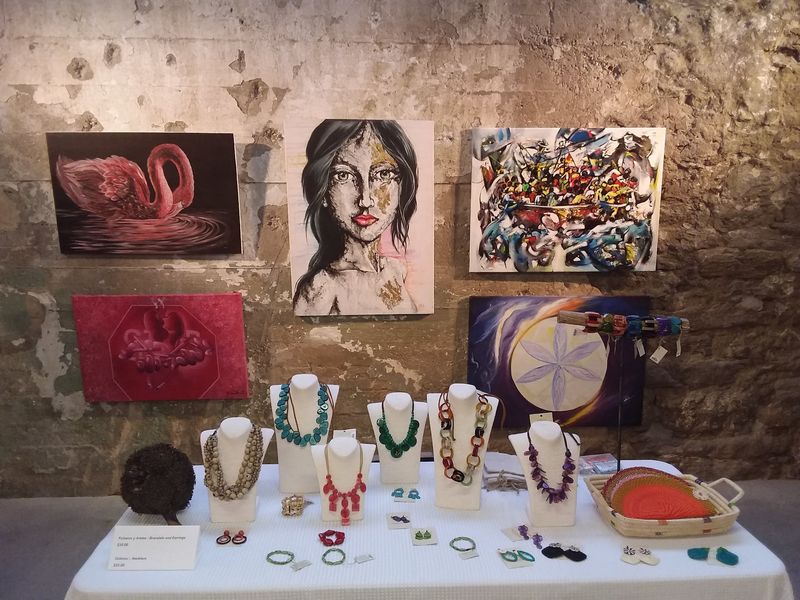
Sustainability gets a lot of fancy talk these days. In East Harlem, it shows up as neighbors with screwdrivers and spools of thread.
You’ll find Repair Café El Barrio at 215 E 99th St, New York, inside the ground-floor gallery of El Barrio’s Artspace PS109.
East Harlem has a long history of community organizing and artistic expression. Repairing a lamp together fits that cooperative spirit.
Keeping belongings in use and sharing practical knowledge go hand in hand. One repaired lamp can inspire the next project. The café also collaborates with artists and educators on workshops beyond its monthly gatherings.
Plan around a confirmed session. Send a photo and description beforehand; organizers reserve your place once accepted.
The gallery is part of an active residential and arts community, not an all-day public repair shop. Follow the directions supplied with your confirmation. Bring one manageable item and some curiosity.
You might leave with a working lamp, a newly mended jacket, or a clearer idea of how to tackle the next little household puzzle.