Up On A Quiet Mountainside, Silver City’s Two Old Cemeteries Still Tell Idaho’s 1860s Mining Story
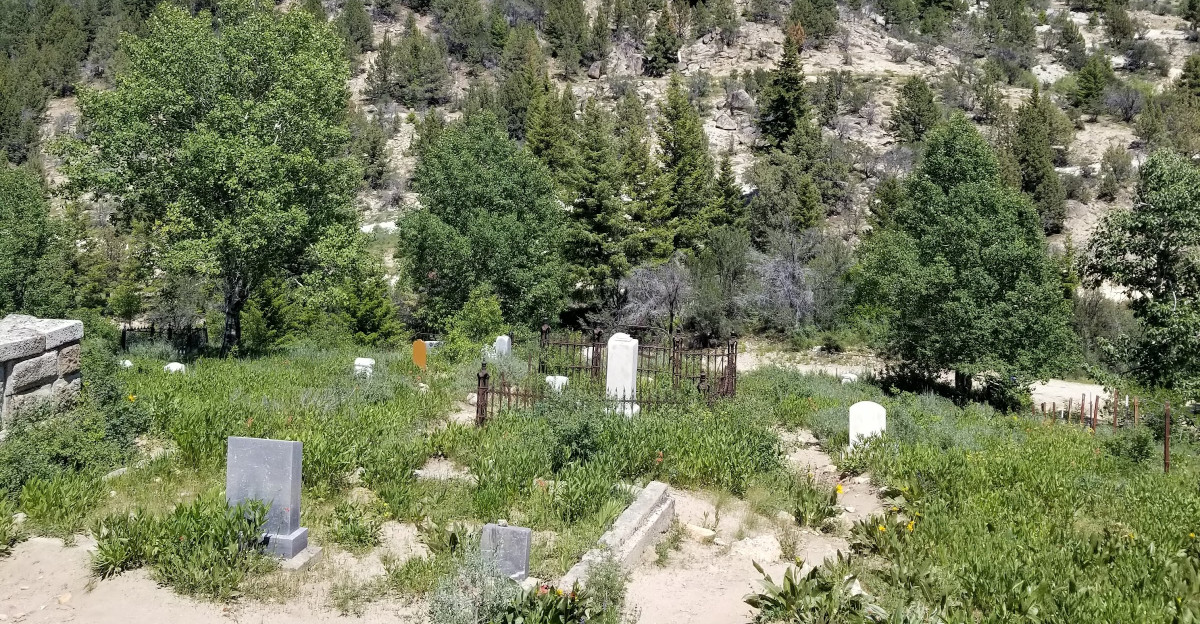
Two burial grounds sit side by side on a remote Idaho mountainside, one Masonic and one public, both serving a town that boomed and then emptied.
The miners who rushed here in the 1860s chased silver and gold through rough country.
Many of them never left. Their plots remain, even where weather has erased the old wooden markers.
I like how quiet this story is. No gift shop or ticket booth explains it.
You read the hillside yourself, one weathered stone or leaning fence at a time.
Getting there takes effort, and I believe that’s part of the appeal. The road climbs into high country where cell signal fades and pavement gives up.
So what does a forgotten boomtown leave behind when almost everyone moves on?
A Mountain Cemetery Most Idahoans Have Never Seen
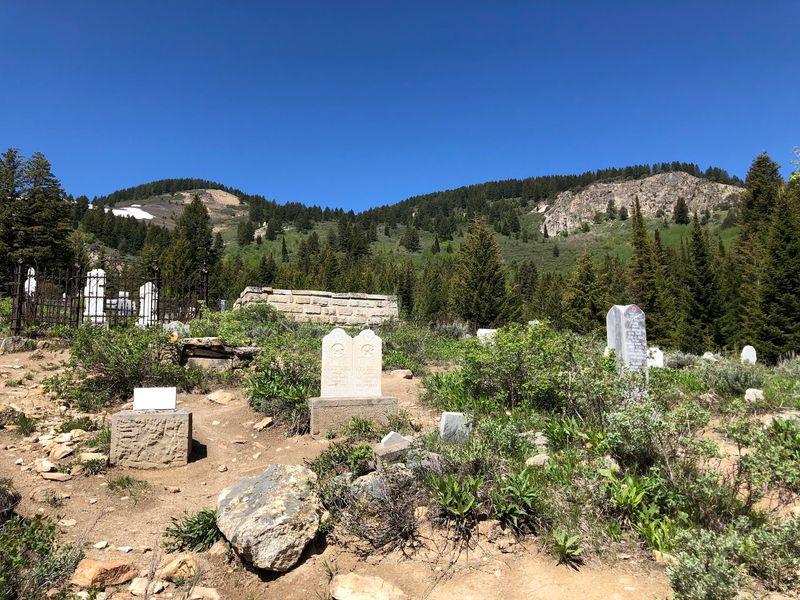
High in the Owyhee Mountains of southwest Idaho, Silver City Cemetery keeps watch over one of the state’s best-known ghost towns. The mailing address reads Murphy, ID 83650, though Murphy sits a long, winding drive below.
The cemetery is listed as a historical landmark, and that label fits. Two burial grounds share the site, a Freemason cemetery and a public cemetery right next to each other.
Silver City itself grew fast in the 1860s after miners struck rich ore in the surrounding hills. The town filled with workers, merchants and families hoping to strike it rich.
Many stayed for good, and this hillside became their final address.
Today, the town has very few year-round residents. That makes the cemetery feel even more personal, like a guest book that stopped collecting signatures long ago.
Owyhee County is big, rugged and sparsely settled. Plenty of people in the Treasure Valley have driven past the turnoff for years without realizing what waits at the top.
Once you know it’s there, though, it’s hard to stop thinking about. A town forgot to stay busy.
Its cemetery never forgot who came.
Silver Fever And The Boom That Built It
Silver, as the name hints, lured the crowds. Prospectors found precious metal in the Owyhee Mountains in the early 1860s, and Silver City took shape soon after.
Mining towns in that era rarely grew slowly. Word spread, wagons rolled in, and a canyon could fill with cabins in a single season.
Life up here was hard work in thin mountain air. Miners dug tunnels, hauled ore and lived through long winters far from any big city.
That kind of life explains why a cemetery became necessary so early. Accidents, illness and plain hardship were part of the deal in any 1860s mining camp.
The boom brought money, newspapers, hotels and lodges to a remote corner of Idaho Territory. Eventually, like most mining booms, it faded as the ore became harder to reach.
People drifted away to new strikes and easier lives. The buildings stayed, and so did the people resting on the hill.
Standing among the graves, you’re looking at the most permanent part of the whole rush. Everything else was temporary by design.
These plots were meant to last, and mostly they have.
Where The Wooden Markers Went
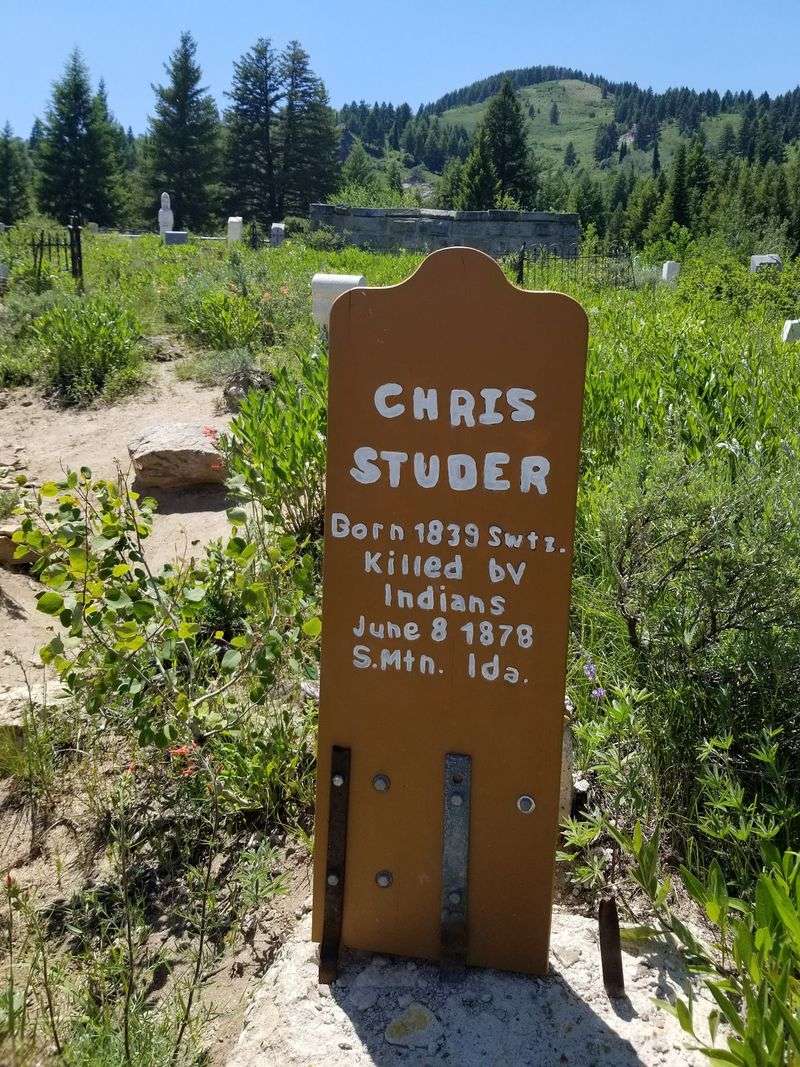
Wood was cheap and close at hand in a mining camp. Stone cost money and took serious effort to haul up rough mountain roads.
So many early graves in frontier cemeteries started with simple wooden boards. Families carved or painted names, dates and sometimes a short line of remembrance.
Wood, sadly, doesn’t stand up well to a century and a half of mountain weather. Snow, sun, wind and freeze-thaw cycles slowly split boards and wash away paint.
That’s why a walk here can feel like reading a book with missing pages. Some plots tell you plenty, while others offer only a shape in the ground or a bit of fencing.
Honestly, that’s the most moving part. The faded spots remind you that real people rest here, even when their names have slipped from view.
Bring patience and a gentle eye. Look for subtle details like old wood fragments, sunken outlines and stones set by hand.
You won’t solve every mystery on the hill. Nobody can.
But noticing the quiet ones may be the best way to honor them.
Masons On One Side, Everyone Else Next Door
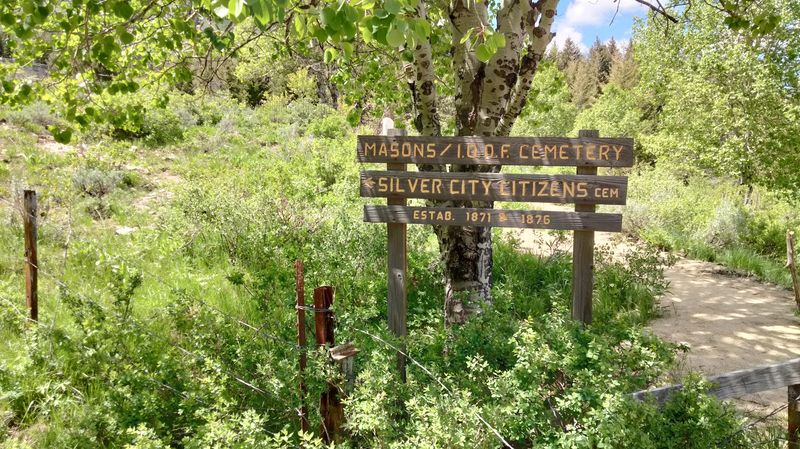
Fraternal lodges mattered enormously in frontier towns. In a place full of strangers, a lodge offered friendship, support and a promise that members would be cared for.
At Silver City, that promise shows up on the landscape. The Freemason cemetery and the public cemetery sit next to each other, so you can explore both in one visit.
Masonic graves often carry the square and compass symbol. Keep an eye out for carved emblems as you wander, since they’re a clue to how people saw themselves.
The public side tells a broader story. Miners, merchants, families and children all found their place in the same mountain soil.
Seeing the two grounds together helps you picture the town’s social life. Lodge meetings, community gatherings and shared hardships all connected these residents.
It also adds a little detective fun to the trip. Which symbols appear most?
Which families show up more than once?
There’s no need to rush through either side. Take each section slowly, and you’ll start to sense how Silver City organized itself, even in remembrance.
Stones, Fences And The Craft Of Remembering
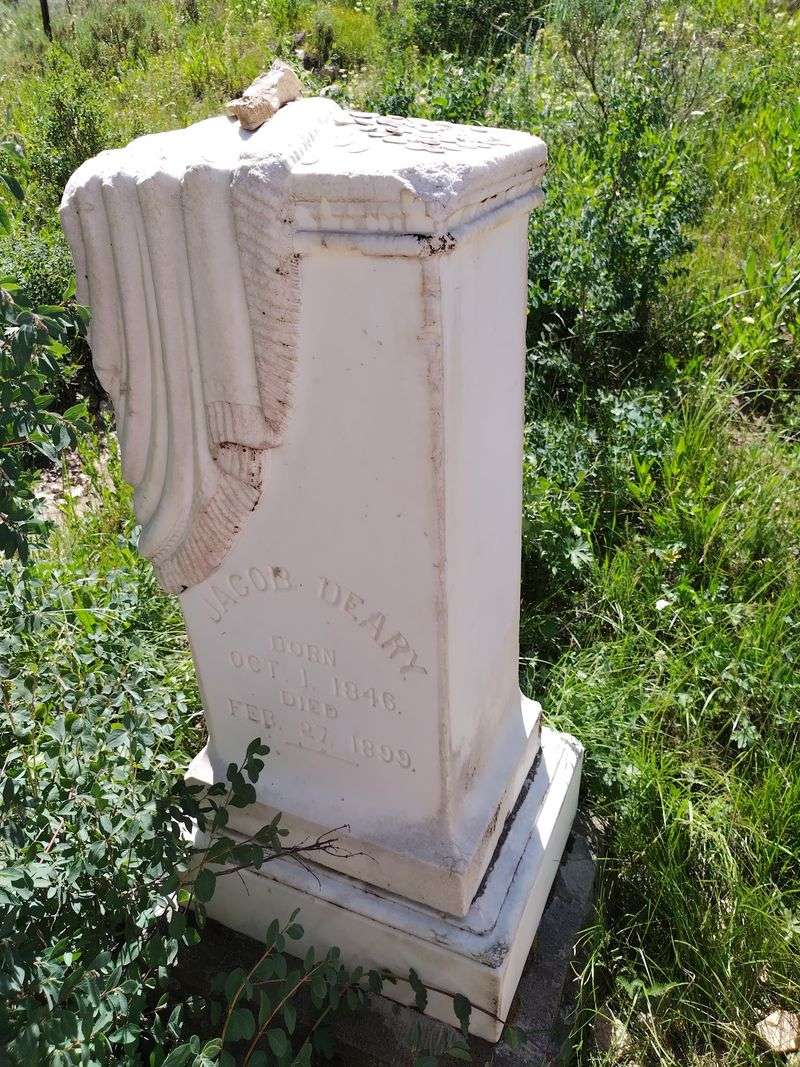
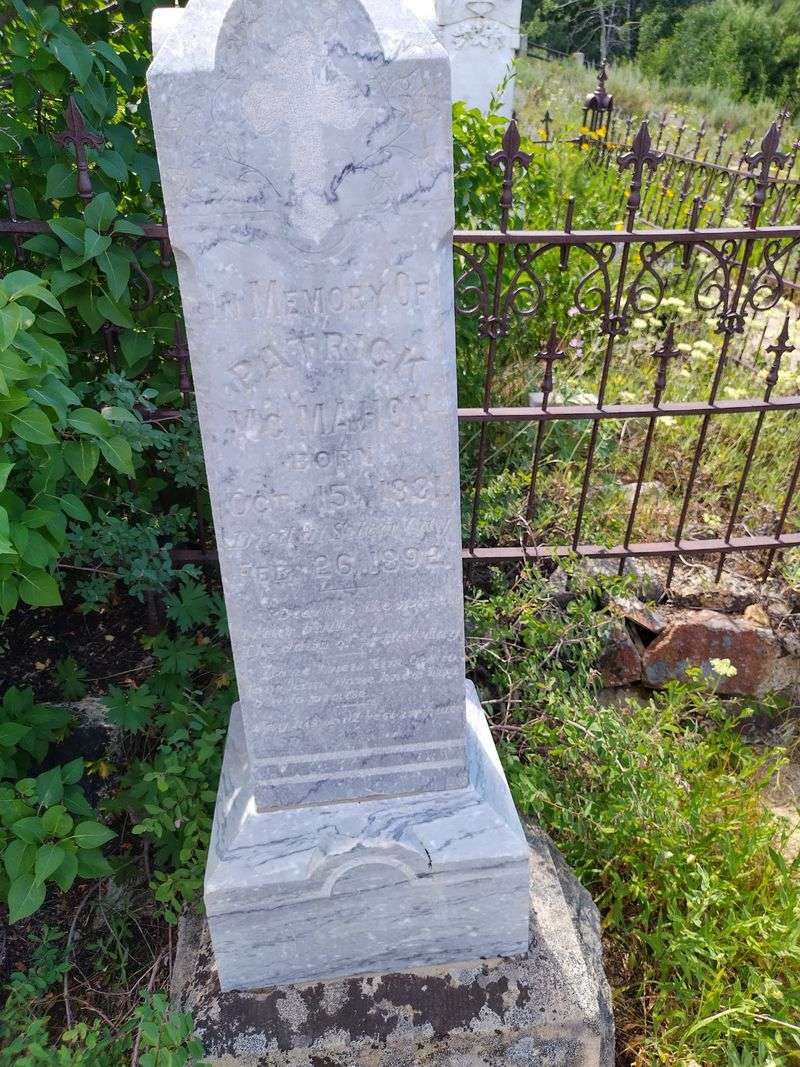
Old iron fencing has a funny way of outlasting almost everything around it. In pioneer cemeteries, decorative enclosures often marked family plots and showed real care.
Here, fencing and stone markers give the hillside much of its character. Each one represents a family spending scarce money to make remembrance last.
Look closely at the carving styles. Hand-cut lettering, worn inscriptions and weathered symbols reveal the skill of craftsmen working in another century.
Lichen and sun have softened many surfaces. That aging is part of the record, so admire it without scrubbing or touching fragile stones.
Photographers tend to love these details. Rust, carved names and sagebrush make strong subjects, especially when the light gets low.
A simple rule keeps the site healthy for the next visitor. Stay on open ground, don’t lean on fences and leave everything exactly where you found it.
These objects are the last handwriting of a vanished town. Treat them like the rare documents they are, and they’ll keep telling Idaho’s mining story for years to come.
Big Sky, Sagebrush And Very Little Noise
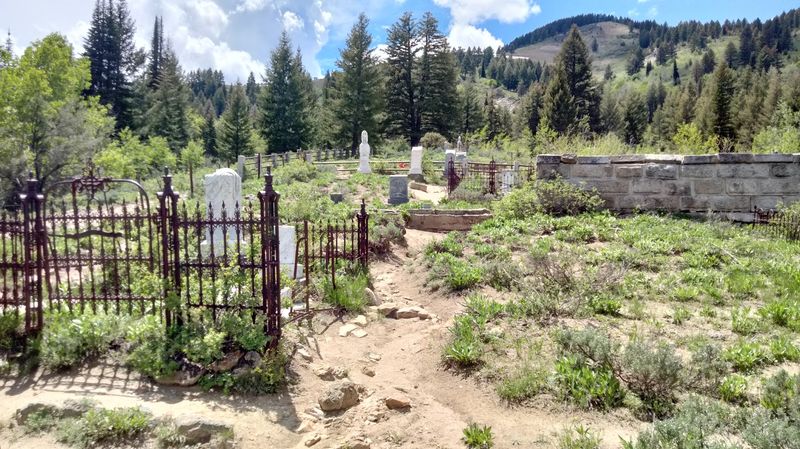
Silence is the first thing many people notice in high mountain country. Without traffic, the wind becomes the main soundtrack.
The setting around Silver City Cemetery is classic Owyhee terrain. Expect open slopes, sagebrush, rocky ground and wide mountain views in fair weather.
That openness changes how the cemetery feels. Instead of tight rows behind a city wall, graves spread across a landscape that seems to go on forever.
Weather can shift quickly at elevation, even in summer. A sunny morning can turn breezy and cool by afternoon, so a light jacket earns its spot in the car.
Plants and wildlife share the hillside, too. Watch your step around uneven ground, hidden holes and brush that has grown over older plots.
The mood is reflective without being gloomy. Many people find the combination of history and scenery oddly peaceful.
You might come for the graves and leave thinking about the view. Or the other way around.
Either way, the place sticks with you long after the dust washes off your tires.
Pair It With A Stroll Through The Ghost Town
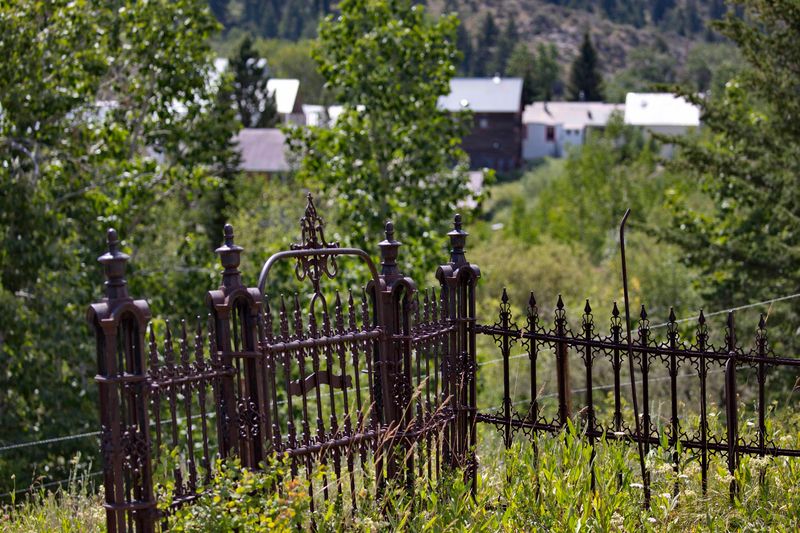
Don’t treat the cemetery as a stand-alone stop. Silver City itself is the main event, and the graves make far more sense after seeing the town.
Historic buildings still line the streets, giving you a rare look at a 19th-century mining settlement in Idaho. Many structures are privately owned, so admire them from public areas.
Walking the town first helps you picture the people on the hill. You’ll see where they likely shopped, worked, worshipped and met their neighbors.
Then the cemetery becomes the final chapter. Names on stones start to feel connected to the buildings you just passed.
The town has very few services, so plan ahead. Bring your own water, snacks and anything else you might need for the day.
Respect posted signs and private property throughout. The folks who maintain these buildings are a big reason the town still stands.
One visit rarely covers everything. Many people leave already planning a return trip, which tells you something about how much history fits into one small canyon.
Road Notes Before You Head Up The Mountain
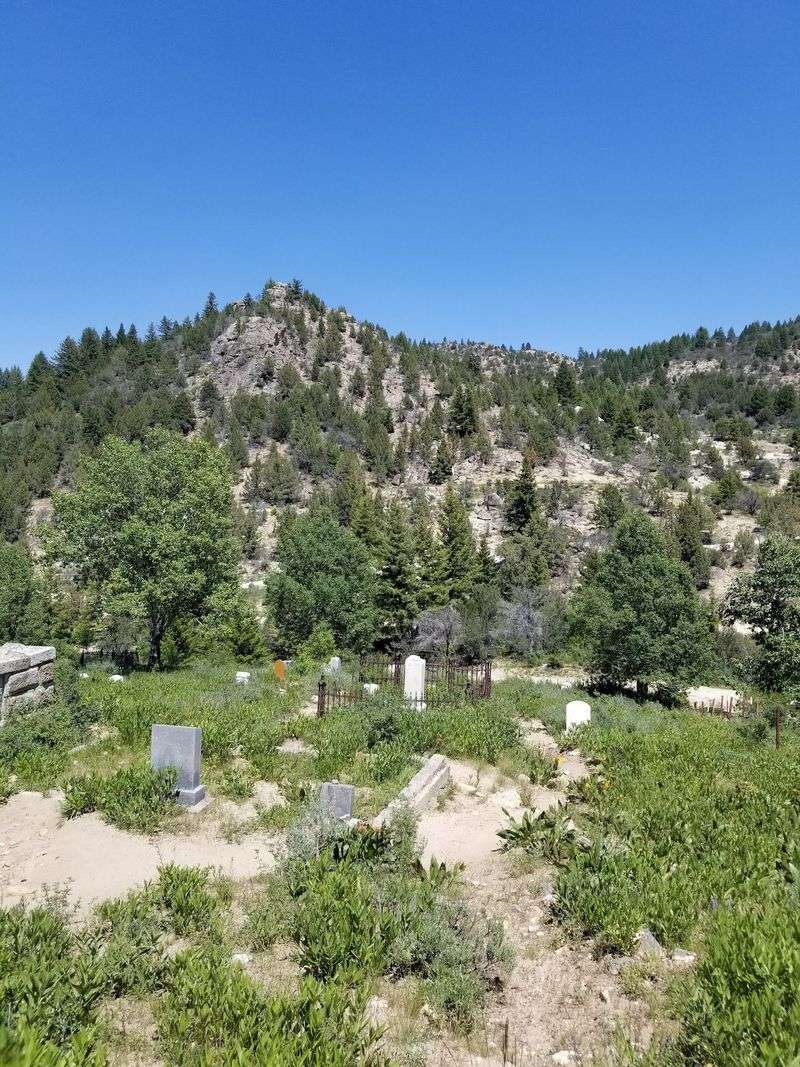
Getting there is half the adventure, and it deserves real planning. The route climbs from the Murphy area on a long, unpaved mountain road.
Conditions change with the seasons. Snow typically closes access for much of the colder months, so summer and early fall are the usual window.
Check current road conditions with Owyhee County or other local sources before leaving. A vehicle with good clearance makes the drive far more comfortable.
Fill your gas tank before heading up. Services are scarce, and cell coverage can disappear along the way.
The cemetery has no posted hours, and the site is generally accessible when the road is open. Daylight visits are the smart choice for safety and for reading inscriptions.
Pack water, sun protection and sturdy shoes. Uneven ground and high-elevation sun can catch people off guard.
Leave a trip plan with someone at home, too. It sounds dramatic for a cemetery visit, but remote Idaho roads reward travelers who prepare like they mean it.