The Winter Storm That Buried Idaho Towns Under Snow And Shut Down Life For Days
Onions don’t usually make winter headlines. Then the winter of 2016-2017 arrived, and snow piled so heavy on Idaho storage buildings that roofs caved in over millions of pounds of stored crop.
That detail stopped me cold. It wasn’t one dramatic blizzard and done.
Storm after storm rolled through, with snow, freezing rain, and bitter cold stacking up for weeks.
Kids in places that rarely see a snow day suddenly had several in a row. Highways closed.
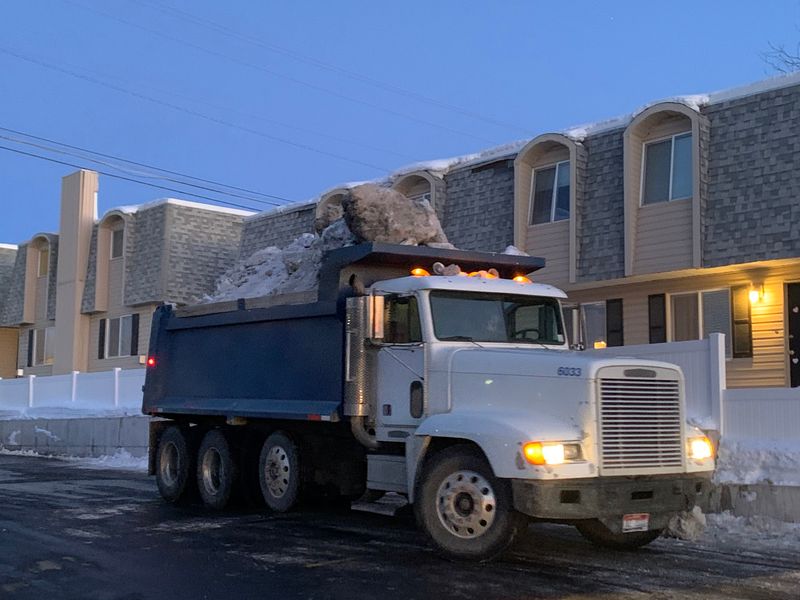
Neighbors traded shovels and swapped stories about roofs, gutters, and cars that vanished under white mounds.
I love a good weather story, but this one is different. It touched farms, schools, roads, and rivers long after the last flake fell.
So how did an ordinary Idaho winter turn into the season people still bring up whenever the forecast hints at snow?
1. The Snow That Kept Coming
Most Idaho winters give you a break between storms. The winter of 2016-2017 skipped that courtesy and just kept reloading.
Starting in December, the Treasure Valley got hit by round after round of snow. Cold air hung around, so the old snow never melted before new snow landed on top.
That stacking effect is what made the season so rough. One storm alone was manageable, but the layers turned into a heavy, packed burden.
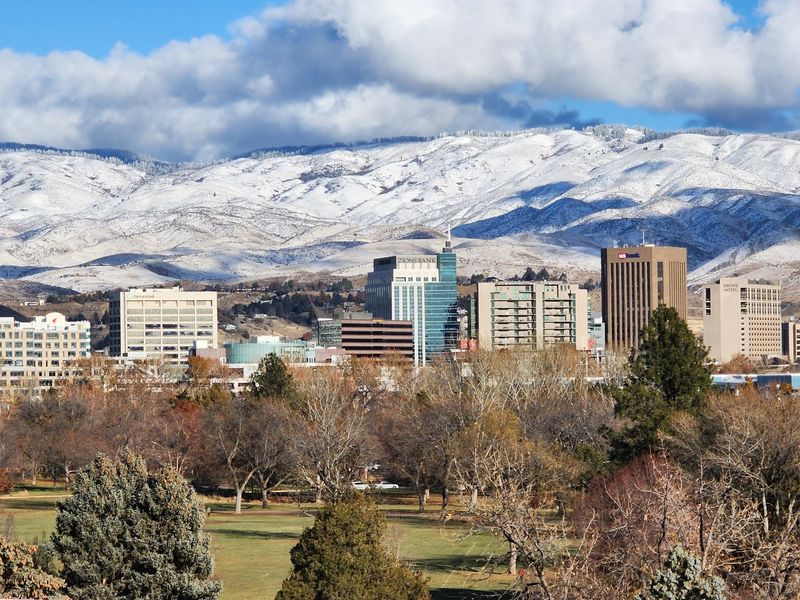
Boise logged one of its snowiest winters in decades that season. For a city that often sees light dustings that vanish by lunch, the change felt huge.
You could see it on driveways and sidewalks. Snow berms grew taller as plows pushed fresh loads onto old piles.
Then came the freezing rain. Ice glazed the snowpack, adding weight and making walking a slippery gamble.
The mix of snow, ice, and cold stretched across western Idaho. Towns from the Treasure Valley out toward the Oregon line felt the squeeze.
Ask anyone who lived through it, and they’ll likely mention the shoveling first. Some folks cleared the same spots again and again within a single week.
It wasn’t one storm. It was a whole season that refused to let go.
Address: Boise, ID 83702
2. Snow Days in Boise
Snow days in Boise used to be rare enough to feel like a legend. In January 2017, kids got a whole stack of them.
Boise School District canceled classes for several days that month. Nearby districts across the Treasure Valley closed too as roads stayed icy and buses struggled.
For students, it sounded like a dream at first. Sledding, snowball fights, and sleeping in all lined up nicely.
Parents had a different view. Suddenly they needed childcare while trying to dig out cars and get to work on slick roads.
Side streets were a big concern for school officials. Plows focused on main routes, while neighborhood roads stayed packed with rutted snow and ice.
Sidewalks were another headache. Kids walking to school faced snowbanks pushed right over the paths they normally used.
The closures stretched long enough that districts had to think about make-up time. That’s a conversation Treasure Valley schools rarely needed before.
I find it funny how quickly a novelty turns into a routine. By the fourth or fifth day, even the most excited kids probably missed their friends.
For a city built around mild winters, those cancellations showed just how unusual the season had become.
Address: 8169 W Victory Rd, Boise, ID 83709
3. The Onion Storage Roof Collapses
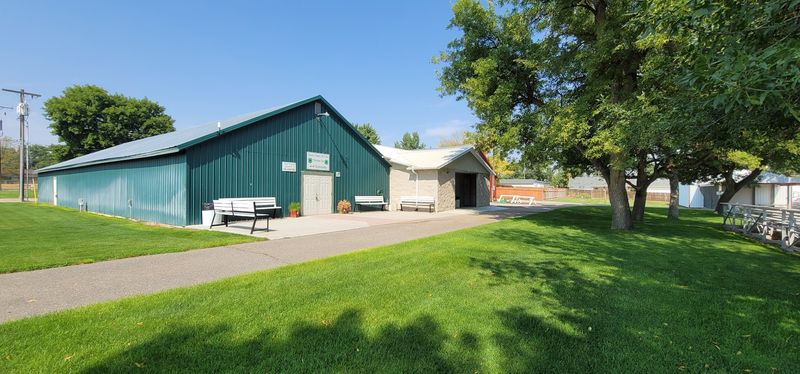
Onion country took the hardest hit you might never expect. In western Idaho, heavy snow brought down the roofs of large onion storage buildings.
Payette and Washington counties grow a big share of the region’s onions. Farmers store the harvest in huge sheds through winter before shipping.
The problem was weight. Packed snow topped with ice pressed down on wide roofs until some of them simply gave way.
Inside, stored onions were exposed to snow and freezing temperatures. Growers lost large amounts of crop they had planned to sell over the coming months.
Workers and farm crews scrambled to clear snow off roofs that were still standing. It was dangerous, slow, and cold work.
Local agriculture leaders described the damage as a serious blow to the onion industry in the area. Packing sheds and storage facilities across the region faced repairs.
It’s a reminder that a snowstorm isn’t only about closed roads. For Idaho farm families, it can hit the bottom line for an entire year.
Next time you grab a sweet onion at the store, you might think of those growers. Their harvest survived the field and then faced the sky.
Address: Payette, ID 83661
4. Highways Shut Down
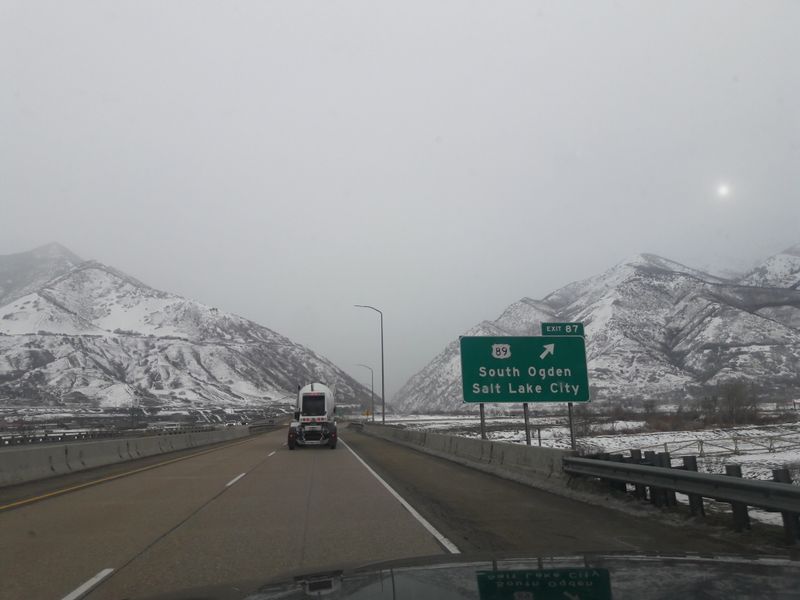
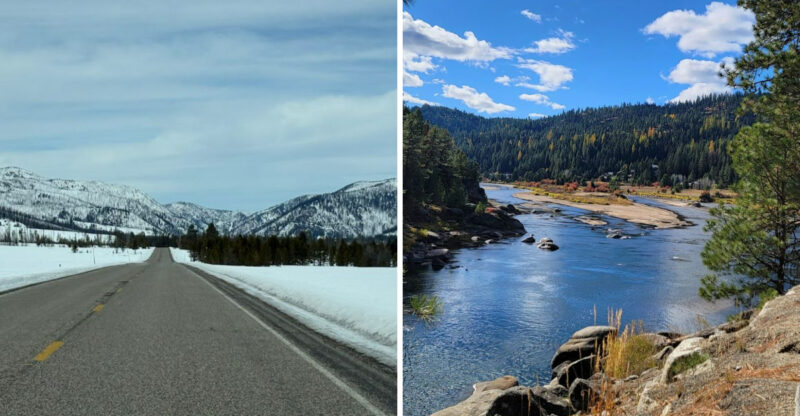
Getting anywhere that winter took patience and a little luck. Major roads across western Idaho closed off and on as snow and ice took over.
Interstate 84 saw closures during the worst stretches of weather. Blowing snow and slick pavement made travel risky for cars and semis alike.
When a freeway shuts down, trucks pile up fast. Drivers waited it out at truck stops and in towns along the route.
Smaller highways had their own troubles. Two-lane roads through farm country drifted over, especially where wind swept across open fields.
Idaho Transportation Department crews ran plows long hours trying to keep routes open. They also urged people to stay home unless travel was necessary.
You might picture road closures as a mountain pass problem. In 2017, flat valley stretches near the Oregon line caused plenty of trouble too.
Ice was the sneaky part. A road could look clear and still carry a glassy layer that sent cars sliding.
For rural families, a closed highway meant postponed trips to the grocery store, doctor, or work. Some simply hunkered down until conditions improved.
Those orange closure gates became a familiar sight that season.
Address: Interstate 84, Fruitland, ID 83619
5. The Ice Storm Twist
Snow alone would have been plenty. Then freezing rain showed up and coated western Idaho in a glassy shell.
Freezing rain falls as liquid and freezes on contact. It turns trees, power lines, and roads into sparkling but heavy hazards.
Areas along the Idaho and Oregon border dealt with ice on top of deep snow. Communities around Weiser and the Payette area felt that double hit.
Ice adds serious weight to branches. Limbs snapped and fell onto roads, cars, and power lines.
Power outages followed in some spots. Utility crews worked in harsh conditions to restore service to homes and businesses.
Walking became a balancing act. Driveways and steps glazed over, so a quick trip to the mailbox felt like an obstacle course.
I’ll admit ice-covered trees look pretty in photos. In real life, though, they bring cracking sounds and broken limbs you’d rather not hear.
The ice also locked snow in place on roofs. That made it harder to clear and added even more weight to buildings already under strain.
For many people, the ice storm was the moment winter shifted from annoying to truly exhausting.
Address: Weiser, ID 83672
6. Roofs Under Pressure
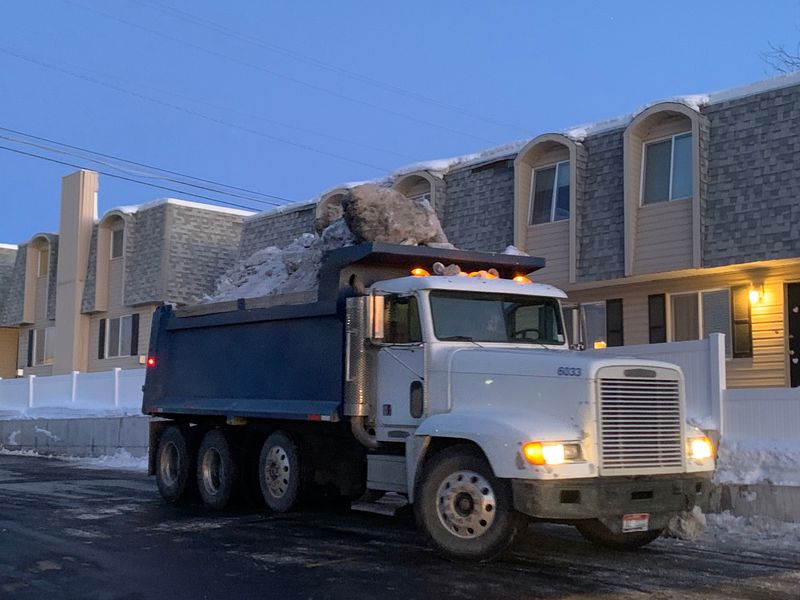
Roof rakes suddenly became the hottest item in town. Homeowners and business owners across southwest Idaho worried about how much weight their buildings could hold.
Farm sheds weren’t the only structures that struggled. Some barns, carports, and commercial buildings also saw damage from heavy snow.
Officials warned people to watch for warning signs. Sagging ceilings, creaking sounds, and doors that suddenly stuck could signal stress.
Clearing a roof sounds simple until you try it. Snow topped with ice is heavy, and climbing up there brings its own risks.
Many people hired help or teamed up with neighbors. Clearing one roof often led to helping with the one next door.
Flat and low-slope roofs had it worst. Snow didn’t slide off, so it just kept piling higher with each storm.
Insurance calls ticked up as the damage reports rolled in. For some families, the cleanup lasted well past the last snowfall.
You start looking at your own house differently after a winter like that. Suddenly the roof pitch matters a lot more than paint color.
Idaho builders take snow loads seriously for good reason. This season made that point loud and clear.
Address: Fruitland, ID 83619
7. Disaster Declarations

When the governor gets involved, you know the snow means business. Idaho’s leaders issued disaster declarations as the damage kept growing in 2017.
Then-Governor Butch Otter declared emergencies for hard-hit counties in western Idaho. Payette and Washington counties were among the areas included.
A declaration opens doors to state help. It can also lay the groundwork for federal assistance when local resources run thin.
Counties had been spending heavily on plowing, sanding, and emergency response. Small rural budgets weren’t built for a season like this.
The agricultural losses played a big part. Collapsed onion storage and damaged farm buildings hit a key part of the local economy.
Federal disaster aid was later approved for parts of Idaho affected by the winter storms. That money helped cover public costs for repairs and response.
Paperwork isn’t the exciting part of a storm story. Still, it decides how quickly towns can recover.
It’s interesting how a weather event moves from shovels to signatures. First neighbors respond, then counties, then the state and federal government.
For western Idaho, those declarations confirmed what residents already knew. This winter was no ordinary cold spell.
Address: 700 W Jefferson St, Boise, ID 83702
8. The Spring Melt Floods
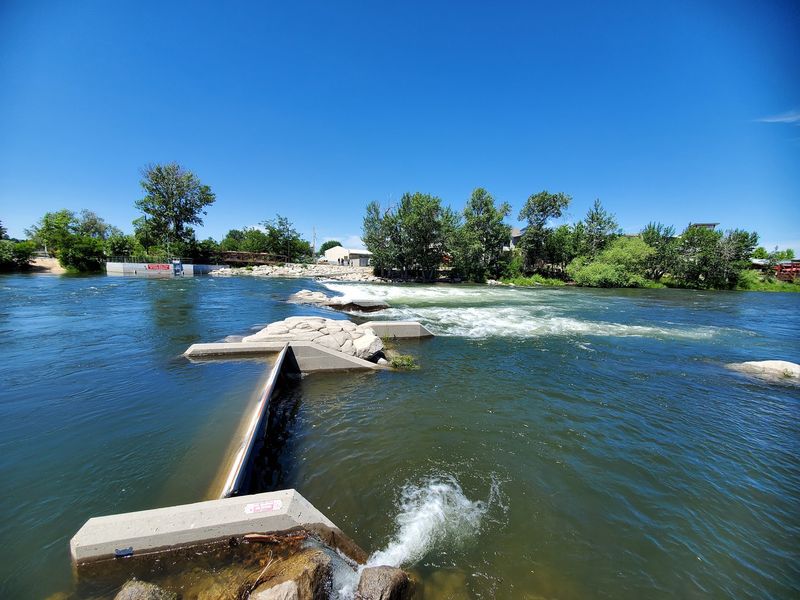
Just when everyone was ready to celebrate the thaw, the snow had one last surprise. All that water had to go somewhere.
Heavy snowpack in the mountains fed Idaho rivers as temperatures warmed in spring 2017. The Boise River ran high for weeks.
Officials released water from upstream reservoirs to make room for the runoff. That kept the river flowing at elevated levels for a long stretch.
Parts of the Boise River Greenbelt flooded and closed. Popular paths and parks along the water turned into soggy, off-limits zones.
Communities downstream, including Eagle and areas toward Caldwell, kept a close eye on rising water. Sandbags appeared along vulnerable spots.
Ice jams and flooding hit other areas earlier as snow melted on frozen ground. Low fields and roads took on water in parts of western Idaho.
It’s a strange twist to go from shoveling to sandbagging in one year. Yet that’s how the season played out.
The flooding drew attention to how connected Idaho winters and summers really are. Snow in January can shape river levels in May.
So the storm didn’t truly end with the last flake. It just changed form and kept everyone busy.
Address: Boise River Greenbelt, Boise, ID 83702