Stained Glass From 1920s Germany Fills The Windows Of This Brick Nebraska Church
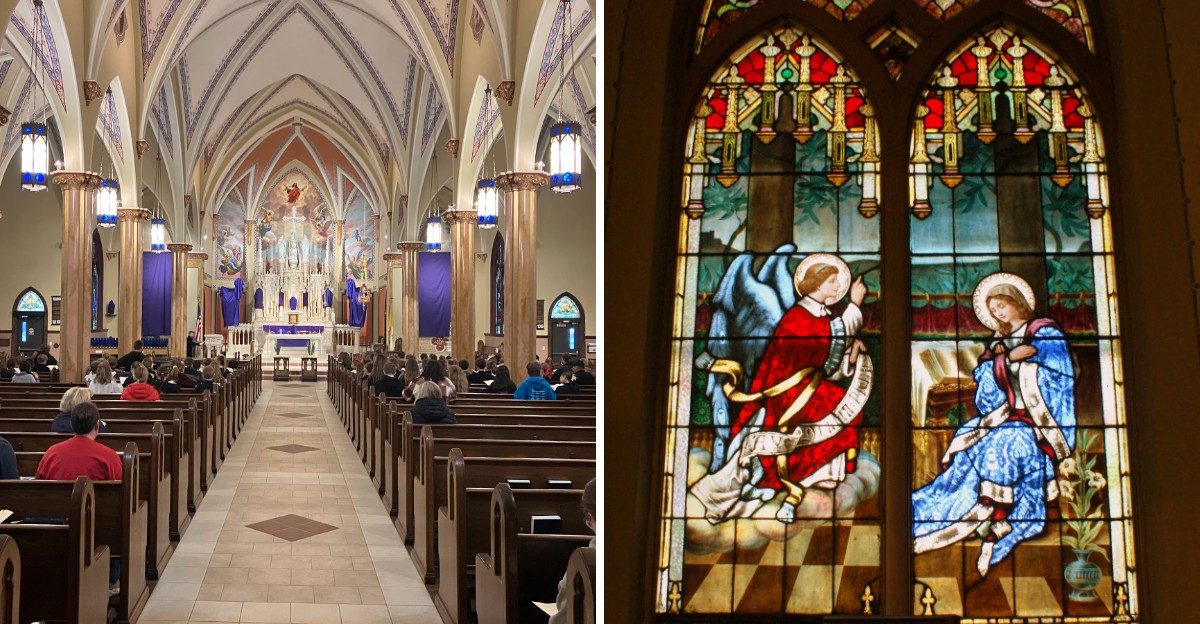
Glass made in Germany a century ago still catches the prairie sun in a small Nebraska county seat. That glass sits inside a sturdy brick church, far from the workshops that shaped it.
I like that something so delicate survived such a long trip. Crates of fragile panels crossed an ocean, rode the rails, and ended up in farm country.
Then a parish set them in place and kept them glowing for generations.
The outside gives you red brick and plain Midwestern confidence. The inside is where the color shows up and changes your mood.
Light pours through those windows in shades that feel almost borrowed from another continent.
I can’t imagine passing through town without stepping in for a look. So what does a German-made window look like when the Nebraska sun hits it?
A Brick Landmark With A Story Written In Glass
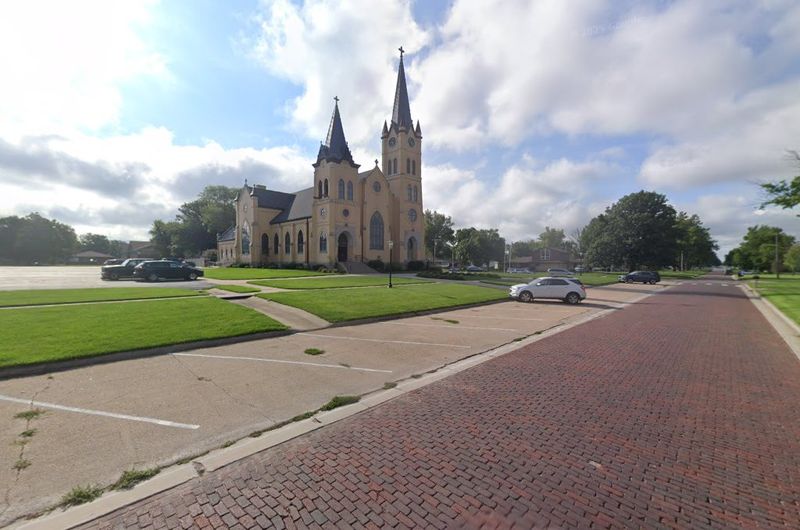
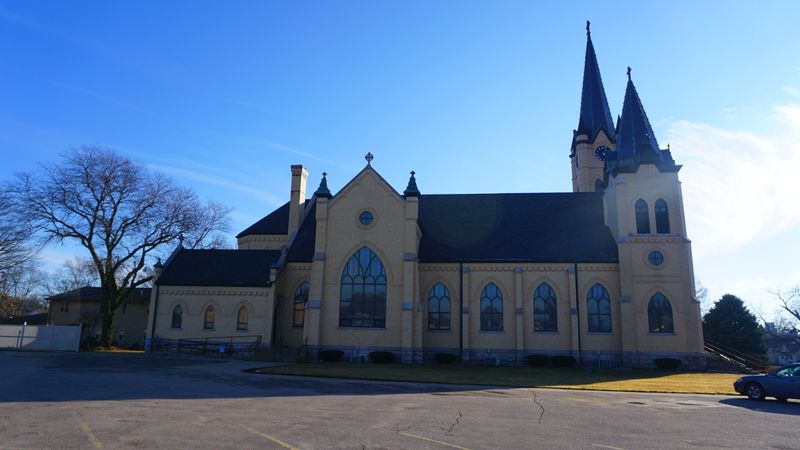
St Mary’s Catholic Church in David City has a talent for surprise. From the street, you see solid brick and tall windows, the look of a parish built to last.
The real headline waits inside, though. Its windows hold stained glass that traces back to 1920s Germany, carried all the way to east-central Nebraska.
David City serves as the seat of Butler County, so the church sits in a real working town. It isn’t a museum piece set apart from daily life.
People still gather here for worship, and the building keeps doing the job it was built for.
That mix makes St Mary’s Catholic Church worth knowing. You get Old World craftsmanship without leaving the state, plus a parish that clearly cares about its home.
Visitors often describe it as one of the most beautiful churches in the area. That reputation comes from the details, and the glass leads the way.
Think of this as a place where a quick stop can turn into a slow, quiet look around. Few small-town buildings pack this much color behind such a modest brick face.
How German Glass Ended Up On The Nebraska Prairie
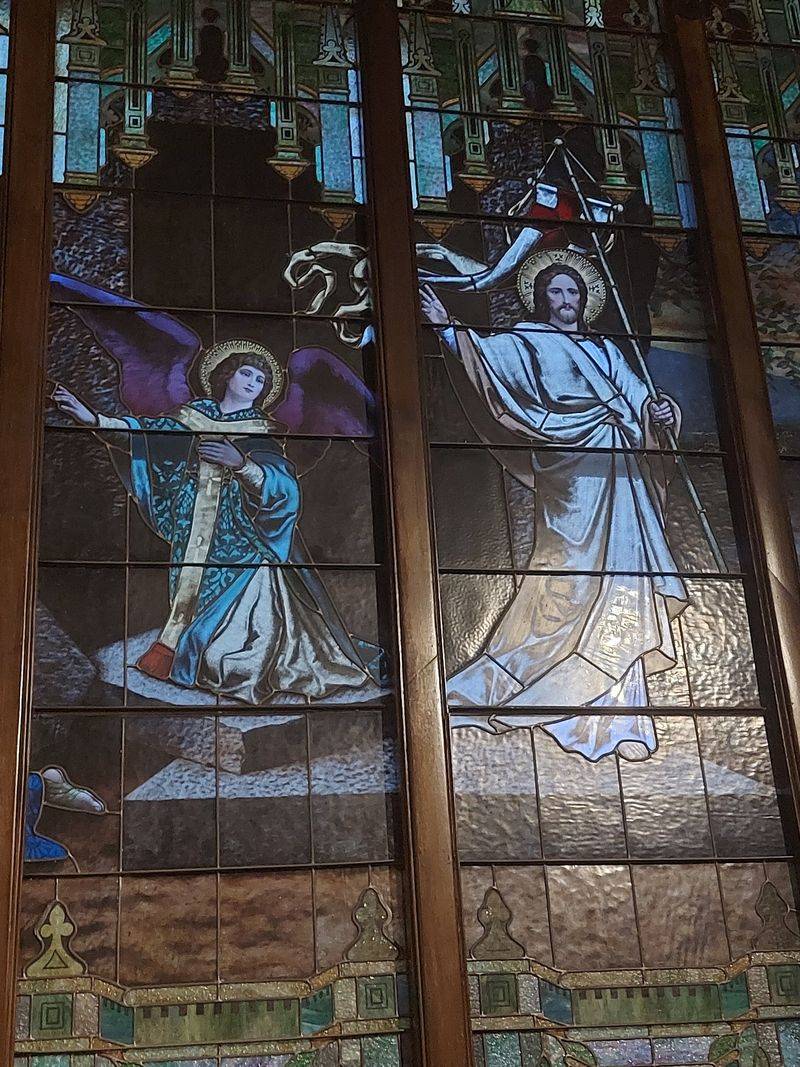
Fragile cargo, long distances, and plenty of faith. That sums up how European stained glass reached small American parishes in the early twentieth century.
German studios held a strong reputation for church windows during that era. Many parishes across the United States ordered panels from overseas because the quality matched their hopes for a proper house of worship.
St Mary’s joined that tradition in the 1920s. The windows had to survive an ocean crossing and an overland trip before anyone could install them.
Nebraska also has deep German roots, which makes the choice feel natural. Plenty of families across the state came from German-speaking lands, bringing faith, customs, and a love of fine craftsmanship.
It’s easy to forget how much planning such an order required. Measurements had to be right, designs approved, and every piece packed with care.
A century later, the payoff still hangs in the walls. The glass connects a Butler County congregation to workshops thousands of miles away.
That link between the old country and the plains gives the windows a story beyond their beauty, and it’s one Nebraska heritage fans will appreciate.
Windows That Turn Sunlight Into Something Else Entirely
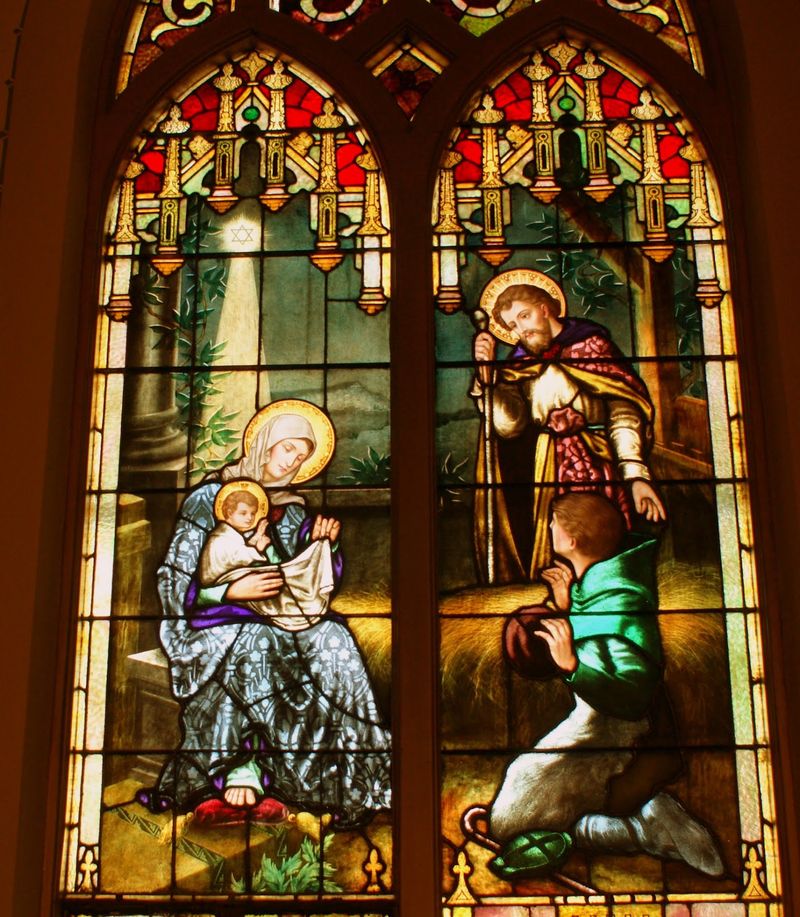
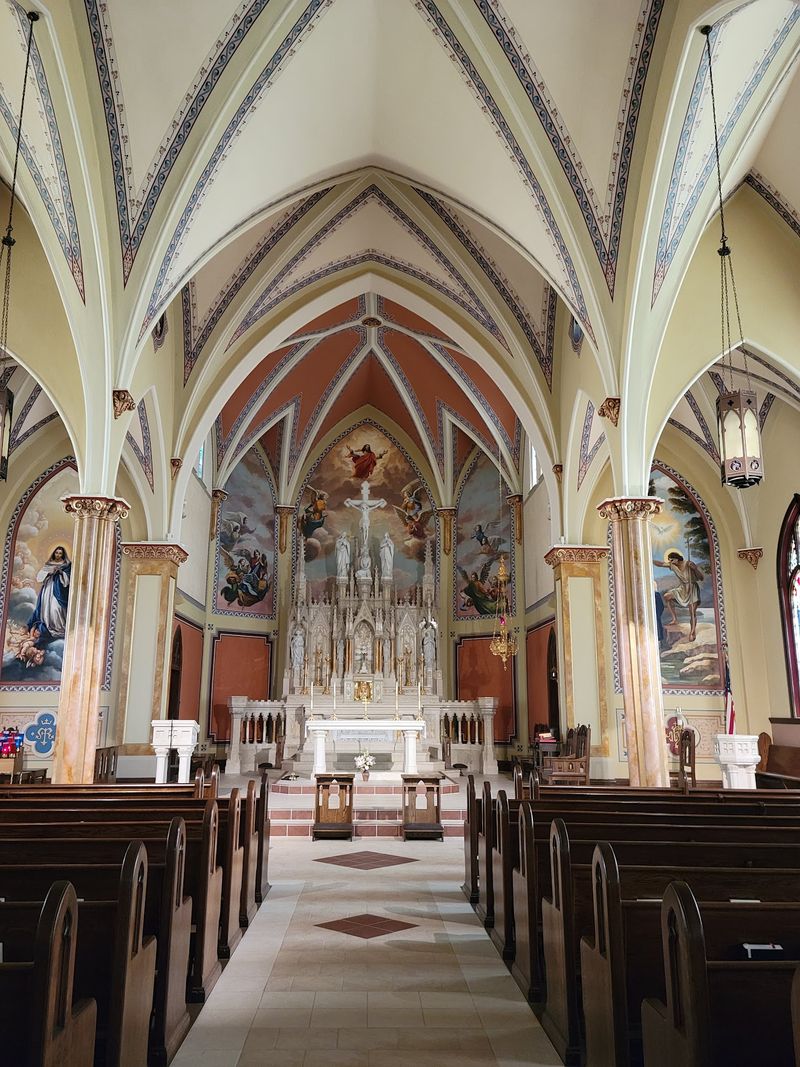
Sunlight behaves differently once it passes through colored glass. Plain daylight turns into deep blues, warm reds, and glowing golds across the floor and pews.
That transformation is the main event at St Mary’s Catholic Church. The German-made windows fill the interior with color, and the effect shifts as the sun moves.
Morning light and afternoon light can give the same window two different personalities. A cloudy day softens everything, while a bright Nebraska afternoon makes the colors pop.
Church windows like these were designed to teach as well as decorate. Figures and symbols in stained glass told sacred stories to anyone who looked up.
Take a moment with each window instead of scanning the room quickly. Small details often hide in borders, faces, and backgrounds.
Visitors have praised the care and attention to detail throughout the church. The windows are a big reason why.
Even if you aren’t Catholic, it’s hard not to feel a little hush when the light comes through just right. Bring patience, and let your eyes adjust before deciding which window is your favorite.
Old World Craft Behind Every Colored Pane
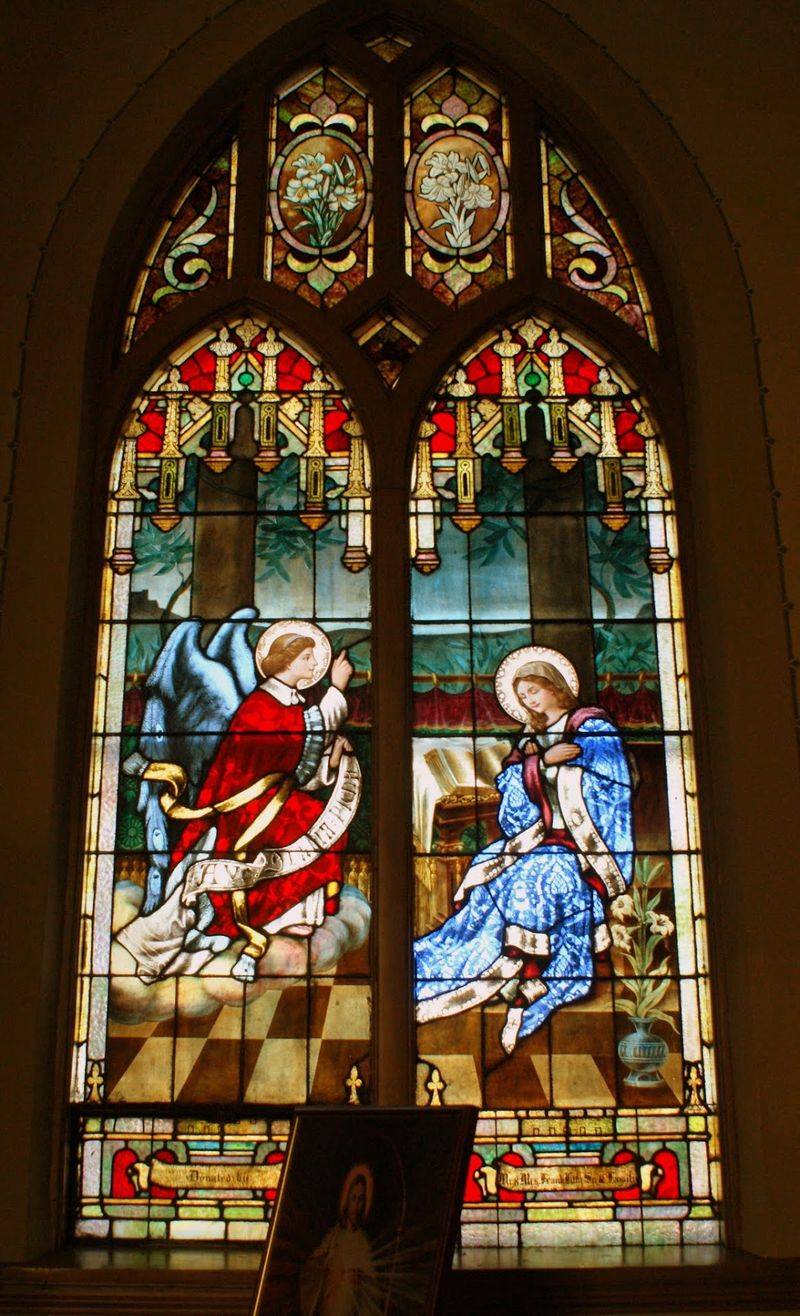
Every stained-glass window starts as hundreds of small decisions. Artisans chose colors, cut each piece, painted fine details, and joined it all with lead.
German studios of the early 1900s were known for this kind of painstaking work. Faces, robes, and backgrounds were often hand-painted onto the glass, then fired so the details lasted.
The result is more than a pretty pattern. It’s a picture built from light, and it changes with the weather outside.
Looking closely at the windows in St Mary’s rewards a curious eye. Lead lines trace the shapes like outlines in a coloring book.
That fine work is part of what makes these panels special. Mass-produced decorative glass can be cheerful, but it rarely carries this depth.
Craftsmanship like this also explains why parishes protect their windows so carefully. Repairs require skill, and replacements are hard to match.
Seeing glass of this age still in place in David City is a quiet reminder of how much effort went into building Nebraska’s churches. Nobody rushed these windows, and they still show it.
Red Brick That Keeps Things Grounded
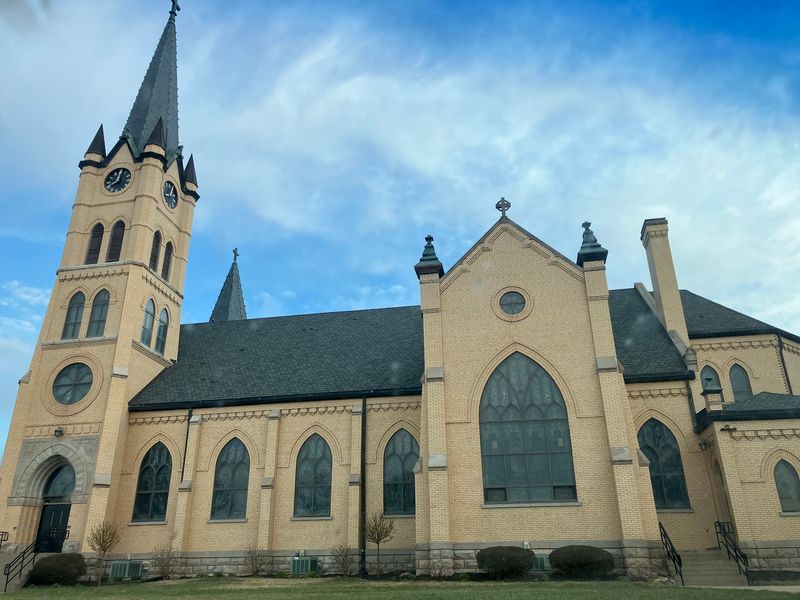
Brick doesn’t try to show off. It just stands there, solid and patient, through Nebraska summers and winters alike.
The brick exterior of St Mary’s Catholic Church gives the building a steady, dependable look. Many Nebraska parishes chose brick because it held up well and felt permanent.
That sturdy shell sets up the contrast inside. Outside feels practical and rooted, while the windows bring artistry and color.
It’s a pairing that suits a farming region. The exterior reflects hard work and common sense, and the interior reflects devotion and beauty.
Walk around the outside before heading in. Seeing the windows from the street, set into the brick, helps you appreciate their size and placement.
From outdoors, stained glass often looks darker and more mysterious. The colors really wake up once you’re inside looking out toward the light.
That shift is part of the fun of visiting a church like this one. You get two versions of the same windows, one from the sidewalk and one from the pews, and both are worth a look.
Artwork That Earns A Stop Even From Non-Catholics
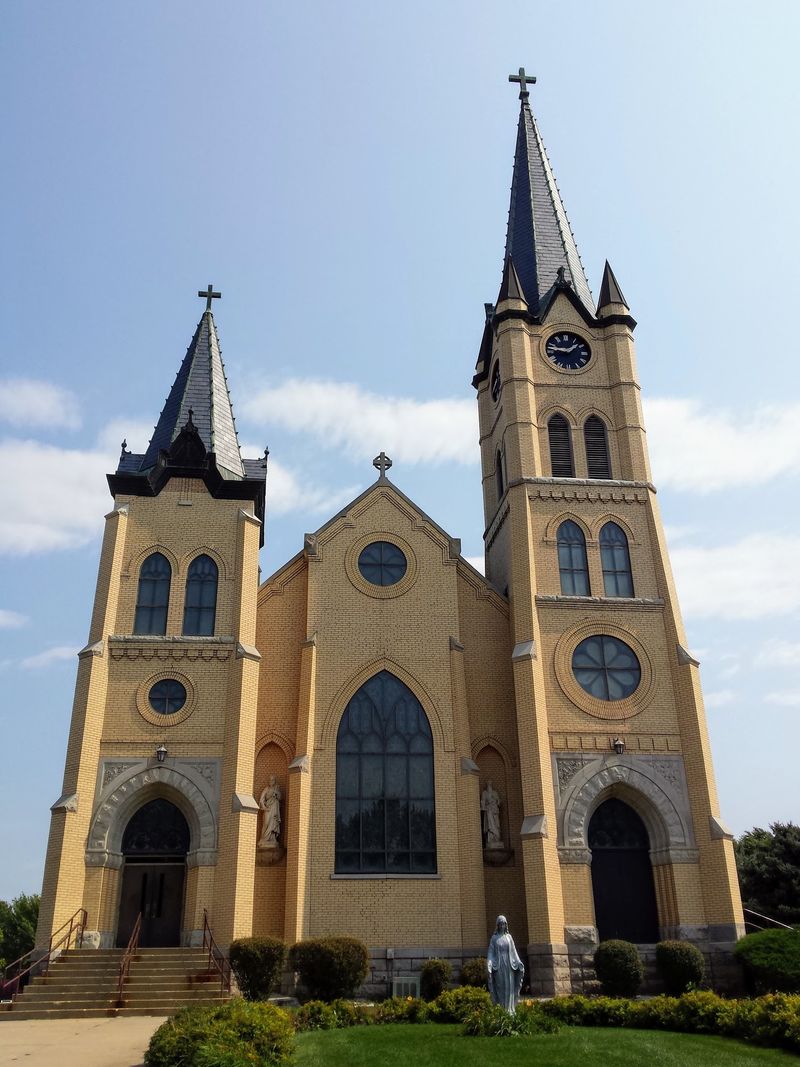
Plenty of travelers drive past small-town churches without a second thought. St Mary’s gives a good reason to pull over.
The artwork inside is a big part of its local reputation. People have encouraged others to stop and see it, even if they aren’t Catholic.
That’s an easy recommendation to understand. Sacred art carries history, symbolism, and craftsmanship that anyone can appreciate.
The stained glass sets the tone, but the overall care inside the church adds to the effect. Visitors have noted how much attention to detail shows throughout the space.
That kind of upkeep doesn’t happen by accident. It reflects a parish that values its building and wants it to look its best.
If you enjoy art, architecture, or history, give yourself time here. A church interior isn’t something to sprint through.
Notice how the colors, shapes, and light work together. Above all, remember you’re a guest in an active place of worship.
A respectful, quiet visit lets you enjoy the beauty while honoring the people who keep this Nebraska parish going.
A Parish That Still Fills The Pews
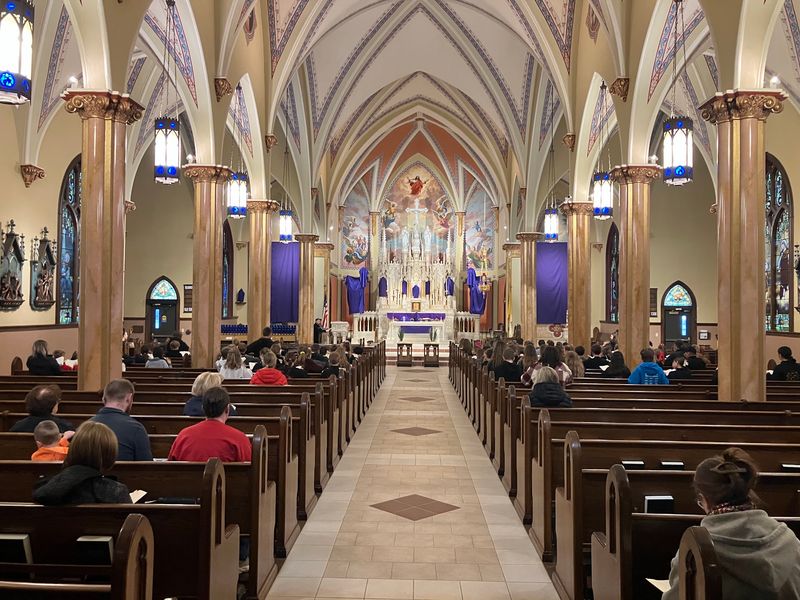
Old windows mean more when people still gather beneath them. St Mary’s isn’t a preserved relic.
It remains a working Catholic parish.
That living community gives the church its warmth. The beauty of the building and the faith of its people go hand in hand.
Visitors have described a strong Catholic community here, one where faith shapes everyday life. Others have praised the parishioners themselves as wonderful.
It’s lovely to see a century-old space still serving its original purpose. The windows were made for worship, and they still glow over services today.
For travelers, that means a little extra courtesy goes a long way. Avoid interrupting prayer, and keep conversations soft.
Photos are best taken when no service or private devotion is underway. When in doubt, ask the parish office first.
There’s something reassuring about a church that keeps doing what it was built to do. The stained glass from 1920s Germany has watched generations of David City families come through the doors.
That continuity is part of what makes St Mary’s such a meaningful stop in Nebraska.
A School Next Door Adds To The Parish Picture
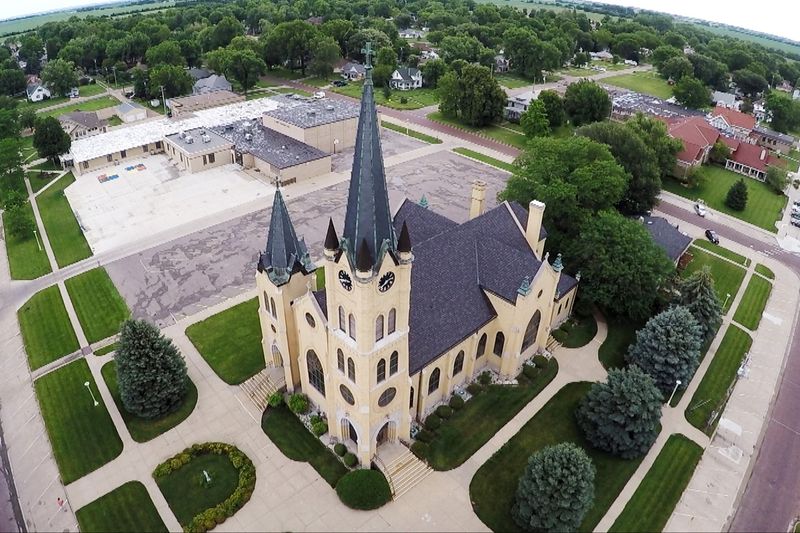
Churches in small Nebraska towns often anchor more than Sunday services. At St Mary’s, the parish also includes a school connected to the church community.
That link between church and classroom is a familiar pattern in Catholic towns across the state. Families tied to the parish may spend years moving between both.
It also explains why the church feels so woven into local life. Generations of students have likely passed beneath these windows on their way to celebrations and services.
For visitors, the school is simply part of the setting. It’s a reminder that this campus serves a real, busy community.
If you visit on a weekday, keep that in mind. School activity can mean traffic, parking needs, and people coming and going.
Plan to be patient and considerate around the grounds. A quiet, respectful approach fits the whole campus, not just the sanctuary.
Seeing a parish with both a church and school still active gives a fuller picture of David City. The stained glass is the showpiece, but the community around it keeps the story going.
Why German Heritage Feels Right At Home In Nebraska
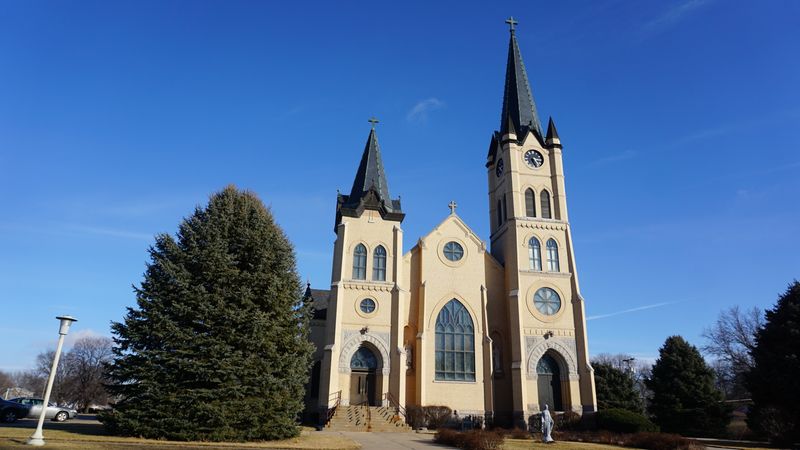
German immigrants left a big mark on Nebraska. Their influence still shows up in surnames, churches, foods, and traditions across the state.
That history makes German stained glass in a Nebraska church feel less unusual and more like a homecoming. Many settlers wanted their new churches to echo the beauty they remembered.
Ordering windows from Germany was one way to bring that familiar artistry across the ocean. It tied a prairie parish to centuries of European church craft.
For Nebraskans with German family roots, the windows can feel personal. They represent the kind of craftsmanship ancestors may have grown up seeing.
Even without that connection, the windows tell a broader story. They show how immigrant communities shaped the look and feel of small-town Nebraska.
Heritage isn’t only found in museums and festivals. Sometimes it’s sitting in plain sight, set into the walls of a brick church.
St Mary’s in David City is one of those places. A short visit offers a colorful lesson in how faith and family history traveled to the Great Plains.
Best Times To Catch The Glass At Its Brightest
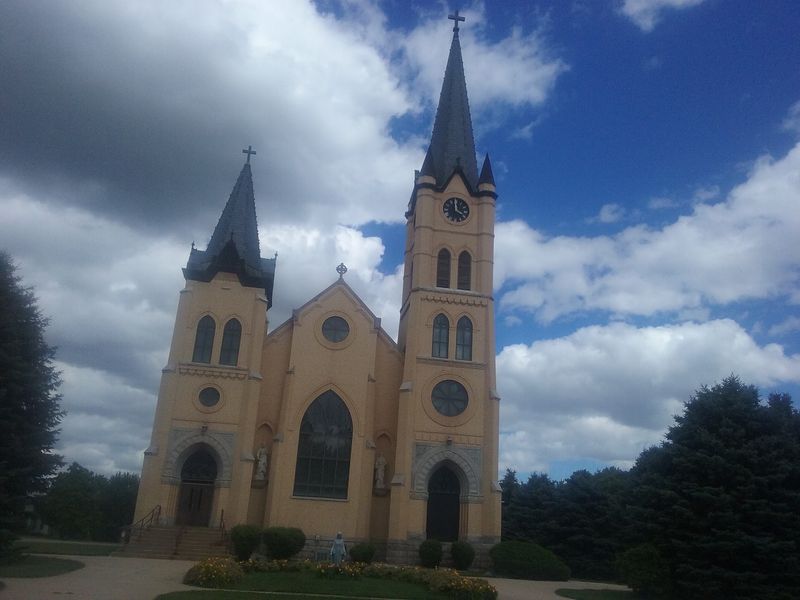
Timing matters with stained glass. A window that looks muted at one hour can blaze with color a few hours later.
Sunny days are your friend here. Bright Nebraska sunshine pushes light through the panels and spreads color across the interior.
Overcast skies have their own charm, though. Softer light lets you study details without as much glare.
Different windows face different directions, so each one has its own peak moment. If you have time, linger a bit and watch how the light shifts.
Seasons change the experience too. Winter sun sits lower in the sky, while summer light arrives from a higher angle.
Photographers should turn off the flash and let natural light do the work. Flash tends to flatten stained glass and wash out its color.
Remember that services and private prayer come first. Choose a quiet moment for photos and keep movement gentle.
Catching the glass on a bright day at St Mary’s Catholic Church makes the trip to David City feel well spent. It’s a free light show, courtesy of the sun.
Getting To This Corner Of Butler County
David City sits in east-central Nebraska, making it a reasonable drive from Lincoln, Omaha, and Columbus. It’s the kind of trip that works well as a relaxed day out.
You’ll find St Mary’s Catholic Church at 580 I St, David City, NE 68632. The church sits within town, so you won’t need to navigate long gravel roads to reach it.
As the Butler County seat, David City offers a small-town downtown worth a short stroll. Pairing the church with a walk around town makes for an easy outing.
Parking is typically simpler in smaller towns, but be mindful of service times and school activity. Pull in courteously and leave room for parishioners.
Fun fact for history buffs: Hallmark founder Joyce C. Hall was born in David City.
It’s a neat bit of trivia for a town of this size.
Map your route before heading out, especially if you’re combining stops. Rural Nebraska drives are pleasant, but cell coverage and detours can surprise you.
Once you arrive, the brick church and its glowing windows make the drive feel worthwhile.
Planning Around Weekday Hours And Parish Life
A little planning helps here. The church lists daytime hours on weekdays, Monday through Friday, with weekends shown as closed on its public listing.
Those listed hours likely reflect office availability, while Mass times follow the parish schedule. Checking with the parish before you go is the smartest move.
Weekday visits can be a good fit for quiet looking. Just remember that school and parish business may be underway.
If you hope to attend Mass, confirm the current schedule directly with St Mary’s. Service times can change with seasons and holidays.
There’s no admission charge listed for visiting a working parish church. Still, donation boxes are common in churches, and contributions help maintain old buildings and windows.
Dress comfortably but respectfully. Modest clothing suits any active place of worship.
Keep voices low and phones silent once inside. Small courtesies help keep the space peaceful for everyone.
A well-timed weekday stop gives you room to enjoy the glass without hurry. That’s exactly how windows this old deserve to be seen.