10 Minnesota Attractions That Make The North Star State Far More Interesting Than Travelers Expect
Minnesota has an entire museum devoted to a canned meat.
It sits in the town where that famous blue can is made, and admission is free. Honestly, I respect a state that celebrates its lunch this boldly.
The surprises keep stacking up underground, too.
Visitors can ride an elevator about half a mile down into an old iron mine. Elsewhere, a cave hides a waterfall beneath quiet farm country.
There are live wolves behind glass, a disputed Viking stone, and a pop legend’s private studio. Add a giant cherry balanced on a spoon.
For a place known mostly for lakes and cold winters, Minnesota clearly enjoys keeping a few aces up its sleeve.
1. SPAM® Museum
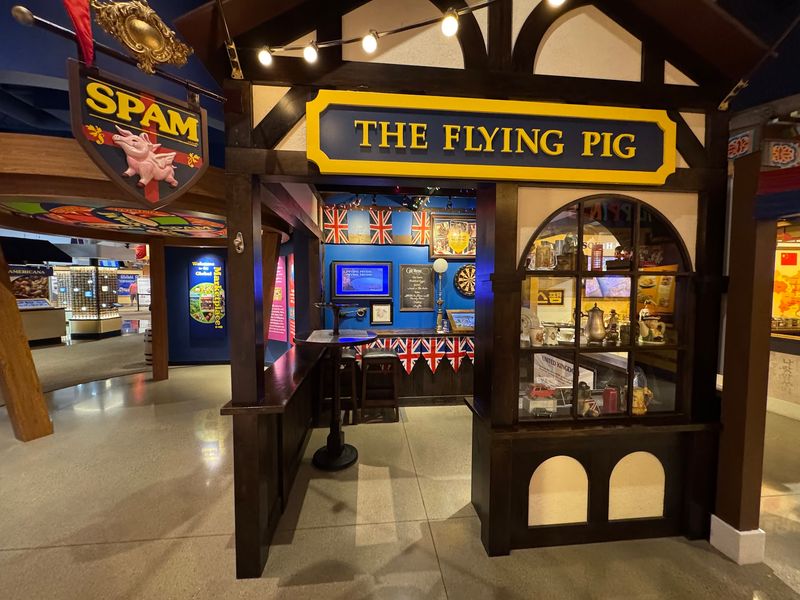
Few museums can claim their star attraction fits in a lunchbox. In Austin, the humble can of SPAM gets a full spotlight, and admission is free.
The story unfolds through vintage packaging, old photographs, and interactive displays. Children get opportunities to play, while grown-ups receive a surprisingly entertaining introduction to food history.
One standout feature is a recreated provision market. It illustrates how this famous product became part of everyday shopping habits.
You’ll find the museum at 101 3rd Ave NE, Austin, in the city’s downtown district.
Complimentary samples are offered when available. That means you can actually taste the subject of the museum, which most art galleries would probably frown upon.
Another entertaining exhibit lets you measure your height in SPAM cans. There’s also a display celebrating the musical Spamalot, inspired by the famous British comedy group Monty Python.
The museum opens daily from 10 a.m. to 4 p.m., while its merchandise shop remains open until 5 p.m.
Guided and self-guided tours are available, with advance arrangements recommended for larger groups. Parking is available behind the building, including designated spaces for recreational vehicles.
The gift shop stocks branded clothing, souvenirs, and an assortment of flavors that may be unfamiliar.
Minnesota could have treated its canned meat fame as an ordinary manufacturing achievement. Instead, Austin built an entire attraction around it.
2. Split Rock Lighthouse
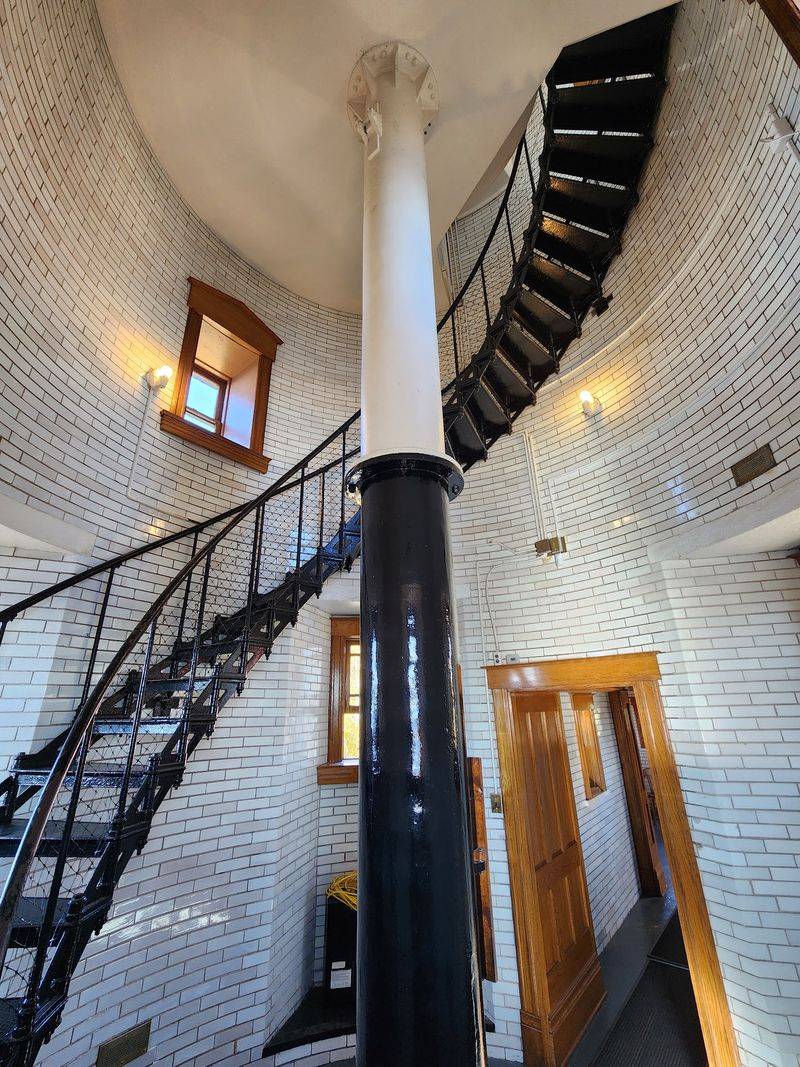
Some landmarks pose for photos like they were born for it. This yellow-brick lighthouse on Lake Superior’s North Shore certainly fits that description.
Completed in 1910, the lighthouse stands on a rocky cliff approximately 130 feet above the water. Its distinctive location provides sweeping views across the lake and surrounding shoreline.
Guided tours introduce visitors to the history of lighthouse technology and the daily routines of the keepers and their families.
The historic property occupies 3713 Split Rock Lighthouse Rd, Two Harbors, within the boundaries of Split Rock Lighthouse State Park.
The visitor center features historical exhibits, while restored buildings provide additional insight into life at the former light station.
Seasonal access arrangements are particularly important. From October 20, 2026, through January 4, 2027, the historic site opens Thursday through Monday from 10 a.m. to 4 p.m.
Regular grounds admission during this period does not include entry to the lighthouse or keeper’s residence.
However, Christmas at the Lighthouse tours run from November 27 through December 27, exploring family traditions and winter routines during the 1930s.
Photographers can also explore designated shoreline viewpoints within the neighboring state park, which has separate admission requirements. A museum shop offers books, historical merchandise, and keepsakes.
Bring warm layers for the exposed cliffside grounds. Lake Superior’s breeze can make even a sunny afternoon feel decidedly brisk.
3. Paisley Park
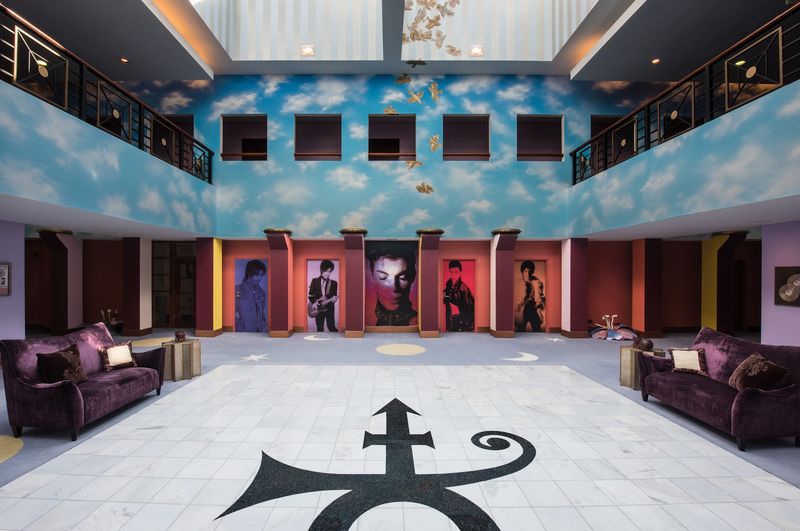
Purple fans, this suburban building is your pilgrimage stop. Paisley Park was Prince’s private home and production complex in Chanhassen.
Today, guided tours lead you through spaces tied to his life and work. Concert outfits, musical instruments, awards, artwork, and other personal belongings fill the experience with music history you can see up close.
The standard Paisley Experience lasts approximately 90 minutes. It includes recording studios, the enormous soundstage, and the NPG Music Club, where Prince hosted performances.
More extensive tours provide access to additional rooms and archival material. The three-hour Ultimate Experience includes all three principal recording studios and a special listening session.
For directions, follow Audubon Road to 7801 Audubon Rd, Chanhassen, southwest of the Twin Cities. Tickets in advance are strongly recommended. Showing up on a whim could leave you singing the blues in the parking lot.
Children must be at least seven for the standard tour, ten for the VIP experience, and twelve for the Ultimate Experience.
Photography and recording equipment must remain secured during tours, except within designated areas.
The complex closes Tuesdays and Wednesdays, with extended opening hours on Fridays and Saturdays.
Complimentary onsite parking simplifies arrival, while the gift shop and NPG Club & Cafe welcome visitors during regular business hours.
Live performances and special events continue to bring music into this remarkable building.
4. International Wolf Center
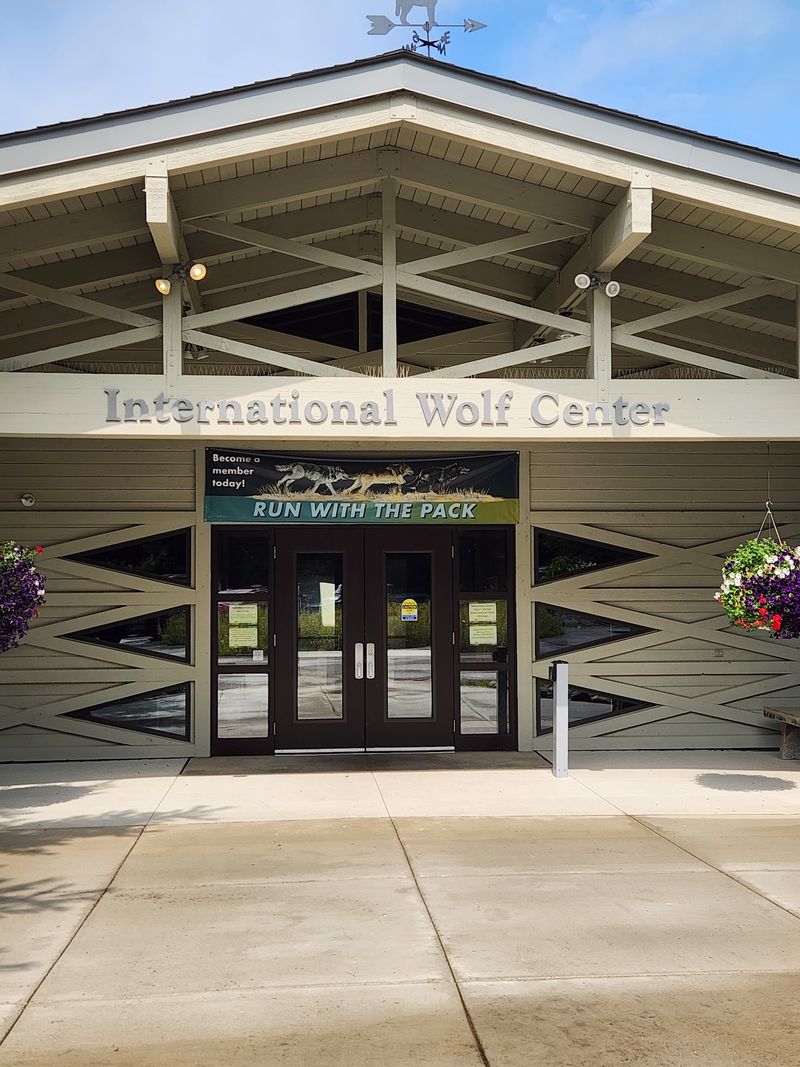
Howling neighbors are the main attraction in Ely. The International Wolf Center lets you watch live wolves through a glass-enclosed viewing area overlooking their wooded habitat.
The resident exhibit pack currently includes five ambassador wolves, two of which were born in April 2025. Seeing them roam, rest, and interact offers a perspective that nature documentaries cannot fully reproduce.
Learning is the heart of this place. Programs led by educators explain wolf behavior, communication, social relationships, and their role within natural ecosystems.
Interactive displays add hands-on fun for curious minds. A theater presents educational films, while the Discover Wolves exhibition explores the species through scientific information and multimedia displays.
Families with younger children can explore the Little Wolf exhibit, which encourages imaginative play and learning. You’ll find the center near the eastern edge of Ely at 1396 MN-169, Ely.
Winter hours extend from October 19, 2026, through May 27, 2027. The center opens Fridays and Saturdays from 10 a.m. to 5 p.m. and Sundays from 10 a.m. to 2 p.m.
Holiday closures include November 27 through 29 and December 25 through 27.
General admission activities take place indoors, making this an appealing destination regardless of the weather.
Remember that the wolves follow their own routines, and sightings aren’t guaranteed. Allow enough time to observe their surroundings and attend an educational presentation.
5. Lake Vermilion-Soudan Underground Mine State Park
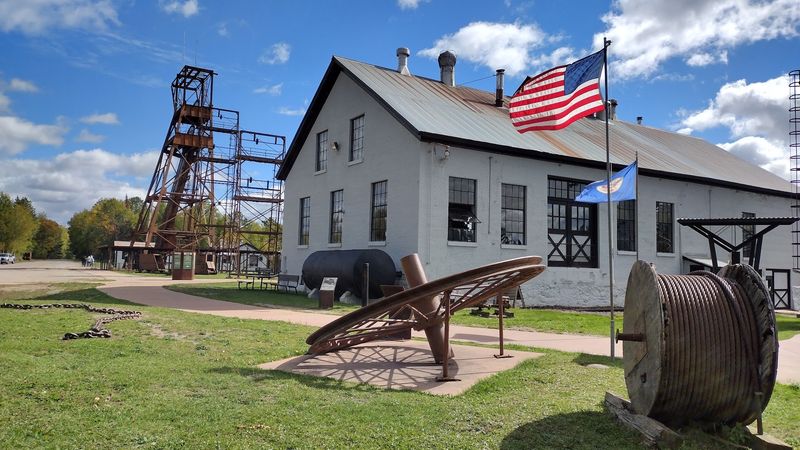
Going down nearly half a mile isn’t usually on a vacation checklist. On Minnesota’s Iron Range, it might be the highlight of your trip.
This state park is home to the state’s first iron ore mine, which operated from 1882 until 1962. Guided tours take you deep underground for a close look at its industrial history.
The adventure starts with a descent of 2,341 feet aboard historic mine hoisting equipment. Expect cool conditions, since the underground temperature remains around 51 degrees Fahrenheit throughout the year.
Once below, you’ll ride an underground train nearly a mile toward the mine’s former working area. Guides explain how miners performed their daily tasks and how the operation developed.
The entire underground experience lasts approximately 90 minutes. Advance reservations are recommended because each departure accommodates a limited number of participants.
Regular public tours resumed in May 2026 following restoration work, with the season concluding October 18. Educational and organized group tours are available throughout the year by reservation.
Above ground, the park offers hiking trails, camping facilities, picnic areas, and access to Lake Vermilion.
The entrance along 1302 McKinley Park Rd, Soudan, provides access to the historic mining complex.
Leashed dogs are permitted in designated outdoor areas but cannot accompany visitors underground. Think of this stop as history you can feel on your skin.
6. Niagara Cave
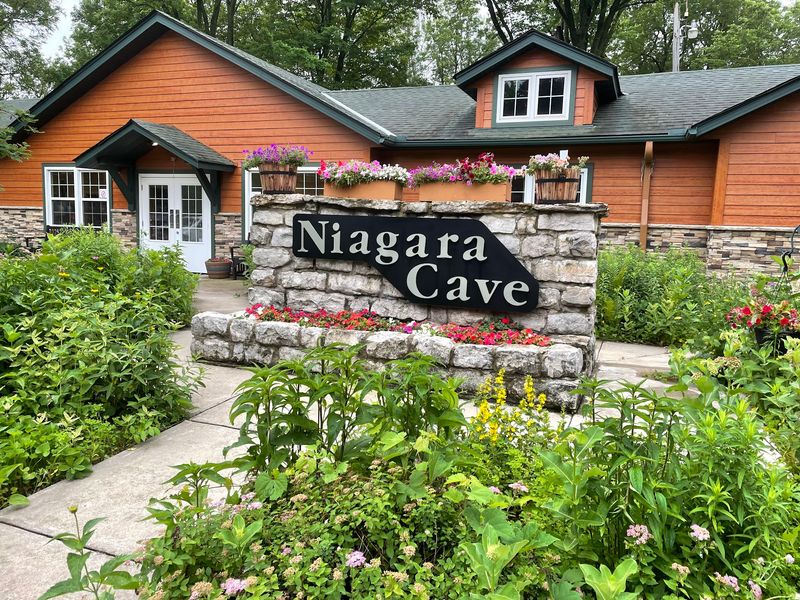
A waterfall underground sounds like a fantasy novel detail. Near Harmony, it’s one of the main reasons families head into Niagara Cave.
The limestone passages showcase formations created gradually by moving water. You’ll also spot marine fossils dating back approximately 450 million years, when this region had an entirely different landscape.
Tours run about an hour with a knowledgeable guide. The route covers approximately one mile and descends nearly 200 feet beneath the surface.
The sizable underground waterfall steals the show. Hearing water rush through the cave adds a sense of drama you won’t forget.
There’s even a subterranean wedding chapel, providing another unexpected feature along the guided route. The entrance stands amid Bluff Country farmland at 29842 Co Rd 30, Harmony.
Bring a light jacket, since the cave maintains a temperature of approximately 48 degrees Fahrenheit. Multiple staircases make the tour unsuitable for wheelchairs and strollers.
Back on the surface, miniature golf and gemstone mining provide additional entertainment for families.
Niagara Cave operates seasonally. Its regular 2026 schedule ran daily from May 1 through November 1, followed by selected November openings.
The final scheduled tours of the season take place November 27 through 29, 2026.
Reservations are recommended rather than mandatory, and visitors must check in before their scheduled departure. Who knew peaceful farmland could conceal such an extraordinary underground landscape?
7. Runestone Museum Foundation
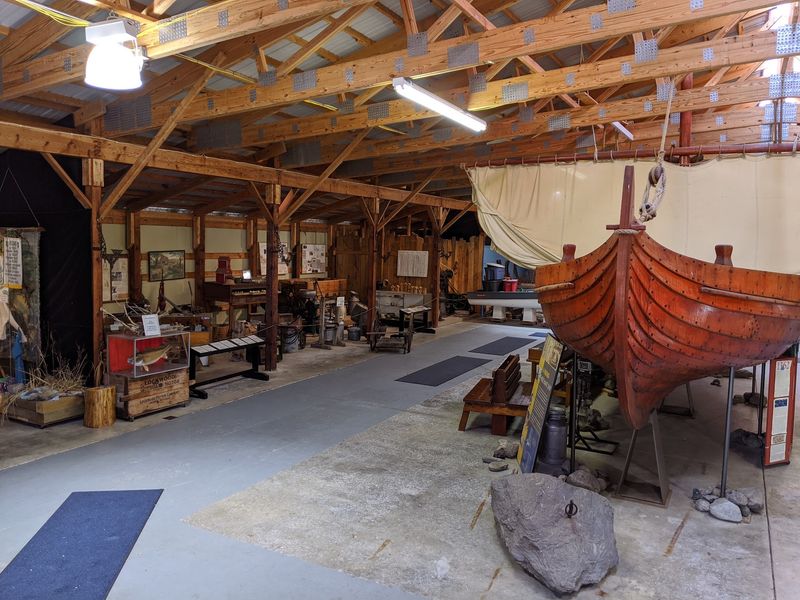
Mysteries make the best museum exhibits, and Alexandria has a famous one. The Kensington Runestone lives here, and people still debate its story.
The stone was reportedly discovered on a farm near Kensington in 1898. Its runic inscription carries the date 1362 and recounts a Scandinavian expedition.
However, most specialists in runic writing and history consider the inscription a product of the late nineteenth century rather than an authentic medieval artifact.
The stone was the museum’s original centerpiece when the institution opened in 1958. Its unusual story continues to encourage discussions about archaeology, historical evidence, and interpretation.
Viking enthusiasts can also explore replica vessels housed within the agricultural museum building during the outdoor campus’s operating season.
Exhibits extend well beyond Scandinavian history, incorporating Native American artifacts, regional natural history, and objects connected to pioneer communities.
The museum occupies 206 Broadway St, Alexandria, directly across from the park containing Big Ole, a 28-foot Viking statue originally created for the 1960s New York World’s Fair.
Nine historic buildings form part of the outdoor campus, generally accessible from May through October.
Indoor exhibitions remain available throughout the year. Regular winter visiting days are Tuesday through Saturday, although seasonal schedules may vary.
A gift shop offers additional reading material and souvenirs connected to the region’s heritage. The runestone certainly makes an interesting conversation starter.
8. Judy Garland Museum
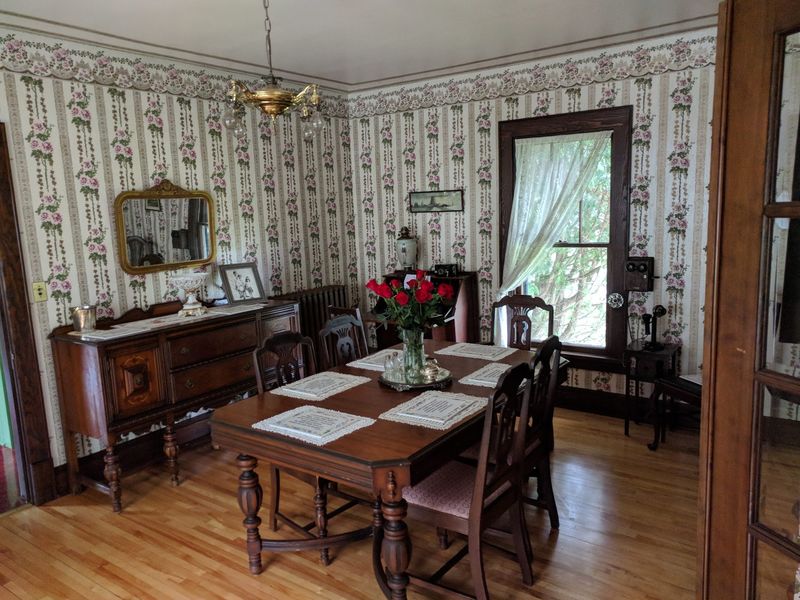
Dorothy’s real-life road started a long way from Kansas. Judy Garland’s childhood home in Grand Rapids is now part of a museum honoring her life.
The collection combines Judy Garland memorabilia with artifacts from The Wizard of Oz. Movie props, photographs, and records of her accomplishments trace an extraordinary entertainment career.
One highlight is a Dorothy Gale test dress she wore during preparations for the famous film. Another is the original carriage featured in the production.
Plenty of photographs and personal belongings fill in details of her story, introducing visitors to her early years and subsequent achievements.
The restored birthplace home features furnishings and decorative elements reflecting the family’s life during the 1920s.
Children get their own interactive museum within the same complex. The Children’s Discovery Museum offers hands-on exhibits covering different subjects, providing another reason for families to visit.
Both museums share a property spanning approximately two acres at 2727 S Pokegama Ave, Grand Rapids.
The outdoor grounds also feature a commemorative yellow brick road, bringing another recognizable element of the famous movie into the experience.
From October 1, 2026, through May 29, 2027, the museum opens Wednesday through Saturday from 9 a.m. to 5 p.m.
Final admission is 30 minutes before closing. The idea that there’s no place like home fits this particular museum rather perfectly.
9. Franconia Sculpture Park
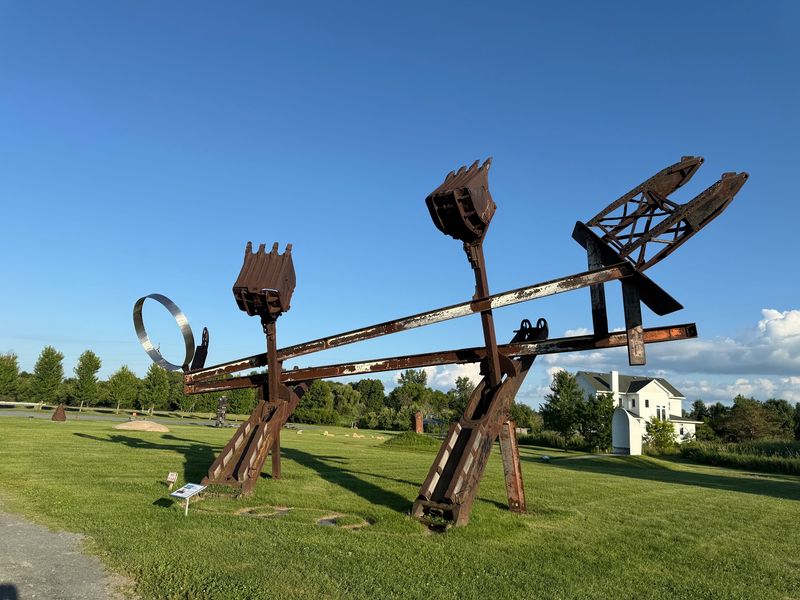
Art that invites exploration breaks several expectations associated with traditional museums. Franconia Sculpture Park takes contemporary sculpture outdoors, where visitors can experience artwork from entirely different perspectives.
The park spreads across approximately 50 acres in the St. Croix River Valley. More than 100 contemporary sculptures occupy its open fields and pathways.
Pieces range from colorful geometric installations to enormous structures that encourage closer examination. Follow individual artwork instructions before touching or climbing anything.
Gravel and mowed pathways connect the sculptures. Comfortable shoes are a smart choice since the grounds encompass a considerable area.
Photographers will find plenty of unusual backdrops. Large sculptures against open skies make for striking compositions throughout the seasons.
Picnic tables make lunch outdoors convenient. Pack a basket and you’ve got an outing that doesn’t need reservations.
The entrance is near the intersection of Highways 8 and 95, at 29836 St Croix Trail N, Shafer.
Franconia Commons houses rotating exhibitions in the Mardag Gallery, along with a gift shop, accessible restrooms, and an outdoor patio.
The sculpture grounds open daily from 8 a.m. to 8 p.m., with complimentary admission throughout the year. During winter, Franconia Commons operates Friday through Sunday from 10 a.m. to 4 p.m., excluding national holidays.
Leashed dogs are welcome outdoors, and seasonal golf cart rentals offer additional assistance for exploring the property.
10. Minneapolis Sculpture Garden
A giant cherry balanced on a giant spoon is the kind of snack only artists dream up. Spoonbridge and Cherry has become a beloved Minneapolis symbol.
That famous fountain anchors the Minneapolis Sculpture Garden. The 11-acre space sits beside the Walker Art Center and has welcomed visitors since opening in 1988.
More than 40 sculptures fill the grounds, combining established works with contemporary installations along landscaped pathways.
The enormous aluminum cherry alone weighs approximately 1,200 pounds. Its glossy red surface creates a particularly striking contrast against the oversized silver spoon beneath it.
Other sculptures introduce different materials, shapes, and artistic ideas. Families can compare their favorites while remembering that most artworks are intended for observation rather than climbing.
The Irene Hixon Whitney Bridge provides a pedestrian connection to neighboring Loring Park. The garden also features the Cowles Pavilion, an open-air gathering space created during its extensive renovation.
Find the garden beside the Walker Art Center campus at 725 Vineland Pl, Minneapolis.
Admission is free, and the grounds open daily from 6 a.m. until midnight throughout the year. Public parking is available in nearby garages, designated lots, and metered street spaces.
City skyline views make the setting even better. Art and downtown Minneapolis share the frame in numerous interesting compositions. Minnesota saved a sweet surprise for the end of this list.