A Landlocked Idaho Museum In Boise Is Hiding A Surprising Amount Of Navy Behind Its Glass Cases
A model of the USS Idaho battleship sits inside a museum hundreds of miles from any ocean.
Nearby, glass cases hold a scale USS New Jersey and a model of the aircraft carrier USS Ronald Reagan. That is a lot of Navy for a landlocked state.
The surprises keep coming. Outside, a Sherman tank and an M1 Abrams share the grounds with jets once flown by the Idaho Air National Guard.
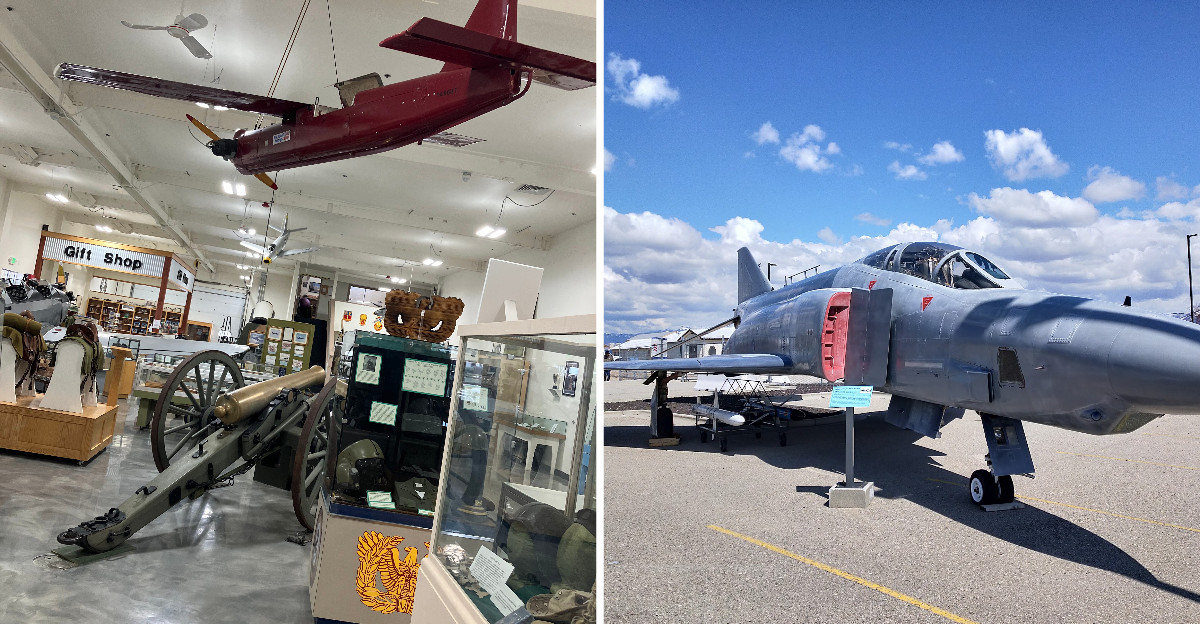
Inside, the collection stretches from a Civil War era Napoleon cannon to the 30mm gun from an A-10.
I like how much of it traces back to Idaho families.
Many pieces arrived as donations from local veterans and their relatives, so the displays feel personal.
Admission is free, which almost seems unfair.
How often do you get battleships, tanks and Medal of Honor stories without opening your wallet?
A Landlocked Museum With A Surprising Amount Of Navy
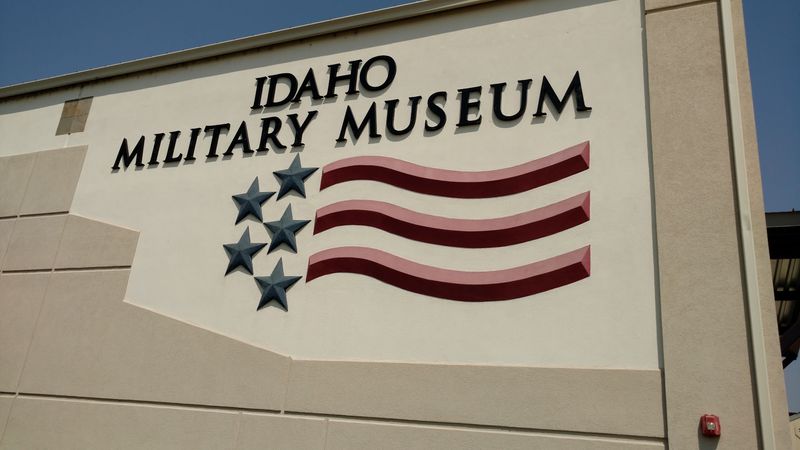
Boise sits roughly 400 miles from the nearest ocean, yet sailors would feel right at home here. The Idaho Military History Museum packs ships, cannons and tanks into one compact indoor-outdoor stop.
You’ll find it beside Gowen Field, the Idaho National Guard base near the Boise Airport. That setting fits, since so much of the collection tells the story of Idahoans in uniform.
The museum covers every branch of the military, not just one. Army, Navy, Air Force and Marine Corps material all share the space, along with plenty of Idaho Guard history.
Inside, display cases hold uniforms, medals, flight gear and weapons. Outside, a vehicle park shows off tanks, artillery and jet aircraft that dwarf everything in the building.
Here’s what makes it stand out in Idaho. The collection runs from the Nez Perce conflict of the 1870s all the way to Iraq and Afghanistan.
That is a wide stretch of history for a museum many people would call small. It proves size and substance are two very different things, especially when volunteers care this much about the details.
Battleships And Carriers Shrunk Down To Glass-Case Size
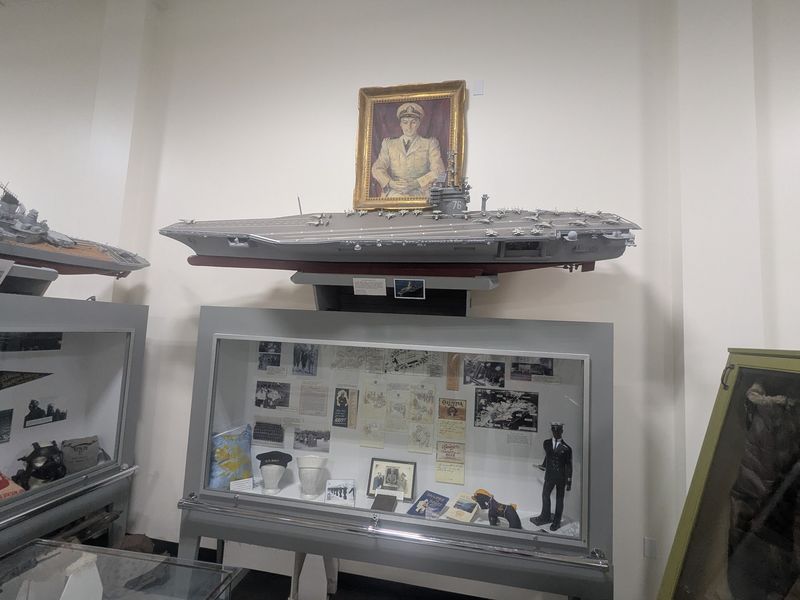
Two large ship models anchor the naval display, and they are not shy about it. One represents the USS Ronald Reagan, a modern aircraft carrier, while the other shows the battleship USS New Jersey.
Both replicas reward a slow, close look. Tiny gun turrets, flight decks and deck structures give a real sense of how these vessels were built.
Then comes the hometown hero of the room. A model of the USS Idaho, BB-42, honors the battleship that carried the state’s name through both world conflicts.
It’s hard not to feel a little proud standing next to that one. Plenty of states have namesake ships, but seeing Idaho’s in miniature makes the connection personal.
The cruiser USS Boise, CL-47, also earns its own exhibit. That ship built a distinguished record in the 1940s, and its story ties neatly back to the capital city.
So yes, a landlocked state has a fleet. It just happens to fit behind glass, which makes it far easier to admire than anything bobbing out at sea.
Cannons That Cover More Than 150 Years Of Firepower
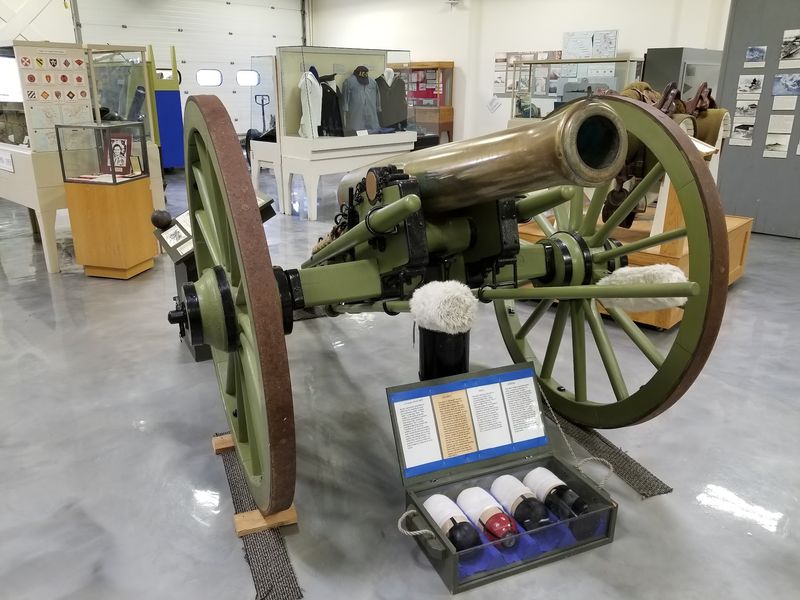
An M1857 12-pounder Napoleon cannon looks almost elegant for a piece of artillery. This bronze field gun type saw heavy use during the Civil War, and it starts the museum’s timeline with real weight.
From there, the progression gets fascinating. An 1897 French 75mm field gun shows how artillery design changed around the turn of the century.
Jump ahead and you meet something wildly different. The GAU-8/A, a seven-barreled 30mm cannon from the A-10 aircraft, sits in the collection too.
Seeing those pieces in one building is the real treat. You can trace the leap from muzzle-loading bronze to rotating barrels without driving anywhere else.
Howitzers fill out the story outside. Their size alone explains why crews worked as teams to move and operate them.
I believe the cannons work best as a history lesson in hardware. Each one marks a turning point in engineering, and the labels help you connect the dots without needing a degree in ballistics or a single extra brochure.
Fifty Idaho Names Tied To The Nation’s Highest Honor
Fifty Medal of Honor recipients with ties to Idaho. That number alone stops most people in their tracks.
The Medal of Honor is the nation’s highest military decoration. This exhibit gathers the stories of Idahoans and others connected to the state who earned it.
The tone here shifts, and it should. After the tanks and cannons, these displays slow things down and put faces to the history.
Each story focuses on courage and commitment to the people beside them. Reading a few makes the rest of the museum feel more human.
Families with older kids will find this section especially meaningful. It opens natural conversations about service, bravery and what it means to stand up for others.
I can’t imagine a better way to connect state pride with real history. Many of these recipients came from small Idaho towns, and seeing them honored side by side shows just how much the Gem State has given.
Give this exhibit extra time, because it quietly becomes the heart of the whole visit.
Gowen Field’s 1940s Story Lives Right Next Door
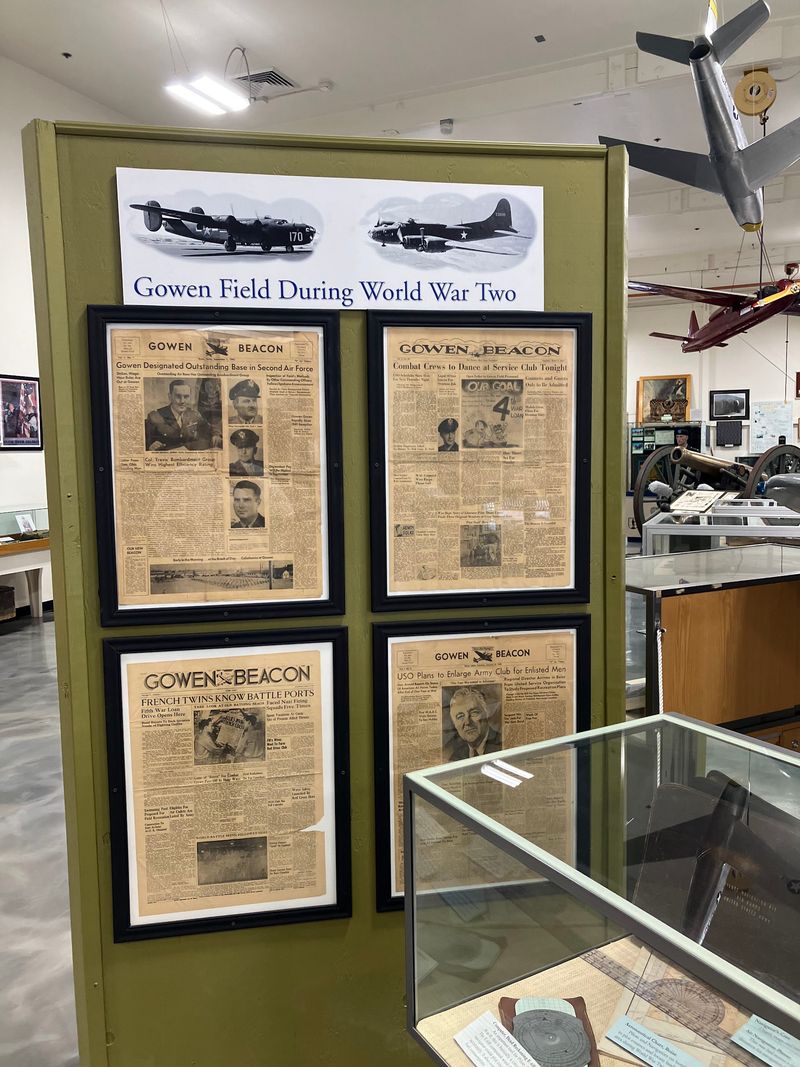
Few museums sit this close to the history they describe. Gowen Field, the Idaho National Guard base, is practically the museum’s next-door neighbor.
Exhibits trace the base’s role during the 1940s. The airfield grew quickly and trained crews during that era, putting Boise firmly on the national map.
The local focus continues with the Idaho Air National Guard. Displays also look at Mountain Home Air Force Base and the people stationed there over the decades.
That regional angle sets the museum apart. You learn how a Treasure Valley airfield shaped lives far beyond Idaho’s borders.
It’s one thing to read about bases in a textbook. Standing a short distance from the actual runway makes the story feel a lot less abstract.
If anyone in your family served at Gowen Field or Mountain Home, this section might spark some stories at dinner. Even without that connection, it shows how deeply military service is woven into the Boise area, from training flights decades ago to Guard units still working there today.
Tanks Out Front That Kids Spot Before You Park
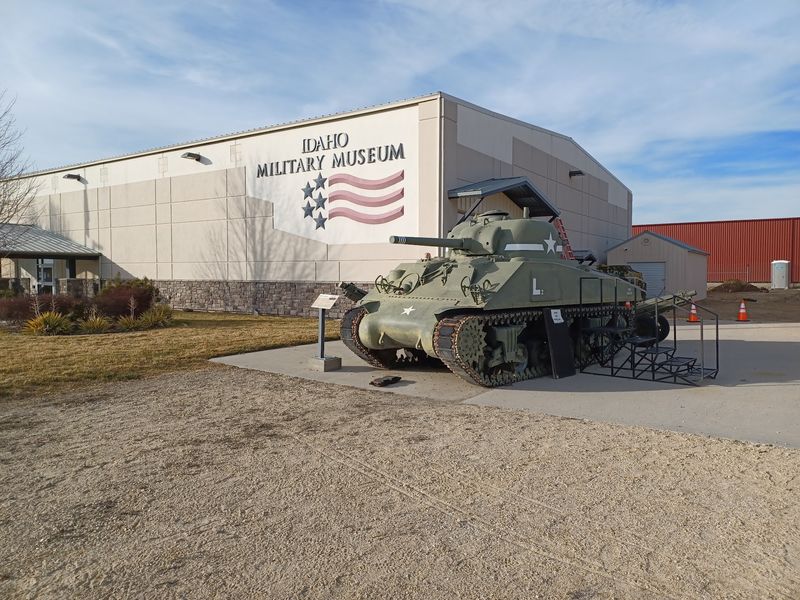
Good luck sneaking past the outdoor compound. Tanks sit right out front, and they are not small.
The lineup includes an M4A3 Sherman, the classic tank of the 1940s. Nearby, an M60A3 and an M1 Abrams show how armor grew bigger and heavier over the following decades.
Armored personnel carriers and several howitzers add to the crowd. Each one makes the cars in the parking lot look like toys.
An amphibious DUKW deserves a special shout-out. Designed to drive on land and float on water, it’s basically a truck that refused to choose.
The outdoor vehicle park has been under reconstruction in recent times. Expect some changes in layout, and maybe a few surprises, as work continues.
Bring sunglasses on bright days, since Boise sun reflects hard off all that metal. And remind little ones these are historic pieces, not playground equipment, no matter how tempting a tank tread looks to a seven-year-old with energy to burn.
Jets Once Flown By The Idaho Air National Guard
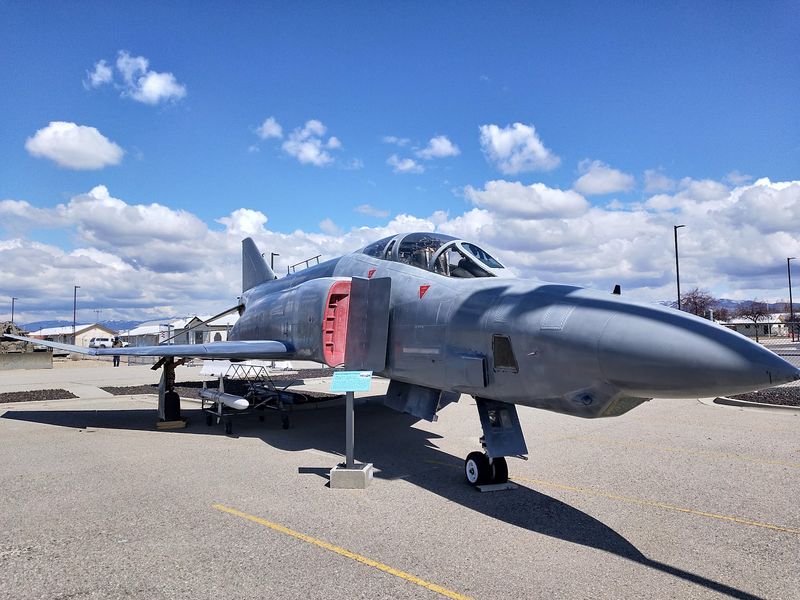
Silver wings and swept-back lines greet anyone who wanders toward the aircraft. The F-86 Sabre ranks among the most recognizable jets of the 1950s.
Beside it sits an RF-4C Phantom, a reconnaissance version of the famous F-4. Both of these aircraft were flown by the Idaho Air National Guard, which makes them extra special.
A MiG-21 has also been part of the outdoor collection. Seeing a Soviet-designed fighter in Boise is one of those moments that makes you look twice.
Planes rank among the biggest draws here, right alongside the tanks. It’s easy to see why once you’re standing beneath a wing.
The location helps the mood too. With Gowen Field and the Boise Airport nearby, real aircraft sometimes roar overhead while you study the retired ones.
Aviation fans should bring a camera and some patience. Walking around each jet slowly reveals markings, intake shapes and cockpit details you’d never catch from a highway glance, and each one carries a little piece of Idaho’s flying history.
Free Entry, Easy Parking And A Gift Shop Worth A Peek
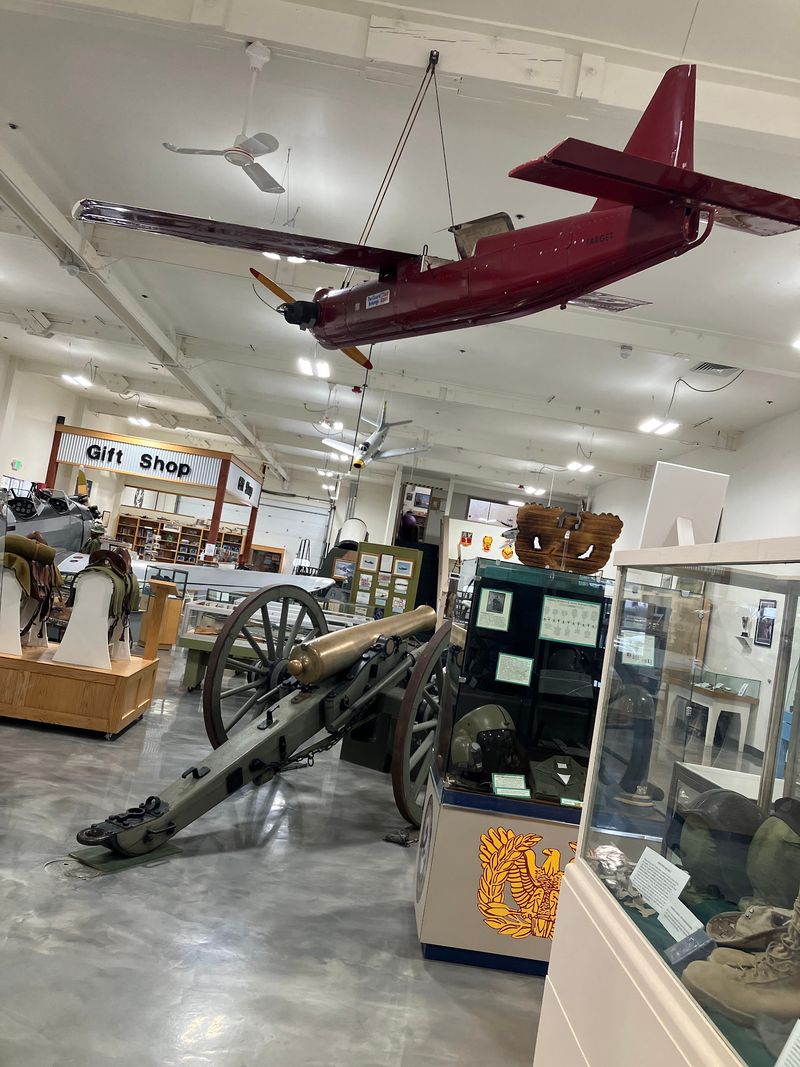
Here’s the budget-friendly part. Admission is free, and donations help keep the doors open and the collection growing.
The museum sits at 4692 W Harvard St, Boise, ID 83705. It’s a short hop from I-84, so travelers crossing Idaho can add it without a big detour.
Hours run on a limited weekly schedule, with weekday daytime openings and Saturday afternoons. Sundays and Mondays are closed, and schedules can shift, so confirm before heading out.
The parking lot is roomy enough for buses, trailers and RVs. School groups and road-trippers won’t have to circle the block.
A small gift shop offers souvenirs at friendly prices. Kids tend to find something there to remember the trip by.
The research library isn’t open for casual browsing, which makes sense for delicate materials. Plan on about an hour or two to see everything, though history buffs could easily stretch it longer.
Tossing a few dollars in the donation box feels like a fair trade for a free tank tour.