Bison Roam Across 19,000 Acres At This Nebraska Preserve And A Public Road Runs Right Through The Herd
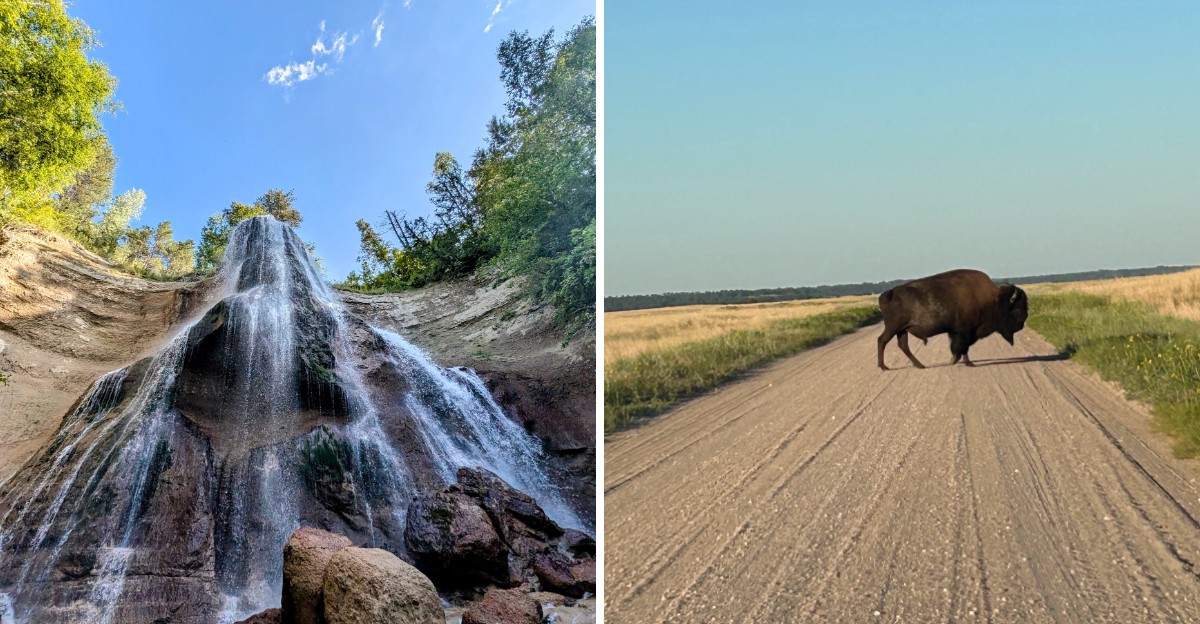
A herd of roughly 300 to 350 bison wanders free here, and the road you drive on cuts straight through their home. Some days, the traffic jam is a two-thousand-pound animal deciding where to stand.
The land under those hooves stretches across more than 19,000 acres of Nebraska Sandhills. Theodore Roosevelt signed off on protecting it back in 1912.
Bison arrived the very next year.
I like how simple the experience is. You roll down your window, kill the radio chatter, and let the prairie do the talking.
Elk, prairie dogs, and eagles share the stage too.
Then there’s a waterfall. A real one, tumbling toward a scenic river, in a part of the state most people picture as flat grass.
I can’t imagine a better excuse for a weekday road trip. Where else does the scenery cross the road in front of you?
A Wildlife Refuge Where the Bison Have the Right of Way
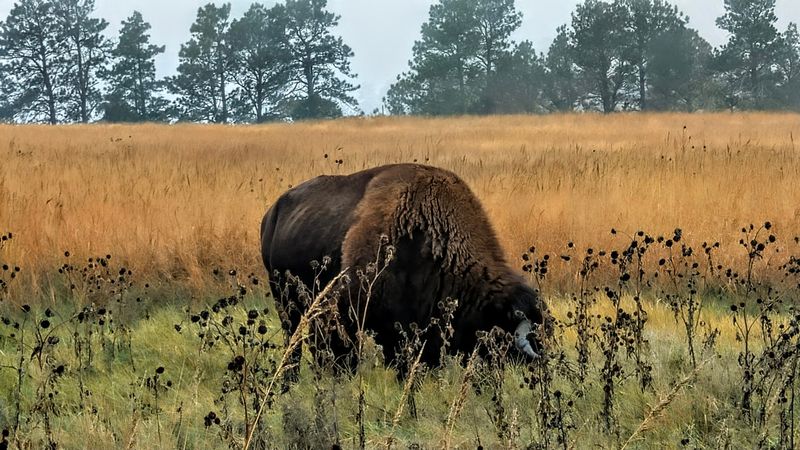
Fort Niobrara National Wildlife Refuge sits just east of Valentine, in the north-central Nebraska Sandhills. It covers 19,131 acres of prairie, forest, and river canyon.
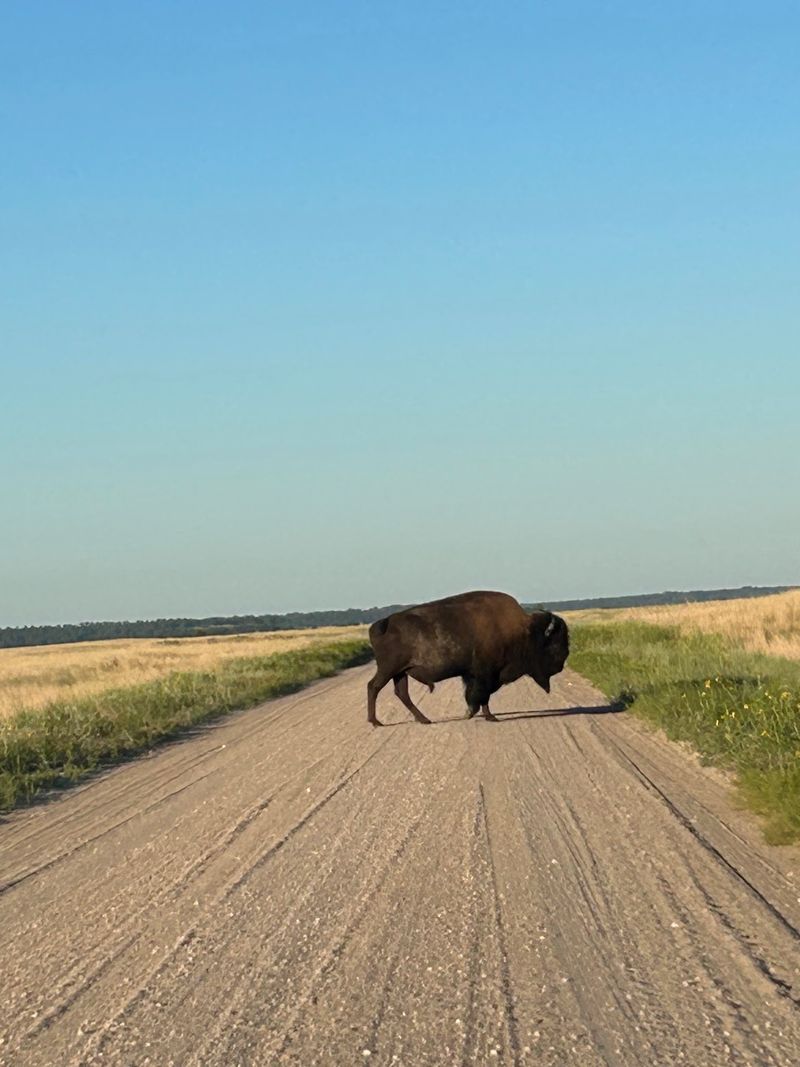
Wildlife sets the schedule here. A 3.5-mile driving tour loops right through bison range, and the animals cross that road whenever they please.
That’s the whole appeal in one sentence. You aren’t peering at a fenced pen from a parking lot.
You’re sharing the pavement with a working herd on its own turf.
The refuge is run by the U.S. Fish and Wildlife Service.
Its job is protecting native animals and the land they need, not putting on a show.
Still, the show happens anyway. Bison graze beside the road, prairie dogs pop up nearby, and elk drift through the distance.
A few ground rules keep everyone happy. Stay inside your vehicle whenever bison are close, since these animals are powerful and unpredictable.
Patience pays off too. Wildlife may be near the road one hour and far over the hills the next.
Binoculars make a big difference on the quieter days.
From Cavalry Post to Prairie Sanctuary in One Remarkable Century
Long before bison ruled this ground, soldiers did. Fort Niobrara was a frontier military post, active from 1879 to 1906.
The Army built it in the late 1870s near the newly created Rosebud Reservation. It later served as a cavalry remount station until 1911.
Then the land got a whole new purpose. In 1912, an executive order from President Theodore Roosevelt set it aside as a reservation for native birds.
That’s a pretty big plot twist for an old fort. Cavalry horses out, prairie chickens and songbirds in.
The mission kept growing from there. Over the years, managing bison and elk herds became part of the refuge’s core work.
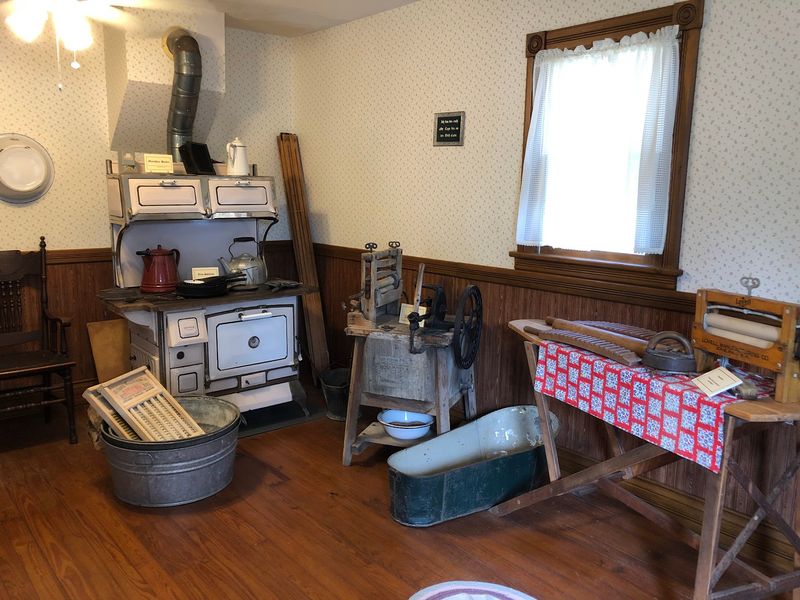
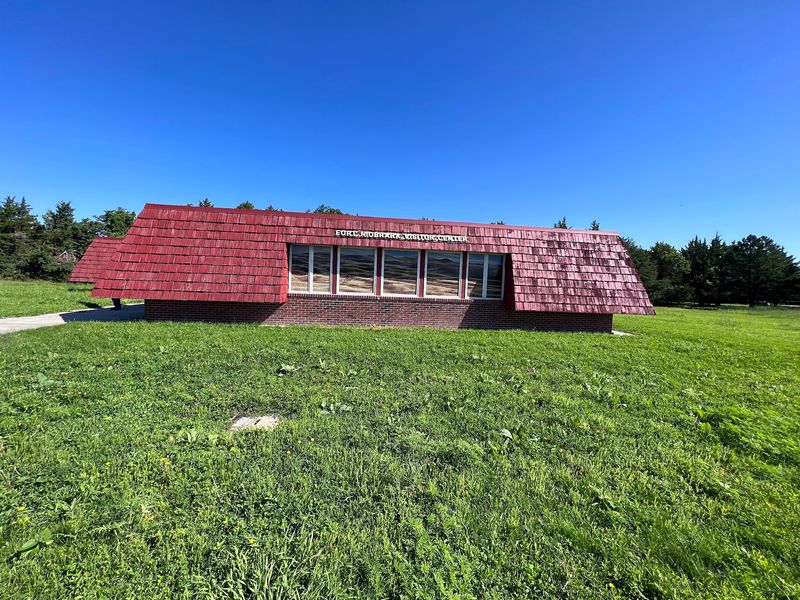
Today, the fort’s story lives on inside the visitor center. Photographs and a written history help connect the old post to the prairie outside the windows.
I believe this layered past makes the drive richer. Every bison you spot is grazing on land that has worn several hats across more than a century of Nebraska history.
It’s a quiet reminder that places change. Some of them change for the better.
Roughly 350 Bison and a Very Short Commute
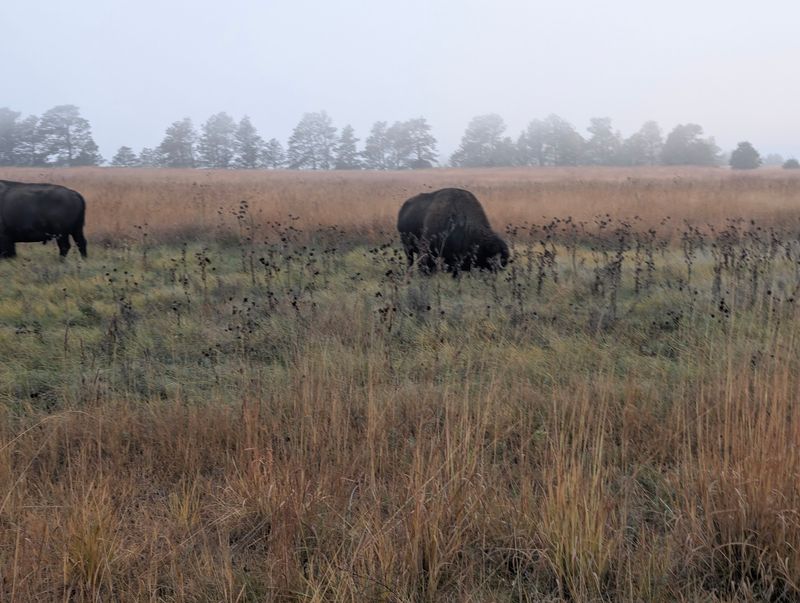
Count them if you can. The refuge supports a herd of about 300 to 350 bison spread across its rolling hills.
Their story here began in 1913. That year, the American Bison Society introduced bison to the new reservation, and the herd has called it home ever since.
Herd life follows the seasons. In winter, the bison usually stay in the wilderness area north of the Niobrara River.
Summer brings them south of the river. That rotation helps manage non-native grasses and keeps the Sandhills ecosystem healthier.
So timing matters for your drive. Summer visits often put the herd closer to the auto tour route, though nothing is ever guaranteed.
Sometimes they’re specks on a far ridge. Other times, a bull ambles up beside your bumper like he owns the road.
Technically, he kind of does.
Give them space and keep your engine calm. Snapping photos from your window works beautifully here.
Bring a longer camera lens if you have one. The best shots often come when the herd moves together across open grass.
Prairie Dogs Steal Plenty of Scenes Along the Road
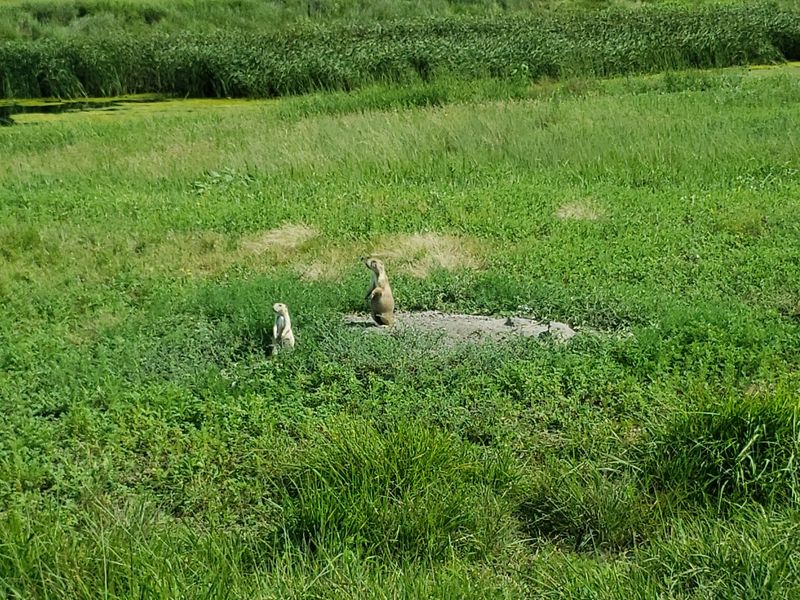
Bison may get top billing, but the smallest residents often win the crowd. A busy prairie dog town sits right along the driving route.
These little diggers stand on their mounds, chirp warnings, and dash underground. Kids tend to lose their minds over them, in the best way.
The supporting cast doesn’t stop there. Elk roam the refuge, along with white-tailed deer, mule deer, and coyotes.
Bird lovers get a real treat. Eagles show up here, plus a long list of grassland birds that thrive in open prairie.
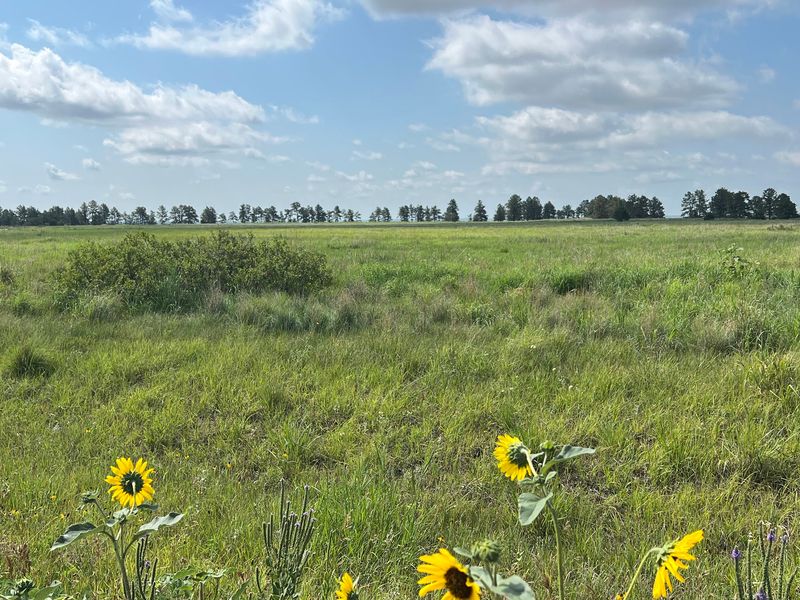
Spring and summer add another layer. Prairie wildflowers splash color across the hills, which makes even a slow wildlife day feel worthwhile.
A pair of binoculars earns its spot in the glovebox. Elk, in particular, tend to keep their distance.
Animal sightings change by the hour and season. Some visits feel like a nature documentary, while others feel more like a scenic drive with occasional cameos.
Either way, it’s worth the loop. The prairie dogs, at least, rarely skip their shift.
Yes, Nebraska Has a Waterfall Worth the Walk
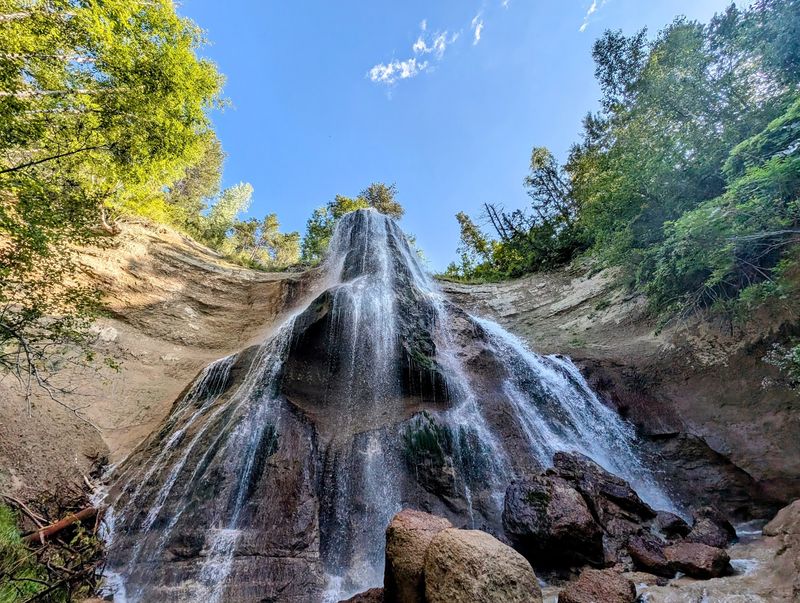
Surprised? Plenty of folks are.
Fort Falls spills down a shaded canyon wall inside the refuge.
Getting there takes very little effort. A trail of roughly three-quarters of a mile leads to the falls and follows the Niobrara River.
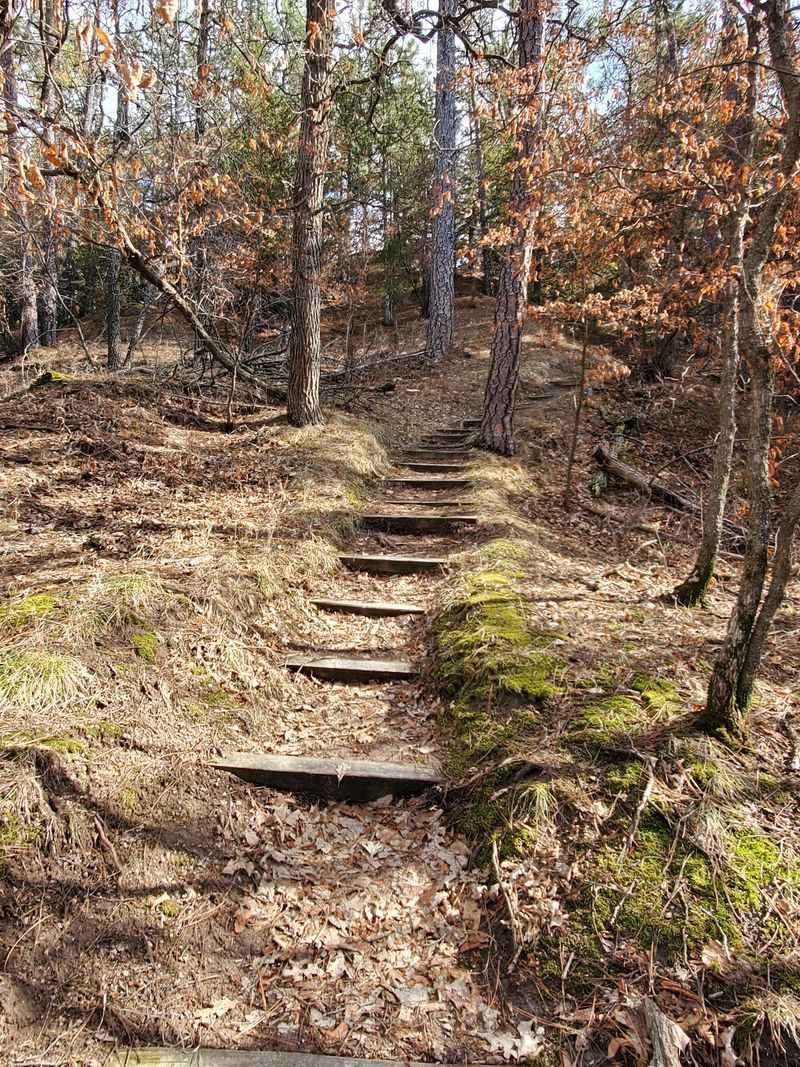
The path drops down from the top into a cooler, greener world. Trees close in, the water gets louder, and the open prairie feels miles away.
It’s an easy outing for most families. A boardwalk-style route and short distance keep it manageable without turning it into a workout.
Climbing back up is the price of admission. Take your time and enjoy the view while you catch your breath.
Cell coverage can vanish near the river at the bottom. Download what you need before heading down, or just enjoy being unreachable.
I like how the falls flip the script on the Sandhills. Most people expect grass and sky, not ferns and splashing water.
Spend a few minutes by the water before climbing out. It’s the kind of quiet that’s hard to find closer to town.
Kayaks, Canoes, and Tubes on a National Scenic River
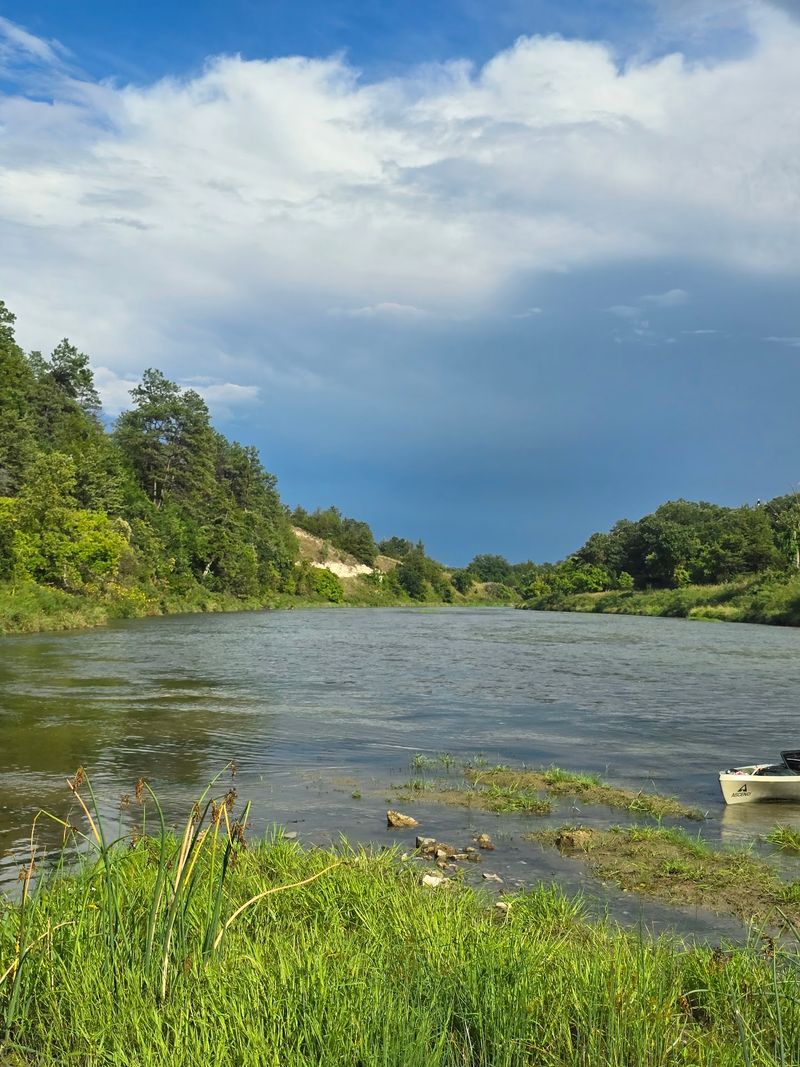
Nine miles of the Niobrara River wind through the refuge. That stretch belongs to a designated National Scenic River, which says a lot.
Five of those miles, below the Cornell Dam, are open for public floating. Kayaks, canoes, and tubes all launch here.
Summer floaters know the drill in Valentine. The Niobrara is one of Nebraska’s favorite lazy rivers, and the refuge offers a launch point right inside wild country.
Every river user needs a wristband from the kiosk at the refuge launch area. It’s a small fee that helps support the river’s care.
Plan your take-out spot ahead of time. Shuttle logistics are part of any good Niobrara trip.
Shallow spots near the access area can suit little ones who just want to splash. Keep a close eye on young kids around moving water, of course.
Floating offers a totally different view of the place. Bluffs rise, forests lean over the banks, and the herd you drove past is somewhere up top.
A morning on the bison loop and an afternoon on the river? That’s a full Sandhills day.
Where Prairie, Pine Forest, and Woodland Meet
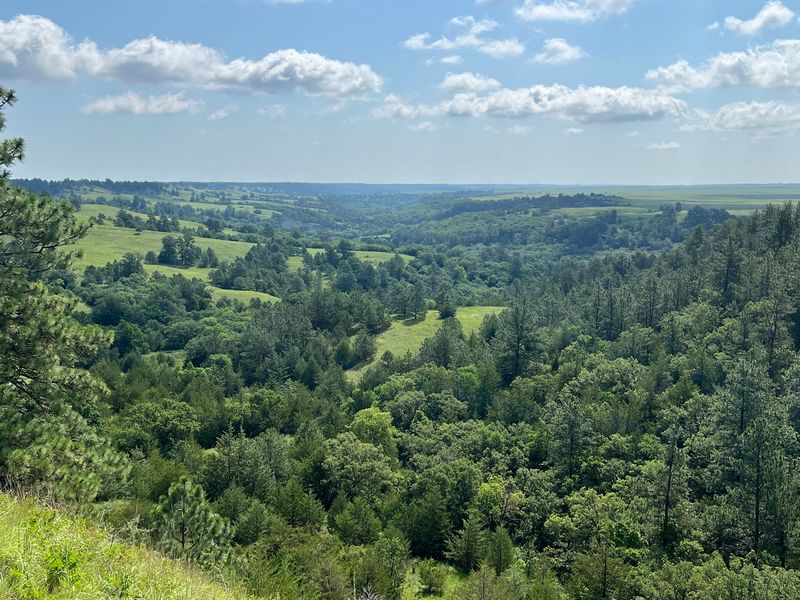
Biologists get excited about this spot for good reason. Several ecosystems overlap here in surprisingly tight quarters.
Mixed-grass prairie rolls across the uplands. Coniferous forest and deciduous woodland crowd the river canyon below.
That mix brings together plants and animals from different directions. Eastern, western, and northern species all find a foothold along the Niobrara valley.
For a casual visitor, the payoff is variety. One short drive moves you from wide-open grassland to shady trees and rushing water.
Part of the refuge is designated wilderness, too. That’s where the bison spend their winters, north of the river.
Day hiking is welcome all year. Each season changes the look of the land, from summer green to golden fall grass to winter quiet.
I can’t imagine a better outdoor classroom in Nebraska. Curious kids and nature nerds alike will find plenty to point at.
Bring a field guide or a plant app if you enjoy naming things. The refuge rewards anyone who slows down and looks closely.
Fossils and Frontier Stories Inside the Visitor Center
Mastodons with long jaws once lived around here. Giant bison and three-toed horses did too, and their fossils are on display.
The visitor center makes a smart first stop. Exhibits cover prehistoric life, the old fort, and the wildlife you’ll see outside.
Plan on about twenty minutes or so inside. There’s also a small gift shop for a postcard or bison souvenir.
Rangers offer both self-guided and ranger-led interpretive services. They can point you toward where animals have been spotted lately.
Hours run on weekdays only, and federal holidays are off the table. Check the schedule before you go, since the grounds and the building keep different hours.
Missing the center won’t ruin the trip. Still, it adds helpful context that makes the bison loop feel more meaningful.
Those ancient fossils are a fun reality check. Today’s herd is the latest chapter in a very long story of big animals on this land.
Kids especially tend to connect the dots fast. Seeing a giant bison skull before meeting the live version is hard to beat.
Getting There, Gate Hours, and a Price Tag of Zero
Good news for budget trips first. There’s no fee for daily use of the refuge grounds.
The official address is 39983 Refuge Rd, Valentine, NE 69201. From town, head about five miles east on Highway 12.
Turn onto Berry Bridge Road and cross the Cornell Bridge. Refuge signs guide you the rest of the way to the entrance.
The grounds open every day of the year, sunrise to sunset. That flexibility makes early-morning and evening wildlife drives easy to plan.
Only the visitor center keeps weekday office hours. Float trips require that river wristband, so budget a little for the kiosk.
Camping isn’t offered on the refuge itself. Valentine sits close by with places to stay and eat.
Weekdays tend to feel quieter on the loop. Summer is popular thanks to river season, while fall offers cooler drives.
Fill your tank and grab snacks in town before heading out. Services are limited once you’re on refuge roads.
Then roll the windows down. The bison will handle the rest.
Why This Sandhills Detour Earns a Spot on Your Calendar
Few drives in Nebraska pack this much into one afternoon. Bison, elk, prairie dogs, a waterfall, and a scenic river all share the same stretch of land.
And the cost of getting in? Nothing at all for the grounds.
Families will find easy wins here. Short trails, roadside critters, and fossil displays keep restless kids busy.
Photographers and bird watchers have reason to linger longer. Early light over the hills can turn a simple loop into a full photo session.
Fort Niobrara National Wildlife Refuge also pairs nicely with a Valentine weekend. Add a river float, and you’ve got a trip worth bragging about.
Animal sightings are never promised, which keeps things honest. Some days the herd is far away, and some days it’s right at your door.
That uncertainty is part of the charm. Wild animals keep their own calendars.
I believe every Nebraskan should take this drive at least once. Watching bison cross the road on land protected since 1912 feels like a small, living piece of the state’s history.