Bringing The Outdoors In: How Oregon Is Leading The Way In Natural Decor In 2026

Oregon has always been a place where nature and everyday life blend together beautifully, and in 2026, that connection is stronger than ever.
Homes across the state are embracing natural decor that brings the peaceful feeling of forests, rivers, and mountains right into living rooms, kitchens, and bedrooms.
From reclaimed wood furniture to indoor gardens filled with native plants, Oregonians are finding creative ways to make their spaces feel more grounded and alive.
This movement isn’t just about looking good – it’s about feeling good, living sustainably, and honoring the incredible landscapes that make Oregon so special.
Biophilic Design Takes Center Stage

Connecting indoor spaces with the natural world has become a top priority for Oregon homeowners who want their homes to feel calm and welcoming.
Biophilic design focuses on bringing elements of nature inside through the use of natural materials, plenty of sunlight, and living plants that improve air quality and mood.
Large windows, skylights, and glass doors help blur the line between inside and outside, making rooms feel brighter and more open.
Natural textures like wood beams, stone countertops, and woven baskets add warmth and character without feeling overdone.
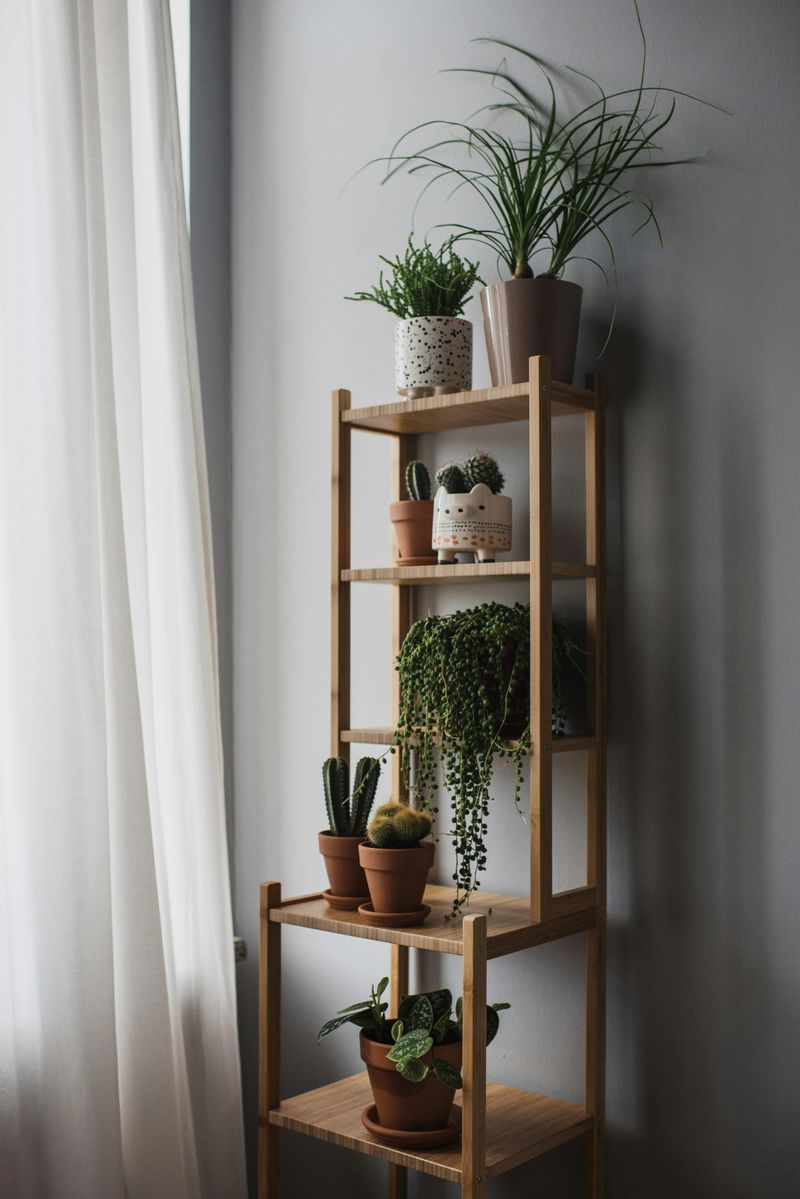
Indoor plants, from potted ferns to hanging vines, create a sense of life and movement that artificial decor simply can’t match.
This approach isn’t just trendy – it’s rooted in research showing that exposure to natural elements can reduce stress and boost creativity.
Oregon’s design community has embraced this philosophy wholeheartedly, making biophilic principles a standard part of modern home planning.
Reclaimed Wood Brings History Home
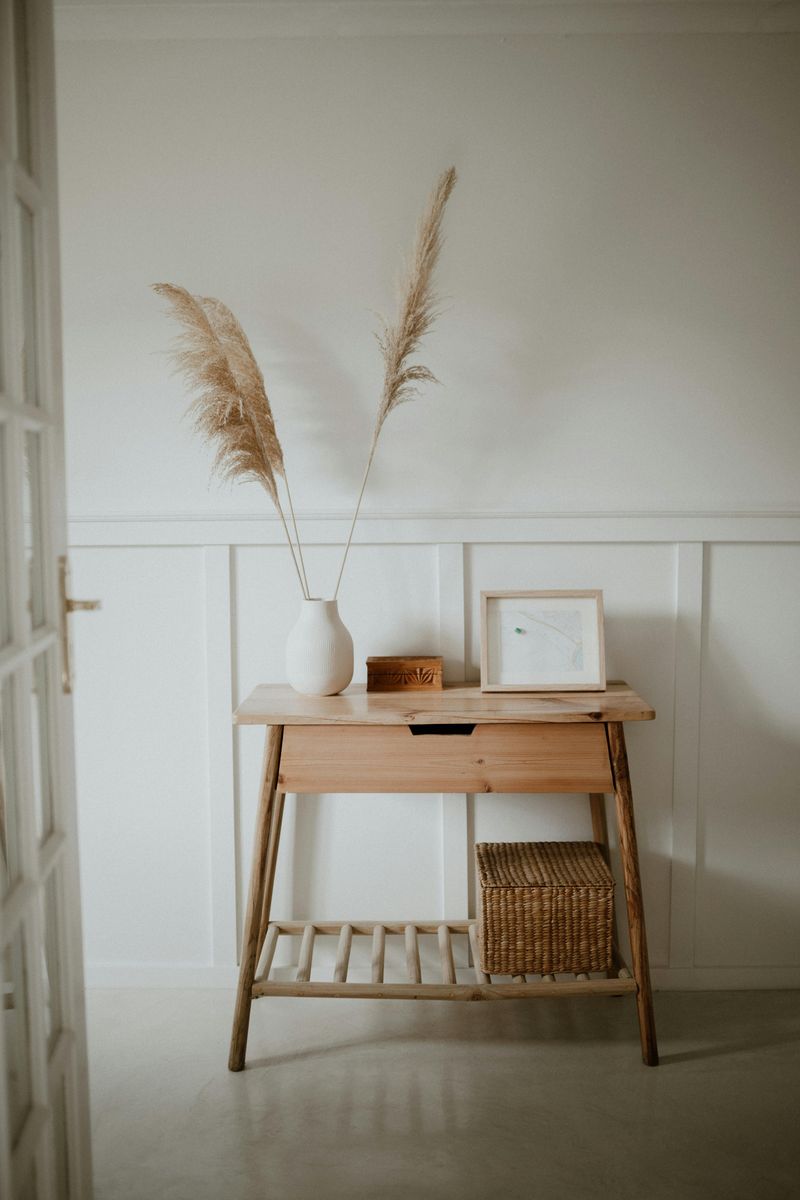
Old barns, warehouses, and docks across Oregon are getting a second life as beautiful home decor pieces that tell stories of the past.
Reclaimed wood has become incredibly popular for everything from dining tables and shelving to accent walls and headboards, offering a rustic charm that new lumber just can’t replicate.
Each plank carries its own unique grain, color variations, and sometimes even nail holes or weathering marks that add character and authenticity.
Using reclaimed materials also supports sustainability by reducing the need for new timber and keeping usable wood out of landfills.
Many Oregon craftspeople specialize in sourcing and refinishing these materials, ensuring they’re safe and sturdy for modern use.
The warm, lived-in look of reclaimed wood pairs beautifully with both contemporary and traditional styles, making it a versatile choice for any room.
Whether it’s a coffee table made from old dock planks or floating shelves crafted from barn beams, these pieces connect homes to Oregon’s rich history.
Native Plants Create Indoor Sanctuaries

Bringing Oregon’s unique flora indoors has become a meaningful way to celebrate local ecosystems while adding natural beauty to everyday spaces.
Native plants like sword ferns, Oregon grape, and salal thrive indoors with the right care, offering greenery that feels authentic and connected to the surrounding landscape.
These plants are often easier to maintain than exotic varieties because they’re naturally adapted to the region’s climate and light conditions.
Indoor gardens featuring native species can be arranged in sunrooms, entryways, or even bathrooms with good natural light, creating pockets of tranquility throughout the home.
Grouping plants at different heights and using natural containers like wooden crates or stone pots enhances the organic feel.
Beyond aesthetics, incorporating native plants supports local biodiversity and educates families about the natural heritage of their region.
Many Oregon nurseries now offer native plant collections specifically curated for indoor growing, making it easier than ever to start this green journey.
Natural Textures Add Depth And Warmth
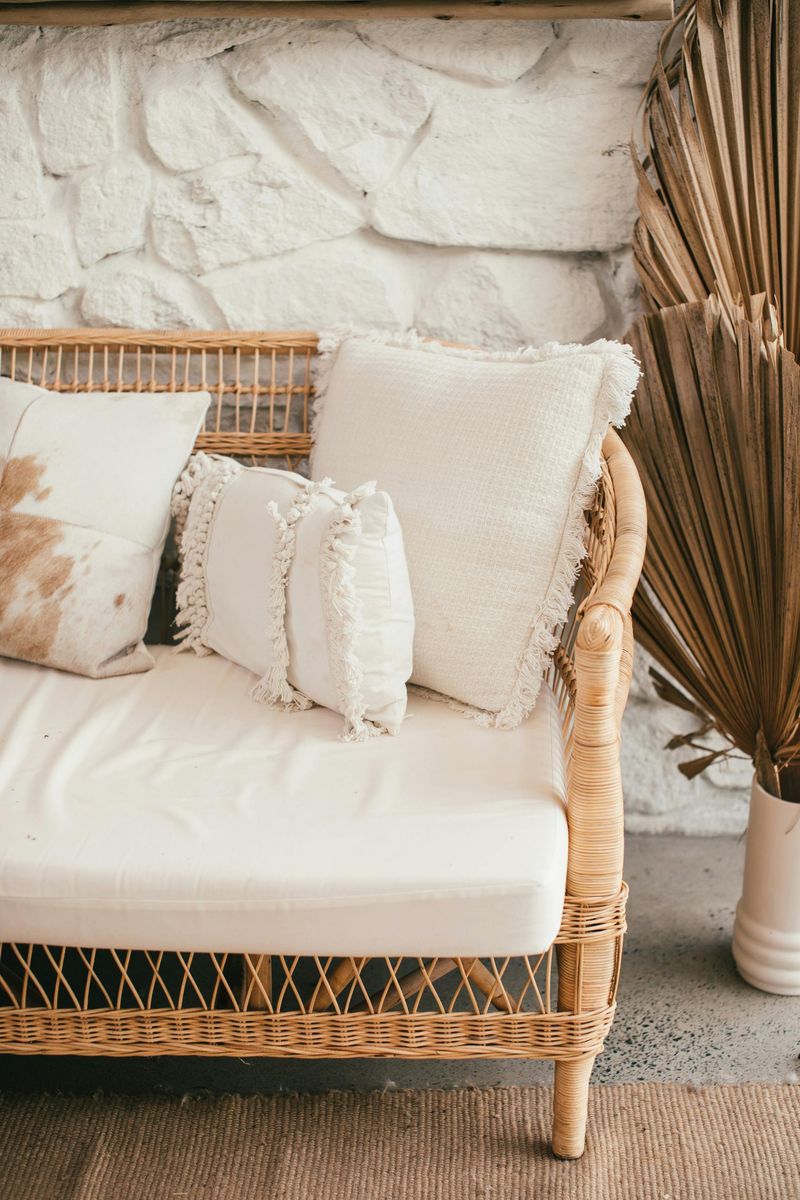
Smooth, shiny surfaces are taking a back seat to materials that invite touch and create visual interest through their organic imperfections.
Woven rattan, rough-hewn stone, natural linen, and unfinished wood bring a tactile quality to interiors that makes spaces feel more human and less sterile.
These textures can be mixed and matched – think a rattan chair next to a stone fireplace with linen cushions – to create layers that feel intentional but not overly styled.
Natural textures also play with light in interesting ways, casting subtle shadows and highlights that change throughout the day as sunlight moves through a room.
Baskets, wall hangings, and rugs made from natural fibers like jute or seagrass are affordable ways to introduce texture without major renovations.
The beauty of these materials is that they age gracefully, developing patinas and character marks that add to their appeal rather than diminishing it.
Oregon’s design scene has fully embraced this philosophy, celebrating the imperfect and handmade over the mass-produced and flawless.
Open Spaces Connect Indoor And Outdoor Living

Walls are coming down – literally and figuratively – as Oregon homeowners seek to create fluid transitions between their indoor rooms and outdoor landscapes.
Open-concept designs featuring large sliding glass doors, folding wall systems, and covered patios allow families to move seamlessly between spaces, expanding their living area and bringing fresh air into daily routines.
These designs work especially well in Oregon’s milder months, when outdoor living becomes an extension of the home rather than a separate activity.
Indoor-outdoor flow is enhanced by using similar flooring materials or color schemes in both areas, creating visual continuity that makes spaces feel larger and more cohesive.
Covered outdoor areas with ceiling fans and comfortable seating can function almost like extra rooms during spring, summer, and fall.
This approach encourages more time spent outside, whether it’s morning coffee on the deck or evening meals under the stars, fostering a deeper connection to nature.
Thoughtful landscaping near these transition zones – like low-maintenance native plants and simple pathways – keeps the look natural and unforced.
Local Art And Craftsmanship Tell Regional Stories

Mass-produced decor is losing ground to handcrafted pieces made by Oregon artisans who pour skill and creativity into every item.
Pottery, woven textiles, woodwork, and paintings created by local makers add personality and authenticity that factory-made items simply can’t offer.
Supporting local craftspeople also strengthens community ties and keeps traditional skills alive for future generations.
Many Oregon artists draw inspiration directly from the state’s landscapes – think ceramic vases glazed in colors mimicking coastal fog or wall hangings woven with patterns inspired by forest textures.
These pieces become conversation starters and meaningful focal points rather than just background decoration.
Shopping at local markets, galleries, and studio tours allows homeowners to meet the people behind the work and understand the stories and techniques involved.
This personal connection makes each piece more valuable and creates a home environment that feels curated and intentional.
Handcrafted items often come with small imperfections that highlight their handmade nature, adding to their charm and uniqueness.
Earthy Color Palettes Ground Every Room
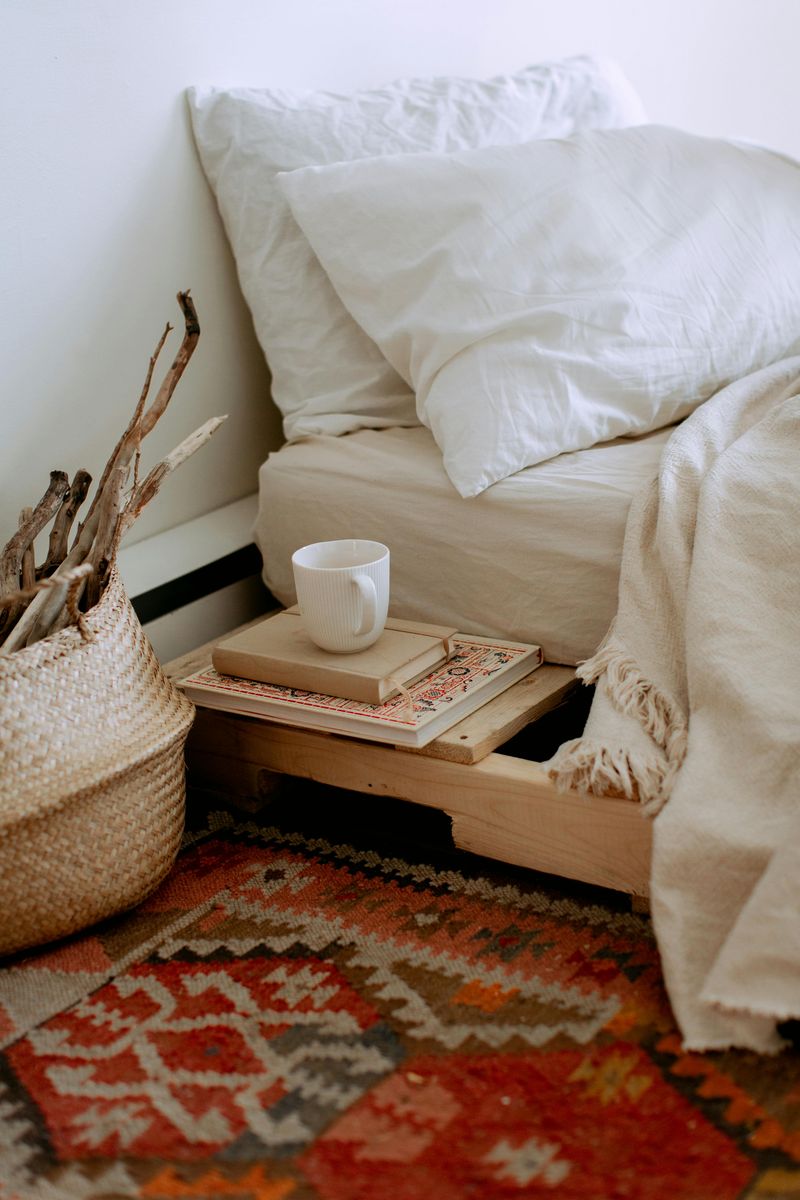
Warm, nature-inspired colors are replacing stark whites and cool grays in Oregon homes, creating spaces that feel cozy and inviting year-round.
Shades like moss green, terracotta, soft brown, and dusty sage reflect the colors found in Oregon’s forests, deserts, and coastal areas, bringing a sense of place into interior design.
These tones work beautifully together and can be layered through paint, textiles, furniture, and accessories for a cohesive look.
Earthy palettes are forgiving and versatile, hiding everyday wear better than lighter colors while still feeling bright and open when paired with natural light.
Accent walls in deep forest green or terracotta can anchor a room without overwhelming it, especially when balanced with lighter neutrals.
Textiles like linen curtains, wool throws, and cotton cushions in these hues add softness and texture while reinforcing the natural theme.
This color approach feels timeless rather than trendy, ensuring homes won’t feel dated as styles evolve.
Maximizing Natural Light Brightens Every Day
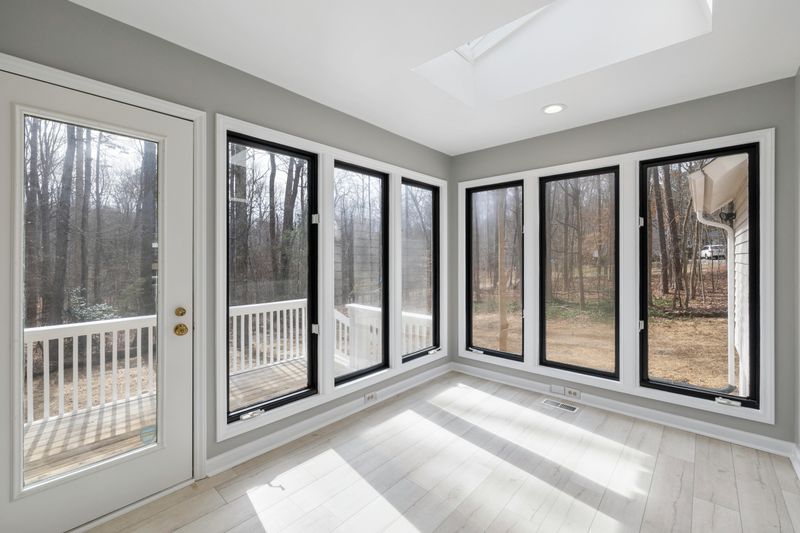
Oregon’s reputation for cloudy weather makes natural light all the more precious, and homeowners are finding creative ways to capture every possible ray.
Skylights, larger windows, glass doors, and strategically placed mirrors help bounce light throughout interiors, reducing the need for artificial lighting during daytime hours.
Light-colored walls and ceilings amplify this effect, making rooms feel more spacious and cheerful even on overcast days.
Window treatments like sheer curtains or adjustable blinds allow privacy without blocking precious daylight, striking a balance between openness and comfort.
Removing unnecessary walls or opening up doorways between rooms lets light travel further into the home’s interior spaces.
Natural light has proven benefits for mood, sleep patterns, and overall health, making it a practical priority beyond just aesthetics.
Positioning workspaces, reading nooks, and dining areas near windows takes advantage of this free resource while connecting daily activities to the rhythm of the day.
Even small changes like cleaning windows regularly or trimming outdoor vegetation can significantly increase indoor brightness.
Natural Flooring Materials Create Warm Foundations

What you walk on matters more than many people realize, and Oregon homeowners are choosing flooring materials that feel good underfoot while supporting environmental values.
Hardwood, bamboo, and cork flooring offer natural beauty, durability, and sustainability that synthetic options struggle to match.
Hardwood floors develop character over time, with slight variations and wear patterns that tell the story of a home’s life.
Bamboo grows incredibly fast and regenerates without replanting, making it an eco-friendly alternative that still provides the warmth and elegance of traditional wood.
Cork is naturally antimicrobial, comfortable to stand on for long periods, and provides excellent insulation against both temperature and sound.
These materials come in various finishes and styles, from smooth and polished to rough and rustic, allowing customization to match any design vision.
Natural flooring also tends to be easier to repair than synthetic options, as scratches can often be sanded and refinished rather than requiring full replacement.
The warmth these materials provide, both literally and aesthetically, makes them especially appealing in Oregon’s cooler climate.
Outdoor Living Spaces Extend Home Comfort
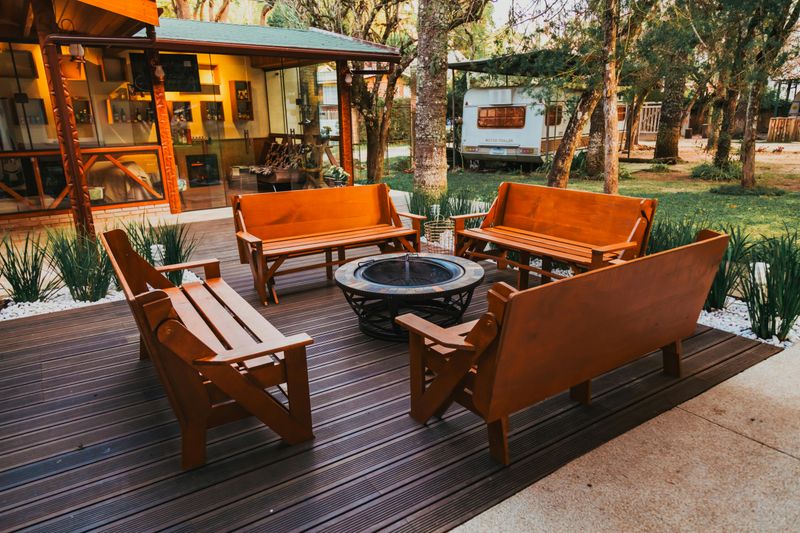
Decks, patios, and gardens are no longer afterthoughts but essential parts of Oregon homes that receive the same design attention as indoor rooms.
Comfortable outdoor furniture, weather-resistant rugs, string lights, and even outdoor heaters transform these spaces into functional living areas that can be enjoyed beyond just the warmest months.
Covered structures like pergolas or roof extensions provide protection from rain while still allowing fresh air and connection to nature.
Outdoor kitchens or simple grilling stations make al fresco dining easy and enjoyable, encouraging families to spend more time outside together.
Fire pits or outdoor fireplaces create cozy gathering spots for cooler evenings, extending the usable season well into fall.
Landscaping with native plants around these spaces reduces maintenance while creating a natural, cohesive look that blends the home into its surroundings.
Pathways made from natural stone or gravel connect different outdoor zones and add to the organic aesthetic.
These outdoor rooms become favorite spots for morning coffee, afternoon reading, or evening conversations under the stars.
Sustainable Practices Shape Design Choices
Environmental responsibility isn’t just a buzzword in Oregon, but a deeply held value that influences how people design and decorate their homes.
Choosing locally sourced materials reduces transportation emissions while supporting regional economies and craftspeople.
Energy-efficient windows, proper insulation, and passive solar design reduce heating and cooling needs, lowering both utility bills and environmental impact.
Repurposing and upcycling furniture and decor keeps items out of landfills while adding unique, one-of-a-kind pieces to home interiors.
Low-VOC paints and finishes improve indoor air quality and reduce harmful chemical exposure for families and pets.
Water-saving fixtures and drought-tolerant landscaping acknowledge Oregon’s occasional water restrictions and the importance of conservation.
These sustainable choices often save money over time while creating healthier, more comfortable living environments.
The natural decor movement in Oregon isn’t separate from sustainability, but intertwined with it, reflecting a belief that beautiful homes and responsible living go hand in hand.
This holistic approach creates spaces that feel good in every sense of the word.