14 Bucket List Hikes In Southern California, Ranked From Easy To Epic
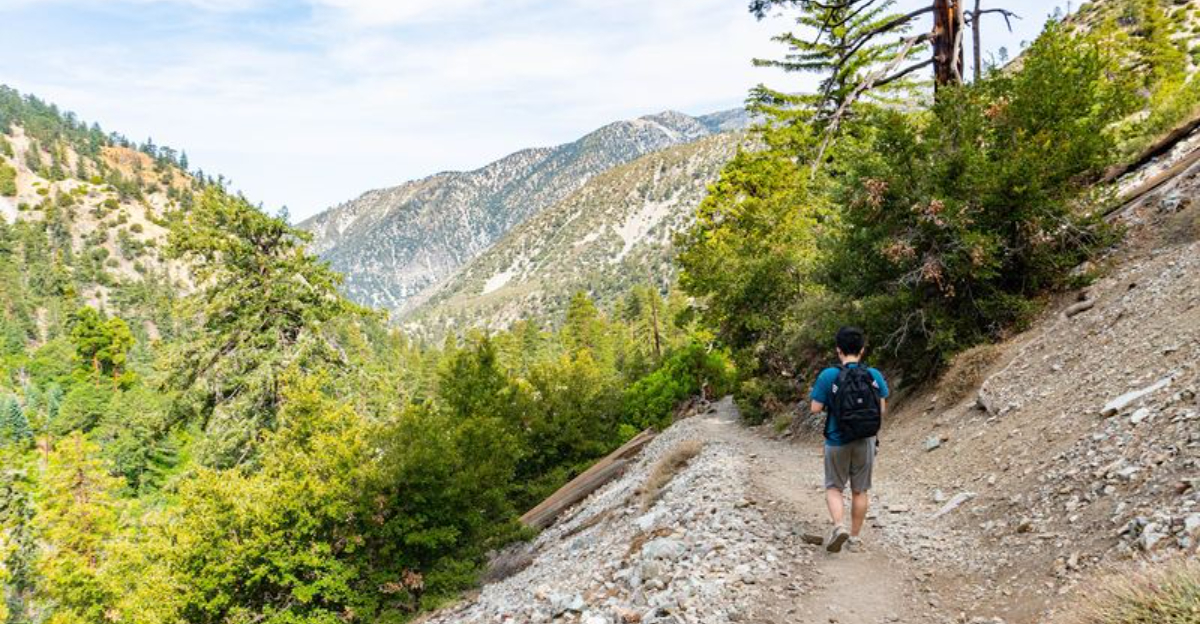
Boots hit the trail. The air changes. Everything else starts to fade out.
Hiking here doesn’t follow one path or one pace. It shifts quickly. Ocean views give way to steep climbs. Quiet canyon trails turn into ridgelines with wide-open horizons. No two hikes feel the same, even when they’re just miles apart.
The variety is what makes it stand out. Some trails ease you in with gentle grades and shaded stretches. Others push harder, gaining elevation fast and testing how far you’re willing to go. There’s always another option waiting nearby.
Southern California turns hiking into something people build entire days around.
It’s not just about reaching the end. It’s about everything that happens along the way, the views, the effort, and the feeling that each trail offers something worth remembering.
1. Solstice Canyon Trail
Tucked into the Santa Monica Mountains, Solstice Canyon Trail offers one of the most rewarding easy-to-moderate hikes near Los Angeles.
The trailhead sits within Santa Monica Mountains National Recreation Area, and the path follows a gentle creek through a canyon shaded by sycamore and oak trees that keep temperatures cooler than the surrounding hills.
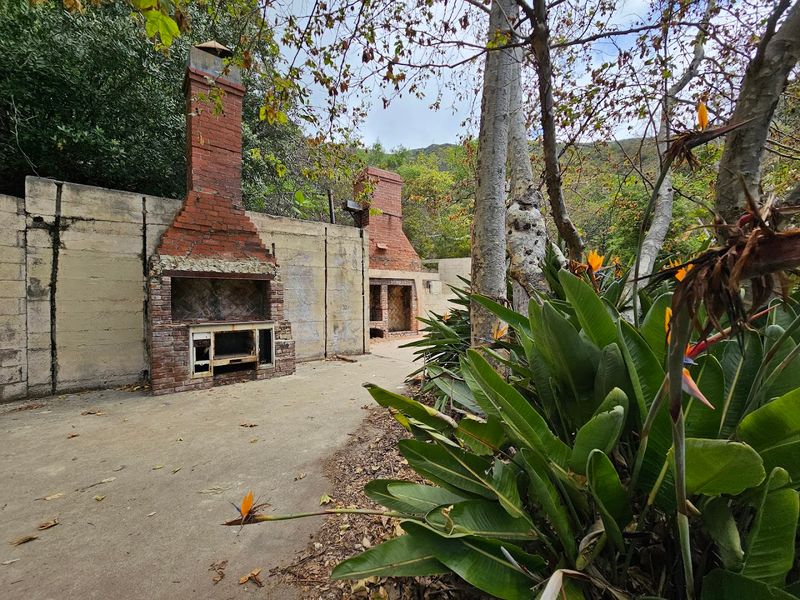
The destination is the Tropical Terrace ruins, a burned-down mid-century estate that now sits in dramatic contrast against the canyon greenery.
A small seasonal waterfall tumbles near the ruins, making it a satisfying endpoint for the roughly 3.2-mile round trip.
The combination of history, water, and shade makes this trail feel like a discovery rather than just a workout.
Parking at the Santa Monica Mountains Conservancy lot fills up quickly on weekends, so arriving early in the morning tends to make the experience much more pleasant.
The trail surface is mostly flat and compact, making it accessible for hikers of varying fitness levels.
Families with older children often find this trail to be a comfortable and engaging outing that does not require specialized gear or serious preparation.
2. Torrey Pines Beach Trail Loop
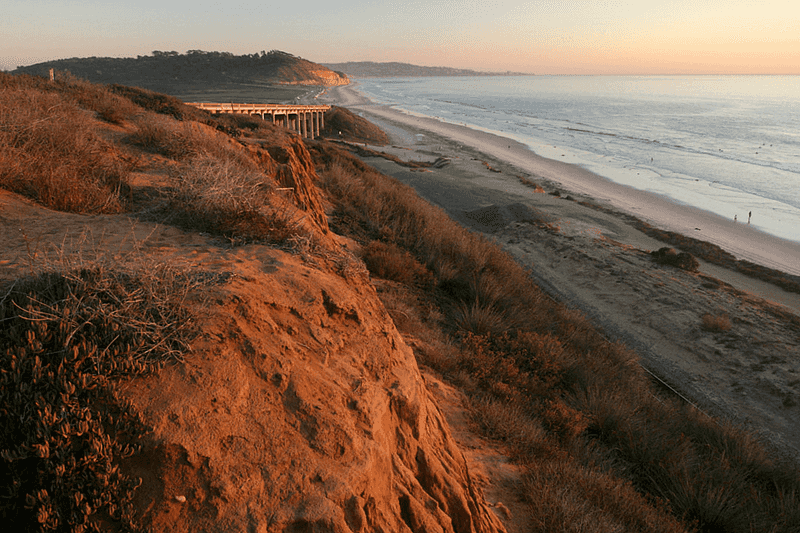
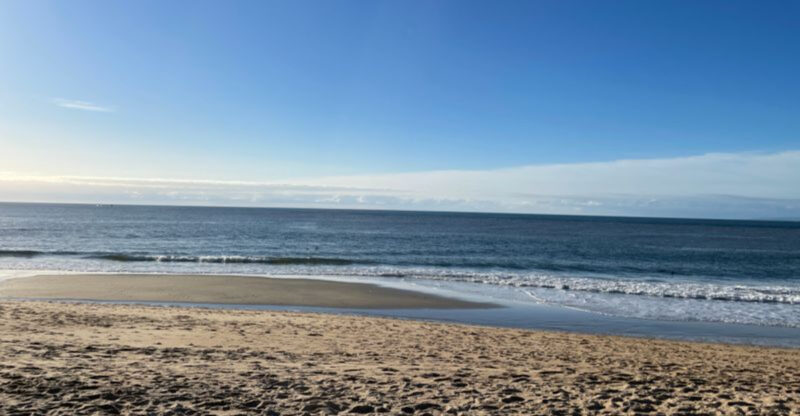
Perched above the Pacific in La Jolla, Torrey Pines State Natural Reserve offers a coastal hiking experience that feels unlike anything else in Southern California.
The beach trail loop winds through dramatically eroded sandstone cliffs and delivers sweeping views of the ocean that tend to stop hikers mid-step.
The loop connects the upper bluff trails with a stretch of wide, uncrowded beach at the base of the cliffs, giving the hike a satisfying variety of terrain.
The rare Torrey pine tree, found almost nowhere else in the world, lines portions of the trail and adds a sense of natural exclusivity to the walk.
The full loop runs approximately 3.5 miles and is considered moderate due to some sandy and uneven footing near the cliff edges.
Visiting on a weekday tends to mean fewer crowds and a calmer atmosphere along the beach section.
The reserve charges a parking fee that varies by season, so checking the official Torrey Pines State Natural Reserve website before visiting is a smart move.
Sunscreen and water are essential here since shade is minimal and the coastal sun reflects off the sand with surprising intensity.
3. Oak Canyon Nature Center Trails
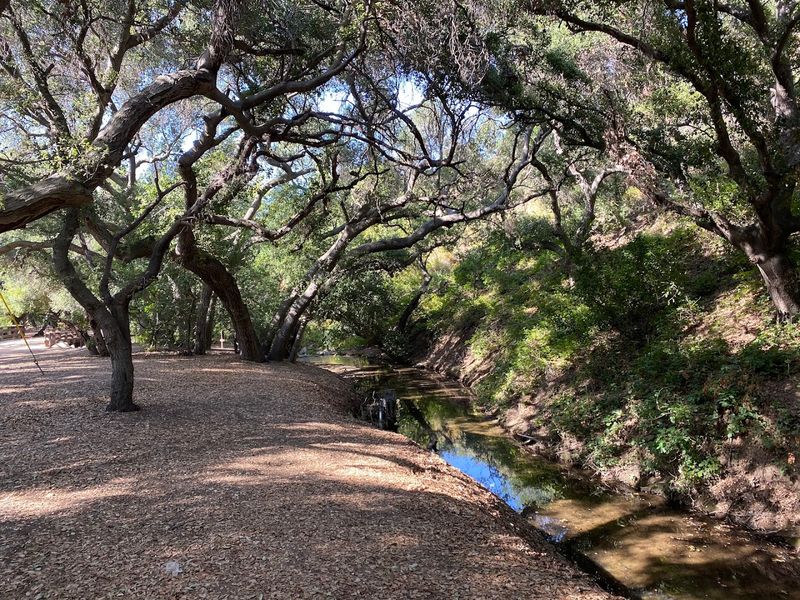
Nestled in the hills of Anaheim Hills, Oak Canyon Nature Center offers a surprisingly peaceful escape from the surrounding suburban landscape.
The network of trails here winds through a natural oak woodland canyon that feels genuinely removed from the busy streets just minutes away.
The trails are short, with the longest loop running just under 3 miles, making this an ideal destination for beginners, families with young children, or anyone looking for a relaxed nature walk.
A small seasonal stream runs through the canyon floor, and the sound of rustling leaves and birdsong tends to be the loudest thing a visitor hears on quieter mornings.
Oak Canyon Nature Center at 6700 E. Walnut Canyon Rd, Anaheim, CA 92807 is free to enter, which makes it one of the most accessible green spaces in Orange County.
The trails are well-maintained and clearly marked, reducing the chance of getting turned around even for first-time visitors.
Early spring brings wildflowers and active bird populations that make the canyon feel especially lively, and the soft light filtering through the oak canopy in the late afternoon gives the whole place a warm, unhurried quality.
4. Escondido Falls Trail
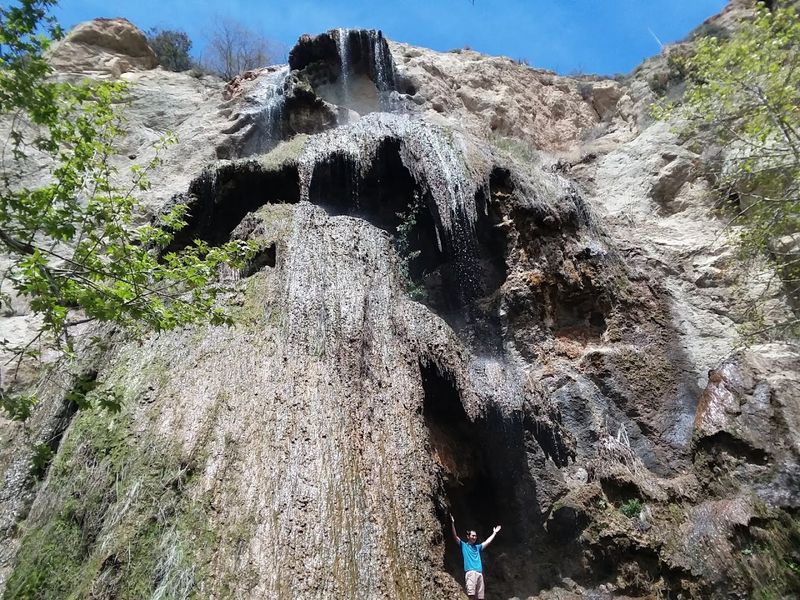
Not many hikes in the greater Los Angeles area end at a 150-foot waterfall, but Escondido Falls delivers exactly that.
The trailhead is located off Winding Way Road in Malibu, and the path begins with a flat stretch through private land before entering a canyon that grows steadily more dramatic with every step forward.
The lower falls are reachable after about 1.8 miles of easy walking, but the upper falls require a short scramble over rocks that demands a bit more balance and confidence.
That upper tier is where the real payoff lives, with water sheeting down a massive limestone wall draped in ferns and moss.
The contrast between the dry surrounding hills and this lush, wet canyon interior tends to feel genuinely surprising.
Visiting after a period of rainfall significantly increases the waterfall’s flow and makes the experience more visually impressive.
The trail is roughly 4 miles round trip to the upper falls and is considered moderate due to the rocky scramble near the end.
Sturdy footwear with good grip is strongly recommended since the rocks near the base of the falls can be slippery even when conditions seem dry.
5. Bridge To Nowhere Trail
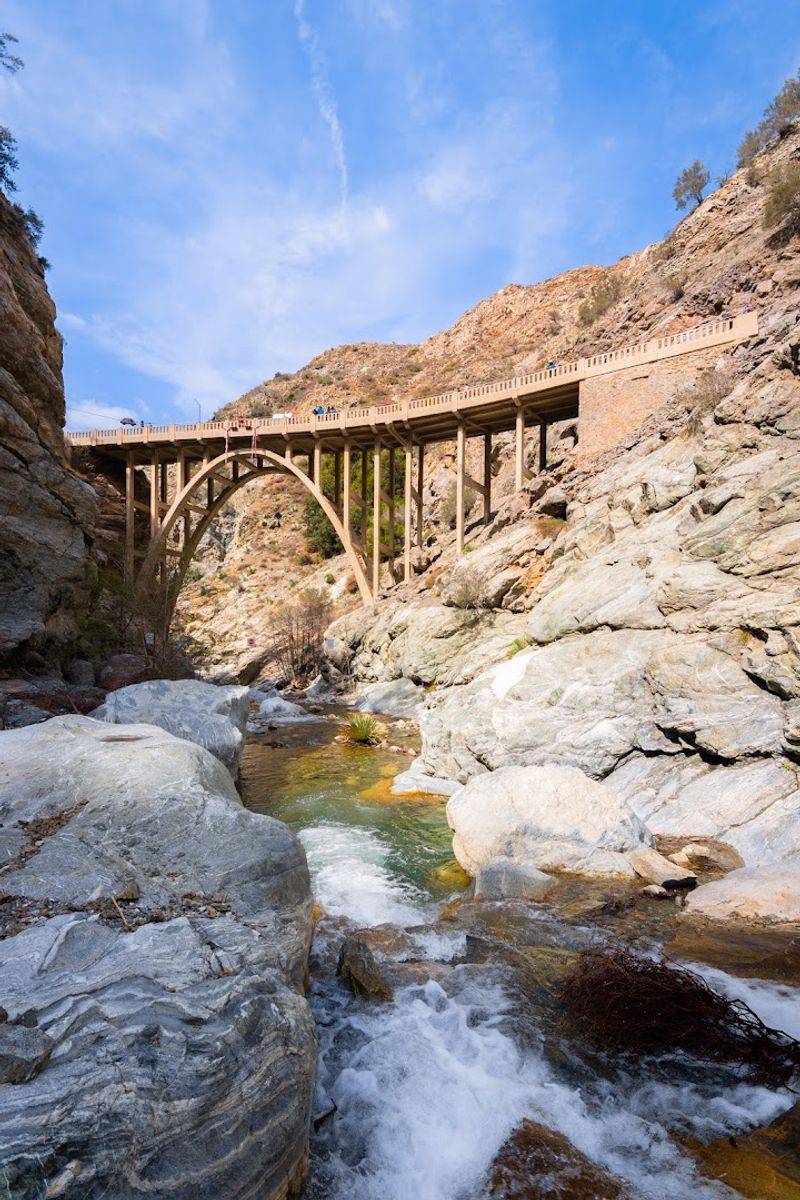
Few trails in Southern California carry as much historical intrigue as the route to the Bridge to Nowhere in the San Gabriel Mountains.
The bridge was built in the 1930s as part of a highway project that was ultimately abandoned after a catastrophic flood washed away the connecting road, leaving the structure standing alone in the middle of a remote canyon.
Getting there requires crossing the East Fork of the San Gabriel River multiple times, and depending on the season those crossings can range from ankle-deep to knee-deep.
The 10-mile round trip through Sheep Mountain Wilderness covers varied terrain including sandy washes, rocky scrambles, and shaded riparian stretches that keep the walk interesting throughout.
The bridge itself has become a popular bungee jumping spot, and on busy weekends the sound of shouts echoing off the canyon walls adds an unexpected energy to the destination.
A wilderness permit is required to access this trail and can be obtained at the trailhead.
Starting early is especially important here since afternoon heat in the canyon can build quickly during summer months.
Trekking poles and waterproof footwear help manage the river crossings more comfortably on this genuinely memorable California hike.
6. Potato Chip Rock Via Mount Woodson Trail
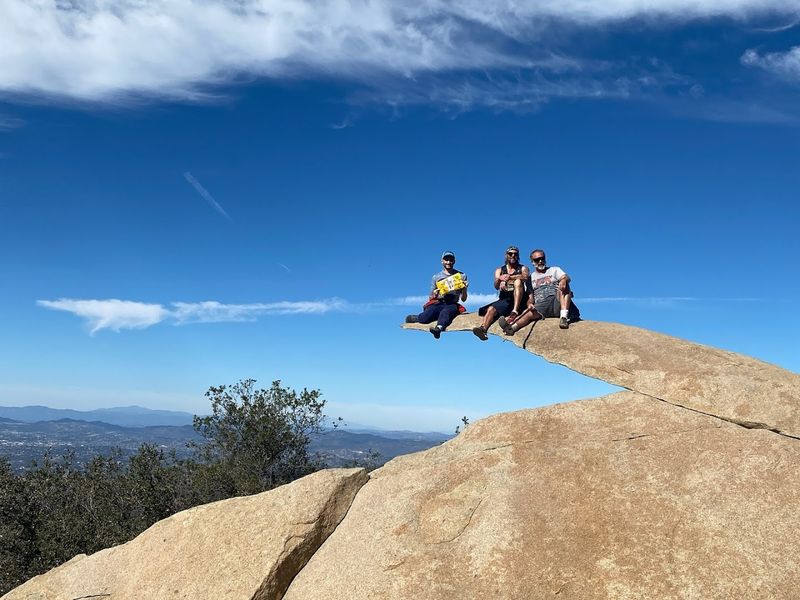
There are trail destinations in California that people hike for the scenery and then there are those they hike for the photo, and Potato Chip Rock on Mount Woodson fits squarely into both categories.
The thin slab of rock juts out over a dramatic drop in the hills above Poway, and the line of hikers waiting to pose on it has become part of the experience itself.
The trail runs approximately 8 miles round trip from Lake Poway and involves a consistent uphill climb with a total elevation gain of around 1,700 feet.
The path is mostly exposed and can feel relentlessly sunny on warm days, so carrying more water than expected is genuinely wise.
Despite the challenge, the trail sees a high volume of foot traffic on weekends because the destination is so visually rewarding.
Weekday mornings offer a noticeably quieter experience with shorter waits at the rock itself.
The views from the summit area stretch across the San Diego backcountry and on clear days extend toward the ocean.
Sunscreen, a hat, and at least two liters of water per person are practical essentials for this hike regardless of the season.
7. Icehouse Canyon Trail
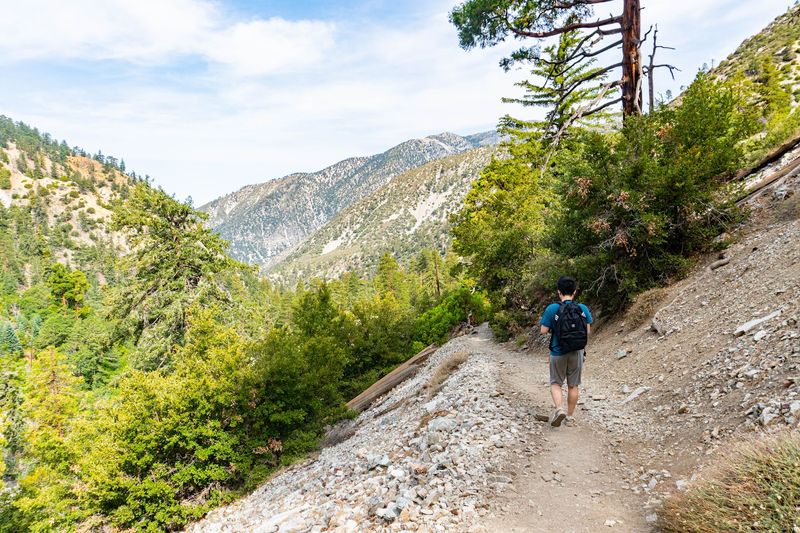
Hidden in the eastern San Gabriel Mountains above the city of Upland, Icehouse Canyon Trail follows a cold, clear stream through one of the most beautifully forested canyons in the range.
The name comes from an old ice harvesting operation that once ran in the canyon during the late 1800s, when blocks of ice were cut from the stream and shipped down to Los Angeles.
The trail is roughly 8 miles round trip to Icehouse Saddle and gains around 2,600 feet in elevation, making it a solid workout even for experienced hikers.
Cedar, pine, and fir trees line the path and create a shaded atmosphere that feels almost alpine, especially in the upper sections where the canyon narrows and the air cools noticeably.
Spring and early summer bring the most reliable water flow in the stream, and the sound of moving water accompanies most of the lower trail section.
The upper portions of the trail can hold snow well into April, so checking conditions before heading out is worthwhile.
Layered clothing is a smart choice here since the temperature difference between the trailhead and the saddle can be significant even on warm days.
8. Switzer Falls Trail
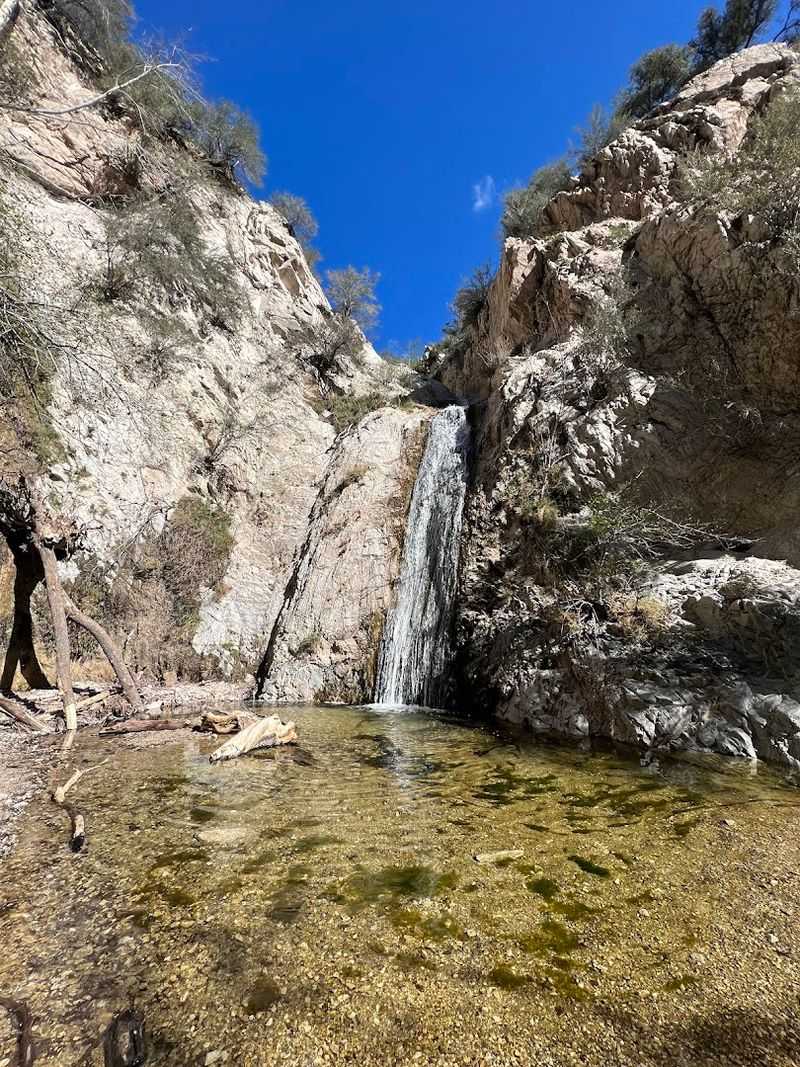
Starting from the Switzer Picnic Area in the Angeles National Forest, the trail to Switzer Falls descends into a shaded canyon that feels refreshingly cool even on warm days.
The path follows Arroyo Seco Creek through a corridor of alder and sycamore trees that filter the light into soft, shifting patterns along the canyon floor.
The waterfall itself drops roughly 50 feet into a rocky pool below, and reaching it involves a short but steep scramble down boulders near the end of the trail.
The full out-and-back route is approximately 4.5 miles and is classified as moderate, with the scramble being the most physically demanding portion.
Swimming in the pool below the falls is possible during warmer months when water levels are appropriate, though conditions vary significantly by season.
The trailhead is located in the Angeles National Forest, where an Adventure Pass or equivalent federal recreation pass is required for parking.
Arriving before 9 a.m. on weekends helps avoid the larger crowds that tend to gather at the falls by midday.
The canyon retains moisture longer than surrounding hillsides, which means the vegetation stays green and lush well into late spring and gives the trail a particularly inviting atmosphere.
9. Cedar Creek Falls Trail
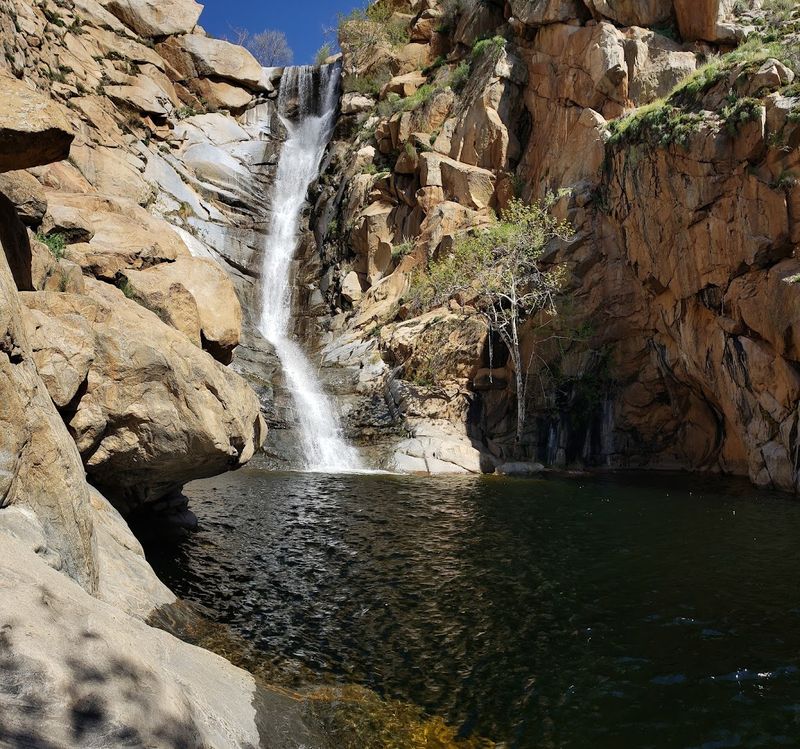
Dropping nearly 80 feet into one of the most striking natural swimming holes in San Diego County, Cedar Creek Falls is a trail that rewards effort with something genuinely spectacular.
The hike travels through the Cleveland National Forest on a route that is roughly 6 miles round trip and involves a significant descent into the canyon that must be climbed back out on the return.
The descent covers around 1,000 feet of elevation loss over a relatively short distance, which means the legs will feel the climb out more than the walk in.
The falls are most impressive after winter and spring rains, when the volume of water crashing into the pool below creates a mist that drifts across the surrounding boulders.
On hot summer days the pool at the base is a natural draw, though swimming should only be attempted when conditions are safe and water levels are appropriate.
A permit is required to access this trail and must be reserved in advance through the U.S. Forest Service reservation system, as access is limited to protect the fragile ecosystem around the falls.
Bringing more water than seems necessary is always the right call on this trail since the exposed chaparral sections offer little shade.
Sturdy footwear with ankle support makes the rocky descent and return climb considerably more comfortable.
10. Mount Baldy Summit Trail
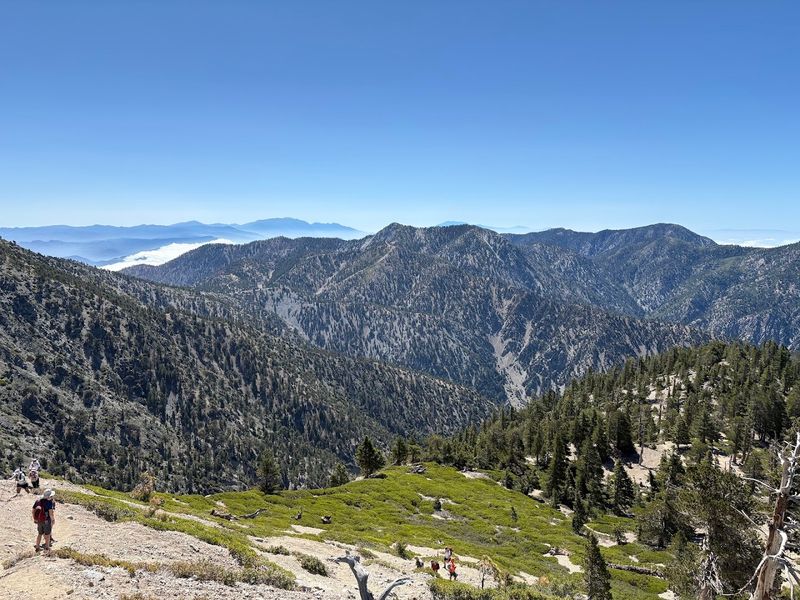
Standing at 10,064 feet, Mount Baldy is the highest point in Los Angeles County and one of the most respected summit hikes in all of Southern California.
The mountain earns its name from the broad, treeless summit ridge that remains exposed to wind and weather in a way that feels noticeably different from the forested slopes below.
The most popular route via the Baldy Bowl trail covers approximately 11 miles round trip and gains around 3,800 feet of elevation, making it a genuine test of endurance and preparation.
The upper section above the ski area follows a steep, rocky ridge where loose footing and sudden weather changes can catch unprepared hikers off guard.
Winter and early spring conditions can make the summit route genuinely dangerous without microspikes and an ice axe.
The summit views on a clear day stretch from the Pacific Ocean to the Nevada desert, covering a panoramic sweep that feels proportional to the effort it takes to reach it.
Starting no later than 7 a.m. is strongly recommended to allow enough time for the full route before afternoon thunderstorms can develop in summer.
Proper layering, sun protection, and at least three liters of water per person are baseline requirements for a safe and enjoyable ascent.
11. Cactus To Clouds Trail
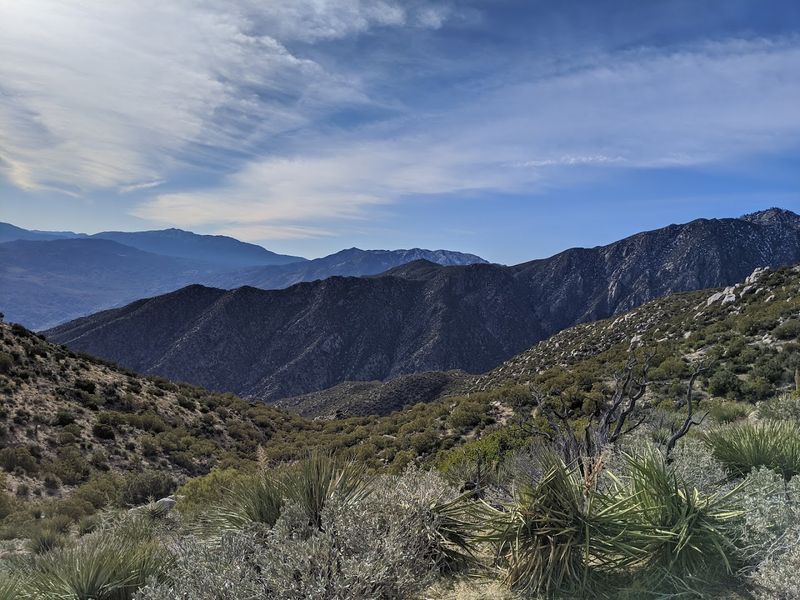
Known as one of the most grueling day hikes in the entire United States, the Cactus to Clouds Trail climbs from the desert floor of Palm Springs all the way to the summit of San Jacinto Peak at 10,834 feet.
The total elevation gain is approximately 10,000 feet over roughly 19 miles, placing it in a category of physical challenge that few trails in the country can match.
The trail begins in the Sonoran Desert among cacti and creosote and ascends through chaparral, pine forest, and eventually bare granite as the elevation climbs.
The transition from desert heat at the base to alpine cold near the summit can span a temperature difference of 40 degrees or more within a single day.
Most hikers descend via the Palm Springs Aerial Tramway rather than retracing the full route, which requires purchasing a tram ticket in advance.
Attempting this trail requires serious physical conditioning, careful planning, and an early start no later than 4 a.m. to allow enough daylight for the full ascent.
Carrying a minimum of five liters of water is considered standard advice from experienced hikers who know the lower desert section offers no reliable water sources.
The Cactus to Clouds Trail is not a hike to attempt casually but for those who are prepared it delivers an extraordinary journey through multiple ecosystems in a single day.
12. San Jacinto Peak Via Marion Mountain
Approaching San Jacinto Peak from the Marion Mountain trailhead offers a quieter and more gradual alternative to the more crowded tram-accessed routes from the west.
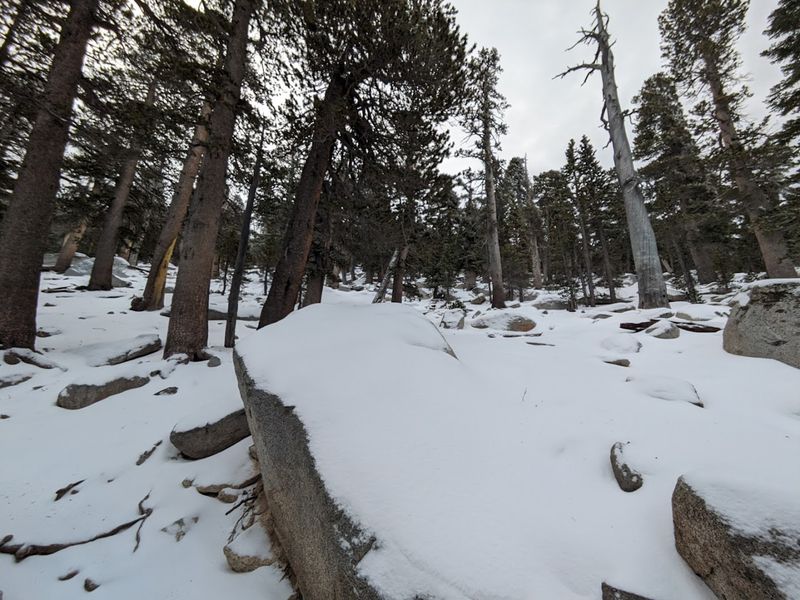
The trail begins in the San Bernardino National Forest and climbs steadily through a fragrant forest of white fir and lodgepole pine before breaking out onto the open granite slopes near the summit.
The round trip distance is approximately 16 miles with around 4,400 feet of elevation gain, making it a long and demanding day that requires solid fitness and proper preparation.
The upper mountain is dotted with enormous boulders and the summit itself sits at 10,834 feet, offering views that extend across the Coachella Valley to the Salton Sea on clear days.
A wilderness permit is required to enter the Mount San Jacinto State Wilderness and should be obtained well in advance since the quota fills quickly during peak season from May through October.
Snow can persist on the upper trail well into June, and microspikes are often necessary for safe travel above 9,000 feet during early season visits.
The Marion Mountain approach rewards hikers with a sense of solitude and natural immersion that the busier tram route simply cannot provide on a crowded weekend.
13. Mount San Gorgonio Via Vivian Creek
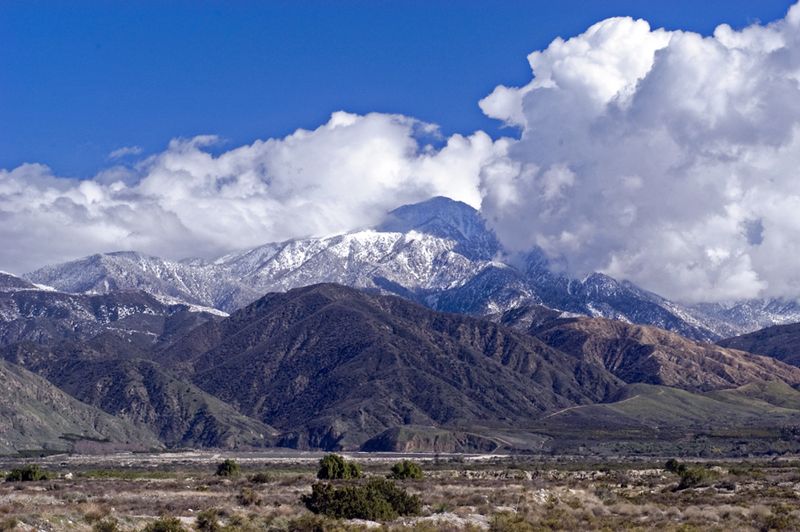
At 11,503 feet, Mount San Gorgonio is the highest peak in Southern California and the Vivian Creek Trail is widely considered the most direct and rewarding route to its summit.
The trail begins in the Mill Creek area of the San Bernardino National Forest and immediately enters a beautiful forest corridor along a rushing creek before the serious climbing begins.
The round trip distance is approximately 16 to 18 miles depending on the specific route variation, with a total elevation gain of around 5,000 feet that demands strong cardiovascular fitness and well-broken-in footwear.
The trail passes through several distinct ecological zones, moving from oak woodland at the base through dense conifer forest and eventually onto the windswept tundra-like terrain near the summit ridge.
A wilderness permit is required and must be reserved in advance through recreation.gov since the trail operates under a strict quota system.
Summit conditions can include strong winds and temperatures well below freezing even in summer, so packing insulating layers is essential regardless of how warm the trailhead feels at dawn.
The Vivian Creek route is considered one of the premier peak-bagging experiences in all of California and earns its reputation through genuinely demanding terrain and an unforgettable summit reward.
14. Trans-Catalina Trail
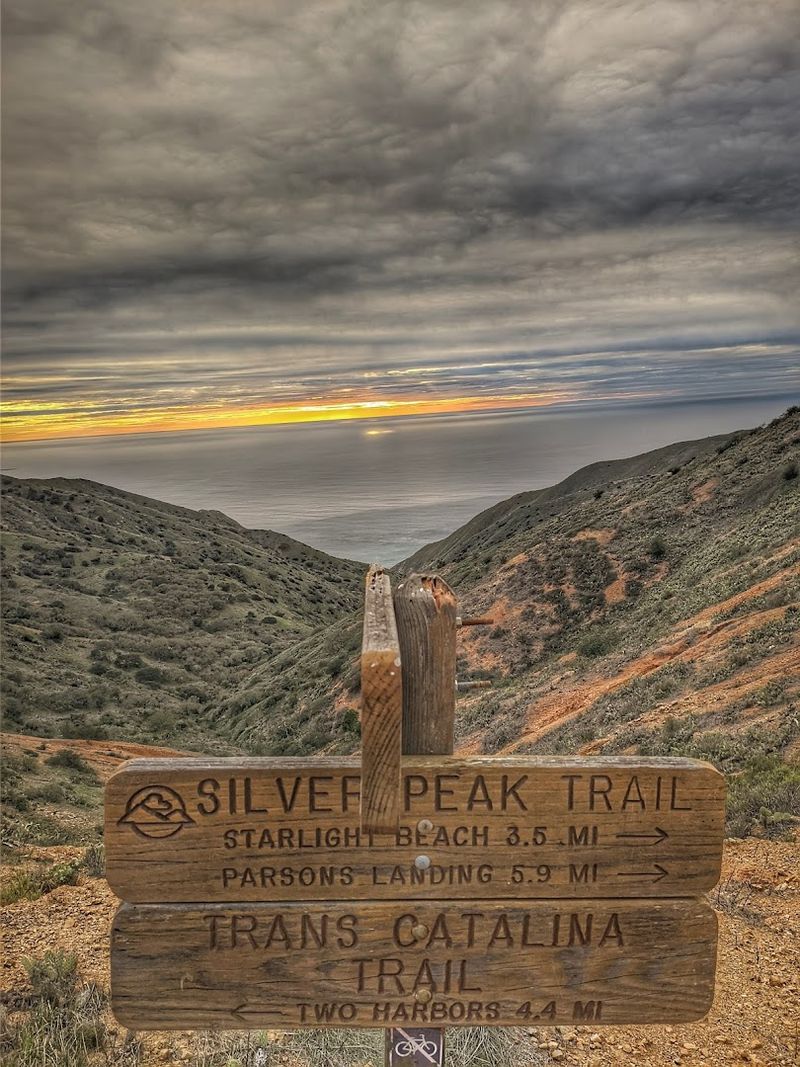
Stretching 38.5 miles across the length of Santa Catalina Island, the Trans-Catalina Trail is one of the most unique multi-day hiking experiences available anywhere in the western United States.
The trail runs from Avalon on the eastern end of the island to Starlight Beach on the remote western tip, crossing terrain that shifts from developed hillsides to wild, rarely visited coastal bluffs.
Most hikers complete the trail over three to five days using a combination of developed campgrounds and backcountry sites that must be reserved well in advance through the Catalina Island Conservancy.
The route covers significant elevation change despite the island’s modest size, with steep climbs and descents that keep the legs working consistently throughout each day.
Bison, which were introduced to the island in the 1920s for a film shoot and never removed, can be spotted grazing along the trail and add an unexpected element of wildlife watching to the experience.
Getting to the island requires a ferry from the mainland, with service available from San Pedro, Long Beach, and Dana Point.
Water sources along the trail are limited, so carrying sufficient hydration between resupply points is critical.
The Trans-Catalina Trail rewards careful planning with scenery and solitude that feel genuinely removed from the Southern California mainland just 22 miles away.