13 California Beaches Where Massive Tide Pools Turn Low Tide Into An Adventure
Low tide has excellent timing.
For a few hours, the ocean steps back and leaves behind miniature worlds packed into rocky shelves and narrow channels.
Anemones tighten into colorful blobs. Tiny crabs disappear beneath ledges. Sea stars cling to stone while curious visitors crouch nearby, trying not to lose their balance or drop a phone into the water.
The best tide-pool mornings along California’s coast feel part beach trip and part lesson in how much life can fit inside one slippery patch of rock.
Timing matters more than distance. A beach that looks ordinary at noon can become dramatically different when the tide reaches its lowest point.
Sturdy shoes are useful, careful steps are essential, and every creature deserves to be observed without being poked, lifted, or carried home.
These beaches reward patience. Look closely, move slowly, and check every pool twice.
The most memorable discovery may be hiding beneath a curtain of seaweed or directly beside the footprint everyone else walked past.
1. Fitzgerald Marine Reserve, Moss Beach
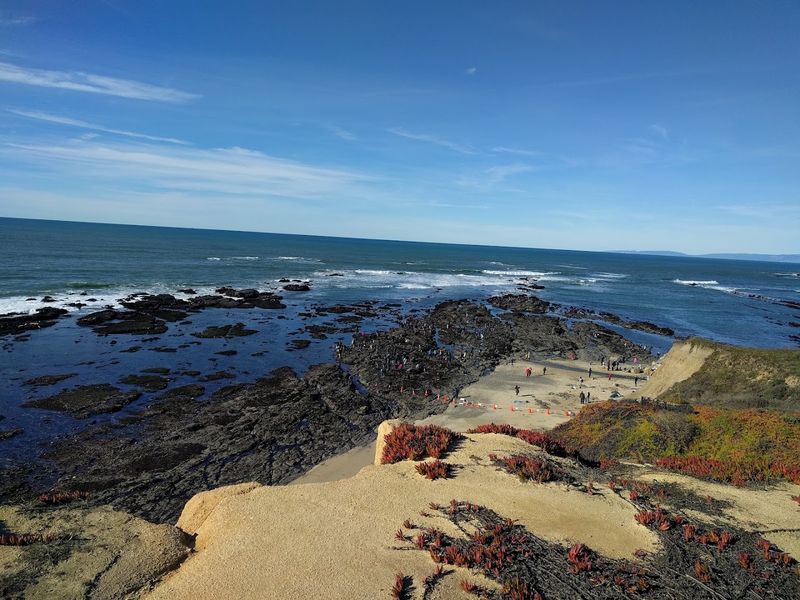
Few places along the California coast can match the sheer scale of what low tide reveals at Fitzgerald Marine Reserve.
Broad reefs stretch across the shoreline at Moss Beach, exposing one of the largest rocky intertidal zones in the entire state.
The exposed rock shelves seem to go on endlessly, with pools tucked into every hollow and channel.
Sea stars, hermit crabs, purple urchins, and dozens of anemone species fill the pools during sufficiently low tides.
The reserve is fully protected, so nothing may be touched, collected, or disturbed in any way, which has helped keep the ecosystem remarkably intact over the years.
Rangers are often present to answer questions and guide visitors toward the most active areas.
Checking a tide chart before arriving is strongly recommended, since the best pools only become accessible when the tide drops low enough to expose the outer reef shelves.
Waterproof boots or shoes with solid grip are a practical necessity here, as the rocks tend to be slick with algae and seaweed.
Parking is available near the reserve entrance, and the walk to the reef is short and manageable for most visitors.
2. Duxbury Reef at Agate Beach County Park, Bolinas
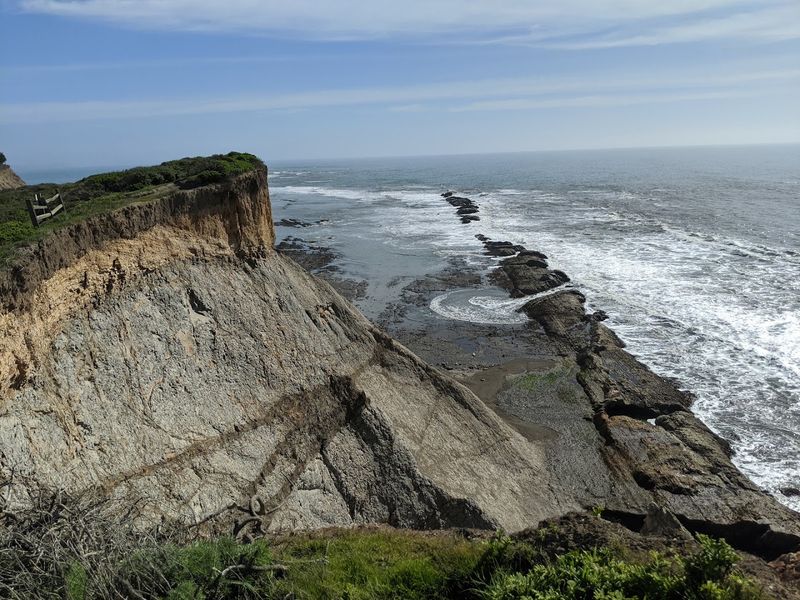
Duxbury Reef is one of those places that genuinely earns its reputation.
The shale reef near Bolinas stretches across an unusually wide section of exposed shoreline, creating channels, shallow pools, and rocky benches that fill with marine life when the tide pulls back.
The reef’s distinctive pink coloring comes from abundant coralline algae that coats much of the rock surface.
Limpets, chitons, mussels, barnacles, and snails are common sights throughout the reef, while the lowest tide zones sometimes reveal nudibranchs and even octopuses tucked into deeper crevices.
The National Park Service has specifically recommended this location for tidepooling, and the area is designated as a State Marine Conservation Area, meaning that collecting any marine life is not permitted.
Arriving at least an hour before the lowest tide gives visitors the most time to explore before the water begins creeping back in.
Waterproof boots are strongly advisable here because the wet rocks and seaweed can be surprisingly slippery underfoot.
The walk from the parking area to the reef is short and relatively easy, making this spot accessible for families and casual explorers alike.
3. Natural Bridges State Beach, Santa Cruz
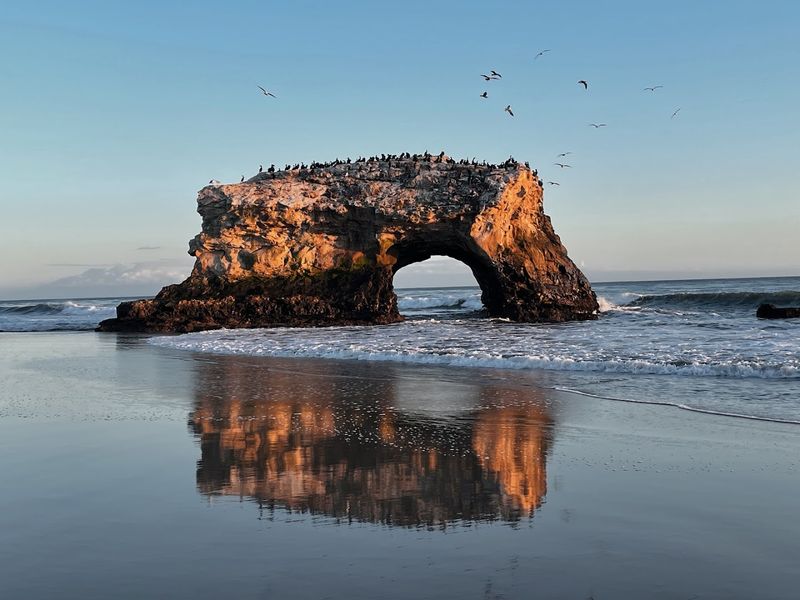
Natural Bridges State Beach in Santa Cruz has a reputation that stretches well beyond its famous arch.
When the tide drops to around two feet or lower, expansive sandstone shelves emerge from the water, revealing a network of pools and crevices packed with marine life.
Sea anemones, crabs, and sea stars are among the most commonly spotted residents.
Fall and winter are particularly rewarding seasons to visit because low tides tend to align with daylight hours during those months, making the pools easier and safer to explore.
The park also features a visitor center that provides maps and helpful guidance for navigating the tide pool areas.
As a Marine Protected Area, the rules here are firm: nothing may be picked up or removed from the pools.
The rocks can become especially slippery after rain, so waterproof footwear with solid grip is a smart choice year-round.
Keeping an eye on ocean conditions is equally important, since sneaker waves can appear without warning along this stretch of coast.
The park opens daily at 8:00 a.m. and remains accessible until sunset, giving visitors a reasonable window to plan around the tides.
4. Asilomar State Beach, Pacific Grove
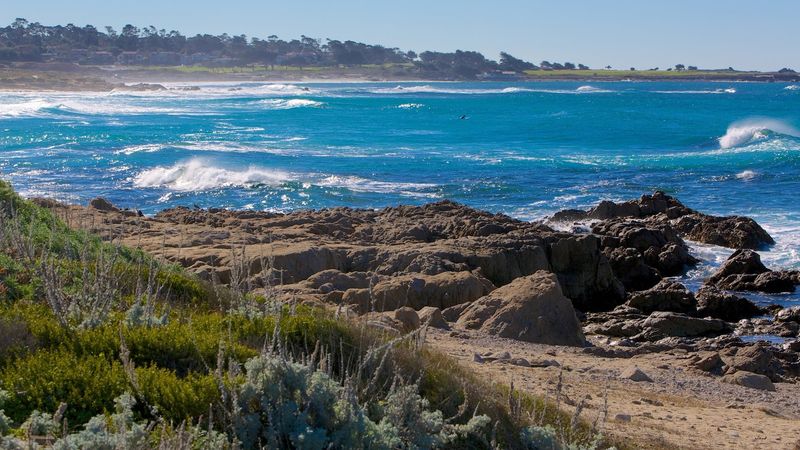
Rocky coves and extensive intertidal formations line the shoreline at Asilomar State Beach, making it one of the Monterey Peninsula’s most compelling destinations for tide pool exploration.
The beach sits within a fully protected marine reserve, which means that every creature and rock formation within its boundaries must be left exactly as found.
That protection has allowed the ecosystem to remain genuinely thriving.
During sufficiently low tides, the rocky areas along the beach reveal a range of marine inhabitants that can keep curious visitors occupied for a long time.
Diverse anemone species, sea stars, multiple crab varieties, and several types of snails are among the most reliably spotted animals in the pools.
Walking carefully and slowly across the exposed rocks gives the best chance of noticing smaller creatures tucked into corners and under ledges.
The Monterey Peninsula’s weather tends to be cool and windy even in summer, so layering up before heading out to the rocks is a good idea regardless of the season.
The beach itself is easy to access from Pacific Grove, and the surrounding area offers additional coastal scenery worth taking in before or after the tide pool visit.
5. Sculptured Beach, Point Reyes National Seashore
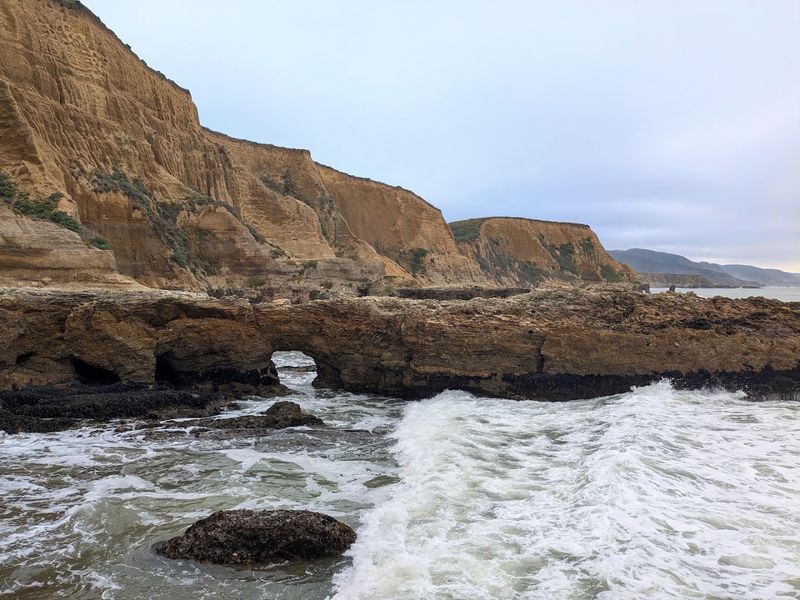
Getting to Sculptured Beach requires a bit of effort, and that effort is exactly what keeps it feeling so rewarding.
Located within Point Reyes National Seashore, the beach is accessible by a hike or mountain bike ride along the Coast Trail, or by walking south from Santa Maria Beach during low tide.
The journey takes roughly an hour from the nearest parking area, so building extra time into the plan is a must.
Low tide at Sculptured Beach reveals an impressive landscape of sculpted rock formations, natural arches, narrow channels, and substantial pools.
The National Park Service considers these among the best and safest tide pools within the entire Point Reyes park system, which is a meaningful distinction given how much coastline the park covers.
Marine life fills the pools and crevices throughout the exposed reef areas.
Tidal timing here is not just a recommendation but a safety consideration, since some access points between the beach and neighboring areas can become cut off as the tide rises.
Arriving at least an hour before the lowest predicted tide and departing no later than an hour after the tide begins to rise is the standard guidance.
6. Enderts Beach, Crescent City
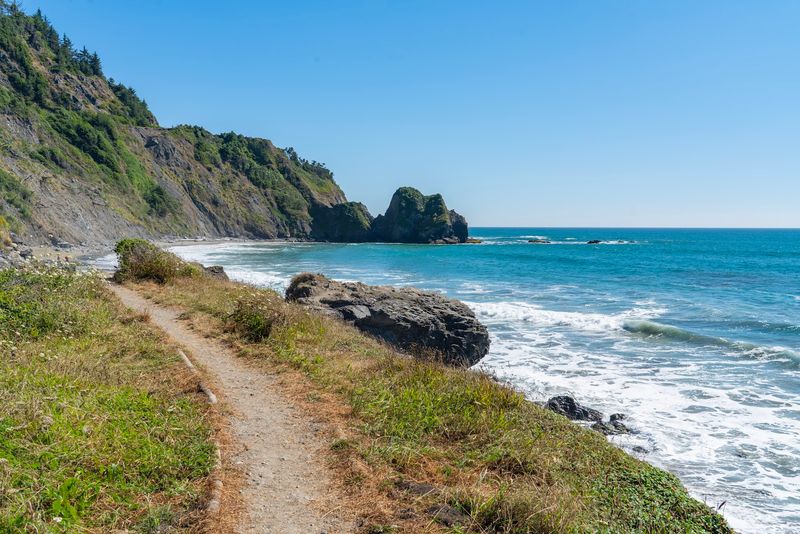
Near Crescent City in far Northern California, Enderts Beach rewards the visitors willing to make the short coastal hike to reach it.
The trail offers scenic views of the rugged northern coastline before descending to a beach defined by large rocky pools and abundant intertidal life.
The National Park Service has identified it as the premier tidepooling destination within Redwood National and State Parks.
Low tides expose a remarkable variety of marine organisms across the reef and pool areas, including sea anemones, sea stars, and an assortment of shells and smaller creatures that tend to go unnoticed unless looked for carefully.
The combination of clean, cold northern water and a protected setting contributes to the richness of the ecosystem here.
Visitors often find the experience quieter and more intimate than at more heavily visited southern locations.
The northern California coast can be unpredictable in terms of weather and wave activity, so checking conditions before heading out is genuinely important rather than optional.
Wearing layers and sturdy waterproof footwear will make the rocky sections far more comfortable to navigate.
Tide charts should be consulted in advance, and awareness of wave surges is essential throughout the visit since the open coastline can send water rushing into the pools without much warning.
7. Shell Beach at Sonoma Coast State Park, Jenner Area
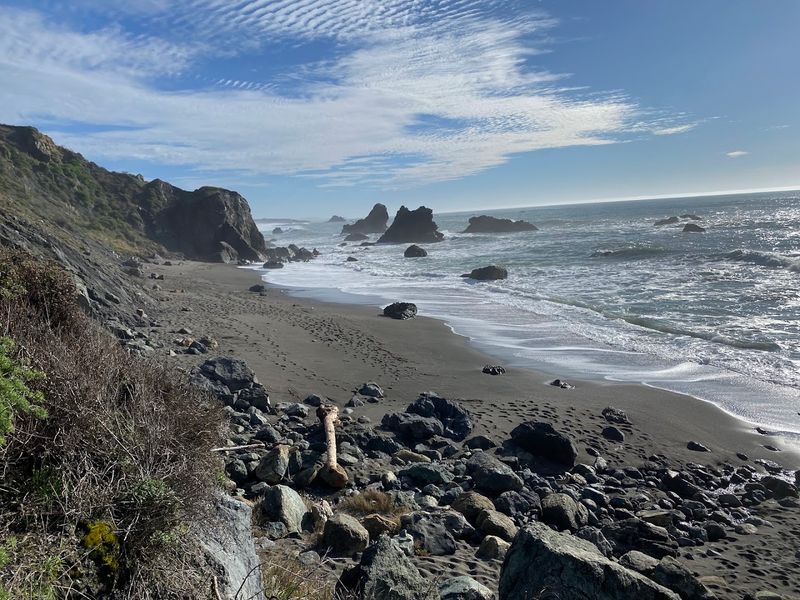
Along a particularly scenic stretch of the Sonoma Coast, Shell Beach stands out for the broad rocky benches that emerge at low tide.
These formations create a network of pools and channels that run along a section of shoreline known for its rugged beauty and relatively uncrowded atmosphere.
The setting feels genuinely wild, with coastal bluffs framing the view in every direction.
Sea anemones, mussels, and various species of snails are among the most commonly observed animals in the pools, and the clear water in the channels makes spotting smaller creatures easier than at rockier or murkier sites.
The Sonoma Coast is less visited than some of the more famous tide pool destinations further south, which gives Shell Beach a quieter, more exploratory feel during most visits.
Sonoma Coast weather tends to be cool and windy year-round, and the surf along this stretch can be energetic, so awareness of wave conditions is important throughout the visit.
Parking is available at designated areas within Sonoma Coast State Park, and the walk to the beach is manageable for most visitors.
Checking tide predictions ahead of time ensures the rocky benches will be sufficiently exposed for exploring, since the difference between a moderate and a very low tide can dramatically change what becomes visible.
8. Hazard Reef at Montana de Oro State Park, Los Osos
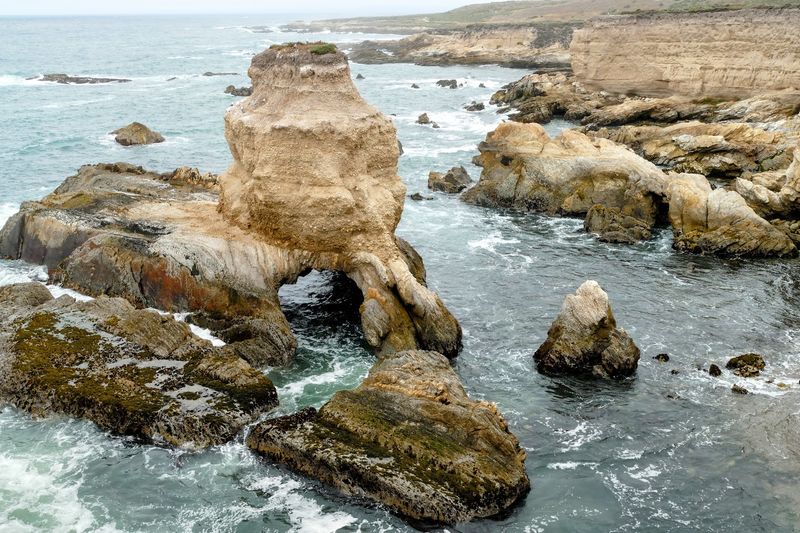
This place is already well known for its bluff trails and dramatic coastal scenery, but Hazard Reef adds a whole other reason to make the trip to Los Osos.
The reef is a sprawling rocky formation with deep pools, narrow channels, and a remarkable concentration of marine life.
Sea stars, anemones, hermit crabs, and sand dollars are among the creatures that populate the reef during low tide exposures.
Reaching the reef requires a one-mile hike on the Dune Trail from the Bluff Trail area, which includes wooden stairs and a boardwalk section that makes the descent safer and more accessible.
Alternatively, a trail descending through a gulch from the Hazard Canyon Parking lot leads to the water’s edge from a different direction.
On clear days, views of Morro Rock and Point Estero add a scenic backdrop to the tidepooling experience.
Negative tides offer the most extensive exposure of the reef, and arriving about an hour before the lowest predicted tide gives the best window for exploration.
Sneaker waves are a genuine concern along this section of coast, so maintaining awareness of the ocean at all times is essential.
Waterproof footwear is strongly recommended given the wet, uneven surface of the reef, and visitors should plan to leave before the tide begins climbing back in.
9. Leo Carrillo State Park, Malibu
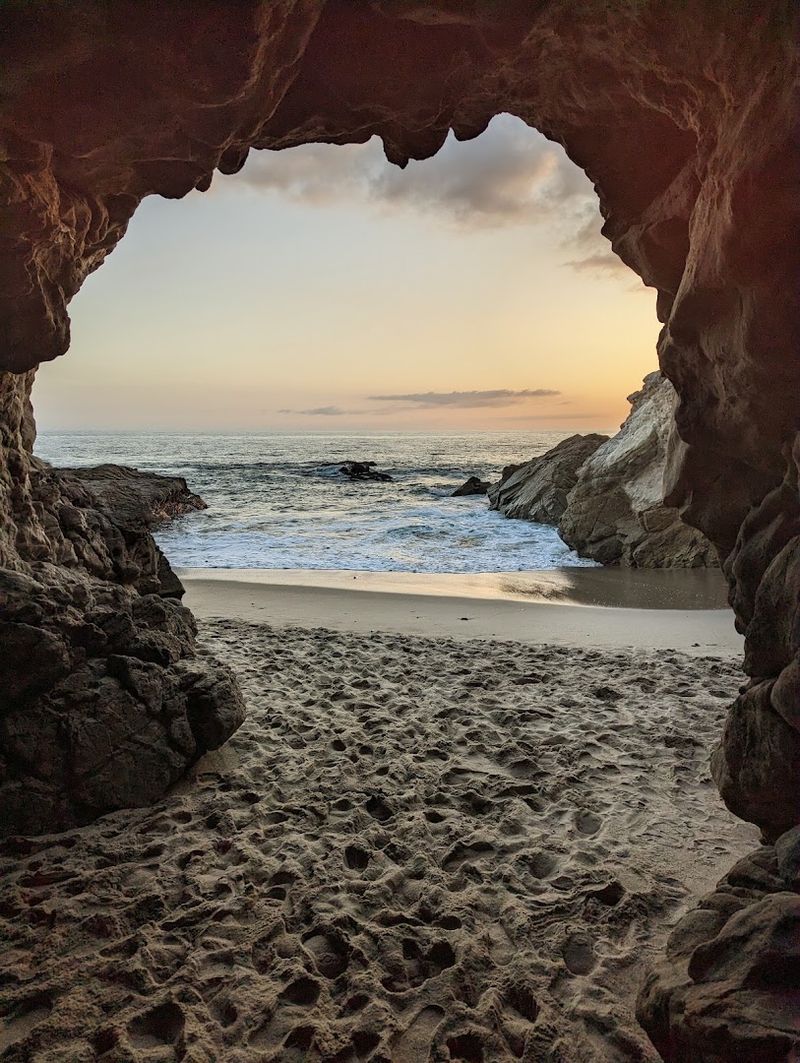
Bringing together caves, reefs, rocky shelves, and tide pools along its South Beach area in a way that feels almost theatrical at low tide is Leo Carrillo State Park.
When the water pulls back, a long band of intertidal habitat becomes accessible, and California State Parks specifically highlights the park’s tide pools and coastal caves as standout features worth seeking out.
The variety of formations here keeps exploration interesting from one end of the beach to the other.
Sea anemones, various crab species, and small fish are among the creatures that appear regularly in the exposed pools and rocky crevices.
The caves add an extra layer of intrigue, particularly during the lowest tides when some become partially accessible from the beach.
Exploring carefully and slowly tends to reveal far more than a quick walk through the area would suggest.
Malibu’s climate makes Leo Carrillo appealing year-round, though the lowest tides during fall and winter often occur during daylight hours, which is the safest and most practical time to visit the intertidal areas.
Parking is available within the state park, and the walk to the South Beach reef area is straightforward. Reef shoes or waterproof footwear with grip are recommended for navigating the rocky sections safely.
10. Abalone Cove Shoreline Park, Rancho Palos Verdes
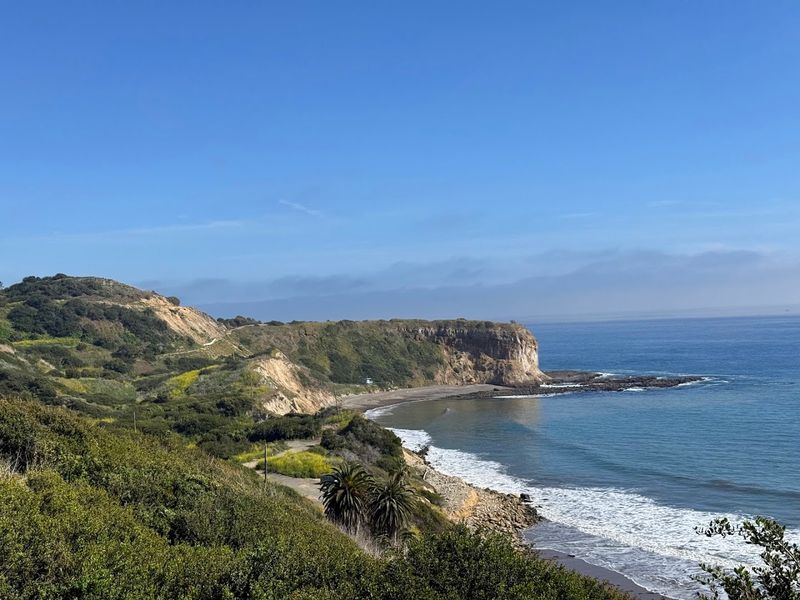
Abalone Cove Shoreline Park occupies a stretch of the Palos Verdes Peninsula coastline where the intertidal zone is particularly extensive and varied.
Rocky platforms and deep tide pools fill the coves at low tide, creating a habitat that hosts a wide range of marine species.
The terrain here is genuinely rugged, and the descent to the shoreline requires sturdy footwear and a reasonable level of physical confidence.
Sea urchins, anemones, crabs, and various small fish are among the creatures that become visible in the pools during low tide.
The marine caves add a dramatic element to the landscape and can be partially explored when conditions allow.
The overall setting feels more remote and less polished than some of the more developed tide pool parks in Southern California, which is part of its appeal for visitors who prefer a more natural experience.
The uneven shoreline and rocky descent mean that this location is better suited to older children and adults who can navigate carefully.
Closed-toe waterproof shoes with solid grip are strongly recommended, and bringing a tide chart to check timing before arrival is a practical step.
Parking and basic facilities are available at the park, and the cove is accessible without requiring a long hike, though the terrain itself demands attention and care once at the water’s edge.
11. Sacred Cove, Rancho Palos Verdes
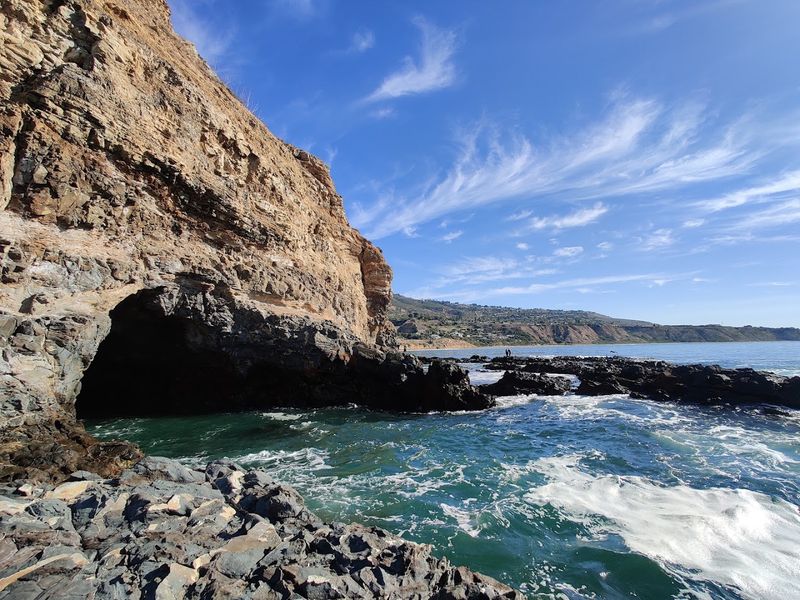
Sitting right beside Abalone Cove on the Palos Verdes Peninsula, Sacred Cove has a character that feels distinct from its neighbor despite the short distance between them.
The cove features broad reefs and some particularly large pools that hold anemones, sea urchins, crabs, and small fish during low tide.
The scale of some of these pools is genuinely impressive, with certain ones deep and wide enough to feel like miniature aquariums.
The rugged, less-maintained quality of Sacred Cove means that visitors get a more unfiltered experience of the intertidal zone compared to some of the more visitor-oriented parks along the coast.
That also means the terrain demands careful attention, since the rocks can be slippery and the footing is uneven throughout much of the shoreline area.
Waterproof shoes with strong grip are an essential rather than optional piece of gear for this location.
Timing a visit to align with a very low tide, ideally a negative tide, makes a significant difference in how much of the reef becomes accessible.
The pools tend to be clearest and most active in the hour surrounding the lowest point of the tide, so planning around that window is worth the effort.
Access to Sacred Cove runs through the Abalone Cove Shoreline Park area, and checking current access conditions before visiting is a sensible precaution.
12. Cabrillo National Monument Tide Pools, San Diego
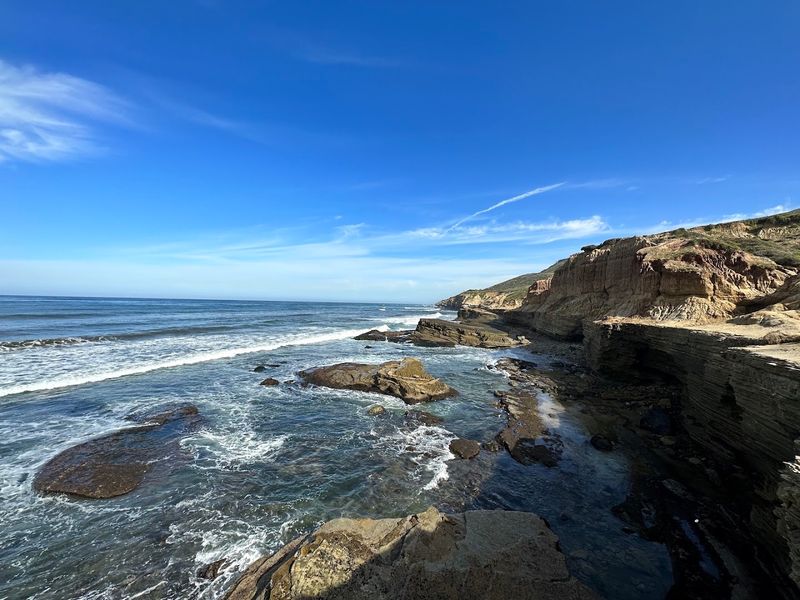
Below the historic lighthouse at Point Loma, the Cabrillo National Monument protects one of the most well-maintained and biologically rich rocky intertidal zones anywhere in California.
The expansive pools and reefs that emerge during low tide hold a remarkable concentration of marine life, from periwinkle snails and shore crabs to lobsters, sea stars, and occasionally octopuses.
The protected status of the monument has allowed the ecosystem to remain genuinely healthy over decades of visitation.
The most favorable viewing period runs from November through March, when the lowest tides tend to coincide with daylight hours while the park remains open.
A tide level of 0.7 feet or lower is recommended for the best access to the reef areas, and the tide pool zone and its lower parking lots are typically accessible from 9:00 a.m. to 4:30 p.m.
Sturdy footwear is strongly advisable, and disturbing the marine life in any way is strictly prohibited within the monument boundaries.
The combination of the protected setting, the quality of the pools, and the interpretive resources available at the monument makes this one of the most complete tide pool experiences in Southern California.
Rangers are often present near the intertidal area to provide guidance and answer questions about what visitors are observing.
Arriving close to the predicted low tide and working outward from the parking area gives the most efficient use of the available exploration time.
13. La Jolla Tide Pools, San Diego
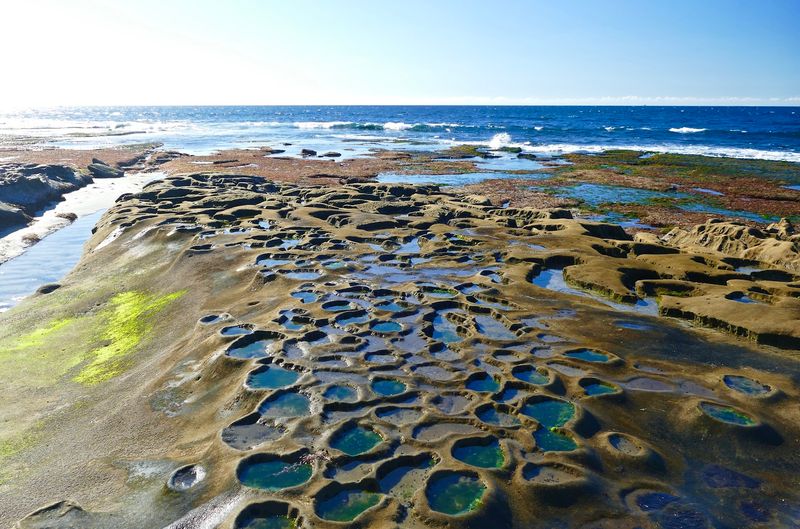
The stretch of La Jolla shoreline running between Hospitals Reef, Shell Beach, and Dike Rock holds one of the most extensive networks of sandstone tide pools in the San Diego area.
During especially low tides, the reef system opens up to reveal pools filled with sea stars, limpets, mussels, anemones, and a range of smaller invertebrates that thrive in the cold, nutrient-rich water.
Shell Beach is particularly recommended for exploration during very low tides, when the full extent of the sandstone shelves becomes accessible.
Dike Rock, which falls within the La Jolla Underwater Marine Park, offers a calmer and more sheltered environment where mussels and anemones dominate the pool communities.
The best period for tidepooling here mirrors other San Diego locations, with November through March offering the most reliable alignment of low tides with daylight hours.
Sea lions are frequently present at La Jolla Cove nearby, and maintaining a respectful distance from them is both a legal requirement and a matter of common sense.
Posted rope closures near the sea lion haul-out areas should always be respected, and the general rule of not touching or removing anything from the pools applies throughout the La Jolla Marine Protected Area.
Waterproof footwear is strongly recommended for the rocky reef sections, and arriving with a tide chart in hand ensures the visit is timed for the most productive and safe conditions the shoreline has to offer.