16 California Vintage Candies That Still Spark Strong Opinions Across The State
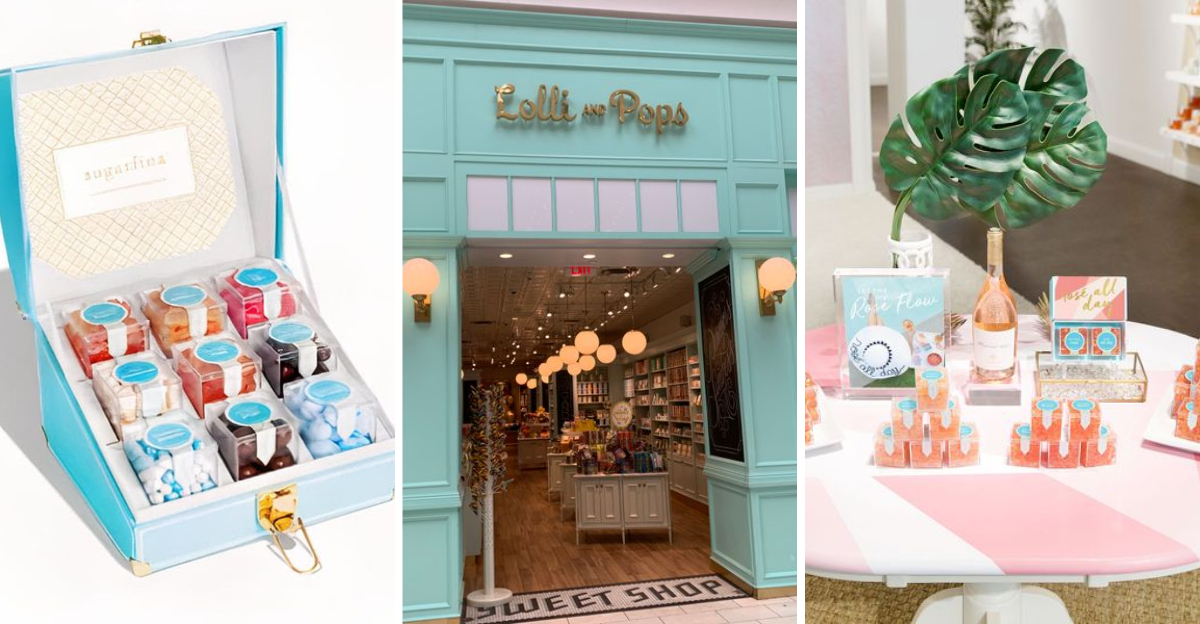
Why do certain candies stay beloved while others divide opinions for decades? The answer often lives in memory rather than flavor and nowhere is that more obvious than with sweets that refuse to fade away.
Some treats taste like pure nostalgia. Others feel like strange experiments that somehow survived anyway. The fascination comes from how boldly different they are and how strongly people react to them.
There is something irresistible about candy that sparks debate. One person smiles with recognition while another wonders how it ever made it past the test kitchen. That contrast is part of the fun.
Across California, candy makers shaped generations with creations that felt playful and unpredictable.
These sweets showed up at corner stores birthday parties and movie nights. They became part of everyday life even when the flavors made no logical sense.
Some of these candies are still proudly produced while others live on through memory and arguments.
People defend them fiercely or reject them completely. Rarely is there a middle ground. That tension keeps them relevant. It invites curiosity and conversation.
Revisiting these classic candies is not just about taste. It is about discovering how imagination once ruled the candy aisle and why some odd ideas still refuse to disappear.
1. Abba-Zaba
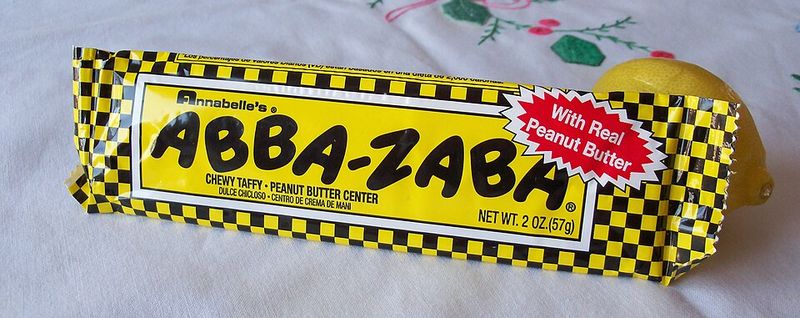
Peanut butter wrapped in chewy white taffy sounds like a dream combination, but this candy from the 1920s divides people faster than pineapple on pizza.
The Annabelle Candy Company in Hayward produced this sticky marvel since the 1920s that requires serious jaw strength to conquer.
Some folks swear by the creamy peanut butter center that contrasts with the stretchy taffy shell. Others find the texture too challenging and the sweetness overwhelming after just a few bites.
The yellow wrapper became iconic in California corner stores, gas stations, and movie theaters throughout the decades.
Kids used to trade these at lunch tables, though not everyone was excited to receive one. Dental work may have suffered because of this candy’s legendary stickiness.
The flavor profile hasn’t changed much since its debut, which fans consider a badge of authenticity.
Critics argue that modern candies have evolved past the need for such an aggressive chewing workout, but loyal fans wouldn’t change a single thing about their beloved Abba-Zaba.
2. Big Hunk
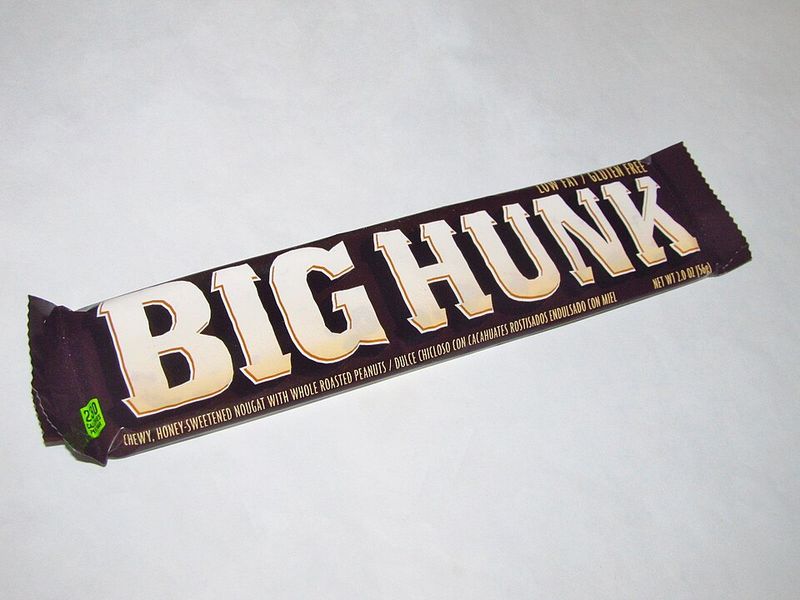
Imagine a candy bar that doubles as a jaw exercise and you’ve got Big Hunk, another Annabelle Candy Company creation from 1950.
This hefty slab of chewy white nougat studded with roasted peanuts has been testing California molars for over seventy years.
The name doesn’t lie because the bar truly lives up to its oversized reputation. Fans appreciate the honey-sweetened nougat that provides a less artificial taste than many modern candies.
Detractors complain that finishing one bar could take an entire afternoon and potentially a trip to the dentist.
The blue and white wrapper became a familiar sight in California candy aisles, representing old-school candy values.
Chewing through the dense texture reveals layers of roasted peanut flavor that some find absolutely addictive. Others gave up halfway through and saved the rest for later, or never.
The candy’s long-lasting nature made it popular with parents looking to keep kids occupied during long car rides across the state, though not everyone appreciated the extended chewing soundtrack.
3. Rocky Road Bar
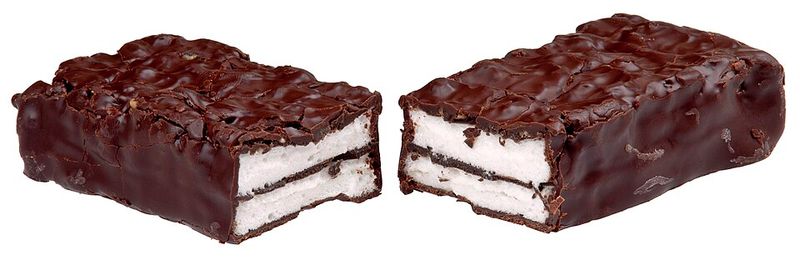
Annabelle Candy Company struck gold again with this chocolate-covered marshmallow and nut combination that debuted in the 1950s.
The candy borrowed its name from the famous ice cream flavor, creating instant recognition among California sweet lovers.
Milk chocolate coating covers fluffy pink marshmallow mixed with roasted cashews for a texture party in every bite.
Supporters love how the marshmallow stays soft while the cashews add satisfying crunch and richness. Critics find the marshmallow too sweet and the whole experience a bit too much after a few bites.
The pink color of the marshmallow center surprised first-time tasters who expected white based on the ice cream inspiration.
This candy became a California road trip staple, sold at rest stops and convenience stores up and down Highway 1.
Some people remember trading away their Rocky Road bars at school, while others hoarded them jealously.
The combination of textures continues to win fans, though the sweetness level remains a sticking point for those who prefer less sugary treats in their candy rotation.
4. U-No Bar
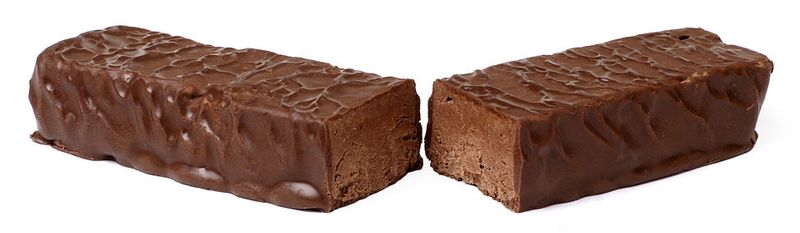
This truffle-like candy bar covered in chocolate arrived on California shelves in the 1920s with a name that suggested mystery.
The Cardinet Candy Company created a bar with an almond-studded center that felt fancier than typical candy aisle offerings.
The texture sits somewhere between a truffle and a candy bar, creating confusion and delight in equal measure.
Fans describe the experience as eating a sophisticated chocolate treat that happens to come in candy bar form. Skeptics argue the texture feels too soft and the almond pieces get lost in the overwhelming sweetness.
The silver wrapper gave this candy an upscale appearance that set it apart from brightly colored competitors.
California chocolate lovers debated whether U-No Bar qualified as true chocolate or just candy masquerading as something fancier. The name itself sparked endless jokes and conversations at checkout counters throughout the state.
Some people loved giving these as slightly nicer treats during holidays, while others stuck with more traditional chocolate bars that didn’t require explanation or texture adjustment.
5. See’s Candies
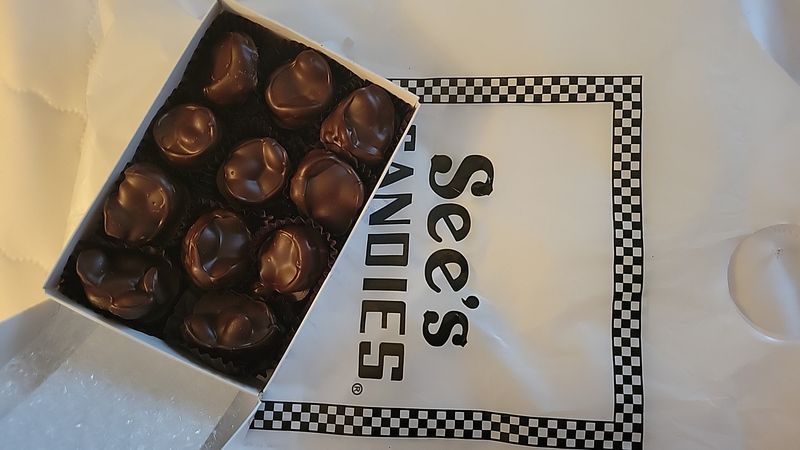
Charles See opened his first candy shop in Los Angeles in 1921, launching a California chocolate empire that continues today.
The black and white shops with their distinctive checkered floors became landmarks in malls and shopping centers across the state.
Free samples at the counter created a tradition that turned casual browsers into devoted customers for generations.
Quality chocolate and classic recipes made See’s the go-to choice for California gift-giving occasions from birthdays to holidays.
Critics argue the chocolates lean too traditional and lack the innovation found in modern artisan chocolate shops.
The variety of centers from nuts to creams to chewy caramels meant everyone could find something, or find something to complain about.
California families developed fierce loyalties to specific See’s chocolates while completely rejecting others from the same box.
The milk chocolate coating satisfied mainstream tastes but disappointed dark chocolate purists looking for more sophisticated options.
Some people treasure their childhood memories of See’s counter visits, while others moved on to trendier chocolate brands that emerged in recent decades.
6. See’s Scotchmallow
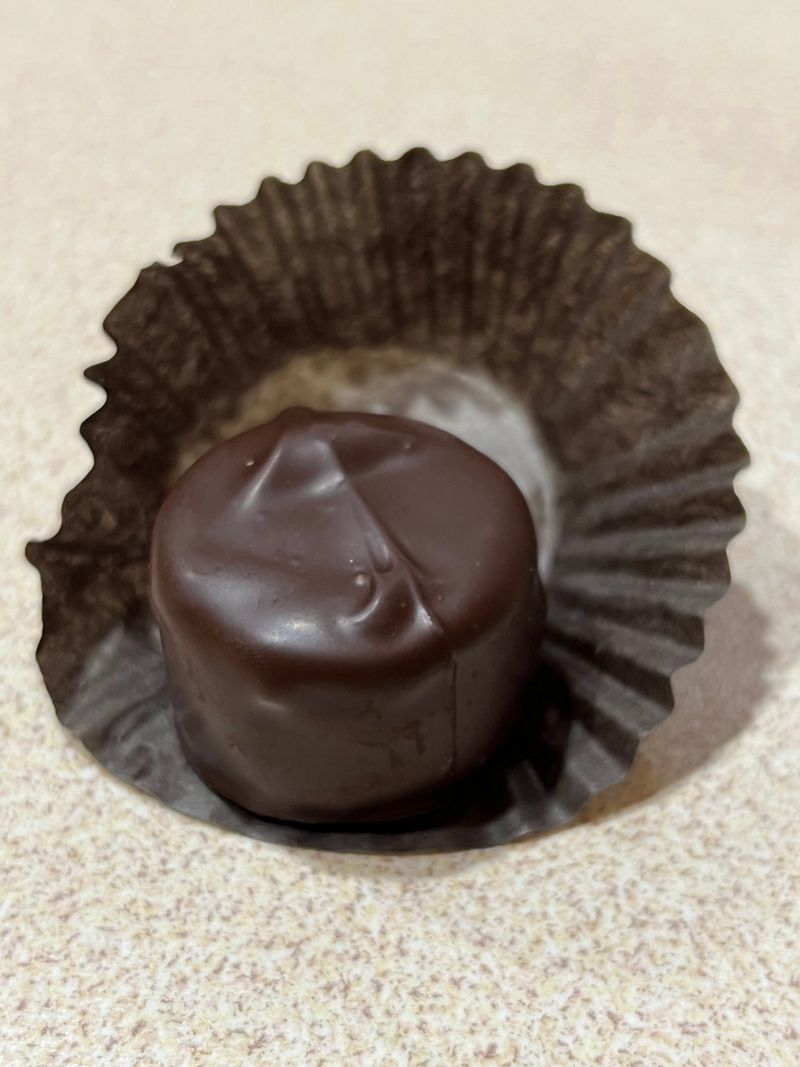
This particular See’s creation deserves its own spotlight because it sparked more arguments than almost any other piece in the box.
Marshmallow covered in caramel and then coated in chocolate sounds perfect on paper, but execution matters tremendously.
The combination of textures from fluffy to chewy to smooth created a complex eating experience.
Devoted fans claim Scotchmallow represents See’s at its finest, balancing sweetness with textural interest beautifully.
Opponents find the marshmallow too sweet, the caramel too sticky, and the whole thing too much for one piece of candy.
The square shape made these easy to identify in assorted boxes, leading to either immediate selection or deliberate avoidance.
California kids often traded Scotchmallows away or hoarded them depending on personal preference and sibling relationships.
The candy’s staying power in the See’s lineup proves enough people love it to keep production going strong.
Others silently judge Scotchmallow fans while reaching for more sophisticated chocolate options from the same box, creating unspoken tension at family gatherings statewide.
7. OCHO Candy Bars
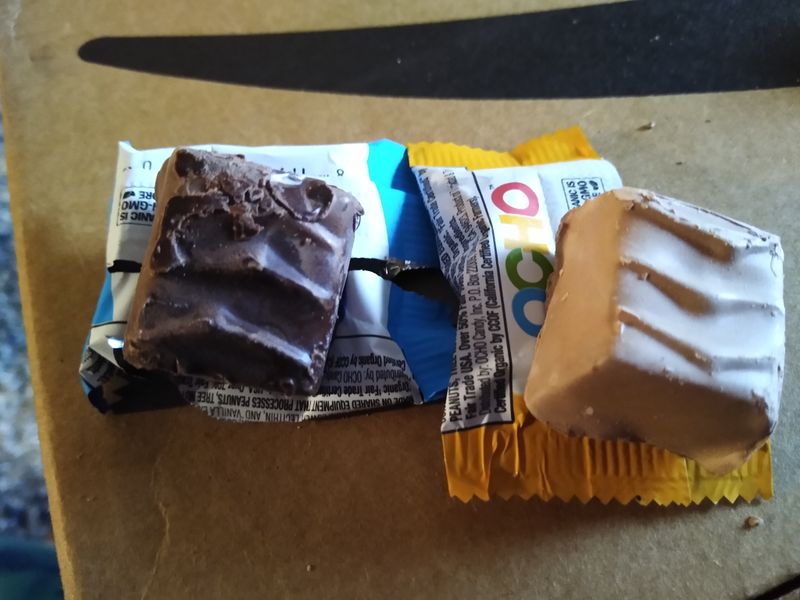
Oakland-based OCHO Candy emerged in 2015 with organic, fair-trade chocolate bars that challenged California’s candy traditions.
The company focused on clean ingredients and ethical sourcing, appealing to health-conscious Golden State consumers.
Flavors like peanut butter, caramel, and coconut came wrapped in bright, modern packaging that stood out from vintage competitors.
Supporters appreciate having candy options that align with contemporary values around sustainability and ingredient transparency.
Critics argue these bars cost too much and taste too healthy to qualify as real candy indulgence.
The organic certification and fair-trade commitment resonated with California’s environmentally aware population.
Younger generations embraced OCHO as their vintage candy, even though the brand lacks decades of history.
Traditional candy lovers dismissed these newcomers as overpriced health food masquerading as treats.
The debate over whether ethical sourcing matters more than nostalgic flavor profiles continues in California households.
Some families switched entirely to OCHO, while others stuck with familiar brands that didn’t require explaining ingredient sourcing or premium pricing at checkout.
8. Sugarfina Bears
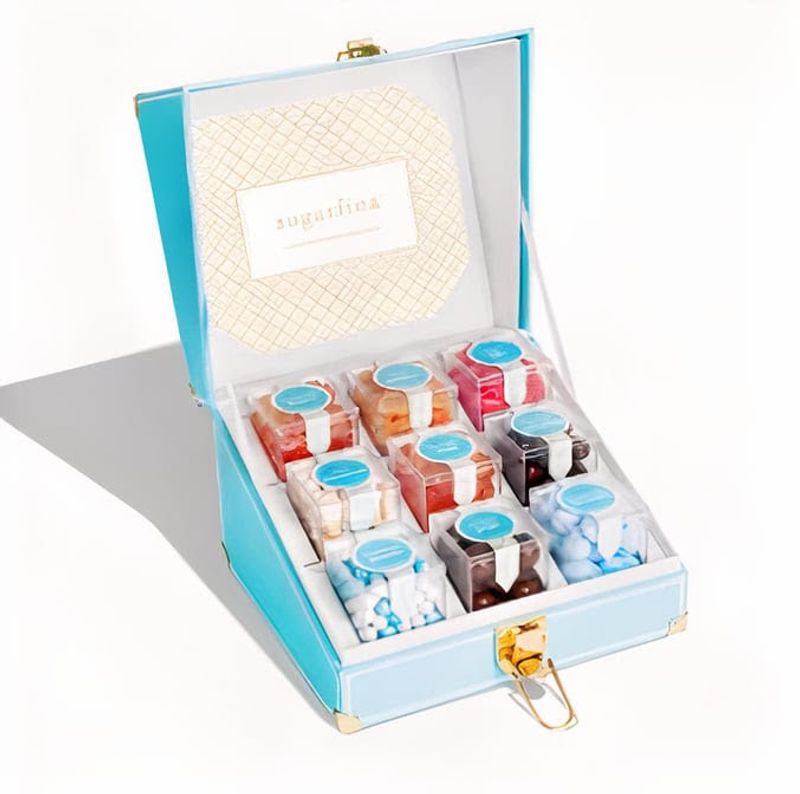
Sugarfina launched in Beverly Hills in 2012, bringing luxury gummy bears to California’s candy scene with grown-up sophistication.
Champagne-infused bears, bourbon-flavored options, and other adult-oriented varieties elevated gummy candy beyond childhood nostalgia.
The sleek packaging and boutique presentation transformed simple gummies into gift-worthy items that commanded premium prices.
Fans love the quality ingredients and creative flavor combinations that make candy feel special again.
Skeptics question paying luxury prices for what essentially amounts to fancy gummy bears with marketing polish.
The small cubes of candy arrived in clear boxes that looked more like jewelry than sweets.
California gift-givers embraced Sugarfina for hostess presents and party favors, while practical folks stuck with grocery store gummies.
The brand’s success sparked debates about whether candy deserves artisan treatment or should remain accessible and affordable.
Some people proudly displayed Sugarfina cubes in their homes, while others rolled their eyes at the pretension.
The divide between those who appreciate elevated candy experiences and those who prefer simple, inexpensive treats remains strong across the state.
9. Sugarfina Sugar Lips
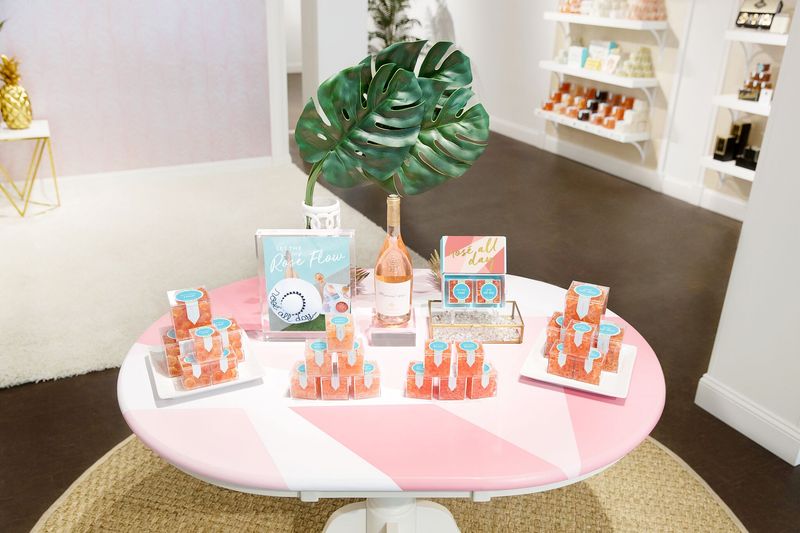
These champagne-infused gummy lips from Sugarfina became Instagram favorites and Valentine’s Day staples across California.
The pink and red lip shapes contained real champagne, making them adult candy in both concept and execution.
The playful design combined with sophisticated flavoring created a product that sparked conversation and strong opinions.
Admirers found them perfect for celebrations and romantic occasions, appreciating the whimsy and quality together.
Critics dismissed them as overpriced novelty candy that prioritized appearance over actual taste satisfaction.
The clear packaging showed off the glossy lip shapes, making them visually appealing before anyone even tasted them.
California party planners incorporated Sugar Lips into dessert tables and gift bags, while budget-conscious hosts skipped them entirely.
The champagne flavor divided people between those who enjoyed the subtle sophistication and those who found it barely noticeable.
Some folks bought them once for the novelty and never again, while devoted fans returned seasonally.
The debate over whether candy should be cute, delicious, or both continues wherever these glossy lips appear on California store shelves.
10. Jelly Belly Jelly Beans
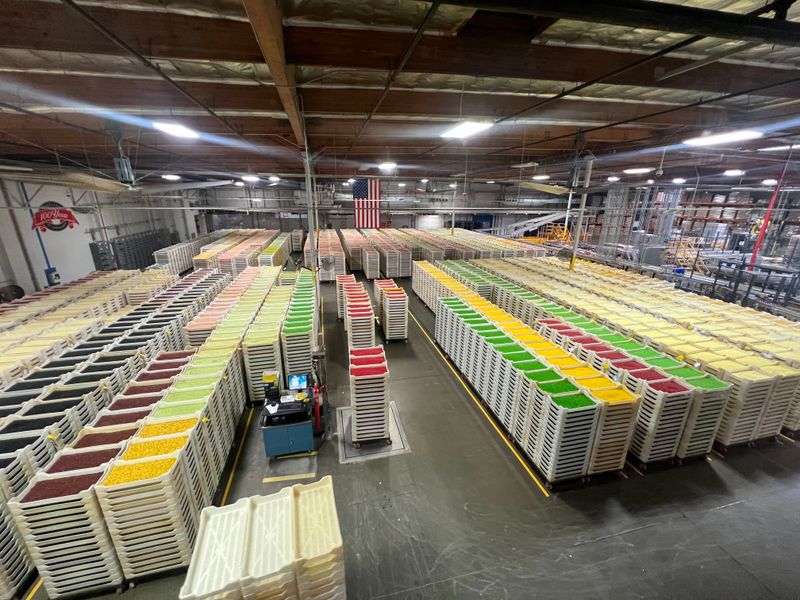
Fairfield, California became the jelly bean capital when Jelly Belly perfected their recipe in the 1970s with intense flavors and no waxy coating.
The brand transformed jelly beans from Easter basket filler into year-round candy with gourmet pretensions and wild flavor experiments.
Ronald Reagan’s famous love for Jelly Belly beans gave the company national attention and California bragging rights.
Enthusiasts celebrate the true-to-life flavors and the fun of mixing combinations to create new taste experiences.
Detractors find some flavors too realistic, especially controversial options like buttered popcorn and toasted marshmallow.
The factory tours in Fairfield became California tourist attractions, though not everyone wanted to see how their candy got made.
Flavor debates rage on about which Jelly Belly varieties deserve to exist and which should be discontinued immediately.
Some people meticulously sort their beans by flavor, while others grab handfuls and embrace the chaos.
The brand’s expansion into bizarre flavors like grass and dirt created more division than unity among California candy lovers.
11. Ghirardelli Squares
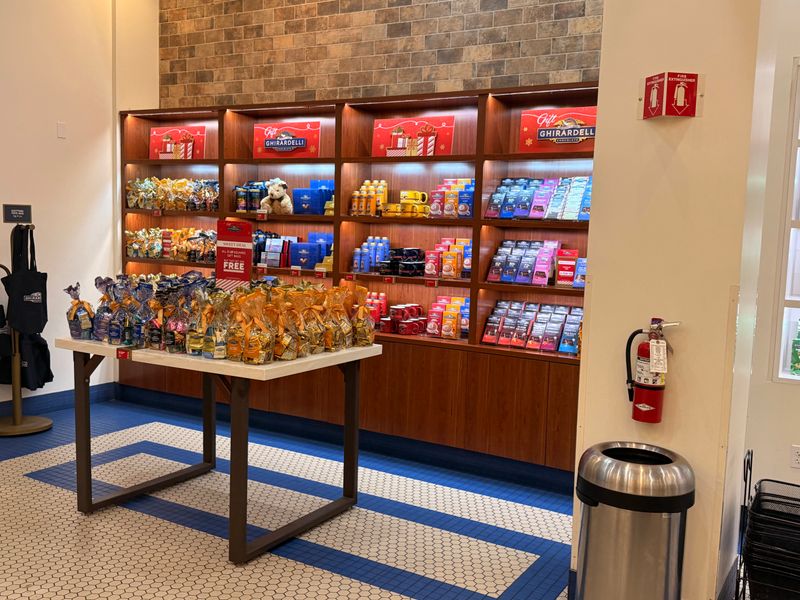
Ghirardelli started making chocolate in San Francisco during the Gold Rush era, but their individually wrapped squares became iconic California treats in later decades.
The foil-wrapped chocolates with various fillings from caramel to mint transformed simple chocolate into portion-controlled indulgence.
The squares appeared everywhere from hotel pillows to office candy dishes across the state.
Chocolate lovers appreciate the quality and variety, finding flavors that suit different moods and preferences.
Some people find the squares too small to satisfy and the fillings too sweet compared to pure chocolate.
The San Francisco connection adds nostalgic value for Bay Area residents and tourists visiting Ghirardelli Square.
Dark chocolate versus milk chocolate preferences created family divisions over which squares deserved purchasing priority.
The caramel-filled squares sparked particular debate about texture and sweetness balance.
Some Californians grew up with these as special occasion treats, while others encountered them so frequently they lost their appeal.
The brand’s longevity proves staying power, though newer artisan chocolate makers challenge Ghirardelli’s dominance among younger, more adventurous California chocolate enthusiasts seeking beyond mainstream options.
12. American Licorice Company Candies
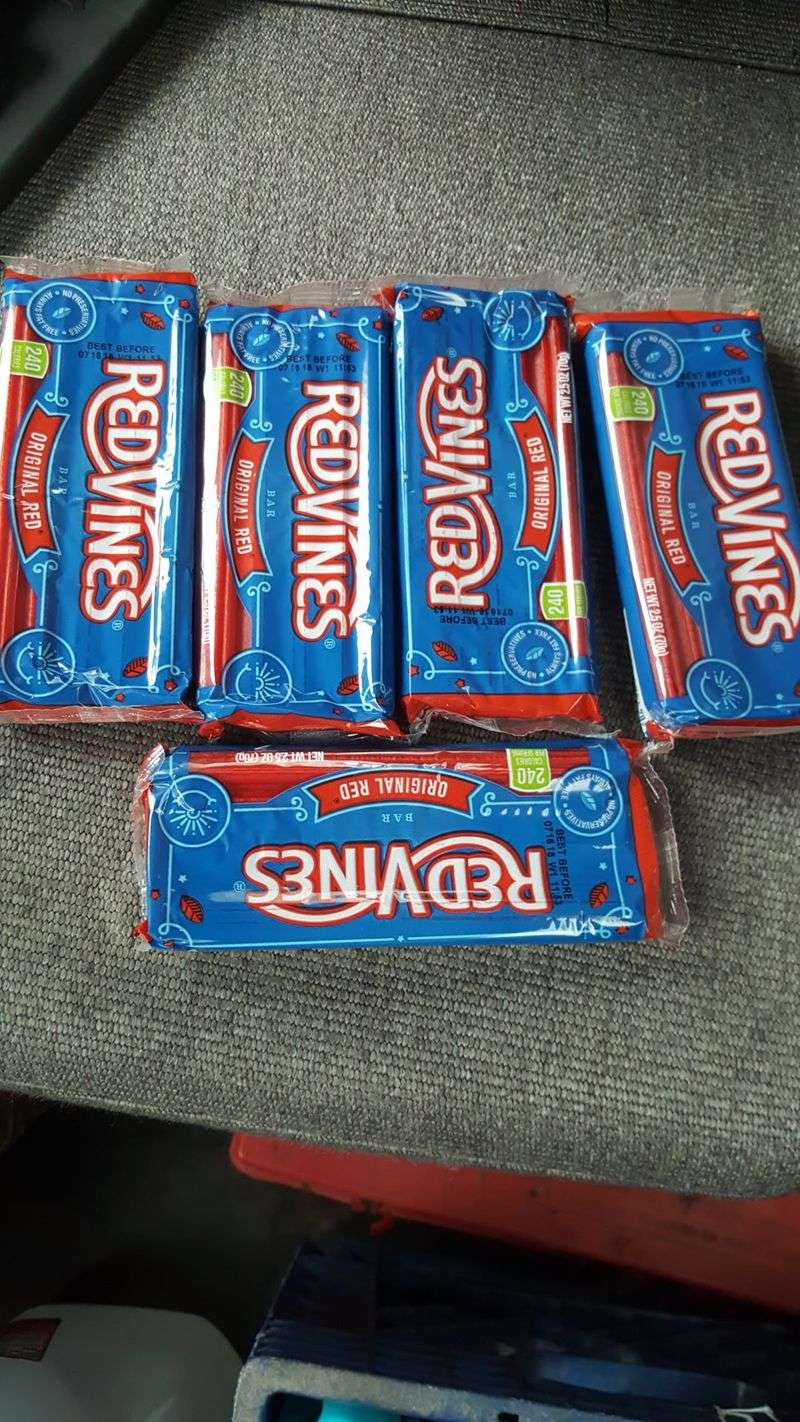
Union City’s American Licorice Company produces Red Vines and Sour Punch candies that became California movie theater staples and road trip essentials.
The long, twisted licorice ropes sparked the great Red Vines versus Twizzlers debate that divided the state for generations.
Some people used Red Vines as straws for their drinks, while others found this practice wasteful and weird.
Red Vines fans defend the softer texture and more authentic flavor compared to East Coast competitors.
Critics find them too bland and question whether they even taste like actual licorice at all.
The bright red color and distinctive packaging made these candies instantly recognizable in California stores and vending machines.
Sour Punch straws and belts added variety to the company’s lineup, appealing to kids who wanted mouth-puckering intensity.
Some parents appreciated the low-fat aspect, while others worried about the sugar content and artificial colors.
The debate continues about whether these candies represent true California heritage or just successful marketing that convinced everyone to accept mediocre licorice as the state standard.
13. Jo’s Candies
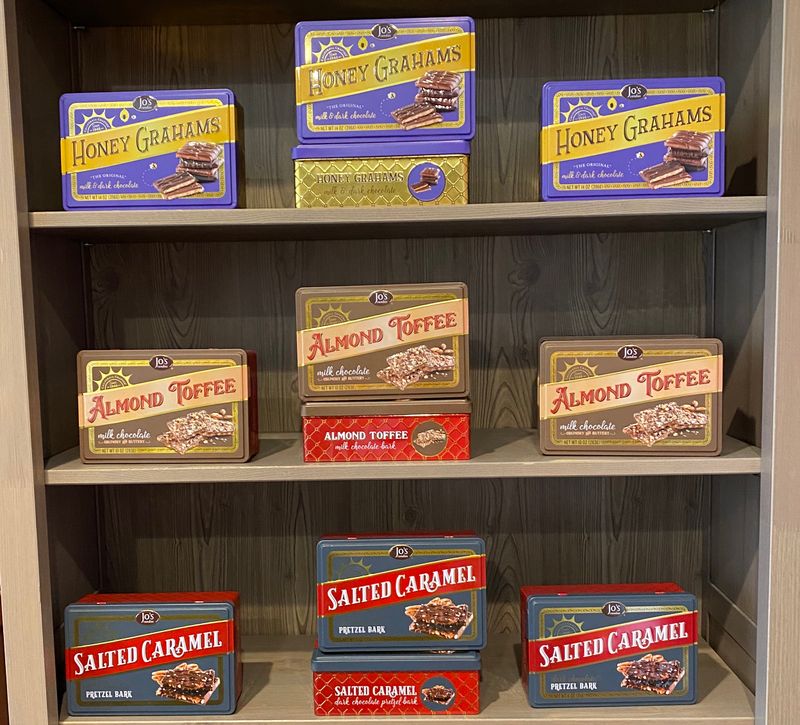
This small-batch California candy maker focuses on nostalgic treats made with modern ingredient standards and attention to detail.
Handmade toffees, caramels, and nut clusters appeal to people seeking quality over mass production.
The company represents a newer wave of California candy makers honoring vintage styles while updating recipes for contemporary tastes.
Supporters love finding candy that tastes homemade and avoids the industrial qualities of big-brand competitors.
Critics find the limited availability frustrating and the prices higher than they want to pay for candy.
The small-scale production means these treats appear in select California shops rather than every grocery store.
Farmers markets and specialty stores carry Jo’s Candies, creating treasure hunt excitement for devoted fans.
Some people appreciate supporting small California businesses even if it means paying more and searching harder.
Others prefer the convenience and consistency of established candy brands found everywhere at lower prices.
The debate between supporting local artisans versus choosing accessible mainstream options plays out in candy aisles just as it does in other California food categories where values and budgets collide regularly.
14. Carousel Candies Saltwater Taffy
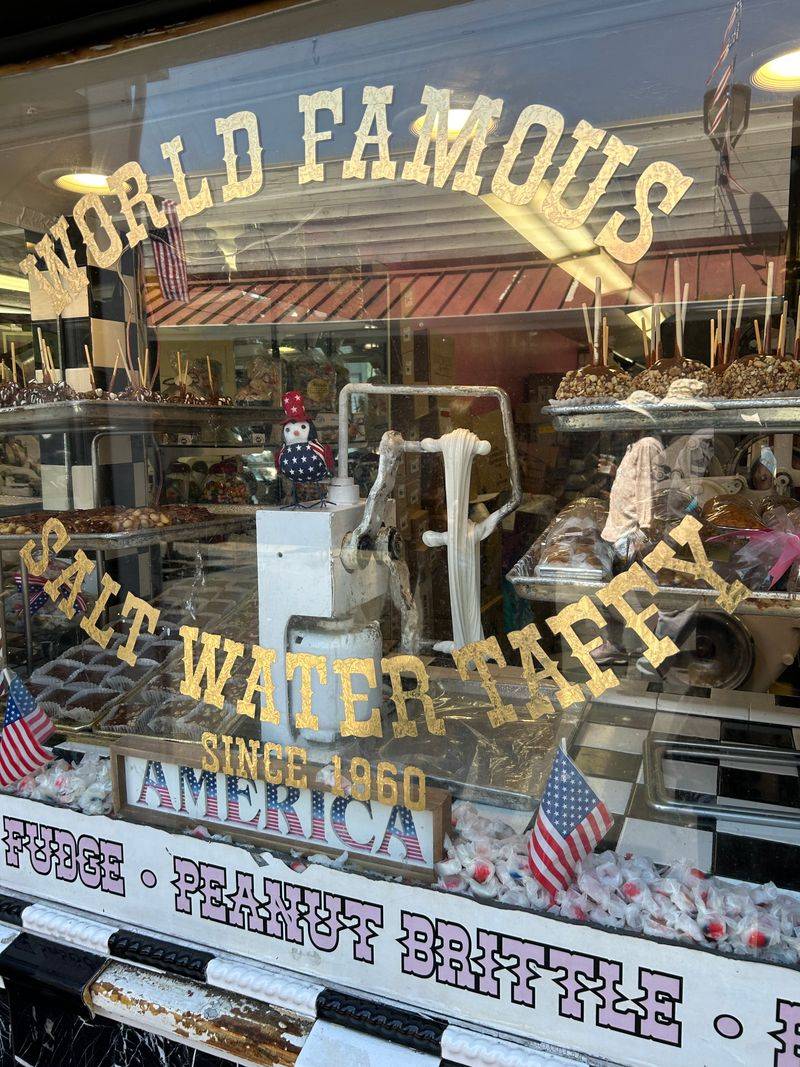
California beach towns have sold saltwater taffy for over a century, with Carousel Candies representing the colorful, stretchy tradition.
The candy requires no actual saltwater despite the name, which confuses first-time tourists and amuses locals annually.
Pulling taffy became a spectator attraction in candy shop windows along piers and boardwalks from Santa Cruz to San Diego.
Taffy enthusiasts love the variety of flavors and the nostalgic connection to beach vacations and summer memories.
Critics find the candy too sticky, too sweet, and too much work for minimal flavor payoff.
The wax paper wrappers in bright colors became collectible for some kids and annoying litter for beach cleanup crews.
Families bought boxes of assorted taffy as vacation souvenirs, though not everyone back home appreciated the gesture.
Some flavors like vanilla and chocolate won broad approval, while banana and licorice sparked immediate rejection.
The chewy texture challenged dental work and patience equally across generations.
California’s saltwater taffy tradition continues despite debates about whether this candy deserves its enduring popularity or just benefits from strategic beachside placement and tourist nostalgia.
15. Little Flower Candy Company Caramels
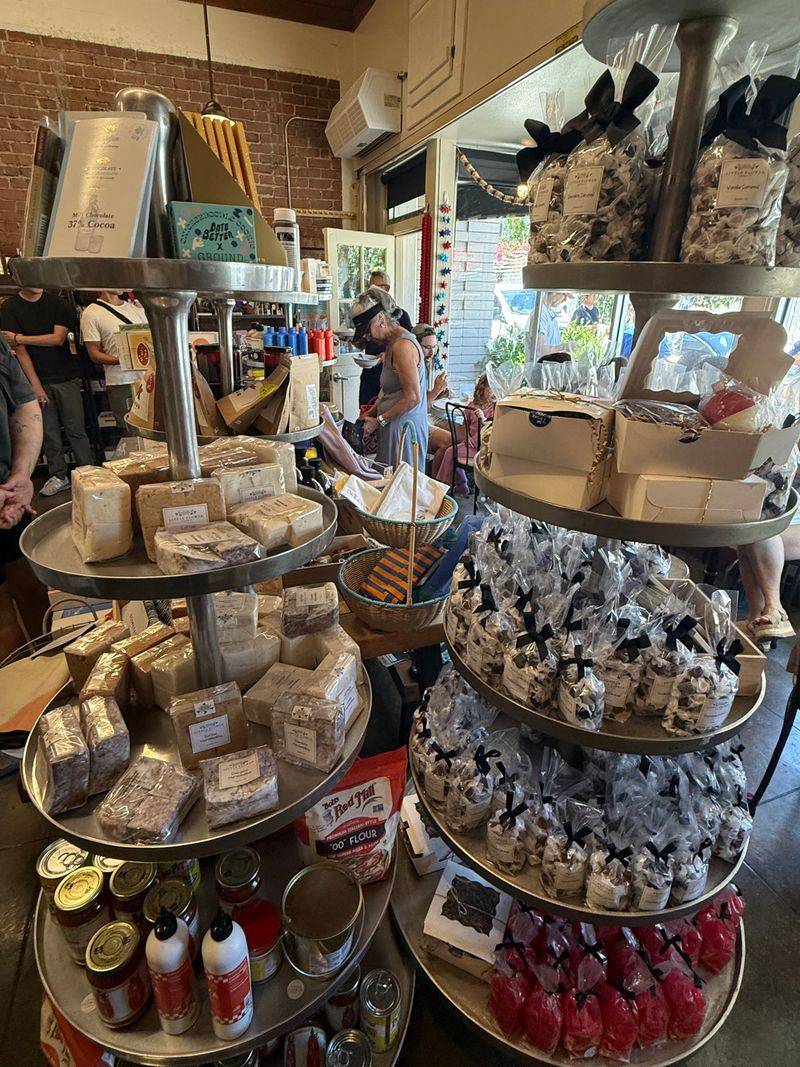
Pasadena’s Little Flower Candy Company crafts small-batch caramels that honor California’s artisan food movement with quality ingredients and careful technique.
Flavors like sea salt, vanilla bean, and seasonal varieties elevate simple caramel into sophisticated confections.
The company represents a growing trend of California candy makers focusing on craftsmanship over mass production.
Caramel lovers celebrate finding treats that taste homemade and avoid the waxy texture of commercial alternatives.
Practical shoppers balk at paying premium prices for what amounts to butter, sugar, and cream in small squares.
The beautiful packaging makes these caramels popular gifts, though recipients may not realize the cost involved.
Specialty food stores and farmers markets carry Little Flower products, limiting accessibility compared to grocery store candy.
Some people plan trips specifically to buy these caramels, while others grab whatever caramel candy appears conveniently nearby.
The debate over whether artisan candy justifies higher costs continues throughout California’s food-conscious communities.
Little Flower fans argue that quality ingredients and small-batch care make every bite worthwhile, while skeptics maintain that caramel is caramel regardless of fancy packaging or marketing language about craftsmanship and sourcing.
16. Lolli And Pops
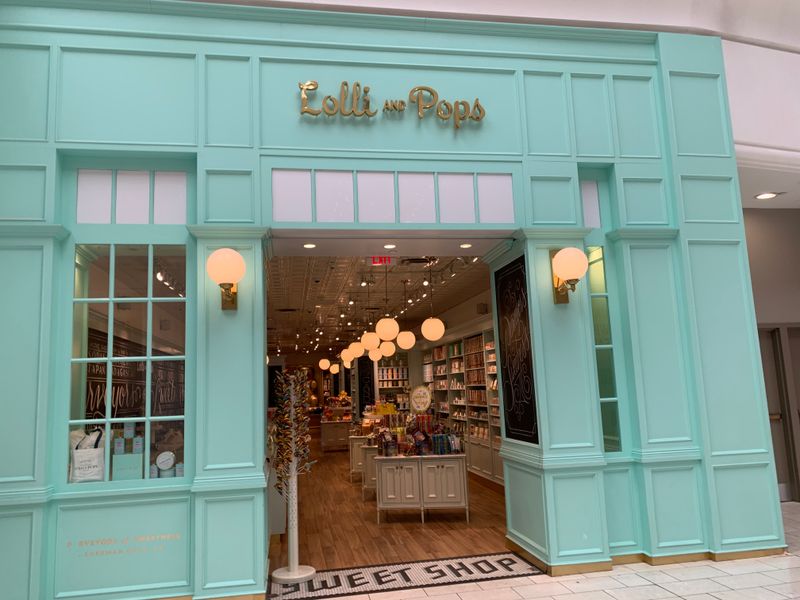
Though born in Colorado, California embraced this candy retailer as one of their own. It transformed shopping malls into candy wonderlands with colorful displays and global candy selections.
The stores combine vintage American candies with international treats and modern artisan confections under one roof.
The experience-focused retail approach turned candy shopping into entertainment rather than simple purchasing.
Candy enthusiasts love having access to rare treats and nostalgic favorites in thoughtfully designed spaces. Critics find the prices inflated and the selection overwhelming rather than delightful.
The stores attract families and tourists looking for special treats beyond standard grocery store candy aisles. California malls embraced Lolli and Pops as destination retailers that created traffic and excitement.
Some shoppers appreciate the curated selection and beautiful presentation that makes candy feel special again. Others prefer straightforward candy buying without the retail theater and premium pricing.
The company’s expansion throughout California sparked debates about whether candy deserves boutique treatment or should remain simple and affordable.
Younger generations grew up visiting these colorful stores, while older folks remember when candy came from corner stores and five-and-dimes without the elaborate retail production.