California’s Most Scenic Public Golf Course Might Be This Coastal Favorite

Some golf courses win people over even before the first swing.
Sometimes it’s the ocean air that helps. Or cypress trees and views that make even a rough hole feel a little less personal.
A coastal round has a different mood. The game still matters, but the scenery keeps interrupting with very good arguments.
A golf ball in California should occasionally get distracted by the Pacific.
This public course brings the kind of setting golfers usually expect from pricier, harder-to-book places.
The fairways feel open and breezy. The coastline adds drama without needing to shout.
The appeal is not only the view. It is the fact that the course feels scenic and approachable at the same time. That combination is harder to find than it should be.
Ocean Views Without The Country Club Drama
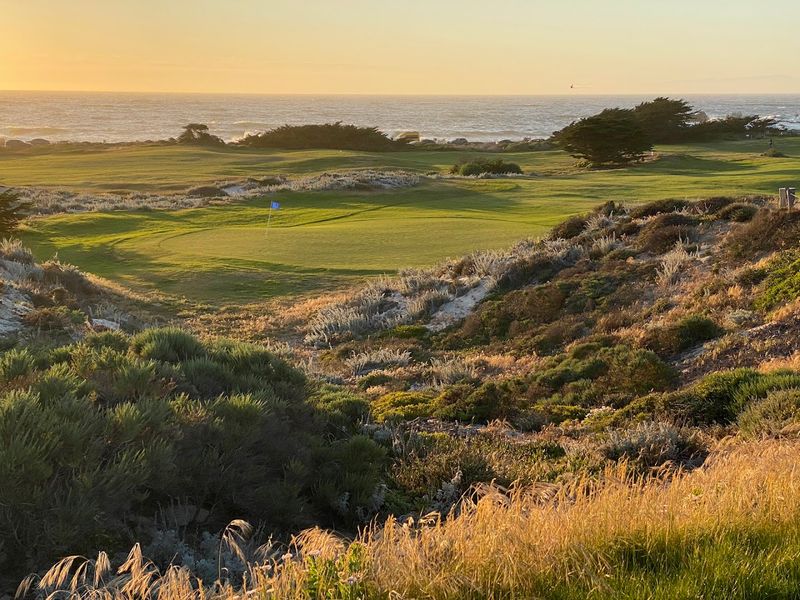
Walking onto a golf course and feeling instantly at ease is not something every public layout manages to pull off, especially when the scenery is this good.
Pacific Grove Golf Links sits at 77 Asilomar Ave, Pacific Grove, CA 93950, and its back nine runs along the coast with views that feel borrowed from a far more exclusive address.
The ocean sits right there, unhidden and unfiltered, and yet the atmosphere stays relaxed throughout.
Green fees at the course remain notably lower than many famous neighbors on the Monterey Peninsula, which adds to the sense that something special is happening at a fair price.
The pro shop is well-stocked without feeling like a luxury boutique, and the staff tends to keep things moving without making anyone feel rushed or judged.
Beginners and experienced players share the same fairways without tension.
Public golf with this level of scenery usually comes attached to a formal dress code and a reservation process that feels like applying for a loan.
Here, the vibe stays casual and community-friendly, which is a big part of why locals have kept returning for decades. The course earns its reputation not through exclusivity but through genuine coastal charm.
A Back Nine That Steals The Whole Round
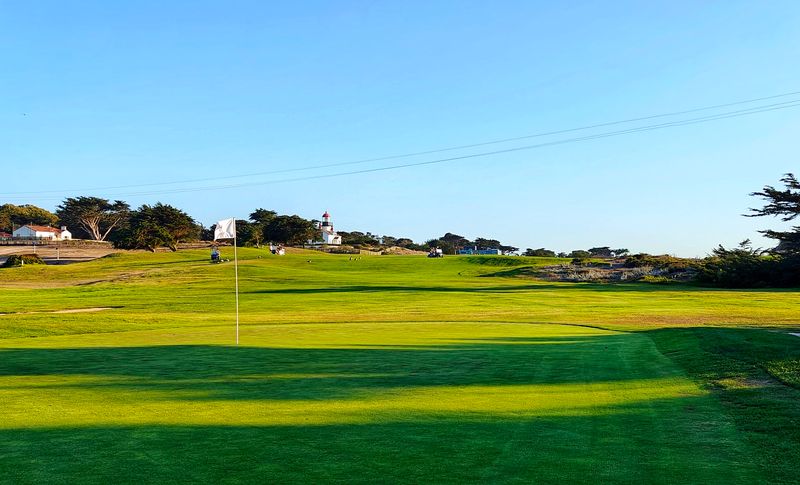
Some golf courses save their best holes for the front nine, letting the round taper off quietly.
At Pacific Grove Golf Links, the opposite happens, and golfers who know this tend to pace themselves deliberately through the opening stretch.
Designed by Jack Neville, co-designer of Pebble Beach Golf Links, the back nine was added in 1960 and carved directly through windswept coastal dunes.
Starting around hole 12, the Pacific Ocean becomes a full sensory presence rather than a distant backdrop.
The sound of waves, the push of ocean wind, and the wide-open dune terrain shift the entire mood of the round.
Yardages that looked straightforward on the scorecard suddenly require more thought once the coastal breeze picks up.
Hole 16, known as the Lighthouse hole, is widely considered the signature of the course, sitting right beside the Point Pinos Lighthouse tee box with ocean views framing the entire approach.
Late afternoon rounds tend to end with golden light spreading across the dunes, which can make even a rough scorecard feel worth the trip.
The back nine alone gives the course a reputation that stretches well beyond Pacific Grove.
Point Pinos Lighthouse Makes The Setting Feel Different
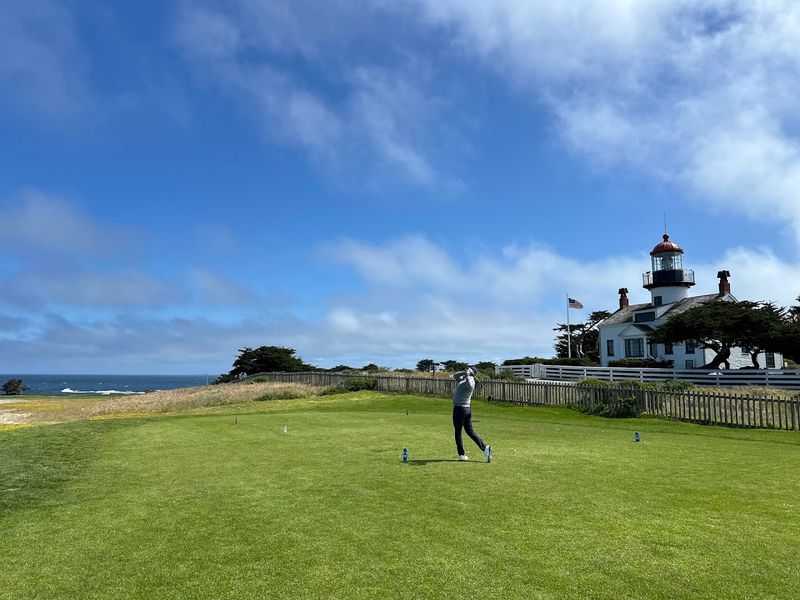
Built in 1855, Point Pinos Lighthouse holds the distinction of being California’s longest continuously operating lighthouse, and it stands right alongside the back nine of Pacific Grove Golf Links.
Having a working historic lighthouse as a course landmark is not something most municipal layouts can claim, and it gives the whole round a sense of place that goes beyond typical golf course scenery.
Golfers approaching hole 16 have the lighthouse sitting directly in their sightline, which tends to produce a lot of phone-reaching moments regardless of score.
The structure is not a replica or a decorative touch added for atmosphere. It is a real, functioning piece of California coastal history that has been standing longer than most American institutions.
The presence of the lighthouse also anchors the course geographically, reminding players that they are playing golf on a genuinely historic stretch of Pacific coastline.
Point Pinos itself juts into the ocean nearby, and the combination of dunes, lighthouse, and open water creates a setting that feels meaningful rather than just photogenic.
For golfers who appreciate context alongside scenery, this stretch of the course delivers something genuinely hard to replicate anywhere else in California.
Locals Have Loved It For Generations

A course that opened in 1932 and still draws consistent crowds has clearly earned something beyond novelty.
The front nine at Pacific Grove Golf Links was designed by Chandler Egan, a respected architect whose work shaped several celebrated courses across the American West.
That original design has been welcoming players for more than 90 years, which gives the course a kind of lived-in credibility that newer layouts simply cannot manufacture.
Regulars know the quirks of the layout, including the back-to-back par 3s that open the round and the interesting arrangement of consecutive par 5s mid-front-nine.
Deer wander the front nine without much concern for golfers nearby, and wildlife sightings including seals, sea lions, and pelicans are common on the ocean-side holes.
The course feels woven into the fabric of Pacific Grove rather than sitting apart from it.
Weekend mornings tend to draw a mix of local regulars, visiting golfers exploring the Monterey Peninsula, and younger players taking advantage of youth pricing programs.
The pace of play varies depending on the day, but the overall atmosphere stays communal and unpretentious.
The Front Nine Brings Cypress And Monterey Bay Glimpses
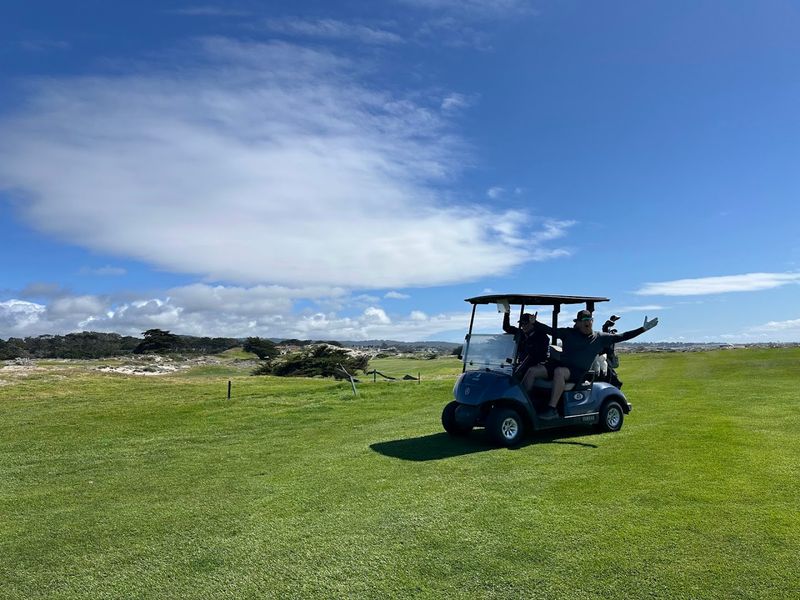
Before the dunes and ocean take over, the front nine at Pacific Grove Golf Links offers a quieter, more sheltered kind of beauty.
Monterey and Cypress pines line the fairways and frame shots in a way that feels both classic and calming.
Monterey Bay appears in glimpses between the trees rather than as a constant panoramic presence, which gives the front stretch a slower, more contemplative character.
The layout starts with back-to-back par 3s, which is an unusual opening that keeps golfers alert from the first tee.
Fairways wind through Pacific Grove neighborhoods, and the course occasionally borders residential streets in a way that makes the setting feel genuinely embedded in the town.
Deer sightings on the front nine are common and have become part of the expected experience rather than a surprise.
Some golfers describe the front nine as understated compared to the back, but that contrast is actually part of what makes the round feel complete.
The parkland-style opening provides a calm, tree-lined warmup before the coastal drama of the back nine arrives.
Greens on the front nine tend to roll true and are generally well-maintained, giving players a solid foundation before the wind and dunes change the game entirely.
The Price Is Part Of The Surprise
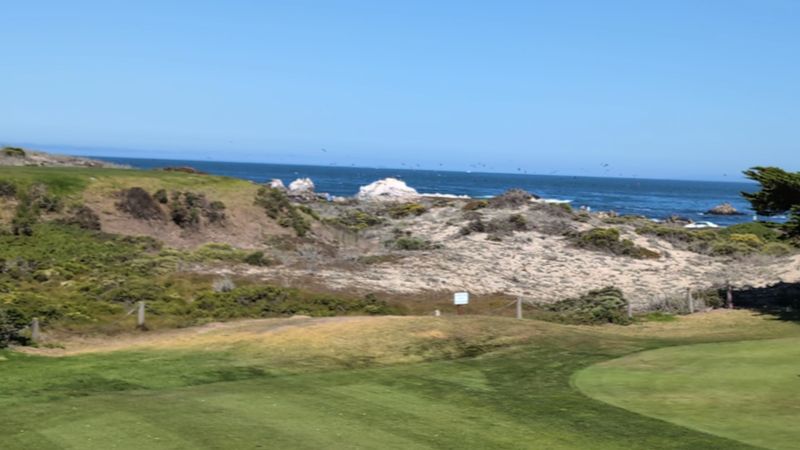
Golf on the Monterey Peninsula carries a reputation for serious expense, and for good reason given the world-famous courses clustered in the area.
Pacific Grove Golf Links sits in that same geography but operates at a price point that surprises most first-time visitors.
Walking rates have been reported as low as $30 for juniors on weekends, and cart rates for adults tend to stay well below what nearby courses charge for a similar coastal experience.
Youth on Course pricing has been noted at just $5 for eligible junior players, which makes the course genuinely accessible for families introducing younger golfers to the sport.
That kind of pricing on a course with legitimate Pacific Ocean views is unusual enough that it has earned the course repeated mentions in national golf publications including Golf Digest.
Pricing can vary by season, day of the week, and tee time, so checking the official website at playpacificgrove.com before booking is always a practical step.
The combination of Monterey Peninsula scenery and municipal-style pricing is what has kept the course nicknamed the Poor Man’s Pebble Beach for decades, though many regulars feel it deserves a reputation entirely its own.
The Dunes Give The Course A Wild Edge
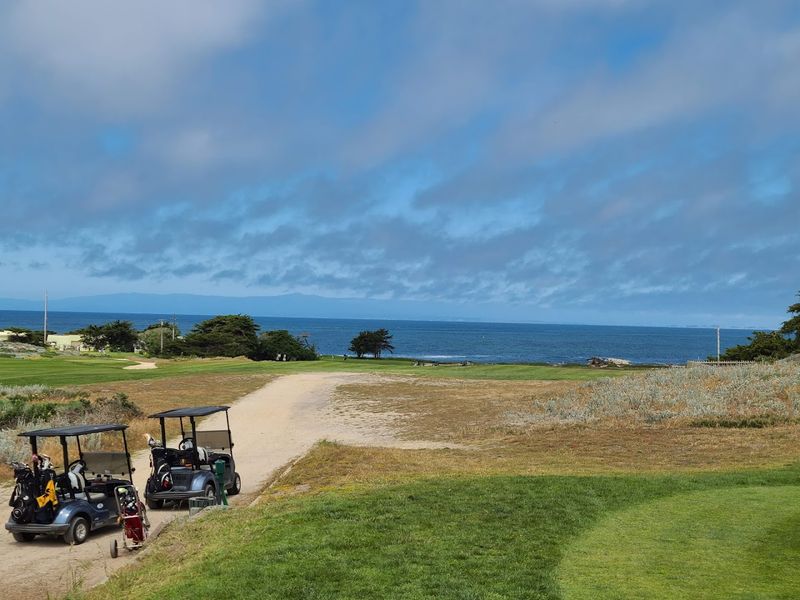
Not every municipal golf course can claim a genuine dune restoration effort as part of its history, but Pacific Grove Golf Links undertook native habitat work beginning in 2005 to help restore the natural coastal landscape along the back nine.
The result is a stretch of holes that feels less like a maintained golf course and more like a round played through living coastal terrain.
Dunes act as natural hazards rather than decorative features, and errant shots that wander into them tend to stay there.
The Asilomar dunesland that frames several back-nine holes is part of a broader coastal ecosystem that includes native grasses and wildlife corridors.
That ecological texture gives the course a raw, windswept quality that stands in clear contrast to the manicured fairways of the front nine.
Players who prefer a more natural playing environment tend to find the back nine particularly satisfying.
Views from the dune-side holes take in Lover’s Point, Crespi Pond, and the open Pacific, with the lighthouse anchoring the horizon.
Wind patterns shift throughout the day, meaning the same hole can play very differently depending on when the round takes place.
That unpredictability is part of what keeps experienced golfers coming back to test the course again rather than treating it as a one-time visit.
The Round Leaves Room For A Real Pacific Grove Day
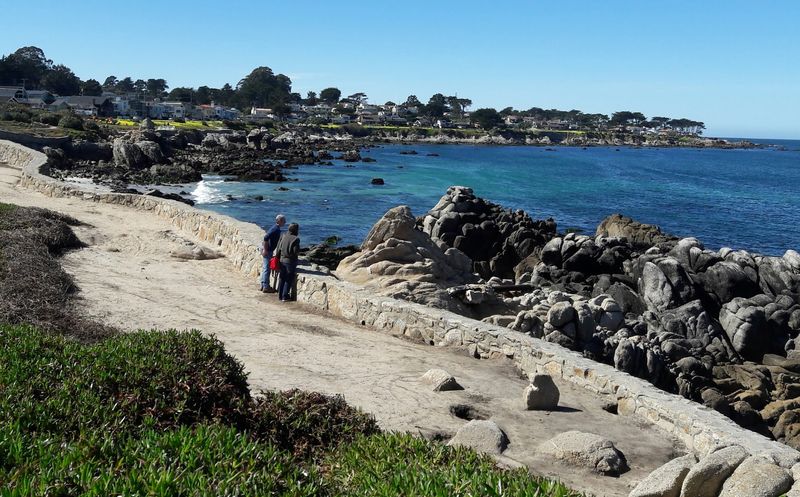
Finishing a round here does not have to mean tossing clubs in the trunk and heading straight out of town.
Pacific Grove Golf Links works especially well because the experience stretches beyond the scorecard without needing a complicated itinerary.
After eighteen holes, golfers are already close to the slower rhythms that make Pacific Grove feel different from busier Monterey Peninsula stops.
Neighborhood streets, small cafes, coastal walking paths, and old-school local businesses give the day a softer landing once the final putt drops.
That matters because some scenic courses feel isolated, as if the round exists inside a gated bubble with nothing casual waiting afterward.
Here, the course connects naturally to the surrounding community.
Players can turn a morning tee time into lunch nearby, a relaxed walk, or a simple drive through town without feeling like they need to dress up or spend big again.
Families and non-golfing companions also have room to enjoy the area, which makes the course easier to build a full coastal outing around.
The golf may be the reason for coming, but the setting gives people plenty of reasons to linger. That easy after-the-round feeling is part of the charm.