8 Connecticut Coastal Areas Where Small Sharks Swim Closer Than You Might Expect
You have been swimming with them for years. Nobody told you and everything turned out fine.
Long Island Sound has sharks in it. Before you cancel your beach plans, breathe.
Most of them are the size of a golden retriever. They are called dogfish, which does not help their reputation.
They eat crabs and small fish and want nothing from you. Connecticut has recorded three shark bites since eighteen ninety.
That is three in more than a century. You are in more danger driving to the beach.
No great white has ever been recorded off this coastline. The Sound is too boring for them.
What you get instead are shy little sharks in shallow water. They would much rather be anywhere else than near your legs.
Some of them are probably nearby right now. Here are eight places where that is most likely true.
Bring a towel, not a harpoon.
1. Silver Sands State Park
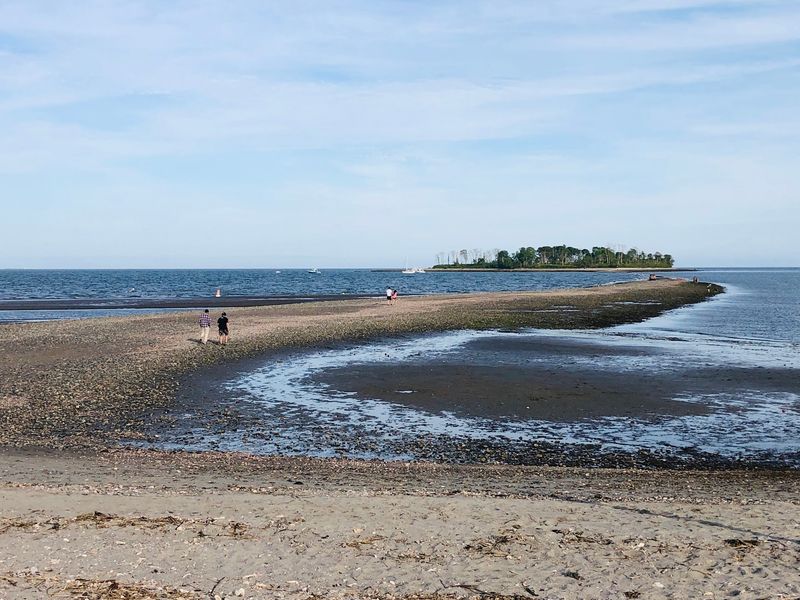
My first clue that this beach had secrets was a fisherman holding a small shark by the tail. He measured it, smiled, and slipped it back into the shallows.
Milford’s Silver Sands State Park sits right beside a tidal sandbar that stretches toward Charles Island. That bar creates the exact kind of moving, food-rich water that smooth dogfish love.
Smooth dogfish are the most common small shark in Long Island Sound. They grow to about four feet and have flat, pavement-like teeth built for crushing crabs.
They are not interested in swimmers. Their whole plan involves crabs, shrimp, and small fish along the bottom.
The boardwalk here is my favorite part. It crosses a salt marsh where herons stalk the shallows and fiddler crabs pop in and out of mud holes.
Those crabs matter more than you would think. Marsh systems feed the small fish and shellfish that draw sharks inshore in the first place.
Practical tip: walk the sandbar at low tide, but check the posted closure dates for Charles Island. Nesting birds get the island to themselves for part of the year.
If you want a chance at spotting something, come at dawn. Calm water and low light make shapes near the bottom easier to see.
Parking fills fast on hot weekends. Arrive before ten and the whole place feels roomier.
2. Compo Beach
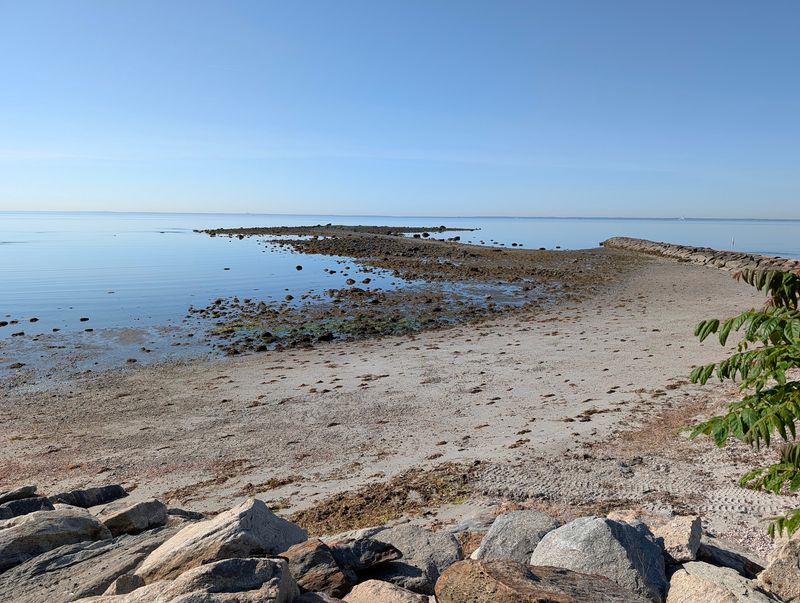
A neighbor once told me that the best fishing at Compo happens where nobody is swimming. He was right, and the reason is simple structure.
Westport’s Compo Beach has rocky edges, jetties, and a mix of sand and pebbles. Structure means crabs, and crabs mean smooth dogfish cruising by after sunset.
Dogfish are mostly nocturnal feeders. That is why anglers here talk about them at dusk and swimmers never notice them at noon.
The beach itself is easygoing. Kayak racks, volleyball nets, and a long walking path give the place a neighborhood feel rather than a resort vibe.
Pay attention to the water color. When the tide pushes in clean and green, bait fish schools tighten up and predators follow the edges.
Small sharks in the Sound have a low profile for a reason. They are shy, they stay near the bottom, and they leave when people splash.
Bring water shoes. The stony sections near the jetty are hard on bare feet, especially at low tide.
Nonresident parking here requires a daily pass in season, so check the town rules before you drive over. Weekday mornings are the calmest window.
My advice is to stay past sunset once. The Sound turns silver, the air cools, and the water suddenly feels wilder than it looked at lunchtime.
3. Sherwood Island State Park
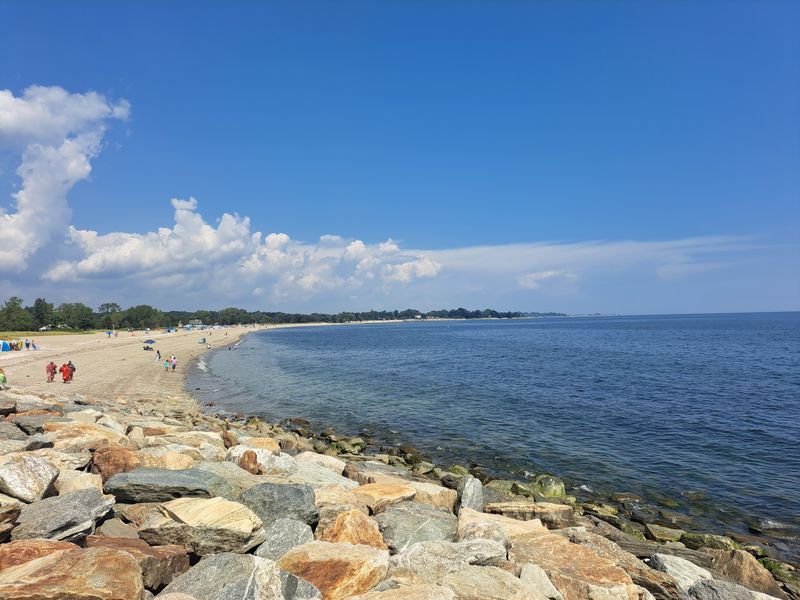
Connecticut’s oldest state park has a quiet claim to fame beyond its picnic groves. The water off its two beaches is genuinely productive fishing ground.
Sherwood Island opened as a state park in the 1930s and still has that old-fashioned shade tree layout. Big trees, long grass fields, then sudden open water.
Anglers here catch bluefish, striped bass, and yes, occasional smooth dogfish. The mix of rocky points and sandy flats gives small sharks plenty of hunting cover.
The nature trail is the part most visitors skip. It winds along a marsh where you can watch osprey drop out of the sky for fish.
Osprey and small sharks eat from the same buffet. Seeing one is a solid hint the other is nearby.
Swimming areas are guarded in season, which keeps things simple for families. Sharks in the Sound have caused no drama here, and the risk stays extremely low.
What I appreciate most is the elbow room. Two beaches split the crowd, so one side is usually calmer than the other.
Bring binoculars. The view stretches across the Sound and you can pick out fish activity from the shore.
Come in September if you can. Water stays warm, crowds thin out, and fish move through in bigger numbers.
4. Hammonasset Beach State Park
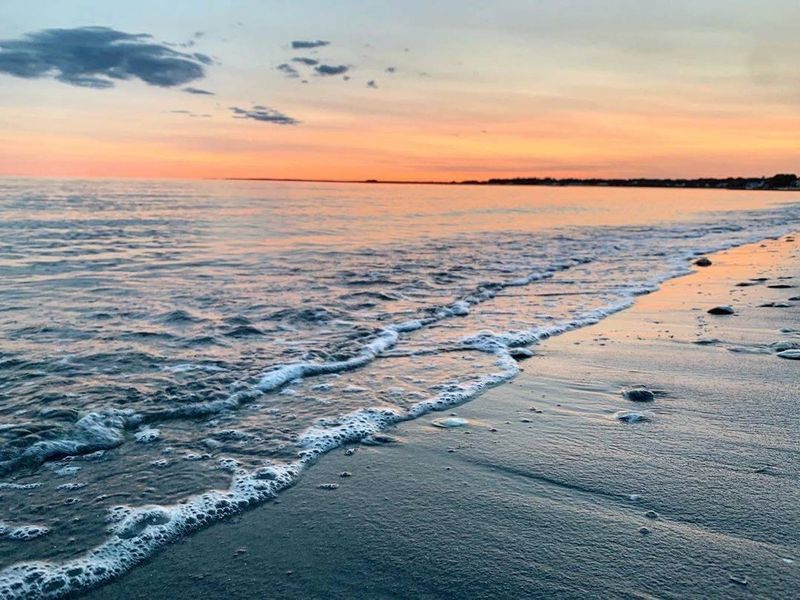
Two miles of open sand changes how you think about the shoreline. Hammonasset in Madison is Connecticut’s biggest shoreline park, and it feels like it.
The beach runs long enough that you can walk away from every umbrella. At the eastern end, Meigs Point turns into a jumble of rock and tide pools.
Meigs Point is where the marine life story gets good. The nature center there keeps touch tanks with local crabs, skates, and small fish.
Staff will happily explain the difference between a skate and a shark. Both live nearby, and both get mistaken for each other constantly.
Smooth dogfish patrol these edges hunting crabs. Sand tiger sharks, which look toothy but feed on fish, also use Sound waters as a nursery area.
The rocks hold periwinkles, barnacles, and green crabs. Flip a rock gently, look, then put it back exactly as you found it.
Fishing from the point is popular at dawn and dusk. If you go, expect company and expect stories about what got away.
Camping here is a real advantage. Waking up a hundred steps from the water makes early tide walks effortless.
My tip: hit the nature center first, then walk the shoreline. Everything you see afterward suddenly has a name.
5. Rocky Neck State Park
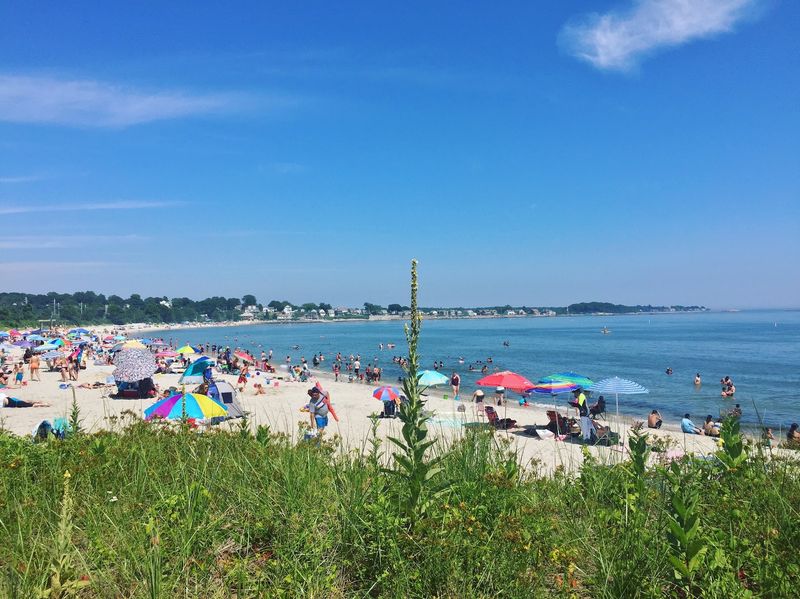
The name is honest. Rocky Neck really does have rock, and rock is where the interesting fish hide.
Located in Niantic, this park mixes a half-mile beach with tidal marsh and a rocky point. The Four Mile River and Bride Brook both empty nearby.
River mouths are natural feeding stations. Bait fish funnel through with the tide, and small sharks show up to take advantage.
Bride Brook is famous for its alewife run each spring. Thousands of these fish move upstream, and that surge of protein ripples through the whole food web.
The stone pavilion above the beach is worth a look. It was built during the 1930s and still shades picnickers with huge fireplaces and heavy timber.
Fishing from the rocks here draws serious regulars. Ask politely and most will tell you exactly what has been swimming through.
Smooth dogfish get hooked often in late summer. Anglers usually release them quickly since they are not a target species.
For families, the guarded swim area keeps things simple. The marsh boardwalk gives kids something to do when they need a break from sand.
Go at low tide with a bucket. Tide pools along the rocks hide hermit crabs, snails, and the occasional startled little fish.
6. Harkness Memorial State Park
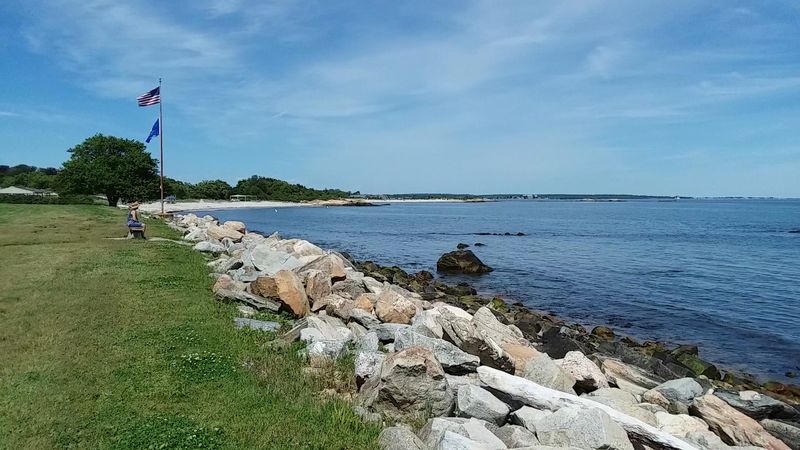
Few places let you admire formal gardens and then walk straight to a shoreline where small sharks feed. Harkness in Waterford does exactly that.
The centerpiece is Eolia, a mansion once owned by the Harkness family. Gardens, greenhouses, and a huge lawn slope down toward the water.
There is no swimming beach here, which changes the mood completely. Instead you get shore fishing, picnics, and long views across the Sound.
That lack of swimmers is part of why the water feels undisturbed. Fish come in close along the rocks without a crowd chasing them out.
Anglers work this shoreline for striped bass and bluefish. Smooth dogfish turn up regularly, especially after dark on incoming tides.
The rocky bottom holds crabs and shellfish, exactly what a dogfish wants. Their crushing teeth handle hard shells without any trouble.
Bring a blanket and stay for the light. Late afternoon turns the lawn gold and the water goes flat and glassy.
Special access mats are available in season for visitors using wheelchairs, which makes the shoreline reachable for more people.
My favorite trick here is patience. Sit still on the rocks for twenty minutes and the shallows start revealing crabs, minnows, and shadows you missed.
7. Ocean Beach Park
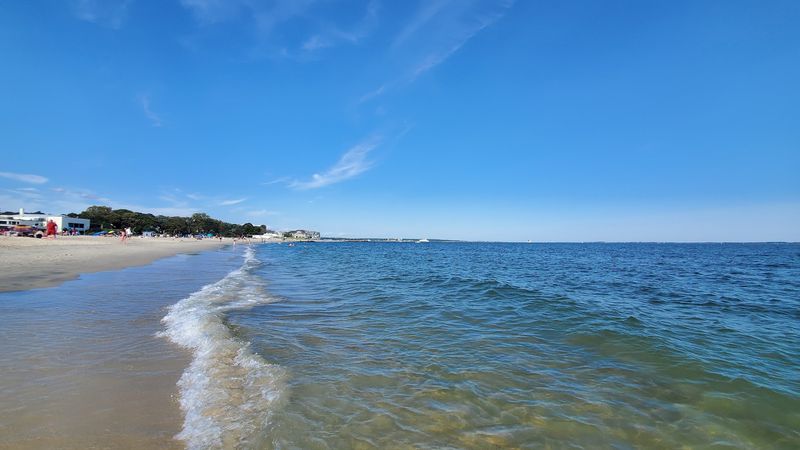
Boardwalk fries, an arcade, and small sharks in the water nearby. New London packed a lot into one half mile of sand.
Ocean Beach Park opened after a hurricane reshaped this stretch of shore in the 1930s. The result is a classic boardwalk beach with a real vintage feel.
Its position matters for marine life. This beach sits near the mouth of the Thames River, where fresh and salt water mingle.
Estuary mouths concentrate bait fish. Predators, including smooth dogfish, follow that food into surprisingly shallow water.
Ferries to Block Island and Long Island run from nearby docks. Watching them pass while eating something fried is peak Connecticut summer.
The beach itself is busy and lifeguarded, with waves that feel bigger than most Sound beaches. Crowds keep shy fish farther out during the day.
Early morning is your window. Before the boardwalk wakes up, the shallows belong to crabs, gulls, and whatever swam in overnight.
Admission and parking fees apply in season, so bring a card or cash. Weekday visits cost less and feel less hectic.
Kids love the water slide and mini golf. Adults tend to love the long walk at the far end where the noise fades.
8. Esker Point Beach
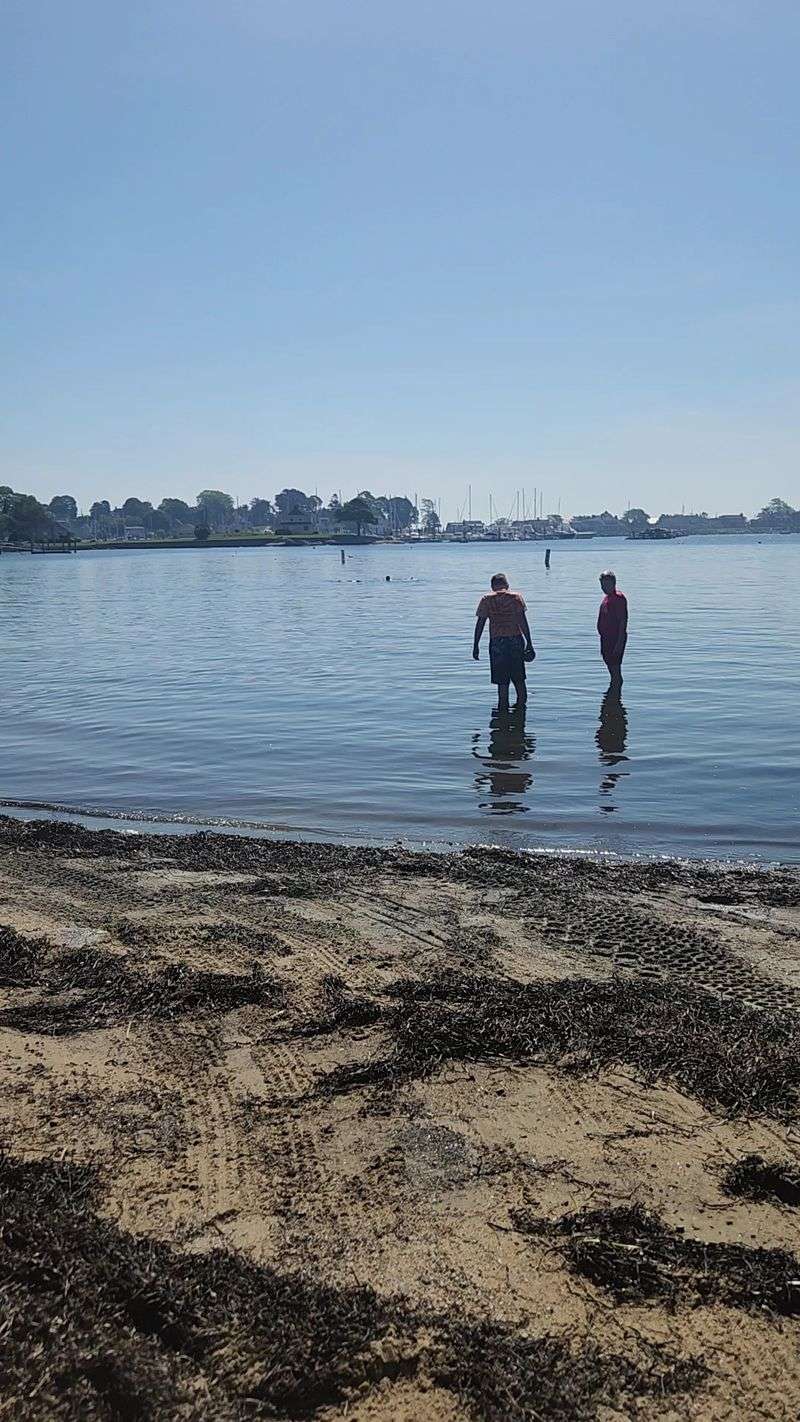
Small beach, big fishing reputation. Esker Point in Groton is the kind of spot locals mention quietly.
The beach is modest and sheltered, sitting near Palmer Cove and Mumford Cove. Sheltered water warms faster, which pulls in bait fish early in the season.
Shore anglers work this area hard through summer. Smooth dogfish are a common evening catch, along with bluefish and stripers.
The bottom mixes sand, mud, and scattered rock. That combination is crab heaven, and crabs are the dogfish dinner menu.
Groton Long Point sits just across the water. The view is quiet, low-key, and full of boats moving at no-wake speed.
Free summer concerts have been a tradition here, drawing families with lawn chairs and coolers. The music carries nicely across the cove.
Swimming is calm and shallow, which makes it good for younger kids. Rocks appear at the edges, so water shoes earn their keep.
One thing I learned here: sharks in the Sound are part of the scenery, not a threat. Attacks in Connecticut waters are essentially unheard of.
Go on a weekday evening. You get open parking, warm water, and a front row seat as the shallows come alive.