Pick Early Apples Straight From The Trees At This Connecticut Farm
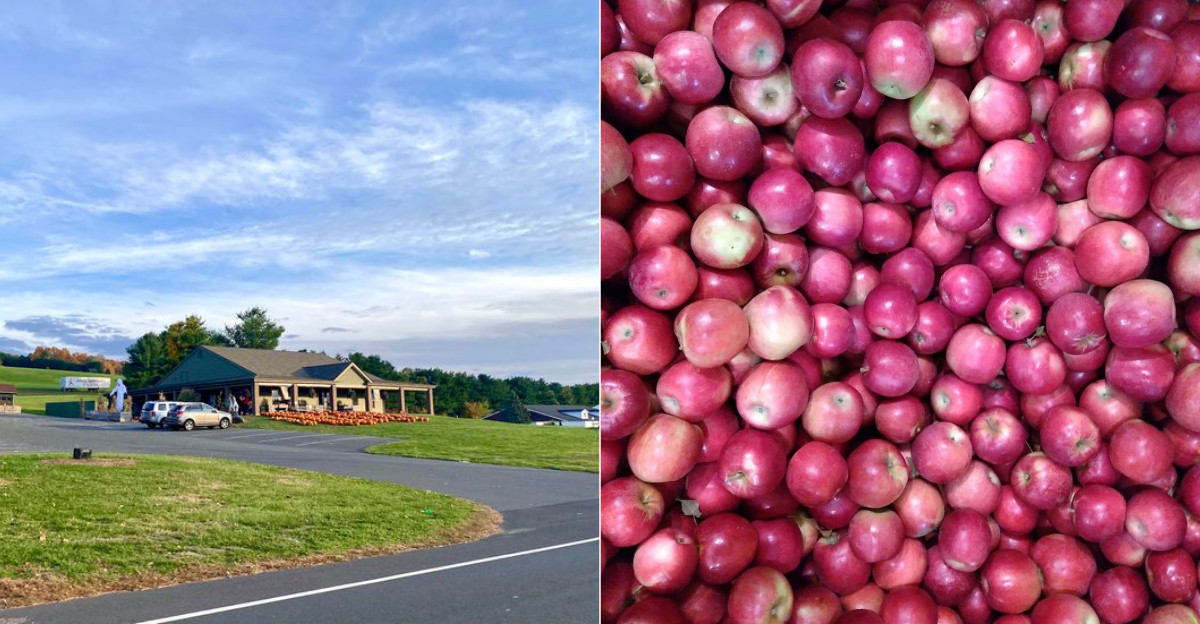
Apple season does not wait politely for fall anymore.
By late summer, the first varieties are already ready for picking, which means orchard season can start while sandals are still very much in rotation.
At this Connecticut farm, visitors can head into the rows and pick early apples straight from the trees. That makes the whole outing feel wonderfully hands-on.
There is a simple thrill in twisting one free and hearing that little snap from the branch. Suddenly, supermarket apples seem almost suspiciously convenient.
The best part is how casual the experience feels. You can wander at your own pace and fill a bag with fruit that was hanging overhead minutes earlier.
It is fresh, seasonal fun without much fuss.
And once that first crisp bite hits, waiting until October starts to feel completely unnecessary.
1. Apple Picking Can Begin As Early As August
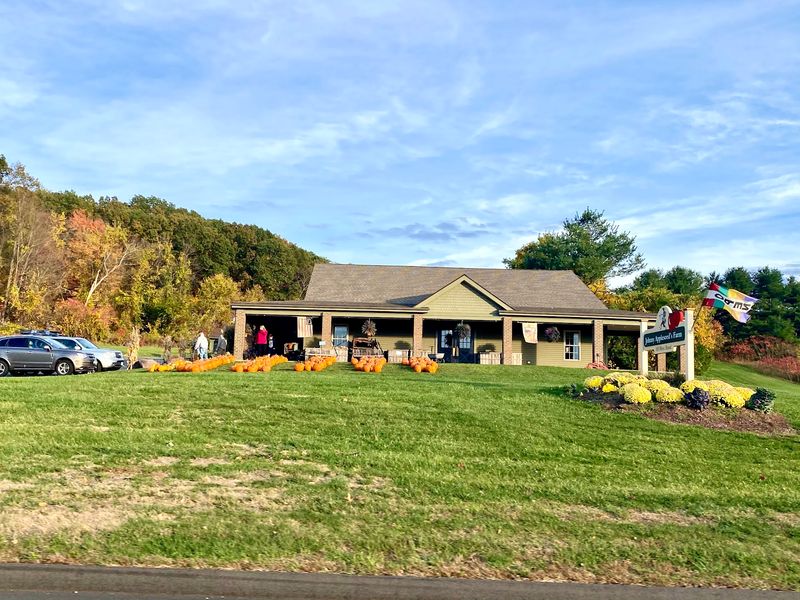
While many orchards keep their gates closed until Labor Day, Johnny Appleseed’s Farm often welcomes pickers in the first weeks of August. Early varieties ripen while the weather still feels like summer, which means shorts and sunscreen instead of flannel and boots.
Picking this early has real advantages. Crowds are much thinner in August than they are during peak fall weekends, so you get quiet rows, plenty of parking, and time to actually taste-test a few apples before filling your bag.
Early-season apples tend to be tart, juicy, and a little softer than late-season fruit. They shine in applesauce, pies, and lunchbox snacks, though they do not store as long, so plan to eat or cook them within a week or two.
In Connecticut, exact opening dates can shift with the weather each year, so checking the farm’s social media before you drive is smart. A cool spring can push things back, while a warm one moves them up.
Bring water, a hat, and a wagon if you have little ones. Mornings are cooler and the light makes for great photos among the loaded branches.
2. Dwarf Trees Keep The Fruit Easy To Reach
Sixty acres of dwarf apple trees might sound small, but that is exactly what makes this orchard so friendly. The trees are grown short on purpose, which puts most of the fruit somewhere between your knees and the top of your head.
Growers love dwarf rootstock because the trees start producing fruit sooner and are simpler to prune and harvest. Visitors love them for a different reason: nobody has to stretch, jump, or shake a branch to get the good apples.
Kids get a real win here. A five-year-old can spot a shiny apple, walk over, and pull it off the branch without a single lift from a grown-up, which turns a farm visit into something they actually feel proud of.
The low canopy also means the fruit gets plenty of sun, so color and sweetness tend to be consistent across the rows. You will find fewer bruised apples on the ground and fewer surprises hidden at the top.
Teach little pickers the twist-and-lift method rather than yanking straight down. It protects the branch and next year’s buds.
3. No Ladders Are Needed To Fill A Picking Bag
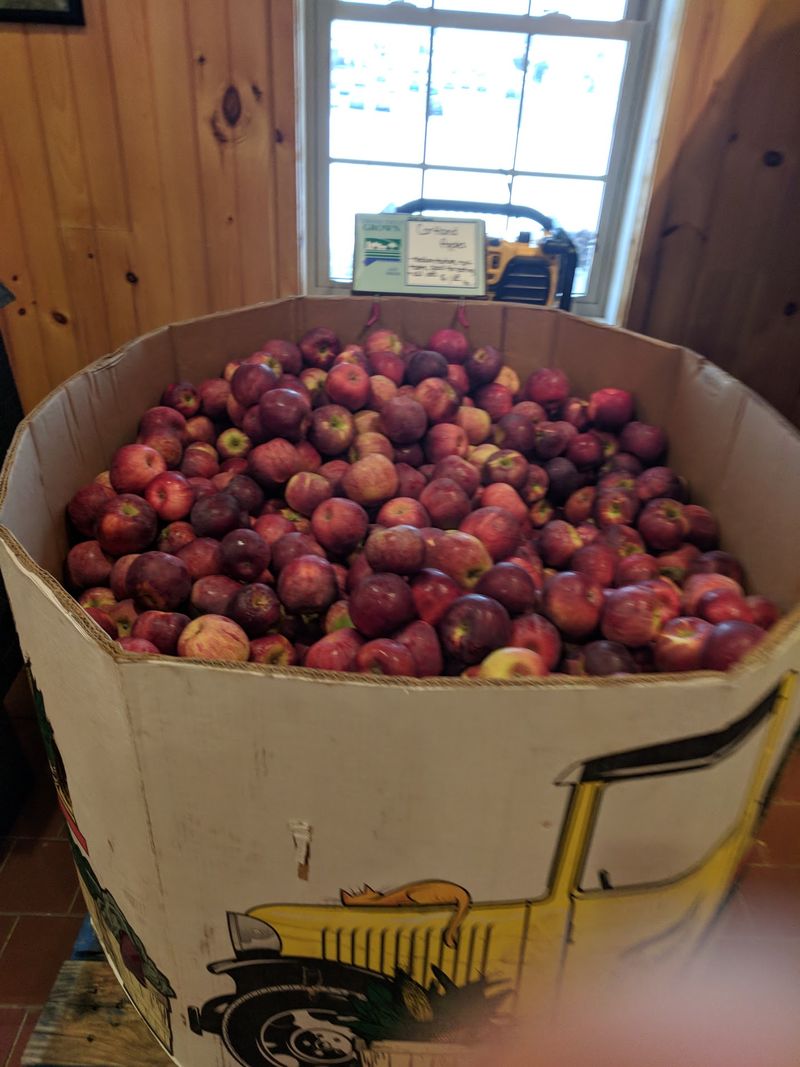
Ladders can turn a fun outing into a nervous one, especially with toddlers underfoot or grandparents along for the ride. At this Ellington orchard, they simply are not part of the picture.
Because the trees stay low, everything you need is within arm’s reach. That opens the door for visitors who use canes, push strollers, or just prefer to keep both feet firmly planted on the grass.
Wear closed-toe shoes that you do not mind getting a little dusty. Orchard rows can be uneven and slightly muddy after rain, so sneakers beat sandals every time.
Grab a bag at check-in and pace yourself. A half-peck fills up faster than most people expect, and apples are heavier than they look once you have twenty or thirty of them in one hand.
Pick from all sides of a tree rather than stripping one branch bare. You will end up with a better mix of sizes and colors.
Little tip worth remembering: apples growing on the sunny outer edges usually taste sweetest, so reach toward the light when you are choosing your favorites.
4. The Orchard Shares The Season With Pick-Your-Own Peaches
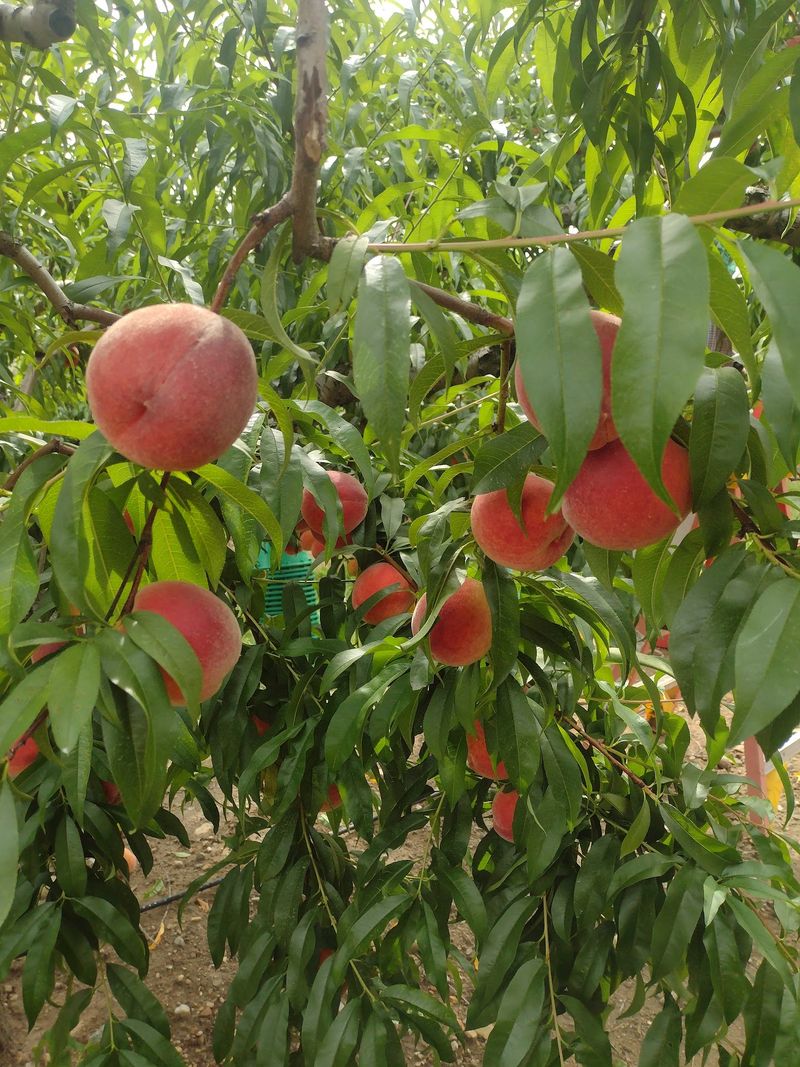
Here is the bonus most first-time visitors do not expect: peaches. The pick-your-own peach season at Johnny Appleseed’s Farm often opens in early August and runs through September, overlapping neatly with those first apples.
That means one trip, two fruits. Families frequently walk out with a bag of tart early apples and a basket of peaches so ripe the juice runs down your wrist on the drive home.
Peaches bruise far more easily than apples, so handle them like eggs. Cradle each one in your palm, lift gently, and set it in the basket instead of dropping it.
A ripe peach gives slightly when you press near the stem and smells sweet even before you bite. Color alone can fool you, so trust your nose and your fingertips.
Once home, let firm peaches sit on the counter for a day or two, then move them to the fridge. Sliced peaches freeze beautifully for winter smoothies and cobblers.
Reviewers mention peaches often when they talk about this farm, which says plenty about how good they are.
5. Weekend Tractor Rides Carry Visitors Toward The Fields
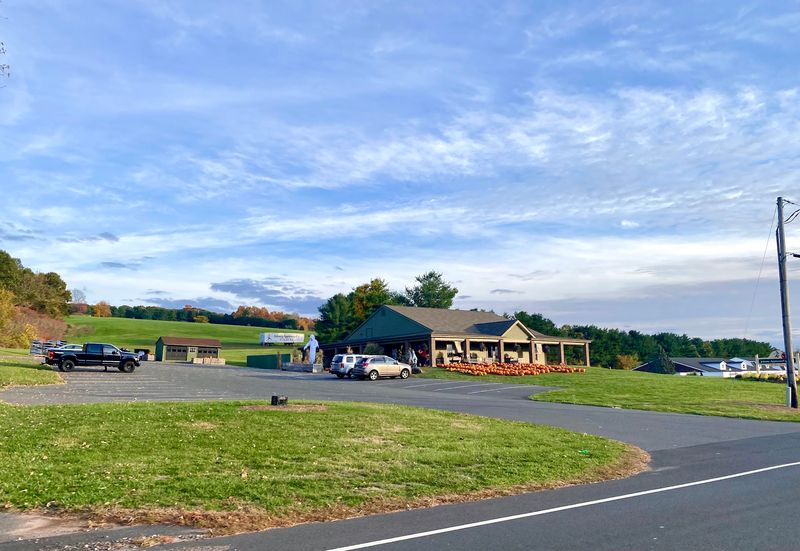
Ask any kid what they remember about the day and odds are the answer involves a tractor. On weekends, the farm runs free tractor rides that carry visitors out toward the picking fields.
Adults appreciate the ride for practical reasons too. Hauling a heavy bag of fruit back across an orchard is much easier when a wagon does the walking for you.
Weekends draw the biggest crowds, so arriving shortly after the 9 AM opening usually means a shorter wait and a seat near the front. Mid-afternoon lines tend to be the longest.
Hold onto small children while the wagon is moving and keep hands inside the rails. Staff give safety reminders before each trip, and they are worth listening to.
One longtime visitor described the farm as a place where you can pick apples, buy cider donuts, wander a corn maze, ride the tractor, and grab a Christmas tree. The tractor is the thread tying that whole experience together.
Weekday visitors should note that rides are a weekend feature, so plan accordingly if the ride is the main draw.
6. Fresh Produce Continues At The Farm Stands
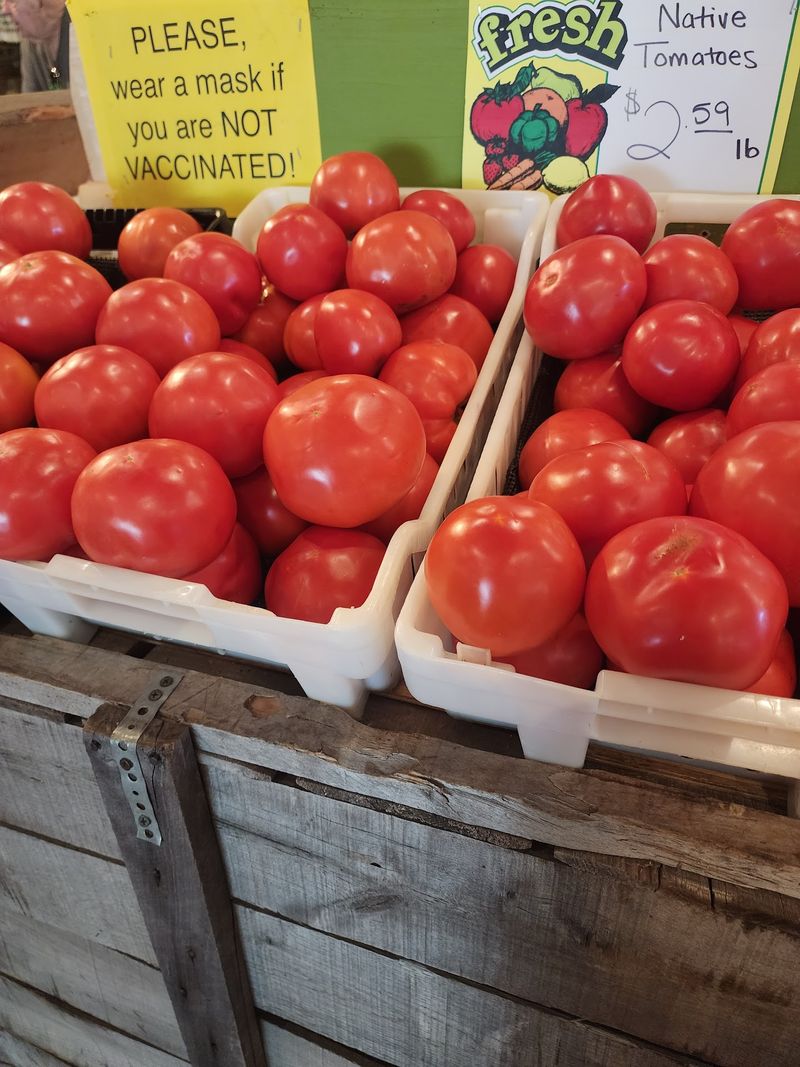
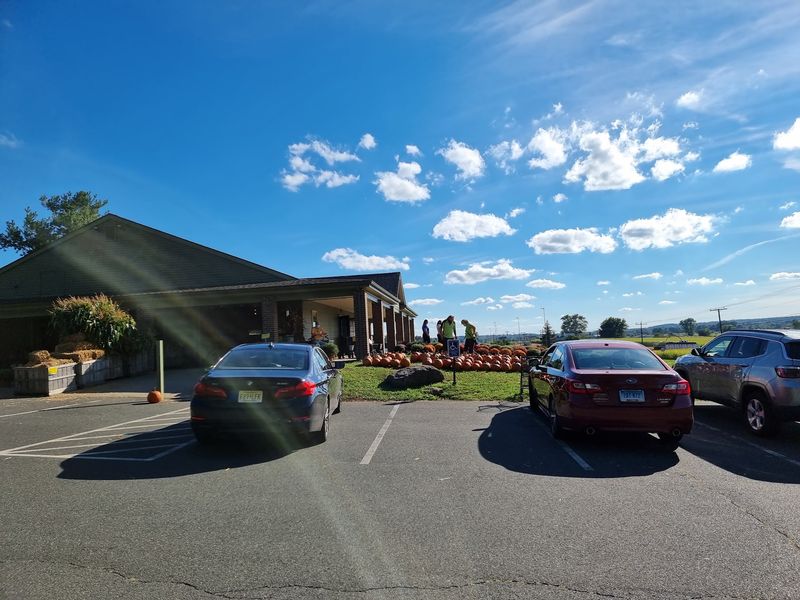
The Ellington farm stand keeps the harvest experience going even after your picking bag is full. Shelves and displays bring together seasonal produce, apples, peaches, pumpkins, baked goods, and farm favorites, making it easy to add extras before heading home.
Apple cider donuts are one of the biggest temptations. Visitors regularly mention them, and watching batches being prepared can make resisting a warm one almost impossible.
The stand also gives shoppers a convenient way to stock up without heading back into the orchard.
Produce changes with the season, so the selection can look different from one visit to the next. Slightly imperfect fruit can also be a smart choice for baking, applesauce, crisps, or pies when appearance matters less than flavor.
The Ellington stand opens at 9 a.m., while closing times vary during the season. You will find it at 185 West Road on Route 83 in Ellington, where the roadside stop is easy to work into an orchard day.
Bring a reusable bag and leave a little room. You may arrive for fruit and walk out carrying dessert too.
7. Pumpkins Take Over As Autumn Moves Along
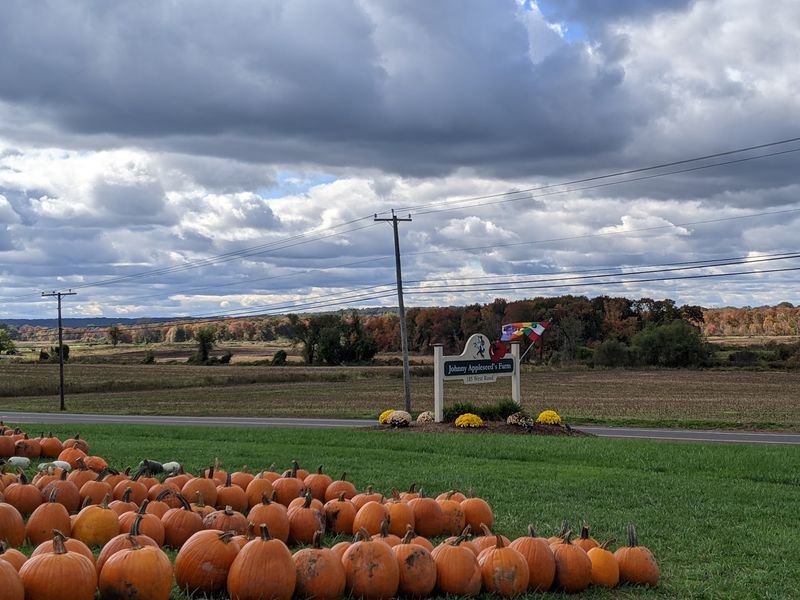
Somewhere around late September, orange starts winning the color contest at this farm. Pick-your-own pumpkins open up and stay available right through Halloween.
Walking the pumpkin field is half the fun. Kids test out a dozen candidates before settling on the one, and there is something satisfying about cutting your own from the vine instead of picking one off a pallet.
Choose a pumpkin with a firm, green stem and no soft spots on the bottom, since those are the ones that rot first on a porch. Always lift from underneath rather than by the stem.
If a trip to the field does not fit your schedule, pumpkins are also sold at both farm stands alongside mums that customers describe as some of the prettiest around.
Fall weekends bring the biggest crowds of the year here, so early mornings are your friend. Cooler air, softer light, and shorter lines make for a much calmer visit.
Pair pumpkin hunting with a late-season apple bag and you have covered two seasons in one afternoon.
8. The Long Picking Season Can Stretch Into Late October
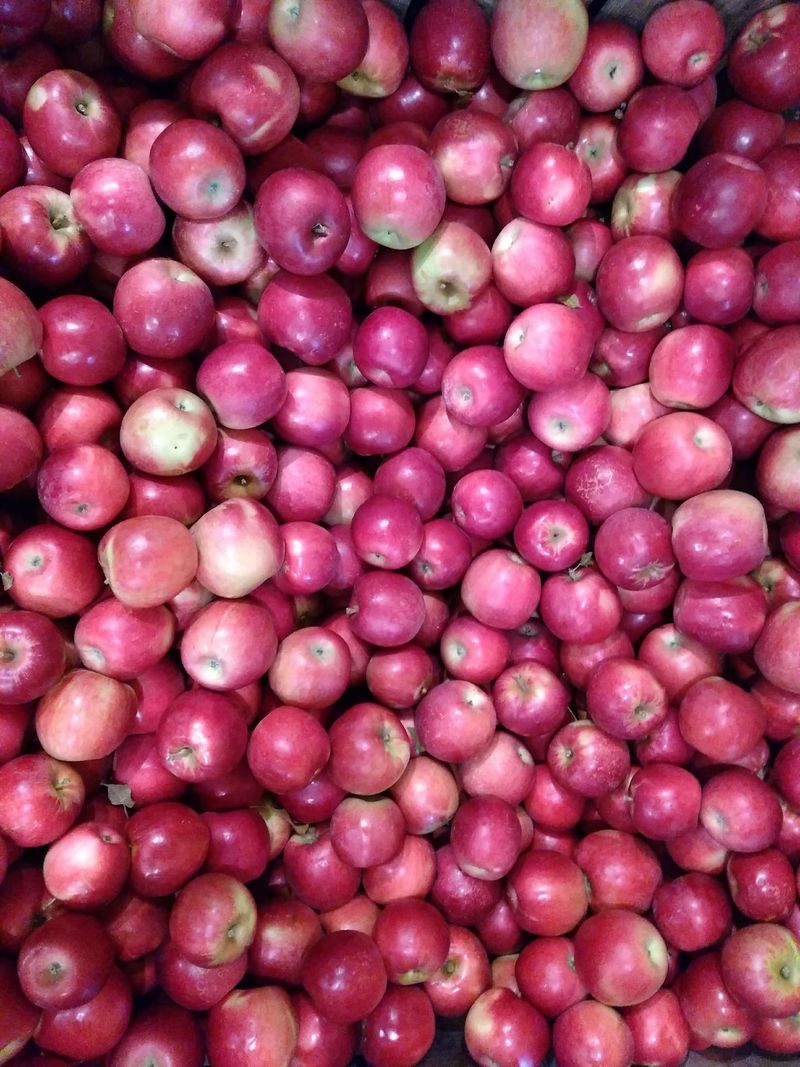
From early August to late October adds up to nearly three months of picking, which is a remarkably long run for one orchard. Different varieties ripen in waves, so the fruit you bag in August tastes nothing like what you find in October.
Late-season apples are usually firmer, crisper, and better for storing. Those are the ones to buy in bulk if you want fruit lasting into November in the refrigerator drawer.
The scenery changes too. August rows are lush and green, while October brings that classic New England color to the hillsides around Ellington.
Visiting more than once during the season is a habit plenty of local families keep. You get to compare varieties and see how the farm shifts from summer produce to pumpkins and holiday goods.
The farm stands outlast the orchard by a wide margin, with the Tolland location staying open until just before Christmas for trees, baked goods, and gifts.
With a 4.7-star rating from well over a hundred reviewers, the place clearly earns its repeat visitors year after year.