This Connecticut Children’s Museum Turns Weekend Getaway Into Pure Joy
If you’re still figuring out what to do this weekend, go ahead and clear the calendar because this one just made the decision for you. The second you walk through the door the energy in this place is completely contagious and honestly the adults are having just as much fun as the little ones even if they won’t fully admit it.
This Connecticut children’s museum turns a regular weekend into something the whole family is still talking about on Monday morning.
Interactive exhibits that actually hold attention, imaginative spaces that make every corner a new adventure, and that specific kind of organized chaos that means everyone is fully engaged and nobody is bored for a single second.
The kind of place that answers the “what are we doing this weekend” question before it even gets asked.
1. What Makes This Children’s Museum So Special For Young Families
Few children’s museums manage to feel both carefully curated and genuinely playful at the same time, but Kidcity pulls it off across every floor. Located at 119 Washington St, Middletown, CT 06457, the museum is housed inside a beautifully repurposed historic building that dates back to around 1835, once used as a convent for St. Sebastian Church before being donated for community use.
The attention to detail throughout the space sets it apart from more generic play centers. Themed rooms feature working sound effects, layered murals, and interactive props that reward curiosity rather than passive observation.
Kids are not just looking at things here; they are moving, building, pretending, and collaborating in ways that feel natural and unforced.
Practical touches for parents are equally impressive. Restrooms are stocked with emergency diaper kits that include wipes and creams, changing tables are easy to find, and the overall cleanliness of the space is consistently maintained by staff throughout the day.
A coat room, gift shop, and designated snack area round out the family-friendly setup. For families visiting from out of state or across Connecticut, the combination of imaginative design and thoughtful logistics makes Kidcity feel like a genuinely considered destination rather than a quick stop.
2. Interactive Themed Rooms That Spark Imagination Play
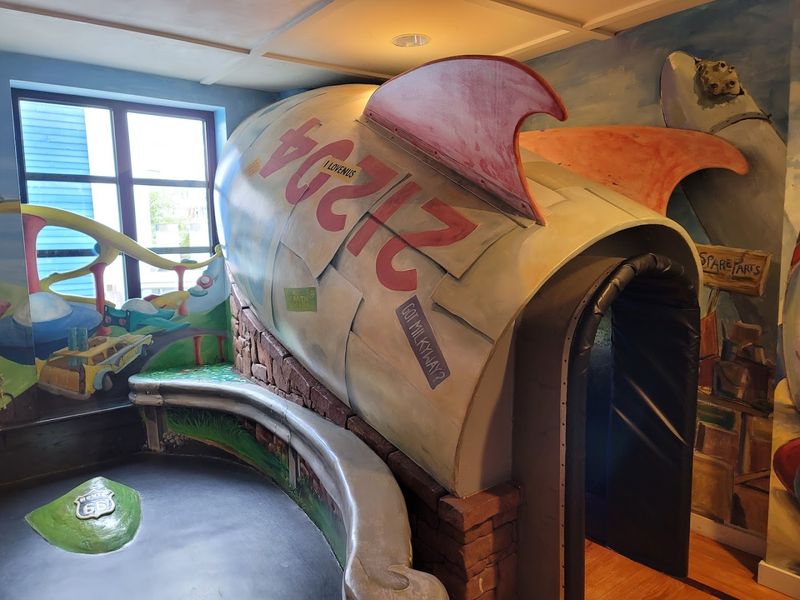
The themed rooms at Kidcity are the heart of the experience, and each one offers a completely different world for kids to step into. The Fishery room is one of the most talked-about spaces, complete with sensory details like realistic smells and textures that make the pretend-play feel surprisingly immersive.
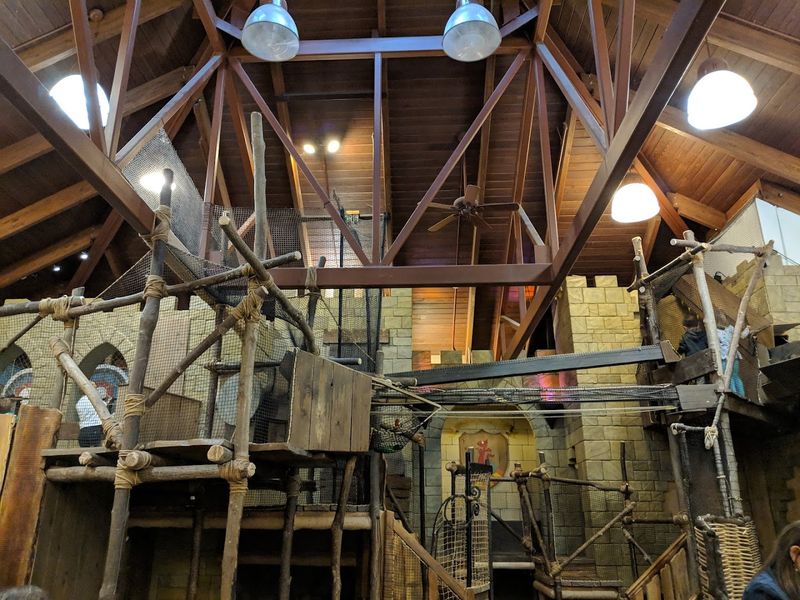
Nearby, the Middleshire medieval village gives kids a chance to move foam building blocks across bridges using conveyor belt mechanisms, which tends to become an instant favorite.
Other rooms include a space-aged road trip area, a farm, a Main Street setup with a diner and post office, and La Piazza, a newer Italian cafe-themed room where kids can engage in dramatic play with handkerchiefs and pretend cooking. A small theater with costumes, a camera, and lighting controls adds a creative tech layer that older children within the museum’s age range tend to gravitate toward.
The diner room on the main level features an ice cream station with magic steam effects that consistently delight younger visitors. Each room transitions naturally into the next, so the pacing of a visit feels organic rather than rushed.
Families who spend two to three hours exploring may still find corners and details they missed on earlier passes through the building.
3. Best Ages To Bring Kids For Maximum Fun And Learning
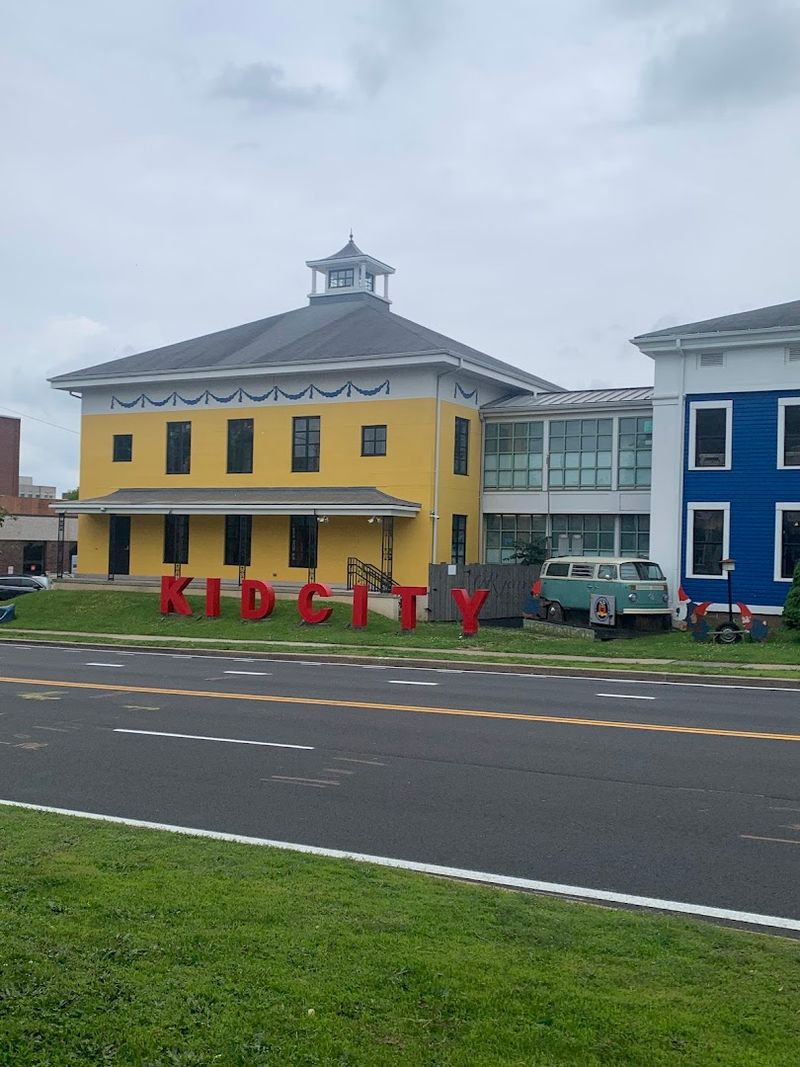
Kidcity is designed primarily for children up to age seven, with the sweet spot for engagement landing somewhere between ages two and six. Kids in that range tend to be fully absorbed by the pretend-play setups, the tactile textures, and the room-to-room variety without needing much adult direction.
The museum is intentional about creating spaces where children can lead their own exploration rather than waiting for structured programming.
Toddlers between one and two years old have their own dedicated zone in the basement level, which is restricted to children two and under. That separation means the youngest visitors are not competing for space with faster-moving older kids, and the basement itself is carpeted, shoe-free, and built to a scale that suits crawlers and early walkers comfortably.
Children closer to age six or seven may move through some rooms more quickly, but the engineering-focused activities in the Middleshire room and the creative tools in the theater space tend to hold their attention longer. Families with kids spanning multiple ages within the museum’s range report that the variety of rooms makes it easier to keep everyone engaged simultaneously.
Planning a visit when kids are well-rested and not close to nap time tends to make the experience smoother for everyone involved.
4. How To Make Reservations And Plan Your Visit
Reservations are required before visiting Kidcity, and the museum strongly encourages booking in advance through its website. Walk-in entry may be available but is not guaranteed, especially for larger groups, so securing a time slot ahead of arrival helps avoid disappointment.
The online reservation process is straightforward and takes only a few minutes to complete.
The museum is open every day of the week from 9 AM to 4 PM, which is relatively uncommon among children’s museums and makes it a reliable option even on days when schools are unexpectedly closed. Parking is available in a metered lot behind the building for around one dollar per hour on weekdays, and the Broad Street Municipal Parking Lot offers free parking on Sundays and holidays.
Upon arrival, check-in is handled efficiently at the front entrance. There is a designated room near the entrance where families can store coats, eat snacks or packed food, and get oriented before heading into the exhibit spaces.
Food and drinks are not permitted inside the themed rooms themselves, so planning a snack break in the designated area helps keep the visit running smoothly. The museum is located at 119 Washington St in Middletown, and several restaurants within easy walking distance make it practical to extend the outing into a full afternoon.
5. Hands-On Exhibits That Feel Like Play, Not Just A Museum
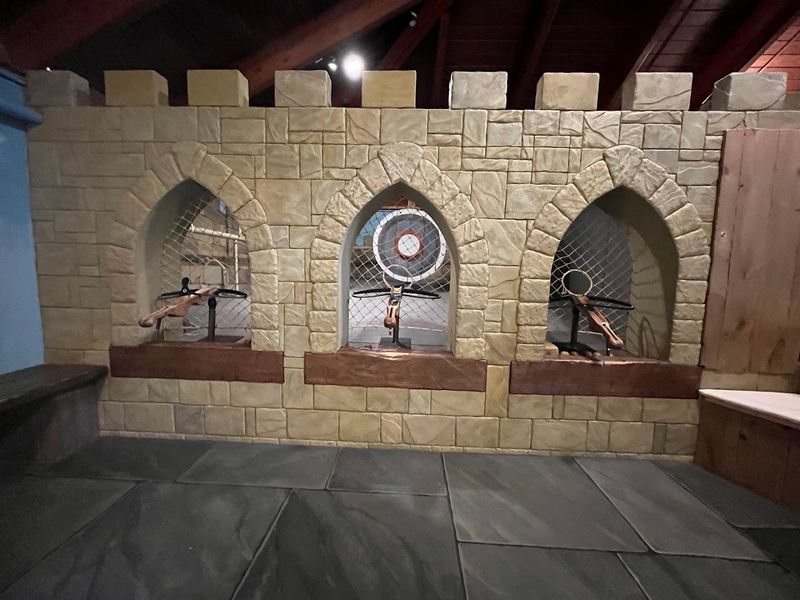
The engineering energy throughout Kidcity is one of the things that makes it feel different from more traditional museum formats. Rather than reading labels or pressing a single button to watch something happen, kids here are physically moving materials, operating mechanisms, and working through problems with their hands.
The conveyor belt system in the Middleshire room is one clear example, but similar engagement runs through nearly every exhibit on all three floors.
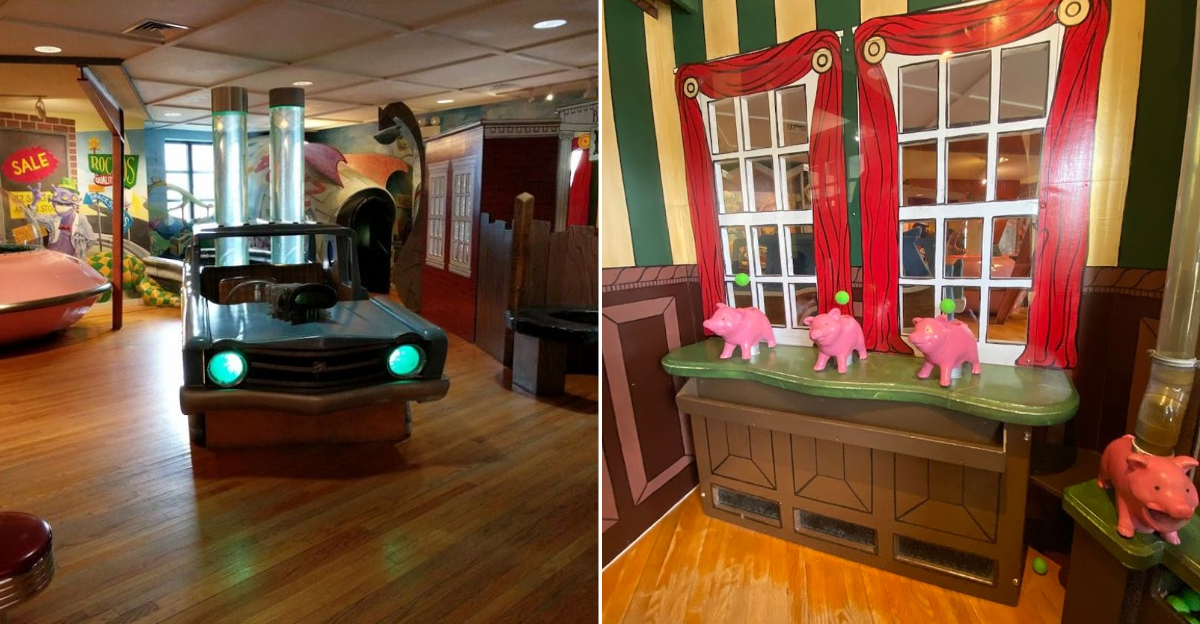
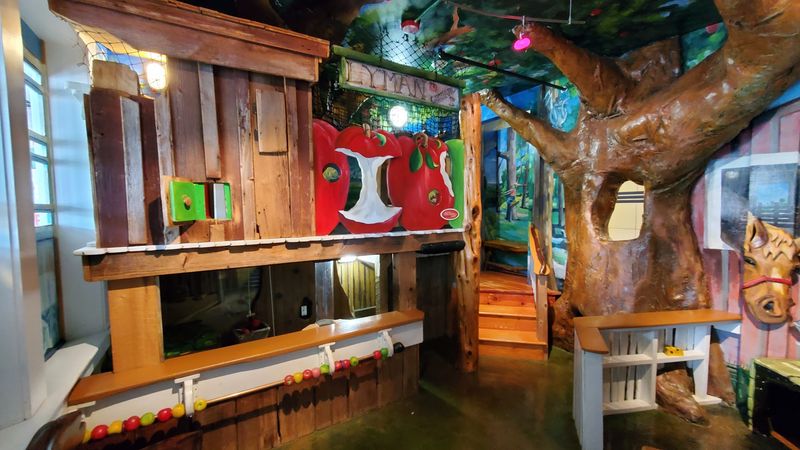
The farm room features pretend crops and tools that encourage collaborative play, while the Main Street area includes a post office, a kitchen, and a real taxi car with working sounds that younger kids find endlessly entertaining. The Italian cafe space introduced more recently adds handkerchief magic and pretend espresso-making to the mix, giving the museum a refreshed corner that feels thoughtfully added rather than tacked on.
What holds the experience together is the consistency of quality across rooms. Each exhibit tends to have multiple layers of engagement so that a child can return to the same room and find something new to try.
Parents frequently note that the interactivity extends to them as well, with many exhibits designed in a way that naturally invites adults to participate alongside their children rather than simply watch from the sidelines.
6. Quiet Corners And Toddler-Only Spaces For Little Explorers
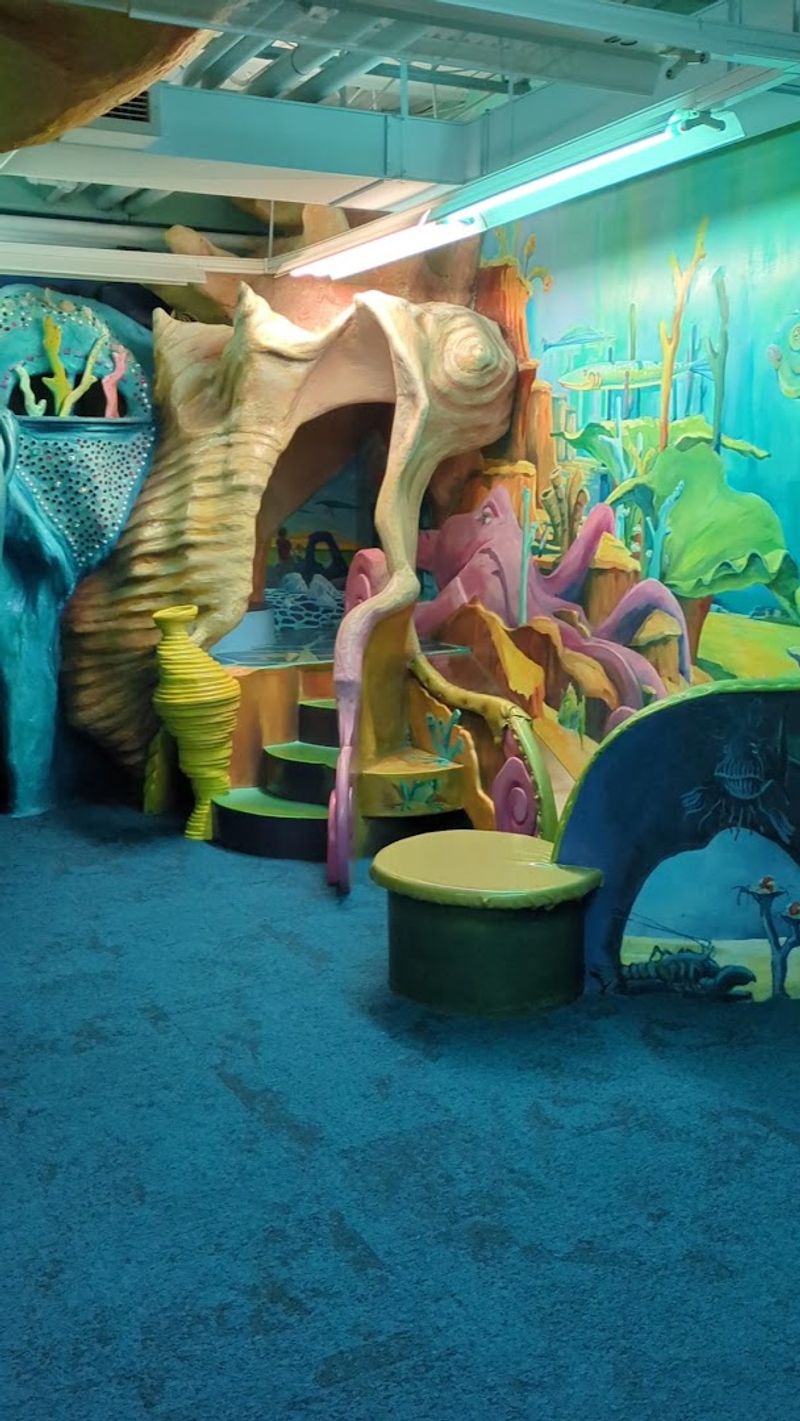
The basement level of Kidcity operates as a completely separate environment from the rest of the museum, reserved exclusively for children two years old and younger. Shoes are not allowed in this area, and the entire space is carpeted and low to the ground, making it safe and comfortable for babies who are still crawling or just beginning to walk.
The calm atmosphere down there stands in contrast to the more energetic rooms above, which is a genuine relief for parents of infants.
Known as the Toddler Sea Caves, the basement zone features small slides, soft surfaces, and age-appropriate props that encourage sensory exploration without overwhelming younger children. The separation from older kids means babies can move at their own pace without the unpredictability of bigger children nearby, and parents tend to feel noticeably more relaxed in that environment as a result.
On the upper floors, the room transitions between exhibits tend to create natural pockets of slower-paced play that function as informal rest points without being labeled as such. The farm room and the theater area both tend to attract quieter, more focused engagement compared to the louder activity in the fishery or castle rooms.
Families with children who need occasional low-stimulation breaks can use these spaces to reset before moving on to the next adventure.
7. Tips For Avoiding Busy Times And Enjoying The Space Calmly
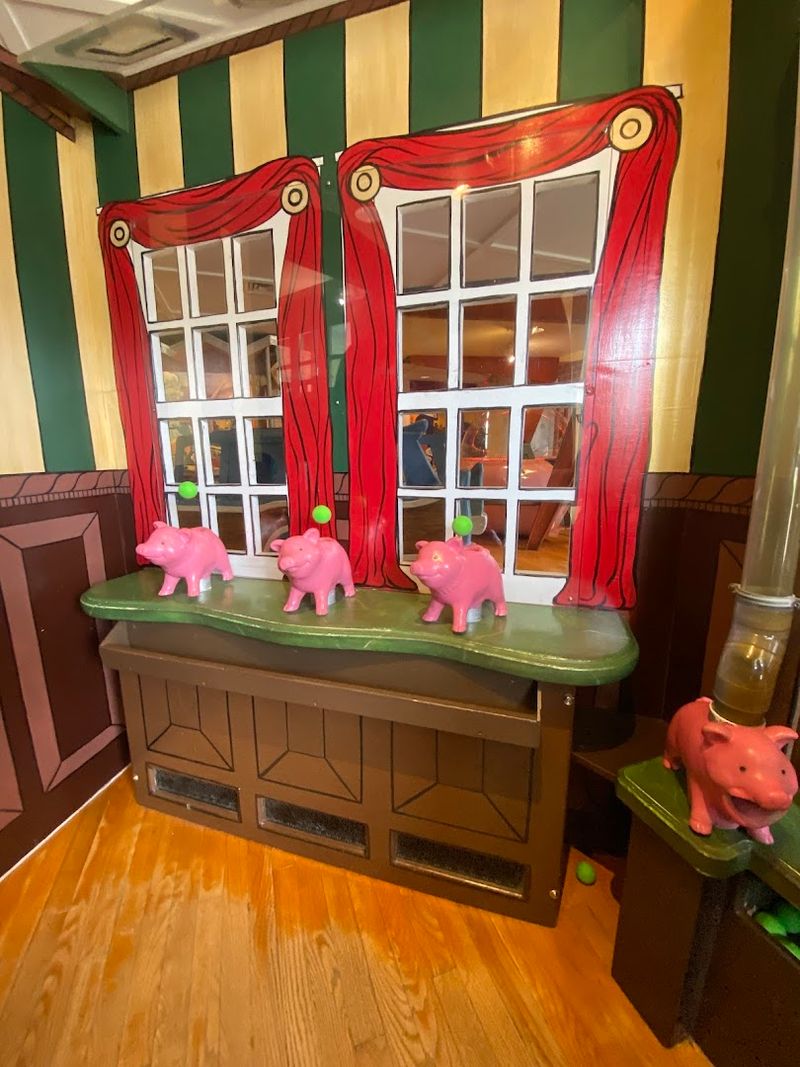
The reservation system at Kidcity plays a meaningful role in managing crowd levels, and many families specifically appreciate that the museum does not allow the kind of overcrowding that can make other play spaces feel chaotic. Because entry is tied to a time slot, the number of visitors inside at any given moment tends to stay manageable, which means kids can move between rooms without long waits or bottlenecks.
Weekday mornings tend to offer the calmest experience overall, particularly on days outside of school holidays and vacation weeks. Arriving right at the 9 AM opening gives families first access to the most popular rooms before the building fills up.
Weekend visits are naturally busier, but the reservation structure still keeps things from becoming overwhelming in the way that unrestricted entry sometimes can.
Visiting during winter months or on rainy days can actually work in a family’s favor since outdoor alternatives are limited and the museum offers a genuinely engaging indoor option. The museum is open seven days a week year-round, which gives families flexibility to choose a timing that suits their schedule.
Checking the museum website before visiting for any special event days or schedule changes is always a practical step, as programming or capacity arrangements could vary on specific dates.
8. How Parents Can Join In On The Creative Fun
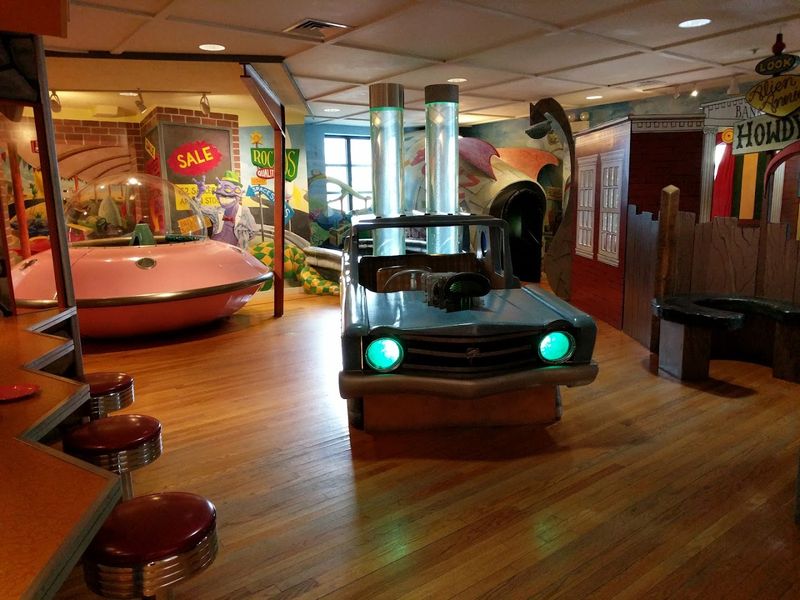
One of the quieter strengths of Kidcity is how naturally it pulls adults into the play rather than leaving them to stand at the edges and watch. The exhibits are designed with enough physical interactivity that parents can genuinely participate without feeling like they are forcing themselves into a child-only space.
The medieval village room, for example, involves moving foam blocks through a conveyor system that works better with two sets of hands, making it a natural opportunity for parent-child teamwork.
The pretend cooking stations in the farm and Italian cafe rooms similarly invite adults to take on roles alongside their children, whether that means pretending to knead dough or arranging imaginary market goods. The theater room, with its costume options and lighting controls, tends to bring out playfulness in adults who might not have expected to enjoy a children’s museum visit quite so much themselves.
Families frequently spend three to four hours inside without feeling the need to rush, and part of that comfort comes from the fact that parents are engaged rather than simply waiting. The museum’s layout across three floors means there is always a new direction to explore, and the pacing feels natural rather than pressured.
Bringing snacks to enjoy in the designated eating area during a mid-visit break helps maintain energy for both kids and the adults accompanying them.