10 Connecticut Landmarks That Bring The Revolutionary Era To Life
History feels different when you can stand where it happened. These landmarks move the Revolutionary era beyond dates in a textbook and into preserved rooms or open battlefields that carry the weight of the past.
Across Connecticut, old homesteads and battlefields make Revolutionary history feel immediate while keeping its human stories close. You can trace the choices of local patriots and see the defenses built against attack.
You also learn how ordinary families lived through a dangerous turning point. The details make it memorable.
A weathered doorway or preserved hearth can say more than a display case ever could. Many of these places share stories of sacrifice alongside the divided loyalties that strained communities.
They reveal how war reached private homes as well as busy coastal towns. Together, the sites show how deeply the fight for independence shaped everyday life.
The result is history that feels less distant, with real people and difficult choices coming into focus.
1. Putnam Memorial State Park, Redding
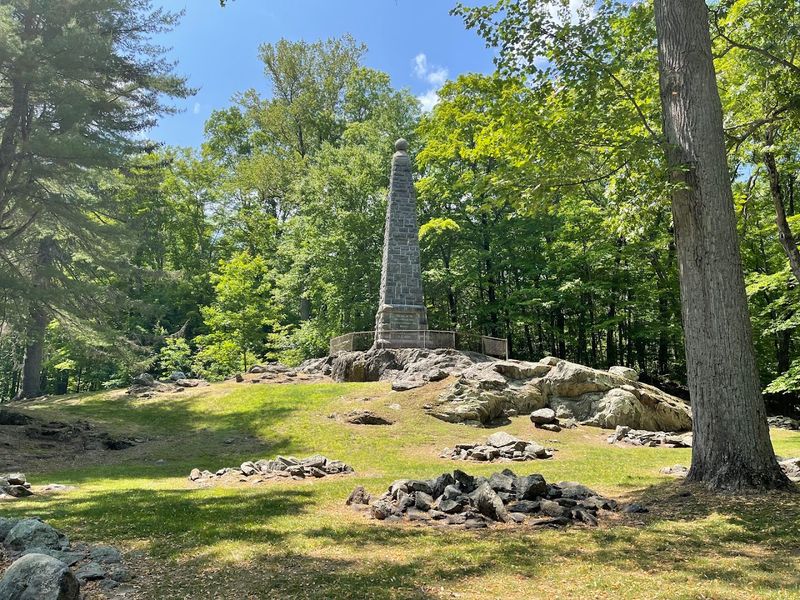
A harsh Revolutionary War winter comes vividly into focus at Putnam Memorial State Park, where about 3,000 Continental Army soldiers camped from 1778 into 1779 under General Israel Putnam.
Often called the state’s Valley Forge, the preserved grounds reveal traces of the encampment across quiet wooded terrain.
Follow the interpretive trail past old chimney remains, reconstructed guardhouses, officers’ quarters, and the impressive 44-foot granite obelisk built in 1888.
Another highlight is Anna Hyatt Huntington’s bronze statue of Putnam on horseback, capturing his legendary escape from British forces.
The museum and restored visitor center display artifacts, exhibits, tools, buttons, and other discoveries connected to camp life.
You’ll find the park at 499 Black Rock Turnpike in Redding. The grounds are generally open daily from 8:00 a.m. until sunset, while museum and visitor center schedules vary seasonally.
Admission and parking are free, and leashed dogs may join you on designated trails and picnic areas. With its one-mile historic loop, preserved ruins, and engaging exhibits, this peaceful park offers a memorable look at the hardships and resilience of Revolutionary soldiers during that winter.
2. Keeler Tavern Museum & History Center, Ridgefield
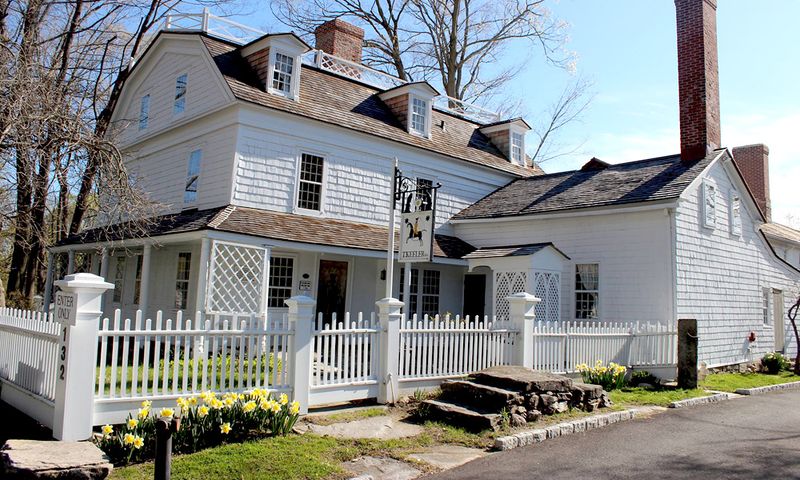
A cannonball still lodged in a wooden corner post tells the story better than any textbook ever could. The Keeler Tavern Museum and History Center sits at 152 Main Street, Ridgefield, CT 06877, on the site of state’s only inland Revolutionary War battle, fought on April 27, 1777.
British troops fired on this building during the Battle of Ridgefield, and that embedded cannonball has remained in place ever since as a quiet but powerful relic.
Interpreter-led tours walk visitors through period rooms dating back to around 1713, exploring themes like the building’s architectural history and what daily life looked like for families caught in the crossfire of war.
The grounds also include a walled garden and Garden House designed by architect Cass Gilbert, along with a historic carriage barn that rounds out the property’s scope.
The museum is generally closed in January and February. From March through May and November through December, hours run Thursday through Sunday from 11:00 a.m. to 4:00 p.m., with extended summer hours from June through October.
Adult admission is $15, seniors $12, and children under 18 are $5. Tickets can be purchased online or at the Visitor Center.
3. General David Humphreys House, Ansonia
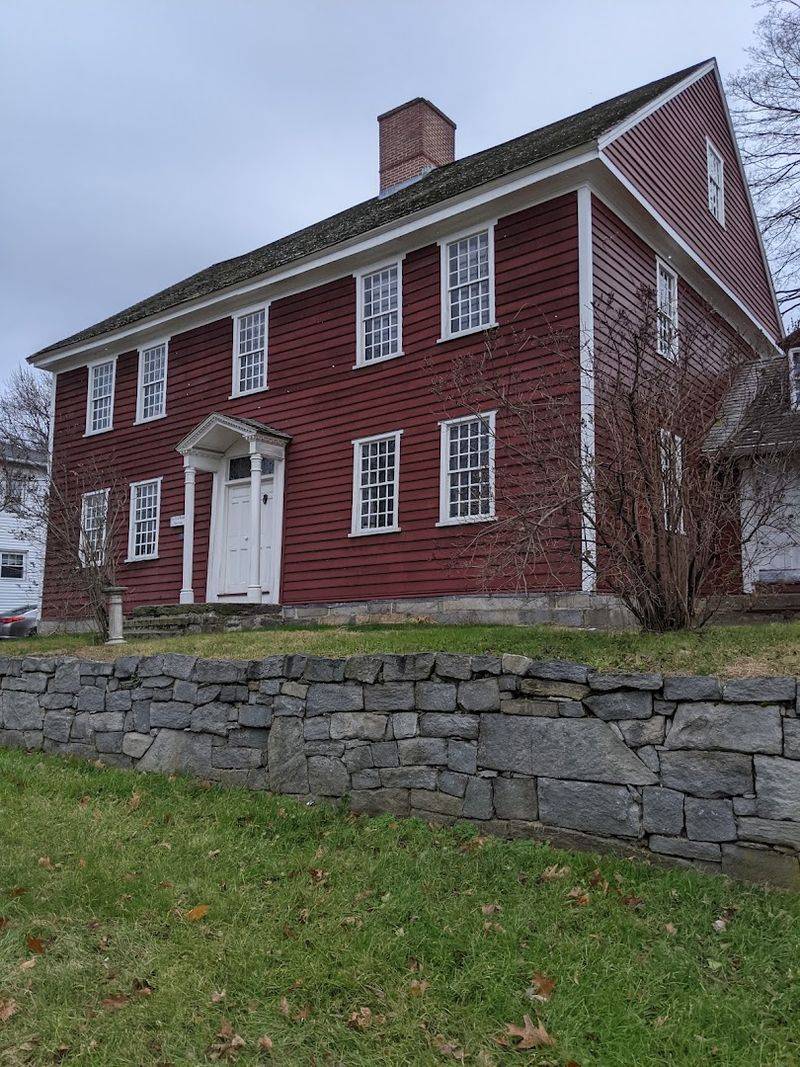
Born on July 10, 1752, General David Humphreys went on to serve as an aide-de-camp to George Washington, helped draft Washington’s First Inaugural address, and became the first U.S. ambassador after the Revolution concluded.
The house where his story began stands at 37 Elm Street, Ansonia, CT 06401, and has been carefully restored to reflect its mid-18th-century appearance.
It now serves as the headquarters of the Derby Historical Society.
Inside, the museum is furnished with authentic period pieces and features exhibits that trace the history of the Lower Naugatuck Valley from pre-colonial times through the federal period.
Guided tours offer a personal look at Humphreys’ life and the community that shaped him into one of early America’s most accomplished figures.
Archaeological work at the site has even uncovered children’s toys and everyday household items from the 1700s.
The museum is typically open Monday through Friday, though hours can vary between 10:30 a.m. to 2:30 p.m. and 1:00 p.m. to 4:00 p.m. during certain months, so calling ahead to confirm availability is recommended. Adult admission is $5, while seniors and children under 12 are $3.
Parking is available at the rear of the building.
4. Fairfield Museum And History Center, Fairfield
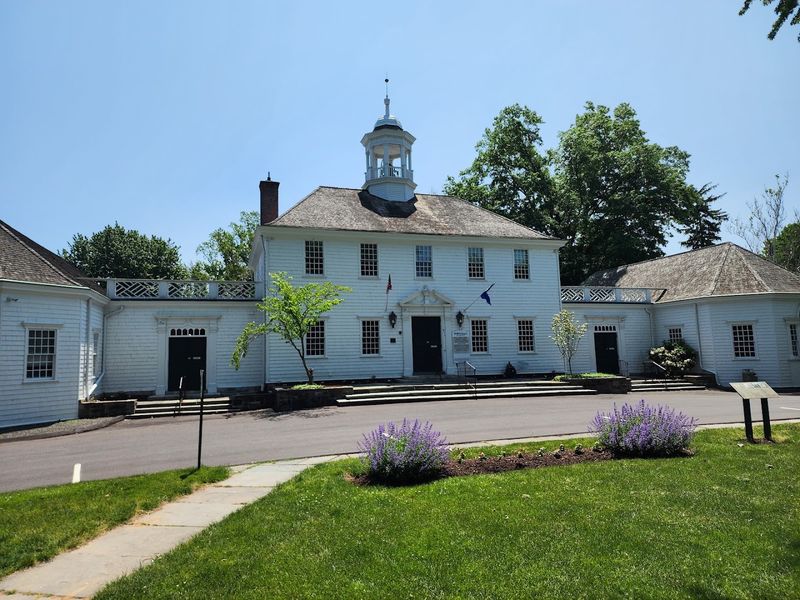
History feels lively and personal here, with exhibitions connecting Fairfield’s colonial roots, Indigenous heritage, wartime experiences, art, and community life.
The Fairfield Museum and History Center uses changing displays and thoughtful programs to show how local stories fit into a much larger American narrative.
Visitors can explore rotating exhibitions on subjects ranging from photography and civic history to the Revolutionary era. The neighboring Museum Commons adds another dimension with three historic buildings: the Victorian Cottage, Victorian Barn, and Sun Tavern.
Each space offers exhibits or activities that bring different periods of town life into sharper focus. Families can enjoy hands-on experiences throughout the campus.
Researchers can also arrange an appointment at the museum’s library, which holds manuscripts, newspapers, family records, and other valuable primary sources.
The museum welcomes visitors at 370 Beach Road in Fairfield. It is open Tuesday through Sunday from 10:00 a.m. to 4:00 p.m. and closes on Mondays, July 4, Thanksgiving, Christmas, and New Year’s Day.
General admission remains free through November 25, 2026, thanks to donor support, although library use and certain programs may carry separate fees. Free parking is available out front, while the galleries, restrooms, library, shop, and program spaces meet ADA accessibility standards.
5. Webb Deane Stevens Museum, Wethersfield
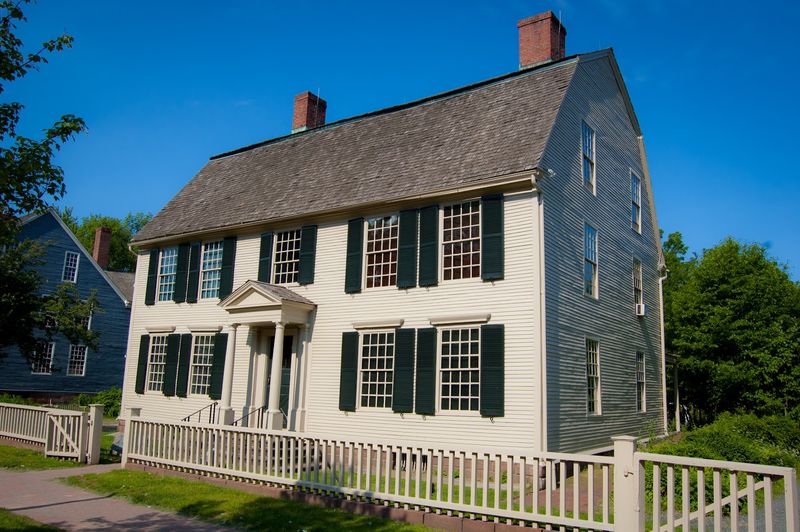
Three 18th-century houses, three completely different stories, and one extraordinary glimpse into early American life all share the same block in historic Wethersfield.
The Webb Deane Stevens Museum is located at 211 Main Street, Wethersfield, CT 06109, and its most celebrated structure is the Joseph Webb House, built in 1752, where General George Washington and French Commander Comte de Rochambeau met in May 1781 to plan a decisive joint military campaign.
The 1769 Silas Deane House tells the story of a lawyer who served as a delegate to the Continental Congress and later became the first American ambassador to France. The Isaac Stevens House, built in 1789, shifts the lens to middle-class domestic life in the post-Revolutionary period.
Guided tours of all three houses are offered at 11:00 a.m., 1:00 p.m., and 3:00 p.m. on open days, and tours typically last about 75 minutes.
The museum operates Wednesday through Sunday from 10:00 a.m. to 4:00 p.m., from May through October and also in December. Adult admission is $20, seniors and students are $18, and children aged 5 to 12 are $8.
Free street parking is available nearby, along with additional public parking at the Keeney Memorial Cultural Center at 200 Main Street.
6. Museum Of Connecticut History, Hartford
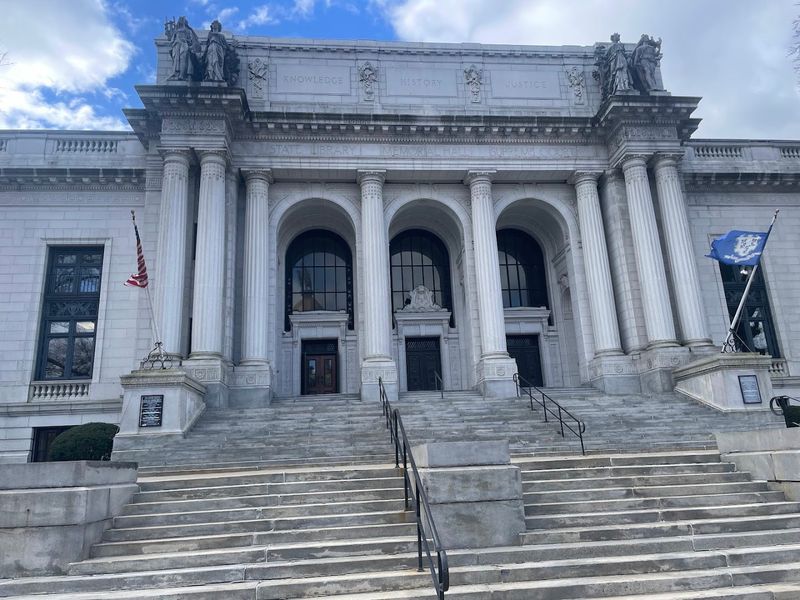
Political, military, and industrial stories come together inside the Museum of Connecticut History, the state’s official history museum.
Its collection includes roughly 44,000 objects, with displays ranging from historic government documents and governor portraits to coins, machinery, uniforms, and the celebrated Colt collection.
A major highlight is “Connecticut’s Revolution,” a special exhibition marking the nation’s 250th anniversary.
Running from July 4, 2026, through July 9, 2027, it brings together more than 100 artifacts and documents to explore how soldiers, families, workers, and political leaders experienced the Revolutionary era.
Visitors can also see the original 1662 Royal Charter and discover stories tied to the state’s changing role in American history.
Families will find interactive activities, toys, games, and a recreated 1920s kitchen in the “Small but Mighty” exhibit. A virtual tour is also available for curious history fans planning a visit from home beforehand.
The museum occupies part of the State Library and Supreme Court building at 231 Capitol Avenue in Hartford.
Admission is always free. Regular hours are Monday through Friday from 10:00 a.m. to 4:00 p.m., with closures on weekends and state holidays.
The State Capitol stands directly across the street, making it easy to pair both nearby attractions.
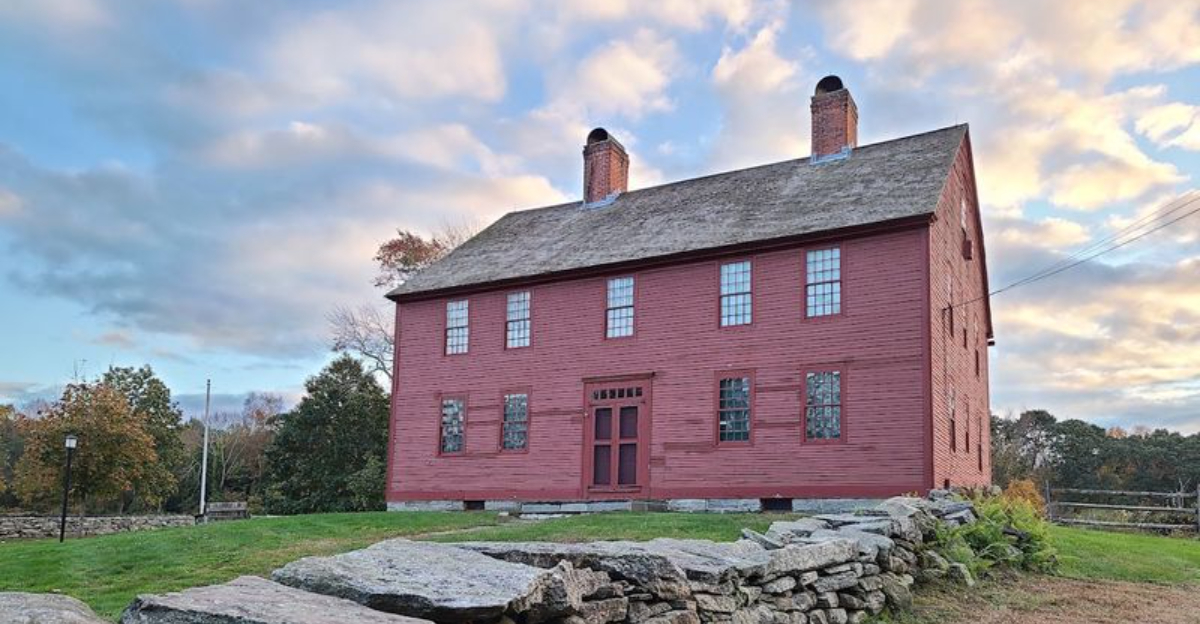
7. Nathan Hale Homestead, Coventry
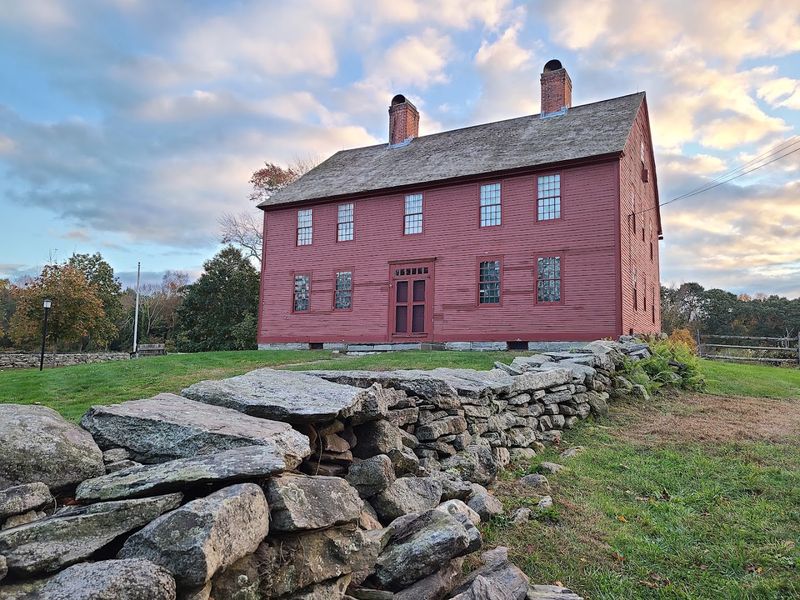
The State Hero was born on this very farm in 1755, and the property still carries a quiet sense of patriotic gravity.
The Nathan Hale Homestead is located at 2299 South Street, Coventry, CT 06238, and preserves the family farmstead connected to Captain Nathan Hale, who was hanged as a spy by the British in September 1776.
His alleged final words, expressing regret for having only one life to give for his country, have echoed through American history ever since.
Timed guided tours walk visitors through the historic house museum, sharing the Hale family’s wartime contributions, from gathering supplies and assisting neighbors to active service in the Continental Army.
Among the most moving objects on display are Nathan’s own fowling gun and his personal bible, both of which survived centuries and still connect visitors to the man behind the legend.
The expansive grounds are open year-round from dawn until dusk.
Tours run from May through October, typically on Fridays and Saturdays from 12:00 p.m. to 4:00 p.m. and Sundays from 10:00 a.m. to 2:00 p.m. Adult admission is $18, seniors and students are $15, and children aged 6 to 18 are $8.
Children under six and Connecticut Landmarks Members are admitted free.
8. Lebanon Historical Society Museum And Visitors Center, Lebanon
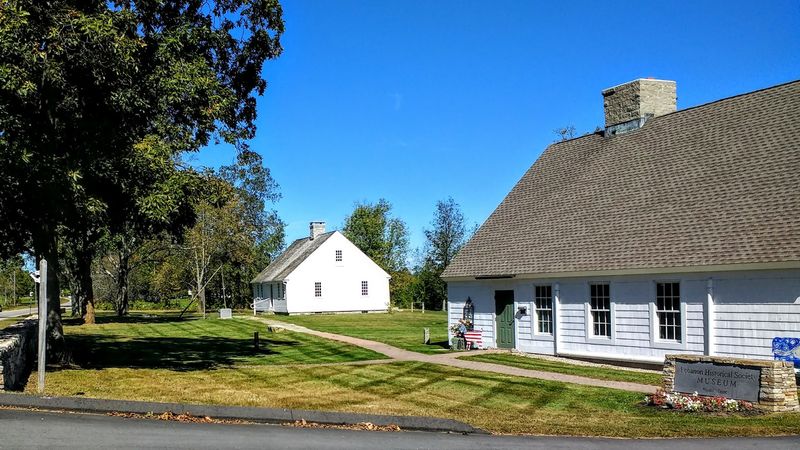
Revolutionary history feels especially vivid in Lebanon, a town widely known as the “Heartbeat of the Revolution.” The museum brings that legacy to life through exhibits, family activities, research resources, and stories connected to the historic mile-long Green.
Visitors can begin with an introductory film before exploring displays that trace thousands of years of community history.
The hands-on room invites children to practice military drills and interact with the past, while Revolutionary War exhibits offer deeper insight into the people and events that shaped the town.
Changing displays give returning guests new material to discover, and the research library holds primary and secondary sources for genealogy and local history projects.
The Lebanon Historical Society Museum and Visitors Center welcomes guests at 856 Trumbull Highway, just east of the Green. A separate information center provides brochures and visitor materials around the clock.
The nearly nine-acre campus also includes several historic buildings, some of which offer seasonal tours.
Museum hours are Wednesday through Saturday from noon to 4:00 p.m., excluding holidays, and admission is free. Research appointments are recommended, especially for genealogy work.
Parking is available on-site, and the accessible grounds include outdoor space where families can enjoy a picnic during warmer weather.
9. Leffingwell House Museum, Norwich
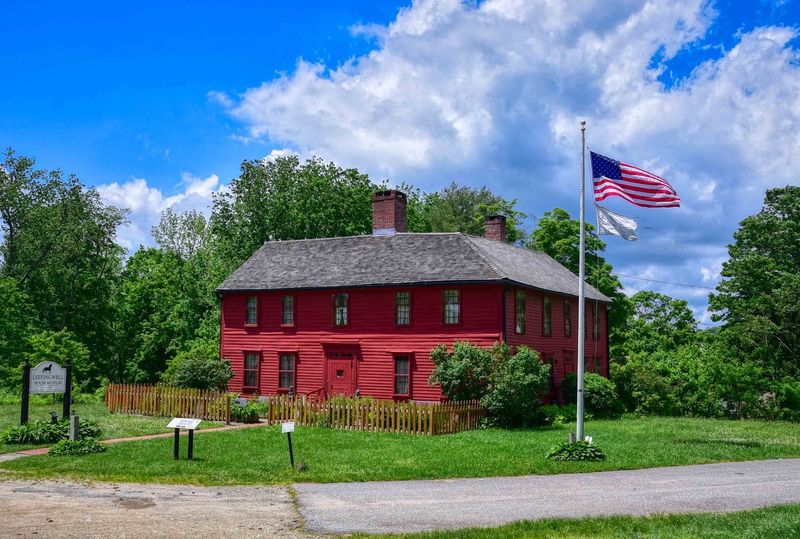
Starting life as a modest two-room dwelling in 1675, this building has been reinventing itself ever since.
The Leffingwell House Museum stands at 348 Washington Street, Norwich, CT 06360, and by 1776 had become the elegant townhouse of Christopher Leffingwell, a Norwich Patriot whose business connections proved vital to supplying the Continental Army.
General George Washington himself visited the property during the Revolutionary War to seek provisions and support from Colonel Leffingwell.
Inside, artifacts and furnishings trace the architectural evolution of the house across multiple centuries, spanning the founding of Norwich in 1659 all the way through the Civil War era.
Knowledgeable interpreters bring the independent spirit of early America to life with engaging storytelling that avoids feeling overly scripted.
Adjacent to the main house, the Joseph Carpenter Silversmith Shop, built in 1772, offers a fascinating look at colonial craftsmanship and trade.
The museum operates seasonally from April through October, with Saturday hours from 11:00 a.m. to 3:00 p.m., and tours can also be arranged by appointment. Admission is $8 per person, with children aged five and under admitted free.
Separate admission of $5 applies to the Silversmith Shop, and a gift shop on the premises carries books and historical souvenirs.
10. Fort Griswold Battlefield State Park, Groton
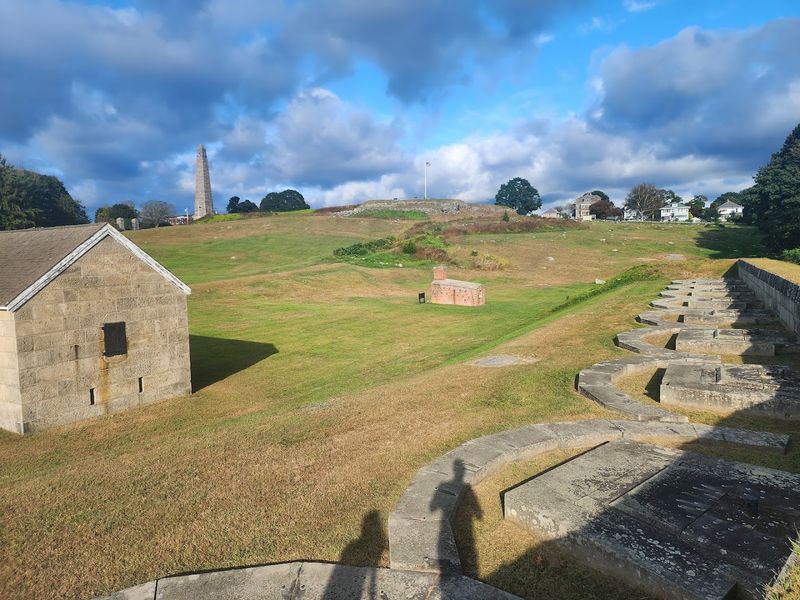
A pivotal Revolutionary War battle comes into sharp focus at Fort Griswold Battlefield State Park, where British troops under Benedict Arnold overwhelmed American defenders on September 6, 1781.
Of the 165 patriots at the fort, 88 lost their lives, including commander Colonel William Ledyard.
The clash, remembered as the Battle of Groton Heights, left a powerful legacy across the region.
Today, visitors can explore the fort’s original earthworks, ramparts, stonework, cannons, and memorials while following the story across the grounds. The restored Ebenezer Avery House recalls the wounded soldiers who found refuge there afterward.
Nearby, the 135-foot Groton Monument rises above the battlefield, offering a striking tribute and, when open, sweeping views from the top.
The Monument House Museum, completed in 1830, features artifacts and exhibits connected to local history and the battle. A recorded six-stop tour also provides added context while visitors move through the park at their own pace.
The entrance is near Park Avenue and Monument Street in Groton. Grounds are generally open daily from sunrise to sunset, while the monument, museum, and Avery House follow seasonal schedules.
Admission is free, parking is available, and leashed pets may accompany visitors outdoors. Before traveling, check opening dates for the historic buildings and special programs planned during the season.