9 Connecticut Places Where Tick Populations Are Highest This Fall
Adult blacklegged ticks don’t quit when the leaves turn. In fact, fall is when the grown-ups get busy, and they can stay active on any day that creeps above freezing.
That surprised me the first time I learned it. Most of us pack away the bug spray right when these little hitchhikers are hunting hardest.
They wait on grass tips and low brush, arms out, ready to grab a passing leg.
Connecticut gave Lyme disease its name, so ticks are kind of a local celebrity here. The woods, swamps, meadows, and shoreline trails that make autumn so pretty are also prime tick territory.
I’m not saying skip them. I’m saying go smarter.
So which beloved trails deserve tucked-in pants, a good repellent, and a careful check when you get home?
1. Pachaug State Forest
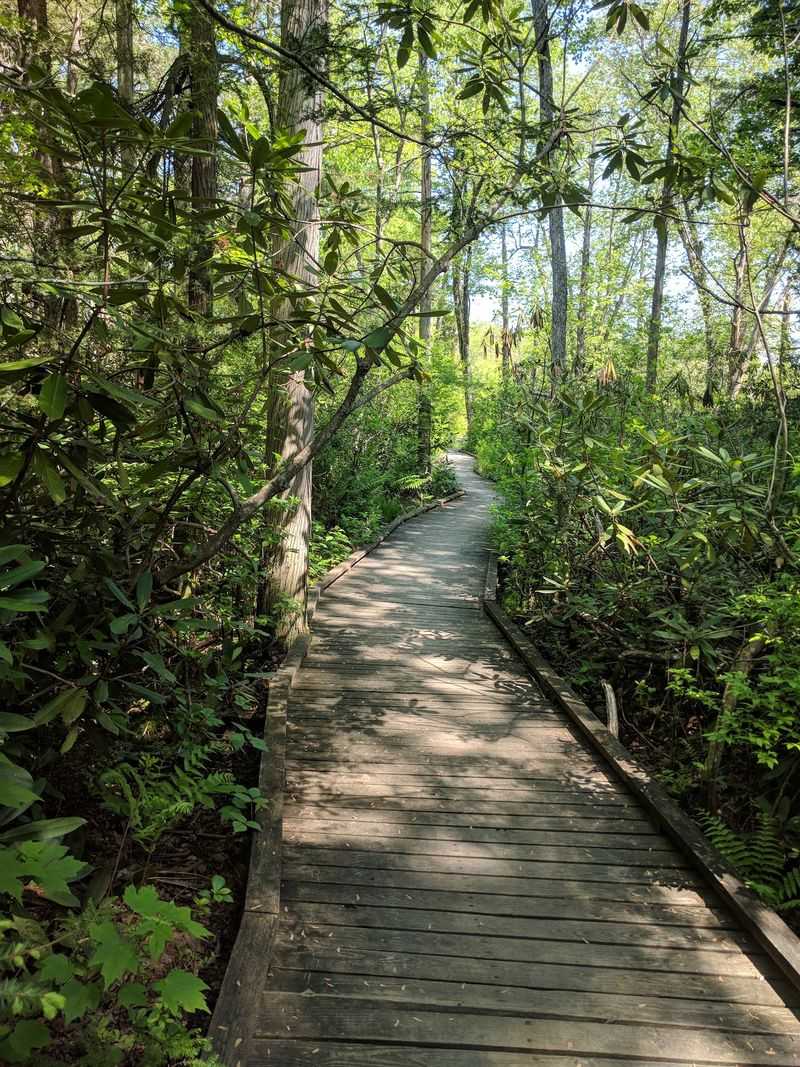
When a forest stretches over 27,000 acres, ticks get a lot of real estate. Pachaug is the largest forest in state’s forest system, and it’s wild in the best way.
You’ll find ponds, streams, ravines, and glacial fields here. There’s also the Pachaug-Great Meadow Swamp, a National Natural Landmark known for its Atlantic white cedar swamp.
Damp, shady ground like that is a tick’s dream home. Leaf litter holds moisture, and brushy edges give ticks perfect spots to wait for you.
The 30-mile Pachaug Trail is a big draw for serious hikers. Long miles mean more chances to brush against something with eight legs, so plan your stops.
A quick check at each break helps a lot. Look at your socks, waistband, and behind your knees before moving on.
Fun fact time. The name Pachaug comes from an Indigenous term meaning bend or turn in the river.
The forest also offers backpacking and horse camping, and campers can bring two pets per site. If your dog tags along, talk to your vet about tick prevention first.
Hunting happens nearby in fall too. Bright orange clothing makes you easier to spot, and light colors make ticks easier to see.
Address: Route 49, Voluntown, CT 06384
2. Sleeping Giant State Park

A giant taking a nap in Hamden? Well, sort of!
The park’s rocky ridge looks just like one stretched out for a snooze. But watch where you step.
Ticks love hiding in those fallen leaves!
With about 30 to 40 miles of trails, this park pulls big weekend crowds. It can even reach capacity, so early arrival is smart.
Dense deciduous forest covers much of the giant. That means thick fall leaf piles, which are exactly where ticks like to hang out.
The 1.6-mile Tower Trail is the crowd favorite. It leads to a stone observation tower built in the 1930s as part of a New Deal program.
From the top, you can see the New Haven skyline and Long Island Sound. Just don’t sit down in the leafy edges while you snack and soak it in.
Staying in the middle of the trail is your best move. Ticks can’t jump, so they rely on you brushing past grass and shrubs.
Bringing your pup? Leashed pets are allowed on hiking trails, so give them a full rubdown check afterward, especially around ears and toes.
Here’s a cool bonus. The park’s trail system was state’s first National Recreation Trail, which feels like a good reason to explore it carefully.
Address: 200 Mount Carmel Avenue, Hamden, CT 06518
3. Naugatuck State Forest
Deer are a tick’s favorite taxi, and this forest has plenty of them. White-tailed deer roam here alongside wild turkeys and eastern coyotes.
Naugatuck State Forest covers nearly 5,000 acres split into five separate blocks. Those pieces spread across towns like Oxford, Beacon Falls, Bethany, and Cheshire.
The mix of habitat is huge. Woodlands, grasslands, swamps, and ravines all sit within the Naugatuck River valley.
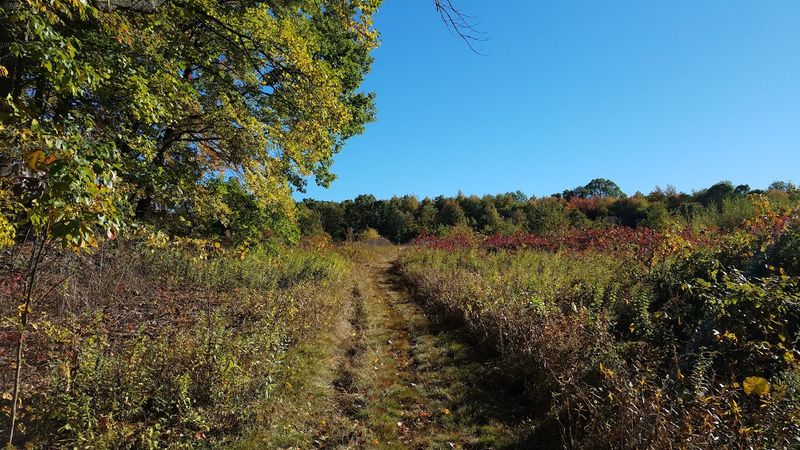
Grasslands deserve extra caution. Tall grass is like a tick bus stop, and you’re the bus.
Trail fans can follow the blue-blazed Quinnipiac Trail or the Naugatuck Trail. Mountain bikers and horseback riders have their own paths, including the Larkin Bridle Trail.
Riding a bike doesn’t make you tick-proof. Pull your socks over your pants and spray repellent on shoes and lower legs.
I love the story behind this place. Harris Whittemore made the first land purchases in 1921, and the land was donated in his memory in 1931.
The forest grew back on old industrial and farm land. That comeback is great for wildlife, which also means it’s great for ticks hitching rides on them.
Toss your dry clothes in a dryer on high heat for 10 minutes to kill ticks. Damp clothes may need additional drying time.
Address: 320 Beacon Road, Bethany, CT
4. Macedonia Brook State Park
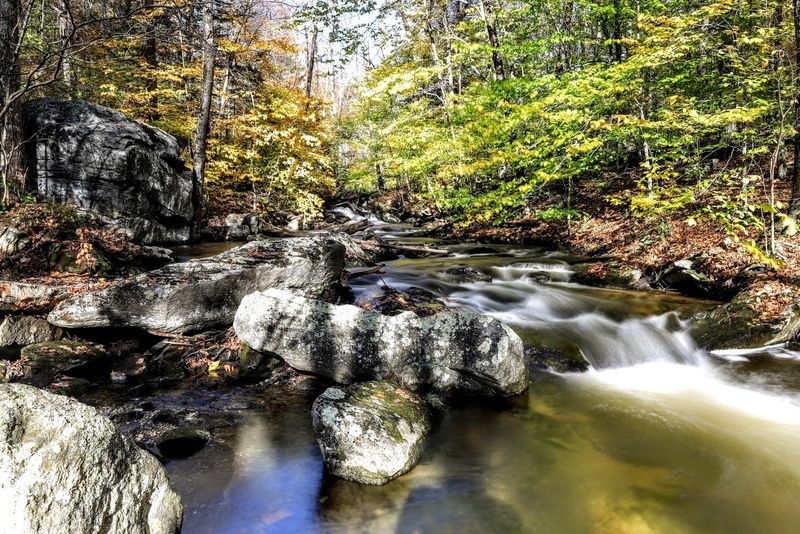
Good luck getting a signal out here! Cell service is spotty at best.
And your phone won’t be much help with tick reminders. Better check yourself the old-fashioned way!
Hidden in Kent, this 2,302-acre park is all rolling hills, mountains, and steep valleys. Springs and streams pop up all over, keeping the ground nice and moist.
Moist ground plus fallen leaves equals happy ticks. Fall hikers should treat this park with respect and a good repellent.
The blue-blazed Macedonia Ridge Trail is the star. It crosses Cobble Mountain and gives you views of the Catskill and Taconic mountains.
That trail is challenging, so you’ll be stopping to catch your breath. Use those breaks to scan your legs instead of plopping onto a mossy log.
History buffs, take note. Remnants of an old iron forge are still visible here.
The campground has 51 rustic sites and runs seasonally. For 2026, the camping season ended on Monday, September 7.
Pets aren’t allowed in the campground, though leashed dogs can use trails and picnic areas. Check them closely before they hop back in the car.
A shower within two hours of hiking is a solid habit. It helps you spot and wash off ticks that haven’t latched yet.
Address: 159 Macedonia Brook Road, Kent, CT 06757
5. Hammonasset Beach State Park
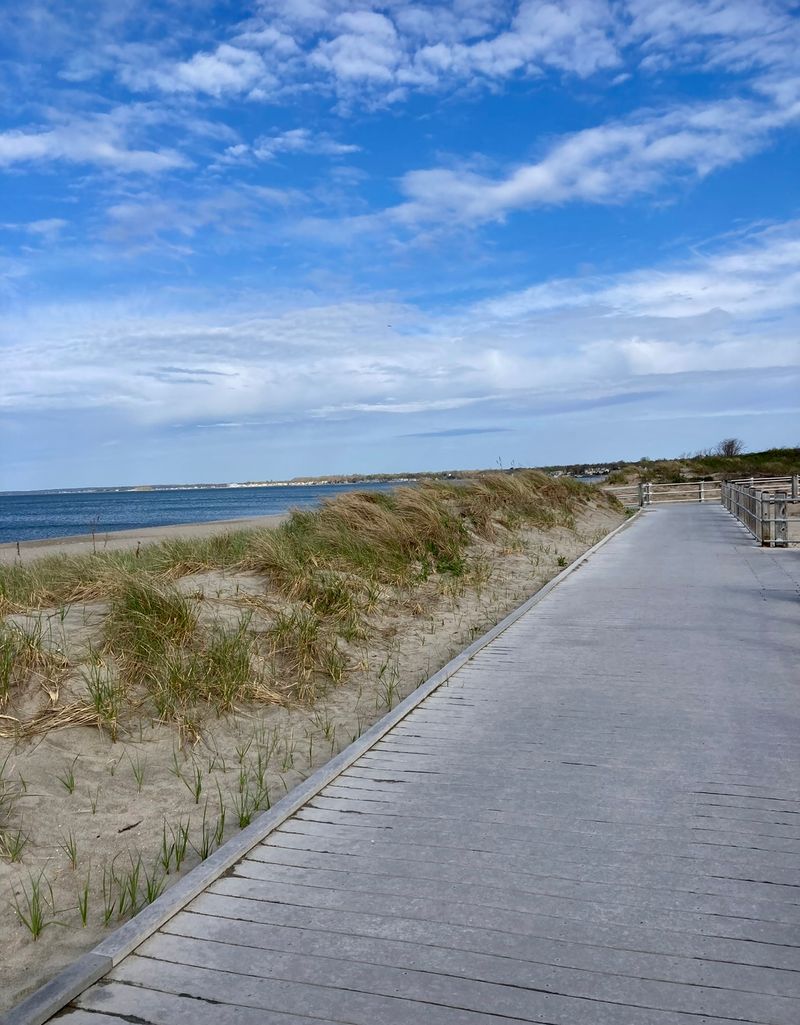
Sand and sea breezes sound tick-free, right? Not so fast, because Hammonasset has more than just beach.
It’s state’s largest shoreline park, with over 2,000 acres. Along with two miles of sandy beach, you’ll find tidal marshes and grassy dunes.
Those grassy edges are where ticks lurk. The open sand is usually safer than the tall plants lining it.
A 3.4-mile paved multi-use trail makes things easier. Paved paths keep you away from brushy spots, which is a big win in fall.
Bird lovers flock here too. Shorebirds, waterfowl, and migratory birds use the park’s habitats, and birds can carry ticks into new areas.
The Meigs Point Nature Center offers exhibits and programs. It opened in its current form in 2016, and it’s a fun stop for curious kids.
Here’s a quirky history bit. The park closed during World War II when the U.S.
Army used it as a military reservation.
The campground stays open into October, with 556 campsites and 8 rustic cabins. Campers should check each other every evening, like a family tick inspection party.
Leashed pets can use picnic areas and walkways. They aren’t allowed on the beach, boardwalk, or in the campground.
Address: 1288 Boston Post Road, Madison, CT 06443
6. Greenwich Audubon Center
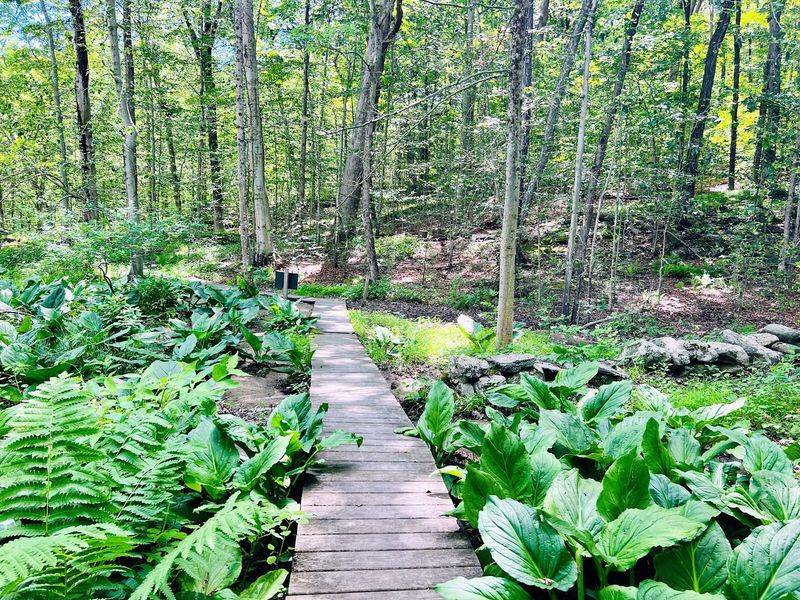
Hawk watchers tilt their heads up every September here. Meanwhile, ticks are looking the other way, right at your ankles.
The center was the first environmental education center of the National Audubon Society. Its main sanctuary covers 295 acres with 7 miles of trails.
Those trails pass hardwood forests, old fields, a lake, streams, and vernal ponds. Old fields can be grassy and brushy, so stay on the path.
Fall is a big deal here. The center is a top Northeast spot for watching raptors migrate, and it hosts a Hawk Watch Weekend Festival each September.
Standing still with binoculars is fun. It’s also when ticks get the chance to crawl up, so do a quick check between hawks.
Stone walls and an old apple orchard are part of the landscape. Original New England homestead buildings add even more charm.
Leave Fido at home. Pets aren’t allowed on the property, and trails are foot traffic only.
Trail access may be limited from early fall through mid-winter for land management, mostly on weekdays and early mornings. Plan your visit with that in mind.
The building is open Thursday through Sunday. Inside, the Wildlife Viewing Window lets you watch nature with zero tick risk.
Address: 613 Riversville Road, Greenwich, CT 06831
7. Housatonic Meadows State Park
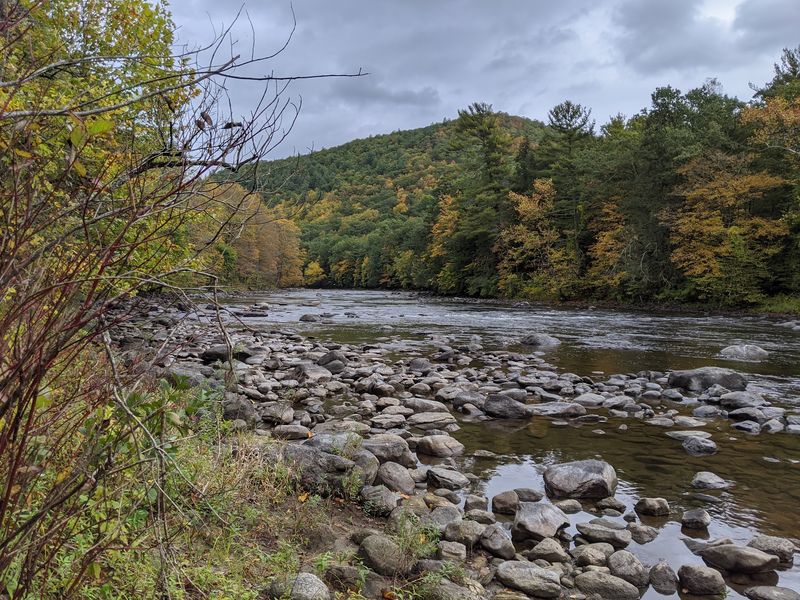
The Appalachian Trail runs right through this park. Long-distance hikers know ticks love that famous footpath as much as people do.
Housatonic Meadows covers 452 acres in the Housatonic River Valley. Rugged hills and tall pines frame the scene in Sharon and Cornwall.
The word meadows is your clue. Grassy, brushy riverbanks give ticks perfect perches in the fall.
Anglers flock here for a reason. A two-mile stretch of river is set aside for catch-and-release fly fishing for trout and bass.
Wading through bankside grass to reach a good spot is classic tick territory. Treated clothing and tall boots can help you fish with fewer surprises.
Swimming isn’t allowed in the river within the park. The currents are strong, so keep your adventures on the bank or in a canoe.
The park dates back to 1927. That’s nearly a century of hikers, paddlers, and picnickers enjoying this valley.
The 2026 campground season closes Monday, September 7. So fall visitors here are day-trippers, which still gives ticks plenty of chances.
Leashed dogs are welcome in many park areas. Run your fingers through their fur afterward, especially around the collar.
Address: 90 US-Route 7, Sharon, CT 06069
8. Elizabeth B. Karter Watch Rock Preserve
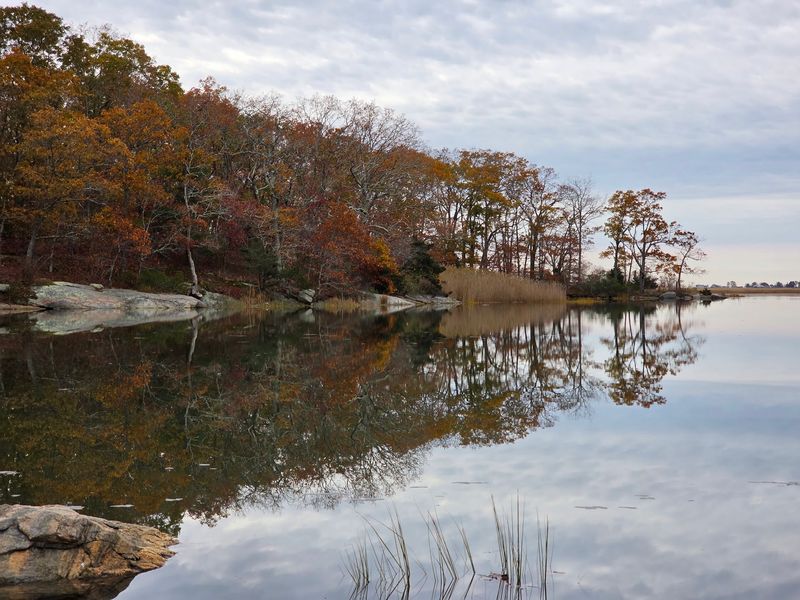
Just 25 acres? Sounds like a quick little walk!
But don’t skip that tick check. Even small preserves have plenty of woodland edges where ticks love to hang out.
Watch Rock sits where the Duck River meets the Connecticut River. Long Island Sound is just downstream.
The trails are mostly flat and easy for any age. That makes it a great family pick, as long as everyone gets checked after.
The landscape mixes deciduous and coniferous forest with rocky patches. Fallen leaves under those trees give ticks a comfy place to rest.
The views are the payoff. You can spot the Old Saybrook lighthouses, tidal flats, and lots of waterfowl.
Benches dot the preserve for bird watching. Benches are a smarter seat than a leafy patch of ground, so use them.
Crabbing is a popular activity here too. Kids love it, and you’ll love that the rocky shoreline has fewer ticks than the brush.
The history is fascinating. Archaeological evidence suggests Indigenous peoples lived here from 2500 B.C. until European contact.
In 1970, Loctite bought the land for a headquarters. The Old Lyme Land Trust stepped in and protected it in 1986.
Leashed dogs are welcome. Note that the preserve closes on weekends between Memorial Day and Labor Day.
Address: Joel Road, Old Lyme, CT
9. Branford Supply Ponds Preserve

Off-leash dogs are allowed on part of this preserve, which is great news for pups. It’s also great news for ticks looking for a furry ride.
Branford Supply Ponds covers about 1,100 acres, including the original 330-acre Supply Ponds. Dogs can roam off-leash on that 330-acre section.
Free-running dogs dash through brush and leaves. Check them carefully, and ask your vet about a good tick preventive.
The preserve has about 17 miles of hiking and biking trails. Colored loops like Blue, Green, Yellow, and Red help you find your way.
Ponds, marshes, and forest all meet here. Damp ground near water stays humid, and ticks hate drying out.
Keep your eyes open for fun sights. You might spot swans, turtles on turtle rock, and plenty of birds.
There’s a fish ladder by the dam. A historic ice house from 1913 adds a neat throwback touch.
Branford bought the ponds from the New Haven Water Company around 1969 or 1970. It was the town’s very first open space purchase.
Parking can get tight on busy days. Arrive early, and keep a lint roller in the car for a quick clothing sweep.
Address: Short Rocks Road, Branford, CT 06405