Deep In A California Redwood Forest, The Haunting Ruins Of A Once-Thriving Industrial Empire Still Stand
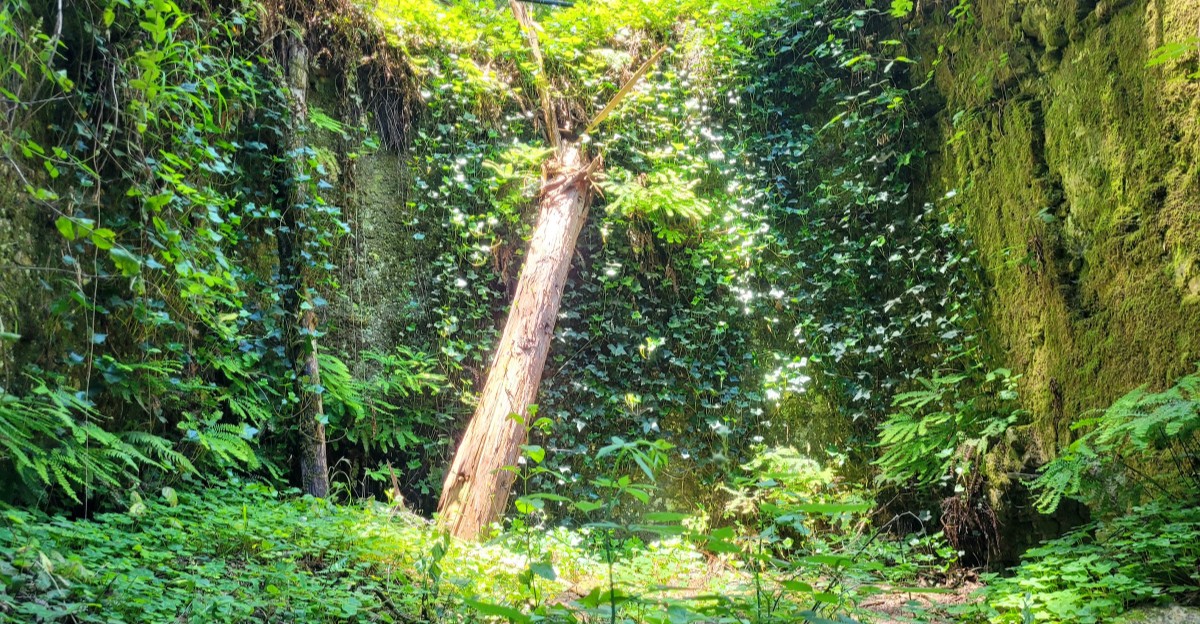
Giant stone ovens once roared at about 1,700 degrees deep inside a quiet redwood forest. Today, ferns and moss are slowly swallowing them whole.
Those ovens cooked chunks of limestone for three to four days at a time. Workers fed the fires around the clock, burning huge piles of redwood to keep them going.
The lime they made helped build San Francisco. Then the whole operation went silent, and the forest started taking its land back.
I love when a place has something unexpected up its sleeve. A hike through California redwoods is lovely on its own, but stumbling onto castle-like stone ruins is another story.
These Stone Giants Look Like Something Out Of A Fairy Tale
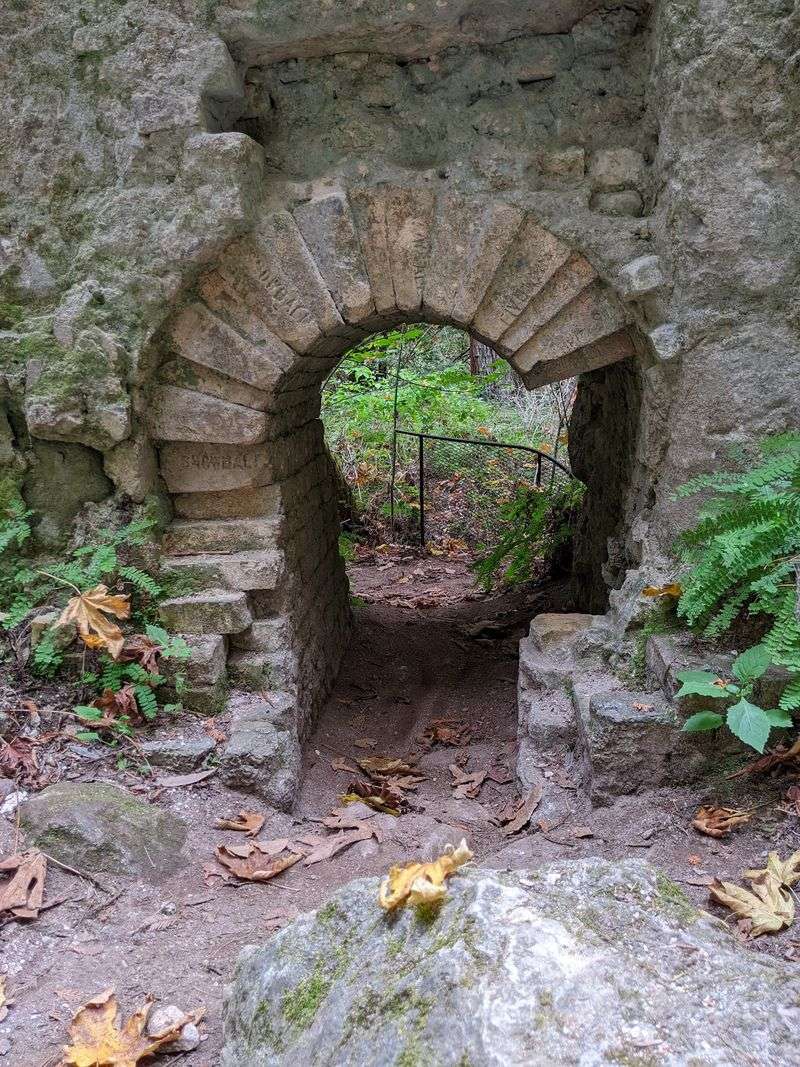
Moss-covered stone towers rise from the forest floor like a castle someone forgot to finish. Some people compare them to storybook castles, while others say they look like short, stone-built tunnels.
Meet the Old Lime Kiln Ruins, sometimes called the IXL Lime Kilns after the company that built them. They sit in the Fall Creek Unit of Henry Cowell Redwoods State Park in Felton.
Size is the first surprise here. These kilns are big, solid structures, and they feel far larger in person than any photo suggests.
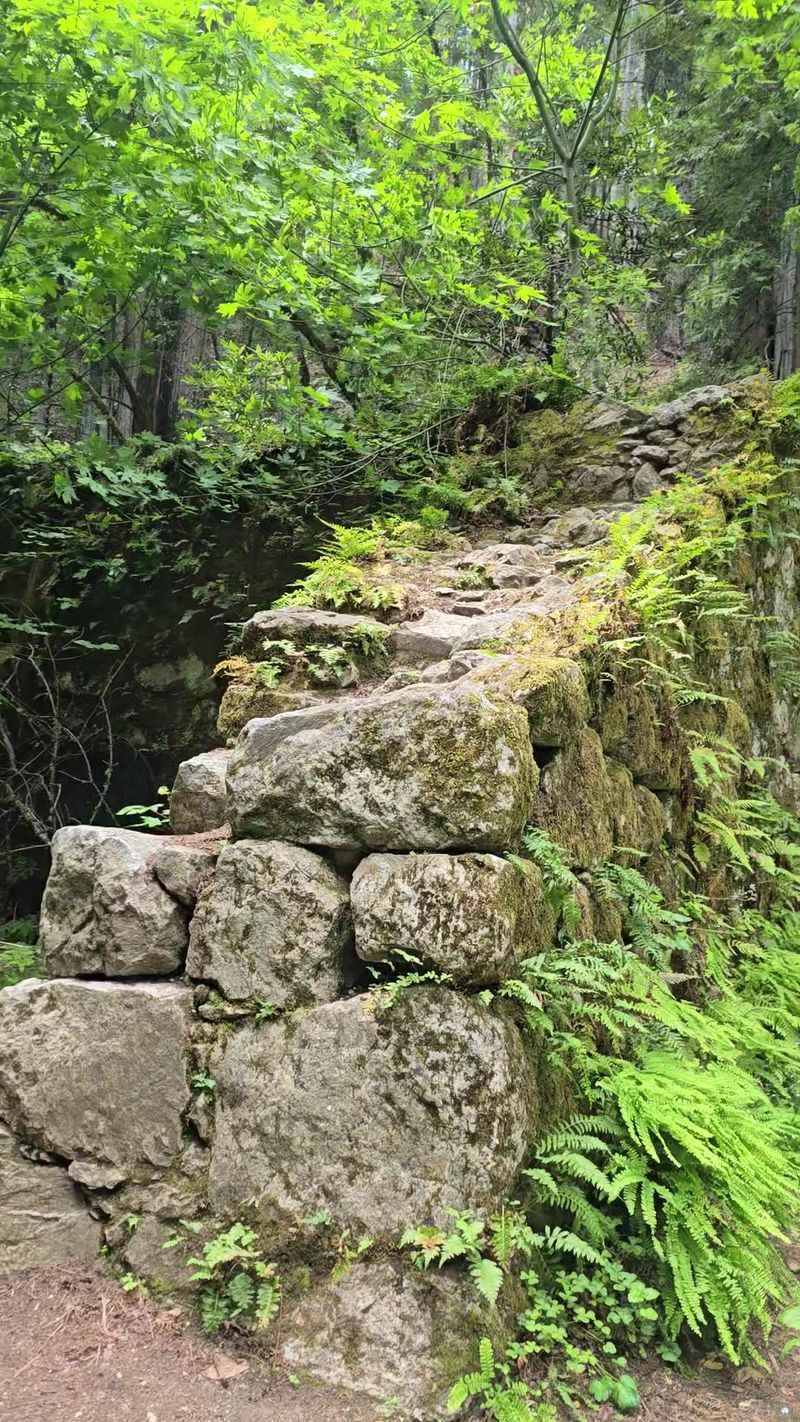
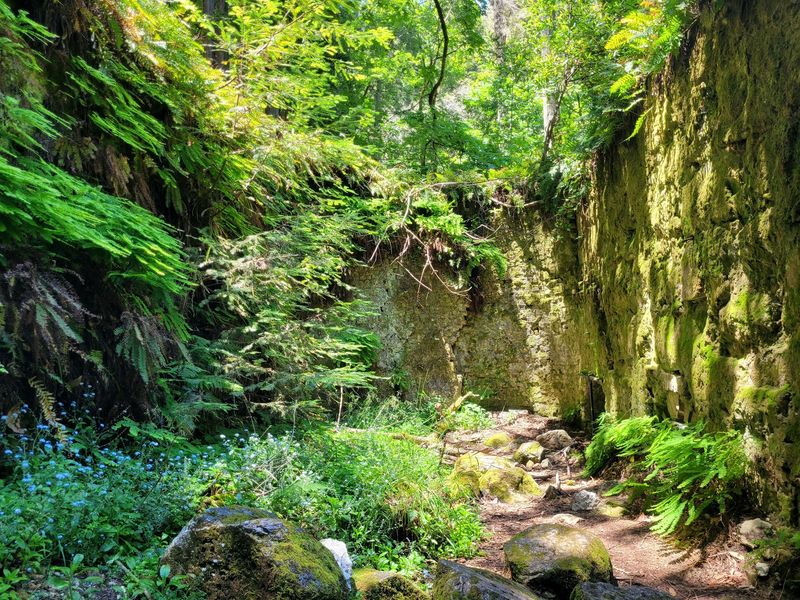
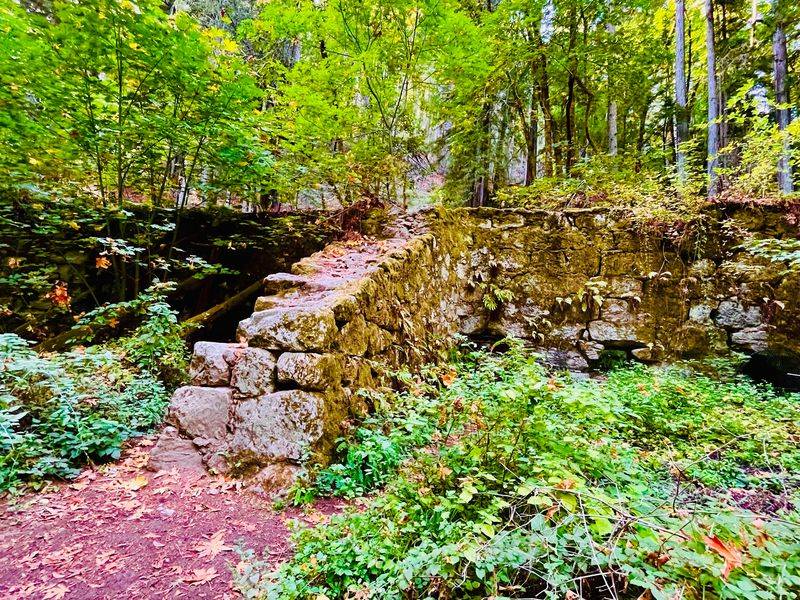
Green moss and ferns cling to nearly every stone. That soft coating makes the ruins look ancient, even though they date back only to the 1870s.
The mix is what makes the spot so memorable. You get a peaceful redwood forest and a slice of rough industrial history in the same frame.
An information board stands near the kilns to explain their story. Take a minute to read it before you start snapping pictures.
Bring a camera with a decent low-light setting. The tall trees keep things shady, so the mossy stone can look dark in quick phone shots.
The Fires Burned Hotter Than You Would Believe
About 1,700 degrees Fahrenheit. That was the temperature inside these kilns when crews cooked limestone into lime.
The process was slow and brutal. Each batch of rock baked for three to four days straight, so the fires could never quit.
Two men worked 12-hour shifts to keep the flames roaring. Picture pulling a night shift beside a furnace in the middle of the woods, with no coffee shop nearby.
Fuel was the other huge job. A single firing could consume about 70 cords of redwood, an enormous amount of fuel for just one kiln.
The intense heat converted the limestone into quicklime by driving off carbon dioxide, and workers removed the finished material after it cooled.
Standing near the old stone openings today, it is hard to imagine all that heat and smoke. The air feels cool and damp, and the loudest sound is often the nearby creek.
Look closely at the stonework while you are there. Those walls had to survive years of extreme heat, which explains why they are still standing more than a century later.
An Empire That Helped Build San Francisco
Santa Cruz County once supplied up to 80 percent of the lime used in California. That is a giant slice of the market coming from a few forested hills.
The IXL Lime Company built the Fall Creek kilns in the mid-1870s. Its first batch came out in 1875, and its headquarters sat far away in San Francisco.
Around 1900, industrialist Henry Cowell bought the IXL operation. He already owned plenty of lime holdings in the area, so this purchase grew his reach even more.
His family’s land later became much of the state park you hike through today. Funny how a business empire ended up protecting the very forest it once used.
The lime from this region was prized for quality. It was especially important when San Francisco rebuilt after the 1906 earthquake.
So when you stand beside the Old Lime Kiln Ruins, you are looking at a small piece of that rebuilding story. Some of the city’s old walls may hold lime that started its journey right here.
That connection makes a simple forest hike feel a lot bigger.
Real People Did The Heavy Lifting Out Here
Behind every stone in these kilns stood a crew of hardworking people. Many of them were immigrants from Portugal, Italy, Ireland, and other European countries.
The jobs were tough and varied. Workers quarried rock, chopped wood, made barrels, and kept the kilns fired up day and night.
Life in a remote redwood canyon in the late 1800s was no vacation. The work was physical, the hours were long, and the heat from the kilns was intense.
Thinking about those workers changes how the ruins feel. These are not just pretty stones in a pretty forest.
They are proof of real effort by people who came a long way for a chance at steady work. Their labor helped supply lime for buildings across California.
Take a quiet moment at the site to appreciate that. The forest is calm now, but it once rang with axes, hammers, and voices in several languages.
Kids especially might enjoy guessing which job they would pick. Barrel maker usually sounds a lot better than kiln stoker once they learn about the heat.
Follow The Lime On Its Long Trip To The City
Making the lime was only half the battle. Getting it to customers took a whole chain of wagons, trains, and ships.
After cooling, the lime was packed into barrels. Horse-drawn wagons then hauled those barrels to the train depot in Felton.
From there, the barrels rode the rails to Santa Cruz. Ships carried them the rest of the way to San Francisco.
That is a lot of handling for one load of powder. It also explains why barrels mattered so much to the whole operation.
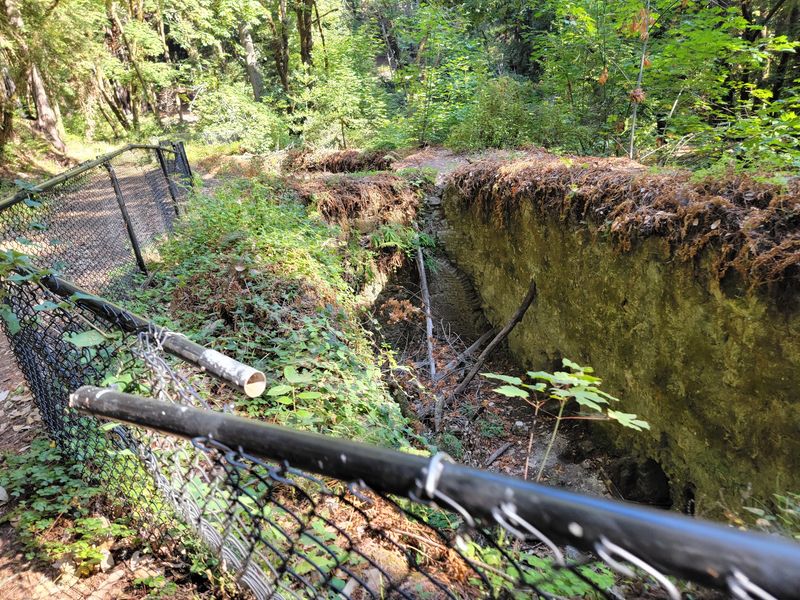
Along the trails, you can find remnants of a barrel mill site. It was a key part of packaging the lime before it ever left the woods.
Adding the barrel mill to your hike gives you a fuller picture of how the business worked. You see where the lime was made and where it got ready to travel.
Check a trail map before heading out so you know where each historic stop sits. The Fall Creek Unit has several trails, and a little planning helps you catch more of the history in one visit.
Pick Your Trail And Lace Up Your Shoes
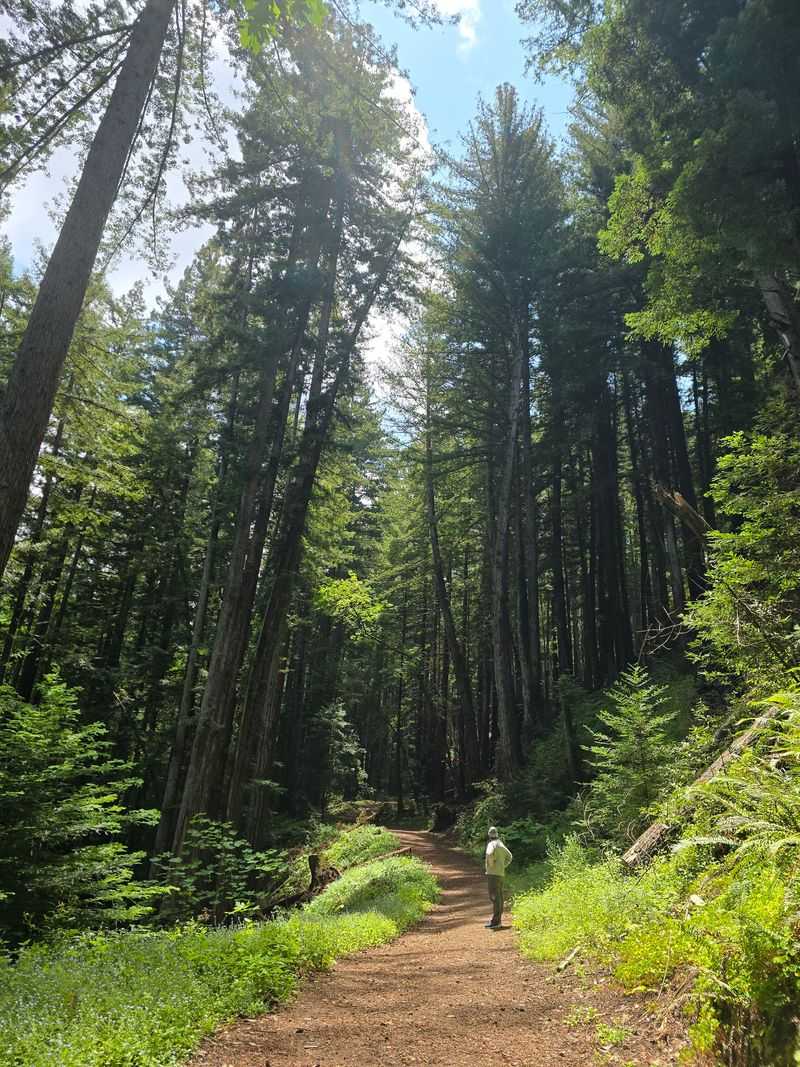
Reaching the ruins takes a hike, and that is half the fun. The shortest route is about a mile to the kilns, or roughly three miles round trip.
Want more of a workout? The Fall Creek and Lost Empire Trail Loop stretches about seven miles.
Trails vary in difficulty. Some parts climb gradually, while others get rugged with roots, rocks, and uneven ground.
Winter can add stream crossings to the mix. Waterproof shoes or boots with good grip are a smart call during the wet months.
The shorter route works well for families and casual hikers. The longer loop suits folks who want a full morning among the redwoods.
Pack water and a snack, even for the short trip. The forest is shady and cool, but those gentle climbs still sneak up on you.
Download a trail map before you go, since cell service in deep canyons can be spotty. A paper map in your pocket never runs out of battery.
Give yourself extra time at the kilns. Most of the reward here comes from slowing down and actually looking around.
The Creek Steals The Show On The Way In
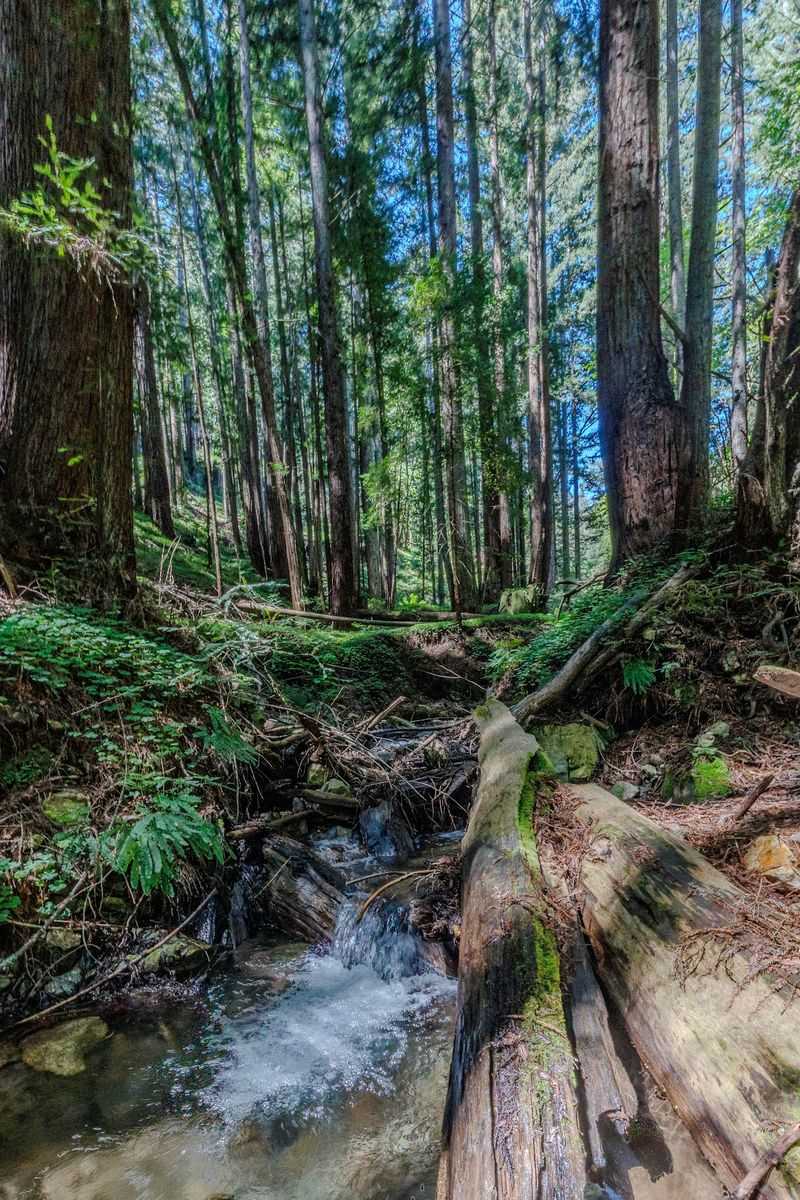
Rushing water follows you for much of the walk. Fall Creek tumbles through the canyon, with tranquil pools tucked between faster sections.
Ferns line the river canyon like a thick green carpet. The whole scene feels lush, damp, and a little magical.
Tall second-growth redwoods tower overhead. Mixed woodlands fill in the gaps, so the forest never looks the same for long.
The sound alone is worth the trip. Flowing water and quiet trees make a pretty great soundtrack for a hike.
The park also includes grasslands, riparian areas, and sandhills. That variety gives wildlife plenty of places to live, so keep your eyes open.
Move slowly and quietly if you hope to spot animals. Birds and small critters tend to vanish fast when a loud group comes stomping through.
Remember to stay on the trail near the water. Creek banks can be slippery, and the plants along the edges are part of what makes this canyon so beautiful.
This California canyon proves that a forest can bounce back. The trees you see grew after the old ones were cut for kiln fuel.
Know The Rules Before You Hit The Trailhead
Parking is limited, so timing matters. The trailhead lot for the Fall Creek Unit sits on Felton Empire Road off Highway 9.
The address tied to the unit is 1101 Felton Empire Road, Felton, CA 95018. Plug that into your map app instead of searching only for the ruins themselves.
Arriving early gives you a better shot at a spot. When the small lot fills, some hikers end up parking along the road and walking a bit farther.
The Fall Creek Unit is open for day use only, from dawn to dusk. All trails here have reopened after closures from the CZU Fire in August 2020.
A few rules keep the place in good shape. Dogs, bicycles, camping, smoking, and fires are not allowed in this unit.
That means leaving the pup at home for this one. It also means a quieter, calmer trail for everyone.
Treat the kilns gently, too. Climbing on old stonework can damage it, and these ruins have already survived more than a century of weather.
Watch The Forest Win The Long Game
In 1919, the Fall Creek kilns went quiet for good. Several changes ended the run all at once.
Cement was taking over as a building material. Limestone supplies were shrinking, and the forest had been heavily cut to feed the fires.
Burning so much redwood left the hills badly thinned out. Without fuel and raw rock, the business simply could not keep going.
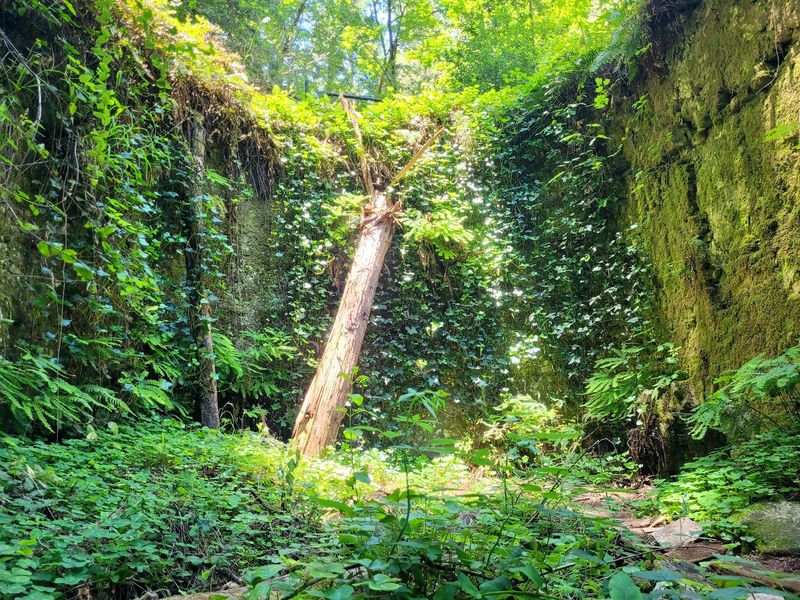
Then nature got to work. A second-growth redwood forest now thrives around the abandoned kilns.
Moss creeps over the stones a little more each year. Ferns crowd the edges as if they own the place, and honestly, they kind of do now.
That slow takeover is what gives the Old Lime Kiln Ruins their haunting charm. You can see both the damage and the comeback in one view.
It is a hopeful lesson tucked inside a history lesson. Forests can heal, even after decades of heavy use.
So when you visit this corner of California, look up as well as around. The trees overhead are the real survivors of this story, and they are still growing.