15 Epic California Road Trips You Need To Take That Belong On Your Bucket List
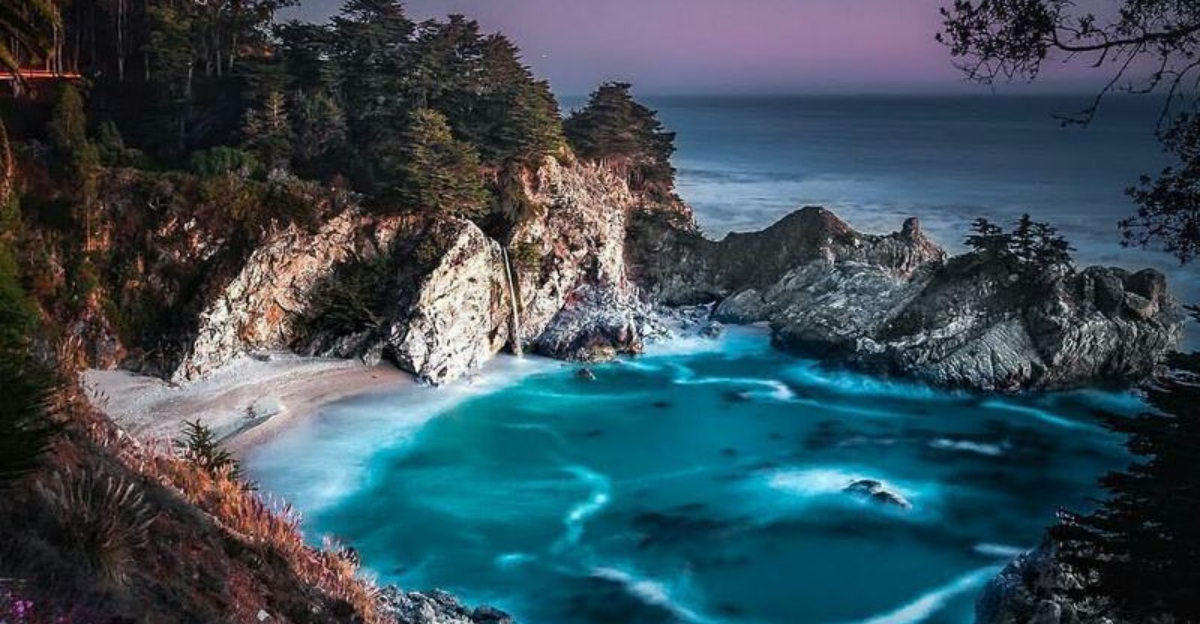
Few places feel as perfectly suited for road trips as the Golden State.
With landscapes that shift effortlessly from towering redwood forests to sunbaked desert valleys, from snow-capped mountain passes to rugged coastal cliffs, every drive feels like a journey through multiple worlds.
The open road here promises more than just transportation – it offers discovery, freedom, and scenery that constantly invites you to slow down and look around.
What makes these drives especially memorable is the way variety unfolds mile by mile. One stretch delivers sweeping ocean views, the next winds through alpine air or leads into historic small towns where time seems to pause.
There’s a rhythm to the road that encourages exploration without hurry, whether you’re chasing sunsets along the coast, climbing into mountain landscapes, or uncovering hidden corners far from major highways.
These California road trips highlight the routes that best capture the spirit of adventure on four wheels, showcasing unforgettable views, iconic landmarks, and the simple pleasure of driving with nowhere else you’d rather be.
When the road feels this rewarding, the journey truly becomes the destination.
1. Pacific Coast Highway
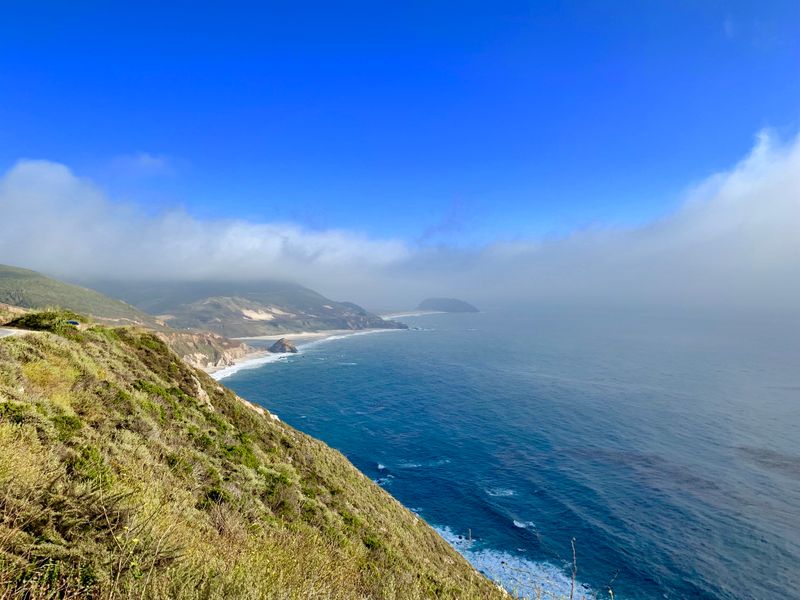
Winding along California’s dramatic coastline, this legendary highway delivers ocean views that seem to go on forever.
The route connects charming beach towns, state parks, and iconic landmarks, making every mile feel like a postcard come to life.
Drivers can stop at Big Sur to witness rugged cliffs dropping into turquoise water, or visit Carmel-by-the-Sea for its fairy-tale cottages and art galleries.
Hearst Castle at 750 Hearst Castle Rd, San Simeon, CA 93452 offers a glimpse into old Hollywood glamour, while smaller stops like Cambria and Cayucos provide quiet beaches and local cafes.
Traffic moves slowly in some sections, especially on summer weekends, so planning extra time helps keep the experience relaxed.
The drive can be done in a day, but spreading it over two or three days allows for hiking, beachcombing, and sunset watching.
Fog often rolls in during morning hours, so midday and afternoon light tends to be clearest for photos. Pullouts along the highway make it easy to pause and take in the scenery without feeling rushed.
2. Eastern Sierra Scenic Byway
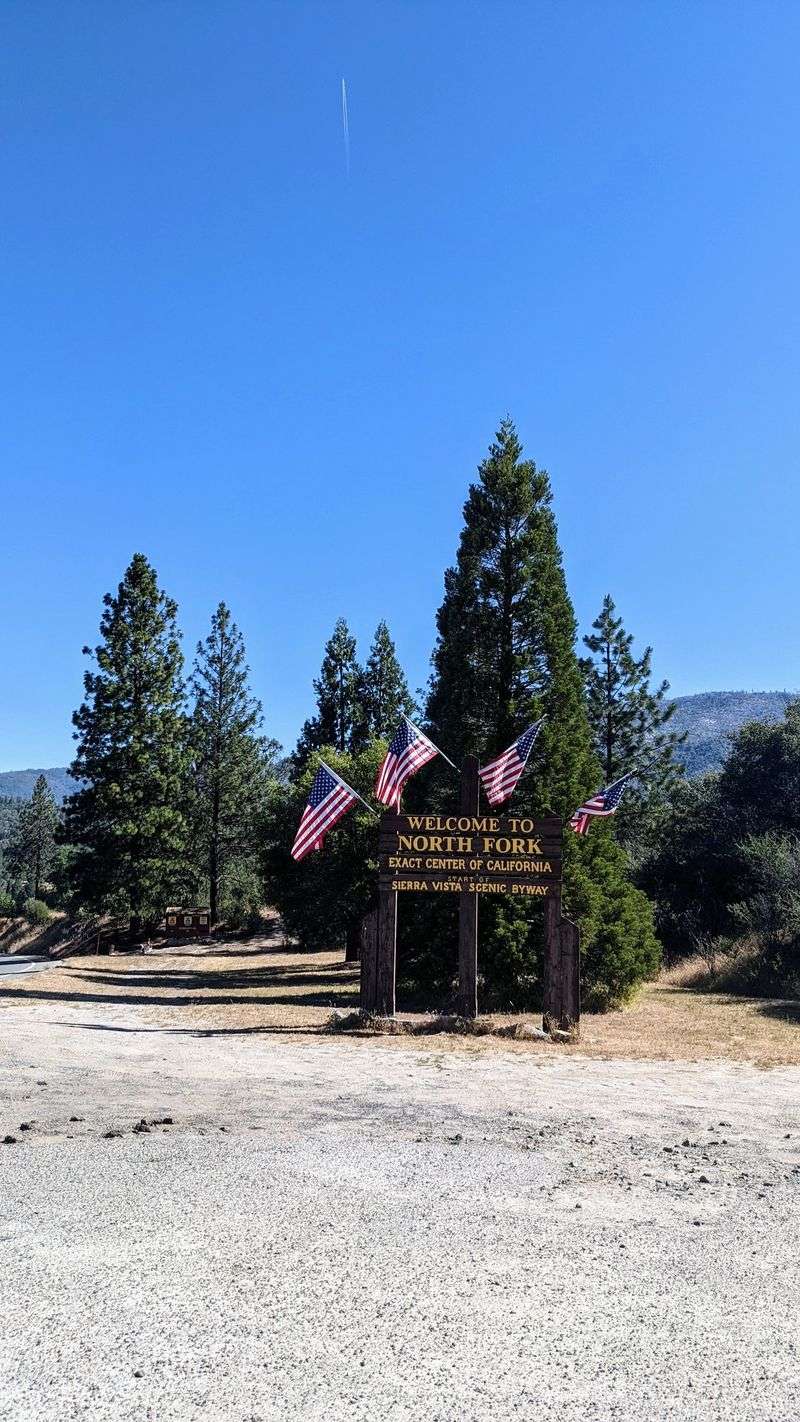
Running parallel to the towering Sierra Nevada range, Highway 395 offers a completely different side of California that many visitors never see.
The landscape shifts from high desert to alpine meadows, with jagged peaks rising sharply to the west and wide-open valleys stretching to the east.
Small mountain towns like Lone Pine, Bishop, and Mammoth Lakes serve as perfect base camps for exploring nearby trails, hot springs, and fishing spots.
Mount Whitney, the tallest peak in the contiguous United States, looms over the Alabama Hills, where countless Western films were shot.
The route also passes Mono Lake, known for its otherworldly tufa towers and birdwatching opportunities.
Fall brings brilliant gold and orange aspens, while spring showcases wildflower blooms at lower elevations.
Winter can bring snow and chain requirements, so checking road conditions ahead of time is smart. Summer weekends draw campers and hikers, but weekdays often feel quieter and more peaceful.
3. Death Valley Loop
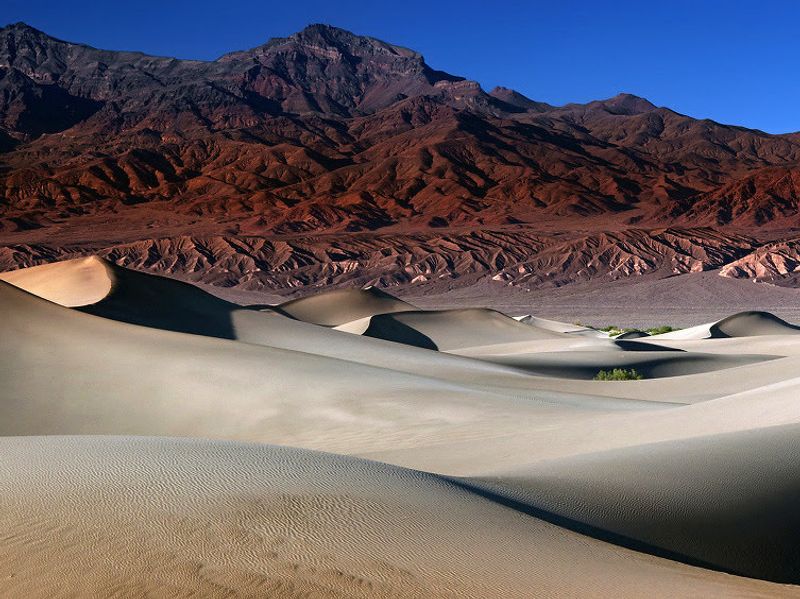
Death Valley might sound harsh, but its beauty is undeniable once you experience the shifting colors of its salt flats, sand dunes, and painted canyons.
The loop drive takes visitors through some of the park’s most striking features, including Badwater Basin, the lowest point in North America, and Zabriskie Point, where layered rock formations glow at sunrise.
Artists Palette showcases hillsides streaked with pink, green, and gold minerals, creating a natural canvas that changes with the light.
Mesquite Flat Sand Dunes offer a chance to walk across rippled sand and feel the quiet vastness of the desert.
Summer temperatures can exceed 120 degrees, making fall through spring the most comfortable seasons to visit. Early morning and late afternoon light bring out the most dramatic shadows and colors.
The park is remote, so filling up on gas and bringing extra water is essential. Cell service is limited, and distances between stops can be longer than they appear on a map.
4. Redwood National And State Parks Drive
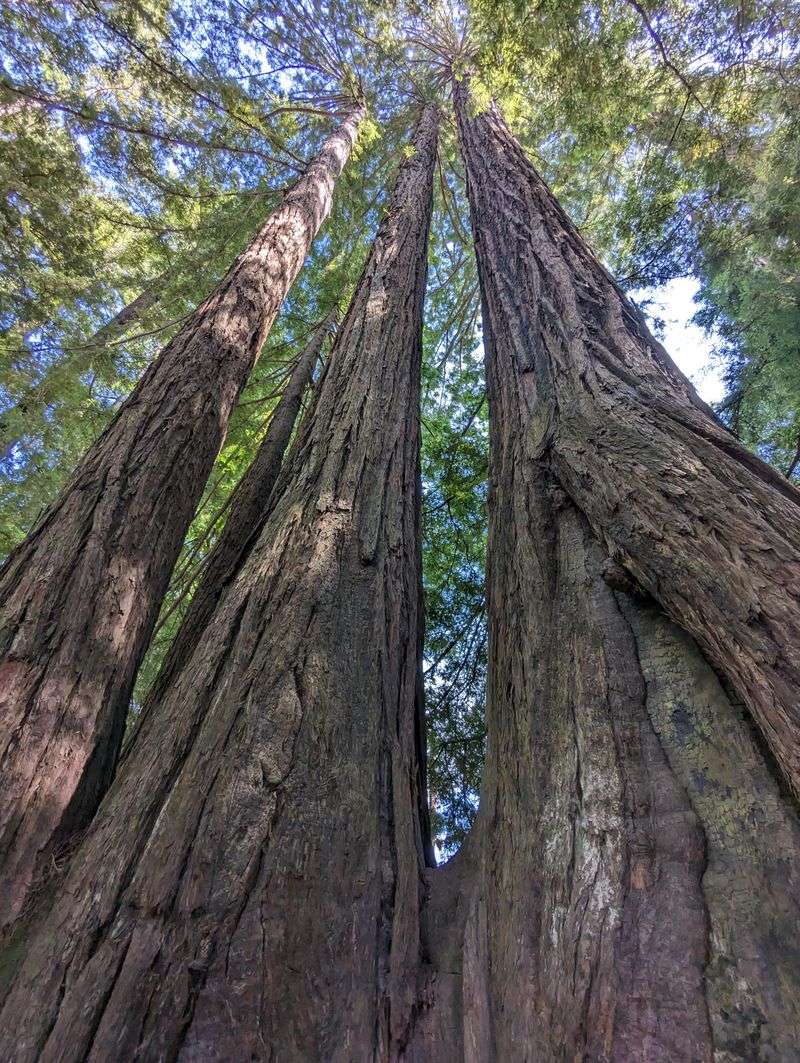
Driving through groves of ancient redwoods feels like entering another world, where sunlight filters through branches hundreds of feet overhead.
The Avenue of the Giants is a 31-mile stretch of old Highway 101 that winds through Humboldt Redwoods State Park at 17119 Avenue of the Giants, Weott, CA 95571, offering close-up views of some of the tallest trees on Earth.
Pullouts and short trails make it easy to step out and walk among the giants, feeling the cool, damp air and soft forest floor beneath your feet.
Some trees are over 1,000 years old, and their sheer size can be hard to grasp until you stand at their base.
The route also passes through small towns like Myers Flat and Phillipsville, where roadside diners and gift shops add a nostalgic touch.
Summer tends to be busy, but spring and fall bring fewer crowds and vibrant green foliage. Fog is common along the coast, which actually helps the redwoods thrive by providing moisture.
The drive pairs well with a visit to nearby Fern Canyon or the coastal bluffs at Trinidad.
5. Napa Valley Wine Country
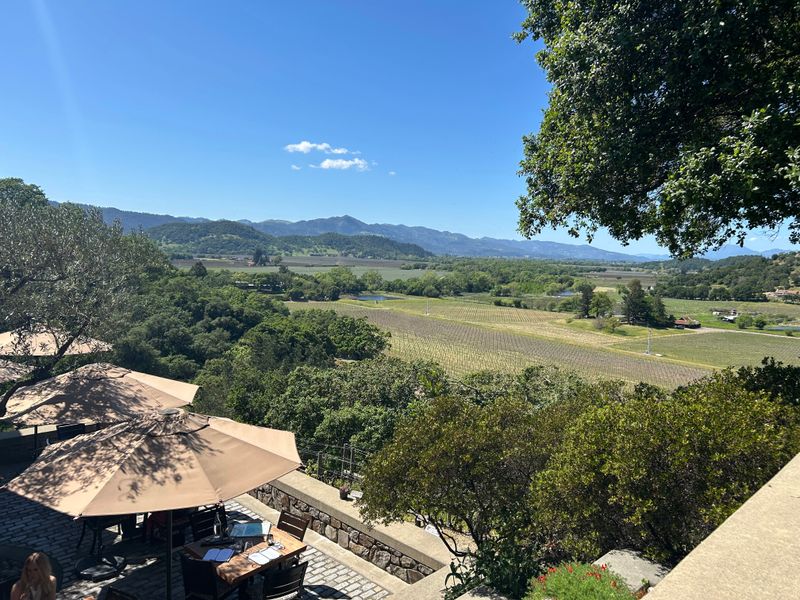
Rolling vineyards, stone wineries, and tree-lined roads make Napa Valley one of California’s most picturesque destinations.
The Silverado Trail runs parallel to Highway 29 and offers a quieter, more scenic route with fewer stoplights and less traffic.
Both roads wind through the heart of wine country, passing estates that range from historic family-owned properties to modern architectural showpieces.
The valley floor is relatively flat, making it easy to explore by car or bicycle. Towns like Yountville, St. Helena, and Calistoga offer farm-to-table restaurants, boutique shops, and tasting rooms.
Spring brings mustard blooms between the vines, while fall harvest season adds golden hues and a sense of celebration.
Weekdays tend to be less crowded than weekends, especially during peak summer and fall months. Many wineries require reservations, so planning ahead helps avoid disappointment.
The drive can be done in a few hours, but most visitors prefer to spend a full day or two to savor the experience without rushing.
6. Sonoma County Backroads
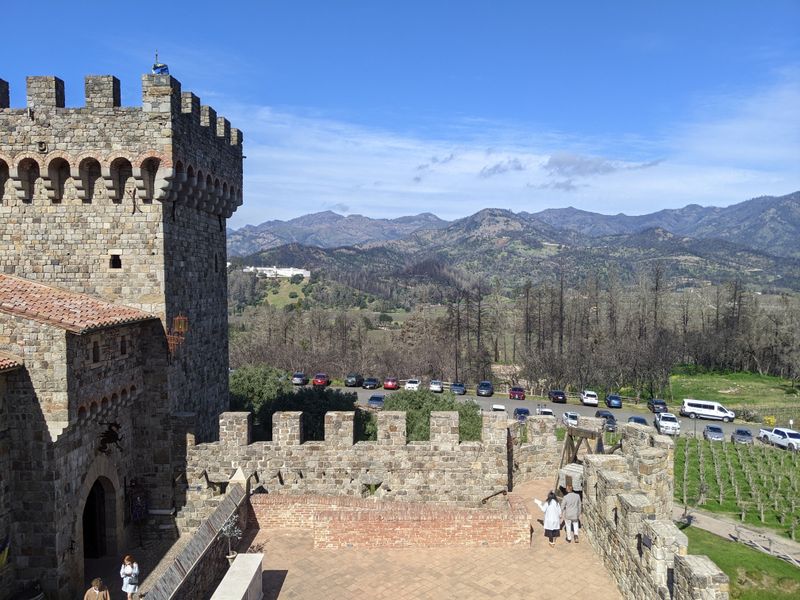
Just west of Napa, Sonoma County offers a more laid-back, rural feel with winding backroads that connect small towns, family farms, and coastal redwoods.
The drive takes visitors through regions like Dry Creek Valley, Russian River Valley, and Alexander Valley, where vineyards share the landscape with apple orchards and pastures.
The pace here feels slower, with fewer tour buses and more chances to stumble upon hidden gems. Towns like Healdsburg, Sebastopol, and Guerneville serve as friendly hubs with farmers markets, local bakeries, and riverside parks.
The coast is only a short drive away, so pairing wine country with a visit to Bodega Bay or Jenner adds variety to the trip.
Spring wildflowers and summer sunshine make the region especially inviting, though fall brings harvest energy and cooler evenings.
Many roads are narrow and curvy, so taking your time is part of the charm. Roadside fruit stands and farm stores offer fresh produce and local honey, perfect for a picnic stop along the way.
7. Joshua Tree Scenic Drives
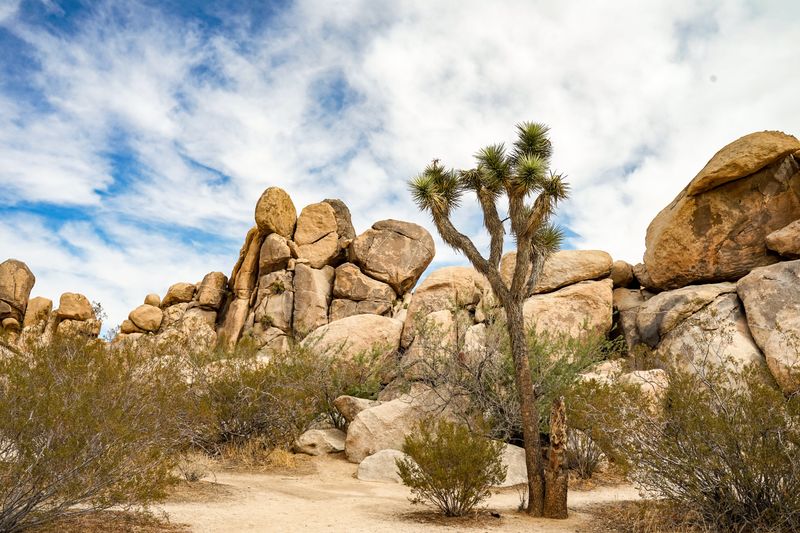
Joshua Tree National Park sits where the Mojave and Colorado deserts meet, creating a landscape filled with twisted trees, giant boulders, and wide-open skies.
The park’s main roads loop through different ecosystems, offering easy access to viewpoints, hiking trails, and rock formations that seem almost sculptural.
Keys View provides a sweeping panorama of the Coachella Valley and, on clear days, views stretching into Mexico.
The Cholla Cactus Garden glows golden at sunset, while Skull Rock and Jumbo Rocks invite exploration and photography.
Spring wildflower blooms can transform the desert floor into a carpet of color, though timing depends on winter rainfall.
The park feels especially magical at sunrise and sunset, when the light softens and shadows grow long. Summer heat can be intense, so fall through spring offers more comfortable conditions for exploring.
The park is popular with rock climbers, stargazers, and photographers, so weekends and holidays tend to draw larger crowds. Bringing plenty of water and sun protection is essential, as shade is limited throughout the park.
8. Monterey Peninsula Loop
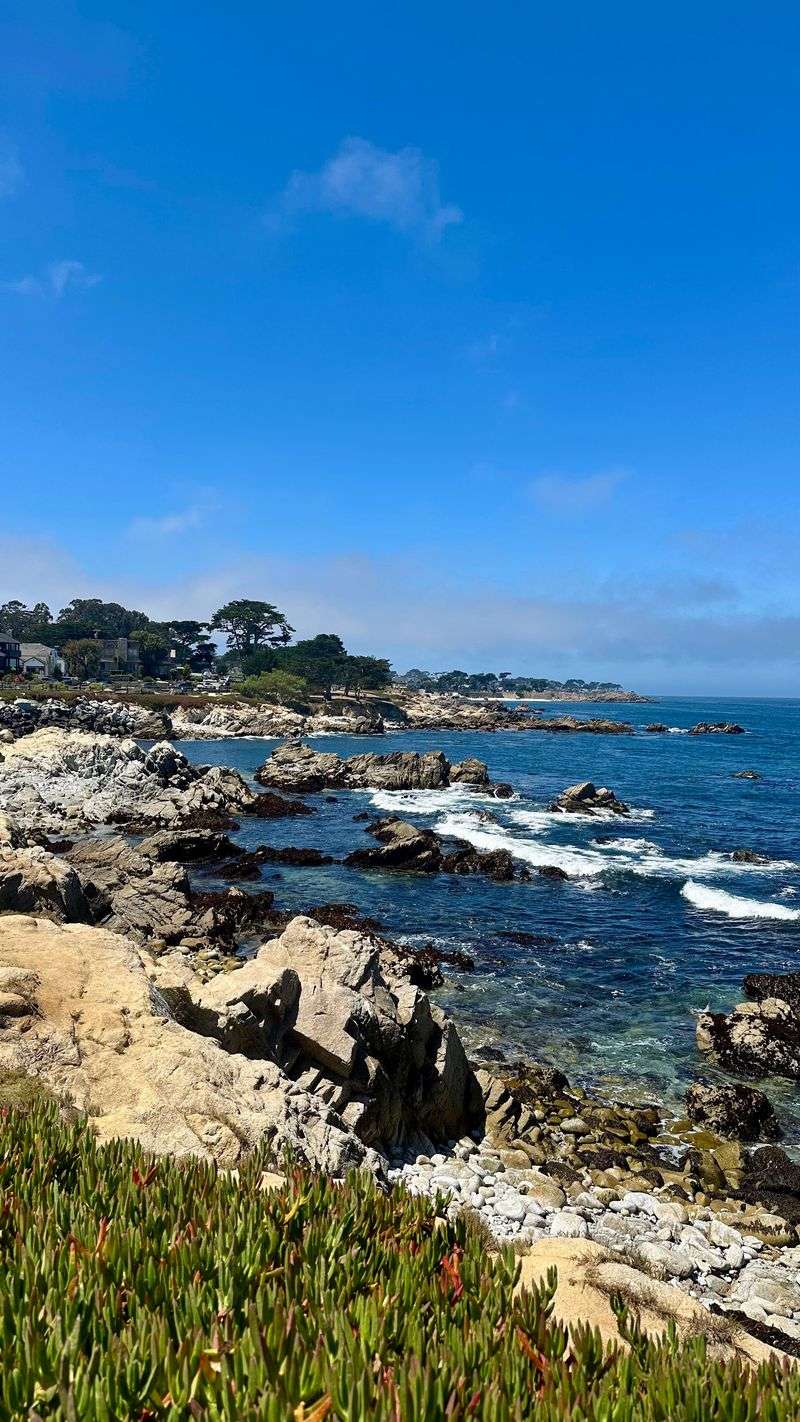
Hugging the rugged coastline south of Monterey, this loop combines natural beauty with historic charm and world-class golf courses.
The famous 17-Mile Drive is a private toll road that winds through Pebble Beach, offering views of crashing waves, windswept cypress trees, and dramatic rock formations.
The Lone Cypress, perched on a rocky outcrop, has become one of the most photographed trees in the world.
Beyond the toll road, the loop includes Carmel-by-the-Sea, a storybook village with cottage-style homes and art galleries, and Pacific Grove, known for its Victorian architecture and migrating monarch butterflies.
Cannery Row in Monterey offers waterfront dining, the famous aquarium, and a glimpse into the area’s fishing history.
The drive can be completed in a few hours, but most visitors spend a full day to explore at a relaxed pace.
Fog is common in summer, while fall and spring often bring clearer skies and milder temperatures. Parking in Carmel and Monterey can be tight on weekends, so arriving early helps.
9. Highway 49 Gold Country
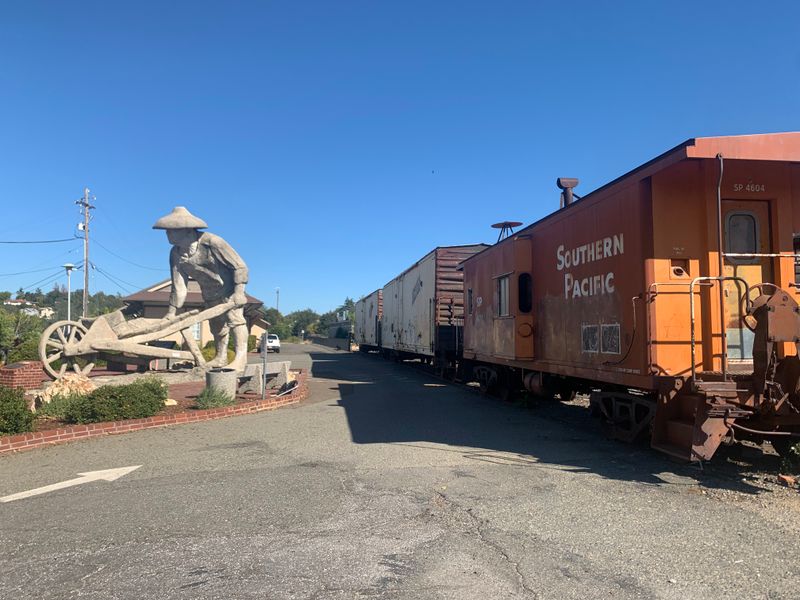
Tracing the foothills of the Sierra Nevada, Highway 49 connects a string of historic towns that sprang up during California’s Gold Rush era.
Places like Nevada City, Grass Valley, Placerville, and Murphys still have wooden boardwalks, old saloons, and Victorian storefronts that feel frozen in time.
Visitors can tour underground mines, pan for gold, or simply wander the quiet streets and imagine life in the 1850s.
Marshall Gold Discovery State Historic Park at 310 Back St, Coloma, CA 95613 marks the spot where gold was first discovered, sparking the rush that transformed California.
The drive also passes through rolling oak woodlands, vineyards, and seasonal wildflower meadows. Fall brings vibrant foliage, while spring showcases green hills and blooming trees.
Many towns host local festivals, antique shops, and family-run restaurants that add character to the journey.
The route is less crowded than coastal highways, making it a peaceful alternative for those seeking history and small-town charm. Weekdays offer the quietest experience, especially in the smaller villages.
10. Central Coast Wine Trail
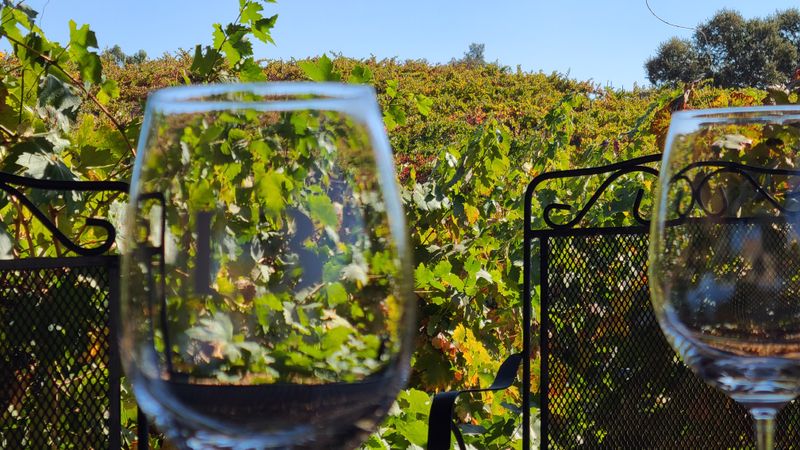
Stretching from Paso Robles down through San Luis Obispo and into Santa Barbara County, this route showcases California’s central coast wine regions with a more relaxed vibe than Napa or Sonoma.
The landscape shifts from rolling hills dotted with oak trees to coastal valleys and beach towns, offering variety at every turn.
Paso Robles is known for its bold red blends and Western-style tasting rooms, while the Santa Ynez Valley offers charming towns like Los Olivos and Solvang, a Danish-inspired village with bakeries and windmills.
The drive also passes through San Luis Obispo, a college town with a lively downtown and nearby hiking trails.
The coastal stretch includes Pismo Beach, where the pier and wide sandy shore invite leisurely strolls.
Spring wildflowers blanket the hillsides, and summer brings warm, sunny days perfect for outdoor picnics.
Many wineries are family-owned and offer a more personal tasting experience. The route can be spread over two or three days to fully enjoy the food, scenery, and slower pace.
11. Lake Tahoe Circle
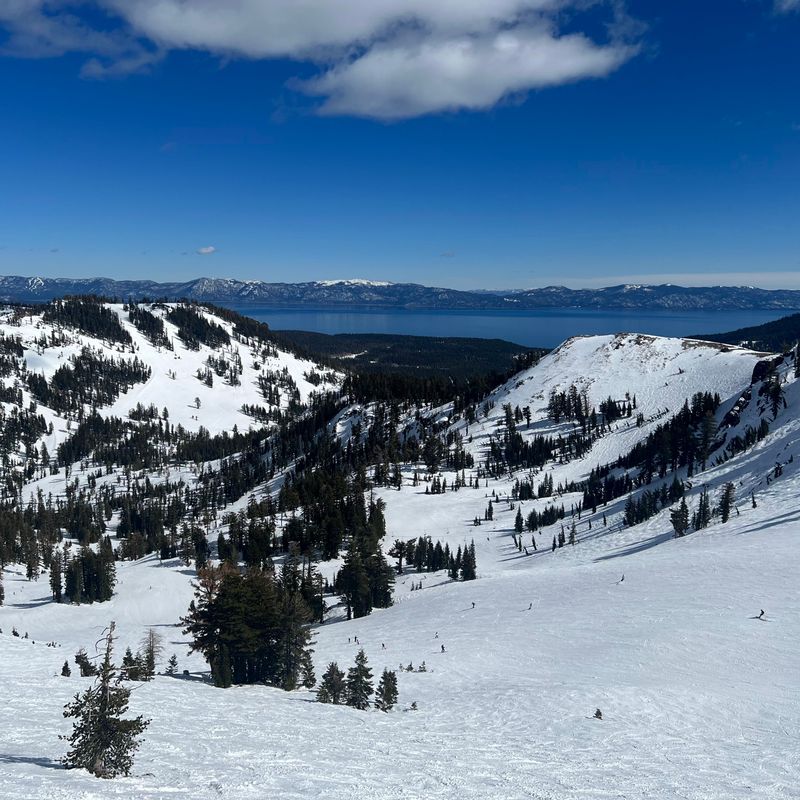
Circling the sapphire-blue waters of Lake Tahoe offers a scenic journey that combines alpine beauty with lakeside charm.
The 72-mile loop crosses the California-Nevada border, passing through towns like South Lake Tahoe, Tahoe City, and Incline Village.
Each season brings a different character to the drive, from summer’s sparkling water and hiking trails to winter’s snow-covered pines and ski resorts.
Emerald Bay State Park, with its tiny island and historic Vikingsholm castle at 725 Granlibakken Road, Tahoe City, CA 96145, is one of the most photographed spots along the route.
Sand Harbor on the Nevada side offers clear water and smooth granite boulders perfect for picnicking.
The drive also includes quiet stretches of forest, lakeside beaches, and mountain overlooks that invite frequent stops.
Summer weekends can bring heavy traffic, especially near popular beaches and trailheads. Fall offers brilliant aspen colors and fewer crowds, while spring brings rushing waterfalls and blooming wildflowers.
The entire loop can be driven in a few hours, but most visitors take a full day to explore and enjoy the scenery.
12. Mojave National Preserve Route
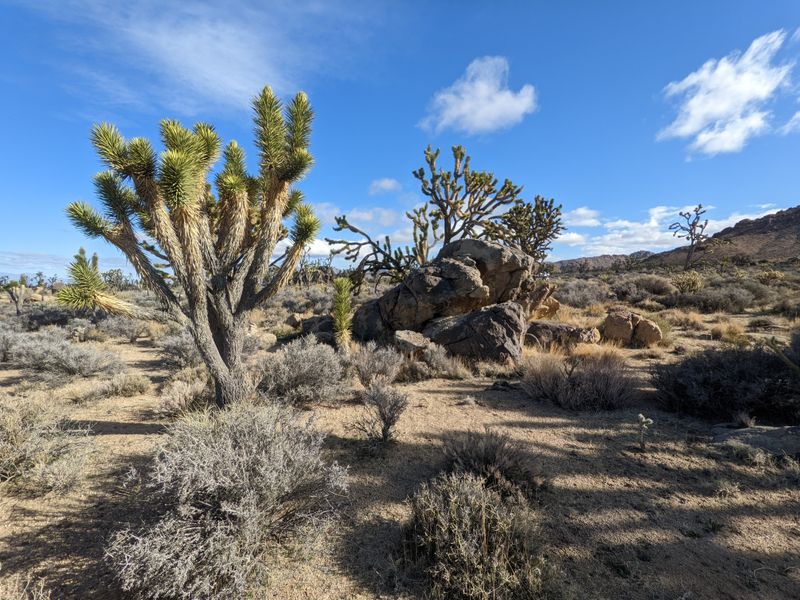
Tucked between Las Vegas and Los Angeles, Mojave National Preserve offers a quieter, less-visited slice of California’s desert landscape.
The preserve’s roads wind through volcanic cinder cones, Joshua tree forests, and the Kelso Dunes, where sand piles up to 650 feet high and sometimes hums when the wind blows just right.
The historic Kelso Depot at 90942 Kelso Cima Rd, Kelso, CA 92309, a restored Spanish Mission-style train station, now serves as a visitor center and museum.
Hole-in-the-Wall features colorful rock formations and a short trail with metal rings to help hikers descend through narrow passages.
The drive also passes through wide valleys where wildflowers bloom in spring and creosote bushes scent the air.
The preserve feels remote and peaceful, with long stretches of open road and big skies. Services are limited, so filling up on gas and bringing extra water is important.
Summer heat can be extreme, making fall through spring the most comfortable time to visit. The preserve is ideal for those seeking solitude and a true sense of the desert’s quiet beauty.
13. Big Sur Inland Routes
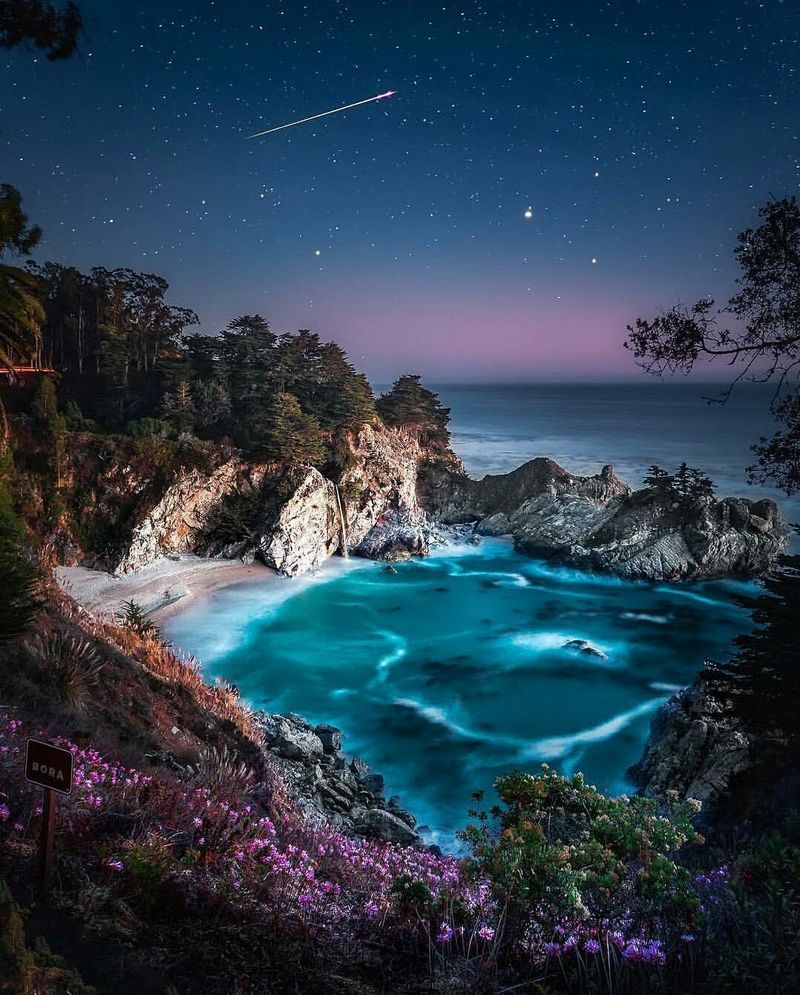
While most visitors stick to Highway 1 along the coast, the inland routes of Big Sur offer a completely different perspective with fewer crowds and equally stunning scenery.
Nacimiento-Fergusson Road is a steep, winding route that climbs from the coast up through the Santa Lucia Mountains, offering sweeping views of ridges, valleys, and the Pacific far below.
The road is narrow in sections, so a sturdy vehicle and careful driving are recommended. The route eventually connects to inland valleys where cattle ranches and oak woodlands create a quieter, more pastoral landscape.
Spring brings green hillsides and blooming wildflowers, while fall offers golden grasses and clear skies.
The drive feels adventurous and remote, with little traffic and plenty of opportunities to stop and soak in the views.
Cell service is spotty, and the road can be closed during winter storms, so checking conditions ahead of time is wise.
This route appeals to those looking to escape the crowds and experience Big Sur’s rugged backcountry.
14. Tioga Pass
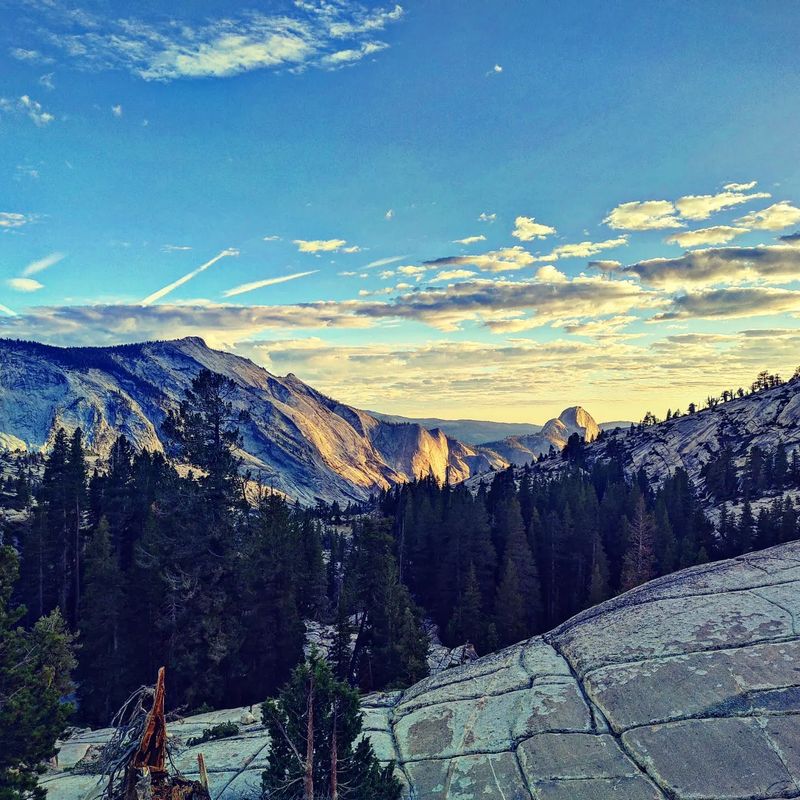
Tioga Pass is the highest highway pass in California, climbing to over 9,900 feet as it crosses the Sierra Nevada into Yosemite National Park.
The route offers dramatic alpine scenery, including glacial lakes, granite domes, and meadows filled with wildflowers in summer.
Olmsted Point provides a stunning view of Half Dome from the east, while Tenaya Lake invites visitors to stop and dip their toes in its clear, cold water.
The pass is only open from late spring through fall, as heavy snow closes the road in winter.
Tuolumne Meadows, a high-elevation grassland, serves as a peaceful alternative to the busier Yosemite Valley, with hiking trails, campgrounds, and wide-open views.
The drive also passes through the small mountain town of Lee Vining, gateway to Mono Lake and the Eastern Sierra.
The road is steep and winding in places, so taking it slow and enjoying the views is part of the experience. Summer weekends can bring traffic, but weekdays and early mornings offer a quieter journey.
15. Mulholland Highway Scenic Drive
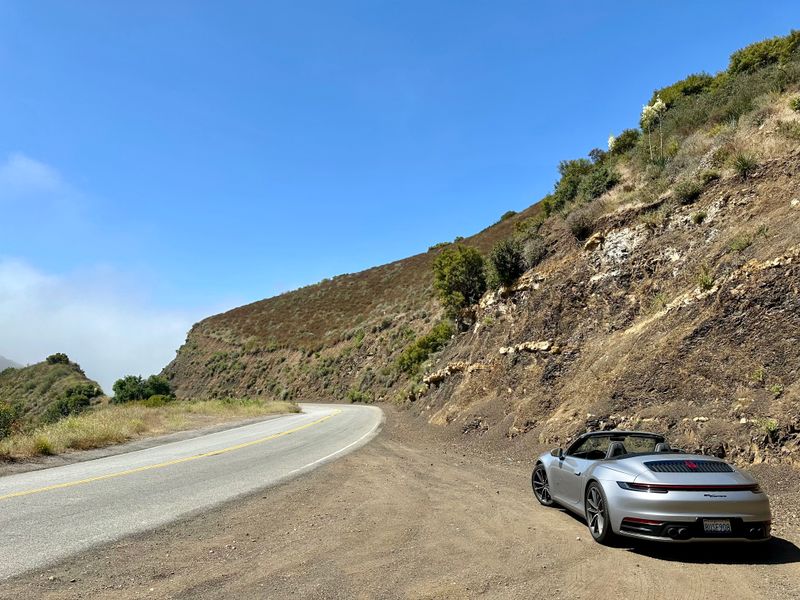
Winding through the Santa Monica Mountains just outside Los Angeles, Mulholland Highway offers a surprisingly scenic escape from the city’s hustle.
The road curves through chaparral-covered hills, oak groves, and open ridges with views stretching from the San Fernando Valley to the Pacific Ocean.
Popular with motorcyclists and weekend drivers, the route feels both wild and accessible, with plenty of pullouts to pause and take in the scenery.
The drive passes near landmarks like the Rock Store, a famous biker hangout, and Malibu Creek State Park at 1925 Las Virgenes Road, Calabasas, CA 91302, where hiking trails lead to old movie sets and swimming holes.
Spring wildflowers add bursts of color, while fall and winter bring cooler temperatures and clearer skies. The road can be narrow and twisty in places, so keeping a relaxed pace is recommended.
Weekends tend to be busier, especially on sunny days when motorcyclists and car enthusiasts flock to the area.
The drive can be combined with a trip to the beach or a hike in the surrounding hills for a full day of exploration.