Every October, Thousands Of Hawks Stream Past This Pennsylvania Mountaintop Lookout
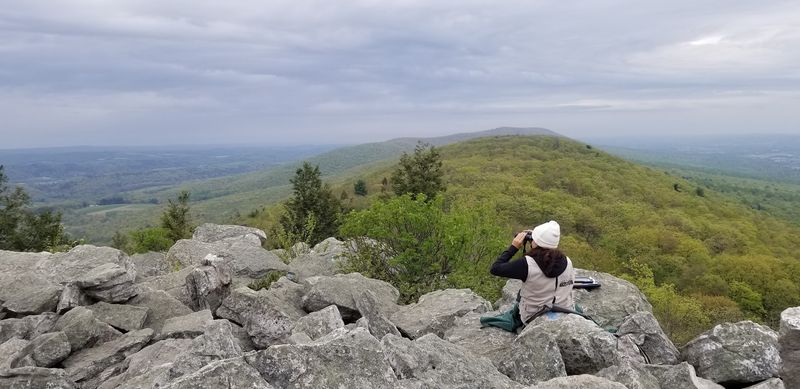
An average of 18,000 birds of prey glide past one rocky ridge each fall, and many of them pass at eye level. Sharp-shinned hawks, bald eagles, and even golden eagles ride the wind right past the lookout.
I love that you don’t need a fancy pass or a plane ticket for this show. It happens on a mountaintop in Pennsylvania, and October brings the widest variety of species.
The backstory is just as wild as the flyover. This ridge once drew shooters, not watchers, until one determined woman changed everything in 1934.
Now the same rocks hold binoculars, packed lunches, and people quietly counting wings. I can’t imagine a better excuse for a fall drive.
So where is this place, and how do you catch the parade at its best?
The World’s First Refuge Built Just For Birds Of Prey
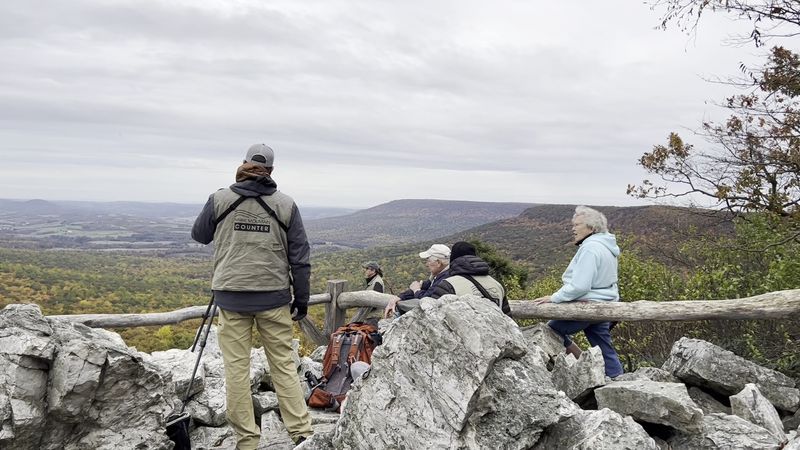
Hawk Mountain Sanctuary sits on the Kittatinny Ridge in eastern Pennsylvania, near the small community of Kempton. It holds a title few places can claim, as the world’s first refuge for birds of prey.
The sanctuary covers about 2,600 acres of protected forest. It straddles Berks and Schuylkill counties, so two counties get bragging rights.
Why here, of all places? The ridge creates rising air currents that migrating raptors use like a free elevator.
From mid-August through mid-December, birds stream south along this natural highway. They travel from northern breeding grounds toward warmer wintering spots.
Up to 16 raptor species can pass by during the season. Broad-winged hawks, sharp-shinned hawks, ospreys, bald eagles, and golden eagles all make appearances.
October is the sweet spot for variety. Peak diversity lands that month, which makes it prime time for curious newcomers.
The sanctuary runs as a nonprofit, focused on conservation, research, and education. That mission shapes everything, from the trails to the exhibits.
It’s also a National Natural Landmark, a designation it earned back in 1965. In 2022, it joined the National Register of Historic Places too.
Not bad for a pile of rocks with a great view. The birds clearly picked well.
How One Determined Woman Turned A Shooting Ridge Into A Safe Haven
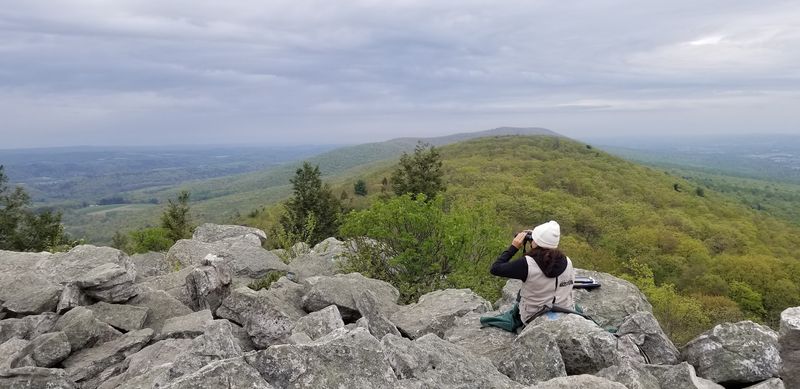
Back in the early 1930s, this ridge had a very different reputation. Hunters gathered on the rocks to shoot hawks as they passed.
In 1931, amateur ornithologist Richard Pough visited and documented what was happening. His photos and reports spread the word far beyond Pennsylvania.
Enter Rosalie Edge, a New York conservationist with zero patience for the situation. In 1934, she leased 1,400 acres of the mountain to stop the shooting.
She installed a warden to protect the birds. The shooting stopped right away, which is about as quick a turnaround as history gets.
By 1938, the Hawk Mountain Sanctuary Association was officially incorporated as a nonprofit. The sanctuary kept growing from there.
Here’s the part that still impresses me. That bold move helped launch the global raptor conservation movement.
Hawk Mountain also keeps the world’s longest-running record of raptor migration counts. Decades of careful tallies have revealed real changes in North American bird populations.
So every hawk you spot carries a little of that story. A ridge once known for trouble became a place where scientists and families watch the sky together.
Rosalie Edge would probably approve of the binoculars.
Kettles, Eagles, And A Sky That Keeps Changing
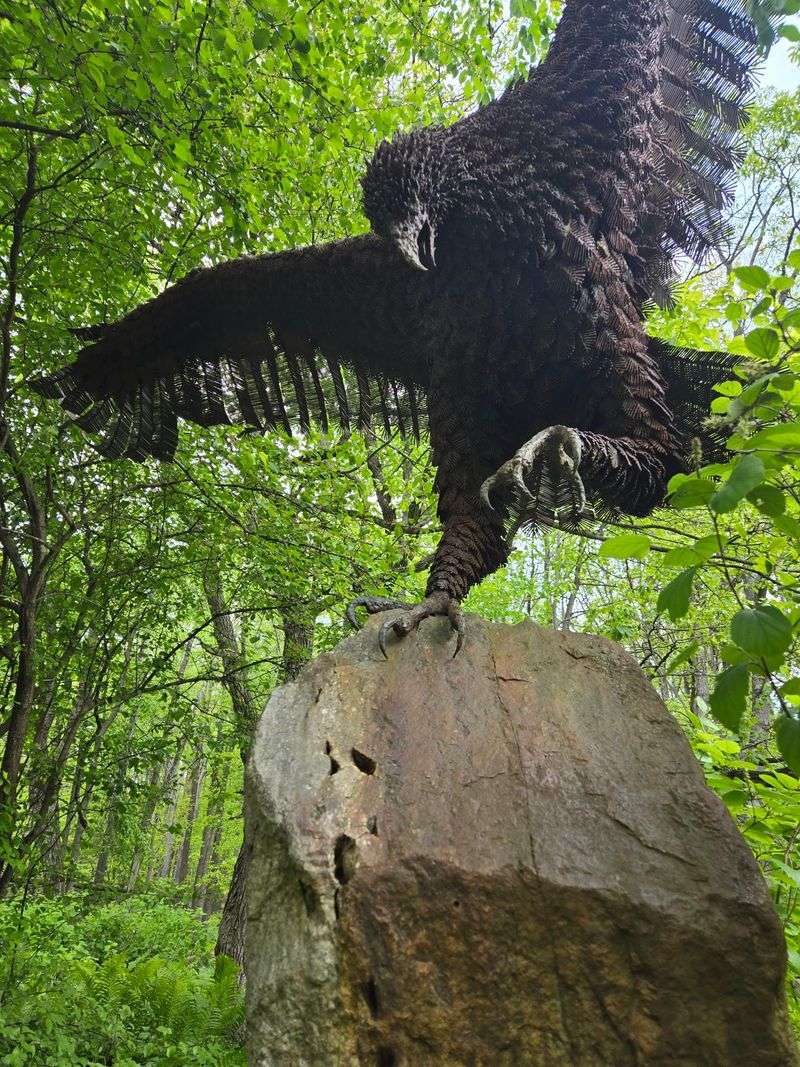
Ever seen hundreds of hawks spiral together like leaves caught in a whirlpool? Birders call that swirling group a kettle, and broad-winged hawks are famous for it.
The rising warm air lifts them higher and higher. Then they peel off and glide south, saving energy for the long trip.
Watching it feels like the sky is quietly stirring a pot. Each season tells its own story, too.
Earlier fall tends to bring the broad-winged crowds. October mixes in more species, which keeps the lookouts lively.
Later in the season, golden eagles may show up along the ridge. Spotting one of those huge birds is a real thrill for any watcher.
Bald eagles, ospreys, and vultures can join the parade as well. Birds often pass close to the lookouts, sometimes right at eye level.
Of course, nature doesn’t follow a schedule. Weather and wind can shift the numbers from one day to the next.
The sanctuary shares recent sightings, so checking before you go can help with timing. Even a slow day still comes with sweeping valley views.
Bring patience along with your binoculars. The sky usually rewards the people who wait.
An Easy Stroll Gets You To The South Lookout
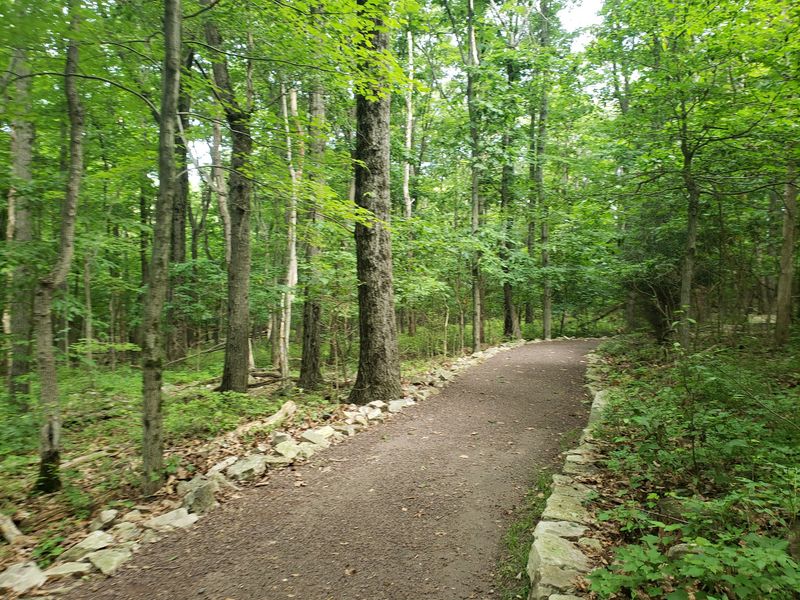
Good news for anyone who isn’t up for scrambling over boulders. The South Lookout is just a short walk from the Visitor Center.
A 900-foot path called the Silhouette Trail offers a wheelchair-accessible route to this overlook. It’s the only trail at the sanctuary that isn’t rocky.
That makes it a smart choice for grandparents, little kids, and anyone using mobility aids. Everyone gets a shot at the migration.
The South Lookout has a seating area facing the ridge and valley. It’s a calm spot to settle onto a bench and scan the sky.
Families and retirees can make an afternoon of it without much effort. Pack a snack, grab a seat, and let the birds come to you.
There’s also a standard dirt path up the hill to the same overlook. Choose whichever fits your legs and your mood.
I like how the sanctuary made room for so many kinds of visitors. A great view shouldn’t depend on how fast you climb.
From here, the trail toward the North Lookout begins. Just know that it gets rockier the moment you leave the South Lookout behind.
Rocky Climbs To The North Lookout And Beyond
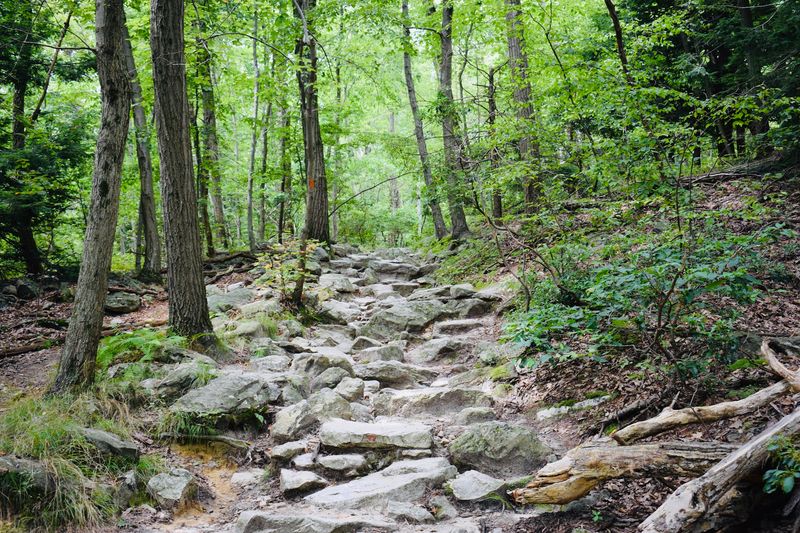
Sturdy shoes aren’t a suggestion here. They’re practically your entry ticket to the upper trails.
Hawk Mountain Sanctuary has more than eight miles of hiking trails. Outside the Silhouette Trail, every route is rocky.
The Lookout Trail climbs from the South Lookout to the North Lookout. Expect rocks, uneven footing, and some stair-like sections along the way.
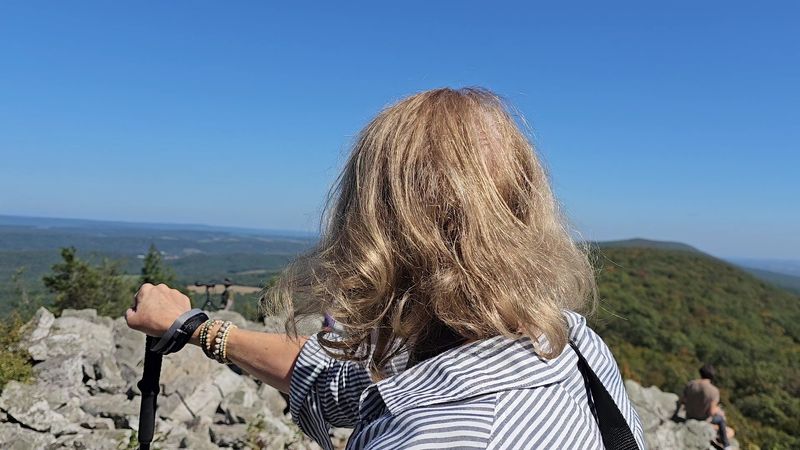
The North Lookout is the popular summit spot for hawk watching. Big boulders give you a front-row seat over the valley.
Craving more of a workout? The River of Rocks Trail heads down to a dramatic boulder field.
The Skyline Trail is another tough option, with scrambling over rough terrain. East Rocks offers yet another scenic overlook for the ambitious crowd.
The trail map labels routes by difficulty, so you’ll know what you’re signing up for. Some sections are marked Difficult, while others earn Most Difficult.
Give yourself plenty of time for the longer loops. Rock-hopping is slow work, even for experienced hikers.
The effort pays off with wide Pennsylvania views and plenty of sky to search. Just keep one eye on the trail and the other on the hawks.
Life-Sized Raptors Wait Inside The Visitor Center
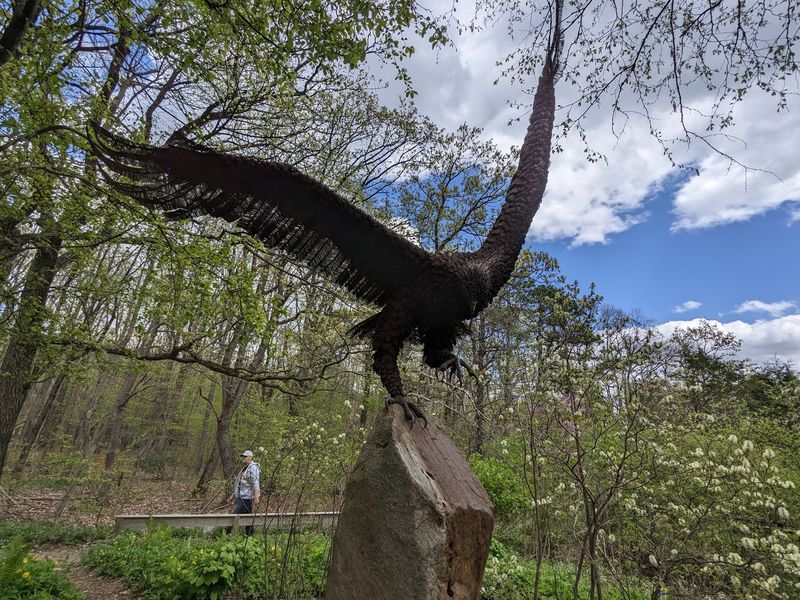
Not every bird here flies. Some hang from the ceiling of the Visitor Center, frozen in mid-glide.
The Wings of Wonder gallery features life-sized raptor models and interactive displays. It’s a fun way to learn wing shapes before you head up the mountain.
Knowing a hawk from a vulture makes the lookouts way more exciting. Consider it a quick crash course in bird ID.
The Mountain Bookstore sells books, apparel, and regionally sourced snacks. Binoculars can also be rented at the Visitor Center, which helps if you forgot yours.
Just outside, the Native Plant Garden shows off flora from the region. It’s a peaceful detour for anyone who likes to wander.
A small pond nearby can hold newts, frogs, and painted turtles. Hummingbird feeder stations add even more feathered action.
Kids who aren’t ready for a big hike can explore the garden and grounds. That gives everyone in the group something to enjoy.
The building also serves as the starting point for the trails. You pay your entry fee there and head right out to the paths.
Naturalists On The Rocks Help You Name What Flies By
Spotting a speck in the sky is one thing. Knowing it’s a sharp-shinned hawk is another level of fun.
During migration season, a naturalist is often stationed at the lookouts. They help identify birds as they pass, which turns guessing into learning.
For beginners, that guidance can make the whole visit click. Suddenly the shapes and flight styles start to make sense.
The sanctuary also offers programs, lectures, and hands-on workshops throughout the year. Topics center on raptors and their role in nature.
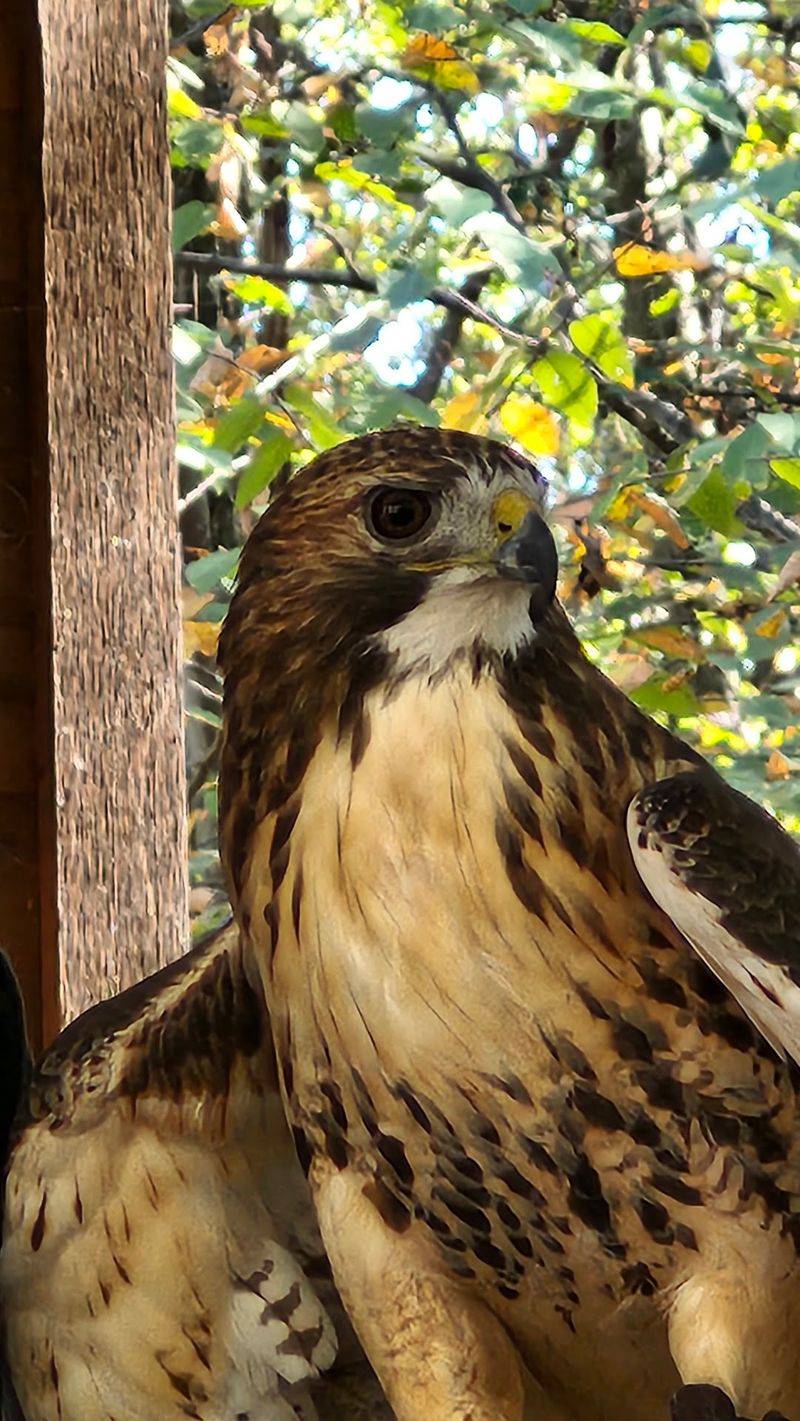
One signature program, Raptors Up Close, introduces live hawks and owls. Seeing those sharp eyes from a few feet away is pretty memorable.
Hawk Mountain also works as a scientific research center. It serves as an international training site for conservation students too.
That research focus means your visit supports real science. The long-running migration count keeps adding valuable data every season.
Program schedules shift through the year, so check ahead before planning around one. Even without a program, the lookout helpers can make a casual trip feel like a field class.
Curiosity is the only requirement. Questions are welcome up there.
Pack Layers, Lunch, And A Trash Bag Before You Go
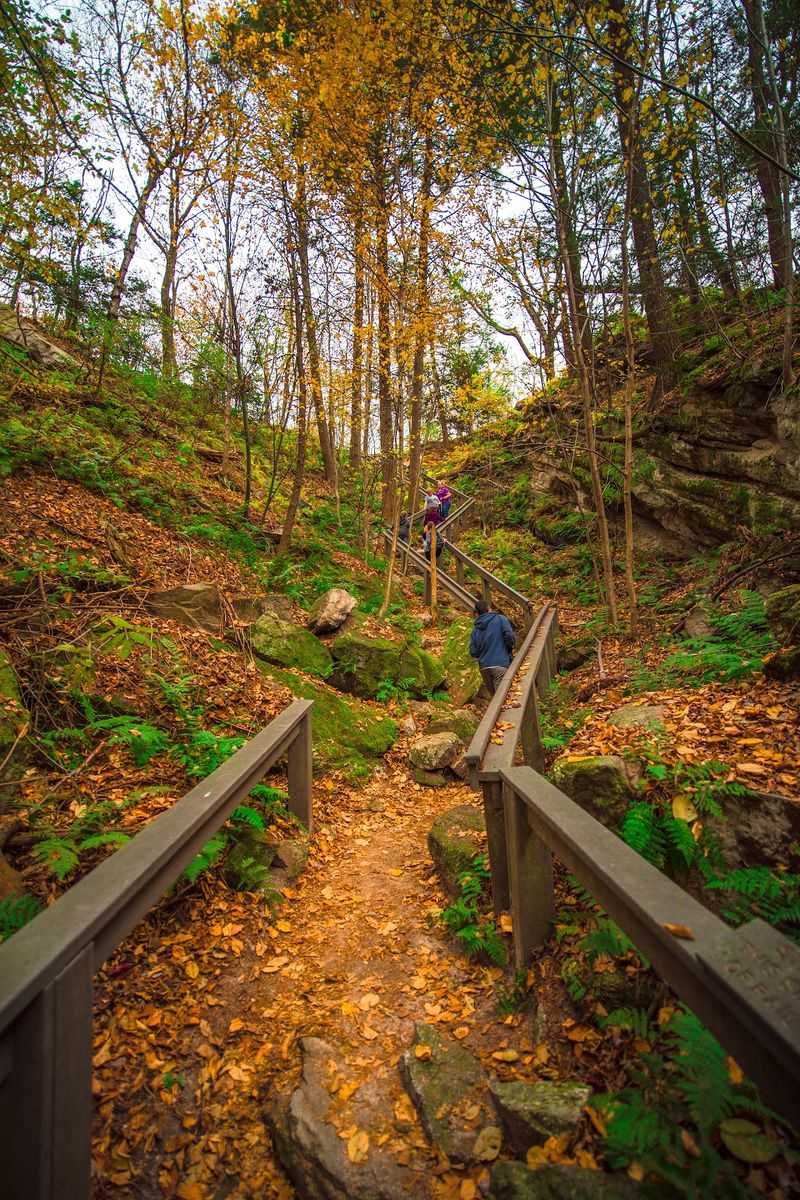
Mountain weather plays by its own rules. The summit often runs about 10 degrees cooler than the surrounding area, so layers are smart.
Bring an extra jacket even if the morning feels mild. October breezes on open rocks can surprise you.
You’ll find Hawk Mountain Sanctuary at 1700 Hawk Mountain Rd in Kempton, Pennsylvania. The parking lot sits right beside the Visitor Center.
The trails and Visitor Center are generally open daily. Hours, entry fees, and seasonal hunting closures can change, so check ahead before you drive.
Entry fees are modest, and an annual membership may suit nearby families. Kids and adults pay separately, so plan for the whole group.
The sanctuary follows a carry-in, carry-out policy. There are no public trash cans, so pack a bag for your wrappers.
A packed lunch and water make a summit picnic easy. Snacking on a boulder while hawks drift by sounds hard to top.
Leave sandals at home and wear real hiking shoes. Pets aren’t allowed on the trails, though service animals follow ADA rules.
Binoculars matter most of all. Borrowing a pair at the Visitor Center works in a pinch.
Why October Belongs On This Pennsylvania Ridge
A few hours on this ridge can shift how you see an ordinary fall sky. Those dots overhead suddenly have names, routes, and long journeys ahead.
Hawk Mountain Sanctuary blends history, science, and wide-open views in one trip. Few Pennsylvania outings deliver that much for a modest entry fee.
Families can stick with the South Lookout and the garden. Serious hikers can tackle the River of Rocks and earn every view.
Retirees with a good pair of binoculars might never want to leave the bench. Photographers get fall color and flying subjects at the same time.
I believe the real magic is the mix of people sharing those rocks. Everyone looks up together whenever someone spots a bird.
October brings the most variety, which makes it a great month to plan your drive. The foliage tends to cooperate too, adding color to the backdrop.
Nothing is guaranteed when wild birds are involved. Still, the odds feel pretty friendly on a breezy autumn day.
So grab your layers, lunch, and binoculars. The hawks are heading south across Pennsylvania anyway, and you might as well say hello.