This Exquisitely Preserved Georgia Mansion Is A Masterpiece Of Old-World Southern Elegance
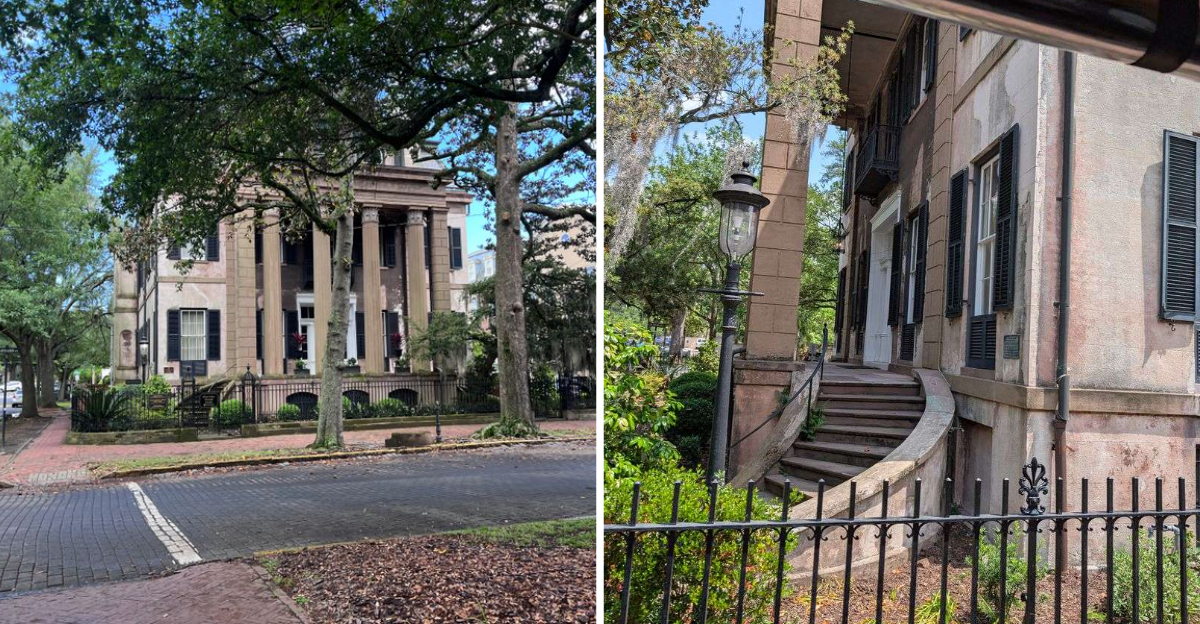
I want to take you on a journey through one of Georgia’s most remarkable historic treasures, a place where history feels close enough to touch. The Harper Fowlkes House in Macon stands as a stunning example of antebellum architecture and timeless Southern hospitality. From the moment you see its elegant façade, it is clear this mansion was built to impress.
Inside, carefully preserved rooms showcase fine craftsmanship, period furnishings, and architectural details that reflect a bygone era of refinement. Each space tells a story about the people who lived here and the world they inhabited. Walking through the house feels like stepping back into the Old South, where beauty and tradition shaped everyday life.
History lovers are drawn to its rich past, while architecture enthusiasts admire the skill and artistry behind every detail. The Harper Fowlkes House offers more than a tour. It provides an immersive glimpse into Georgia’s past that continues to captivate visitors today.
1. Greek Revival Architecture At Its Finest
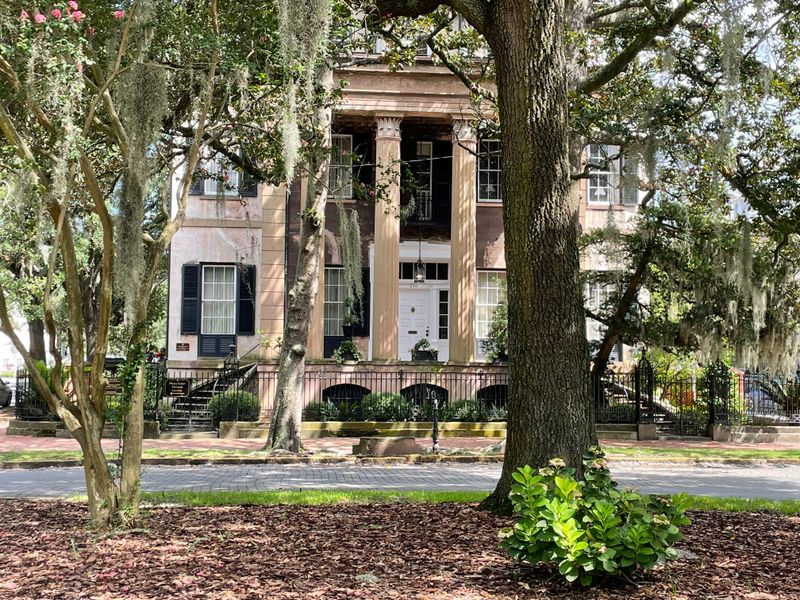
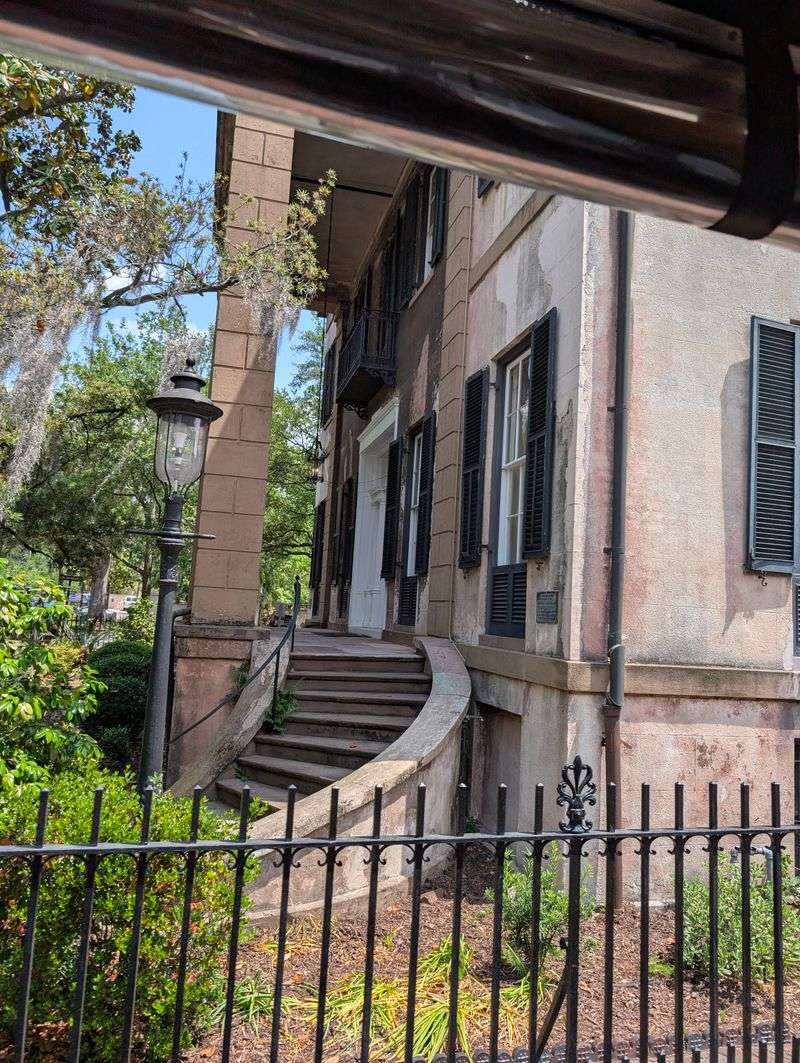
Architectural beauty meets historical significance in every column and cornice of this incredible structure. You’ll find yourself standing before a perfect example of Greek Revival design, which was the height of fashion in the 1840s South. The Harper Fowlkes House sits at 935 High Street, Macon, Georgia 31201, welcoming visitors who appreciate fine craftsmanship.
Massive white columns rise two stories high, supporting a grand portico that announces the mansion’s importance. The symmetrical facade follows classical proportions that ancient Greek architects would recognize. Clean lines and balanced features create a sense of harmony and order.
Original details remain intact throughout the exterior, from the decorative moldings to the carefully preserved brickwork. Every element works together to create an impressive first impression. Walking up to the entrance, you can almost imagine carriages pulling up to deliver guests in hoop skirts and top hats for elegant evening gatherings.
2. Immaculate Interior Woodwork And Millwork
Master craftsmen poured their skills into creating woodwork that still amazes visitors today. Hand-carved details appear in every room, showcasing techniques that have largely disappeared from modern construction. You won’t believe the level of detail when you see it in person.
Crown moldings stretch across ceilings in intricate patterns that took weeks to complete. Baseboards stand nearly a foot tall, featuring hand-carved designs that frame each room perfectly. Door frames and window casings display the same attention to detail, with corner blocks featuring rosettes and geometric patterns.
The wood itself tells a story of quality and permanence. Heart pine, known for its durability and beautiful grain, forms the foundation of much of the interior work. Mahogany and other fine hardwoods appear in prominent locations, polished to a warm glow.
Time has only enhanced the natural beauty of these materials, deepening their rich colors and highlighting the grain patterns that make each piece unique.
3. Original Heart Pine Floors Throughout
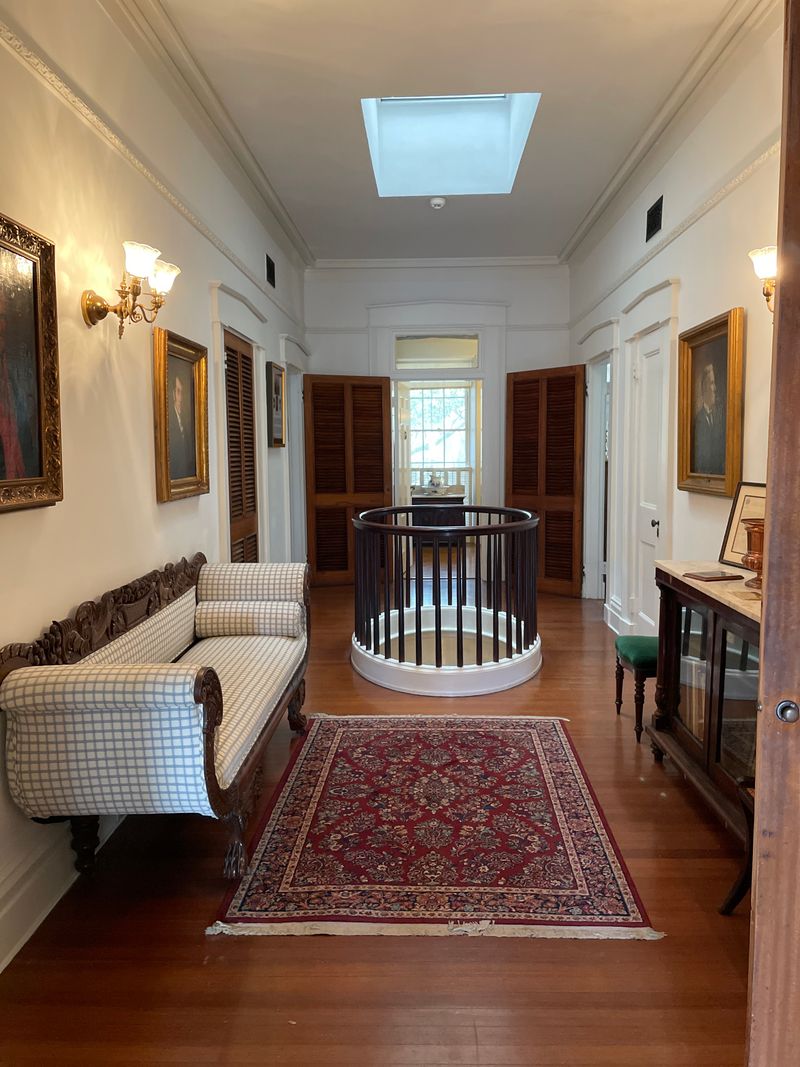
Walking across these floors connects you directly to the past in a tangible way. Heart pine flooring stretches throughout the mansion, showing the wear patterns of generations who walked these same boards. Each plank measures wider than modern flooring, cut from old-growth trees that no longer exist in such abundance.
The wood’s tight grain pattern creates natural beauty that modern materials can’t replicate. Centuries of footsteps have polished the surface to a soft sheen, creating character that new floors lack. Small imperfections and variations in color tell stories of daily life in the antebellum South.
Maintaining these floors requires special care and knowledge that the current caretakers possess. Regular cleaning with appropriate methods preserves the wood without damaging its historic integrity. You can see how the floors have been protected in high-traffic areas while remaining authentic to the period.
The investment in preservation ensures future generations will experience the same connection to history that visitors enjoy today.
4. Grand Double Parlors For Entertaining
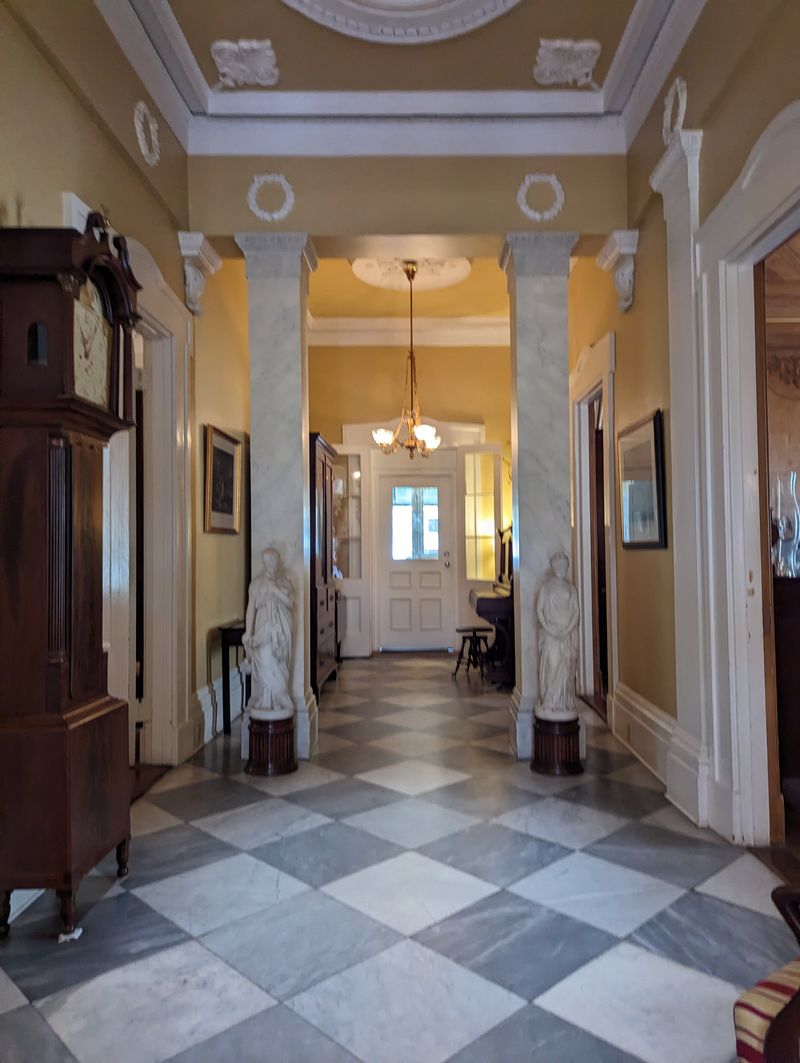
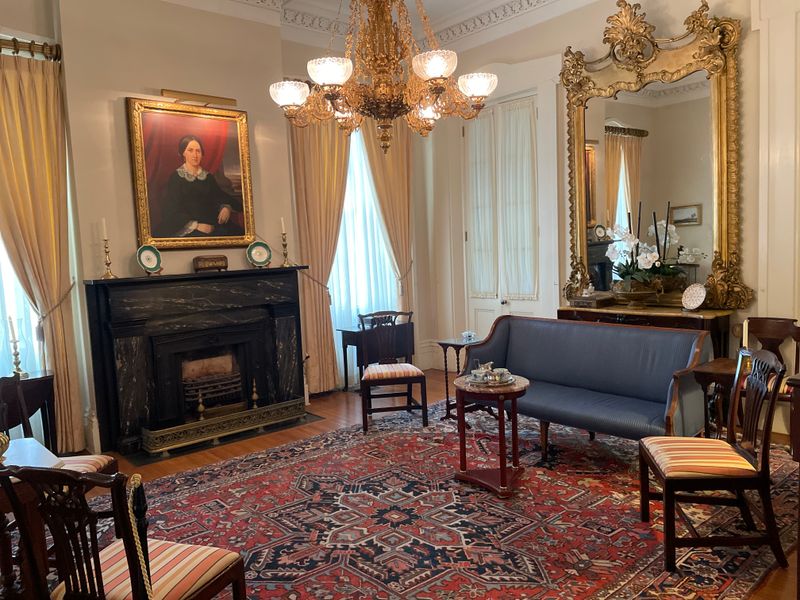
Social life in the antebellum South revolved around spaces designed specifically for gathering and conversation. The Harper Fowlkes House features twin parlors that open into one another through massive pocket doors, creating flexible entertaining spaces. When opened fully, the rooms transform into a grand ballroom suitable for the most elaborate social events.
High ceilings amplify the sense of spaciousness and elegance. Original plaster medallions surround the ceiling fixtures, featuring delicate floral and geometric designs. Large windows flood the rooms with natural light, making them welcoming during daytime visits.
Period-appropriate furnishings help visitors imagine life during the mansion’s heyday. Settees and chairs arranged in conversational groupings invite you to picture ladies in elaborate gowns discussing the latest news. Gentlemen would have gathered near the fireplaces to talk business and politics.
The careful restoration of these spaces allows modern visitors to step back in time and experience Southern hospitality as it was practiced nearly two centuries ago.
5. Spectacular Curved Staircase
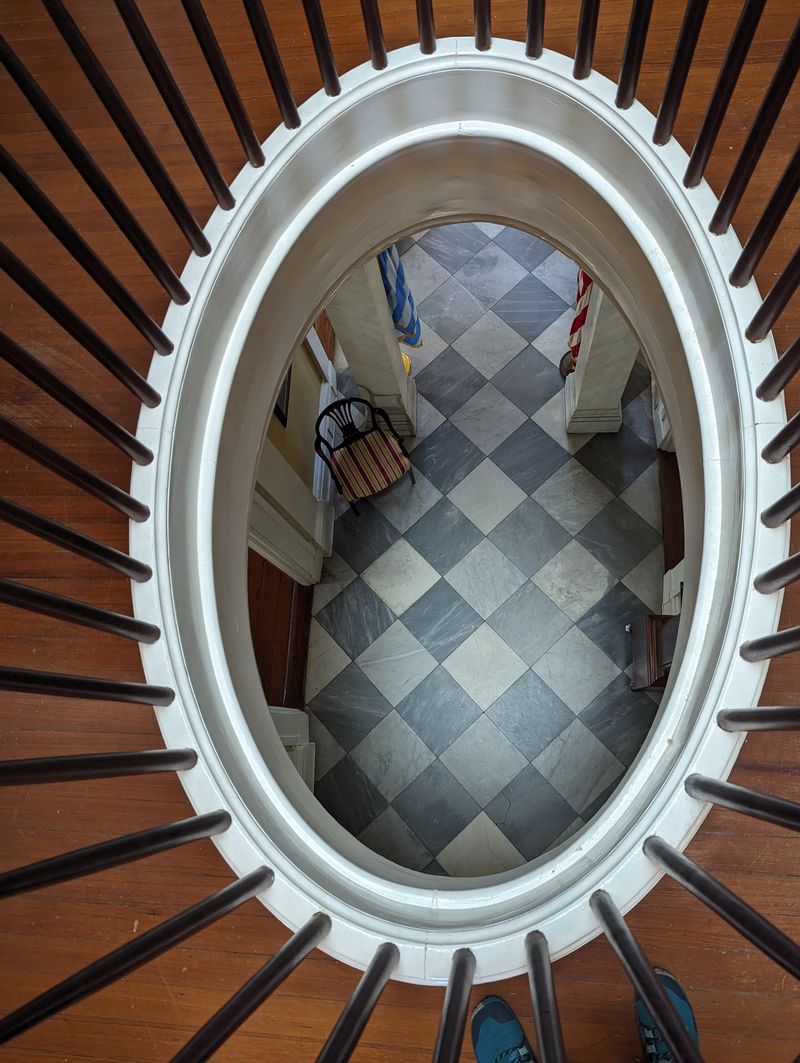
Few architectural elements make as strong an impression as the sweeping staircase that rises from the entrance hall. Craftsmen shaped solid wood into a graceful curve that seems to defy the material’s natural properties. The handrail flows smoothly upward without a single joint visible in its entire length.
Each baluster was turned individually on a lathe, creating identical spindles that march up the stairs in perfect rhythm. The newel post at the bottom stands as a masterwork of woodturning, featuring intricate details that reward close examination. Original finish work still protects the wood, maintained through careful preservation efforts.
Standing at the base and looking up, you can imagine generations of family members descending for special occasions. Brides likely made their grand entrances down these steps, while children probably slid down the banister when adults weren’t watching. The staircase serves as both functional architecture and a piece of art, demonstrating the builder’s commitment to beauty in every aspect of the home’s design.
6. Period-Authentic Window Treatments
Attention to detail extends even to the way windows are dressed throughout the mansion. Heavy drapes hang from original hardware, showing how wealthy Southerners controlled light and maintained privacy. Layers of fabric in rich colors frame each window, adding warmth and elegance to the rooms.
Inner curtains made of lighter material filter sunlight while still allowing illumination. Outer drapes in heavier fabrics could be drawn for complete darkness or to insulate against temperature extremes. Decorative valances top each window treatment, hiding the hardware while adding another layer of visual interest.
The fabrics themselves reflect period-appropriate choices in color, pattern, and texture. Damasks, velvets, and brocades appear throughout the house, many reproduced from surviving fragments of original materials. Tassels, fringe, and other trim details complete the look.
Maintaining these treatments requires regular care to prevent damage from sunlight and dust. You’ll appreciate how these window dressings transform simple openings into focal points that contribute to each room’s overall design scheme, while serving practical purposes that modern blinds and shades handle differently.
7. Ornate Plaster Ceiling Medallions
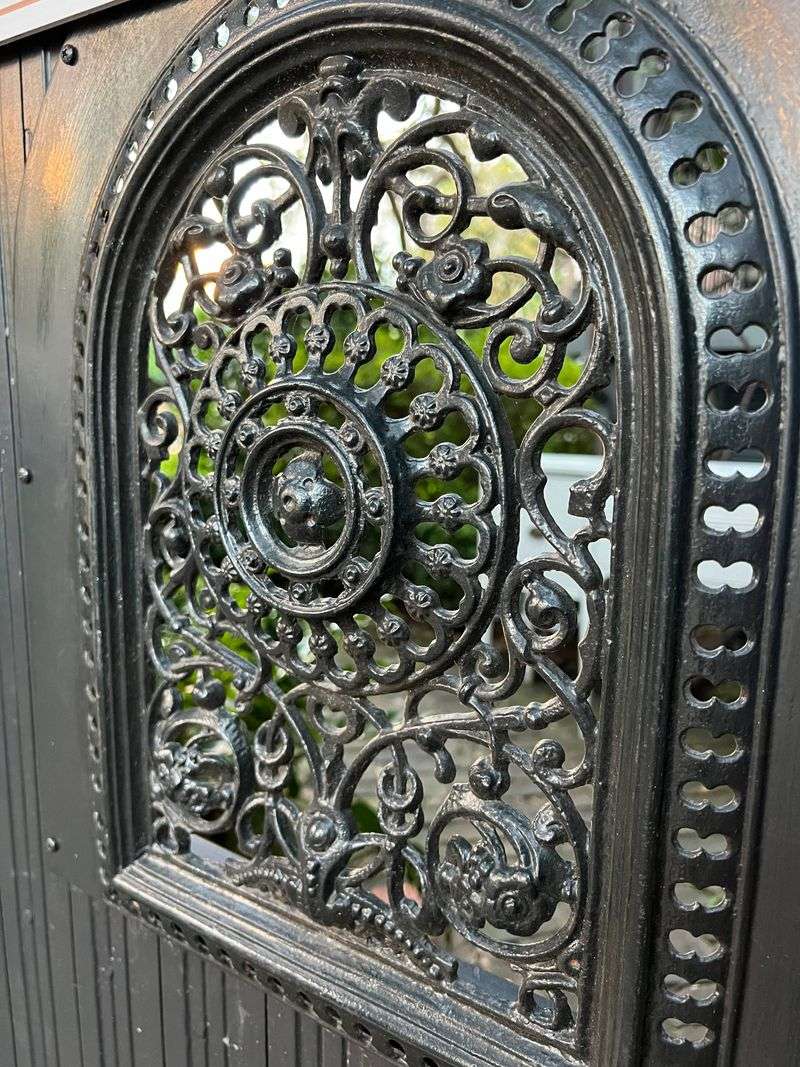
Look up in any room and you’ll discover another layer of artistry overhead. Plaster medallions surround light fixtures, transforming functional elements into decorative focal points. Skilled plasterers created these designs by hand, working with molds and tools to build up layers of detail.
Floral motifs appear most frequently, with roses, acanthus leaves, and grape clusters rendered in three-dimensional relief. Some medallions stretch several feet in diameter, dominating the ceiling space. Smaller versions appear in less formal rooms, maintaining the decorative theme throughout the house.
Creating these medallions required mixing plaster to the perfect consistency, then applying it in stages as each layer dried. The craftsmanship involved meant that no two medallions ended up exactly identical, despite using the same basic molds. Time and settling have caused some minor cracks, but careful restoration has stabilized these features.
You can still see the sharp details and delicate undercuts that make these ceiling ornaments so special, proof that true craftsmanship creates beauty that endures for generations.
8. Original Marble Fireplace Mantels
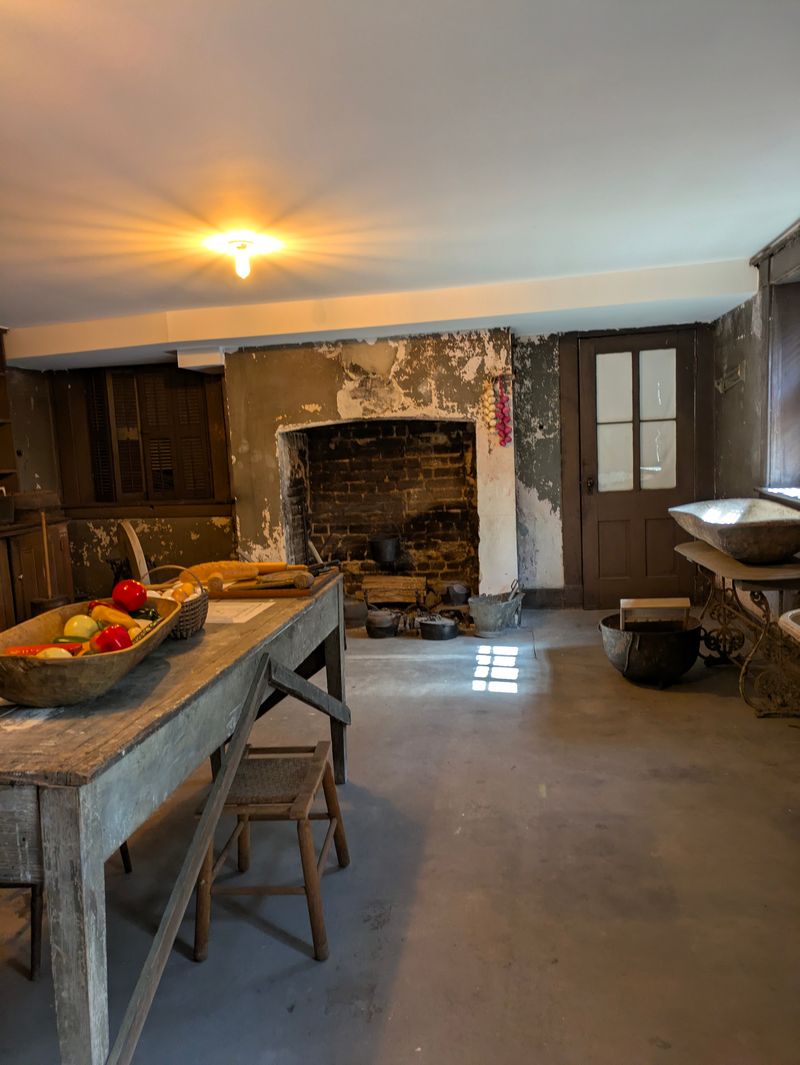
Each room’s fireplace served as more than just a heat source in the days before central heating. Elaborate marble mantels frame these functional elements, turning them into status symbols that announced the owner’s wealth and taste. The Harper Fowlkes House preserves multiple original mantels, each one unique in its design and execution.
Italian marble appears in the most formal spaces, shipped to Georgia at considerable expense. Carved details include classical motifs like Greek key patterns, egg-and-dart moldings, and acanthus leaves. The stone’s natural veining adds visual interest, with colors ranging from pure white to cream and gray.
Simpler mantels in less formal rooms still show quality craftsmanship and materials. Every fireplace opening features its own character while maintaining design consistency throughout the house. The mantels frame cast-iron fireboxes that still function, though they’re no longer needed for heating.
Standing before these fireplaces, you can imagine family members gathering for warmth on cold winter evenings, the marble reflecting firelight and creating a cozy atmosphere in rooms that might otherwise feel too grand.
9. Preserved Formal Dining Room
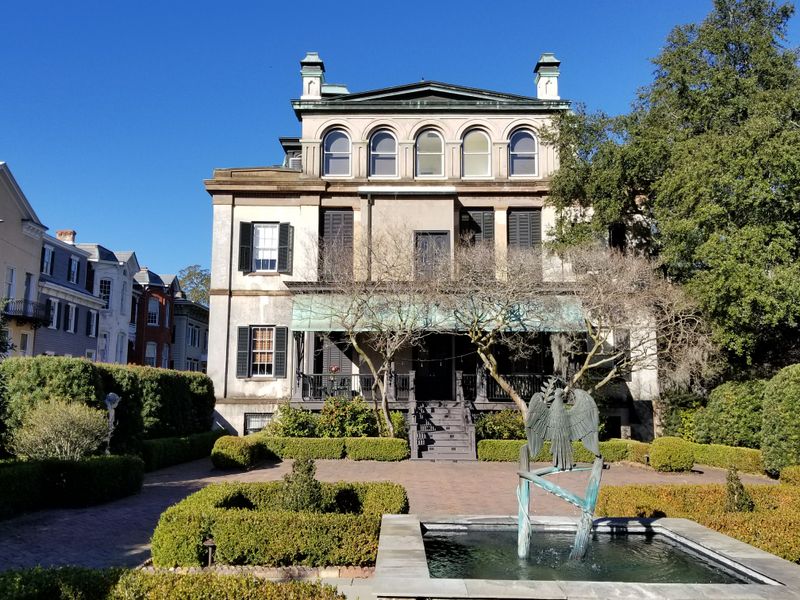
Meals in wealthy Southern households were elaborate affairs that could last hours. The formal dining room at the Harper Fowlkes House shows how these important social rituals unfolded. A massive table dominates the center of the space, capable of seating a dozen guests comfortably.
Built-in features include a corner cupboard for displaying fine china and crystal. The piece showcases the same quality woodwork found throughout the house, with glass doors protecting valuable items while allowing them to be admired. Original hardware still operates smoothly after nearly two centuries.
Period-appropriate place settings help visitors understand the complexity of formal dining in the 1840s. Multiple forks, knives, and spoons surrounded each plate, with specific utensils for different courses. Elaborate centerpieces would have graced the table, along with candelabras providing romantic lighting.
The room’s proximity to the kitchen area made serving easier, though servants still had to navigate hallways carrying heavy trays. You can almost hear the conversation and laughter that filled this space during dinner parties, when the mansion’s social importance was on full display.
10. Historic Kitchen And Service Areas
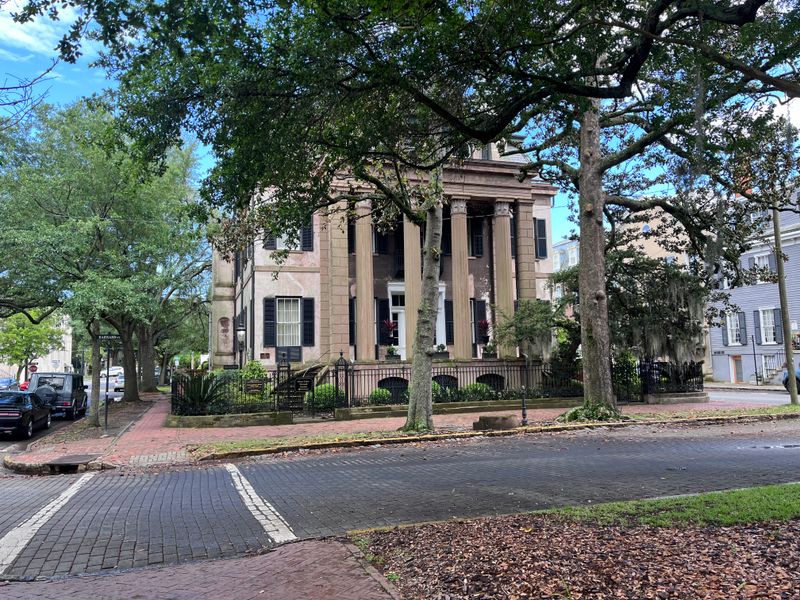
Behind the scenes of gracious living, a complex operation kept the household running smoothly. The service areas of the Harper Fowlkes House reveal how much work went into maintaining a mansion of this scale. Original kitchen spaces show the tools and techniques used before modern conveniences.
A massive hearth dominates the kitchen, where cooks prepared elaborate meals over open flames. Cast-iron pots and Dutch ovens hang nearby, demonstrating period cooking methods. Preparation tables made of thick wood show wear from decades of use, their surfaces scarred by countless knife cuts.
Separate spaces housed different household functions, from food storage to laundry. Root cellars kept vegetables fresh, while smokehouses preserved meat. The organization of these service areas reflects careful planning to maximize efficiency.
Servants who worked in these spaces rarely received recognition, but their labor made the mansion’s elegant lifestyle possible. Visiting these areas provides important context for understanding how antebellum households actually functioned, beyond the glamorous image presented in the formal rooms where guests were entertained.
11. Meticulously Maintained Gardens
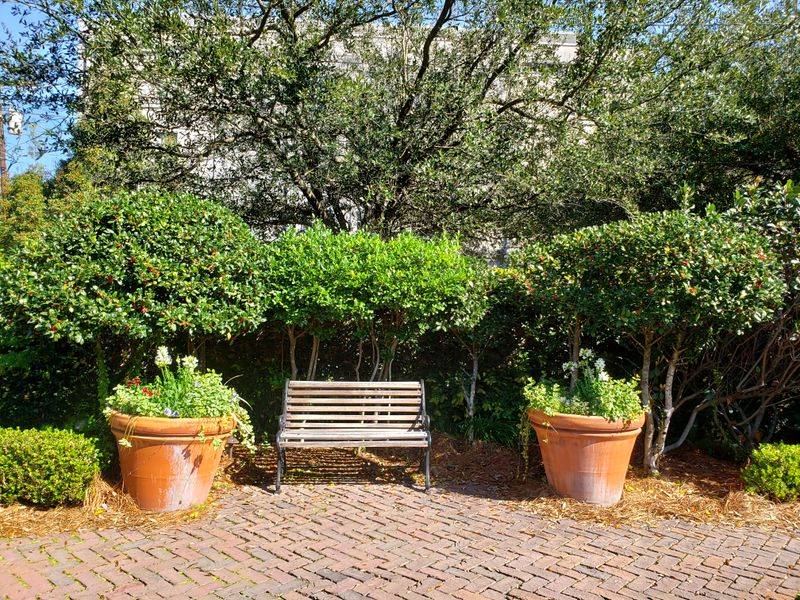
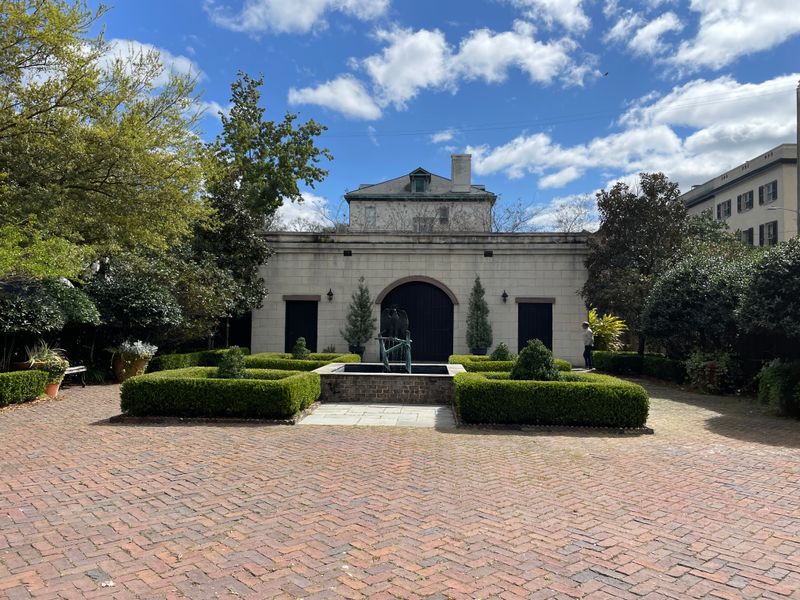
Outdoor spaces were just as important as interior rooms for wealthy Southern families. The grounds surrounding the Harper Fowlkes House feature gardens designed in period-appropriate styles, offering visitors a complete experience of antebellum life. Boxwood hedges create formal patterns that have been maintained for generations.
Walking paths wind through planted areas, inviting exploration and contemplation. Seasonal flowers provide changing displays throughout the year, from spring bulbs to summer roses to fall chrysanthemums. Trees planted during the mansion’s early years now tower overhead, providing shade and a sense of permanence.
Garden features include areas for both ornamental beauty and practical purposes. Herb gardens would have supplied the kitchen with flavoring and medicinal plants. Flowering shrubs created privacy screens while adding color and fragrance.
Benches placed strategically throughout the grounds offer spots to rest and enjoy the scenery. The gardens require constant care to maintain their appearance, with volunteers and staff working throughout the year. You’ll find these outdoor spaces provide a peaceful contrast to the formal grandeur of the mansion’s interior.
12. Intact Slave Quarters Behind The Main House
Understanding the complete story of the Harper Fowlkes House requires confronting uncomfortable truths about the past. Behind the mansion stand preserved slave quarters, simple structures that housed the enslaved people who made the plantation’s operation possible. These buildings offer a stark contrast to the main house’s luxury.
Small rooms with basic amenities show the harsh conditions enslaved people endured. Rough wooden walls and simple furnishings demonstrate the inequality built into the plantation system. Interpreters help visitors understand this difficult history without glorifying or minimizing the reality of slavery.
Preserving these structures serves an important educational purpose, ensuring that future generations learn the full truth about this period. The quarters remind us that the mansion’s beauty came at a terrible human cost. Many historic sites have removed or ignored slave quarters, but the Harper Fowlkes House takes a more honest approach.
You’ll leave with a deeper understanding of how slavery shaped Southern society and architecture. This complete picture makes the site more valuable as a teaching tool and historical resource.
13. Active Historical Preservation Efforts
Keeping a historic structure in excellent condition requires constant vigilance and resources. The Harper Fowlkes House benefits from dedicated preservation efforts that address both immediate needs and long-term challenges. Specialists in historic conservation provide guidance on proper maintenance techniques that respect the building’s integrity.
Regular inspections identify potential problems before they become serious. Roof maintenance prevents water damage, while foundation work addresses settling and shifting. Paint analysis ensures that color choices match historical accuracy.
Climate control systems protect interior elements without compromising the building’s appearance.
Funding for preservation comes from multiple sources, including grants, donations, and admission fees. Volunteers contribute countless hours to support the mission of keeping this treasure accessible to the public. Educational programs teach traditional building skills to new generations of craftspeople.
You can support these efforts through visits, memberships, and donations. The work never ends, but each project completed ensures that the Harper Fowlkes House will continue telling its important story. Future visitors will appreciate the care taken today to preserve this remarkable example of Southern architecture and history.
14. Educational Tours And Programs
Visiting the Harper Fowlkes House offers more than just looking at old furniture and architecture. Comprehensive educational programs bring history to life through storytelling and hands-on experiences. Knowledgeable guides share fascinating details about the people who lived here and the times they inhabited.
School groups particularly benefit from programs designed to align with curriculum standards. Students learn about architecture, social history, and the complex realities of the antebellum South. Interactive elements help younger visitors connect with material that might otherwise seem distant and abstract.
Special events throughout the year offer unique perspectives on different aspects of life in the 1840s. Candlelight tours create atmospheric evening experiences. Cooking demonstrations show how meals were prepared using period techniques.
Craft workshops teach traditional skills like weaving or woodworking. These programs serve diverse audiences, from serious history buffs to families looking for educational entertainment. You’ll find that each visit can offer something new, depending on which program you attend.
The mansion becomes a classroom where the past feels immediate and relevant, helping us understand how history shapes our present world.
15. Connection To Macon’s Rich History
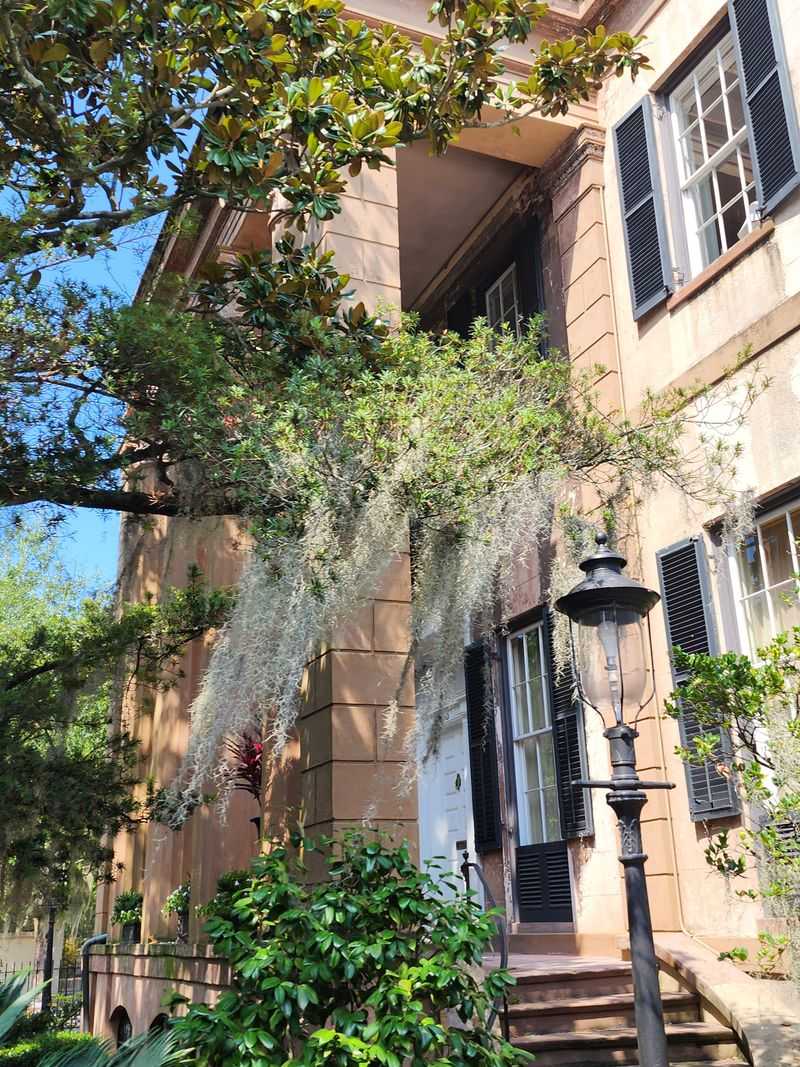
No historic house exists in isolation from its community and era. The Harper Fowlkes House represents an important piece of Macon’s broader story, connecting to the city’s development during the antebellum period. Macon grew rapidly in the decades before the Civil War, becoming a center of commerce and culture in central Georgia.
The mansion’s location in a prestigious neighborhood reflected the owner’s social standing. Nearby homes, many also preserved, create a historic district that transports visitors back in time. Walking these streets gives you a sense of how the wealthy elite lived in this important Southern city.
Harper Fowlkes himself played a significant role in Macon’s business community. His success in cotton trading and other ventures made possible the construction of this grand home. The family’s social connections linked them to other prominent citizens whose names still appear on buildings and street signs throughout Macon.
Understanding these relationships helps explain the mansion’s significance beyond its architectural merits. You’ll appreciate how individual buildings contribute to a larger narrative about a city, a region, and a nation during a pivotal period.
16. Testament To Southern Craftsmanship
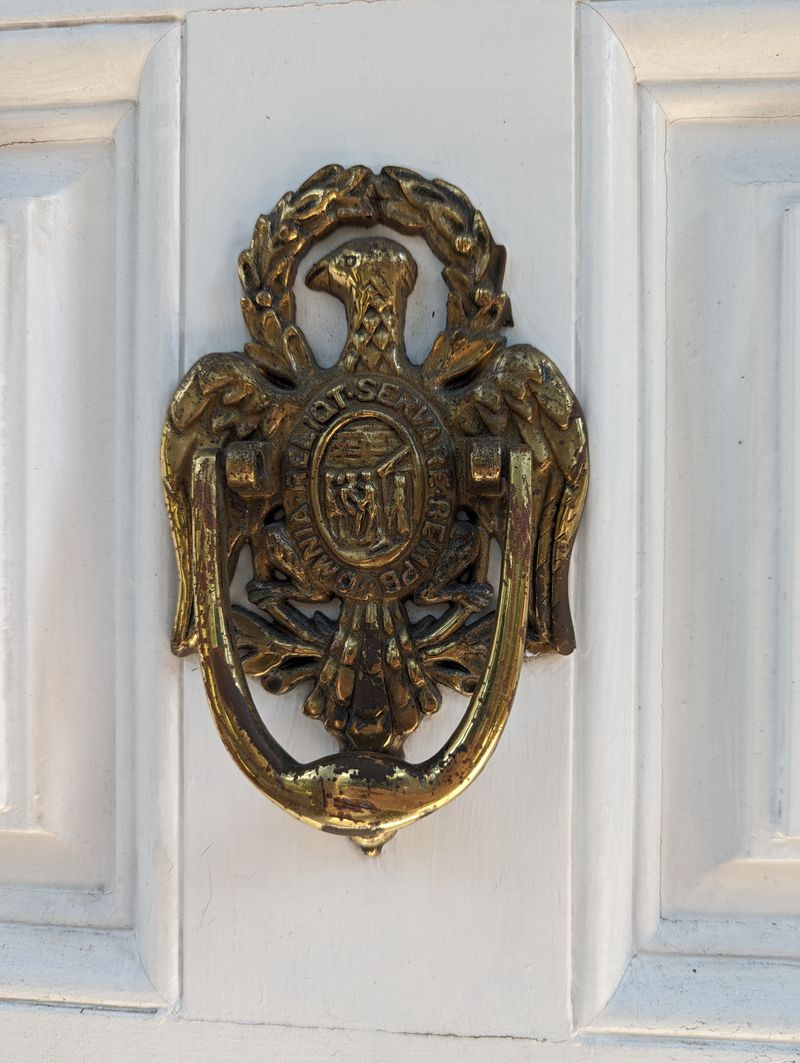
Every element of the Harper Fowlkes House showcases skills that took years to master. Carpenters, plasterers, masons, and other craftspeople brought their expertise to create something that would outlast them by generations. Their work stands as proof that quality construction and attention to detail create lasting value.
Modern construction methods prioritize speed and cost-efficiency over the painstaking handwork evident throughout this mansion. Machine-made components have replaced custom craftsmanship in most contemporary buildings. Comparing the two approaches helps us understand what we’ve gained and lost through technological progress.
The craftspeople who built this house likely learned their trades through apprenticeships, passing knowledge from master to student. Some were enslaved artisans whose skills were exploited without proper compensation or recognition. Others were free workers earning wages for their labor.
Regardless of their status, their collective expertise created something remarkable. You can see their individual touches in slight variations and unique details that machine production cannot replicate. The mansion stands as a memorial to their skills, reminding us that human hands guided by knowledge and experience can create works of lasting beauty and function.