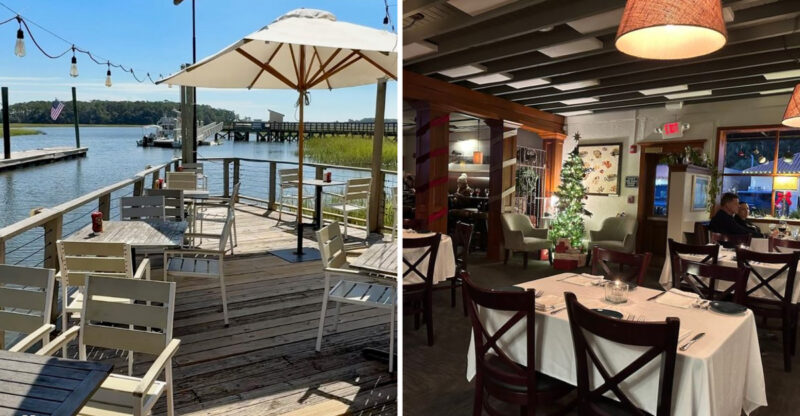
This Georgia Lake Has Gone From Peaceful Retreat To The Center Of A Heated Local Argument
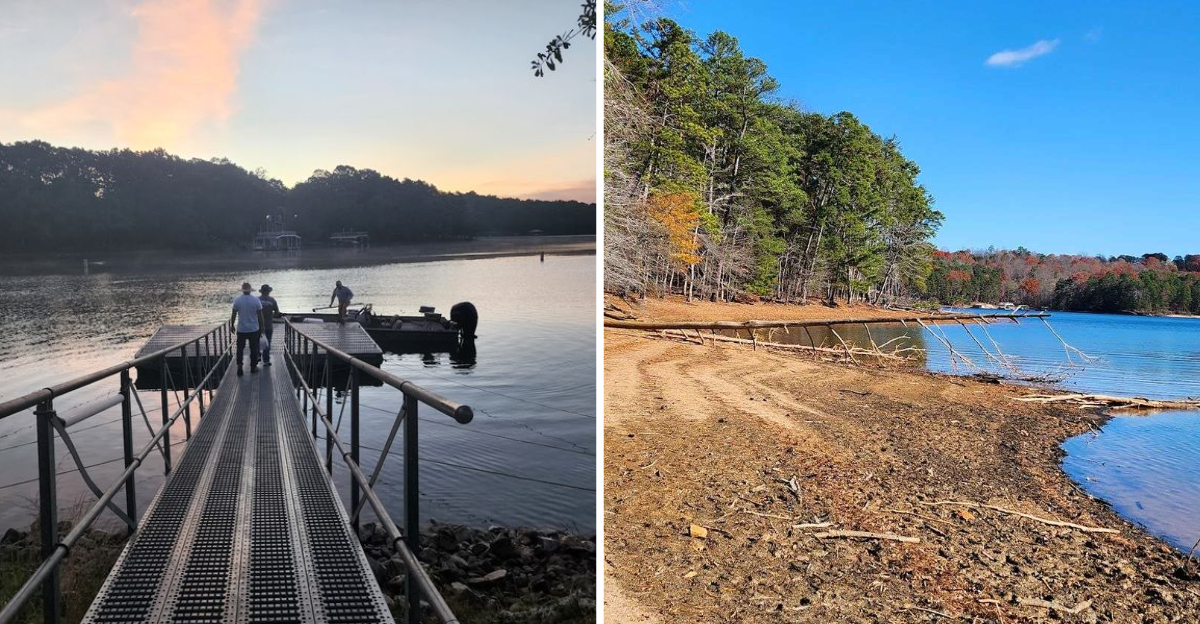
Few places manage to be both a beloved playground and a genuine lightning rod at the same time. One massive reservoir in Georgia pulls off exactly that strange double life.
On the surface it is pure escape, sparkling water and gorgeous scenery drawing families and boaters by the thousands. Dig a little deeper, though, and it sits at the center of some serious debates about water rights, buried history, and how the lake should even be used.
That tension is a big part of what keeps people talking about it. Sitting roughly an hour north of Atlanta, this sprawling lake pulls in more than ten million visitors every single year.
You might be hearing about it for the very first time or have been launching your boat here for decades. Either way, there are plenty of reasons to go see what all the fuss is truly about.
1. Boating On 38,000 Acres Of Open Water
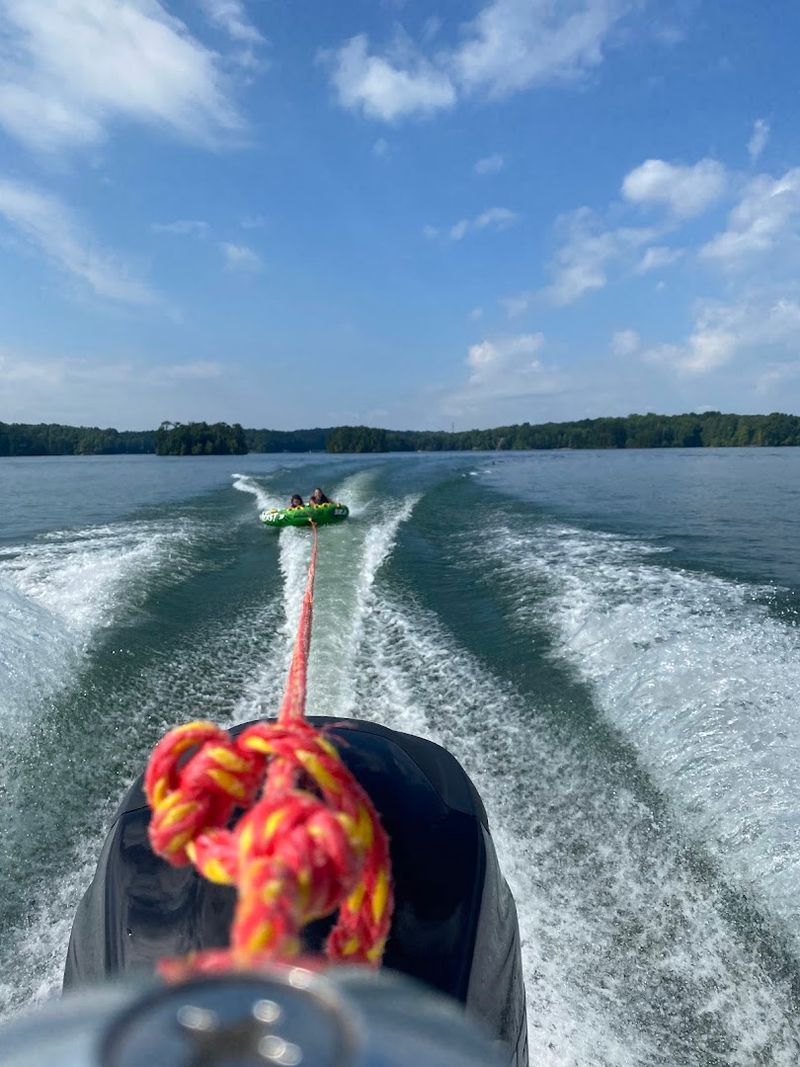
Few experiences match the feeling of heading out onto open water with nothing but blue sky above and Georgia hills in the distance. Lake Lanier covers roughly 38,000 surface acres when full, making it one of the largest reservoirs in the Southeast.
That kind of space means boaters rarely feel crowded, even on busy summer weekends.
Dozens of marinas dot the shoreline, offering boat rentals, fuel, and supplies for both experienced captains and first-timers. Routes like GA-400 and I-985 make reaching different lake arms surprisingly simple from Atlanta.
Pontoon boats are popular for relaxed family cruises, while speedboats attract those chasing the thrill of open-throttle runs across wide coves. Sailboats and kayaks share the water too, giving the lake a lively, layered energy.
Weekdays tend to be calmer and more spacious, so arriving early on a Tuesday or Wednesday could mean having entire stretches of water nearly to yourself.
2. Fishing For Bass, Stripers, And More
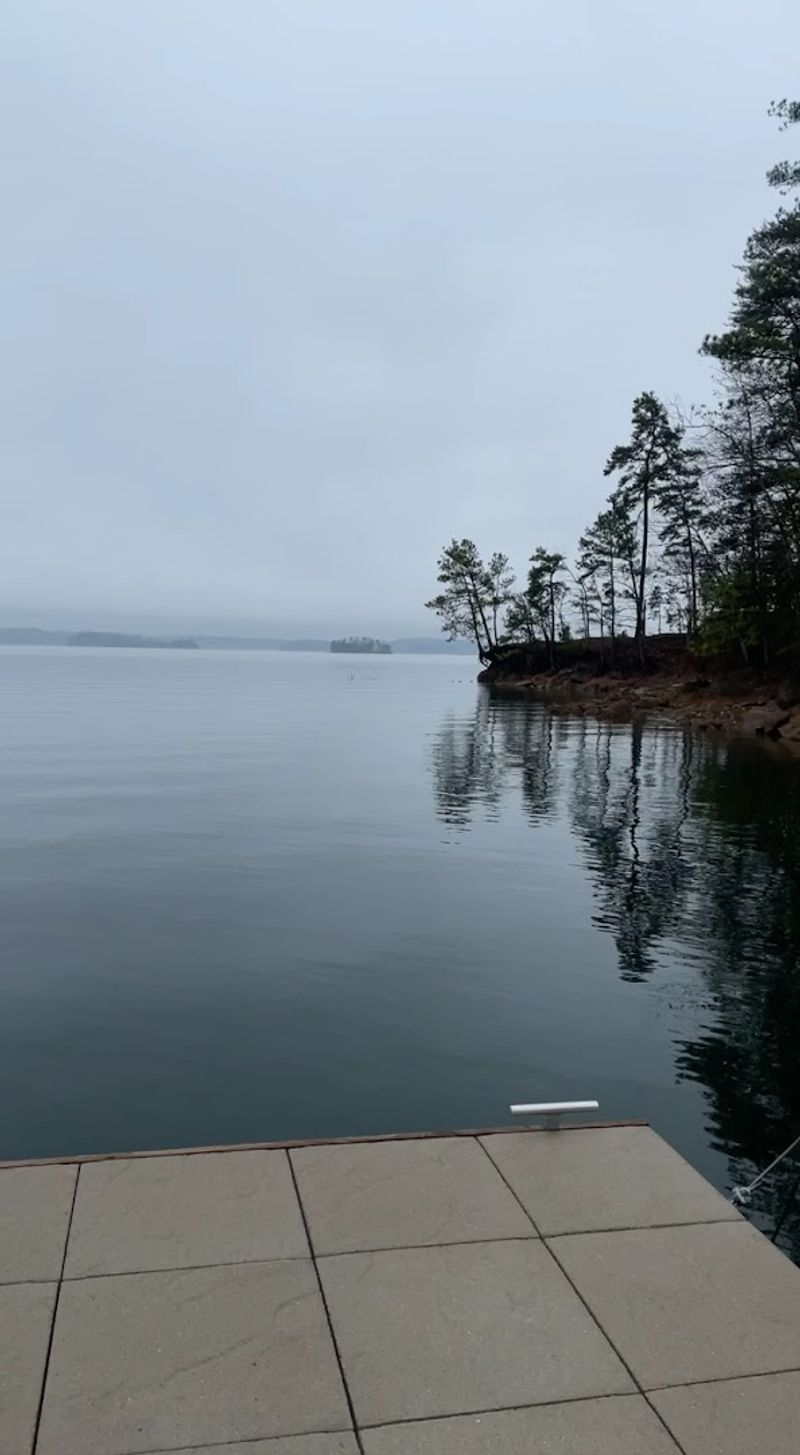
Anglers from across Georgia and beyond make regular pilgrimages to Lake Lanier specifically for its exceptional fishing. The lake holds impressive populations of largemouth bass, spotted bass, striped bass, crappie, catfish, and white bass.
Cold water releases below Buford Dam even support stocked trout including rainbow, brown, and brook varieties.
Spotted bass in particular have been drawing serious attention lately, with many anglers reporting heavier, healthier catches in recent seasons. Structure-focused fishing near sunken humps, brush piles, drop-offs, and submerged timber tends to produce the best results.
The Georgia Department of Natural Resources and the Army Corps of Engineers actively maintain fish habitat throughout the lake, which keeps the ecosystem productive year-round.
Morning launches from any of the lake’s multiple boat ramps give anglers the best shot at action before afternoon winds pick up.
Fishing tournaments are held regularly here, which speaks to just how seriously this lake is taken in the angling community.
3. Swimming Beaches Worth Every Splash
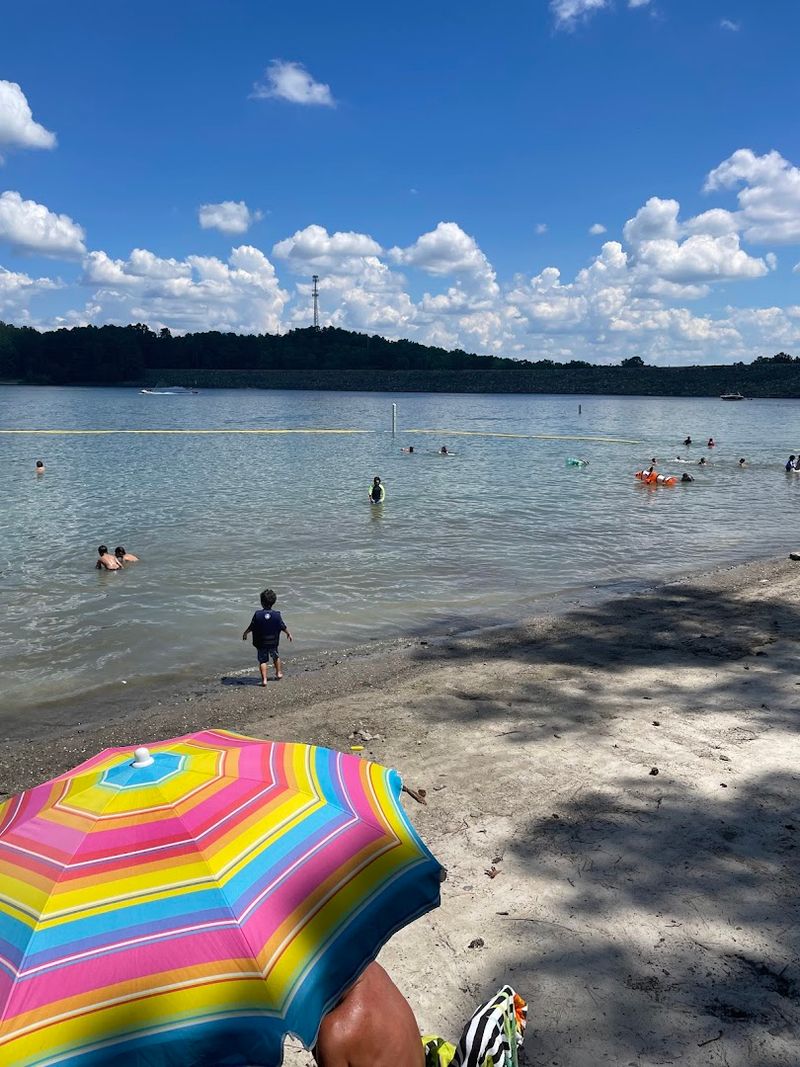
Mary Alice Beach is one of the most recognized entry points for swimmers at Lake Lanier, offering a genuine sandy shoreline where families can spread out and enjoy the water. The lake sits in the Georgia foothills, which gives the surrounding scenery a lush, green character that feels different from a typical flatland reservoir.
Water clarity can vary depending on rainfall and season, so checking conditions before visiting is always a smart move. Swimmers are encouraged to stay within designated areas, as the lake is deep in many sections and boat traffic requires careful attention near open water.
Entry fees apply at most public beach areas, typically around ten to twenty dollars per vehicle depending on the location and season. Arriving early on weekday mornings almost always means more space, cleaner restrooms, and a quieter atmosphere overall.
Lifeguards may not always be present, so swimming with a buddy and knowing personal limits matters here more than at a managed pool.
4. Kayaking And Paddling Through Quiet Coves
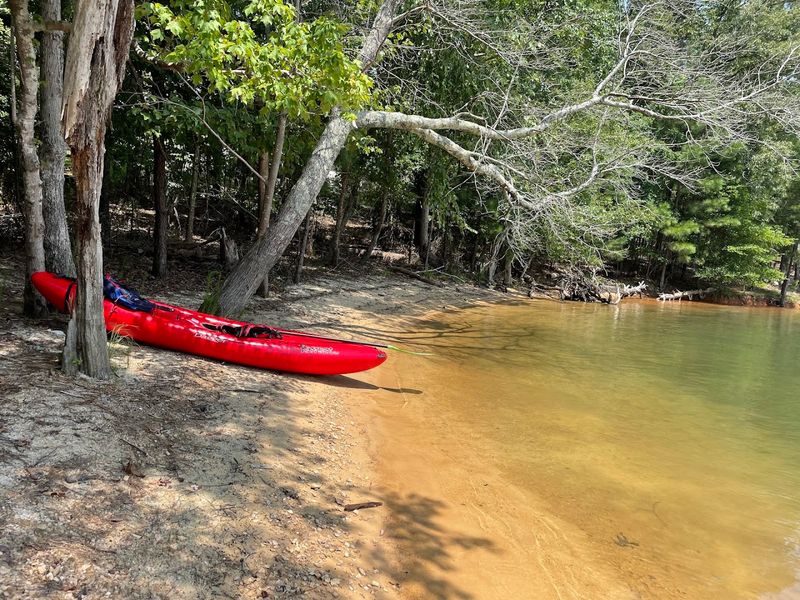
Paddling around Lake Lanier rewards those who move at a slower pace. The lake’s many arms, inlets, and small coves create natural corridors where kayakers can explore away from motorboat traffic, finding little beaches and shaded shorelines that feel almost hidden.
The water can get choppy from wind and boat wakes in open sections, which actually adds a fun challenge for experienced paddlers. Beginners tend to stick closer to the protected coves where conditions stay calmer and easier to navigate.
One practical tip that experienced paddlers share often: take photos or note landmarks near the launch point before heading out. Lake Lanier is large enough that many inlets look similar from the water, and getting turned around is easier than expected.
Bug repellent is worth packing for any paddle that includes shoreline exploring or hiking breaks. The international mix of visitors found around the lake gives even a simple kayaking outing a surprisingly lively, communal energy.
5. Hiking Trails With Lake Views
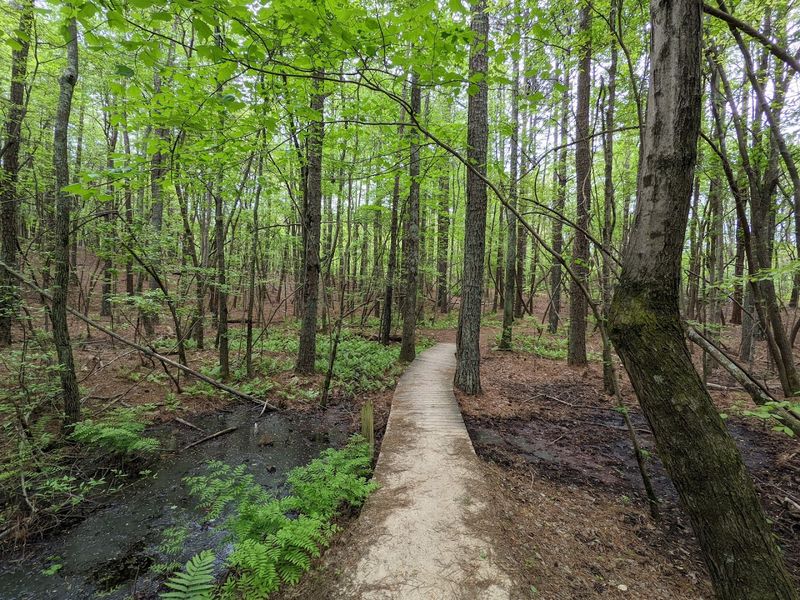
The shoreline areas around Lake Lanier include hiking trails that wind through Georgia’s characteristic mix of pine and hardwood forest, occasionally breaking open to reveal broad views across the water.
Deer sightings along these paths are common enough that they still manage to feel like a pleasant surprise.
Trail difficulty ranges from easy lakeside walks suitable for families with young children to more rugged routes that climb through the rolling foothills terrain surrounding the reservoir.
Bringing insect repellent is strongly recommended, especially during warmer months when mosquitoes and ticks are active near the water’s edge.
Misty mornings in cooler seasons create a particularly atmospheric hiking experience, when fog sits low over the water and the trails feel genuinely quiet. Some visitors specifically plan fall and winter visits to enjoy the trails without crowds, finding that the peaceful atmosphere more than compensates for the colder temperatures.
Comfortable footwear and a water bottle are the only real essentials needed to get started.
6. Stunning Sunsets That Stop People Mid-Sentence
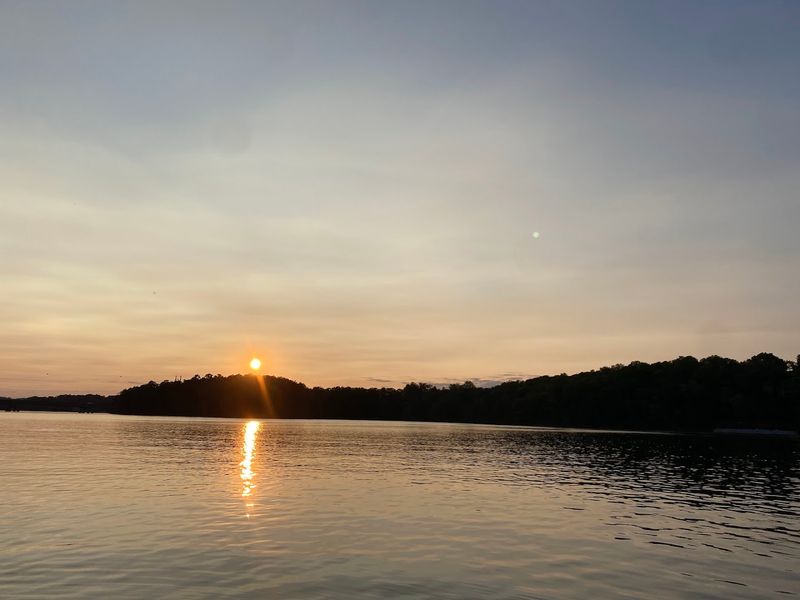
There is something about the way the Georgia sky meets the water at Lake Lanier in the evening that makes even the most distracted visitor stop and stare.
The lake’s wide open surface acts like a mirror, doubling the color of the sky and stretching those warm orange and pink tones all the way to the horizon.
Several visitors in reviews have specifically called out the sunsets as a highlight that exceeded expectations, describing evenings spent with friends simply watching the light change over the water. Picnic areas and open shoreline sections near the park offer comfortable spots to settle in as the sun drops.
Photographers find the lake particularly rewarding at golden hour, when the light is soft, the reflections are sharp, and the surrounding Georgia hills add depth to the frame.
Weekday evenings tend to bring fewer people to the waterfront, making it easier to find a quiet spot without competing for the best vantage point along the shore.
7. Holiday Lights That Draw The Whole Family
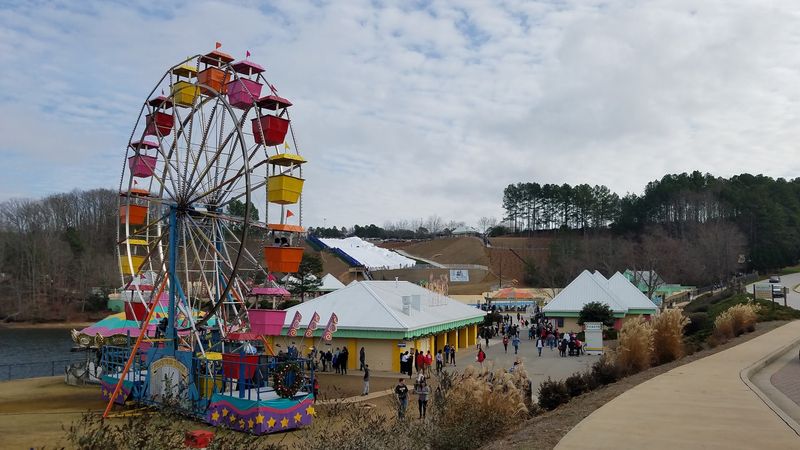
Every winter, Lake Lanier transforms into one of Georgia’s most beloved seasonal attractions with its holiday lights event. Thousands of lights line the waterfront, creating a warm, glowing experience that visitors of all ages consistently describe as genuinely magical rather than just commercially flashy.
Families with young children find the lights display particularly memorable, with some reviews noting that the decorations include traditional holiday imagery like nativity scenes alongside more festive color arrangements. The combination of the illuminated shoreline and the dark, reflective water adds a layer of visual drama that photographs beautifully.
Planning a visit on a weeknight rather than a weekend significantly reduces the crowd experience, making the stroll feel more relaxed and less rushed. Layering up is essential since Georgia winter evenings near the water carry a real chill, especially close to the shoreline.
The lights event draws visitors from across the region each year, so checking dates and purchasing tickets in advance is always the smarter approach for holiday season planning.
8. Picnicking And BBQ Spots Along The Shore
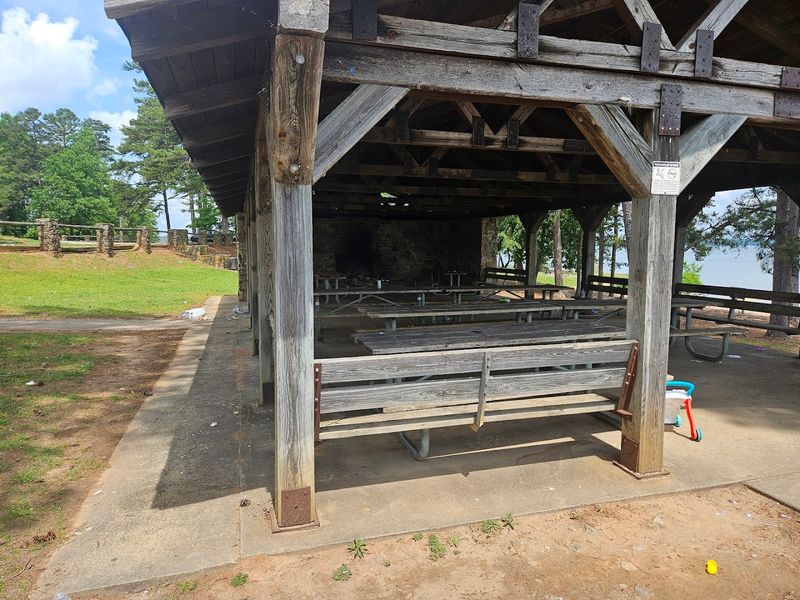
Some of the most relaxed hours anyone can spend at Lake Lanier happen at one of its many designated picnic and BBQ areas, where grills are available and the backdrop is pure Georgia lakefront scenery. Parking is generally plentiful at these spots, which makes loading up a cooler and a few folding chairs a genuinely low-stress operation.
Restrooms at the picnic areas are reportedly well-maintained at most locations, which matters more than people usually admit when planning a full day outdoors. Families with kids tend to appreciate the open grassy areas where children can move around freely while food is being prepared.
One honest note worth mentioning: trash left behind by some visitors is a recurring complaint in reviews, so packing out everything brought in makes a real difference for the next group. Weekday visits almost always yield quieter, cleaner conditions at these spots.
The combination of a good meal, fresh Georgia air, and lake views makes even a simple packed lunch feel like something worth planning around.
9. Proximity To Atlanta Makes It Effortlessly Accessible
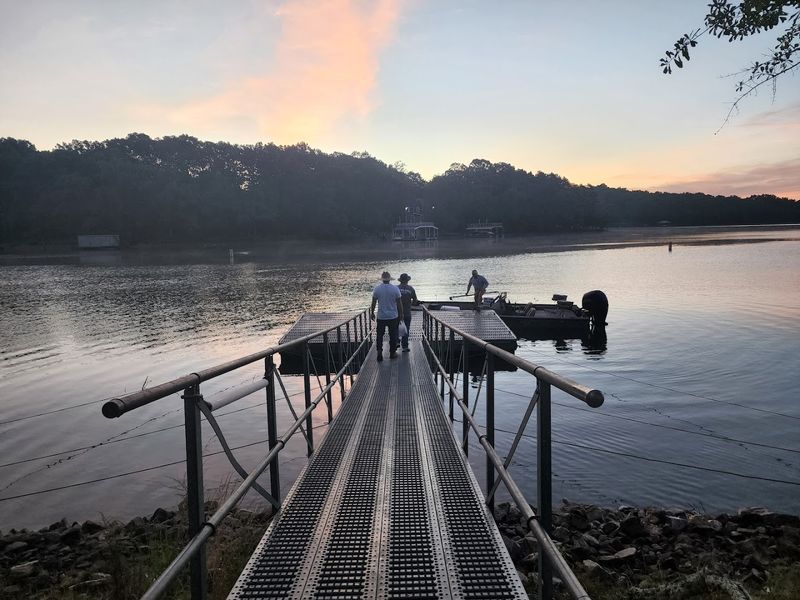
One of the most practical things about Lake Lanier is how close it sits to one of the South’s biggest cities. Roughly one hour north of Atlanta, Georgia, the lake is genuinely reachable for a day trip without requiring an overnight stay or extensive planning.
Major routes including GA-400 and I-985 connect Atlanta-area residents directly to different sections of the lake, reducing drive time and making spontaneous visits realistic even on a whim. This accessibility is a big part of why the lake sees more than 10 million visitors annually.
For those flying into Atlanta, renting a car and making Lake Lanier a same-trip destination requires minimal extra effort. The surrounding towns and communities along the lake’s edge offer gas stations, grocery stores, and restaurants, so last-minute supply stops are easy to manage.
Visitors who have explored other Southeast lakes often comment that Lanier’s location relative to a major metro area is genuinely rare and surprisingly underappreciated by people outside of Georgia.
10. Scenic Waterways And Rolling Foothills Landscape
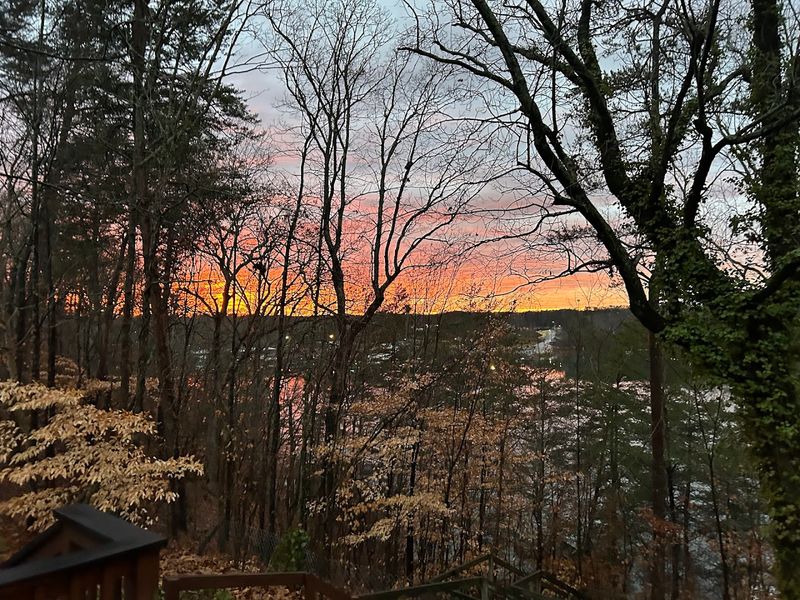
The landscape surrounding Lake Lanier is shaped by the Georgia foothills in a way that sets it apart from flatland reservoirs. Rolling hills covered in dense hardwood and pine forest frame the water on every side, giving the lake a sense of depth and drama that surprises first-time visitors.
The lake itself was formed by Buford Dam and fed by both the Chattahoochee and Chestatee Rivers, which means the waterways feeding into it carry a natural character that feels connected to the broader Georgia mountain ecosystem nearby. Scenic overlooks and elevated shoreline sections offer broad views that capture both the water and the surrounding hills together.
Photography enthusiasts find the combination of waterway curves, forested ridgelines, and open sky particularly rewarding in every season. Spring brings fresh green color to the hillsides, summer deepens the contrast between blue water and green shore, fall adds warm tones across the canopy, and winter reveals the lake’s structural beauty without the leaf cover obscuring the views.
11. Camping Under Georgia Stars

Spending a night at Lake Lanier shifts the experience from a day trip into something that feels much more immersive. Campgrounds around the lake operated by the Army Corps of Engineers offer sites with access to the water, fire pits, and restroom facilities that make the overnight stay comfortable without being overly developed.
The sound of water lapping against the shore and the absence of city noise creates the kind of sleeping environment that feels genuinely restorative. Georgia’s night sky away from Atlanta’s light pollution reveals considerably more stars than most urban residents see in a typical week.
Booking campsites in advance is strongly recommended during summer weekends, as popular spots fill quickly once the season heats up. Shoulder seasons like late September through October and April through May tend to offer good weather, manageable insect activity, and far fewer crowds than peak summer.
Bringing firewood or purchasing it locally rather than transporting it from home follows responsible outdoor practices and protects the local forest ecosystem.
12. Water Park Thrills At Lake Lanier Islands
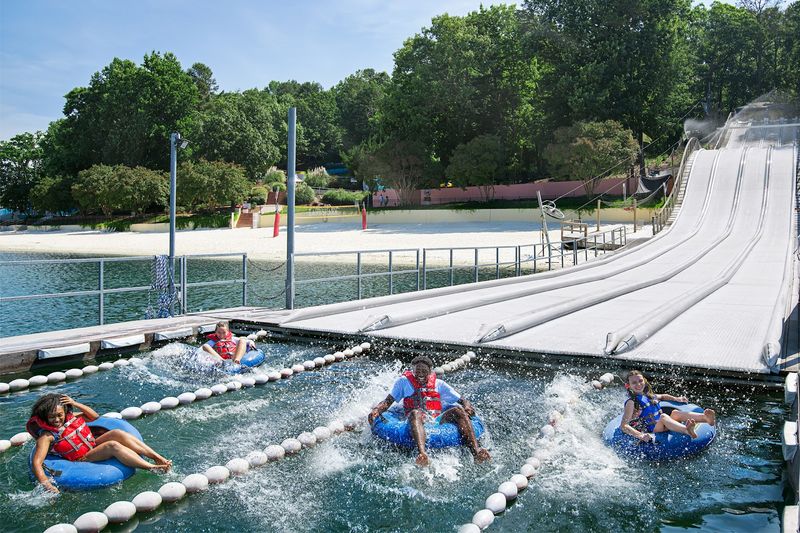
For visitors who want structured water-based fun rather than open-lake exploration, Lake Lanier Islands offers a water park experience built right into the lakeside resort environment. The park features slides, pools, and attractions designed for a range of ages, making it a reliable option for families with children of different sizes and comfort levels.
The broader Lake Lanier Islands resort complex also includes a golf course, boat rentals, and seasonal snow tubing on a dedicated hill during winter months, which makes it a genuinely versatile destination across different seasons. The resort atmosphere has been compared to a smaller-scale Lake Buena Vista vibe by visitors who appreciate the organized, amenity-rich environment.
Purchasing tickets online in advance tends to save both money and time at the gate, especially during peak summer weekends when lines can grow considerably. The resort sits within easy reach of the lake’s natural areas, so combining a morning at the water park with an afternoon on the actual lake is a completely reasonable way to structure a full day visit.
13. Wildlife Watching And Nature Photography
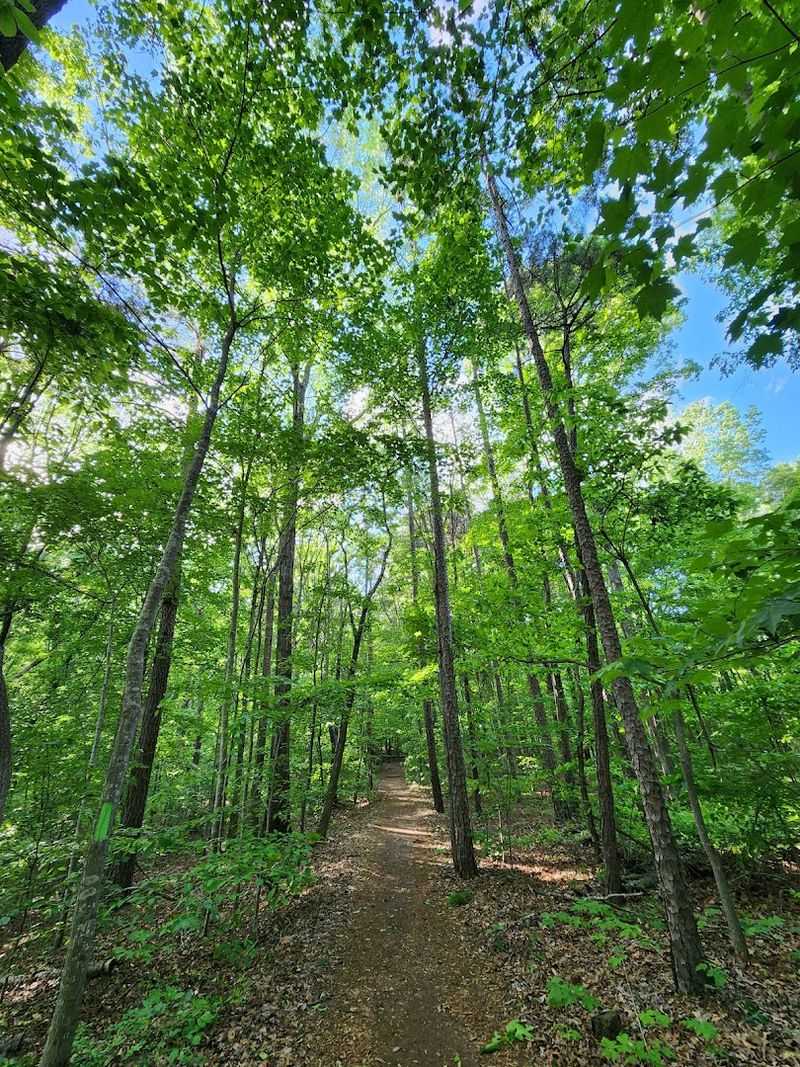
Beyond the boating and swimming crowds, Lake Lanier holds a quieter side that rewards patient visitors who slow down and pay attention. White-tailed deer appear along the wooded shoreline trails regularly enough that multiple visitor reviews mention them as a highlight of the experience.
The lake’s varied habitat, mixing open water, wooded coves, marshy inlets, and forested hillsides, supports a range of birdlife including herons, ospreys, and various waterfowl that can be spotted from the shore or from a slow-moving kayak. Early morning hours before the motorboat traffic picks up offer the best conditions for wildlife observation.
Nature photographers find the combination of Georgia’s lush vegetation, the reflective water surface, and the frequent wildlife activity creates strong opportunities for compelling shots throughout the year. A pair of binoculars and a telephoto lens or a phone with a decent zoom function are simple tools that dramatically improve the wildlife watching experience without requiring any special permits or equipment rentals.
14. The History And Controversy That Make It Unforgettable
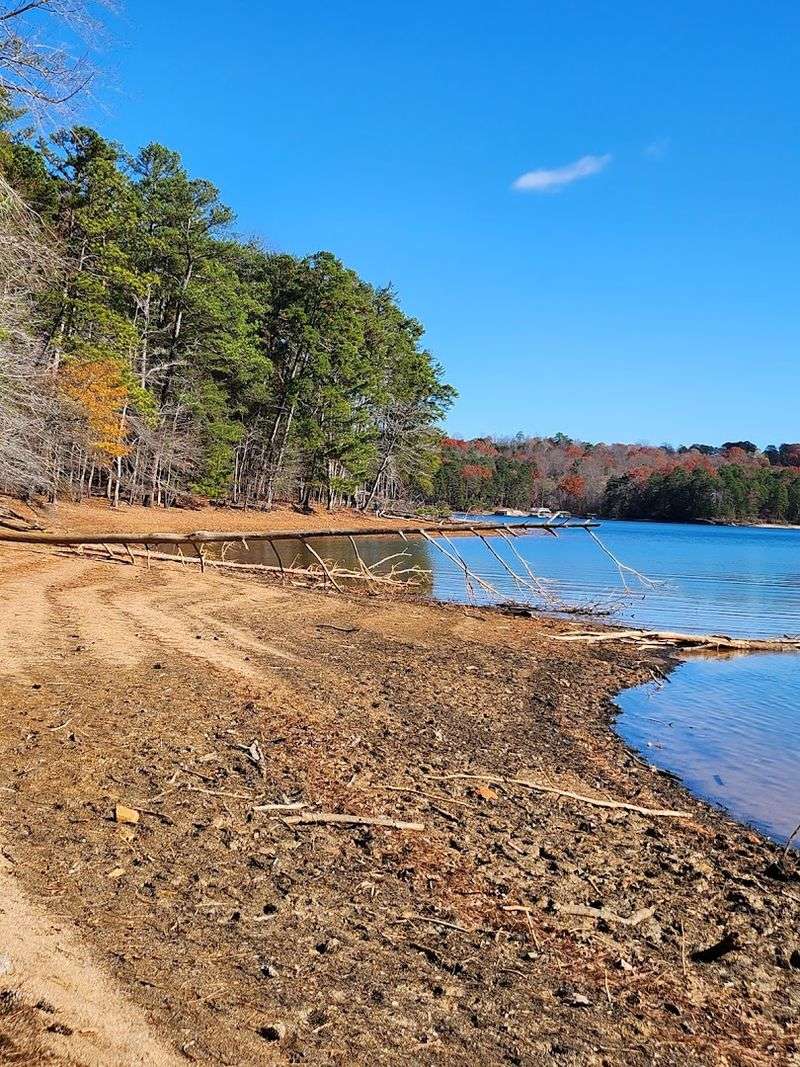
Lake Lanier carries a complicated history that adds a layer of meaning to every visit. The reservoir was created in the 1950s when Buford Dam was completed, flooding thousands of acres of land including the community of Oscarville, Georgia, a historically Black town that was violently displaced decades earlier under deeply troubling circumstances.
That history sits beneath the water today, and some visitors and community members feel strongly that this context deserves acknowledgment rather than being overshadowed by recreational marketing. Water rights disputes involving Georgia, Alabama, and Florida have also made the lake the center of ongoing legal and political arguments about who controls access to the water it holds.
Understanding this background does not diminish the lake’s natural beauty or its value as a recreation destination, but it does deepen the experience for visitors who take time to learn about it. Georgia has a complex history, and Lake Lanier reflects both the best and the most difficult parts of that story in ways that few other landmarks manage to do simultaneously.