10 Georgia Lakes And Wildlife Refuges Where Migrating Birds Create Spectacular November Scenes
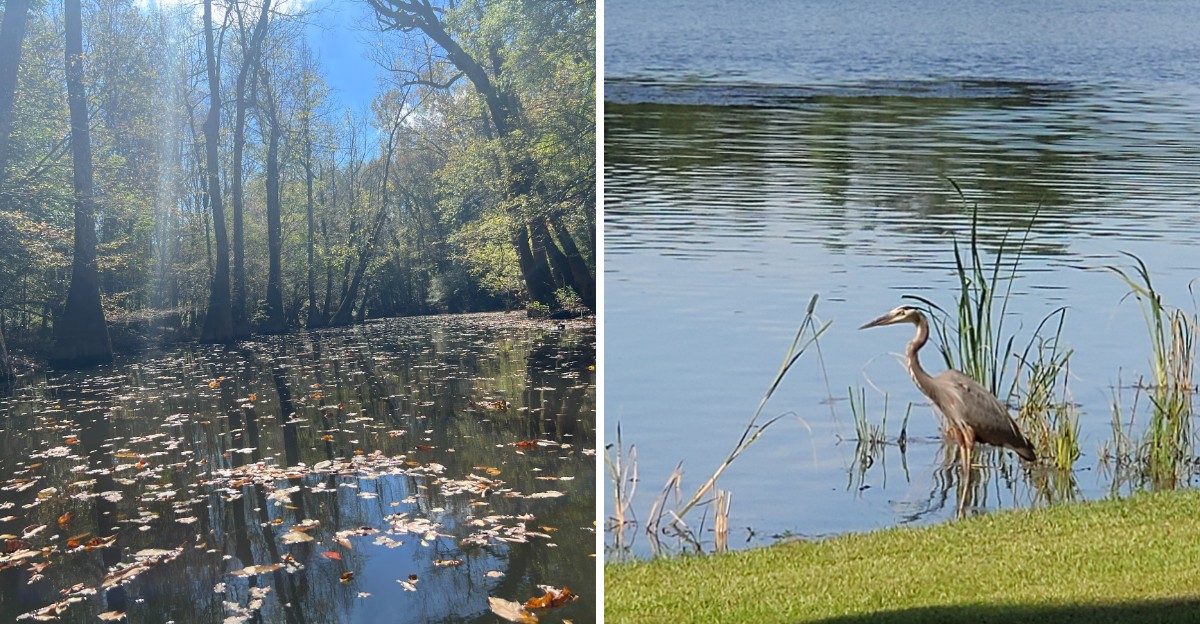
One coastal refuge in Georgia has recorded 342 bird species. That is more kinds of birds than most of us could name in a lifetime of trying.
November is when the guest list gets wild. Sandhill cranes drift into swamp prairies.
Ducks crowd onto old rice fields, and loons show up on inland lakes like they took a wrong turn somewhere.
I love that you don’t need fancy gear to enjoy this show. A pair of binoculars, a thermos, and a little patience can turn a chilly morning into a front-row seat.
Honestly, I can’t think of a cheaper ticket to a better performance.
The list includes barrier islands you can only reach by boat, plus quiet lakes and river swamps. Some are famous, and a few barely get a mention outside birding circles.
1. Harris Neck National Wildlife Refuge
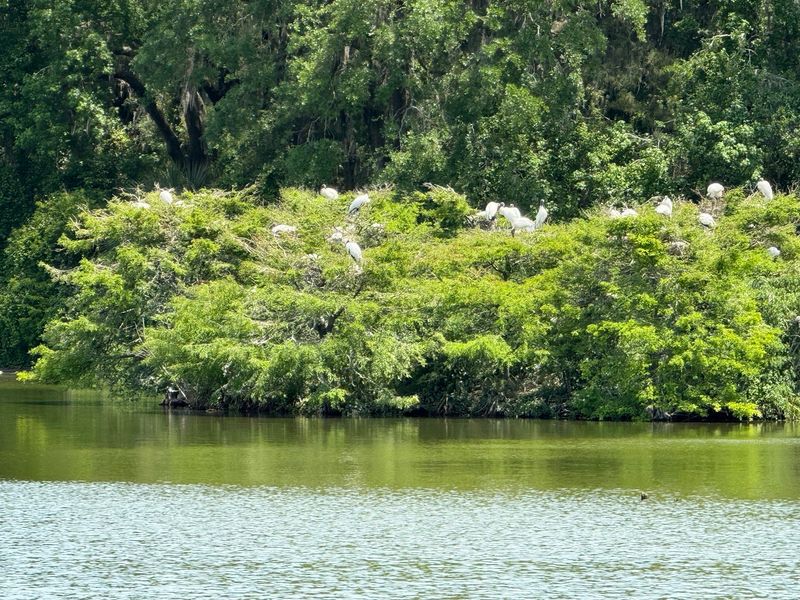
Few places pack 342 recorded bird species into roughly 2,700 acres. Harris Neck pulls it off with saltwater marsh, freshwater ponds, forest, and open fields stitched together on the McIntosh County coast.
The refuge dates back to 1962, when former federal land became a home for wildlife. Today it serves as an important link in the chain of refuges along the Eastern Seaboard.
Your best move is the four-mile paved Wildlife Drive. You can roll slowly past different habitats and stop whenever something feathery catches your eye.
Save time for Woody Pond, a favorite for watching and photographing wading birds. Great blue herons, snowy egrets, tricolored herons, white ibis, and roseate spoonbills have all been spotted around the refuge.
November brings a seasonal shift worth noticing. Wintering waterfowl and sparrows settle onto the property as fall turns toward winter.
Birds aren’t the only locals, either. Alligators, turtles, armadillos, deer, and crabs also call the place home, so keep your eyes on the water’s edge.
Families will find kid-friendly walking trails too. A young birder with a checklist can stay busy here for hours.
Bring a zoom lens if you have one. Those spoonbills look unreal in pink against a gray November sky.
Address: 5000 Wildlife Dr NW, Townsend, GA 31331
2. Okefenokee National Wildlife Refuge
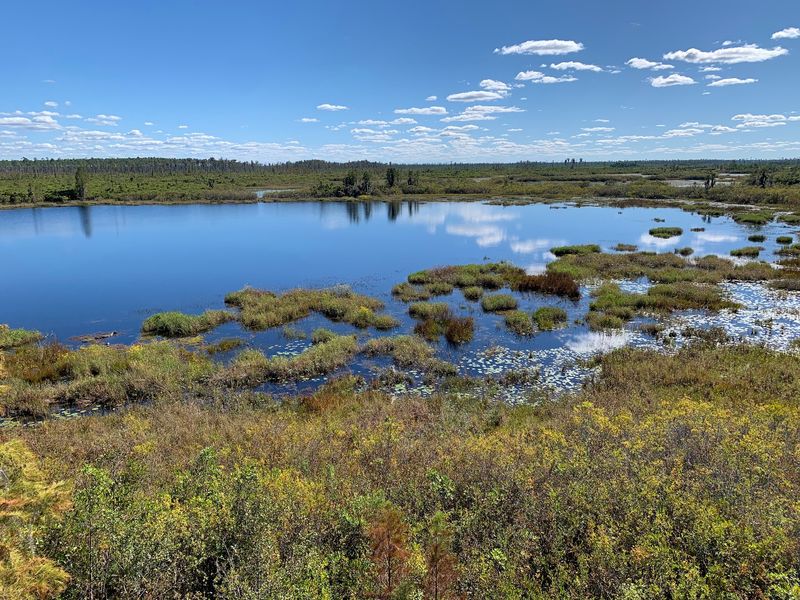
Swamps don’t get much bigger than this one. Okefenokee is the largest national wildlife refuge in the eastern United States, and it was created as a breeding ground and refuge for migratory birds.
The landscape is a giant peat bog filled with cypress, open wet prairies, waterways, and upland forest. More than 234 bird species use it, which feels fitting for a place this huge.
November is when things get loud. Greater sandhill cranes arrive for the season, and robins pour in as well.
Bald eagles also pass through on their way to southern wintering spots. Scan tall snags and open sky, because eagles love a good lookout.
For the classic view, head to the Chesser Island Boardwalk. It stretches about three-quarters of a mile and ends at Owl’s Roost Tower, overlooking the swamp prairies.
Boat tours add another angle. Herons, egrets, cranes, owls, and plenty of alligators can show up along the canals.
The main entrance sits at the Suwannee Canal Recreation Area southwest of Folkston. You’ll find picnic tables, public restrooms, free parking, and an outfitter on site.
The refuge is also recognized as a Wetland of International Importance. That’s a fancy title, and this swamp earns it.
Address: 4155 Suwannee Canal Road, Folkston, GA 31537
3. Piedmont National Wildlife Refuge
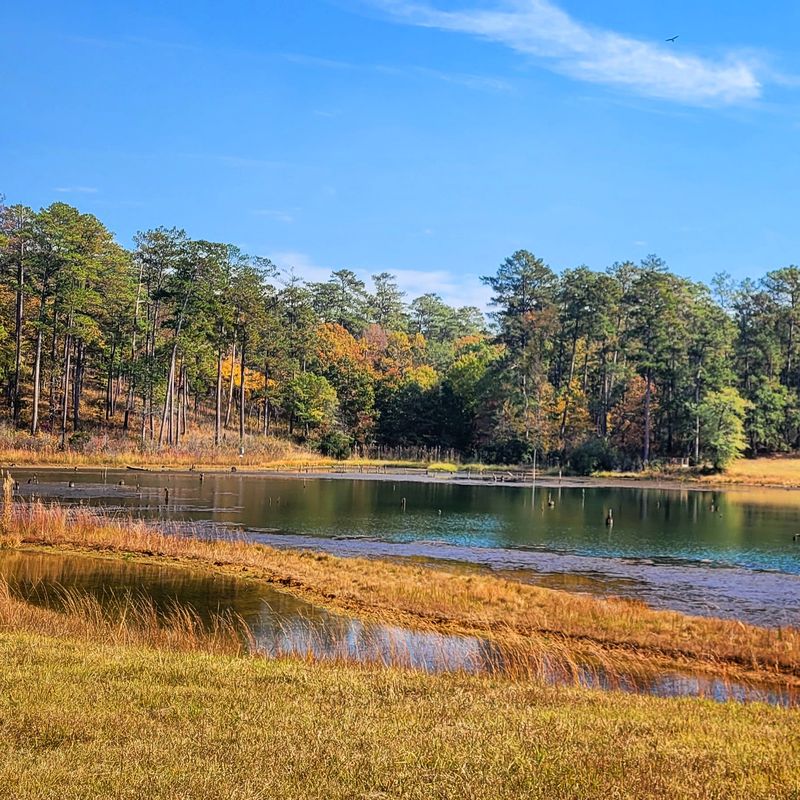
Underrated is the word birders keep attaching to this central Georgia refuge. Once you see the forest roads and quiet ponds, you’ll understand why.
Piedmont National Wildlife Refuge sits in rural country around Hillsboro, spanning parts of Jones and Jasper counties. It offers habitat for birds and other wildlife, plus trails, fishing, and seasonal hunting.
Gravel roads wind through a lovely forest with several water crossings. Driving slowly here is less a rule and more a pleasure.
November is a fine month for forest birds. Woodpeckers stay busy in the trees, and seasonal waterfowl drop onto the ponds.
Bring patience and a soft voice. Deer, wild turkeys, turtles, and armadillos also wander through, and they spook easier than ducks.
The ponds might be the stars of the show. Calm water reflects the fall color, which makes even a plain mallard look like a magazine cover.
You’ll find public restrooms, and dogs are welcome. Kid-friendly hikes make it an easy pick for a family day trip.
Since hunting happens here in season, it’s smart to check the refuge calendar before you go. Bright clothing never hurts either.
Address: 718 Round Oak Juliette Rd, Hillsboro, GA 31038
4. Altamaha Wildlife Management Area
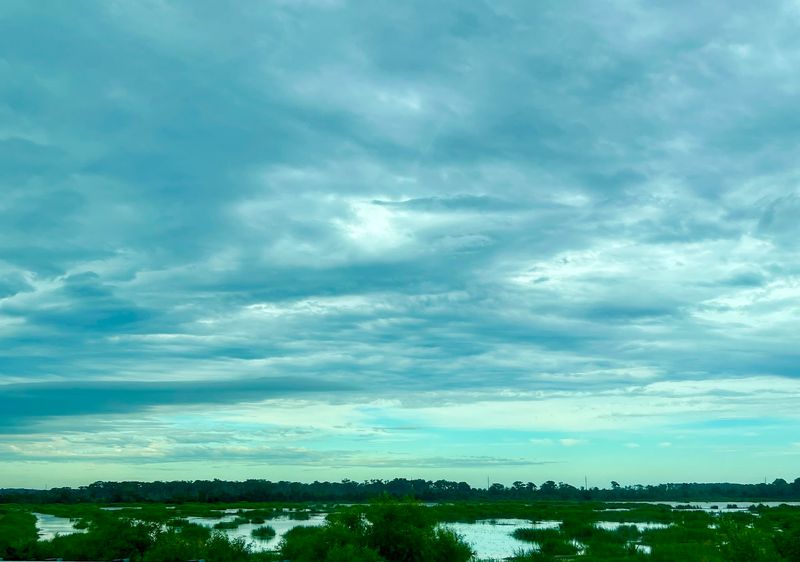
Old rice fields make surprisingly good duck hotels. At Altamaha, former plantation fields are now managed to benefit waterfowl, and the birds have clearly noticed.
The property covers more than 30,000 acres near Darien. That includes 3,154 acres of managed waterfowl impoundments, plus bottomland hardwoods and cypress-tupelo swamps.
Some impoundments were developed in partnership with Ducks Unlimited. Thousands of migrating and wintering ducks use them, which turns a November sky into a moving pattern.
Climb one of the observation towers for a better view. From up there, you can scan wide stretches of water without disturbing the flocks.
Ducks aren’t the only draw. Wood storks, bald eagles, king rails, ibises, and painted buntings are among the species recorded here.
Fall is also a strong season for wading birds and migrating shorebirds. Mudflats along the impoundments can be busy when water levels drop.
One practical detail matters a lot. You’ll need a Georgia hunting license, fishing license, or lands pass to visit the property.
Since waterfowl hunting is popular here, check seasonal schedules before you go. A little planning keeps your birding morning peaceful.
The Altamaha River delta setting adds to the drama. Marsh grass glows gold in late fall, and that backdrop makes any heron look extra photogenic.
Address: 2613 US Highway 17, Darien, GA 31305
5. Lake Allatoona
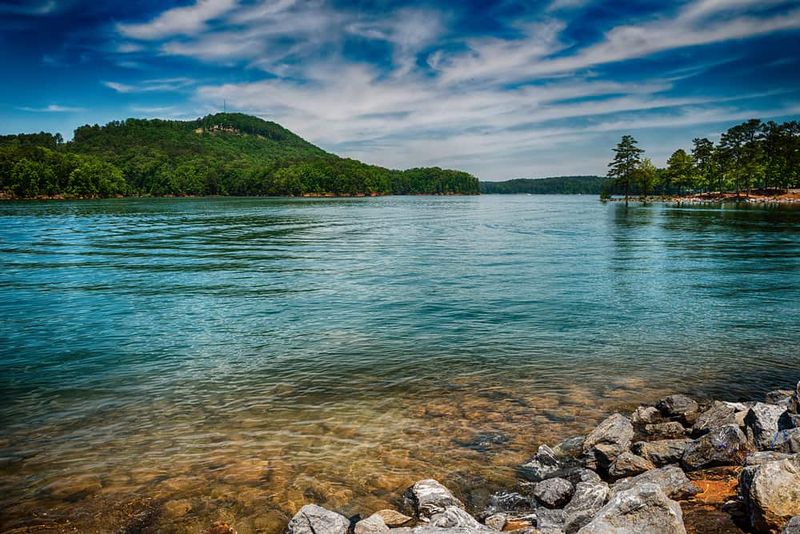
Summer belongs to jet skis and wakesurfers on this big reservoir. November hands the water back to quieter visitors with feathers.
Lake Allatoona sits on the Etowah River near Cartersville, in the rolling foothills of northwest Georgia. It’s known for camping, fishing, swimming, and boating, but the wildlife deserves its own spotlight.
An adjoining wildlife management area helps protect coves and shoreline. Those calmer spots give migrating birds a place to rest and feed.
Late fall is a good time to look for grebes, loons, and diving ducks passing through. Bring binoculars, because these birds often float far from shore.
Here’s a fun trick for spotting divers. Watch a bird for a few seconds, and if it suddenly vanishes, wait for it to pop up somewhere unexpected.
The lake has plenty of public access points and boat ramps. That makes it easy to try a new cove on each visit.
Picnicking is popular along the shore too. A thermos and a folding chair can turn a birding stop into a lazy afternoon.
Fewer boats in November means calmer water and easier viewing. You’ll also hear more bird calls without engines buzzing past.
For Atlanta-area folks, this is a handy escape. You get big-lake scenery and migrating waterbirds without a long road trip.
Address: Lake Allatoona, near Cartersville, GA
6. Lake Blackshear
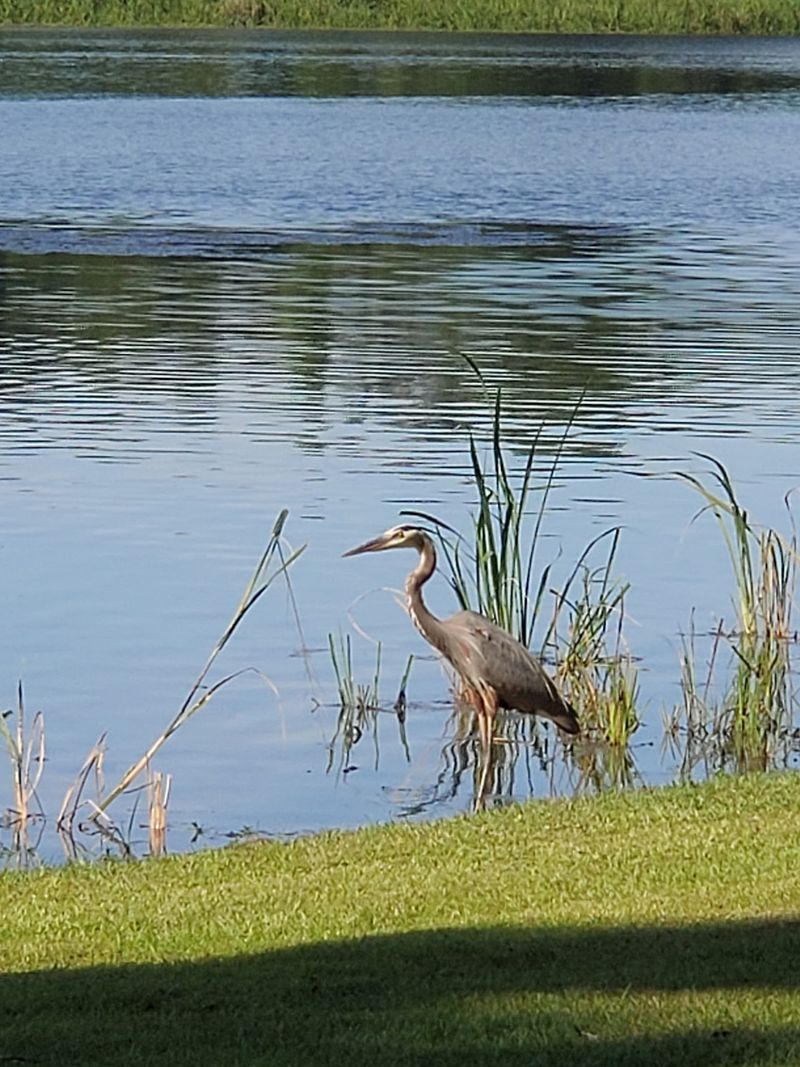
Cypress trees standing knee-deep in water set the mood at this south-central Georgia lake. Add a few herons, and the scene starts looking like a painting.
Lake Blackshear sits west of Cordele and is a large artificial lake. Most people know it for bass fishing, boating, and waterskiing.
The cypress shallows tell a different story in late fall. They give migrating waterfowl, herons, and egrets a handy inland rest stop.
Georgia Veterans State Park sits along the lake. Its shoreline and leafy campsites make a natural base for an unhurried birding weekend.
Slow down near the shallow edges. Wading birds like to stand perfectly still there, and they blend in better than you’d expect.
Fair warning about the neighbors. Alligators live in the lake, so admire the shoreline from a respectful distance.
The water can look murky, which is normal for this kind of wetland lake. Birds don’t mind one bit, since murky shallows often mean good fishing for them.
Picnic areas and public facilities make it an easy stop for families. Cabins are also available nearby if you want to catch sunrise without a long drive.
Morning light on cypress trunks is the real prize here. Grab your camera early and let the egrets do the posing.
Address: Lake Blackshear, west of Cordele, GA 31015
7. Wassaw National Wildlife Refuge
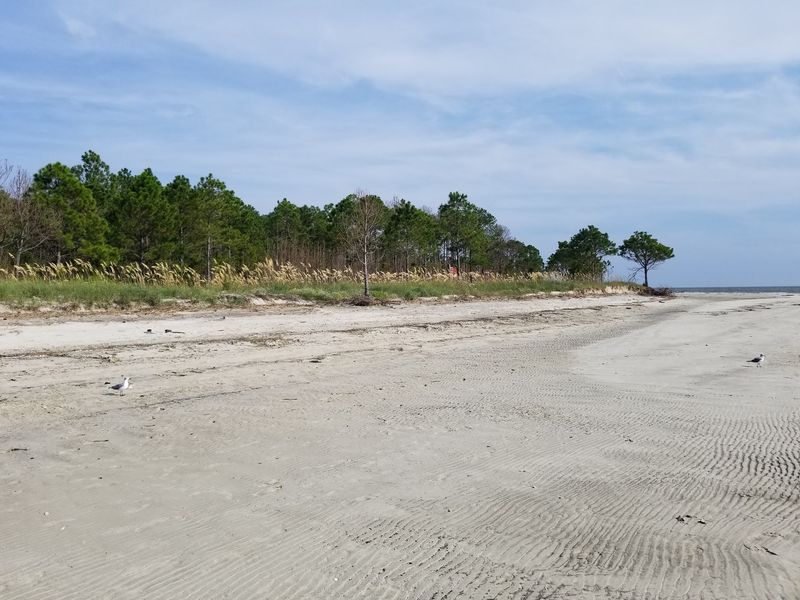
No bridge, no road, and no shortcuts lead to this island. Wassaw National Wildlife Refuge can only be reached by boat, which keeps it wonderfully wild.
Because it stays undeveloped, the island is a key Atlantic Flyway stop. Migrating shorebirds, piping plovers, and raptors use it during late fall.
Piping plovers are tiny, sand-colored, and easy to miss. Walk the beach slowly and watch for little birds that seem to run on wheels.
Raptors add some drama overhead. Keep glancing up, since a hawk cruising over the dunes can steal the whole show.
Getting there takes planning. You’ll need your own boat or a charter, and the refuge is open during daylight hours year-round.
Pack carefully before you go. There are no shops on the island, so bring water, snacks, and sunscreen even in November.
The beach is a favorite with boaters, and fishing is popular here. Kids can handle the walking trails, which makes it a fun family adventure.
Quiet is the big reward. With no traffic noise, you can actually hear waves, wind, and birds calling across the sand.
Address: Wassaw Island, Savannah, GA 31411
8. Blackbeard Island National Wildlife Refuge
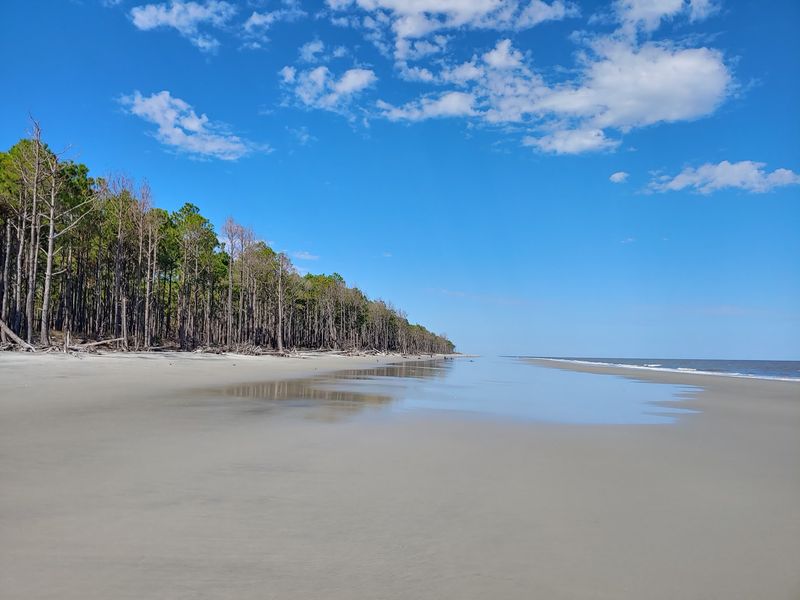
A pirate’s name and a crowd of winter ducks make an unusual pairing. Blackbeard Island National Wildlife Refuge somehow makes it work.
The refuge is an offshore barrier island in McIntosh County, reached only by watercraft. It’s open daily from sunrise to sunset for visitors who make the trip.
Freshwater ponds give migrating waterfowl a place to rest during winter. Wading birds and songbirds also find shelter here as the season cools.
Maritime trails let you explore on foot. Walk quietly and you may catch songbirds flitting through the trees before they notice you.
Bring a picnic, because this island is a fine spot for one. A packed lunch beside the water tastes better with a heron as company.
The trails work well for kids, too. Turn it into a game by counting how many different birds each person can spot.
Since you’ll arrive by boat, plan your timing around daylight. Leaving room for the return trip keeps the day relaxed.
The remote location is the main charm. With no cars and few people, the island feels more like a secret than a destination.
Pack binoculars, water, and a field guide. Your Georgia coast bird list could grow fast on a single afternoon here.
Address: Blackbeard Island, Townsend, GA 31331
9. Bradley Unit, Eufaula National Wildlife Refuge
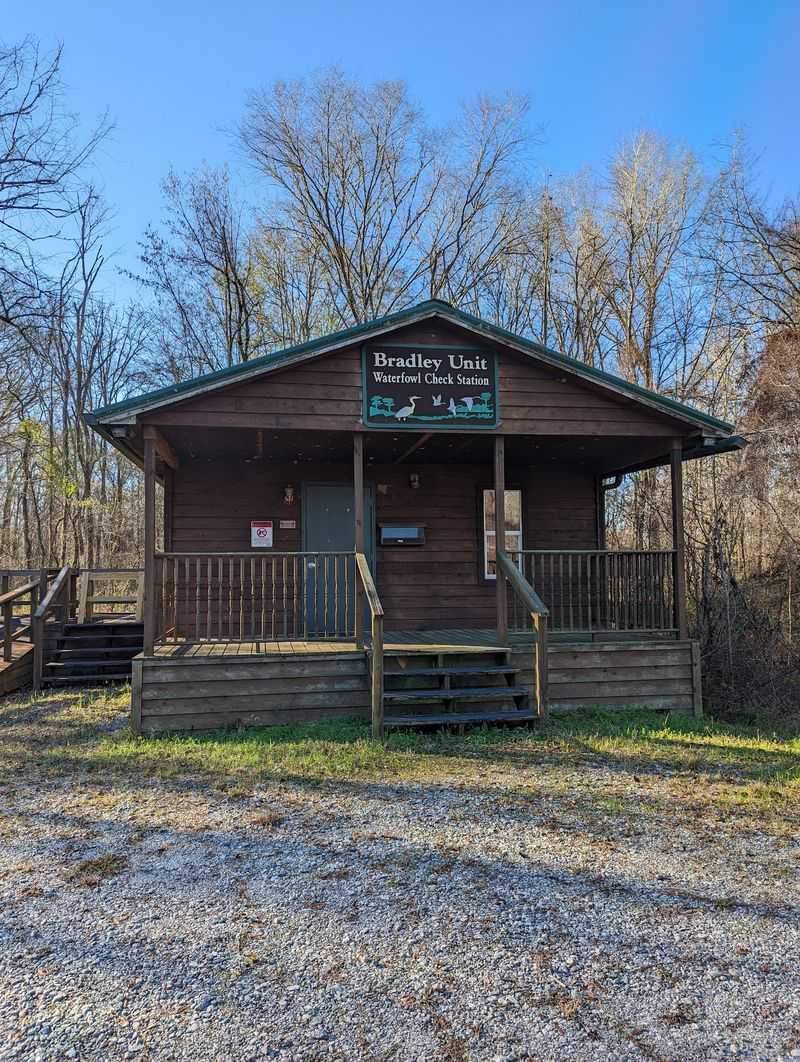
Bald eagles over a sleepy riverside hamlet sound like a scene from a nature film. In Omaha, Georgia, it’s just a regular fall outing.
The Bradley Unit belongs to Eufaula National Wildlife Refuge. It sits in rural Stewart County along the Chattahoochee River, near the Alabama line.
This spot works nicely as a day-use birding area. Bald eagles, great blue herons, little blue herons, egrets, flickers, and songbirds have been recorded here.
Late fall is when wintering waterfowl show up in good numbers. Ducks spread across the water while eagles watch from above, probably plotting lunch.
Northern flickers are a fun find. Look for a woodpecker feeding on the ground and flashing a white patch on its rump as it flies.
The area is listed as open around the clock. Still, daylight is your friend for spotting birds and staying safe on rural roads.
It’s a quiet place, so you won’t fight crowds. That makes it perfect for slow scanning with binoculars or a spotting scope.
Kids can enjoy the outing too. A simple bird checklist keeps young eyes busy and turns every eagle sighting into a victory.
Bring layers, because river mornings can feel chilly. A hot drink in the car helps, too.
Address: XXW4+2V, Omaha, GA 31821
10. Bond Swamp National Wildlife Refuge
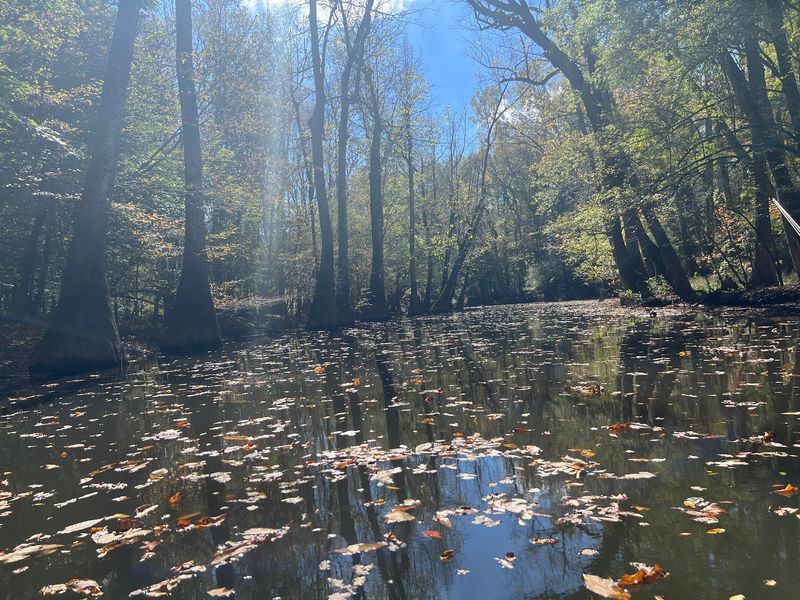
Wood ducks are flashy enough to look painted by a kid with a new marker set. Bond Swamp is one of the places near Macon where you can try to find them.
The refuge protects bottomland hardwood floodplain along the Ocmulgee River in Bibb County. It’s surprisingly close to the city, yet it feels far away once you’re on the trails.
Several miles of roads and hiking trails let you explore. Walking is the best way to hear birds moving through the leaves.
Seasonal waves of migratory waterfowl use the floodplain. Wood ducks are a highlight, and neotropical migrants also pass through.
Watch the flooded edges carefully. Wood ducks like to hide under overhanging branches, so a quiet approach pays off.
Deer and wild pigs also roam the refuge. Stay alert on the trails and give any pigs plenty of space.
Fishing is another option here. You can split your day between casting a line and scanning the trees.
The hikes are easy enough for kids. Floodplain trails can get muddy, so waterproof boots are a smart choice.
The refuge is open daily during daylight hours. Get there early, when the swamp is still misty and the birds are most active.
Address: Bibb County, Macon, GA 31217