9 Georgia Towns Experiencing Long-Term Population Changes
I grew up believing hometowns were permanent. You could leave, but the town would always be there, waiting, mostly unchanged.
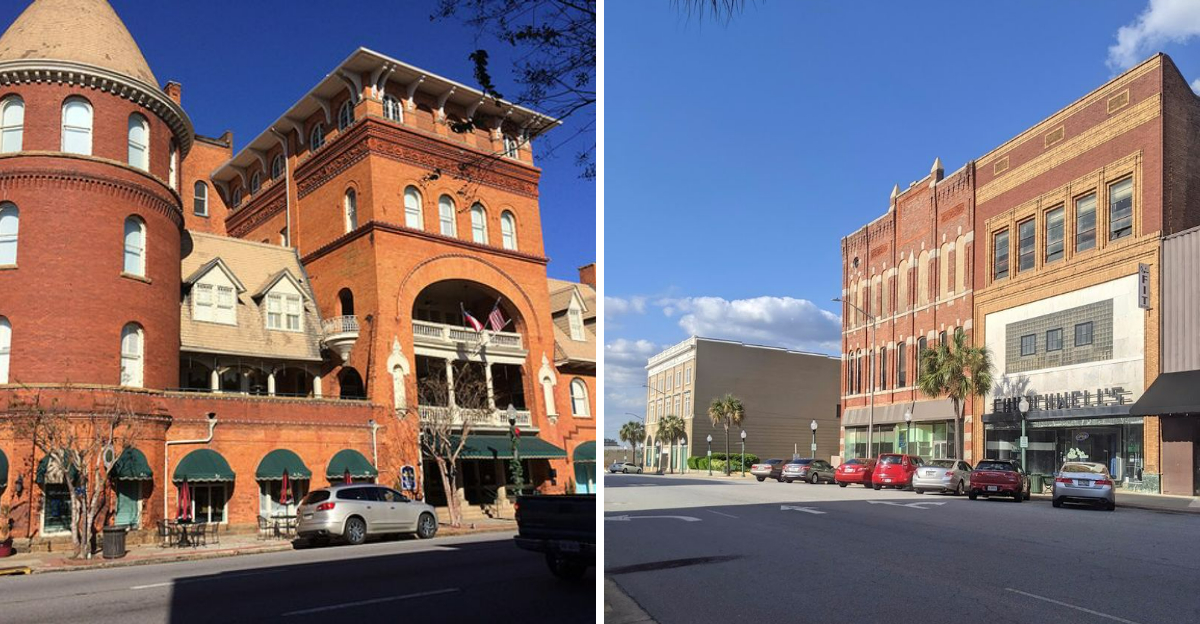
Driving across Georgia last month, I realized how wrong that idea was. I passed main streets with more empty storefronts than open doors.
I talked with a waitress who told me half her graduating class had moved away. Rent kept climbing.
Paychecks did not. Her story is not unusual anymore.
Across Georgia, a quiet shift is reshaping entire communities, one moving truck at a time. Census numbers confirm what locals already feel.
Some towns are losing residents faster than anyone expected, and rising housing costs sit at the center of it. The names on this list might surprise you.
A few of them were growing just a decade ago. Here is what is happening.
1. College Park
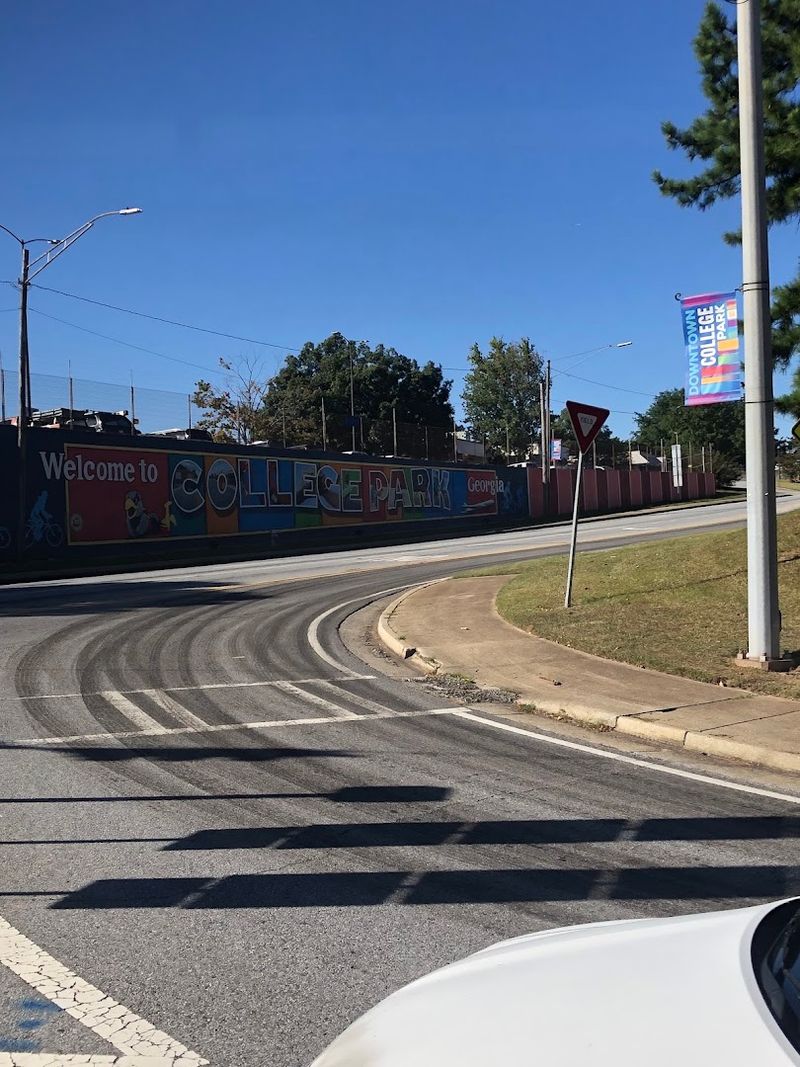
Losing nearly a third of your population in a single decade is staggering. College Park did exactly that between 2000 and 2010, dropping 31.6%.
Its peak was 24,632 people back in 1980. By 2020, only 13,930 remained.
That is a 43% loss from its highest point. No city bounces back from that quietly.
Empty houses and thinner school enrollments tell the story long before the census does. College Park sits right on the edge of metro Atlanta, which sounds like an advantage on paper.
In reality, it means absorbing the full weight of Atlanta’s punishing housing market pressure without the salaries that downtown jobs provide.
The numbers make the squeeze impossible to ignore. The median home price hit $389,000 in early 2025.
That is a 73.9% jump from just one year earlier. For a city where roughly 75% of residents rent, that kind of spike is devastating.
Landlords adjust quickly. Tenants rarely can.
Atlanta rents rose 38% while incomes only climbed 10%. That gap is where families fall through the cracks.
People double up on roommates, move further out, or leave the area altogether. Every option chips away at the community that remains.
College Park earns the title of the fastest shrinking city among Georgia’s 100 largest. That distinction is not a badge of honor.
It is a wake-up call. The housing cost pressure from Atlanta is directly reshaping who can afford to stay here and who simply cannot.
2. Unadilla

Dooly County holds a grim record. It lost a full quarter of its population between 2010 and 2020.
That is the steepest county-level decline in the entire state. Unadilla sits right at the center of that story.
In 2024 alone, Unadilla’s population dropped 4.63% in a single year. That kind of annual loss compounds quickly.
Small towns feel every departure deeply, because every neighbor who leaves takes a piece of the community with them.
Rural towns like Unadilla face a double challenge. There are fewer economic opportunities pulling people in, and rising costs push existing residents out.
Housing shortages in the area make things even more complicated.
When housing supply shrinks and prices creep upward, even modest increases feel enormous on a rural income. Families who have lived here for decades suddenly find themselves priced into impossible choices.
Stay and struggle, or leave and start over somewhere unfamiliar.
Unadilla is a quiet town in a quieter county, and that quietness is growing louder with each passing year. The population has declined 0.51% since the 2020 census.
Behind every statistic is a front porch that sat empty a little too soon.
3. McRae-Helena
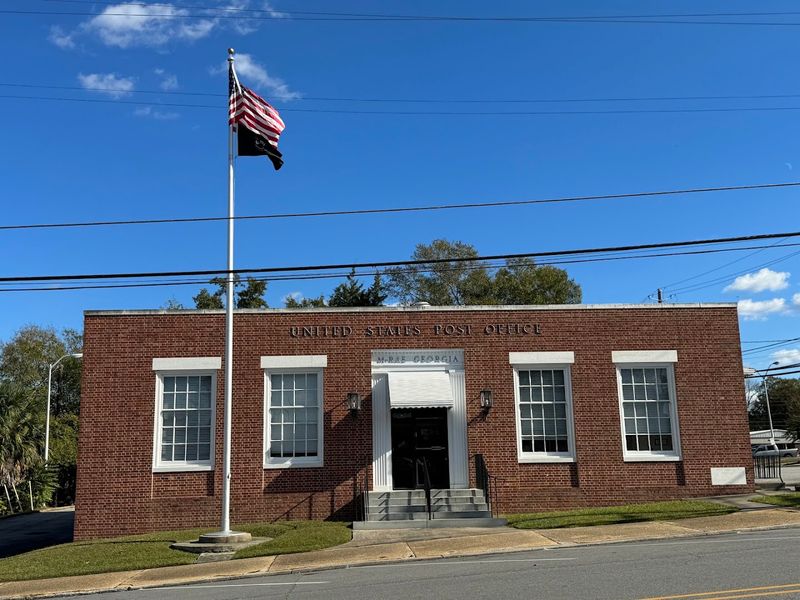
Some declines creep in slowly. Telfair County’s was anything but slow.
It lost just under 25% of its population in the decade leading up to 2020. That is one in every four residents gone in ten years.
Imagine every fourth house on your street emptying out, and you begin to understand the scale.
McRae-Helena is the county seat of Telfair County, sitting in the heart of south-central Georgia. As of 2024, the combined city population stands at around 6,030 people.
That number continues to trend downward, and locals feel it in ways statistics never fully capture.
Rural communities like this one often get overlooked in statewide housing conversations. The focus tends to stay on Atlanta and the big metros.
But the pressure ripples outward, affecting even the smallest towns in ways that are hard to reverse. Affordable housing stock ages, new construction rarely arrives, and options shrink year after year.
When younger residents leave for cities with more jobs, the local economy weakens. Businesses close.
Tax revenue drops. Services get cut.
It becomes a cycle that feeds itself, and breaking out of it takes more than good intentions. It takes investment that rural Georgia rarely receives.
McRae-Helena deserves more attention than it gets. The 24% population loss represents real families, real stories, and real consequences.
Telfair County is proof that population decline is not just a big-city problem. It is a statewide challenge unfolding quietly on rural roads.
4. Vienna
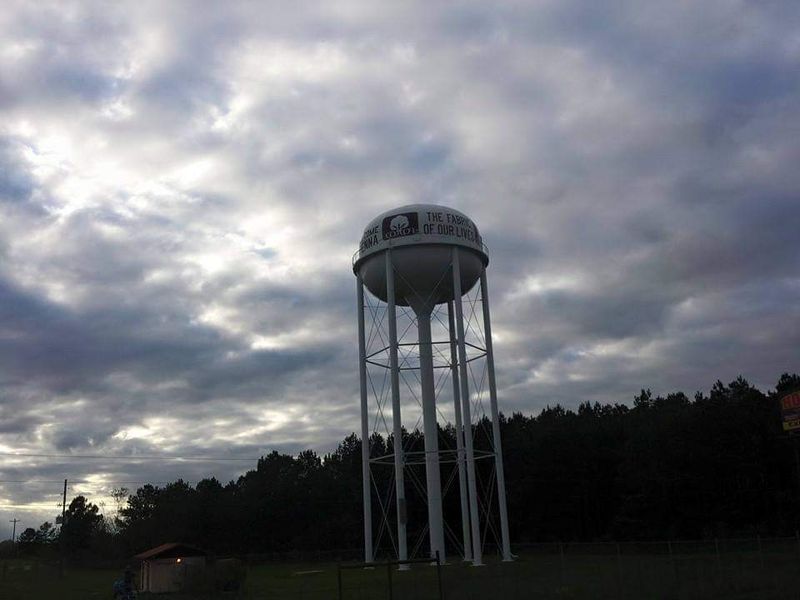
Being the county seat of the state’s fastest-shrinking county is a strange kind of distinction. Vienna carries that title as the seat of Dooly County, which lost 25% of its people in just one decade.
That context matters when you look at the town itself.
Interestingly, Vienna has shown a small population increase of 1.82% since 2020. It is currently growing at an annual rate of 0.3%.
That is a surprising contrast against the backdrop of county-wide decline all around it.
Vienna’s modest growth suggests people may be consolidating into the county seat as smaller surrounding communities empty out. When resources concentrate in one spot, nearby residents sometimes relocate there for access to services.
It is a survival strategy as much as a lifestyle choice.
Still, the broader Dooly County picture casts a long shadow. A town can grow slightly while the county around it continues to hollow out.
That imbalance creates strain on infrastructure, schools, and local businesses that serve a shrinking regional population.
Vienna is holding on, and that is worth acknowledging. But holding on in a county losing people this fast is an uphill climb.
The town’s small gains feel hard-won against a very stubborn regional trend.
5. Hawkinsville
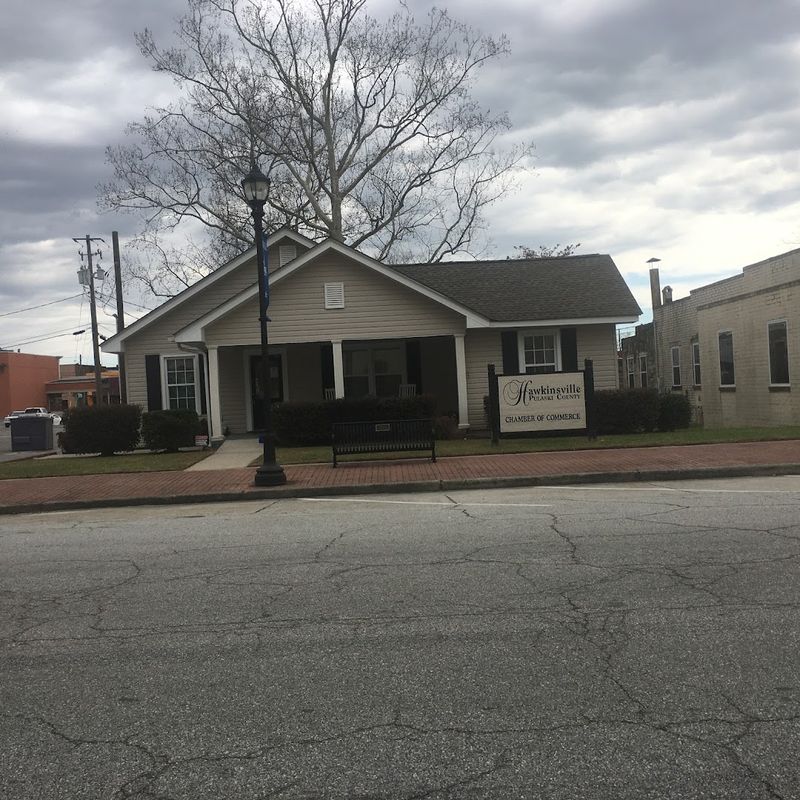
Central Georgia has a quiet population problem, and Pulaski County is part of that story. Hawkinsville sits there as the county seat, surrounded by a region that has been steadily losing residents for years.
The county’s decline reflects a broader rural trend across this part of the state.
Here is the twist though. Hawkinsville itself is actually growing.
The city posted a 1.76% population increase since 2020 and currently grows at 0.44% annually. That makes it an interesting outlier in a struggling county.
Much like Vienna, Hawkinsville may be benefiting from consolidation. As rural areas thin out, people drift toward towns with more services and stability.
The city becomes a relative safe harbor in a sea of regional decline.
But county-level trends still shape a city’s long-term future. Fewer people in Pulaski County overall means a smaller tax base, fewer customers for local businesses, and reduced demand for housing.
Even a growing city feels those pressures over time.
Hawkinsville has something worth building on. Its steady growth, even if modest, shows resilience.
The challenge is converting that momentum into something sustainable before the surrounding county’s decline starts pulling harder on the city’s progress.
6. Albany
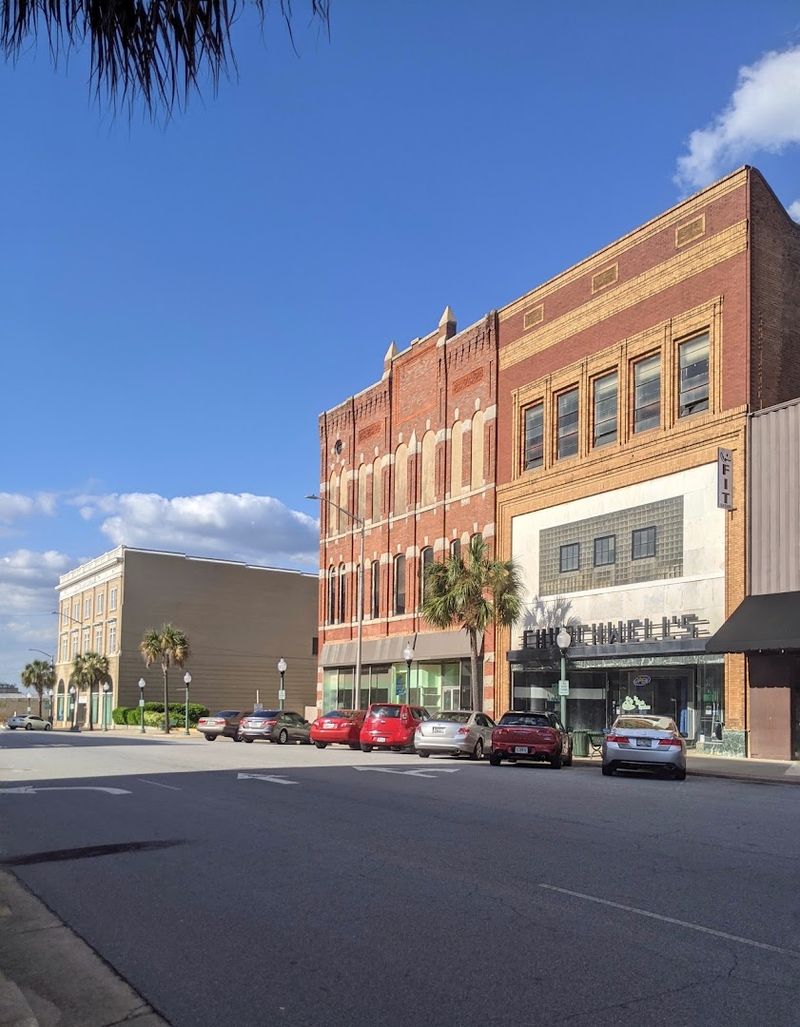
Numbers rarely lie, and Albany’s numbers are hard to ignore. The metro area shrank by 3.54% in just five years, between 2017 and 2022.
That is not a blip. That is a pattern.
Between 2010 and 2019, the city lost nearly 7% of its population. Right now, Albany is declining at a rate of 0.79% every single year.
Each year, that adds up fast.
Albany sits in Dougherty County in southwest Georgia, and it carries a heavy economic load. Job opportunities have thinned out over the years, making it harder for younger residents to stay.
When work dries up, people follow the jobs.
Housing costs add another layer of pressure. Even in smaller cities, rising prices squeeze budgets that are already stretched thin.
Families start doing the math, and the math does not always favor staying.
Albany has been flagged as one of the fastest shrinking big cities in the entire country. That label stings, but it also signals something real.
The city needs bold solutions, not just sympathy. Watching a community this size shrink is both sobering and motivating for anyone who cares about its future.
7. Americus
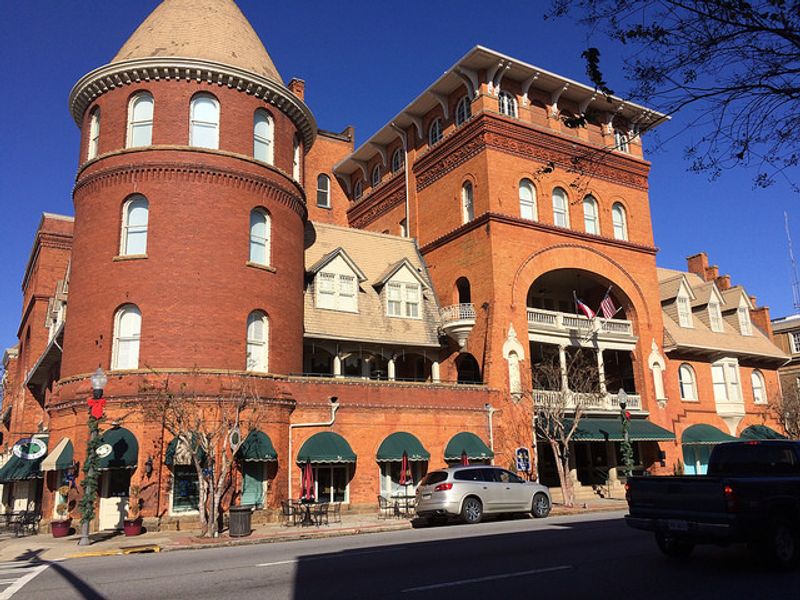
Steady decline is sometimes harder to see than sudden collapse. Americus has been losing residents consistently since the 2010 Census, and that slow bleed adds up.
Sumter County’s population shrank by 6% between 2015 and 2025. That decade of loss left real marks on the community.
Right now, Americus is declining at 0.58% per year. Since 2020, the city has lost 4.11% of its population.
Those numbers are not dramatic on their own. But stack them year after year, and the picture changes.
Americus has history and character that many larger cities would envy. It sits in southwest Georgia with a downtown full of architectural charm and community pride.
But charm alone cannot stop a family from leaving when housing costs outpace their income.
Sumter County’s economic challenges have made it difficult to attract new businesses or retain young workers. Without job growth, population growth stalls.
Without population growth, housing investment slows. The cycle is frustratingly circular.
There are people working hard to reverse Americus’s trajectory, and that effort matters. But the numbers since 2010 tell a consistent story.
Turning that story around will require more than optimism. It will take targeted investment, affordable housing options, and real economic opportunity for people to stay.
8. Waycross
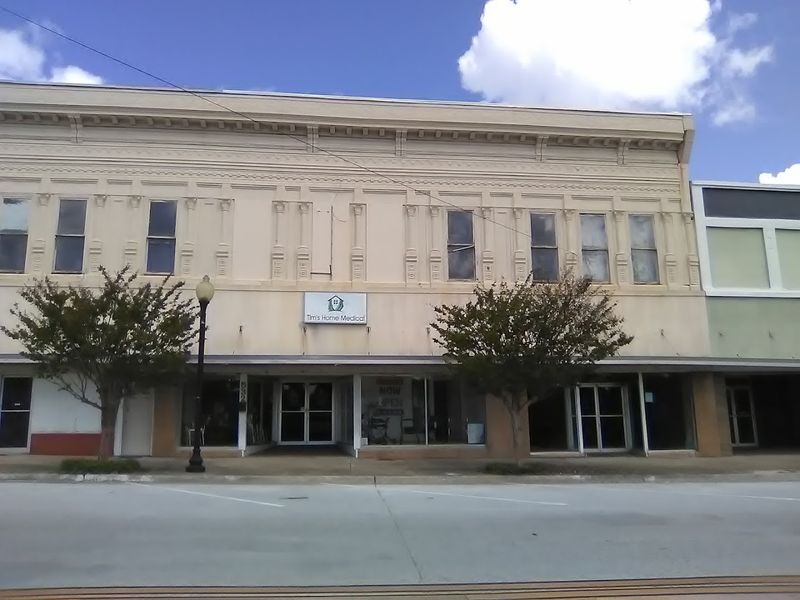
Some population losses happen in dramatic bursts. Waycross tells a slower, quieter story.
Located in Ware County in southeast Georgia, the city has been on a long-running trend of gradual decline. It is the kind of loss that sneaks up on a community before anyone sounds the alarm.
Waycross is declining at just 0.19% per year, with a 0.18% decrease since the 2020 census. Those numbers sound small.
But in a city this size, every percentage point represents real households and real people choosing to leave or not return.
Southeast Georgia faces geographic and economic challenges that make growth difficult. Distance from major metro areas limits job market access.
Younger residents often leave for college and do not come back. That pattern drains communities of their most economically active population segment.
Housing costs in smaller cities like Waycross may not match Atlanta prices, but they still outpace local wages. When the rent-to-income ratio tips too far, people make hard choices.
Some move in with family. Others leave the area entirely.
Waycross has the Okefenokee Swamp as a neighbor, which is genuinely impressive. Natural assets like that can draw tourism and attention.
The challenge is converting that attention into economic activity that keeps residents around long-term.
9. Cuthbert

Randolph County has been losing people since 1980. That is not a recent problem.
It is a decades-long trend that shows no sign of reversing. Cuthbert, the county seat, sits at the center of one of southwest Georgia’s sharpest small-town population declines.
The county dropped from 7,719 residents in 2010 to 6,425 in 2020. Cuthbert itself has declined 8.66% since the 2020 census.
The city is currently shrinking at 0.86% annually, and that pace is accelerating concern among those watching rural Georgia’s future.
In 2024, Randolph County was among 94 counties in the state that recorded more deaths than births. That demographic reality makes organic population recovery nearly impossible without significant in-migration.
And in-migration requires opportunity, which remains scarce.
Southwest Georgia towns like Cuthbert face a unique combination of pressures. Geographic isolation, limited employment options, and rising housing costs create a triangle of challenges that is hard to escape.
Young people leave, and the population skews older with each passing year.
Cuthbert still has community pride and local determination. Those qualities matter more than people give them credit for.
But pride alone cannot fill empty storefronts or bring back the families who left. Real investment and real policy attention are what this town needs most right now.