Georgia’s Atlanta History Center Is A Must-Visit For Explorers
Atlanta’s history comes alive at one incredible location that brings the past right to your doorstep. The Atlanta History Center invites you to explore the people, moments, and ideas that shaped the city. From rare Civil War artifacts to carefully preserved historic homes, each space tells a vivid story.
Stroll through 33 acres of beautiful gardens that reflect changing eras and landscapes. Step into museums filled with interactive exhibits and surprising details. Walk through buildings that have stood for more than a century and still echo with memory.
This is not a quiet walk through dusty displays. It is a lively journey that connects past choices to the city you see today. Families, students, and curious travelers will find something to love.
Whether you are a devoted history fan or simply looking for an inspiring afternoon, the Atlanta History Center offers discovery, reflection, and a deeper sense of place.
1. The Swan House Mansion
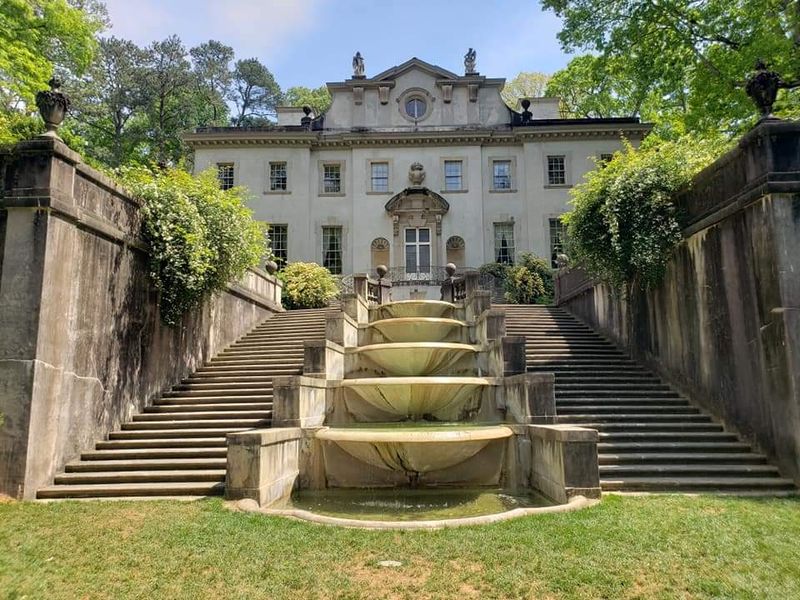
Elegance practically drips from every corner of this 1928 estate that once belonged to the wealthy Inman family. You’ll find this architectural masterpiece at 130 West Paces Ferry Road NW, Atlanta, GA 30305, right on the History Center grounds. Walking through its rooms feels like stepping into a time machine that takes you back to Atlanta’s golden age of wealth and sophistication.
The mansion showcases how Atlanta’s elite families lived during the early 20th century. Crystal chandeliers hang from ornate ceilings while period furniture fills each carefully preserved room. Your eyes will catch intricate details in the woodwork and plasterwork that craftsmen spent months creating.
Gardens surrounding the house feature classical sculptures and cascading terraces that photographers absolutely love. Many visitors say the Swan House reminds them of European estates they’ve seen in movies. Tours guide you through both floors, sharing stories about the Inman family and the servants who kept this grand home running smoothly every single day.
2. Civil War Exhibits and Artifacts
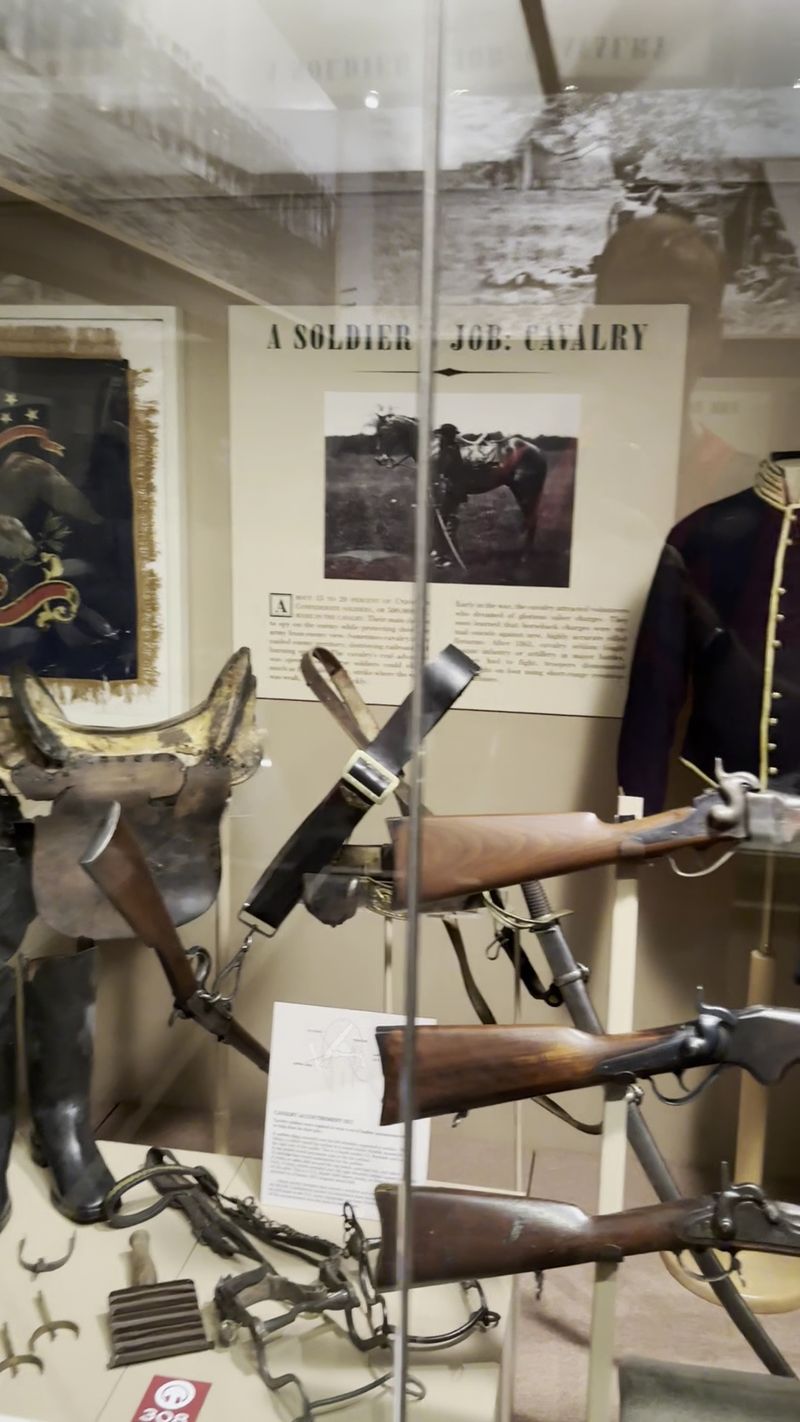
History jumps off the walls when you enter the extensive Civil War galleries that house one of the best collections in the entire Southeast. Located at 130 West Paces Ferry Road NW, Atlanta, GA 30305, these exhibits contain everything from uniforms to weapons to personal letters soldiers wrote home. You can spend hours examining artifacts that tell both Union and Confederate stories from this devastating conflict.
Original battle flags hang behind protective glass, their colors still visible after more than 150 years. Cannons, rifles, and swords show you exactly what soldiers carried into combat. Interactive displays let you understand battle strategies and see how the war affected everyday Georgians.
Personal items like pocket watches, photographs, and diaries bring individual soldiers to life in ways textbooks never could. You’ll learn about Atlanta’s role during the war and how Sherman’s march changed the city forever. The exhibits don’t glorify war but instead help you understand its human cost and lasting impact on Georgia’s development.
3. The Smith Family Farm
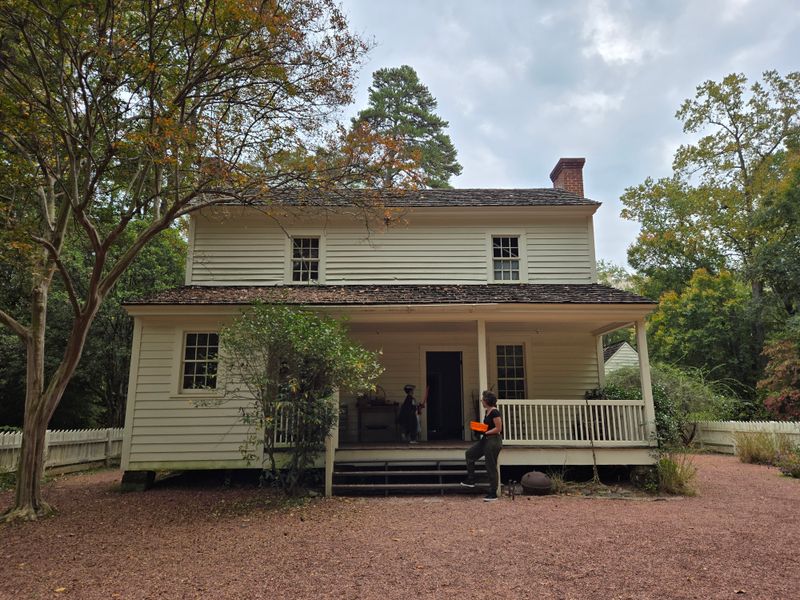
Rural Georgia comes to life at this authentic 1860s farmstead that shows you how ordinary families lived before and during the Civil War era. You’ll discover this working farm at 130 West Paces Ferry Road NW, Atlanta, GA 30305, as part of your History Center visit. Costumed interpreters demonstrate daily tasks like cooking over open fires, tending crops, and caring for heritage breed animals.
The simple wooden farmhouse stands in stark contrast to the fancy Swan House mansion you might have just toured. Original tools hang on walls and sit in corners, ready for use just like they were over 150 years ago. Chickens peck around the yard while heritage gardens grow the same vegetables Georgia families depended on for survival.
Kids especially love this hands-on experience where they can ask interpreters questions about pioneer life. You’ll gain appreciation for how hard people worked just to meet basic needs before modern conveniences existed. Seasonal demonstrations show activities like sheep shearing, butter churning, and candle making that fascinated earlier generations of Georgians.
4. Margaret Mitchell House Treasures
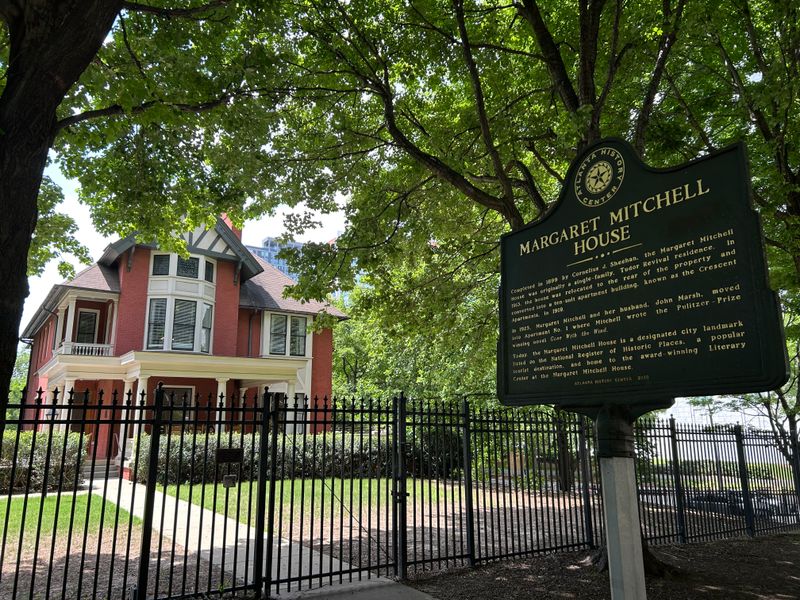
Gone with the Wind fans will absolutely flip when they see artifacts connected to Atlanta’s most famous author and her legendary novel. The History Center at 130 West Paces Ferry Road NW, Atlanta, GA 30305, houses special collections related to Margaret Mitchell’s life and work. Original manuscripts, personal belongings, and rare photographs give you intimate glimpses into the woman behind Scarlett O’Hara.
You’ll see first editions of the book that became a worldwide phenomenon and won Mitchell the Pulitzer Prize. Letters she wrote to friends and publishers reveal her personality and the challenges she faced as a sudden celebrity. Movie memorabilia from the 1939 film adaptation connects the book to Hollywood history.
Mitchell lived in Atlanta her entire life, and these exhibits show how the city inspired her storytelling. Personal items like her typewriter and reading glasses make her feel like someone you could have known personally. Whether you’ve read the book ten times or never picked it up, these collections tell a fascinating story about literary fame and Southern culture.
5. The Cyclorama Artifacts
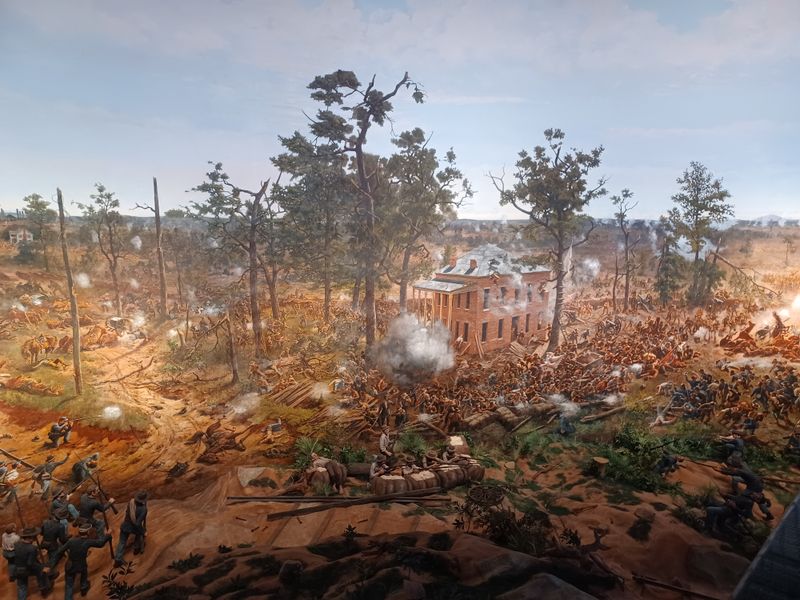
Massive paintings once captured Civil War battles in ways that amazed 19th-century audiences who had never seen movies or television. Though the famous Atlanta Cyclorama painting itself moved to a different location, the History Center at 130 West Paces Ferry Road NW, Atlanta, GA 30305, still displays related artifacts and tells its incredible story. You’ll learn about this unique art form that combined painting with three-dimensional elements to create immersive experiences.
Historical photographs show how audiences gathered around the enormous circular canvas to witness the Battle of Atlanta. Original promotional materials and tickets reveal how this attraction drew tourists to Georgia for decades. The cyclorama tradition represented cutting-edge entertainment technology in the 1880s.
Artifacts explain the painstaking restoration work that preserved this cultural treasure for future generations. You’ll understand why Atlantans fought so hard to save and display this piece of their heritage. The story connects art, history, and tourism in ways that shaped how Americans remembered and visualized the Civil War for more than a century.
6. Historic Gardens and Landscapes
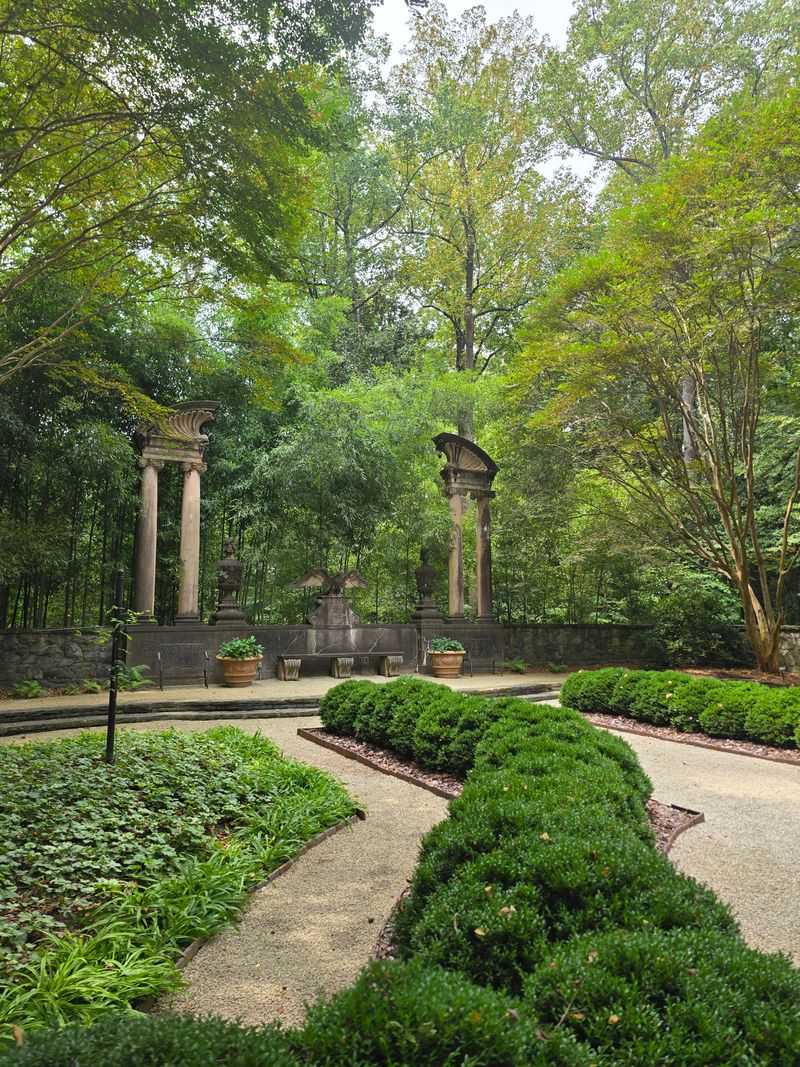
Nature and history blend beautifully across 33 acres of carefully maintained gardens that showcase plants native to Georgia and the Southeast. You’ll find these outdoor spaces surrounding all the buildings at 130 West Paces Ferry Road NW, Atlanta, GA 30305, offering peaceful breaks between museum visits. Walking trails wind through different garden areas, each designed to represent specific periods or purposes in Southern landscape history.
The formal gardens near Swan House feature boxwood hedges and seasonal flowers arranged in geometric patterns that wealthy families favored. Woodland trails take you through native forests that show what Atlanta looked like before development. A quarry garden transforms an old stone pit into a beautiful natural area with waterfalls and unique plantings.
Each season brings different blooms and colors that make repeat visits worthwhile throughout the year. Benches placed along paths invite you to sit and enjoy the scenery while resting your feet. These gardens aren’t just pretty decorations—they’re living history lessons about how Georgians used and appreciated their natural environment across different eras.
7. Olympic Games Collection
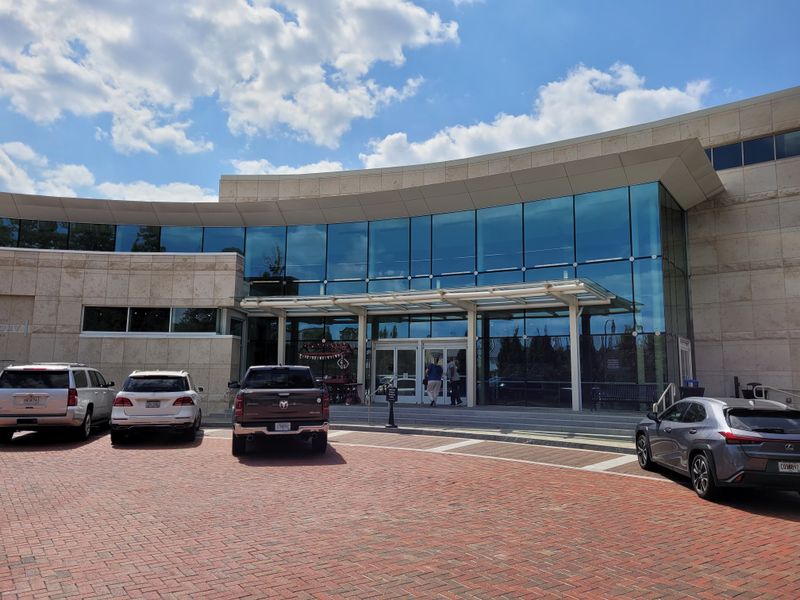
Atlanta’s moment on the world stage in 1996 comes alive through memorabilia from the Centennial Olympic Games that transformed the city forever. The History Center at 130 West Paces Ferry Road NW, Atlanta, GA 30305, preserves torches, medals, uniforms, and other items from this massive international event. You’ll remember or discover how Atlanta prepared to welcome athletes and visitors from every corner of the globe.
Original Olympic torches used in the relay across America shine behind display cases alongside official posters and promotional materials. Volunteer uniforms show the thousands of Georgians who helped make the games successful. Photographs capture opening ceremonies, competitions, and celebrations that filled Atlanta with unprecedented energy.
The collection also addresses the tragic bombing in Centennial Olympic Park that shocked the world during the festivities. You’ll learn how the city responded with resilience and determination to continue the games. These exhibits demonstrate how major sporting events can reshape cities and create lasting legacies that extend far beyond the competitions themselves into infrastructure and international recognition.
8. Native American History Exhibits
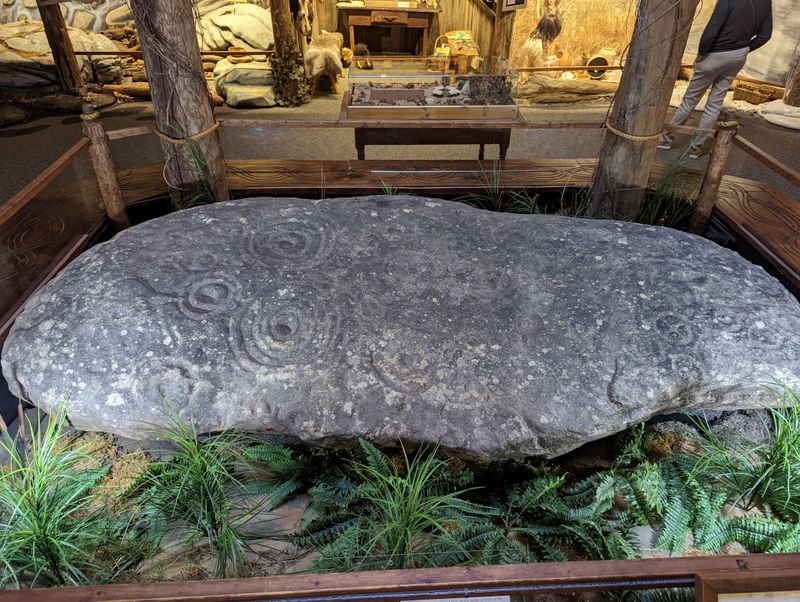
Georgia’s story begins thousands of years before European settlers arrived, with indigenous peoples who built complex societies across the region. At 130 West Paces Ferry Road NW, Atlanta, GA 30305, you’ll find exhibits dedicated to the Creek, Cherokee, and other Native American nations who called Georgia home. Pottery, tools, and ceremonial objects reveal sophisticated cultures that thrived for centuries before contact with Europeans.
Maps show the extensive territories Native Americans controlled and the trails they created that later became modern roads. You’ll learn about the devastating Trail of Tears that forced thousands of Cherokee people from their ancestral lands. Personal stories and artifacts make this tragic chapter of Georgia history feel immediate and real.
The exhibits don’t just focus on the past—they also highlight how Native American communities continue contributing to Georgia today. Archaeological discoveries from sites around Atlanta show evidence of settlements dating back thousands of years. Understanding this deep history changes how you see the entire landscape and helps you appreciate the layers of human experience that shaped modern Georgia.
9. Turning Point: The American Civil Rights Movement
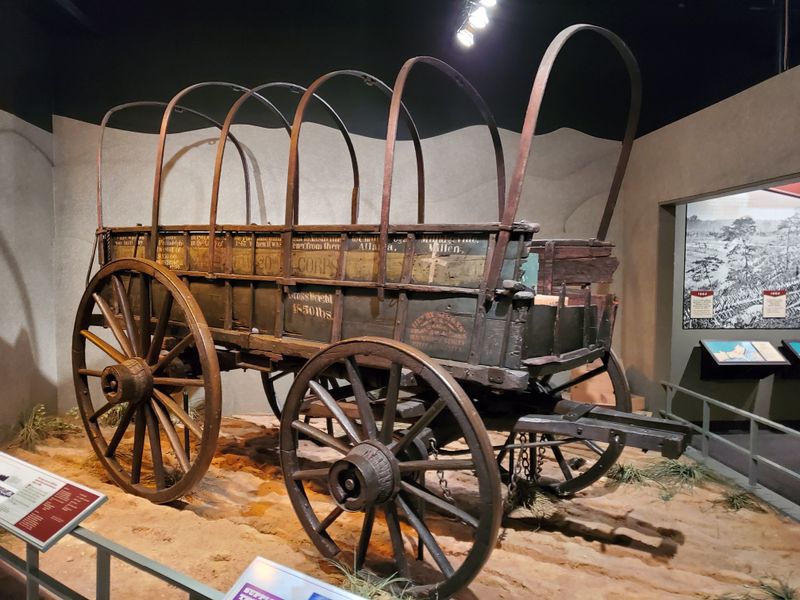
Atlanta played a crucial role in the fight for equality that transformed America during the 1950s and 1960s. The History Center at 130 West Paces Ferry Road NW, Atlanta, GA 30305, dedicates significant space to examining this pivotal era through photographs, documents, and personal accounts. You’ll see how ordinary Georgians showed extraordinary courage standing up against segregation and discrimination.
Original protest signs, lunch counter stools, and other artifacts bring sit-ins and demonstrations to life in powerful ways. Photographs of young activists facing hostile crowds remind you of the real dangers people faced fighting for basic rights. Video footage and audio recordings let you hear speeches and interviews from movement leaders who changed history.
The exhibits connect Atlanta’s civil rights struggles to the broader national movement while highlighting local heroes you might not have learned about in school. You’ll understand how Dr. Martin Luther King Jr.’s Atlanta roots shaped his philosophy and tactics. These displays challenge you to think about ongoing struggles for justice and equality that continue today throughout Georgia and America.
10. Southern Folk Art Collection
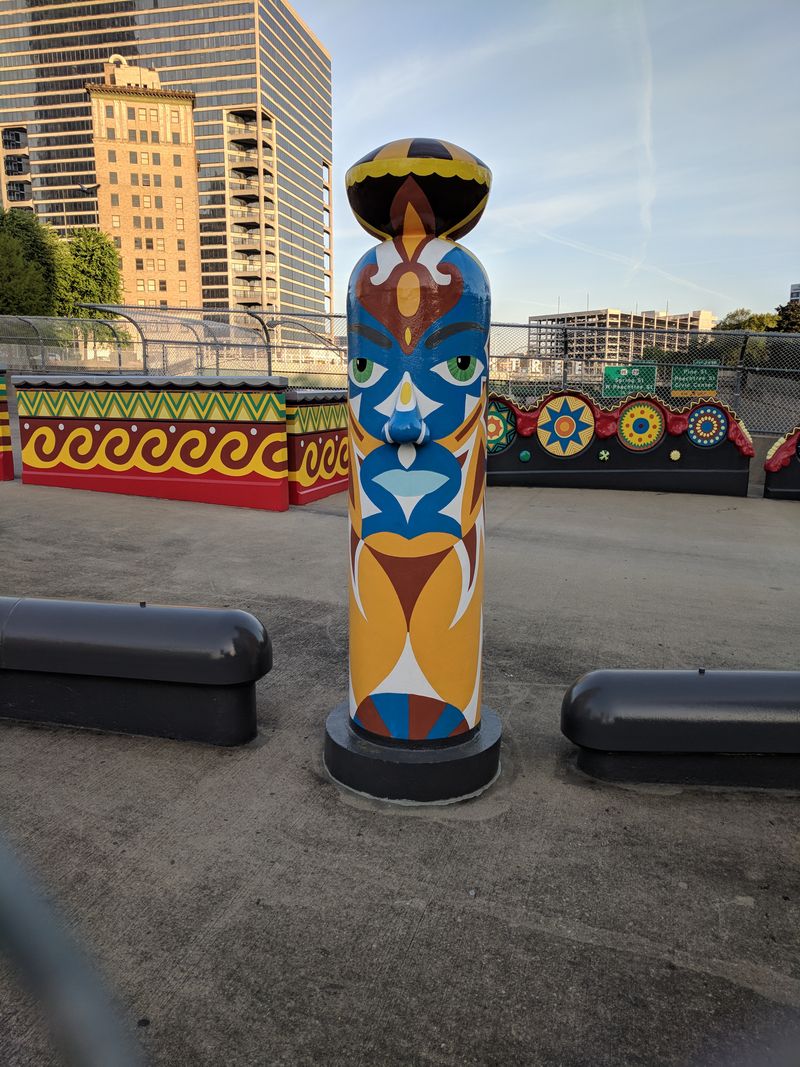
Creativity flourishes in unexpected places, and Georgia’s folk artists have created amazing works using whatever materials they could find. You’ll discover these treasures at 130 West Paces Ferry Road NW, Atlanta, GA 30305, where the History Center showcases self-taught artists who never attended fancy art schools. Colorful paintings, whimsical sculptures, and intricate quilts demonstrate that artistic talent doesn’t require formal training or expensive supplies.
Many pieces come from rural Georgia communities where people expressed themselves through traditional crafts passed down through generations. Religious themes appear frequently, reflecting the deep faith that shaped Southern culture. Some artists used recycled materials like bottle caps, tin cans, and scrap wood to create works that museums now consider valuable.
You’ll recognize names like Howard Finster and Nellie Mae Rowe if you know Southern folk art history. The collection celebrates artists who created purely for personal expression rather than commercial success. These works offer windows into worldviews, dreams, and daily lives of Georgians whose voices might otherwise have been lost to history but now inspire visitors from around the world.
11. The Centennial Olympic Games Museum
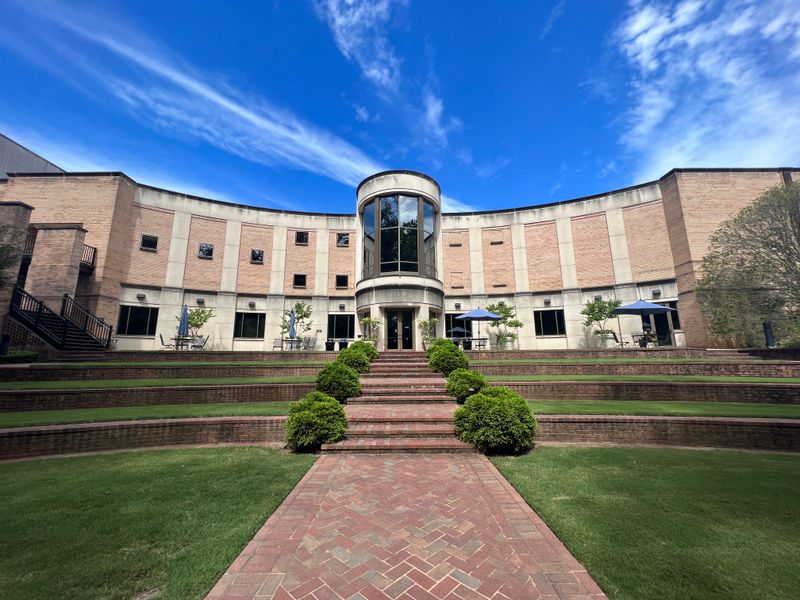
An entire dedicated space celebrates Atlanta’s transformation into an international city through hosting the 1996 Summer Olympics. Located at 130 West Paces Ferry Road NW, Atlanta, GA 30305, this specialized museum goes deeper than the general Olympic collection you might see elsewhere. Interactive displays let you experience what athletes went through preparing for and competing in the games.
You can test your reaction time against Olympic sprinters or learn about the training regimens that gold medalists followed. Original venue models show how Atlanta built new facilities and renovated existing ones to meet Olympic standards. The economic and social impacts of hosting receive thorough examination through charts, interviews, and before-and-after photographs.
Mascot Izzy appears throughout the museum, reminding visitors of the playful spirit Atlanta brought to the games. You’ll see how television coverage brought Atlanta into living rooms worldwide, changing perceptions of the South. The museum honestly addresses both triumphs and challenges, including infrastructure struggles and the heartbreaking bombing that tested the city’s resolve during its biggest moment on the global stage.
12. Historic Coca-Cola Memorabilia
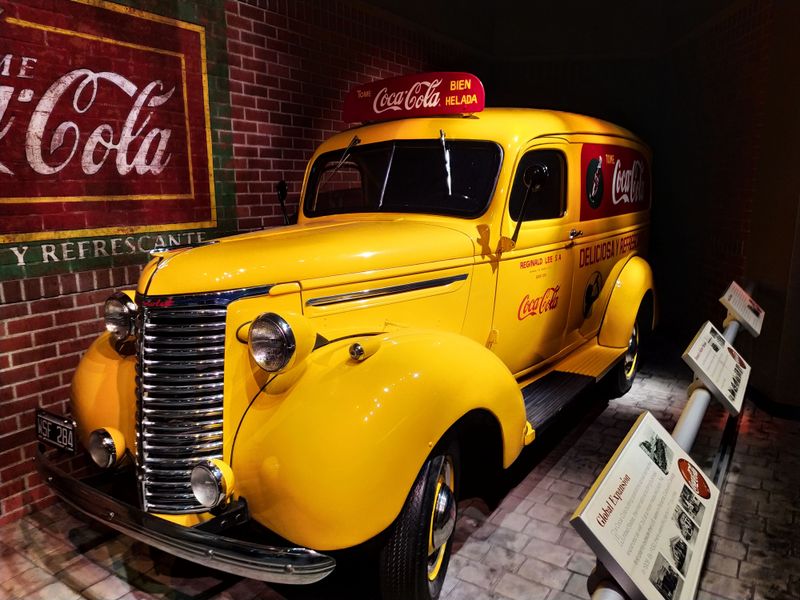
Atlanta’s most famous export started in a small pharmacy and grew into a global phenomenon you can find in nearly every country. The History Center at 130 West Paces Ferry Road NW, Atlanta, GA 30305, displays artifacts tracing Coca-Cola’s journey from local medicine to international brand. Vintage bottles, early advertising signs, and original recipe notes show how one Atlanta pharmacist’s invention changed beverage history forever.
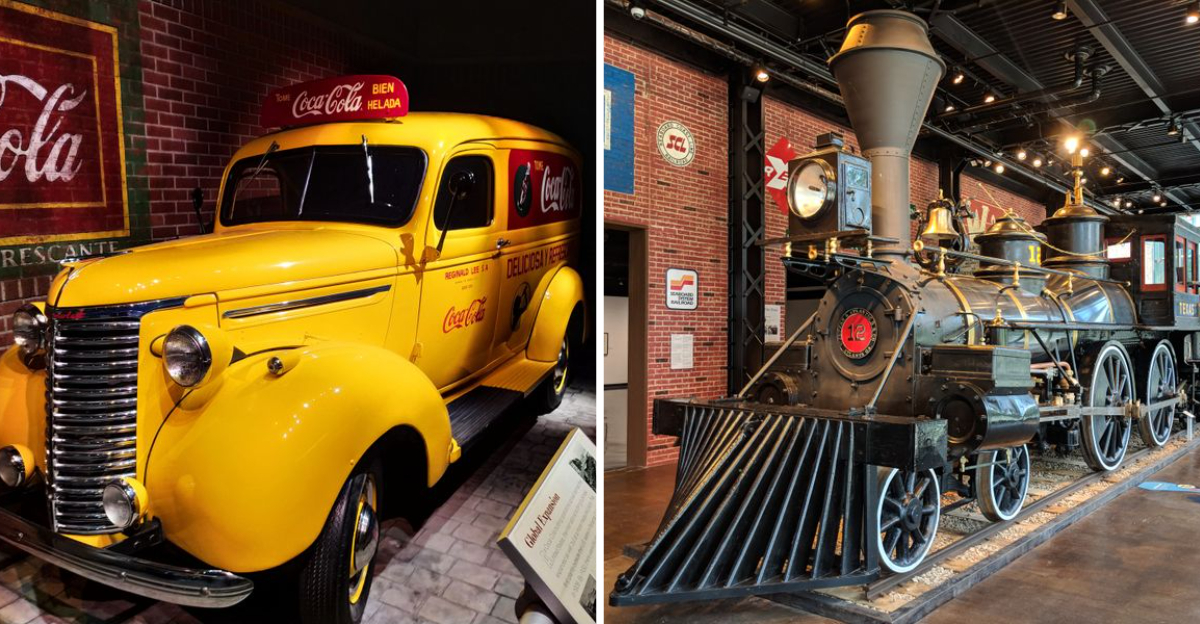
You’ll see how Coca-Cola marketing evolved from simple newspaper ads to sophisticated campaigns that made the brand recognizable worldwide. Original delivery trucks, coolers, and vending machines demonstrate how the company distributed its product across Georgia and beyond. The distinctive contour bottle design that became iconic appears in various materials and sizes throughout the decades.
Advertising featuring Santa Claus and polar bears shows how Coca-Cola shaped American popular culture and holiday traditions. You’ll learn about the secret formula that supposedly only two people know at any given time. These exhibits connect a single Atlanta business success story to broader themes of entrepreneurship, marketing, globalization, and how Georgia products conquered international markets.
13. The Kenan Research Center Archives
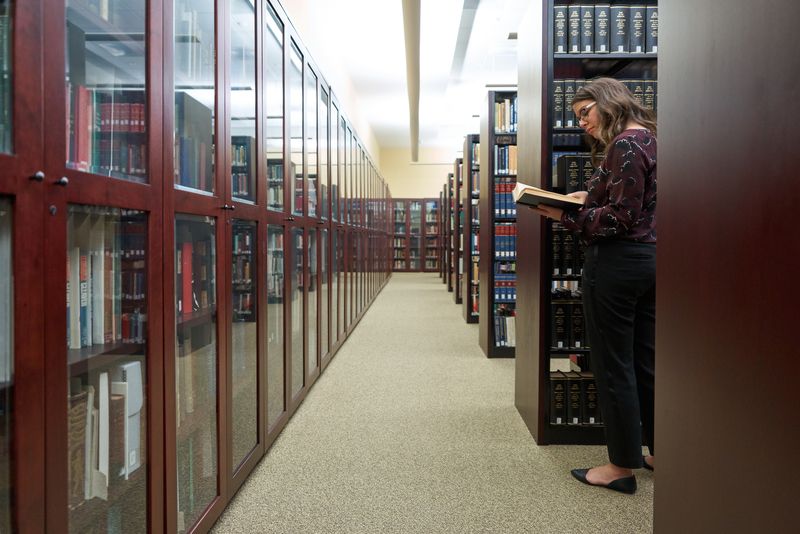
Serious researchers and curious visitors alike can access one of the Southeast’s most important history research facilities. You’ll find this treasure trove at 130 West Paces Ferry Road NW, Atlanta, GA 30305, housing millions of photographs, documents, maps, and manuscripts about Georgia and Southern history. Professional archivists help you locate materials relevant to your interests, whether you’re tracing family ancestry or writing a school paper.
The collection includes everything from plantation records to business ledgers to personal diaries spanning centuries of Georgia life. Rare photographs capture Atlanta’s growth from a small railroad town to a major metropolitan area. Military records, church documents, and civic organization papers provide detailed looks at how communities functioned across different eras.
You don’t need to be a professional historian to use these resources—volunteers assist with research questions and teach you how to handle fragile historical materials. Digital collections let you access some resources from home through the History Center’s website. These archives preserve voices and stories that might otherwise disappear, ensuring future generations can learn authentic details about Georgia’s complex and fascinating past.
14. Changing Temporary Exhibitions
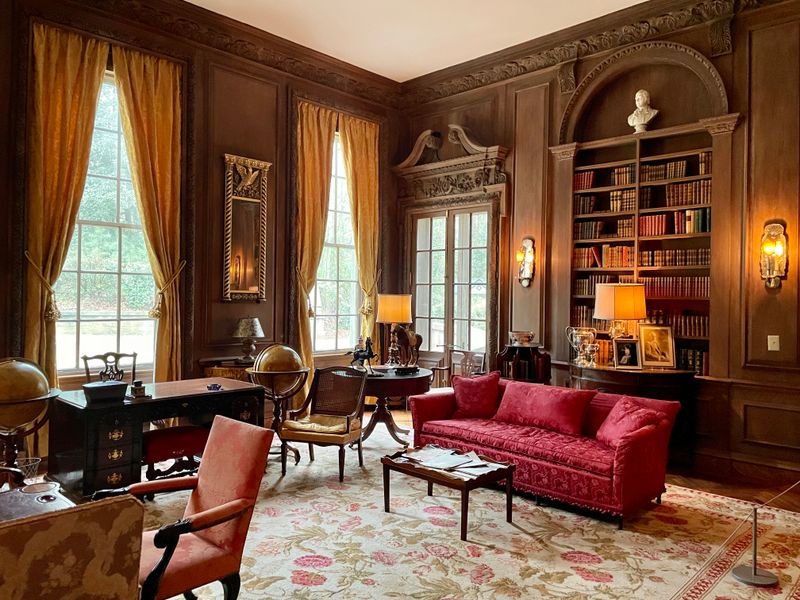
Fresh perspectives keep visitors coming back because the History Center regularly rotates special exhibits covering diverse topics beyond the permanent collections. At 130 West Paces Ferry Road NW, Atlanta, GA 30305, you’ll find galleries dedicated to these temporary displays that might focus on anything from fashion history to political campaigns to sports legends. Each visit can reveal something completely different from your last trip.
Past exhibitions have explored topics like Atlanta’s music scene, Jewish communities in Georgia, and the evolution of Southern food traditions. These rotating displays often feature items borrowed from other museums or private collections you couldn’t see anywhere else. Interactive elements and modern display techniques make even complex subjects accessible and engaging for all ages.
The History Center partners with other institutions and community organizations to develop exhibitions that reflect diverse experiences and perspectives. You might discover stories about immigrant communities, women’s contributions, or cultural traditions that mainstream history often overlooked. Checking the website before visiting helps you plan around exhibitions matching your specific interests, ensuring you get maximum value from your time exploring Atlanta’s rich historical landscape.
15. Historic Preservation Workshops
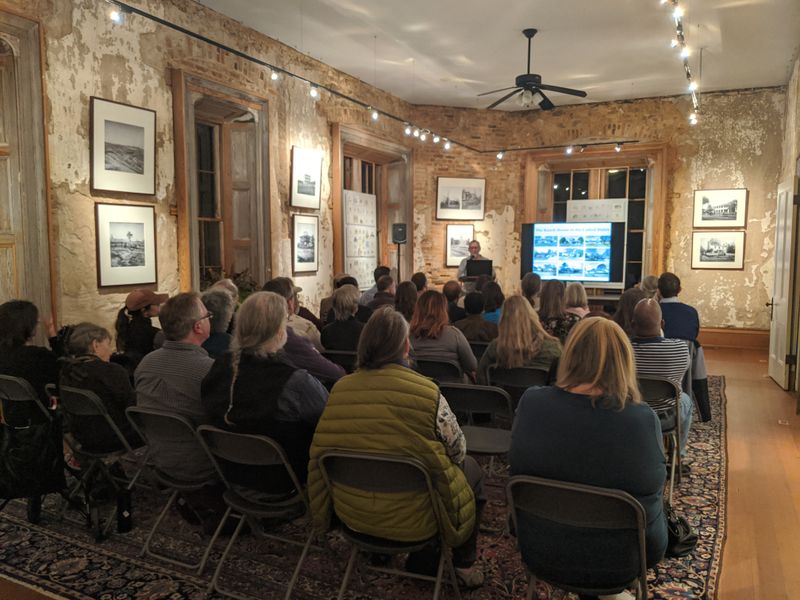
Learning doesn’t stop with looking at exhibits—the History Center offers hands-on programs teaching you how to preserve your own family treasures and historical items. Located at 130 West Paces Ferry Road NW, Atlanta, GA 30305, these workshops cover topics like caring for old photographs, storing textiles properly, and documenting family histories before memories fade. Experts share professional techniques in ways that everyday people can apply at home.
You’ll learn what damages historical materials and how to create storage conditions that help things last for future generations. Classes on genealogy research teach you how to trace your family roots using online databases and archival resources. Seasonal programs might focus on preserving holiday decorations, organizing collections, or digitizing old home movies and slides.
These workshops connect personal history to the broader historical preservation mission that keeps Georgia’s past alive. You’ll meet other people passionate about saving memories and stories from their own families and communities. The skills you gain help ensure that your grandchildren might someday see photographs and documents from your life, creating bridges across generations that strengthen family bonds and historical understanding.
16. Educational Programs for All Ages
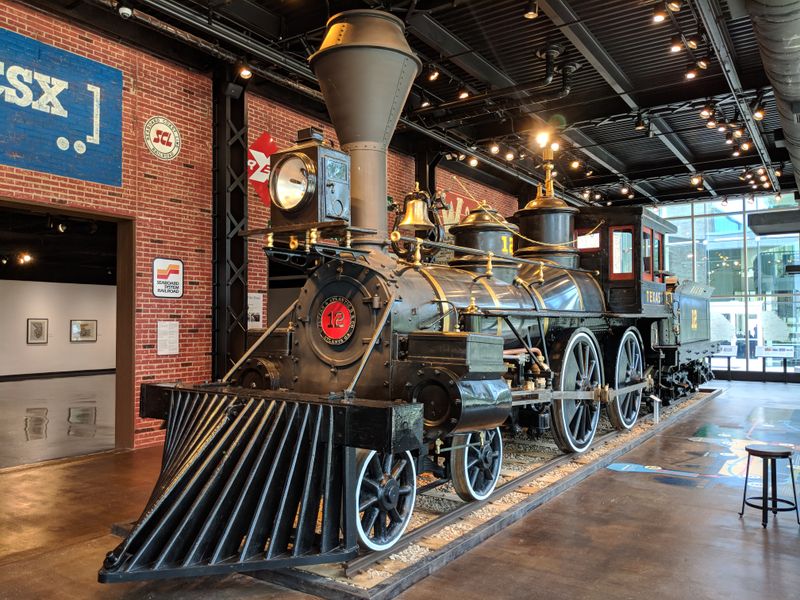
Schools throughout Georgia bring students to experience history beyond textbooks through programs designed specifically for different grade levels. The History Center at 130 West Paces Ferry Road NW, Atlanta, GA 30305, employs educators who develop curriculum-aligned activities that make learning memorable and fun. Students might participate in Civil War drills, explore historic buildings, or handle replica artifacts during their visits.
Summer camps offer week-long deep explorations into specific topics like archaeology, Civil War history, or colonial life. Homeschool groups can schedule special programs tailored to their learning objectives and student ages. Scout troops earn badges through history-focused activities that meet their organization’s requirements while teaching Georgia heritage.
Adult programs include lecture series featuring historians, authors, and experts discussing new research and perspectives on Southern history. Family programs on weekends let multiple generations learn together through storytelling, crafts, and demonstrations. The History Center recognizes that people learn in different ways at different ages, so they’ve created varied opportunities ensuring everyone can connect with Georgia’s past in personally meaningful ways that inspire continued curiosity and learning.