8 Haunted Cemeteries In Michigan That Locals Would Rather Not Explore By Themselves
Michigan ghost stories get harder to shrug off once you start following them down back roads.
Real graves, local legends, and rumors can make a daytime stop feel unexpectedly tense. That mix gives these cemetery visits their pull.
You may find forgotten towns, strange memorials, family plots, and stories that sound stranger after sunset.
The fun is deciding how much you believe. Daylight makes history easier to explore, but the mood can shift fast when the road gets quiet.
By the end, one question lingers: which place would you visit again, and which one would you avoid after dark tonight?
1. Pere Cheney Cemetery, Roscommon
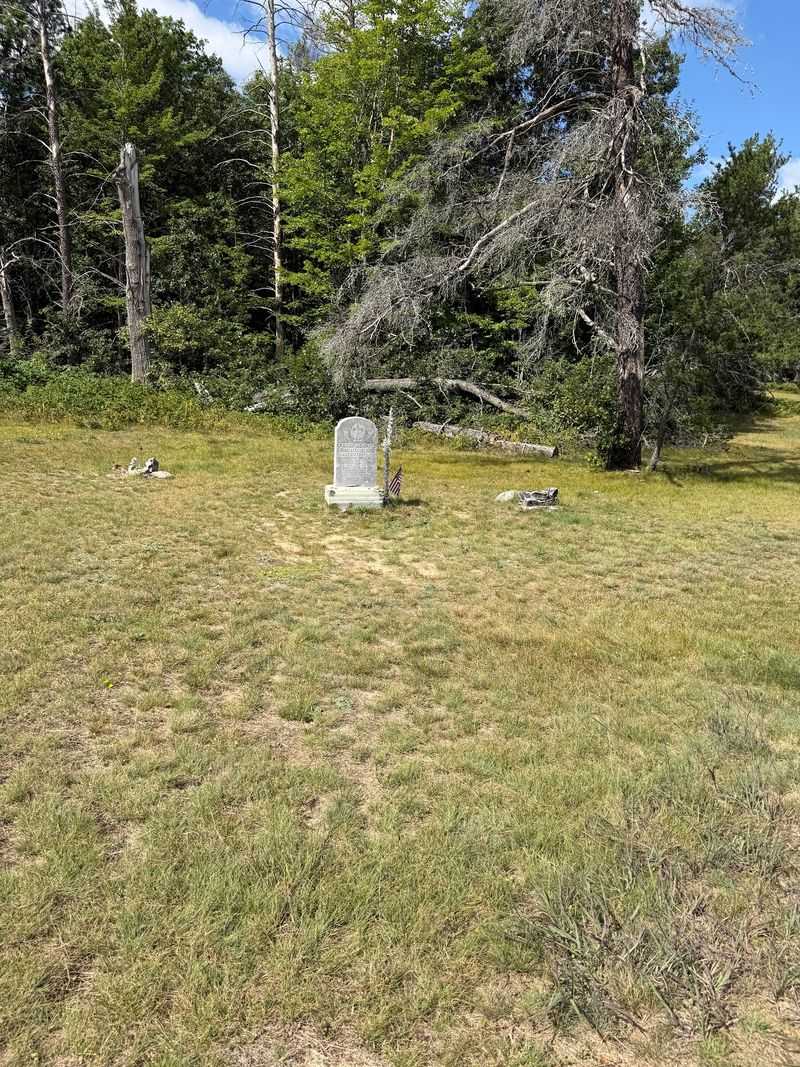
Would you believe me if I told you a whole town simply faded away? Only a small clearing of old stones remains to tell its story.
Pere Cheney Cemetery is the clearest surviving piece of a former lumber settlement southeast of Grayling.
The community grew beside the railroad in the 1870s, then steadily emptied as the timber economy weakened and repeated diphtheria outbreaks disrupted daily life.
By the late 1910s, the town itself had disappeared from the map. Around ninety burials are associated with the cemetery, although only a fraction of the original markers remain visible today.
That history gave northern Michigan plenty of room for folklore. One enduring tale blames the settlement’s decline on a supposed curse, while other stories describe lights, mist, distant laughter, and unexplained marks.
None of those claims has been established as historical fact. The documented story of a short-lived railroad and lumber community is already unusual enough without treating every legend as evidence.
The cemetery is owned by Beaver Creek Township and reached by a rough two-track route that can become muddy. A newer sign explains the site’s history and expected conduct.
Visit during posted daytime hours, leave every marker undisturbed, and treat the clearing as an active historic cemetery rather than an abandoned attraction.
Center Plains Trail southeast of Grayling leads toward the site, where forest has reclaimed nearly everything beyond the stones.
2. Oak Hill Cemetery, Battle Creek
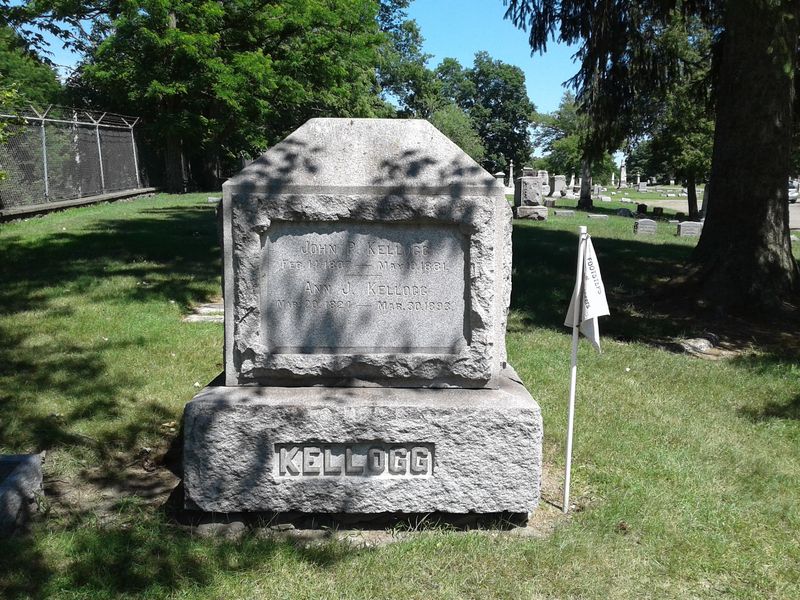
I’m still trying to wrap my head around how a bronze statue became one of the most persistent cemetery legends in the state. Some corners of Michigan just seem to keep secrets better than others.
Oak Hill Cemetery in Battle Creek began in 1844 on ten acres and has grown into a larger historic landscape. It was created without a religious affiliation and was not segregated, unusual for its era.
The grounds hold the graves of major Battle Creek figures, including civil rights advocate Sojourner Truth, along with leaders tied to the city’s growth.
The spooky reputation centers on a bronze figure commonly nicknamed Crying Mary. The sculpture actually represents Memory and stands within a family plot.
Over time, weathering created streaks around the eyes, helping inspire a story that the figure sometimes appears to shed tears. Versions of that tale have circulated for generations, but the effect has a more ordinary explanation.
History gives the grounds plenty to explore without the folklore. A 1926 chapel stands near the center, mature trees line winding roads, and an interactive map helps locate older plots.
The cemetery remains active and welcomes respectful daytime visits. The cemetery is open from 8 a.m. to 7 p.m. at 255 South Avenue in Battle Creek.
Go for the architecture and local history first, then decide how much credit the famous statue deserves.
3. Lake Forest Cemetery, Grand Haven
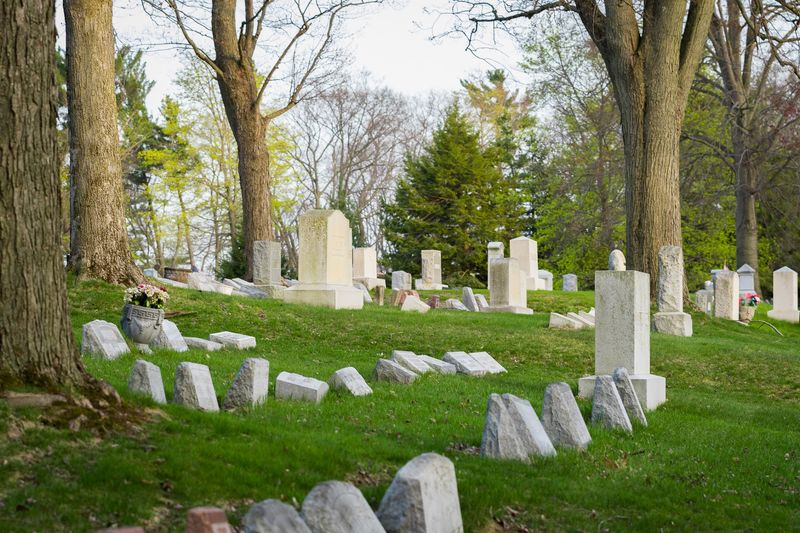
It makes you wonder, doesn’t it, what hides beneath a perfectly tidy lawn? Pretty scenery can be the best disguise for a good ghost story.
Lake Forest Cemetery has been part of Grand Haven since 1873, when the community moved its earlier burial ground from what is now Central Park.
The property includes Lee Memorial Chapel, a Sunken Garden, a columbarium, wooded areas, and a self-guided historical route. Members of the Ferry family, closely connected to Grand Haven’s early development, are represented here.
Folklore adds a stranger layer. A steep staircase leading toward higher ground has collected dramatic nicknames and stories about lights appearing near the top.
Those tales belong to local tradition rather than documented cemetery history, but the setting makes it easy to understand why imagination took over. Tall trees, slopes, old monuments, and lake weather can change the mood surprisingly quickly.
The city actively maintains Lake Forest. Its walking materials focus on community history, architecture, genealogy, and memorial design. Following that route offers more context than searching for sensational stories attached to individual plots.
The staircase climbs to Ferry Hill, where William Montague Ferry, the Presbyterian missionary often called the father of Grand Haven, is buried alongside his family.
The walking tour covers that ground and more, including Harvey Blount, born into slavery in Kentucky in 1840, who settled here with his wife in the late 1860s.
The entrance is at 1304 Lake Avenue in Grand Haven. Gates close at dusk, and anyone inside afterward can be treated as a trespasser. Daylight is the right time to explore the hills, read the markers, and keep the ghost stories in perspective.
4. Mouth Cemetery, Montague
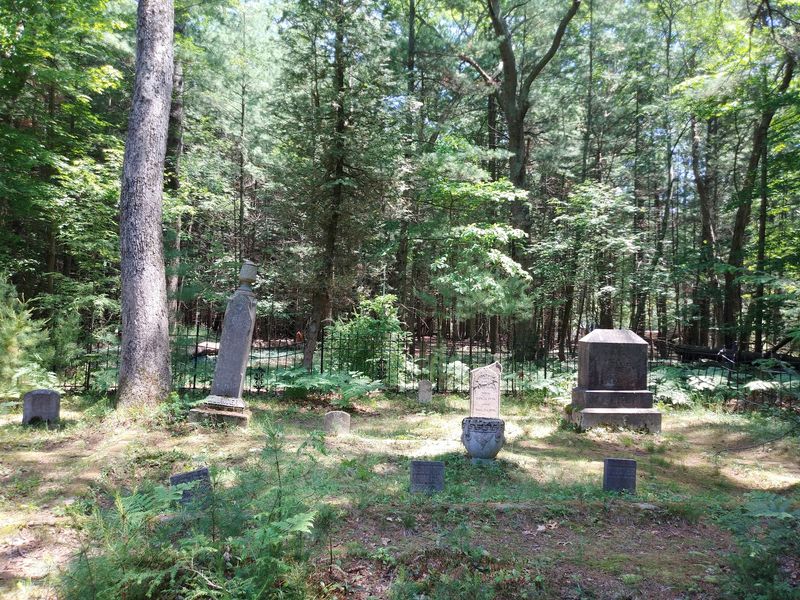
Here’s a thought: what if the oldest ground in a county tells the strangest tales? History and folklore love to share the same address.
Mouth Cemetery sits at the end of a narrow wooded route in White River Township near Montague.
A state historical marker identifies it as the township’s oldest burial ground, with the earliest known marked grave dating to 1851 and evidence that burials took place earlier.
Seventy-six nineteenth-century burials are documented, while traces of wooden crosses suggest the surviving stones tell only part of the story.
The setting has helped produce several eerie legends. The best known centers on an object called Sadony’s Chair and a supposed one-year curse attached to sitting in it.
That tale has circulated widely, but reliable historical documentation is thin. Treat it as folklore, not a promise of anything unusual.
Historically important here is longtime White River lighthouse keeper William Robinson. He helped construct the light station and served there for decades, linking the cemetery to a local landmark.
Stories about unusual sounds at the lighthouse later added another supernatural thread.
Mouth Cemetery became a Registered Michigan Historical Site in 1988. Access is from Sunset Lane, and the wooded approach can be rough.
The White Lake Area Historical Society has used video tours because access is difficult. Go slowly, stay on established access, and leave fragile markers exactly as they are.
5. Nunica Cemetery, Nunica
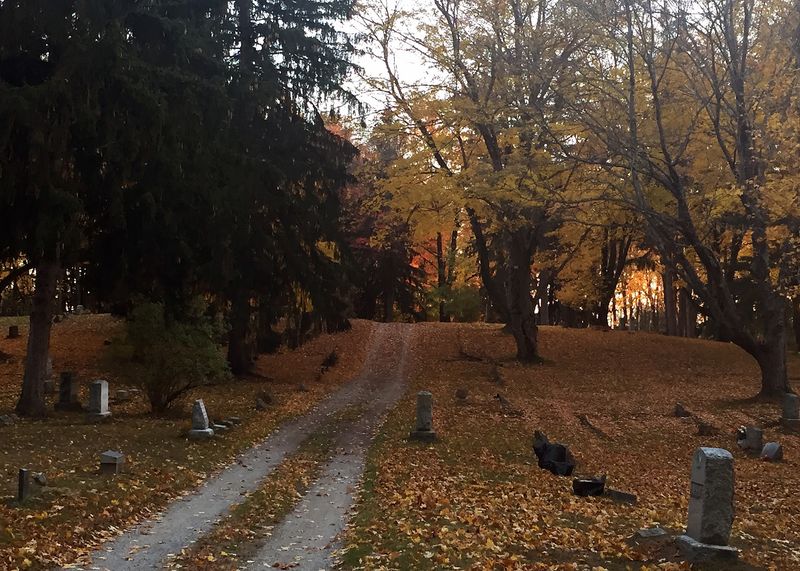
Just imagine for a second two layers of history stacked right on top of each other. That idea alone gives this hillside a heavy, hushed mood.
Nunica Cemetery sits off Cleveland Street in Crockery Township and remains an active township cemetery.
Older online stories often give 1883 as its starting date, but surviving cemetery records include burials from decades earlier. That makes the site’s timeline more complicated than the simple date repeated in many haunted-location summaries.
Its paranormal reputation grew through stories of cold spots, unexplained voices, pale figures, and unusual lights among the trees. Another claim says the cemetery overlaps an earlier Indigenous burial place.
Reliable historical records do not establish that connection, so it belongs with folklore rather than documented history. A 2026 local historical-society feature examined the haunting reputation while separating folklore from documented biographies.
One unusual marker is completely real. Records identify a wooden memorial tied to an 1896 interment.
The surviving marker is specifically noted as wooden in cemetery transcription records, making it more compelling than many supernatural claims. It also shows how families sometimes used materials other than carved stone.
The cemetery is maintained by Crockery Township at 12189 Cleveland Street in Nunica. Uneven ground and older markers deserve careful footing.
Explore respectfully in daylight, and let the contrast between solid local records and later ghost lore create the tension.
6. Findlay Cemetery, Ada
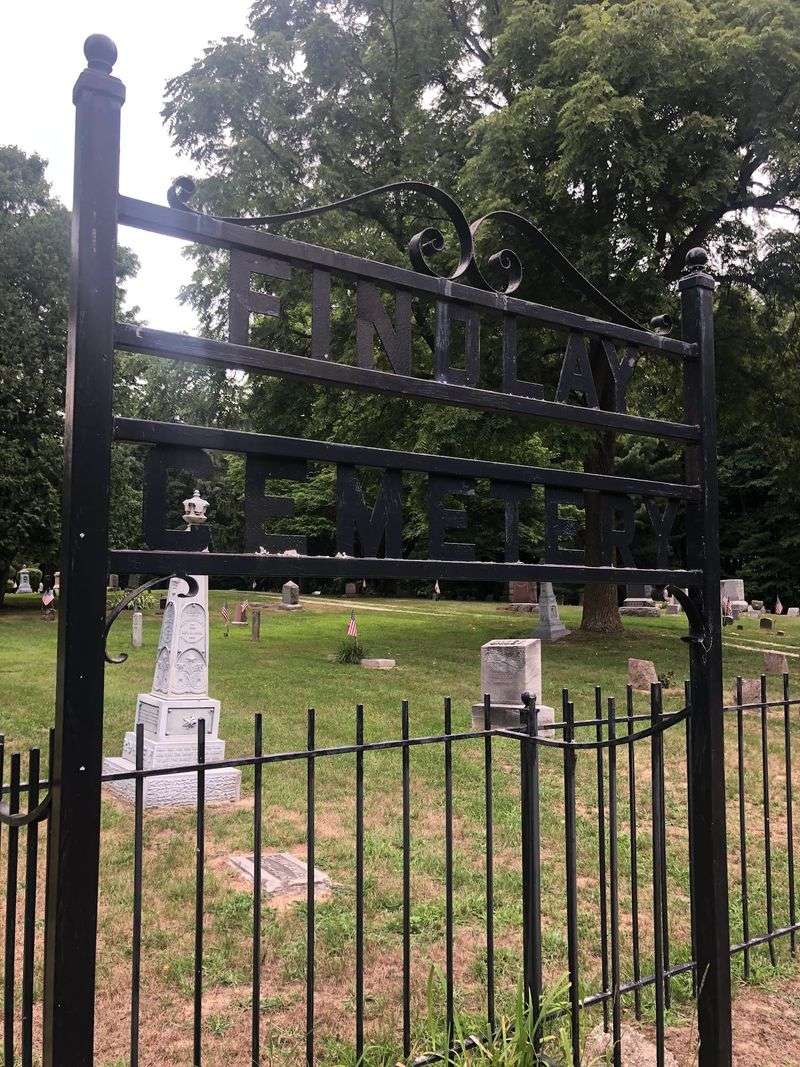
Correct me if I’m wrong, but peaceful countryside makes the best stage for a witch legend. Quiet fields somehow make every rustle sound louder.
Findlay Cemetery sits near 2 Mile Road and Cramton Avenue in Ada Township. The township owns the cemetery, and records place its use in the nineteenth century.
Hilly ground, mature trees, family monuments, and a wooded rear section give the site the secluded character that helped the Ada Witch story endure.
That legend comes in many versions, but the outline involves a mysterious woman appearing in pale clothing near the cemetery and surrounding roads. Historical records do not support the dramatic backstory commonly attached to her.
Even the grave often identified with the legend belongs to a woman whose 1870 record lists typhoid fever, not the events described in folklore.
That gap between story and record makes this western Michigan legend interesting. A real cemetery became attached to a narrative that changes between generations. The setting stays constant while the details keep moving.
Findlay is active and maintained. Respect the plots, avoid leaving objects on markers, and keep staged investigations away from family spaces. Daylight also makes the sloping terrain easier to navigate.
Use the 2 Mile Road and Cramton Avenue intersection in Ada as your reference point. The most intriguing part may be seeing how little the documented history resembles the famous tale.
7. Franklin Cemetery, Berrien Center
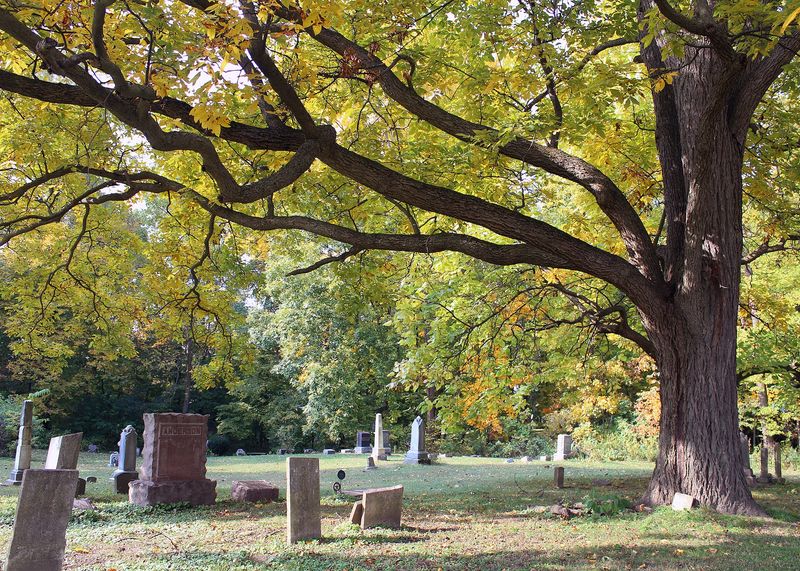
Sounds too good to be true, but one cemetery here goes by a nickname straight out of a fairy tale. Locals call it Munchkin Land, and the name sticks.
The place is more accurately known as Franklin Cemetery in Berrien Township, east of Eau Claire. That distinction matters because it has also been called Frost Cemetery and Franklin Church Cemetery in ghost-story collections.
Township and genealogical records place Franklin Cemetery along Franklin Road, while folklore often points toward the rural church area near Frost and Brush Lake roads.
The nickname comes from stories about small figures, faint giggling, and a marker that seems to glow under certain conditions. Those are regional legends, not established events.
One dramatic story involving a church leader and two young girls has circulated online, but dependable historical records supporting it have not surfaced.
What is documented is an old rural cemetery beside a long-standing church property.
Berrien Township records place the cemetery in Sections 1 and 12, and local accounts trace the site into the nineteenth century. The farm-country setting does much of the atmospheric work.
This is one of those locations where the correct name matters. Search for Franklin Cemetery in Berrien Township rather than Forest Hill Cemeteries in Eau Claire.
Visit during daylight, respect posted access limits, and remember that the nickname belongs to folklore rather than the cemetery’s formal identity.
8. Dice Road Cemetery, Hemlock
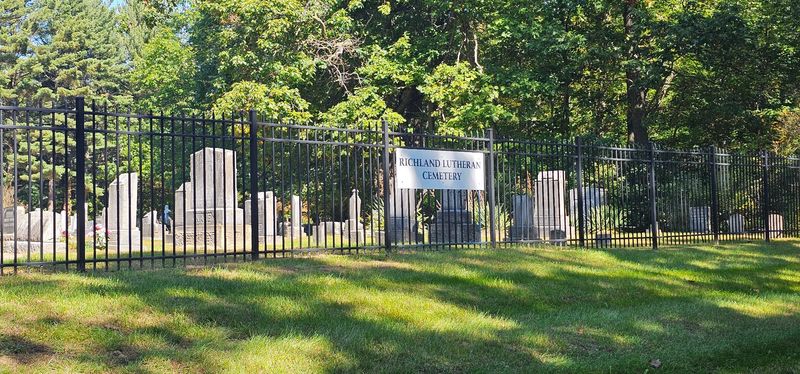
It’s a bit of a stretch, don’t you think, for one road to collect so many legends? Yet this stretch of pavement seems to attract stories like a magnet.
Dice Road Cemetery lies north of Hemlock in Saginaw County, along a rural corridor with several paranormal tales.
The cemetery story usually centers on a pale female figure said to appear near the wooded edge. Other versions add glowing eyes, strange lights, or sounds beyond the markers. Details vary.
The biography often attached to the apparition is shakier. It includes an elaborate nineteenth-century journey, family turmoil, a sailor, and supposed diary pages.
Those claims circulate in paranormal writing, but they are not supported by dependable archival evidence. Treating that narrative as established history gives folklore more certainty than records justify.
The better approach is to separate the two layers. Dice Road Cemetery is a real rural burial ground at 15700 Dice Road.
The haunting is a legend that has grown around it. Nearby properties and other sites along the road have their own stories, which explains why unrelated details often get blended together.
Visit only the public cemetery area, stay clear of neighboring private land, and keep the stop to daylight hours.
A quiet road, woods, old markers, and generations of storytelling already provide enough atmosphere. The mystery works better when the line between documented place and inherited legend stays visible.