10 Hawaii Communities Worth Comparing For Retirement Costs And Lifestyle
Can island retirement ever feel financially realistic?
In Hawaii, the answer depends heavily on where you look and what tradeoffs you accept.
Smaller communities can offer a different equation from the expensive resort image many people picture first.
Housing still demands careful research. So do healthcare access, transportation, and everyday expenses.
Yet some communities may suit retirees who value slower surroundings, outdoor time, and a stronger sense of local rhythm.
Affordable is relative here, not magical. That distinction matters.
The goal is not finding paradise at bargain-bin prices. It is finding places where the dream and the budget have a better chance of meeting.
1. Hawaiian Paradise Park, Keaau
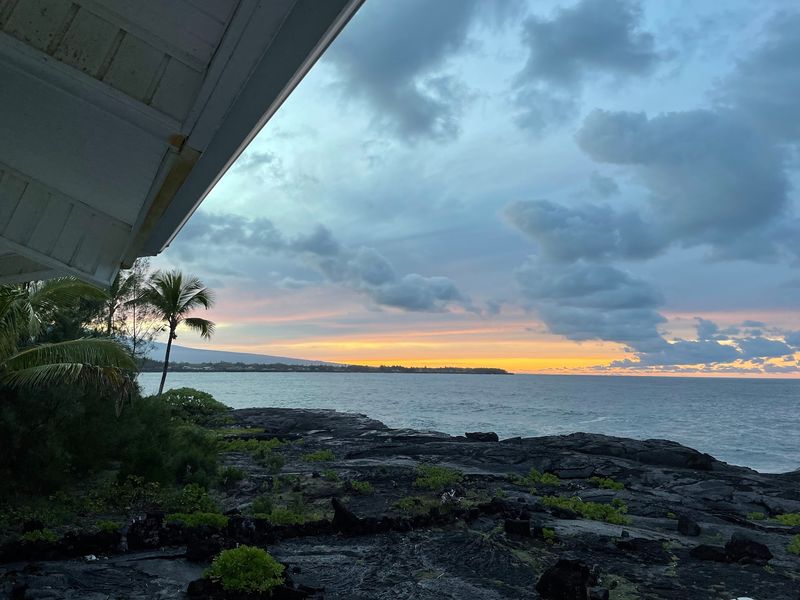
Imagine waking to rain tapping on a tin roof and birds arguing in the palms. That soundtrack comes standard in this sprawling Big Island subdivision near Keaau.
Housing here costs less than in many Hawaii markets, although several communities remain cheaper.
Most lots are zoned at about one acre, with smaller parcels closer to the ocean.
Current 2026 sales have centered around the low-$500,000s, while the association confirms roughly one-acre standard lots.
The subdivision has a distinctly rural setup. Most residences rely on rainwater catchment, while agricultural zoning leaves substantial room for gardens and fruit trees.
Rain supports lush vegetation through much of the subdivision. Orchids, papaya, mango, guava, and other tropical plants are common around the community.
The neighborhood mix skews diverse and welcoming, with newcomers and longtime families side by side. Nobody here cares much about pressed shirts.
Volcanic risk deserves a mention because much of the developed area around Keaau and Pahoa lies in Lava-Flow Hazard Zone 3.
The USGS classification measures relative geologic hazard rather than an insurance rating, so insurance availability and cost vary by property and carrier.
Numbers help too. Census estimates for 2020–2024 put the median owner-occupied home value at $457,100 and median gross rent at $1,310.
Hilo sits close enough for hospitals, groceries, and the farmers market. Road conditions inside the subdivision vary, so a sturdy vehicle earns its keep.
2. Waianae, Oahu
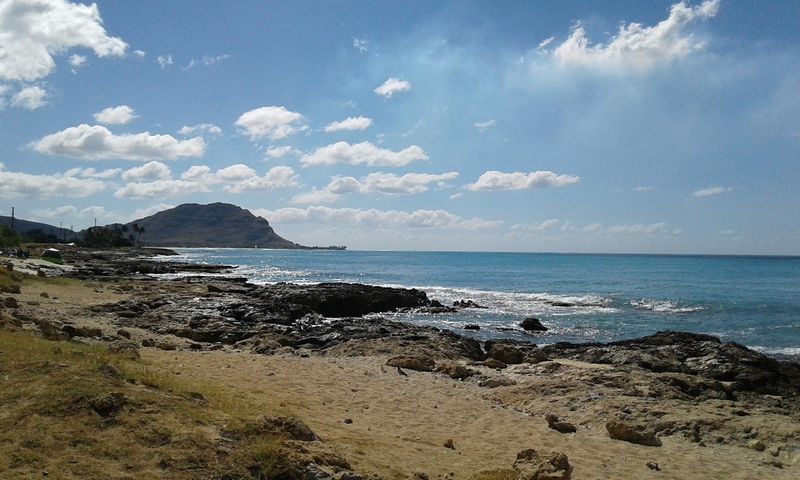
Weekday stretches of Waianae’s shoreline can feel quieter than the resort beaches closer to Honolulu. West Oahu keeps its beaches long, golden, and refreshingly uncrowded.
Waianae sits on the leeward coast, well away from Waikiki traffic. Local markets, small eateries, and everyday services line the main road.
About 16.4 percent of Waianae residents are age 65 or older. That gives the community a meaningful older population without supporting the claim that one in five residents is retired.
Weather cooperates almost stubbornly. Winters stay mild, summers run warm, and the leeward side gets far less rain than windward neighborhoods.
The name translates to waters of the mullet, a nod to fishing traditions that shaped this shoreline for centuries. Fishing poles still outnumber surfboards on some mornings.
Living costs remain high by mainland standards. Waianae’s relative affordability comes mainly from housing that can cost less than in many other parts of Oahu. Recent 2026 sales have centered near $599,000.
Census estimates for 2020–2024 put the median owner-occupied home value at $518,300 and median gross rent at $1,277. Those figures make Oahu living less theoretical for fixed incomes.
Boat harbors, community events, and a strong sense of neighborhood define daily life. Honolulu remains reachable when you crave museums or medical specialists.
3. Nanakuli, Oahu
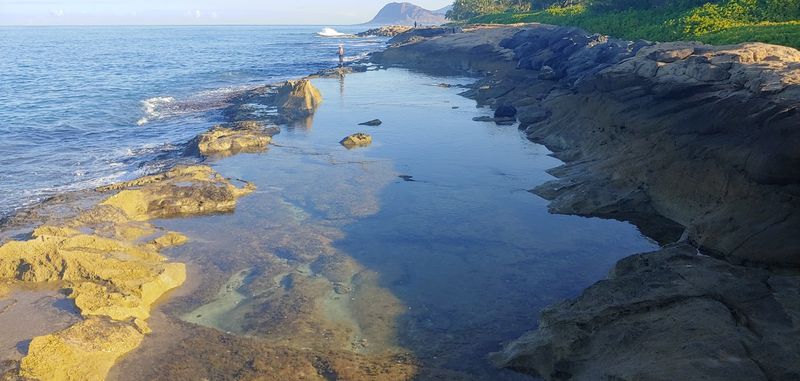
Have you given any thought to an authentic island address that respects your budget? One Oahu community answers that question rather nicely.
Nanakuli stretches along the leeward coast, tucked between mountain ridges and the open Pacific. Living costs here run lower than much of the island.
Housing can cost less here than in many Oahu communities, although it remains expensive by mainland standards.
Census estimates for 2020–2024 put the median owner-occupied home value at $488,600 and median gross rent at $1,690.
Sunshine dominates the forecast, with just enough rain to keep yards green. Trade winds handle the cooling most of the year.
The community remains predominantly residential and far removed from Oahu’s major resort districts. Local life here feels substantially different from the visitor-focused neighborhoods around Waikiki.
Entertainment sits within easy reach too. Wet ‘n’ Wild Hawaii brings slides and splash pools, while a Chief’s Luau or Germaine’s Hawaiian Luau serves music, hula, and storytelling.
Beach parks nearby suit morning walks, shore fishing, and watching keiki learn to bodyboard. Winter swells can get powerful, so respect posted warnings.
Groceries and clinics are available along the Leeward Coast, while Skyline begins farther east at East Kapolei rather than in Nanakuli itself. The current rail system runs from East Kapolei to Kalihi.
4. Makaha, Oahu
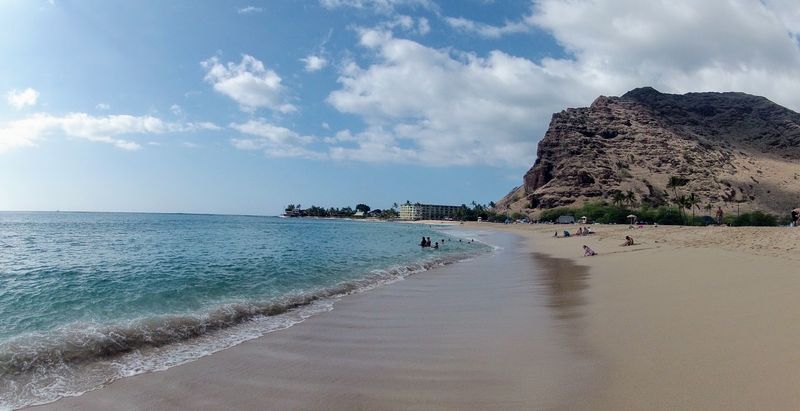
Makaha played an important role in the development of modern competitive surfing and big-wave culture in Hawaii.
The beach hosted major early surf competitions and remains closely associated with the Keaulana surfing legacy.
Makaha anchors Oahu’s west coast with legendary swells and an unhurried daily pace. Makaha Beach Park draws paddlers, longboarders, and plenty of folks content to watch.
The annual Buffalo Big Board Surfing Classic turns the shoreline into a celebration of Hawaiian ocean culture. Music, canoe events, and family picnics fill the weekend.
Water clarity here impresses divers and snorkelers. Spinner dolphins cruise offshore, and honu, the green sea turtles, glide past regularly.
History runs deep inland as well. Kāneʻaki Heiau remains an important archaeological site in Mākaha Valley, but it is on private land and has long been closed to general public access.
The name itself means fierce, a fitting description for those thundering winter sets. Summer, meanwhile, flattens the water into something almost pond-like.
Costs matter for planners. Retirement budgeting here should account separately for housing, transportation, healthcare, insurance, and everyday living costs rather than relying on one general senior-living estimate.
Valley views, golf nearby, and quiet residential lanes round out the appeal. Grocery runs and medical care sit along the coastal highway toward Waianae.
5. Waipio Acres, Oahu
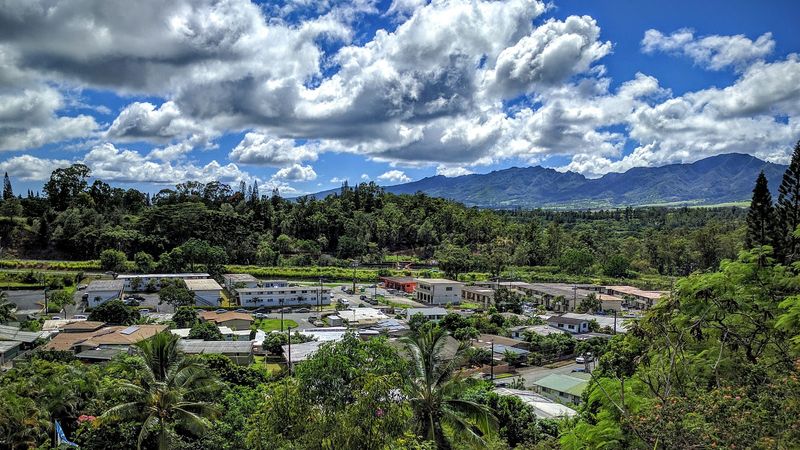
Farmland, forest trails, and waterfalls hide just minutes from the freeway.
Waipio Acres sits in Honolulu County as a census-designated community with costs lower than many Hawaiian addresses.
Census estimates for 2020–2024 put the median owner-occupied home value at $753,900 and median gross rent at $2,003. Recent 2026 sale medians have fluctuated substantially below that owner-value figure.
Temperatures behave themselves nicely, usually ranging between 75 and 85 degrees. Elevation keeps evenings a touch cooler than the coast.
Location does the heavy lifting here. Honolulu sits about 12 miles away, so hospitals, flights, and city errands stay simple.
Central Oahu’s agricultural history remains visible beyond the residential neighborhood. Nearby Dole Plantation is home to the Pineapple Garden Maze, which Guinness World Records named the world’s largest maze in 2008.
Hikers have choices. Waimano Falls rewards a muddy descent with a swimming pool and plenty of forest birdsong.
The Wahiawa Hills Trail inside the Ewa Forest Reserve winds through eucalyptus and stream crossings. Bring traction, because red dirt turns slick after showers.
Everyday life leans quiet and residential, with schools, markets, and parks close by. Traffic toward town gets busy on weekday mornings, so plan appointments accordingly.
For retirees wanting calm without isolation, Waipio Acres, Oahu, strikes a satisfying middle ground. Trade the beach chair for a trail map now and then.
6. Waimalu, Oahu
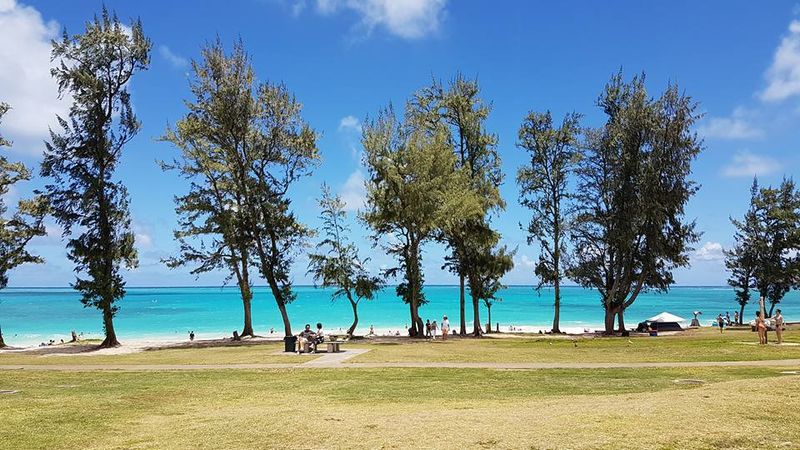
I’m still trying to wrap my head around how much sits within a short drive here. Convenience rarely pairs this easily with greenery.
Waimalu spreads across central Oahu between Pearl Harbor and the mountains. Suburban streets, shopping centers, and the calming Waimalu Stream share the same neighborhood.
History lovers score big. Pearl Harbor National Memorial includes the USS Arizona Memorial, while the USS Bowfin Submarine Museum and Park operates nearby as a separate Pearl Harbor Historic Site.
Having several major Pearl Harbor sites nearby makes repeat visits practical for residents of central Oahu. Those attractions add substantial historical interest without requiring a long cross-island trip.
Scenery holds its own as well. Mountain scenery rises immediately north of Waimalu, while the H-3 corridor crosses Halawa Valley farther east.
Census estimates for 2020–2024 put the median owner-occupied home value at $597,800 and median gross rent at $1,931. Higher than some towns, though the amenities explain plenty.
Medical facilities, pharmacies, and big grocery stores cluster nearby, which matters more with each passing year. TheBus provides public-transit connections through central Oahu, while nearby freeways link Waimalu with Honolulu and West Oahu.
Warm weather stays steady, with brief showers rolling through and rainbows arriving as a bonus. Ocean access takes only a short hop.
7. Waikoloa Village, Big Island
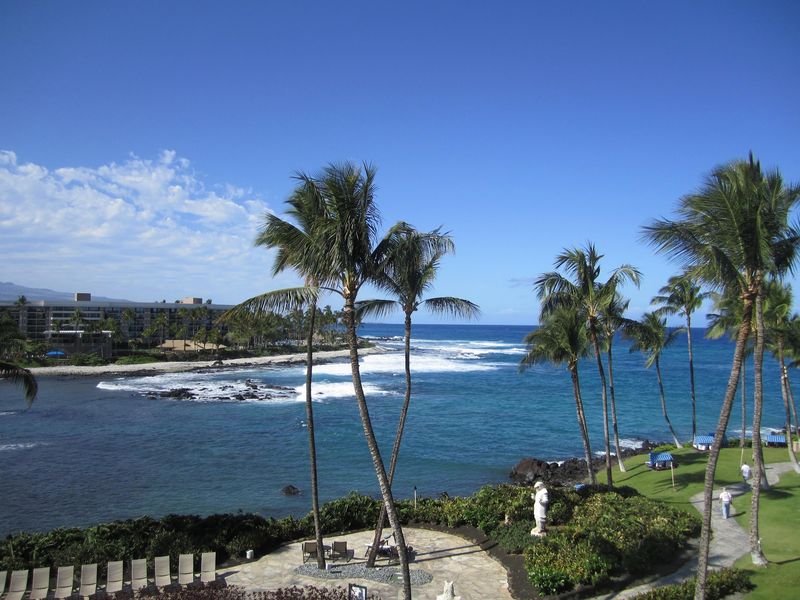
Sunshine is a genuine advantage here, but current housing prices no longer make Waikoloa Village an especially affordable market.
Recent sales have centered around $785,000, while Zillow’s typical value is about $846,000.
Waikoloa Village rests upland on the Big Island’s dry western side. Housing options run friendlier than most coastal Hawaiian communities.
Census estimates for 2020–2024 put the median owner-occupied home value at $802,600 and median gross rent at $2,177. Those figures turn daydreams into spreadsheets that actually work.
Quiet streets define the village itself, yet world-class beaches sit roughly 15 minutes downhill. Resorts, restaurants, and shops cluster near the shoreline.
Hapuna Beach brings a long ribbon of white sand and easy swimming. Mornings there stay calm enough for gentle laps.
Culture sits close too. The Puako Petroglyph Field preserves thousands of ancient rock carvings etched into hardened lava.
The Waikoloa Anchialine Pond Preservation Area protects brackish ponds in the coastal resort district. These habitats support native ʻōpaeʻula shrimp and other specialized organisms associated with Hawaiian anchialine ecosystems.
Elevation keeps the village breezier than the coast, and afternoon winds arrive like clockwork. Rainfall stays low, so landscaping leans toward lava rock and hardy plants.
Golf, community events, and a small shopping center handle daily needs, with Kona and Waimea nearby for medical care.
8. Maili, Oahu
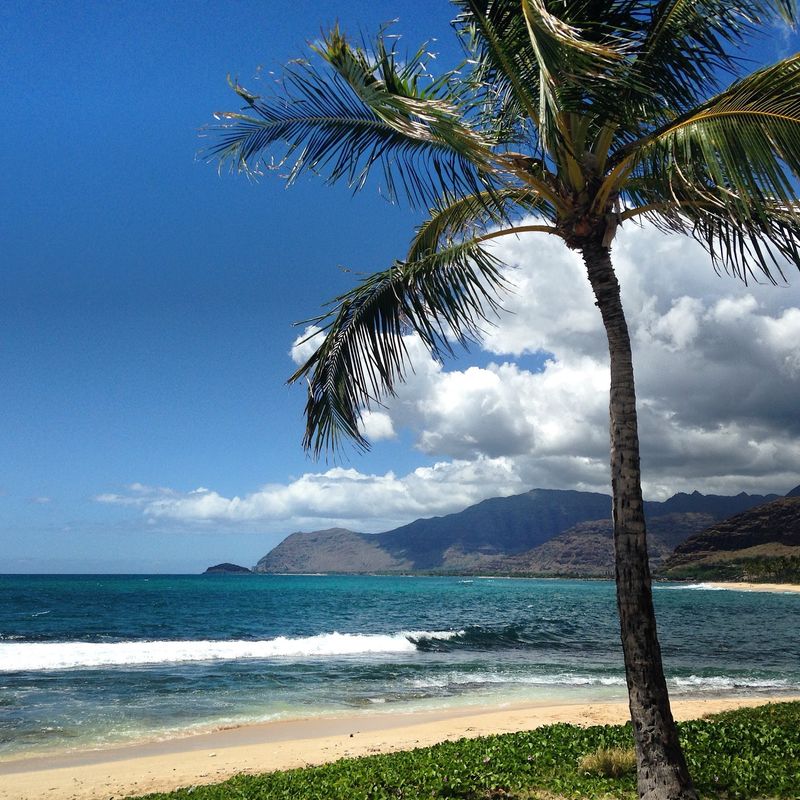
The place name Māʻili has been associated with little pebbles and with the name of an Oahu chief rather than meaning peaceful.
The quiet shoreline atmosphere is a separate part of the community’s appeal.
Maili occupies Oahu’s western coast with broad beaches and trails threading the Waianae Mountain Range. Crowds stay thin, especially on weekday mornings.
The atmosphere runs serene compared with busier island corners. Sunsets here draw families with folding chairs and fishing gear.
Hikers head for Pu’u’Ohulu Kai, a summit crowned by an old World War II observatory point. Panoramic ocean and mountain views make the climb worthwhile.
Culture runs deep nearby as well. Kāneʻaki Heiau lies in nearby Mākaha Valley and probably began as an agricultural heiau to Lono around the 14th century. The privately owned site is not generally open to the public.
Ocean conditions are generally calmer during parts of summer, while winter can bring larger surf and stronger shorebreak along the west coast. Conditions can still change quickly in any season.
Summer water turns glassy and swimmable, while winter brings stronger shorebreak. Lifeguard towers mark the safer stretches.
Gardens thrive with a little irrigation, since the leeward side stays dry and sunny. Mornings often begin with roosters instead of alarm clocks.
9. Waimea, Big Island
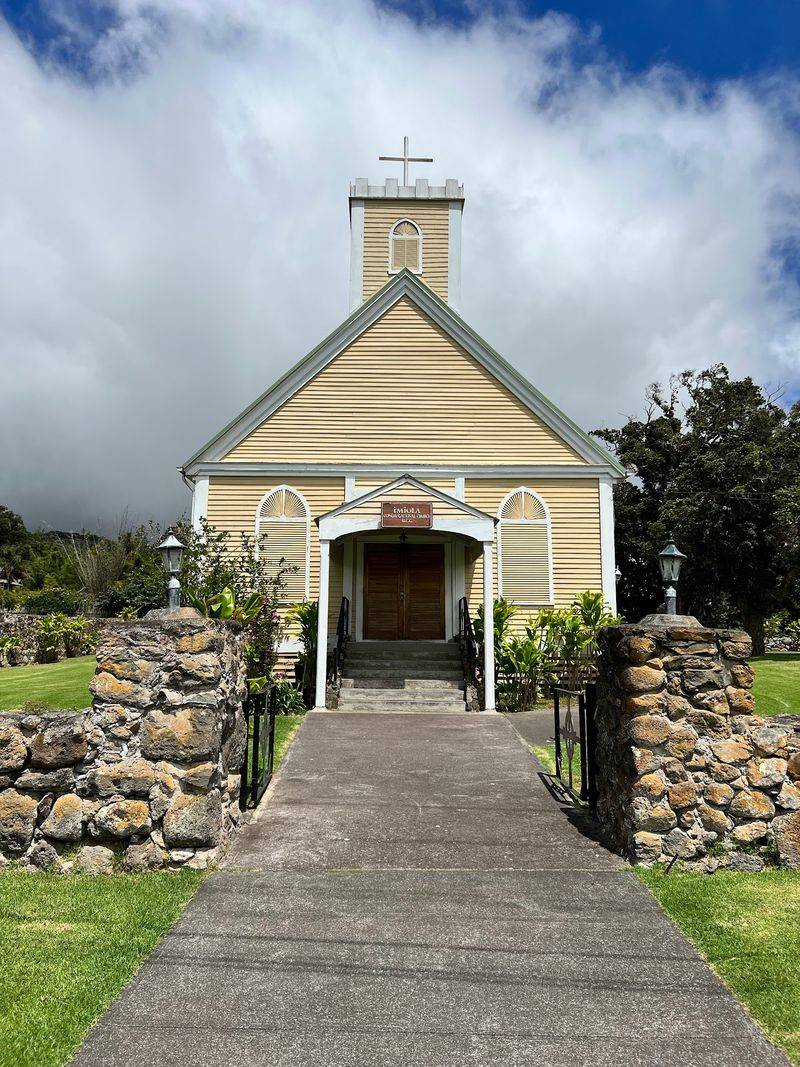
Cowboys in this state surprise almost everyone the first time around. Rolling pastures, cattle, and paniolo tradition rewrite the whole island script.
Waimea, also called Kamuela, sits inland and upcountry on the Big Island. Historic ranches, including Parker Ranch, still shape the landscape and the local identity.
Cooler temperatures come with elevation, so sweaters actually get worn here. Morning mist rolls across the green hills before the sun burns through.
Food culture punches above the town’s size. Farm-to-table restaurants use produce and beef raised within a few miles.
Farmers markets operate regularly, stacked with strawberries, greens, honey, and flowers. Arrive early for the good tomatoes.
Arts thrive at the Kahilu Theatre, which hosts respected musicians, dancers, and touring performers. Community events fill the calendar year-round.
Scenic drives along Kohala Mountain Road deliver sweeping coastal views and pasture panoramas. Kahua Ranch opens the paniolo lifestyle to guests through horseback riding and ATV outings.
Census estimates for 2020–2024 put the median owner-occupied home value at $677,400, but recent 2026 sales have been closer to $977,000. That current market makes Waimea a weak fit for an affordability-focused list.
Beaches along the Kohala Coast sit about 30 minutes downhill, so ocean days stay easy. Stargazing nearby ranks among the best anywhere.
Anyone wanting cool air, culture, and cattle country should pencil in Waimea, Hawaii. Boots optional, though they suit the surroundings nicely.
10. Kalaoa, Big Island
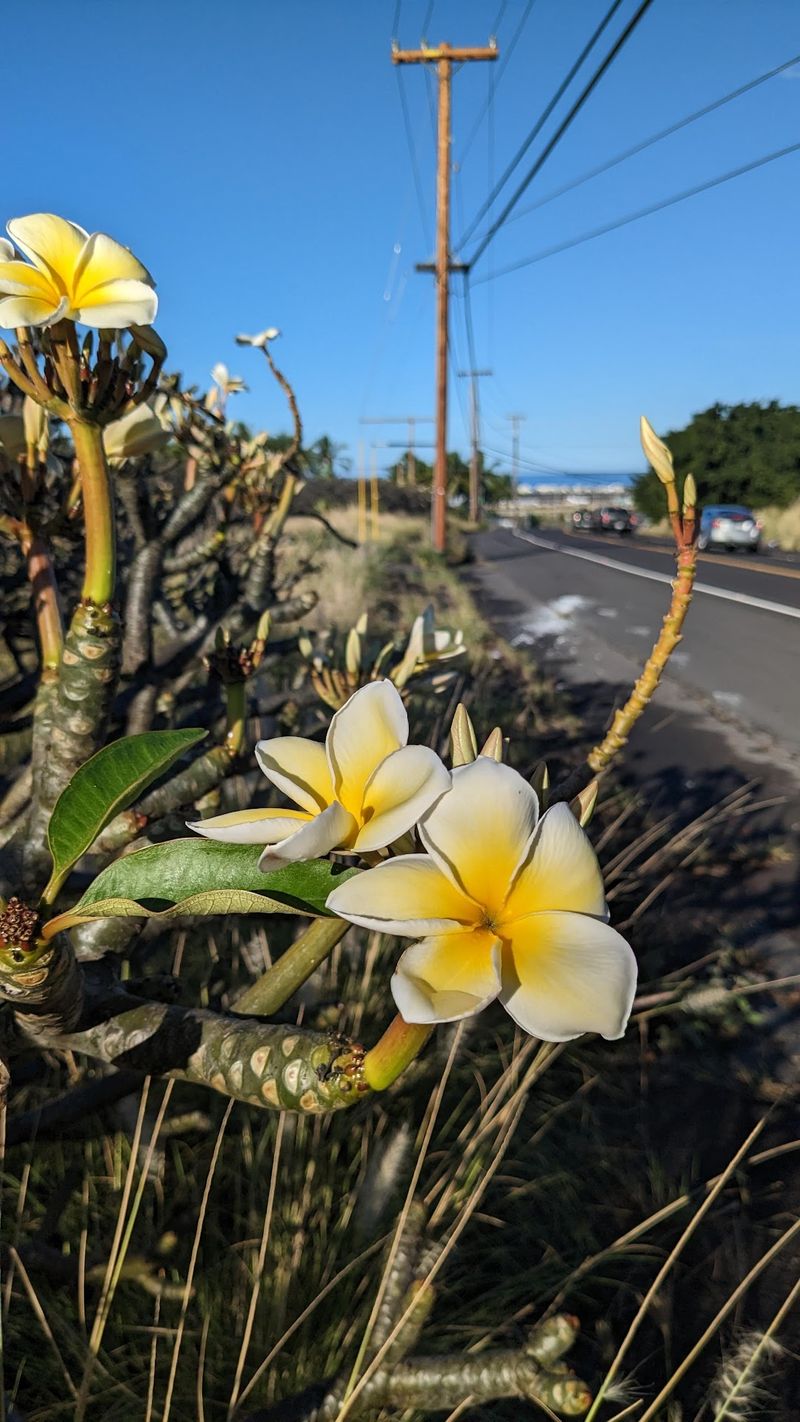
Picture a coffee farm, a lava field, and a white sand bay sharing one zip code. North Kona pulls that off without breaking a sweat.
Kalaoa spreads just north of Kailua-Kona, well away from busy tourist strips. Kona International Airport sits close, which simplifies mainland travel for family visits.
Dozens of beaches, upslope coffee farms, and ancient Hawaiian ruins fill the surrounding area. Exploring never really runs out of options.
Daily life moves slowly against a backdrop of black lava and blue water. Sunset views come standard from many hillside properties.
Kaloko-Honokohau National Historical Park protects petroglyphs, ancient fishponds, and coastal trails. Sea turtles rest on the sand there most afternoons.
Kua Bay, also known as Maniniowali Beach, brings soft white sand and startlingly clear water. Swimming and bodysurfing keep the crowds happy, though winter shorebreak gets rough.
Elevation changes matter here. Homes higher upslope catch cooler breezes and afternoon clouds, while lower lots stay hot and dry.
Current housing data make Kalaoa one of the weakest affordability fits on this list. Recent 2026 sales have centered around $1 million, so the area is better framed around location and lifestyle than budget retirement.
Medical care, shopping, and farmers markets cluster in nearby Kailua-Kona. Retirees seeking culture, coastline, and quiet mornings keep circling Kalaoa, Hawaii, on their maps.