12 Hidden Waterfalls In Idaho That Are So Scenic You’ll Think You’re Dreaming
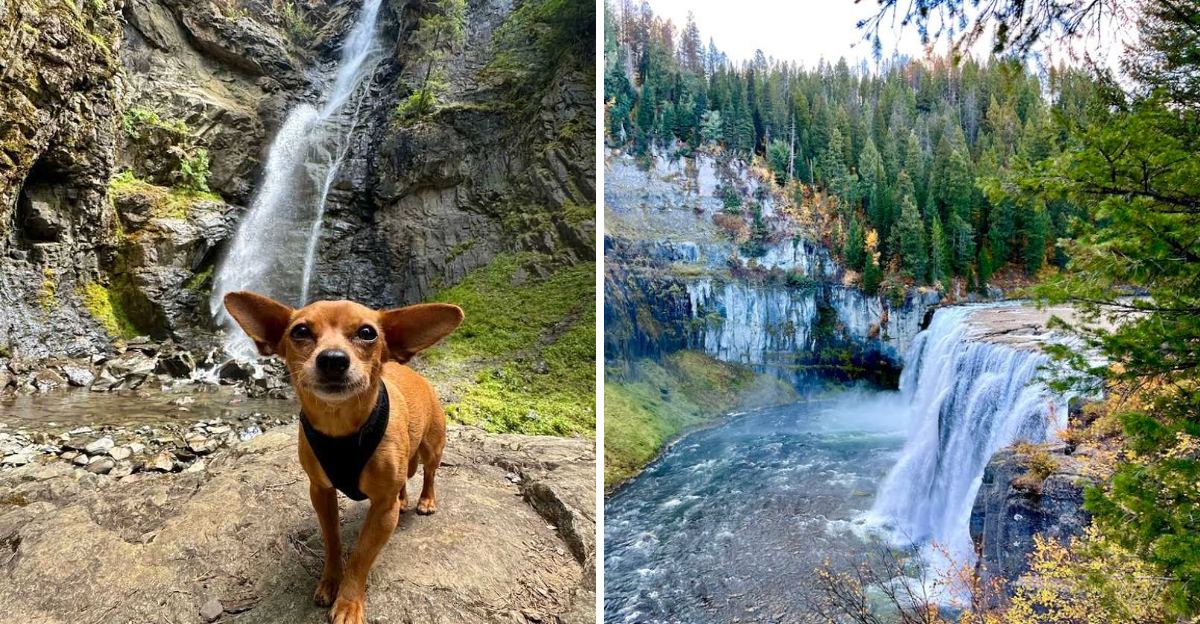
Waterfalls like these make a perfectly normal hike feel like it accidentally wandered into a fantasy movie.
Half the fun is how sneaky it all is, because one quiet Idaho trail can suddenly hit you with a roaring cascade that makes your last five scenic stops look like warm-up acts.
Spray in the air, rocks underfoot, and that split second of stunned silence from everyone nearby tend to happen fast once the view finally reveals itself.
Hidden around this state are the kind of falls that make people laugh, stare, and immediately start pretending they were absolutely prepared for something this wild.
1. Jump Creek Falls
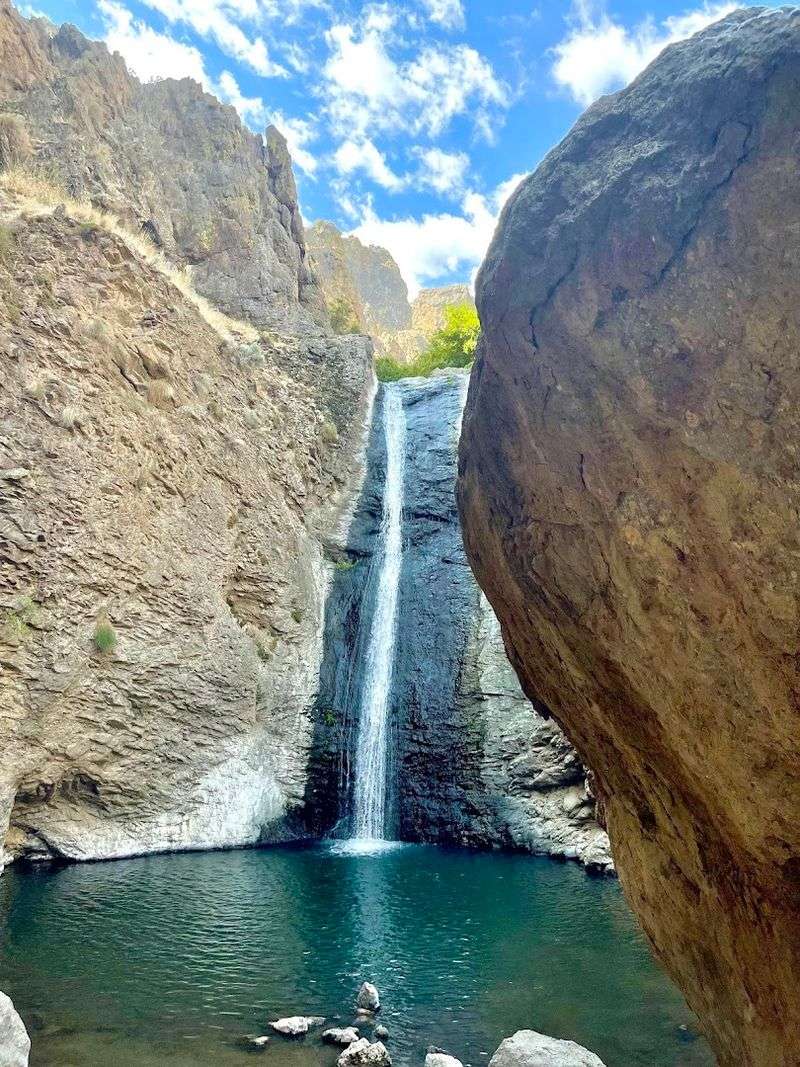
Desert country does a wonderful job of lowering expectations right before Jump Creek Falls proves them completely wrong. Bureau of Land Management information describes the site as an easy family-friendly outing with a surprising waterfall, lush riparian vegetation, and an overlook, which is exactly why the place feels so rewarding.
Sagebrush and dry hills set one mood, then the canyon tightens, shade gathers, and a 60-foot waterfall appears like the landscape changed its mind halfway through. Cottonwoods, water birch, and creek noise soften the whole approach, giving the short hike a cooler, greener feel than first-time visitors usually expect in this part of Idaho.
Hidden gems work best when the contrast is sharp, and Jump Creek has that in abundance. One moment feels open and sunbaked.
The next feels sheltered, mossy, and almost secretive. Swimming at the base gets mentioned often enough to tell you the falls are not just scenic from a distance, though the BLM also warns about poison ivy in places, which keeps the outing feeling more real than polished.
Go to Jump Creek Recreation Site near Marsing via Cemetery Road and Jump Creek Road from US-95.
2. Lemmon Falls
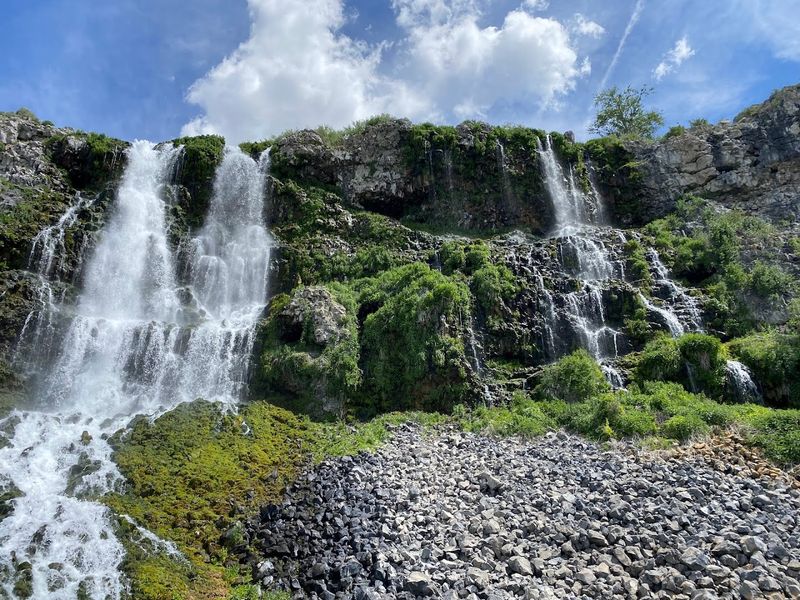
Blue water does most of the magic work at Lemmon Falls. Visit Southern Idaho says the waterfall runs year-round and looks best when Ritter Island’s bridge is open because visitors can walk over and see the falls above a vibrant blue river, while broader waterfall coverage calls it one of the most photogenic stops in the region.
Scenic drama here comes less from raw height and more from color and placement. Water drops beside Minnie Miller Springs in a way that feels almost unreal the first time you see it, especially because the path and parking setup do not prepare you for such intense contrast.
Plenty of Idaho waterfall stops demand a bigger hike or a louder entrance. Lemmon Falls works differently.
Quiet surroundings, simple access, and a bright spring-fed palette make the whole stop feel like a secret you happened to find at exactly the right moment. Visitors driving the Thousand Springs Scenic Byway often remember this one because it looks so vivid and so oddly tucked away compared with the road around it.
Start near Ritter Island parking along the Thousand Springs Scenic Byway by Hagerman and Wendell, then walk toward the falls.
3. Niagara Springs
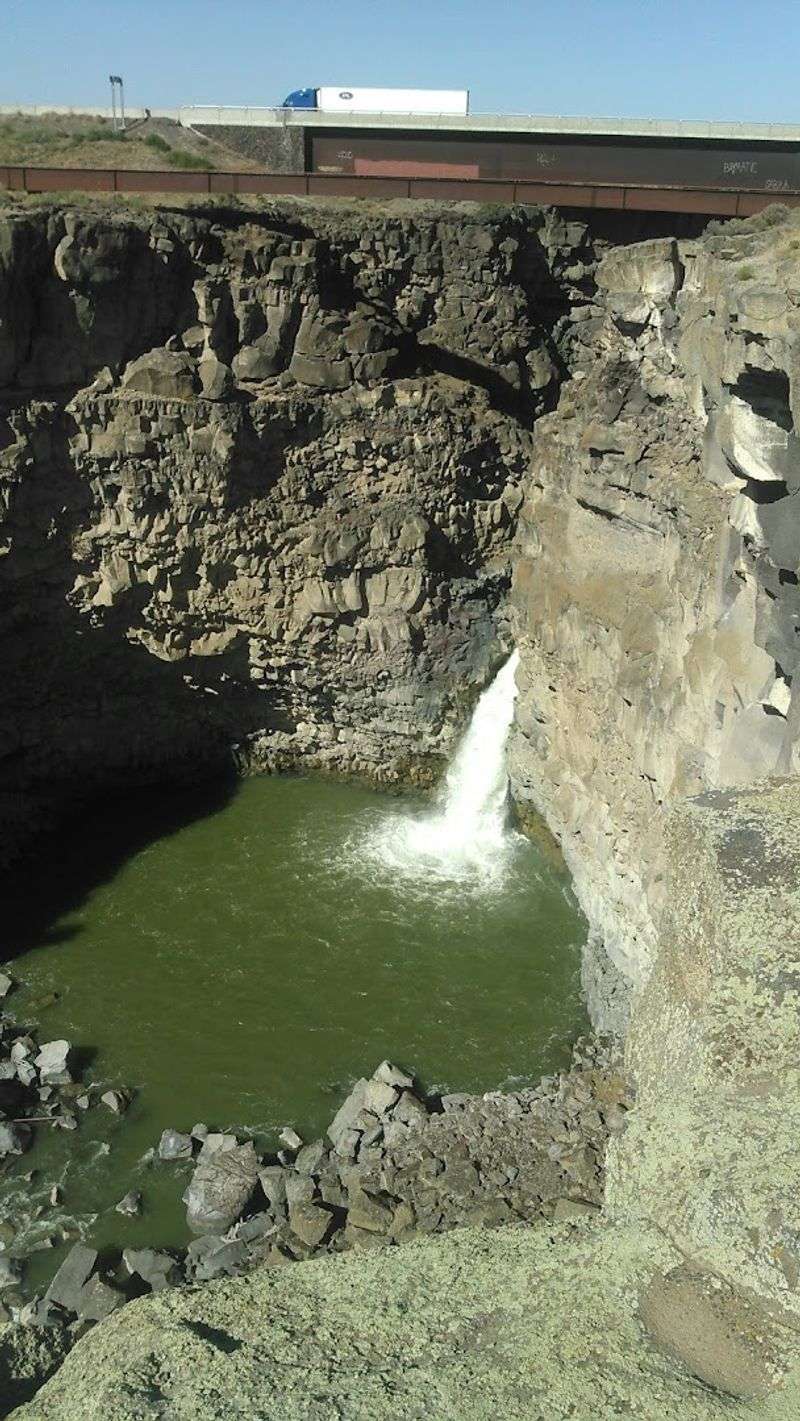
Few waterfall experiences in Idaho feel as dramatically cinematic as watching icy blue water tumble straight down a canyon wall at Niagara Springs. Part of the remarkable Thousand Springs State Park complex near Hagerman, this spring-fed cascade earns its bold name with a visual punch that catches first-time visitors completely off guard.
Idaho Parks and Recreation describes the water as strikingly clear and cold, fed by the Snake River Plain Aquifer far underground.
Thousand Springs State Park’s visitor center is listed at 17970 U.S. Hwy 30 in Hagerman, while Niagara Springs is reached as a separate park unit nearby.
That seasonal rhythm gives Niagara Springs a feeling of exclusivity depending on when you arrive. Timing your visit for early summer means you catch peak water flow alongside blooming canyon vegetation.
Standing at the base and looking up at the cascading curtain of water against dark basalt rock is genuinely awe-inspiring. This is the kind of waterfall that earns a spot on your camera roll and stays in your memory long after you have left Idaho behind.
4. Earl M. Hardy Box Canyon Springs Nature Preserve
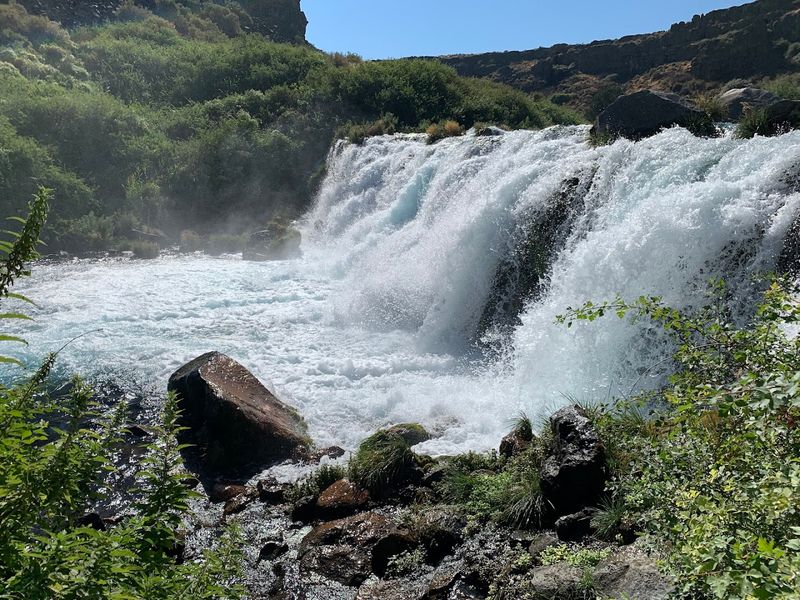
Basalt walls and unreal blue water make Box Canyon feel like one of Idaho’s most deliberately dramatic natural spaces. Visit Southern Idaho says the preserve features crystal-clear water and a 20-foot waterfall near Twin Falls, while Visit Idaho and Idaho Parks both place it within Thousand Springs State Park and describe canyon walls, underground spring flow, and year-round day use.
Color is the first surprise here. Water in Box Canyon has the kind of saturated blue-green tone that can look exaggerated even in person, especially when framed by dark volcanic rock.
Scale is the second surprise. This is not just a little waterfall tucked beside a roadside turnout.
Cliffs, spring volume, stair access, and enclosed canyon shape all make the preserve feel like a complete landscape experience rather than one photo stop. Access can shift, and current conditions are always worth checking, but the essential appeal stays the same.
Once the overlook or lower trail reveals the water and falls together, disbelief becomes part of the visit. See it within Earl M.
Hardy Box Canyon Springs Nature Preserve in the Thousand Springs State Park area near Hagerman.
5. Auger Falls
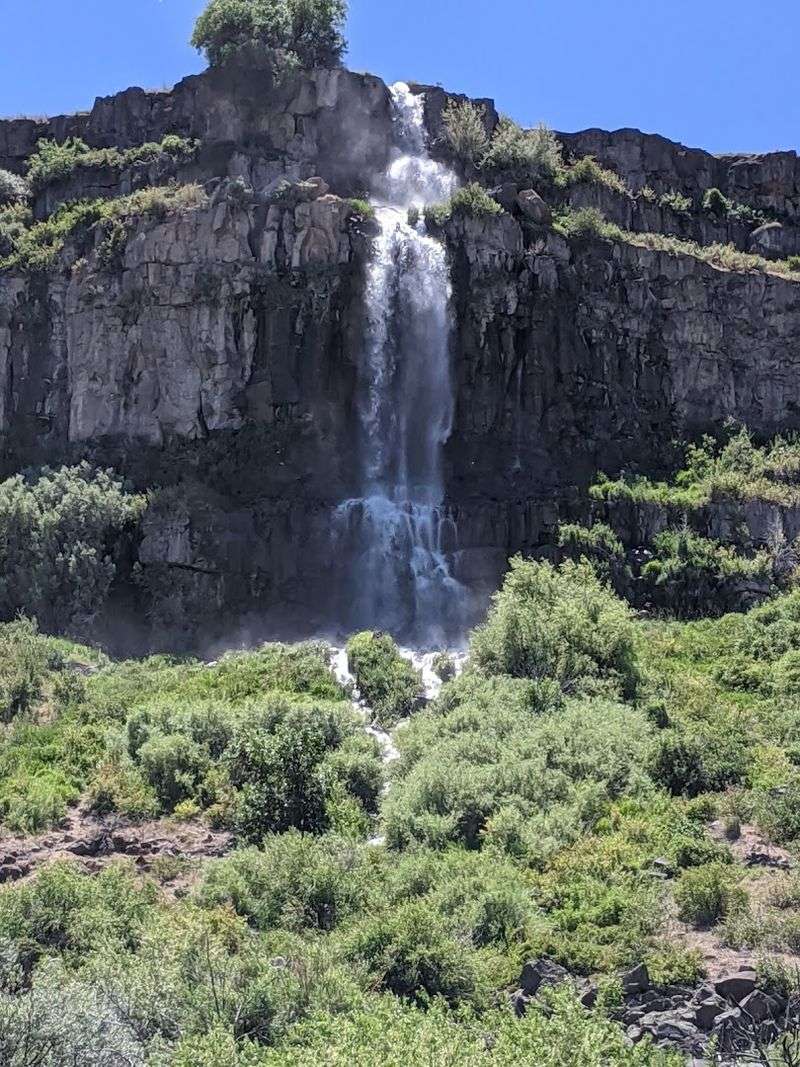
Canyon country does not always advertise its best corners loudly, and Auger Falls is a good example of how rewarding that silence can be. Visit Southern Idaho describes Auger Falls Heritage Park as a 680-acre natural park beside the Snake River with hiking, views, and room to explore, while Twin Falls city information confirms trails, parking, restrooms, and broad public access.
Scenic value here comes from more than one drop. Hikers get canyon walls, river scenery, open terrain, and a sense of moving through an entire landscape rather than rushing toward a single fixed viewpoint.
Local-hideout energy is part of the charm. Bigger-name waterfalls in southern Idaho tend to pull more traffic and more expectation, but Auger feels more exploratory, more spread out, and slightly less scripted.
Early or quieter visits likely sharpen that mood even further. People who like a little movement before a payoff usually respond well to places like this because the trail itself contributes to the experience instead of merely filling time.
Hidden-gem status feels earned when a place offers scenery this strong while still carrying such a local, low-pressure atmosphere. Start at Auger Falls Heritage Park along Canyon Springs Road in Twin Falls, ID 83301.
6. Pillar Falls
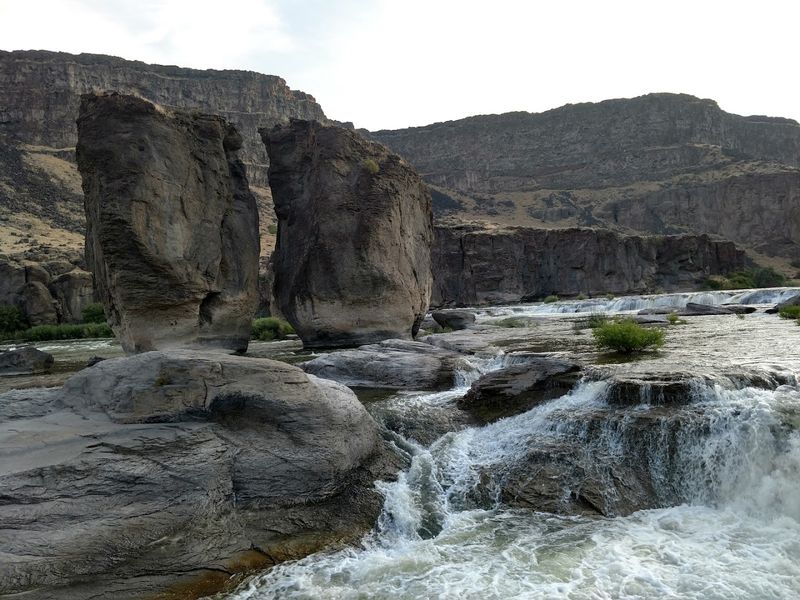
Calling Pillar Falls a waterfall almost undersells what is actually going on here. Rather than a single clean drop, this remarkable spot in the Snake River Canyon near Twin Falls is more of a labyrinth of cascades threading their way around enormous rhyolite pillars that rise dramatically from the canyon floor.
The result is something that looks less like a typical waterfall and more like a scene from a fantasy landscape.
Found roughly a mile east of the Perrine Bridge in Twin Falls, ID, the falls are best explored when water levels are lower, which may allow visitors to walk among the rock formations and view natural pools when conditions are safe. Visit Southern Idaho specifically recommends timing your visit with this in mind, since high water can obscure much of the textured rock detail that makes Pillar Falls so visually unique.
The canyon walls tower above, adding a sense of scale that photos rarely capture fully.
Access involves a hike down into the canyon, which keeps casual visitors away and preserves that tucked-away atmosphere. For anyone who loves Idaho geology and wants a waterfall experience that feels completely unlike anything else, Pillar Falls absolutely delivers.
7. Caldron Linn
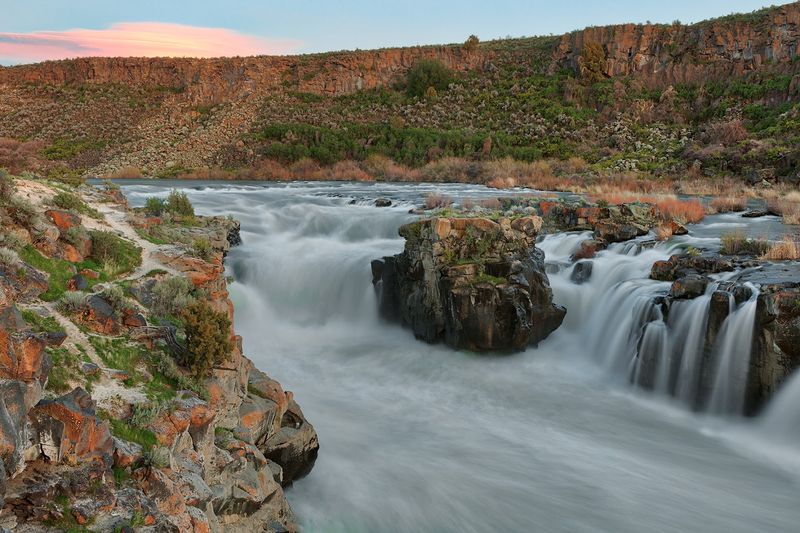
Raw force defines Caldron Linn more than prettiness ever could. Visit Southern Idaho describes the canyon as off-grid, requiring a steep hike to reach the waterfall below, with no services on site and extreme runoff possible in spring.
Those warnings are not background noise. They are part of what gives the place its identity.
Many waterfalls invite quiet admiration from easy boardwalks. Caldron Linn feels wilder and less interested in being convenient.
Snake River water compresses through rough country here with enough intensity that the setting carries real historical weight in addition to visual power. Steep access keeps the casual crowd thinner, which helps preserve the sense that this is still largely untamed Idaho rather than a polished scenic attraction.
Rugged, loud, and physically serious are better descriptions than dreamy, but hidden falls do not all need the same mood to be unforgettable. Some earn their place by requiring extra caution and respect from the first look.
Spring likely brings the most dramatic flow, though it also raises the risk and the caution level. Visit near Murtaugh in the Snake River canyon, about 35 minutes from Twin Falls and under 15 minutes from Murtaugh.
8. Upper Mesa Falls
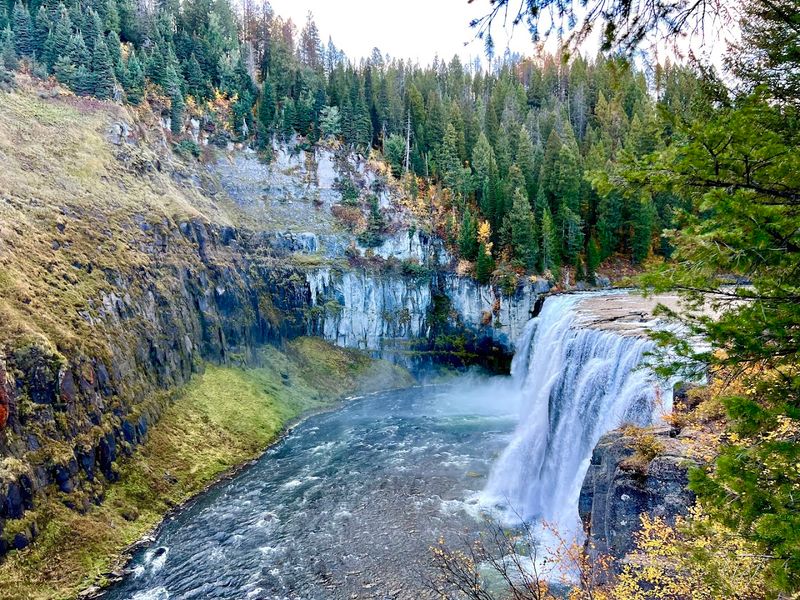
Thunder is the cleanest way to describe Upper Mesa Falls. Visit Idaho says the upper falls pour like a ten-story curtain over remnants of an ancient volcanic super-eruption, while the Forest Service scenic byway page calls Upper and Lower Mesa Falls two of the most spectacular waterfalls in the West and among the last major undisturbed falls in the region.
Accessibility is part of what makes Upper Mesa so impressive. Visitor center access, boardwalks, and developed viewpoints mean almost anyone can reach a scene that would feel worthy of a much harder hike somewhere else.
Mist, rainbow light, and the sheer breadth of the drop do the rest. Easy access can flatten some scenic spots, but not this one.
Water volume and canyon depth keep the place overpowering even with built infrastructure nearby. Autumn color frames it beautifully, summer light catches the spray, and the whole byway around it helps the stop feel like part of a larger scenic pilgrimage rather than an isolated pull-off.
Big natural landmarks usually earn their status for a reason. Upper Mesa Falls sounds like one of the clearer examples in Idaho.
See it from the visitor center and boardwalk area on Highway 47 along the Mesa Falls Scenic Byway near Ashton, ID.
9. Lower Mesa Falls
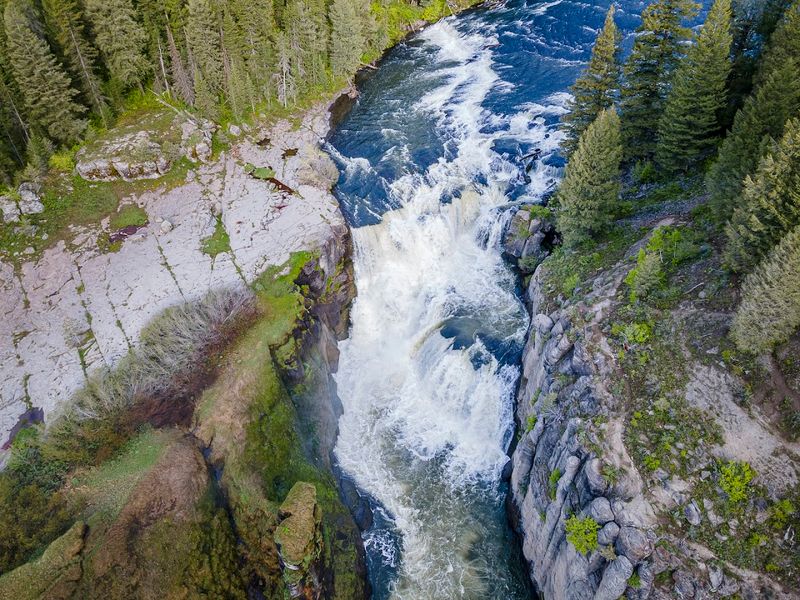
Shadowing a famous neighbor can make great places easier to miss, which is exactly why Lower Mesa Falls belongs on a hidden-waterfall list. Visit Idaho says the river repeats the performance about a mile south of the upper falls, carving through ash and lava again in a different but equally rewarding setting.
Scenic byway coverage reinforces the same idea, presenting the upper and lower falls as complementary stops rather than one headliner and one afterthought. Perspective changes the whole experience here.
Upper Mesa overwhelms through immediate force. Lower Mesa tends to work through composition, letting visitors look into forested canyon space and watch the water gather itself into an 85-foot drop.
Grandview Overlook gives the broader scene room to breathe, and that wider angle makes the surrounding forest feel like an active part of the view instead of a background frame. Pairing both falls on one drive sharpens the contrast between them and turns the byway into one of eastern Idaho’s most satisfying scenic routes.
Hidden in plain sight may be the fairest description. Plenty of travelers stop once and keep moving.
Lower Mesa is one of the best reasons not to. Find it at Grandview Overlook on the Mesa Falls Scenic Byway near Ashton, ID.
10. Elk Creek Falls
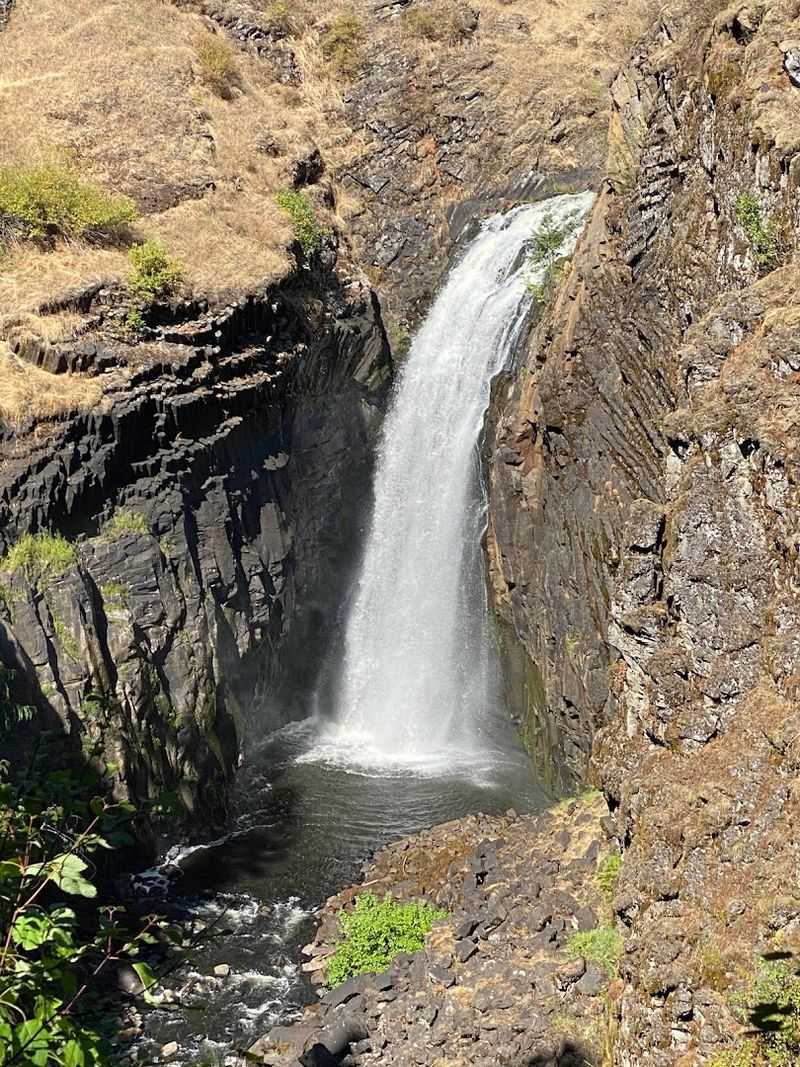
Forest and basalt give Elk Creek Falls a kind of northern Idaho drama that builds slowly, then lands all at once. The U.S.
Forest Service says the recreation area east of Moscow includes three separate waterfalls totaling more than 140 feet and a canyon filled with striking columnar basalt, all accessed by a developed national recreation trail. Multiple viewpoints are part of what makes the hike feel so rewarding.
Instead of saving everything for one final reveal, the trail keeps offering new angles on the canyon and the water as you move farther in. Dense forest helps too.
Sound narrows, light shifts, and the falls arrive with much more atmosphere than they would in a more open landscape. Public travel coverage often calls this one of Idaho’s most scenic waterfall experiences, and the Forest Service description alone makes that easy to believe.
Height matters, but the structure of the canyon and the layered drop are what really seem to give the place its emotional punch. Visitors looking for a hidden-feeling waterfall with genuine scale and a trail built around multiple payoffs should be very happy here.
Start from Elk Creek Falls Recreation Area about 50 miles east of Moscow near Elk River, ID.
11. Grouse Creek Falls
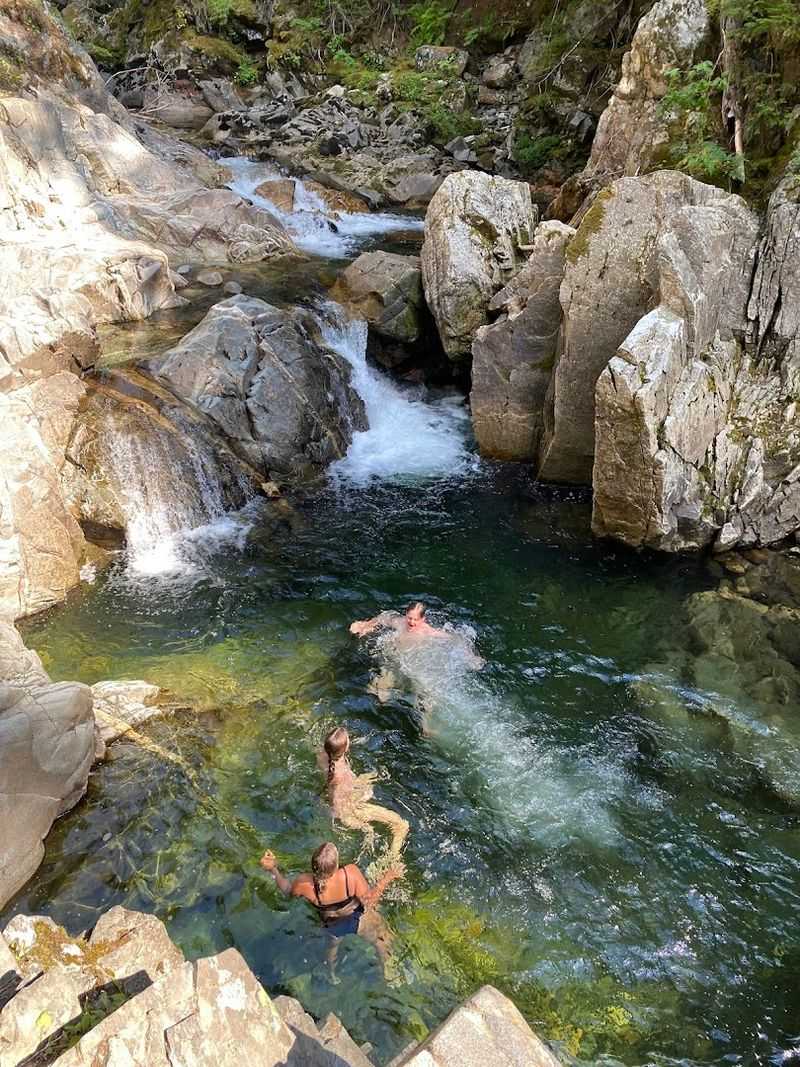
Grouse Creek Falls has the kind of setting that makes you look around to confirm other people can actually see what you are seeing. Located in North Idaho near Sandpoint, this waterfall drops into a grotto-like swimming hole with water so green and clear it almost glows.
Visit Idaho describes it as one of the standout waterfalls in the entire northern region, and the visual evidence backs that up completely.
The turnoff is easy to miss and the signage is minimal, which means the falls remain genuinely uncrowded compared to more heavily promoted waterfall destinations across the state. That lightly signed, tucked-away quality is part of what makes Grouse Creek Falls feel like a personal discovery rather than a scheduled attraction.
The short hike to reach the falls keeps the access easy without giving away the surprise too early.
Warm summer days make the swimming hole at the base genuinely tempting, and the grotto walls keep the space shaded and cool. Few places in Idaho manage to combine easy access, stunning water color, and a sense of true seclusion quite as effortlessly as Grouse Creek Falls does. This one is a keeper.
12. Copper Falls
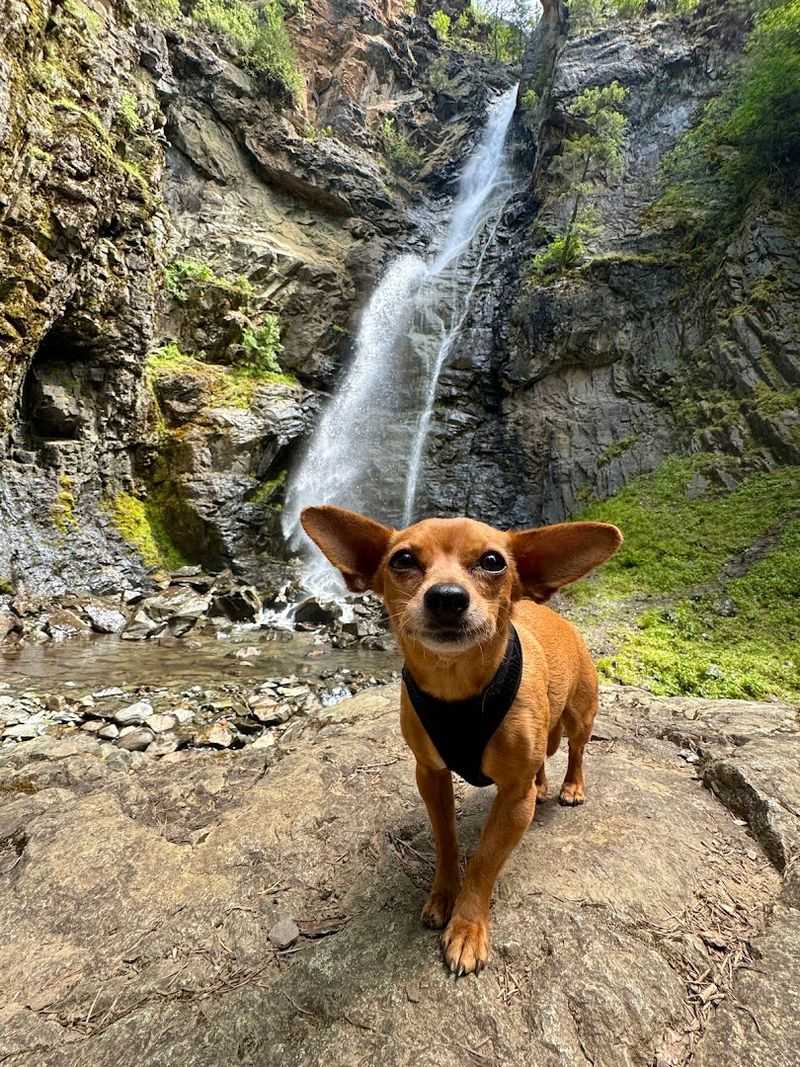
Border country and boreal forest make Copper Falls feel especially far from the rest of Idaho’s waterfall conversation. Visit North Idaho describes the falls as a thin splash dropping 225 feet near Bonners Ferry, while Visit Idaho says the trailhead sits a short drive from the Canadian border and leads to an easy 1.4-mile loop with multiple views of the falls.
Forest Service campground directions add useful location detail by confirming access from Copper Falls Road #2517 about one mile south of Eastport. Remoteness is a big part of the appeal here.
Even a short trail feels more adventurous when the landscape around it already seems quieter, cooler, and less traveled than the better-known waterfall corridors farther south. Height obviously helps too.
A 225-foot drop through conifer country carries enough visual force to justify the drive north on its own, especially when the hike itself stays manageable. Crowds seem less likely here than at many more publicized Idaho falls, which is another reason the place fits the “hidden” label so well.
Forest, distance, and a huge vertical drop make for a very strong combination. Go north from Bonners Ferry on US-95, then turn onto Copper Falls Road #2517 about one mile south of Eastport, Idaho.