The Fascinating Automobile Museum In Idaho You’ve Probably Never Heard Of
Boise, Idaho keeps one of its strangest treasures where nobody expects a field trip.
Past the industrial-park calm, a private collection of classic cars, vintage motorcycles, old tractors, fire engines, and transportation relics turns into a full mechanical rabbit hole.
Free admission makes the whole thing feel even more suspiciously delightful, especially since visitors need to plan ahead.
It is the kind of hidden museum that makes driving past it without stopping feel like a missed plot twist.
A Hidden Gem Worth Finding
Most people searching for things to do in Boise, Idaho never stumble across this quiet treasure. Located at 1090 W Boeing Street, Boise, ID 83705, the Yanke Motor Museum sits inside an unassuming industrial park that gives no hint of the wonders stored within.
That low-profile location is exactly what makes discovering it feel so rewarding.
Visitors who have made the trip describe it as a genuine surprise. One reviewer called it a “treasure trove of really cool vintage cars, trucks, tractors and motorcycles,” and that description barely scratches the surface.
The collection is thoughtfully organized, making every corner of the space feel like a new discovery.
Because the museum operates by appointment only, each visit feels personal and unhurried. You are not shuffling through crowds or rushing past displays.
Planning ahead is simple, and the payoff is a private, immersive experience that most mainstream Idaho attractions simply cannot match.
Classic Cars That Turn Heads
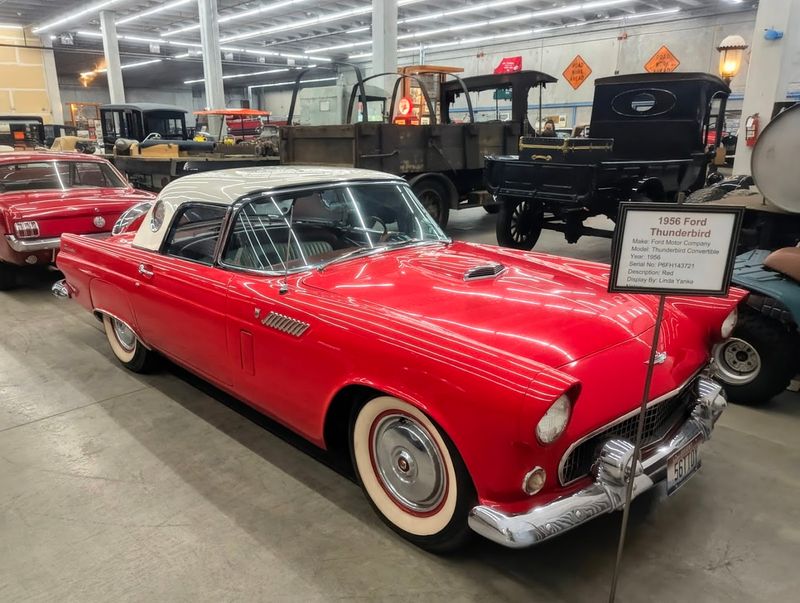
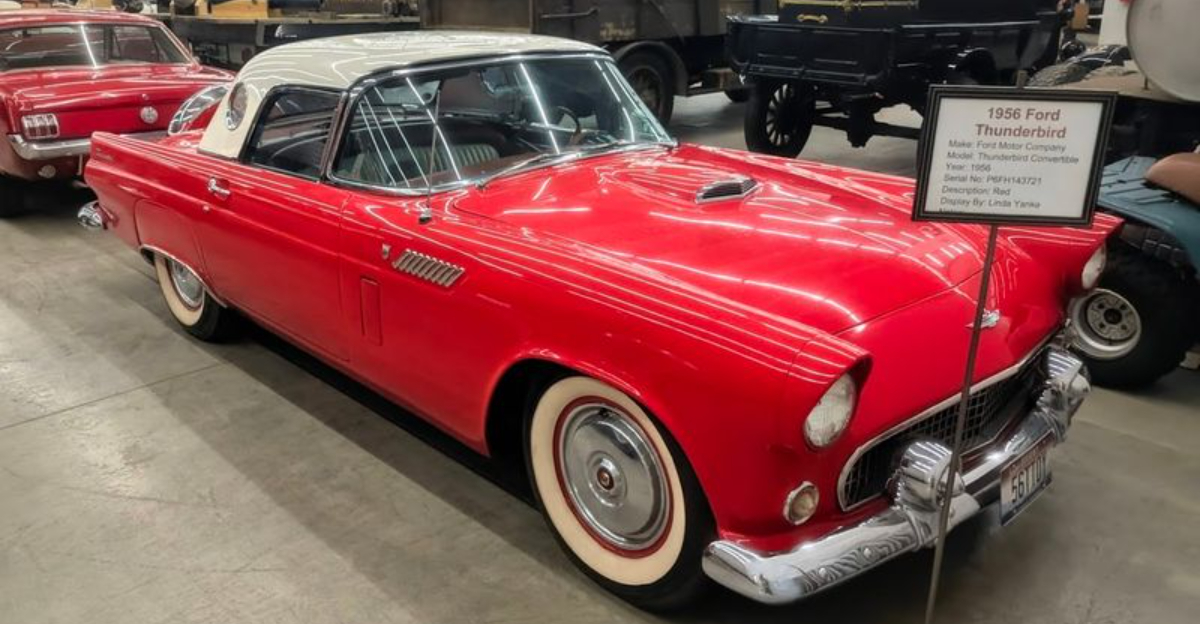
Chrome, curves, and old road-trip glamour give the car collection its immediate pull. ExhaustNotes, which published a detailed 2024 visit report, describes Yanke Motor Museum as containing a world-class automobile, motorcycle, tractor, and musical instrument collection, with a 1924 Packard convertible among the first vintage cars encountered.
That kind of detail matters because it shows the museum is more than a loose lineup of old vehicles. The collection has enough depth to reward people who care about design, engineering, restoration, and the way automobiles shaped American travel.
Older cars tell stories through their proportions alone: long hoods, rounded fenders, polished trim, heavy doors, and dashboards from an era before screens took over everything. A visit here gives people time to notice those details without being pushed through a timed exhibit.
Since appointments keep the experience controlled, the cars can be appreciated slowly. Idaho road culture has always involved distance, machines, and big landscapes, so seeing automotive history in Boise feels especially fitting.
Even people who do not know model years by heart can understand the appeal when a preserved classic catches the light.
Motorcycles With Stories To Tell
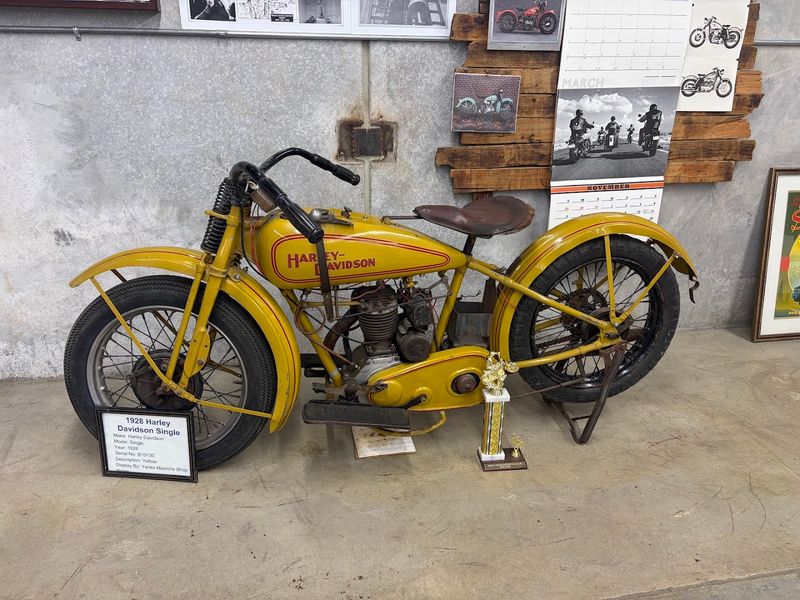
Two-wheeled history adds a faster, freer mood to the museum. Motorcycle Classics called Yanke Motor Museum a hidden treasure and noted a “hall full of stunning motorcycles,” including a 1934 VLD Harley.
Motorcycles bring a different kind of personality than cars because every detail feels exposed. Engines, tanks, seats, handlebars, tires, and chrome all sit right where visitors can study them.
Early and vintage motorcycles also show how much courage older riders needed, back when comfort, safety systems, and modern navigation were nowhere near today’s standards. The appeal is not just mechanical.
A vintage motorcycle instantly suggests open roads, weather, noise, and the kind of travel that required more grit than convenience. At Yanke, the motorcycle collection helps broaden the museum beyond standard car nostalgia.
It gives visitors another way to think about movement, adventure, craftsmanship, and Idaho’s connection to road culture. Appointment-only access also means enthusiasts can slow down and really inspect the bikes instead of squeezing past crowds.
For anyone who loves classic motorcycles, this section may be the reason the visit becomes unforgettable.
Vintage Tractors And Farm Heritage
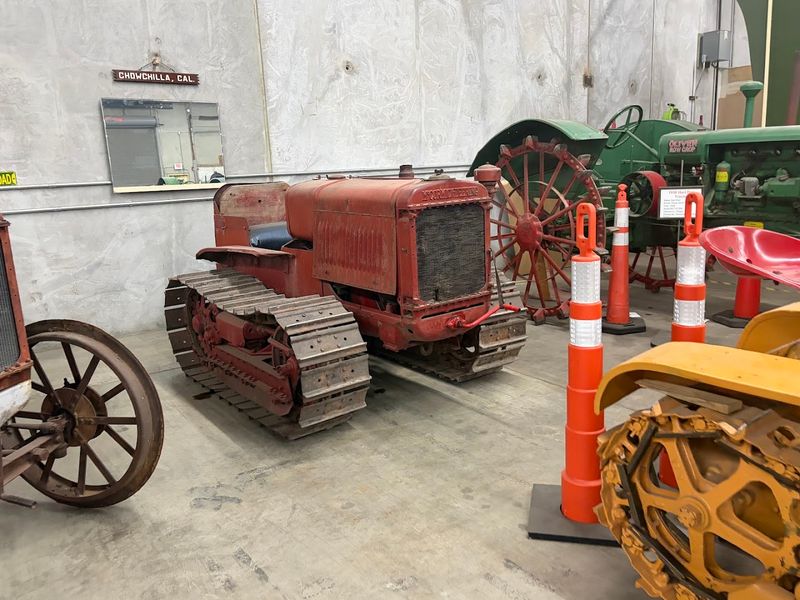
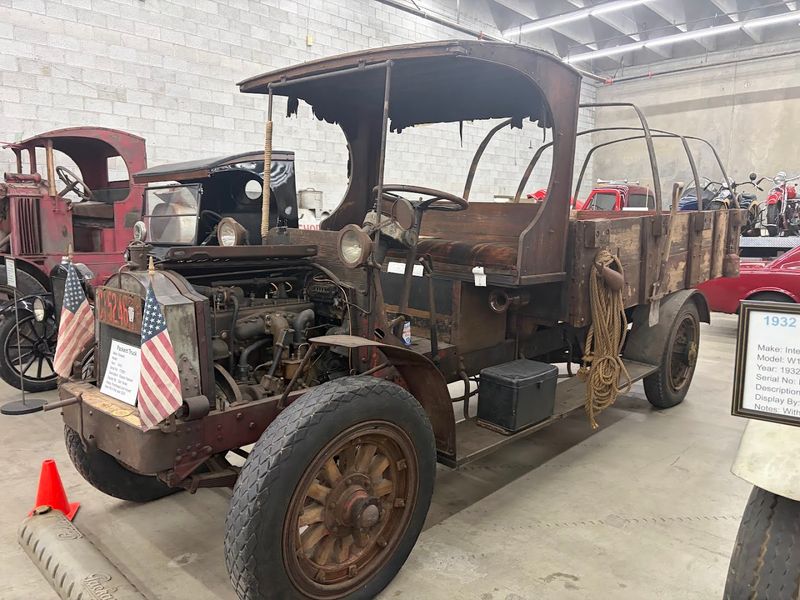
Farm machinery gives the Yanke collection a hardworking Idaho backbone. ExhaustNotes specifically describes tractors as part of the museum’s larger collection, alongside automobiles, motorcycles, and musical instruments.
That matters because tractors tell a different transportation story than polished road cars. They represent work, land, harvests, rural families, and the machines that helped shape agricultural communities across the West.
Idaho’s identity is closely tied to farming, so vintage tractors feel especially appropriate here. Seeing them beside classic cars and motorcycles creates a broader picture of how engines changed daily life.
Some machines carried families across highways. Others worked fields, hauled loads, and powered the practical side of American progress.
Kids may be drawn to the size and unusual shapes, while adults with rural memories may feel a sharper sense of nostalgia. The tractor section also keeps the museum from feeling too narrow.
Instead of presenting transportation history as only sleek and glamorous, Yanke includes the heavy-duty machines that made modern life possible in quieter ways. That mix gives the museum warmth, grounding, and a distinctly regional connection.
Fire Engines Full Of History
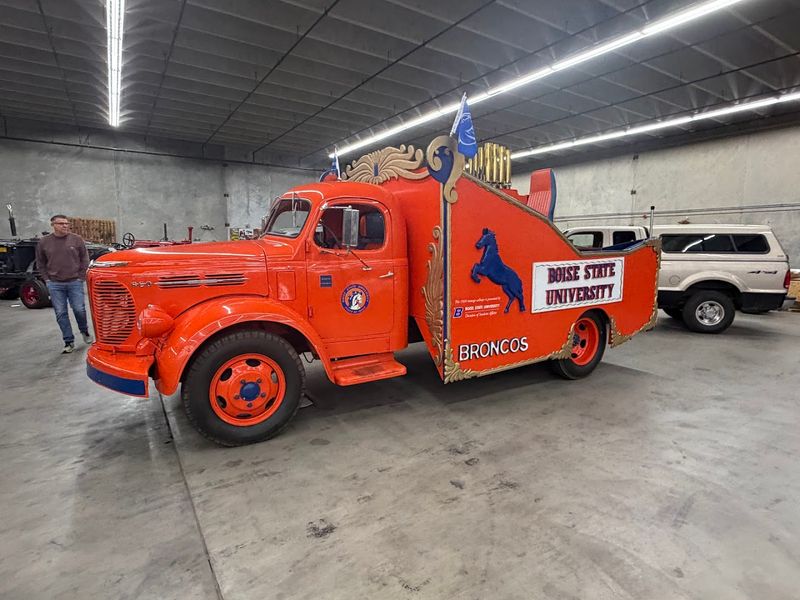
Fire equipment brings color, drama, and civic history into the museum’s collection. AutoMuseums.info categorizes Yanke Motor Museum under automobile and fire engines, confirming that firefighting vehicles are part of the site’s identity.
Vintage fire engines have a visual power that almost no other machines can match. Red paint, ladders, hoses, polished fittings, heavy wheels, and old emergency equipment instantly pull attention, even from visitors who did not arrive as vehicle enthusiasts.
These machines also carry a serious story. Communities depended on equipment like this during moments of real danger, often before modern safety systems, communications, and firefighting technology made response work more efficient.
A preserved fire engine can make visitors think about local service, risk, and the evolution of emergency response in a way a written panel alone never could. At Yanke, fire equipment adds another layer to the collection’s transportation theme.
The museum is not only about leisure drives or beautiful machines. It also reflects work vehicles, rescue history, public service, and the practical power of engines used when minutes mattered.
Transportation Artifacts Beyond Vehicles
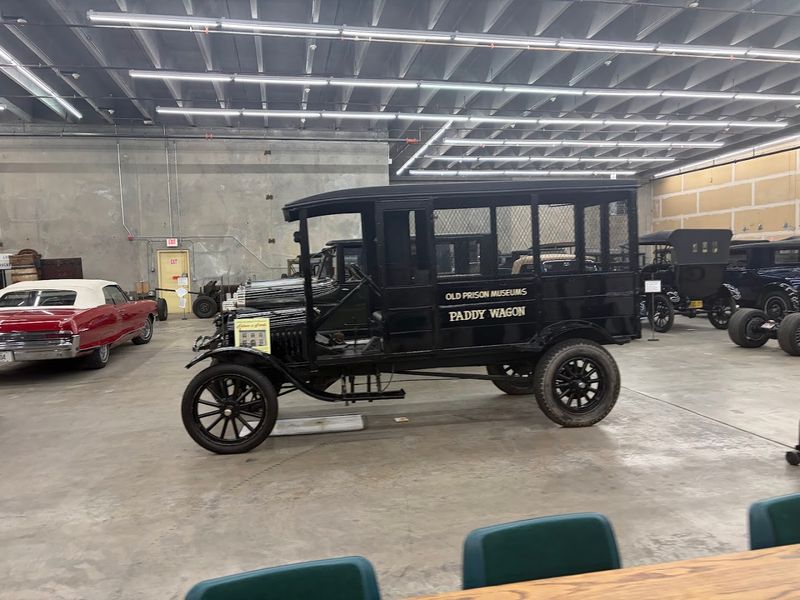
Automotive atmosphere does not come only from the vehicles. Smaller objects, elated displays and collectible pieces help explain how people actually lived with these machines.
While detailed public documentation of every artifact at Yanke is limited, visitor-focused sources consistently describe the museum as a larger private collection rather than a single-category car display. ExhaustNotes notes automobiles, motorcycles, tractors, and musical instruments, while Motorcycle Classics emphasizes the hidden-treasure quality and the breadth of the collection.
That breadth is important because collections like this work best when the surrounding details fill in the world around the vehicles. A car is more interesting when viewers can also imagine the garage, the tools, the service station, the road signs, the fuel cans, and the era it came from.
Those supporting pieces create texture. They give visitors more to notice between the major showpieces and make the experience feel less like a showroom.
For curious travelers, this is often where the best surprises hide. A small object can tell a story just as strongly as a restored engine.
Free Admission, Priceless Experience
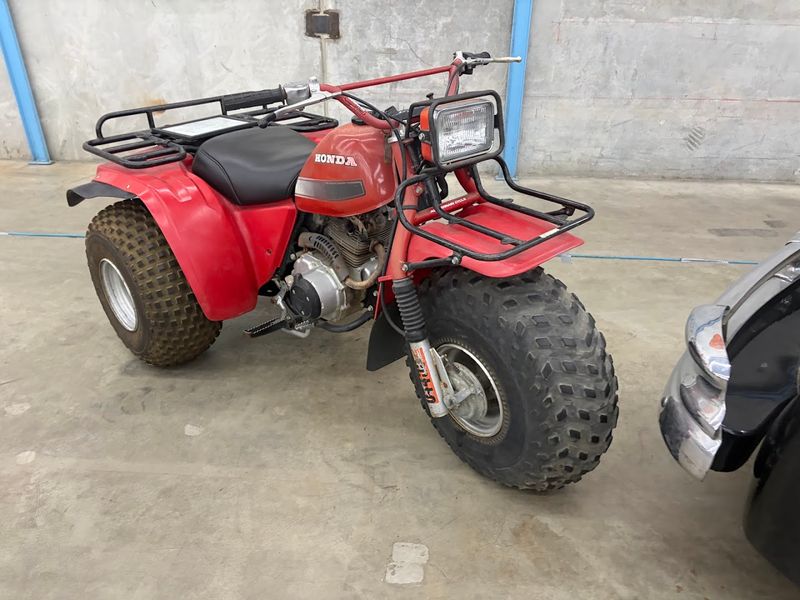
Free admission makes Yanke Motor Museum feel unusually generous for a private collection. Automotive Museum Guide lists admission as free and hours as by appointment, while Motorcycle Classics also notes that admission is free but requires an appointment, with visitors advised to call 208-863-0212.
That structure changes the whole experience. Instead of paying at a ticket window and joining a crowd, visitors arrange access ahead of time and get a more deliberate visit.
The tradeoff is simple: planning replaces spontaneity. For many people, that is actually a benefit because it makes the museum feel calmer and more personal.
Free admission also lowers the barrier for families, road-trippers, students, and car enthusiasts who want something different in Boise without turning the day into a major expense. Donations or respectful support may still be appreciated at private collections, but the listed free admission makes the stop stand out.
Anyone visiting should bring a camera, allow enough time, and avoid treating the appointment casually. A place this unusual deserves more than a rushed glance between errands.
Plan Your Visit The Right Way
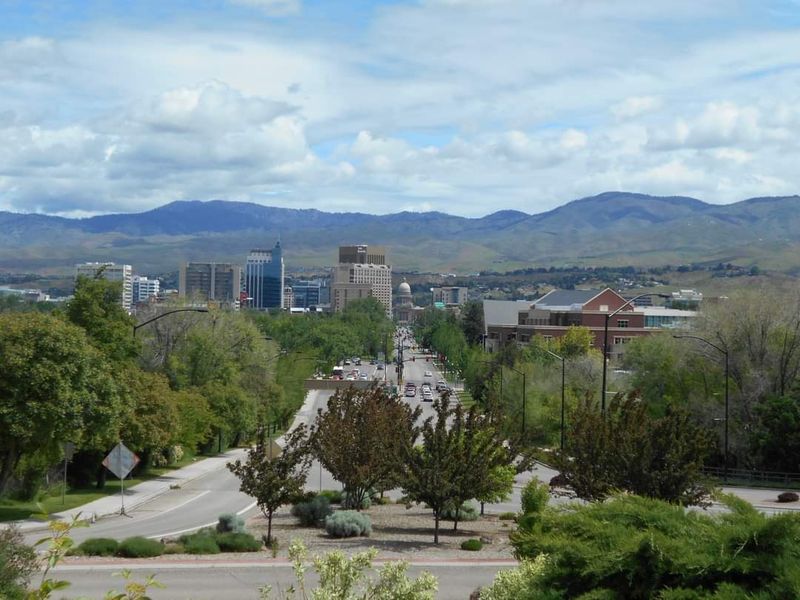
Planning ahead is the rule, not a suggestion, at Yanke Motor Museum. Multiple museum directories and visitor reports say access is by appointment only, and Motorcycle Classics specifically advises calling 208-863-0212 before visiting.
Because the museum sits in an industrial zone off Interstate 84, finding it may take a little attention. Motorcycle Classics notes that Waze worked for directions, while some other navigation tools may be less reliable.
That is exactly the kind of practical detail that can save frustration on arrival day. Visitors should confirm the appointment, double-check the route, avoid assuming walk-in access, and give themselves enough time to enjoy the collection properly.
Pairing the museum with other Boise stops can make a great day: lunch downtown, a park visit, or another cultural attraction before or after the appointment. The museum works best for people who enjoy hidden places, classic machines, and local discoveries that require a little effort.
For travelers tired of obvious attractions, Yanke Motor Museum offers something quieter, stranger, and far more memorable than its low-profile exterior suggests.