Hunters Still Find Petrified Wood And Blue Chalcedony Scattered Across Nebraska’s Panhandle Grasslands With No Shovel Required
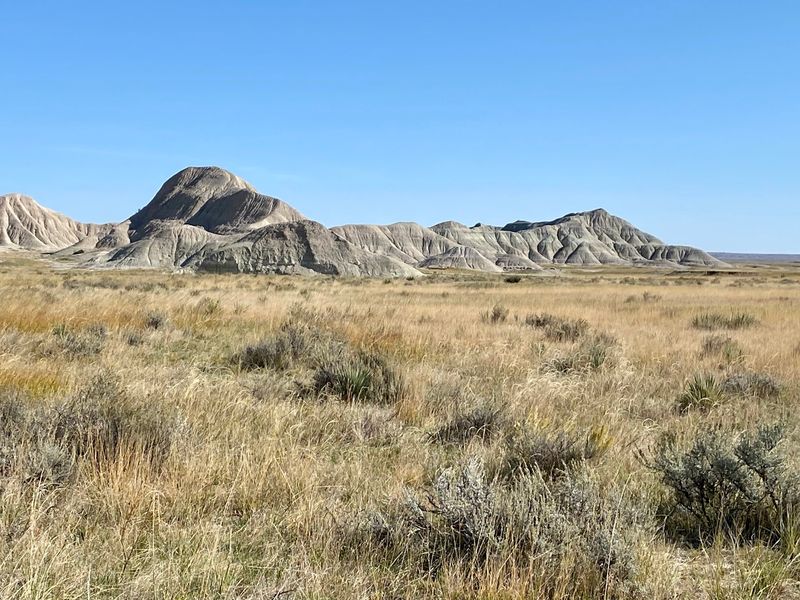
Nebraska’s official state gemstone can sit right on top of the ground, waiting for someone to notice a flash of blue. It’s called blue chalcedony, and in the Panhandle it weathers out of ancient rock layers onto open grassland.
Petrified wood shows up out there too. Some pieces still carry growth rings, grain lines, or bark texture from trees that turned to stone long ago.
I love that the main tool is patience. On much of the national grassland, casual collectors can use simple hand tools, and plenty of finds need no digging at all.
The rules matter, and so does knowing where to look. A rain shower can wash fresh gravel into view overnight.
So which corner of the Panhandle deserves your first slow walk?
1. Oglala National Grassland
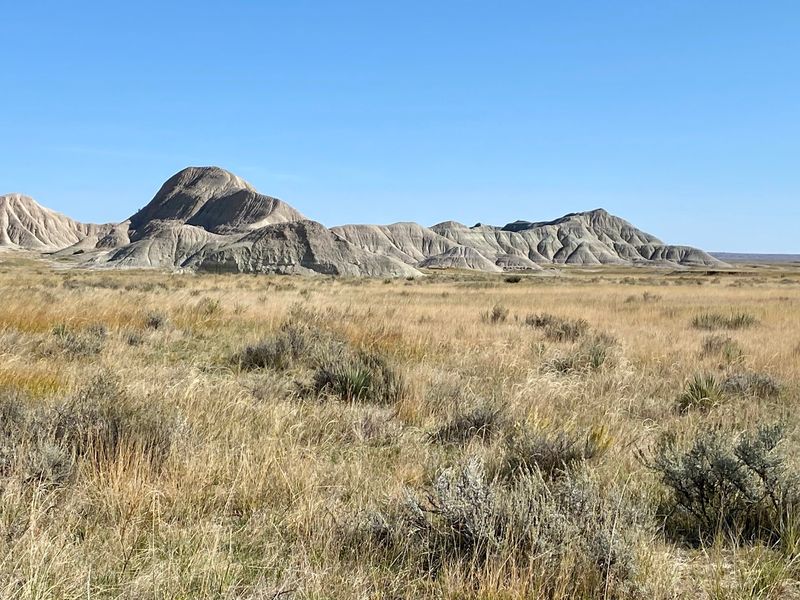
More than 90,000 acres of open country is a lot of room to stare at the ground. The Oglala National Grassland spreads across Dawes and Sioux Counties in the far northwest corner of the state.
Managed by the USDA Forest Service, it’s the anchor for much of Panhandle rockhounding. Searchers here find chalcedony, common opal, jasper, and petrified wood on the surface.
Casual collecting for personal use is generally allowed without a permit. The Forest Service guideline is about 25 pounds per day and 250 pounds per year.
Hand tools only, so leave the backhoe fantasies at home. Honestly, your eyes will do more work than any tool you bring.
There’s one big catch worth remembering. Interpretive trails and designated geologic park areas are off-limits for collecting.
Selling what you pick up on public land is also not allowed. Think of it as a souvenir, not a side hustle.
Bring water, a hat, and a map that shows land ownership. Private ranch land sits next to public ground in many spots, and fences don’t always explain themselves.
Address: Pine Ridge Ranger District office, 1240 W 16th St, Chadron, NE 69337
2. Pine Ridge
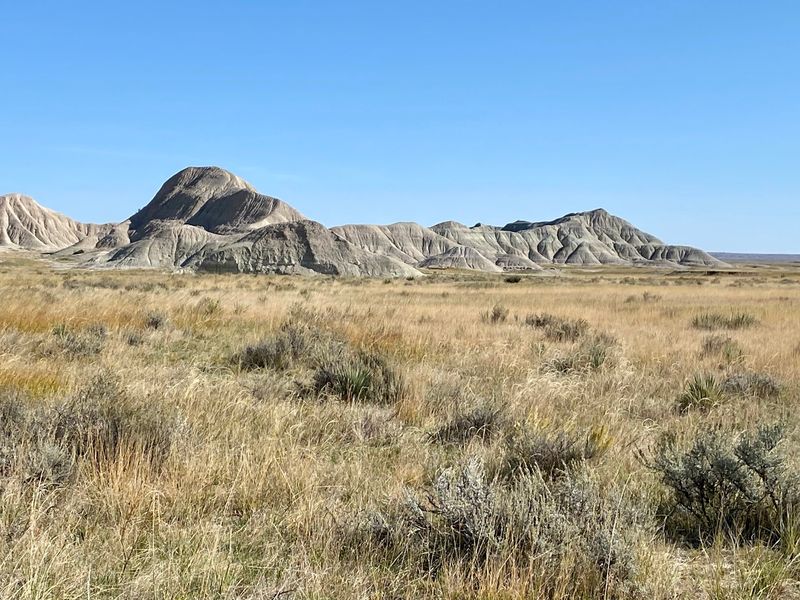
Ponderosa pines on Nebraska buttes surprise plenty of first-time visitors. The Pine Ridge escarpment adds rugged drama to the Panhandle, and it pays off for rock hunters too.
Erosion here exposes White River Group sediments, which are very old rock layers. Blue chalcedony, jasper, and petrified wood weather out of them and land on the surface.
That’s the whole trick of this region, really. The ground does the digging for you, one storm at a time.
Parts of the ridge fall within the Oglala National Grassland boundaries in Sioux County. That’s where the public collecting guidelines apply.
Roads can turn rough fast once you leave main routes. High-clearance four-wheel drive is often recommended for remote stretches.
Weather deserves respect up here as well. Severe thunderstorms roll through, and wet clay roads can become slick in a hurry.
Rattlesnakes live in this country, so watch where you put your hands. A walking stick for poking around is a smart, low-tech companion.
Plan for spotty cell service and tell someone your route. Then enjoy the view, because the scenery alone earns the drive.
Address: Pine Ridge Ranger District, 1240 W 16th St, Chadron, NE 69337
3. Toadstool Geologic Park
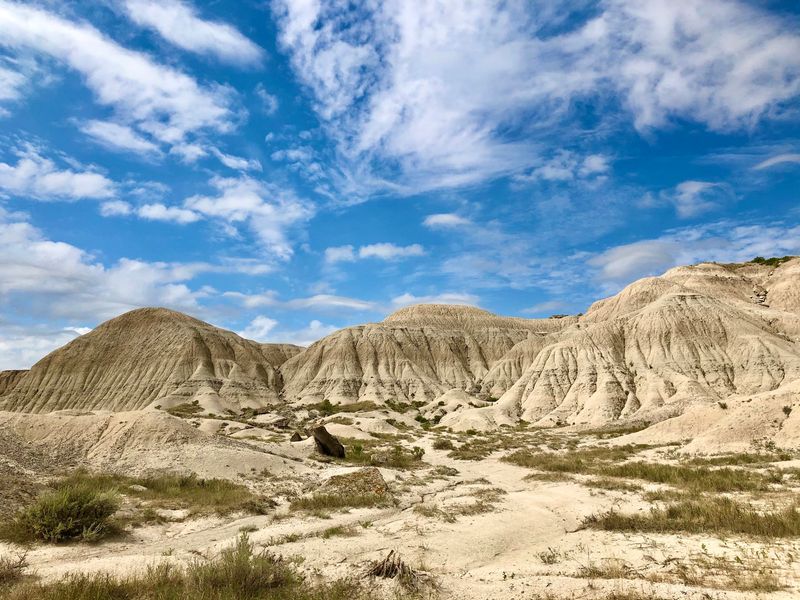
Rocks shaped like giant mushrooms make Toadstool Geologic Park one of the oddest sights in Nebraska. Harder caps sit on softer clay pillars that wore away beneath them.
Here’s the rule to memorize before you go. Collecting is not allowed inside the park or along its interpretive trail.
So why include it on a rock hunter’s list? Because it works like an outdoor classroom for the hunt ahead.
The park shows off White River Group layers in plain view. Seeing them helps you understand where chalcedony and agate come from.
Once you recognize those layers, the surrounding grassland makes more sense. Outside the park’s designated zones, collectors look for chalcedony, common opal, jasper, and petrified wood.
The park also has a reconstructed sod house near the trailhead. It’s a neat bonus for anyone who likes pioneer history with their geology.
Bring the kids and let them hunt for patterns instead of pockets. Spotting layers and textures trains their eyes for later.
Arrive with plenty of water, since shade is scarce. The badlands reflect a lot of sun on summer afternoons.
Address: Toadstool Road, about 19 miles northwest of Crawford, NE 69339
4. Orella
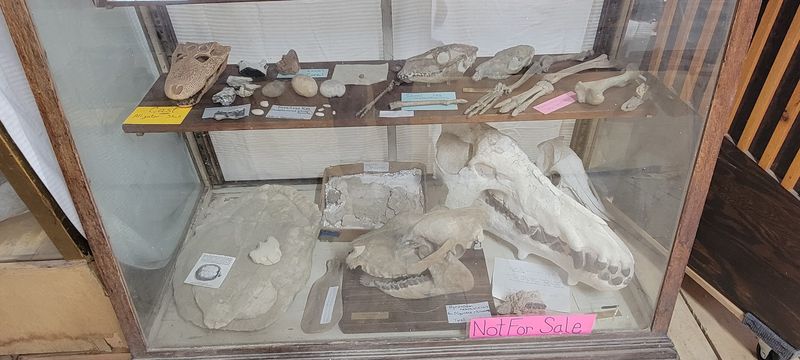
Many rock hunters call Orella the heart of Nebraska rockhounding, and the reputation fits. This tiny spot in Dawes County sits amid open Oglala National Grassland.
Rain is the secret ingredient here. A good shower can expose fresh gravel on the eroded flats.
That gravel holds a colorful mix of possibilities. Collectors report Fairburn agate, jasper, carnelian, opalized wood, and silicified fern.
Fairburn agate is a showstopper, with tight, bold bands. Finding one ranks high on many Panhandle wish lists.
The best method sounds almost too easy. Walk slowly, keep the sun at your back, and scan the ground in sections.
Wet stones show color better, so a spray bottle can help. Lick-testing a rock is a rockhound classic, though water works just as well.
Remember the daily weight guideline before you fill a backpack. Twenty-five pounds feels light right up until the walk back to the car.
Distances out here are bigger than they look. Fuel up in a nearby town before heading in, since services are few.
Address: Orella area, Dawes County, NE, north of Crawford via Orella Road
5. Chadron Area
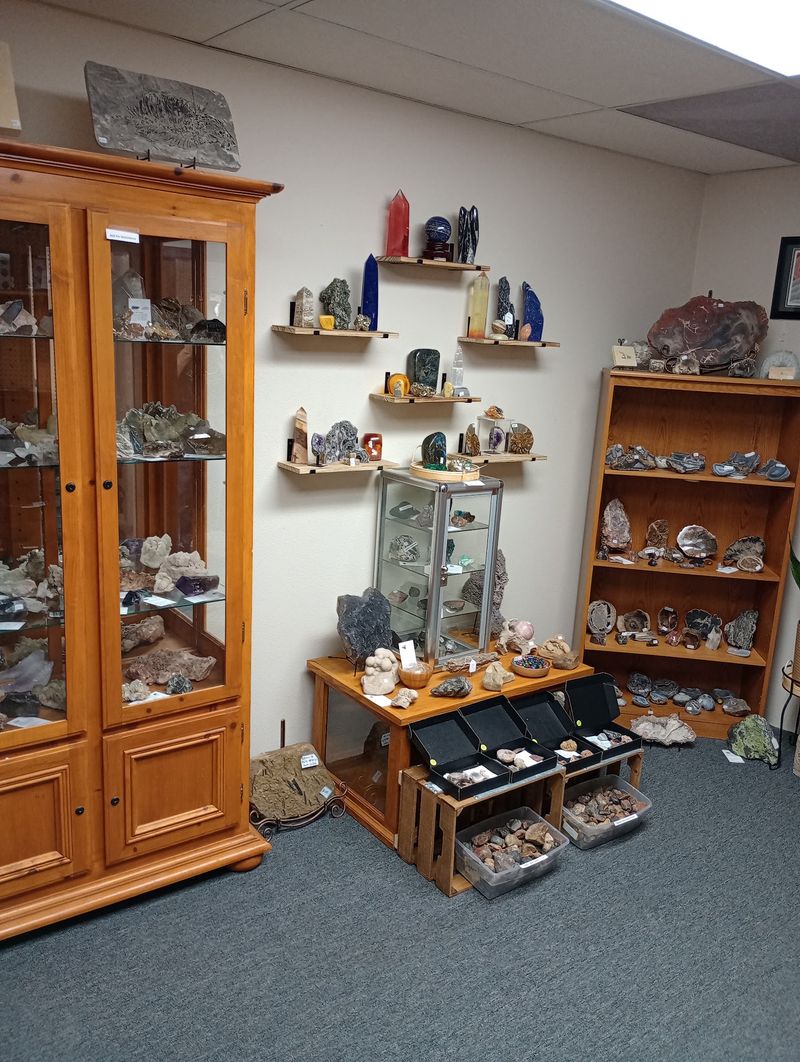
A whole rock formation carries this town’s name, and that matters for gem hunters. The Chadron Formation is part of the White River Group.
Those ancient sediments are linked to Nebraska’s state gemstone, blue chalcedony. The state adopted it as the official gemstone in 1967.
Collectors in the Chadron region find translucent blue nodules and seam fillings. Some folks call the material Nebraska blue agate.
Colors range from pale, milky blue to a brighter sky shade. Hold one up to the light, and it can glow softly from within.
The stone also takes a fine polish. That’s why hobbyists love cutting it into smooth, rounded cabochons for jewelry.
Chadron makes a handy base for exploring nearby public land. The Forest Service ranger district office is right in town.
Stop there for maps and current rules before heading out. Land ownership can shift quickly across the county.
Chadron State Park sits just south of town, but don’t collect there. Most Nebraska state parks prohibit rock and mineral collecting.
Address: Chadron, NE 69337, Dawes County
6. Bayard
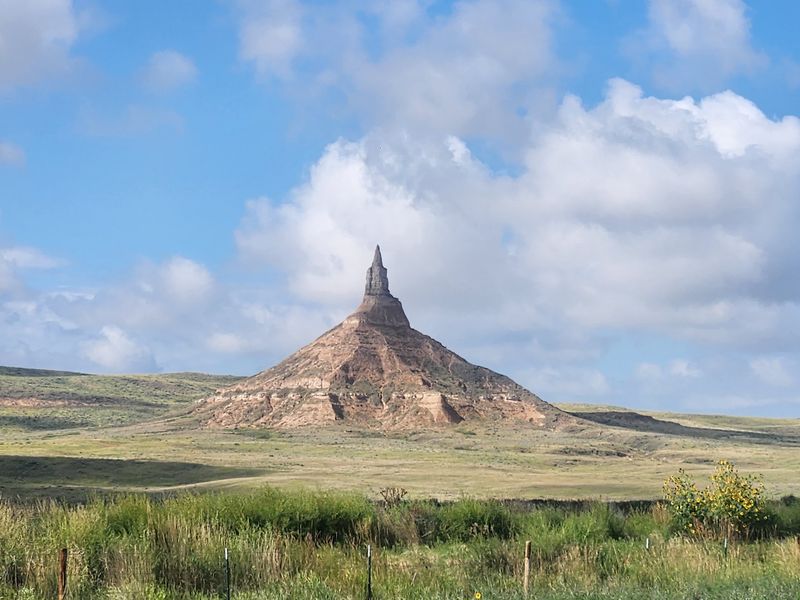
Chimney Rock towers over the skyline near Bayard, which is quite the backdrop for staring at gravel. This Morrill County town sits in the North Platte River valley.
The Wildcat Hills rise nearby too. Their old Tertiary rock layers have eroded for ages, feeding the valley below.
That erosion left terrace and river gravels around Bayard. Searchers find agate, chalcedony, and petrified wood mixed into them.
It’s a different hunting style than the northern badlands. Here you’re scanning rounded, river-tumbled stones instead of fresh slope wash.
River tumbling often gives pieces a natural shine. A wet agate in a gravel bar can catch the light from several steps away.
Much of the land along the river is privately owned. Always get permission before stepping onto a ranch or farm.
Chimney Rock National Historic Site makes a great stop on the same trip. Just know it’s a viewing spot, not a collecting one.
Pair the two, and you get history and treasure hunting in one afternoon. Few Nebraska day trips mix landmarks and stones this well.
Address: Bayard, NE 69334, Morrill County
7. Petrified Wood
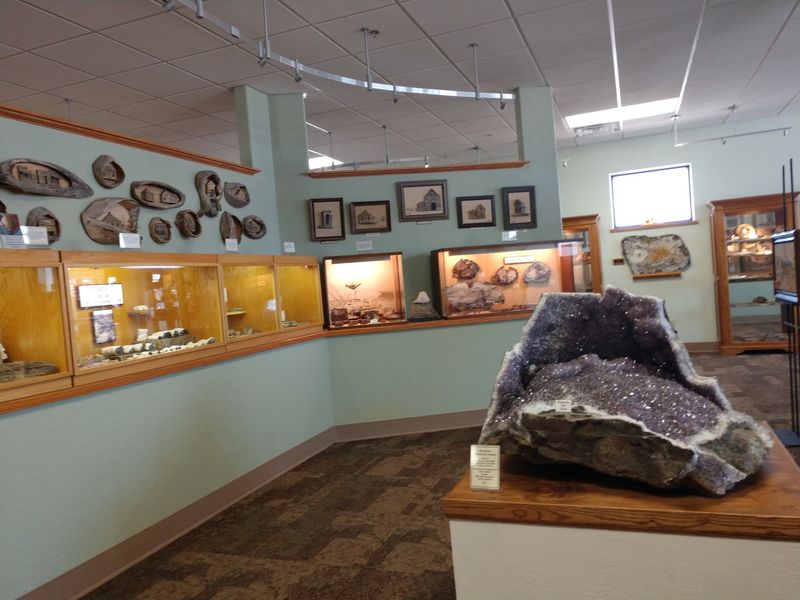
Trees that turned to stone still leave fingerprints behind. Petrified wood in the Panhandle often keeps details from its living days.
Look for parallel grain lines running along a piece. Growth rings and bark texture are strong clues as well.
Some wood became agatized, while other pieces turned opalized. Both happen when silica-rich water slowly replaces the original material.
Palm wood is a special prize with a telltale look. Its rod-and-dot pattern resembles tiny freckles across the surface.
Petrified wood is usually allowed for personal collecting on Forest Service land. Vertebrate fossils are another story entirely.
Bones, teeth, and similar remains are protected and require permits for research. If you spot one, take a photo and leave it be.
Agate Fossil Beds National Monument is fascinating but strictly hands-off. Collecting is never allowed inside National Park Service units.
Keep an eye on the sky during summer storms. Flash floods can surge through badlands draws with little warning.
Follow the rules, and Nebraska’s prairie keeps handing out treasures. Sometimes the best ones are already sitting on top.
Address: Oglala National Grassland public lands, Dawes and Sioux Counties, NE